Your search Han Potoci gave 881 results.

This small and highly questionable relief from southern France may depict a winged leontocephalic figure seated.
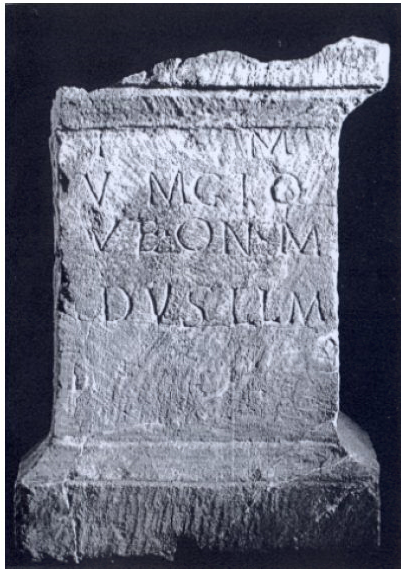
This fragmented monument bears an inscription of a certain veteran named Valerius Magio.

This relief of Mithras slaying the bull incorporates the scene of the god carrying the bull and its birth from a rock.

Histria connected the northern Adriatic to the Balkan and Danubian worlds through maritime and regional communication networks.
Cyrene linked North Africa to the Greek East through long-standing urban traditions and eastern Mediterranean maritime exchange.
Aemilia connected northern and central Italy through prosperous urban centres and major communication routes of the Roman Peninsula.
Liguria linked northern Italy to southern Gaul and the western Mediterranean through coastal and Alpine communication routes.
Venetia connected northern Italy to the Adriatic and Danubian worlds through trade, mobility and imperial communication routes.
Umbria formed part of the central Italian heartland through which religious practices circulated between Rome and the northern provinces.
Picenum connected the Adriatic coast of central Italy to inland communication routes and the wider networks of the Roman Peninsula.
Lucania connected inland southern Italy to the Tyrrhenian and Ionian maritime worlds through regional communication networks.
Sicilia connected Italy, North Africa and the eastern Mediterranean through some of the busiest maritime routes of the Roman world.
At the western edge of the Roman world, Mauretania Tingitana linked North Africa to Hispania through military and maritime exchange.
Mauretania Caesariensis connected western North Africa to Mediterranean trade routes and the provincial networks of the Roman empire.
Cilicia occupied a key position between Anatolia, Syria and the eastern Mediterranean maritime routes.
Lycia et Pamphylia connected southern Anatolia to the maritime networks of the eastern Mediterranean world.
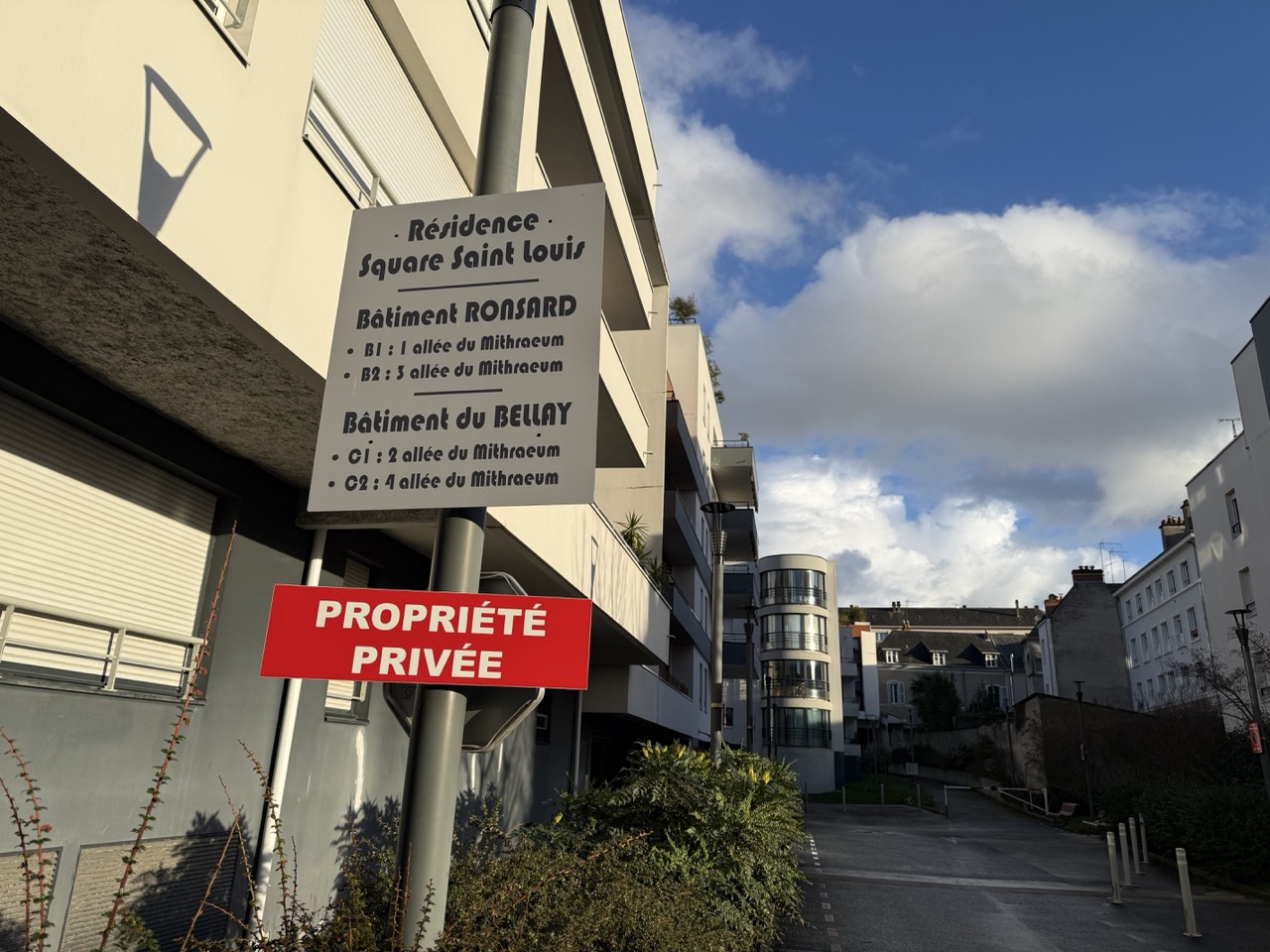
The Mithraeum of Angers, excavated during a preventive operation and subsequently dismantled in 2010, yielded numerous objects, including coins, oil lamps, and a ceramic vessel bearing a votive inscription to the invincible god Mithras.

Roman Sicilia preserves Mithraic evidence shaped by Mediterranean mobility and the island’s strategic position between east and west.
Mesopotamia preserves frontier evidence from the eastern limits of Roman Mithraic expansion.
