Your search Ines Siemers-Klenner gave 221 results.
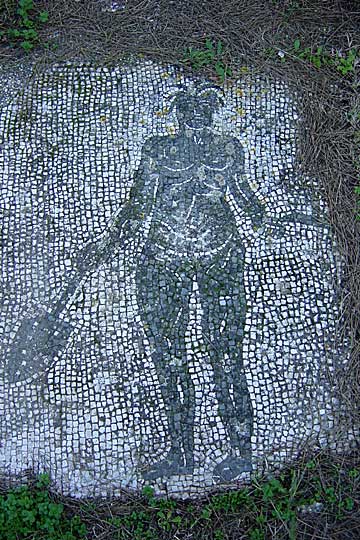
Several figures related to the Mysteries of Mithras are depicted on the mosaics of the Mithraeum of the Animals.
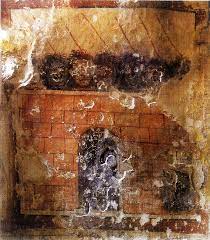
The City of Darkness unique fresco from the Mithraeum of Hawarte shows the tightest links between the western and eastern worship of Mithras in Roman Syria.
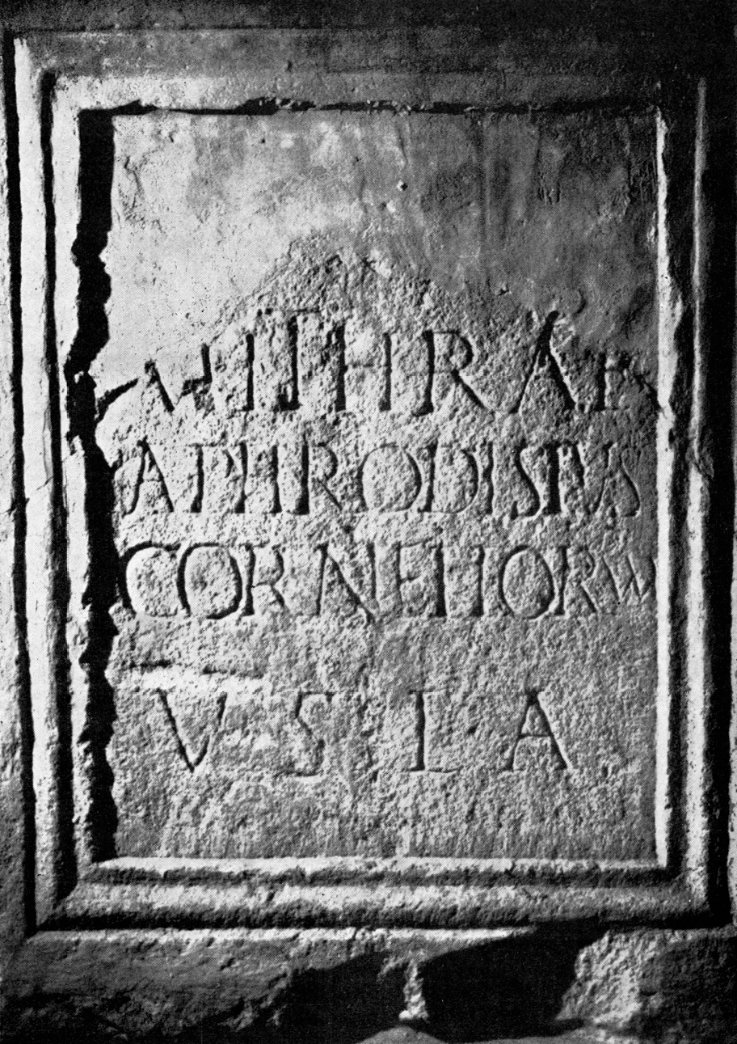
This inscription by a certain Aphrodisius was found under the old city hall of Algiers.
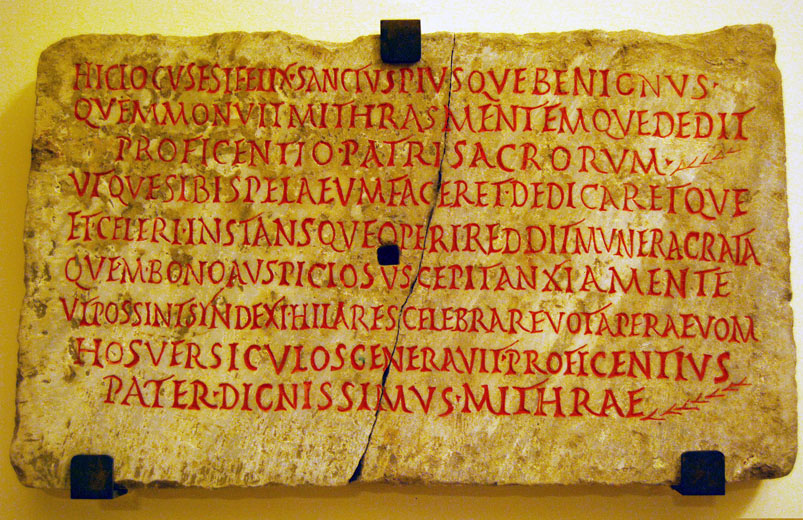
This marble slab bears an inception be the Pater Proficentius to whom Mithras has suggested to build and devote a temple.
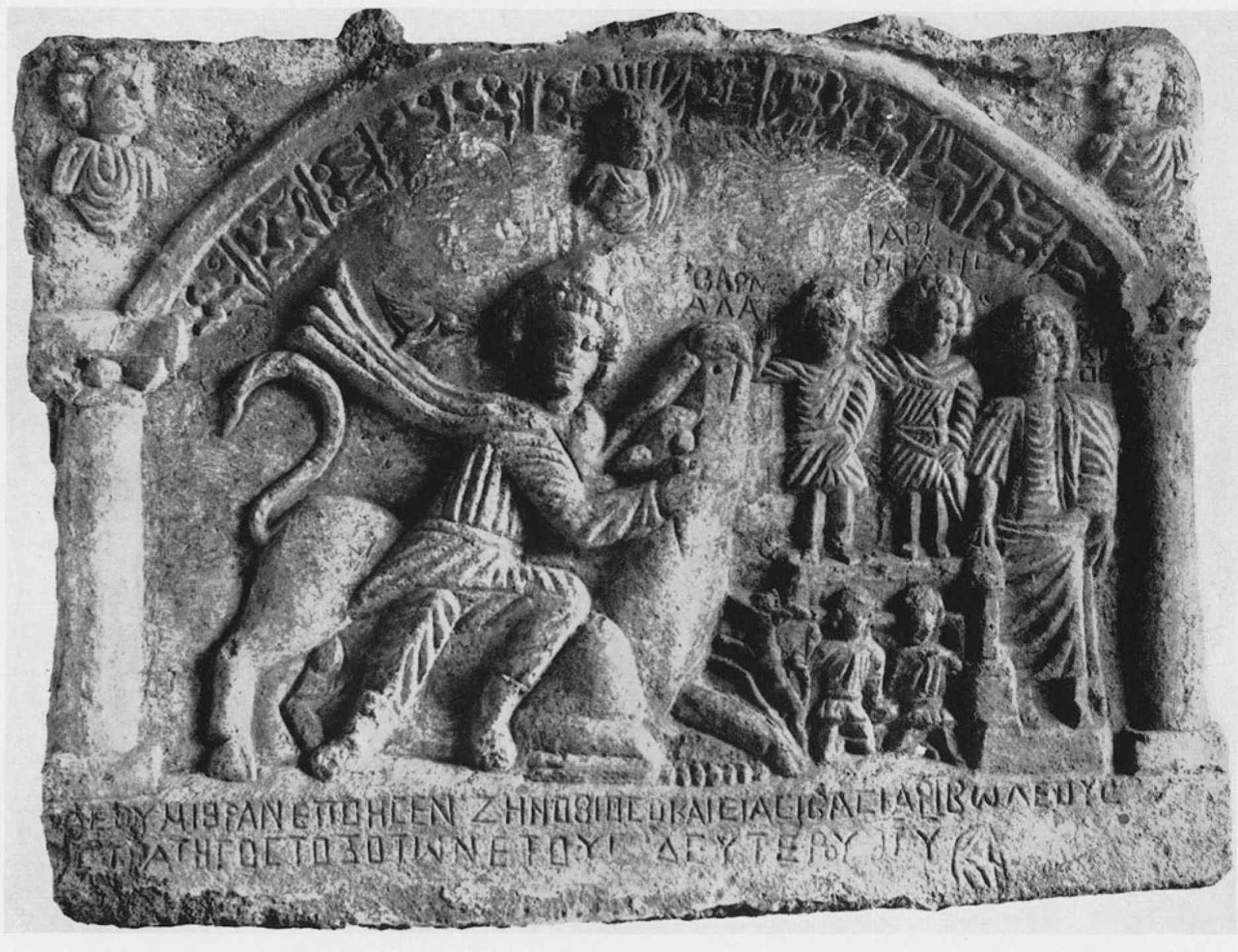
The main relief of Mithras killing the bull from the Mithraeum of Dura Europos includes three persons named Zenobius, Jariboles and Barnaadath.
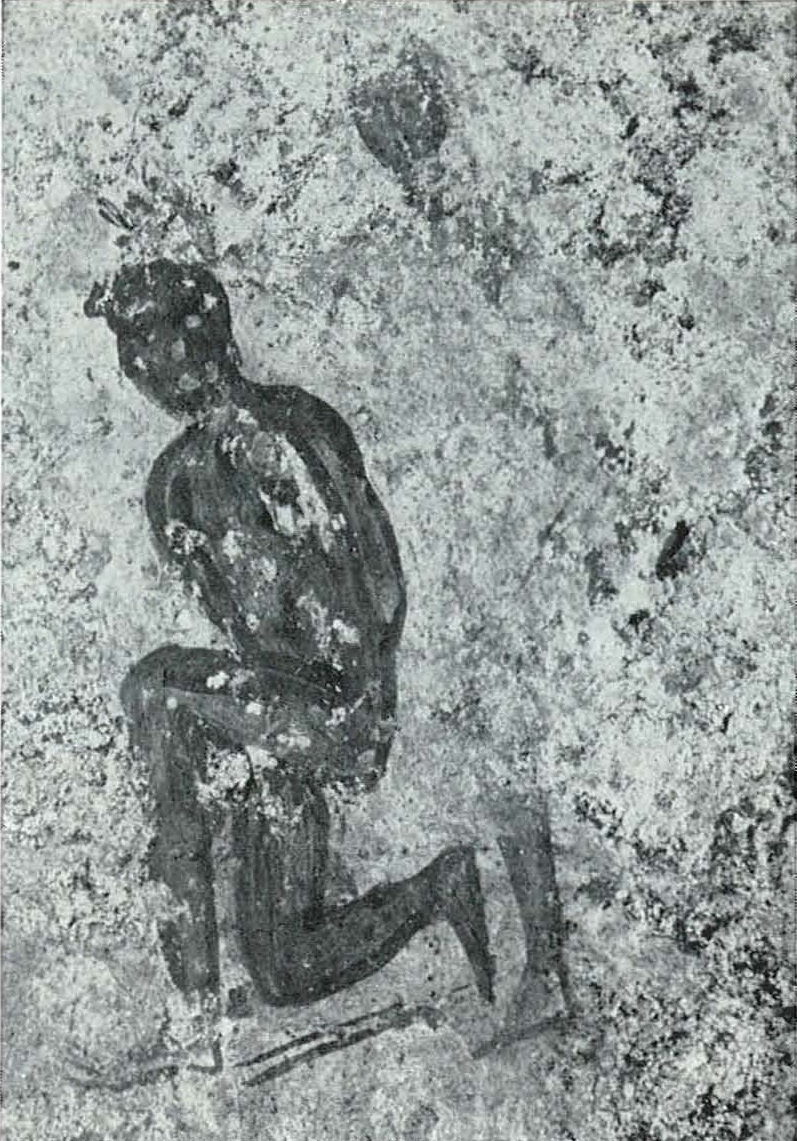
This scene from the frescoes of the Mitreo di Santa Maria Capua Vetere shows a kneeling, naked man surrounded by two other figures.
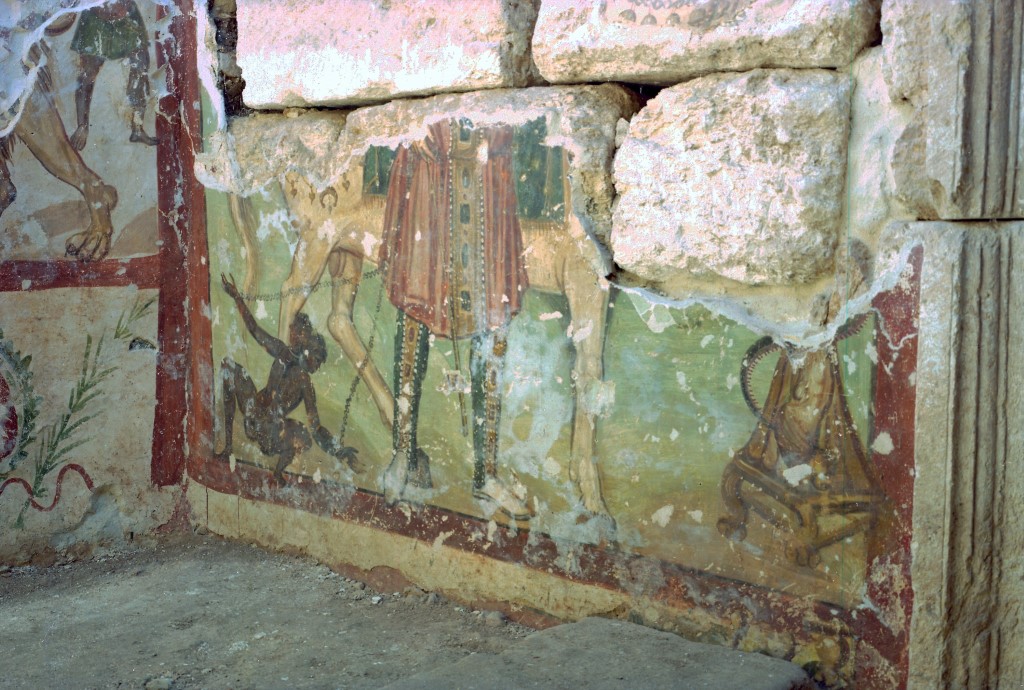
This painting depicts an Iranian knight holding in a chain a black naked figure with two heads.
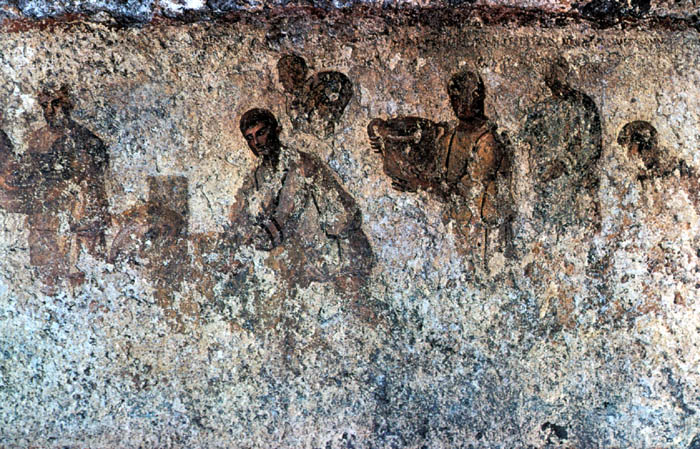
Procession of Leones carrying animals, bread, a krater, and other objects in preparation for a feast.
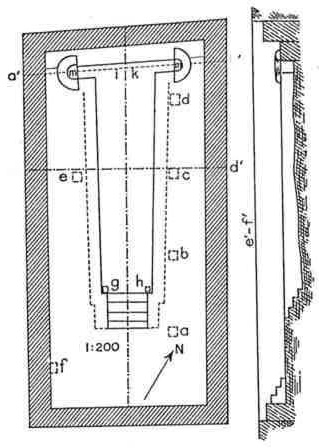
Mithraeum discovered in 1887–1888, located about 85 m north of the castellum at Ober-Florstadt, built on a hillside with a central aisle, benches, and an altar podium.
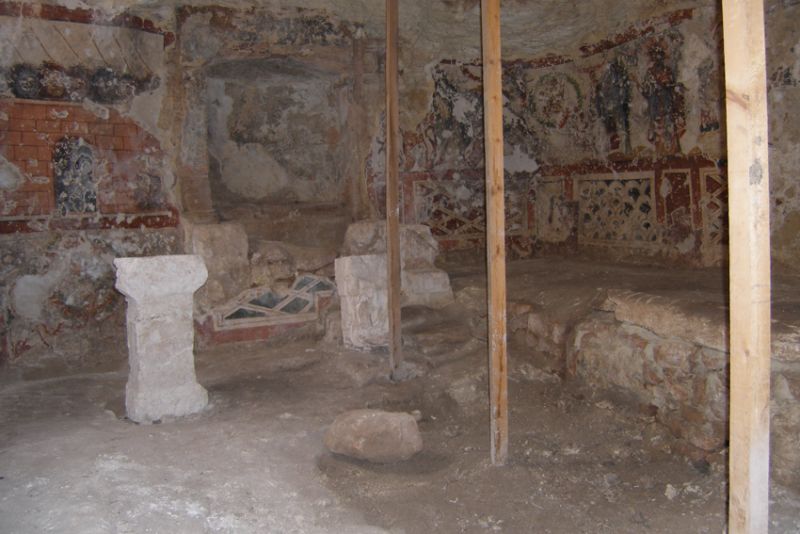
The Mithraeum of Hauarte or Hawarte, which preserves colourful frescoes, it’s the latest know and used.
Lenni George on Hekate’s development across ancient traditions, from mystery cults to magical practice and philosophical thought.
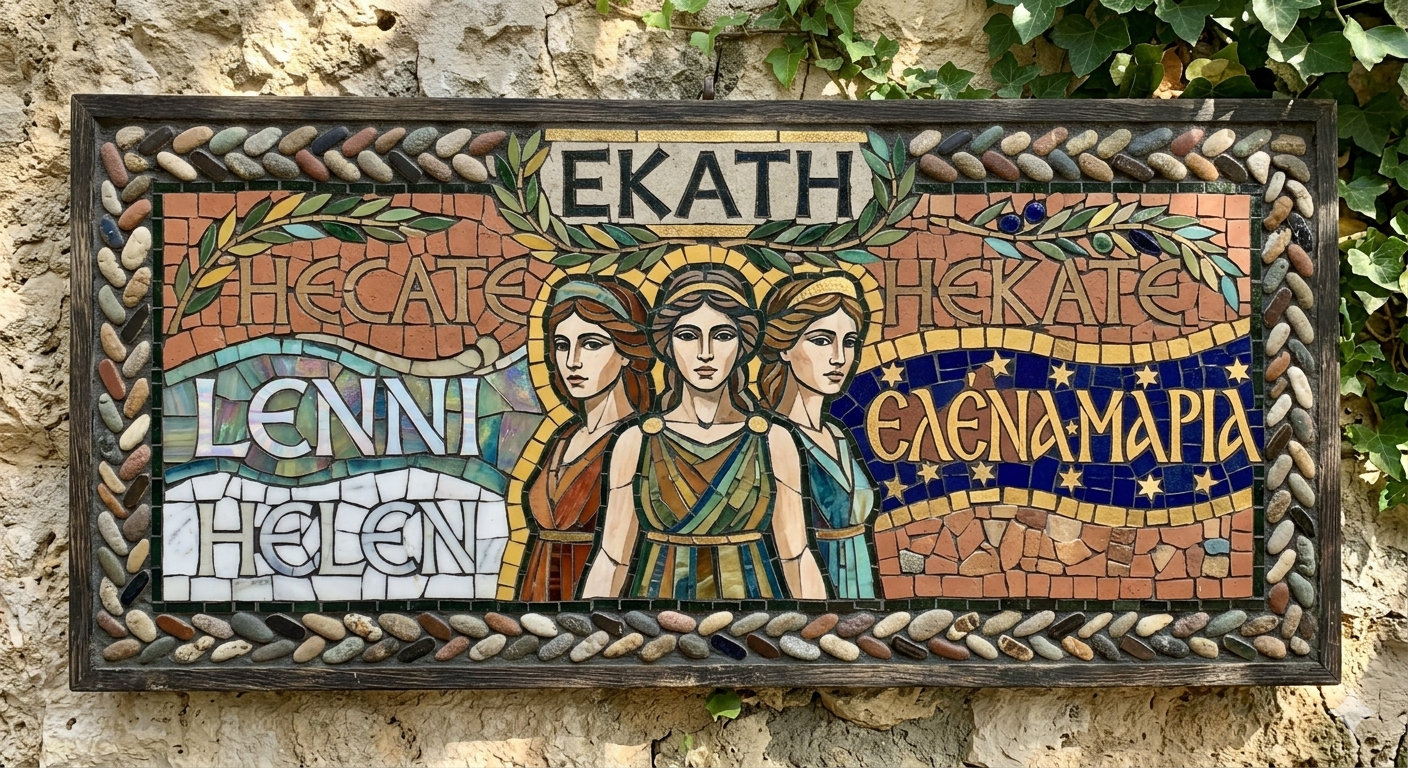
On what Hekate’s name may or may not tell us, and why the uncertainty matters.
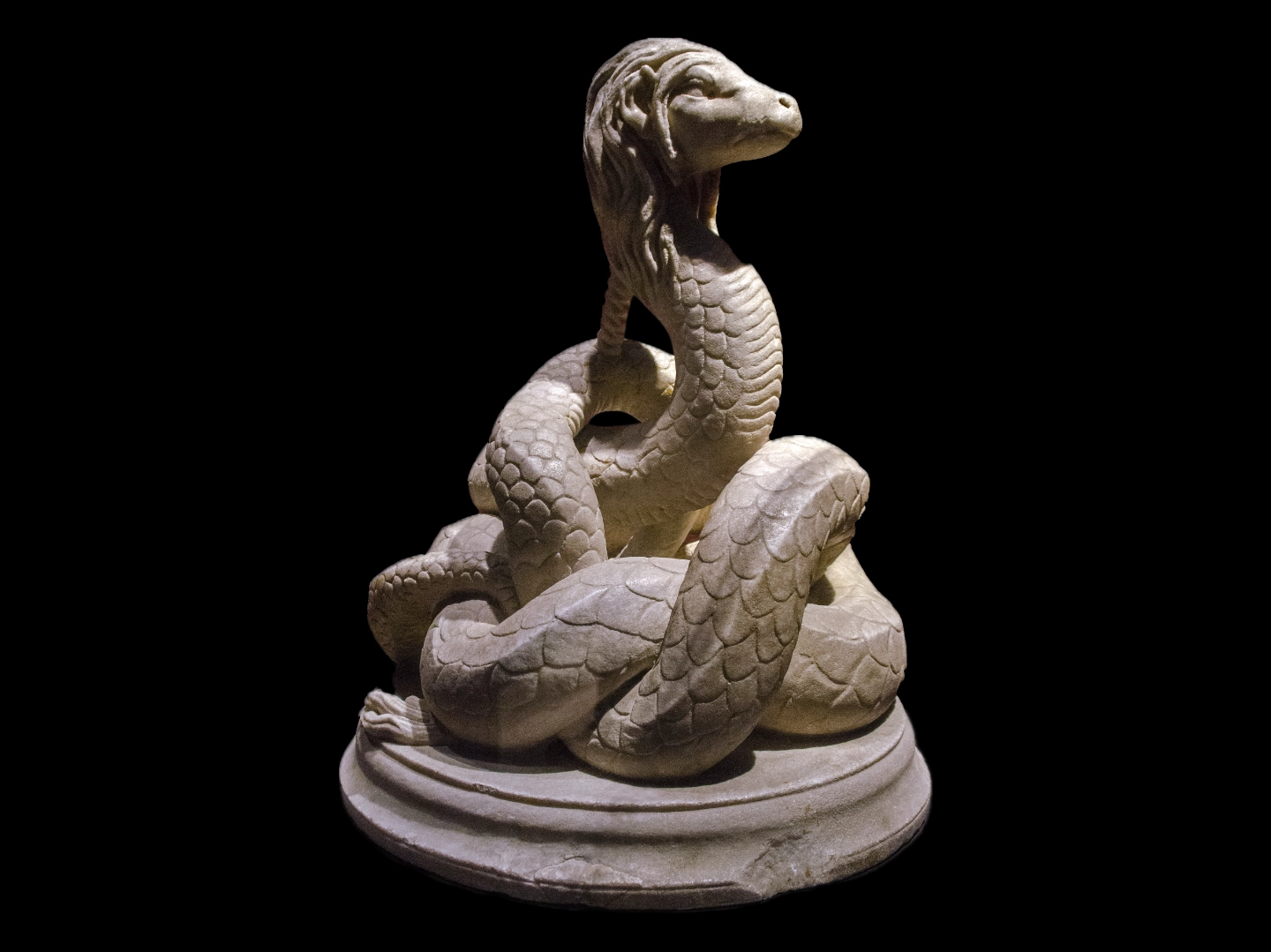
At Rome’s twilight, amid political upheaval and Christian ascendancy, Vettius Agorius Praetextatus embodied pagan intellect, virtue, and authority across senatorial, military, and mystical spheres.

From the late first century CE, Mithras spread across the Roman Empire, leaving more than 130 sanctuaries and nearly 1,000 inscriptions. This volume offers a rigorous synthesis that renews our understanding of this enigmatic cult.
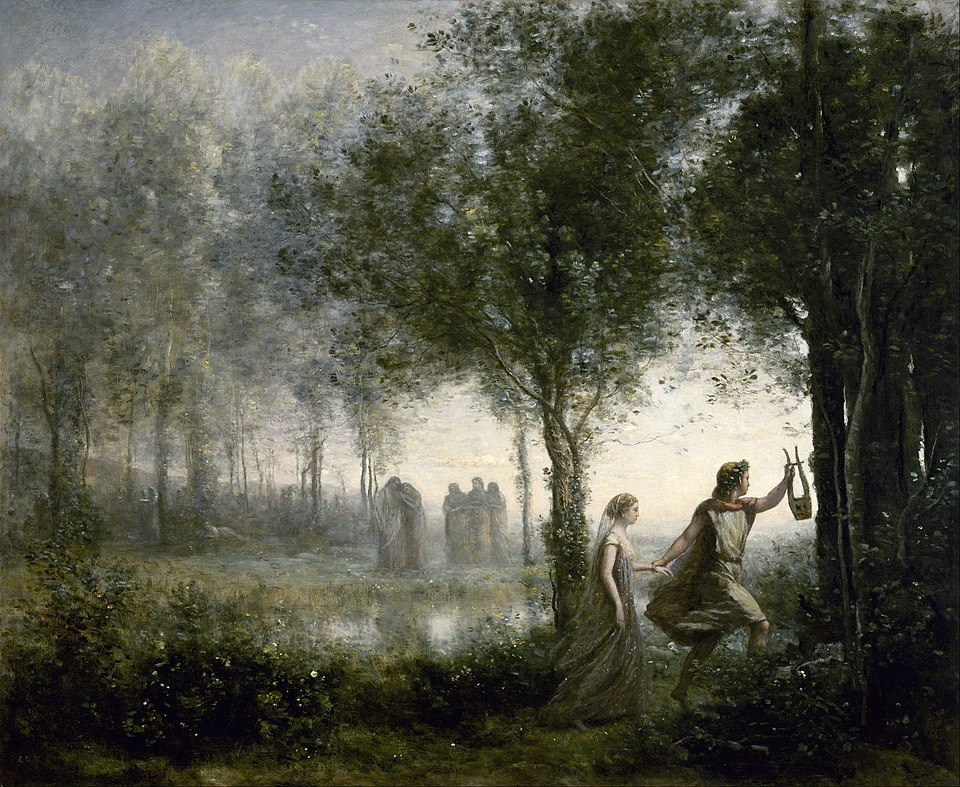
By reading Orphic theology together with Eleusinian ritual practice, the mysteries emerge as a structured mystagogy of transformation: a disciplined passage from forgetfulness (Lethe) to knowledge (aletheia), from mortality to participation in the divine.
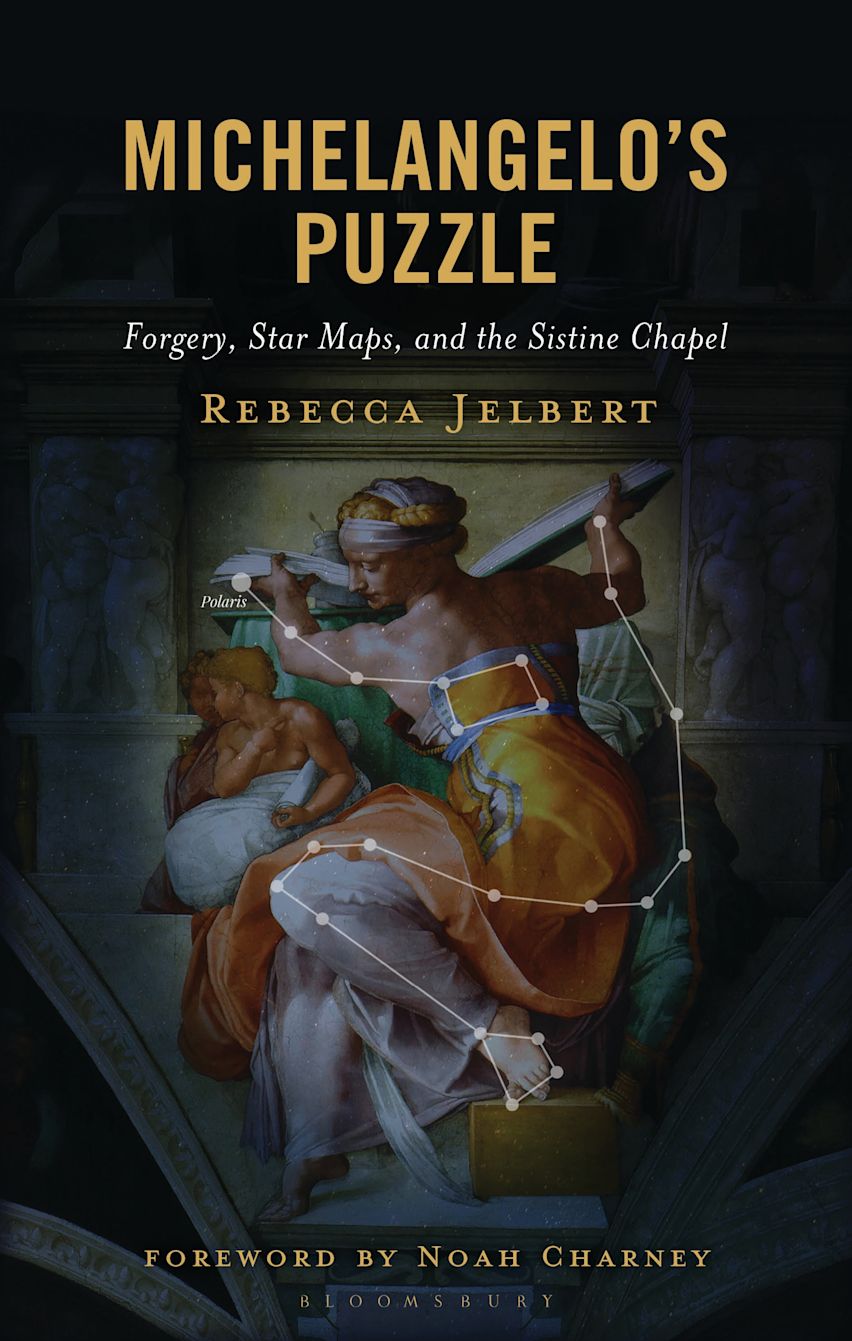
Rebecca Jelbert explores Michelangelo’s major works through the lens of hidden structures, symbolic systems, and esoteric traditions. It considers how themes associated with Mithras and other mystery cults may illuminate new interpretative possibilities within Renaissance art…
A study of Roman Mithraism that combines historical evidence with a symbol-centred interpretive approach, exploring Mithraic iconography, ritual experience, and the cult’s encounter with Christianity in the Late Empire.
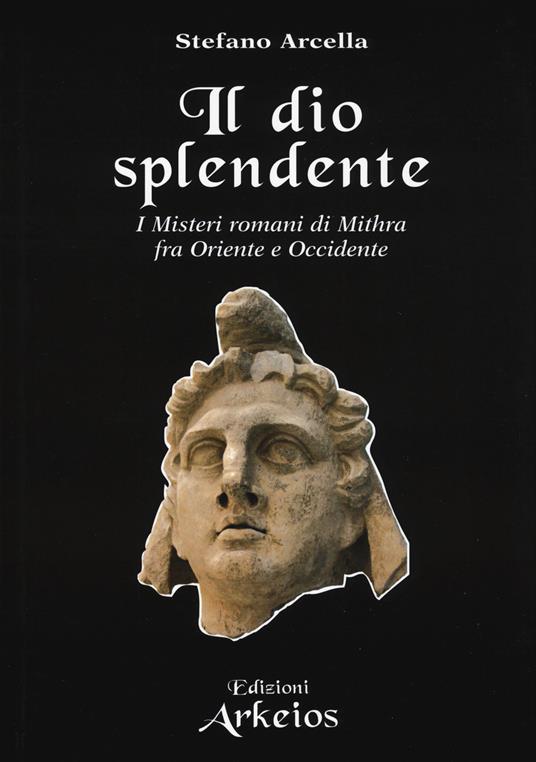
A study that re-examines Roman Mithraism through epigraphic evidence and comparative analysis, exploring its links with Orphism, Platonism, and Iranian traditions, and presenting the cult of Mithras as a solar path of individual spiritual awakening between East and West…


