Your search Pantelimon de Sus gave 223 results.
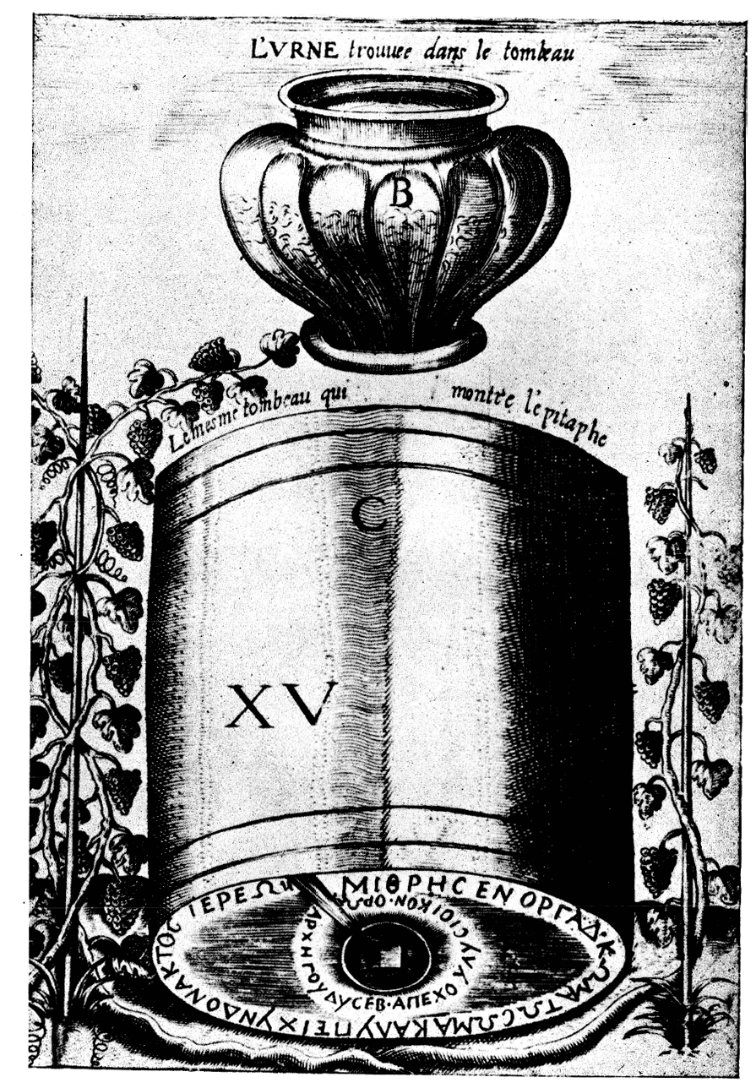
This funerary inscription, engraved on a stone urn discovered near Roman Dijon, mentions a certain Chyndonax, described as a priestly leader of Mithras.
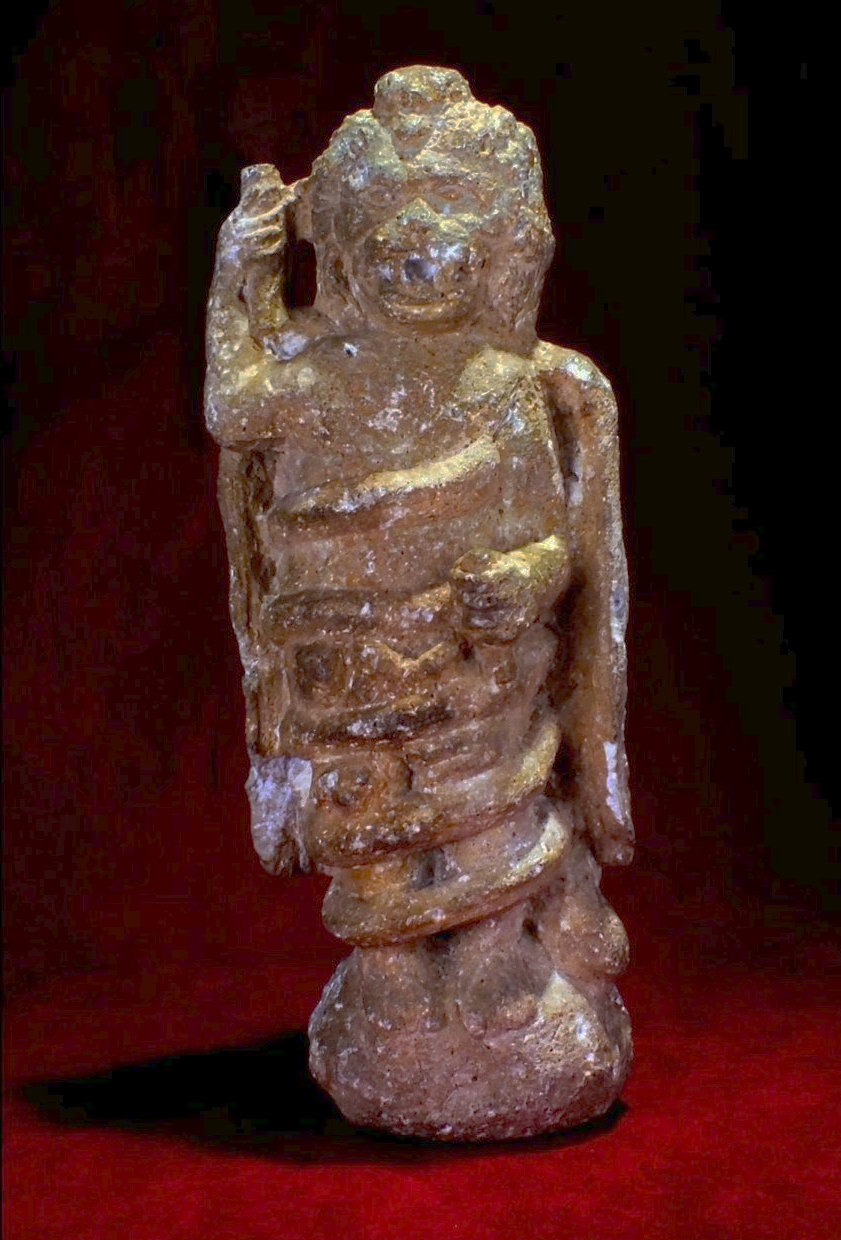
Its base is partially broken, so it is unclear if the figure was standing on a globe, an expected position, or not.
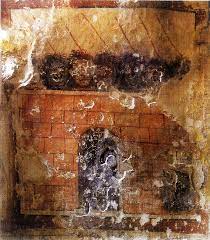
The City of Darkness unique fresco from the Mithraeum of Hawarte shows the tightest links between the western and eastern worship of Mithras in Roman Syria.
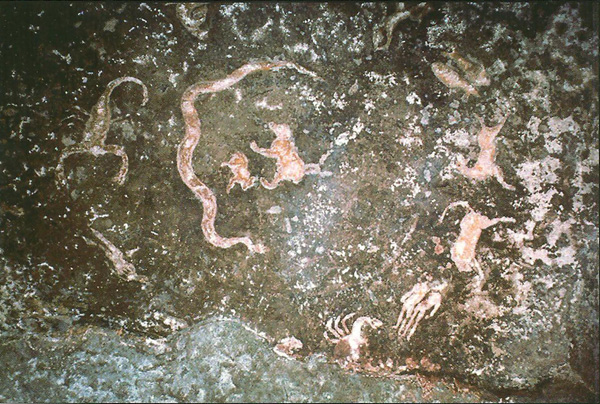
Solis invicti Mithrae studiosus astrologiae who was at the same time ’caelo devotus et astris’.
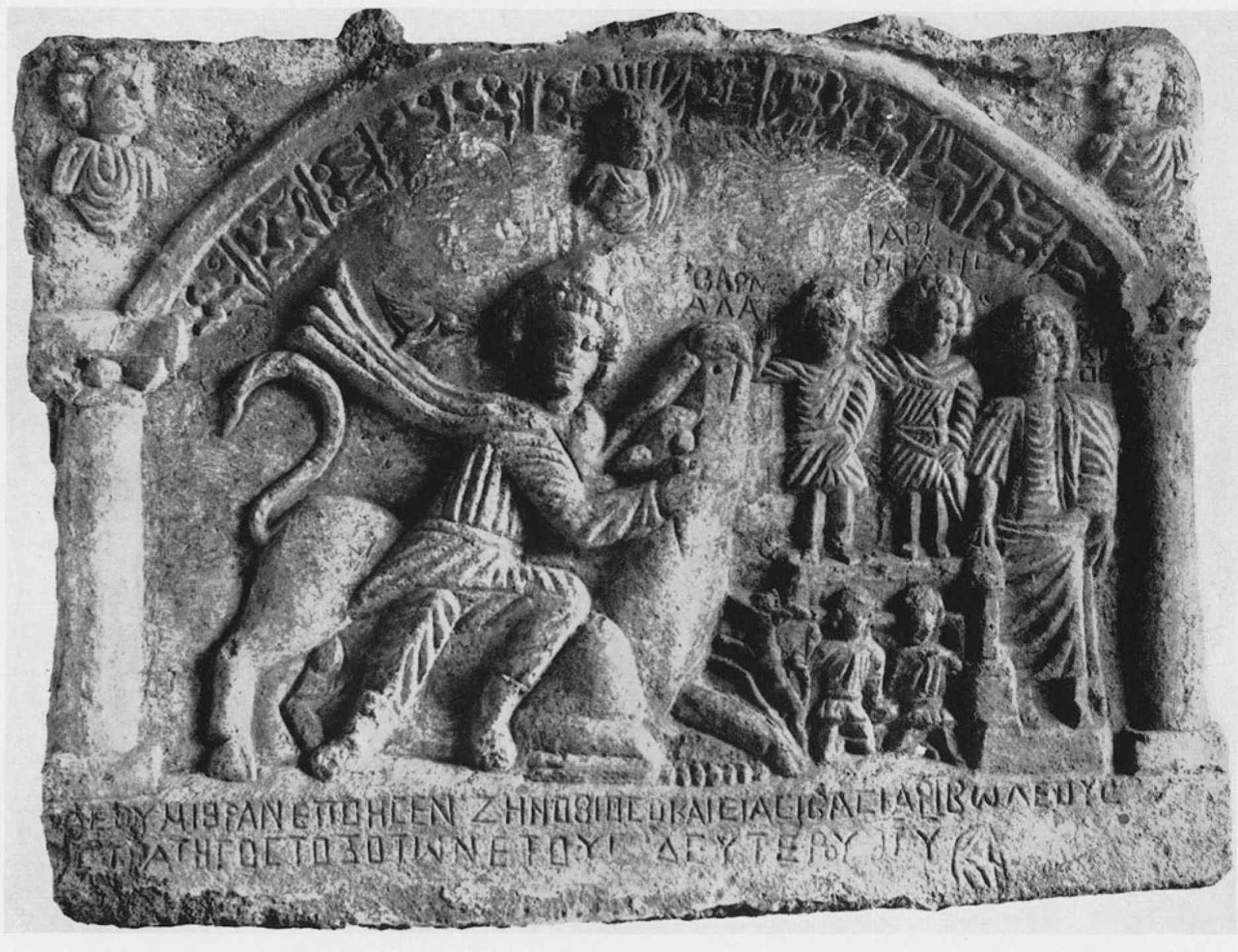
The main relief of Mithras killing the bull from the Mithraeum of Dura Europos includes three persons named Zenobius, Jariboles and Barnaadath.
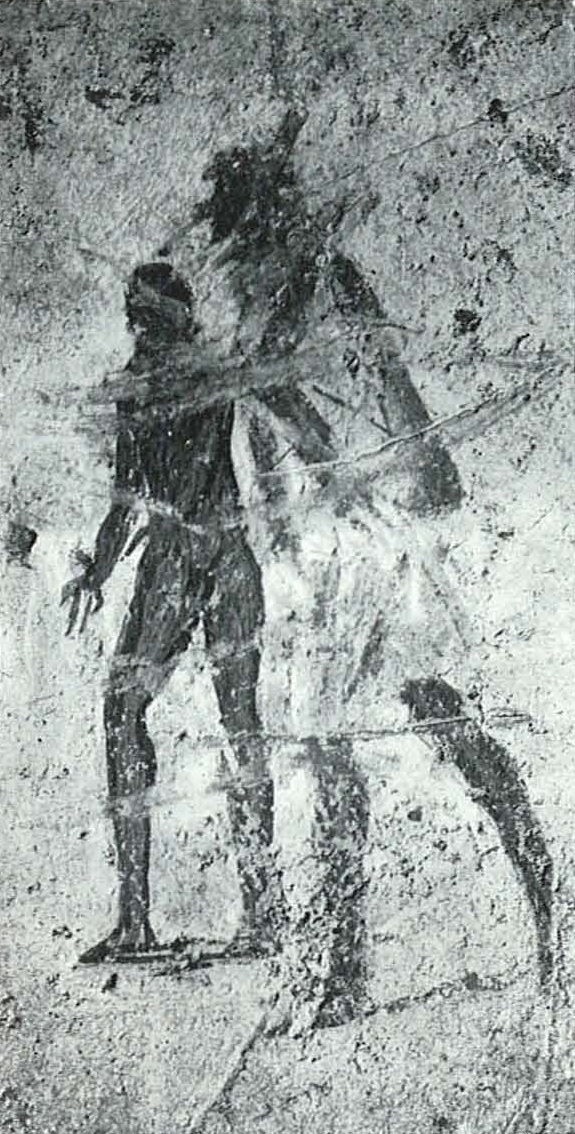
This is the first of several fresco scenes depicting the initiation of a new member in a mithraic community, in Capua Vetere.
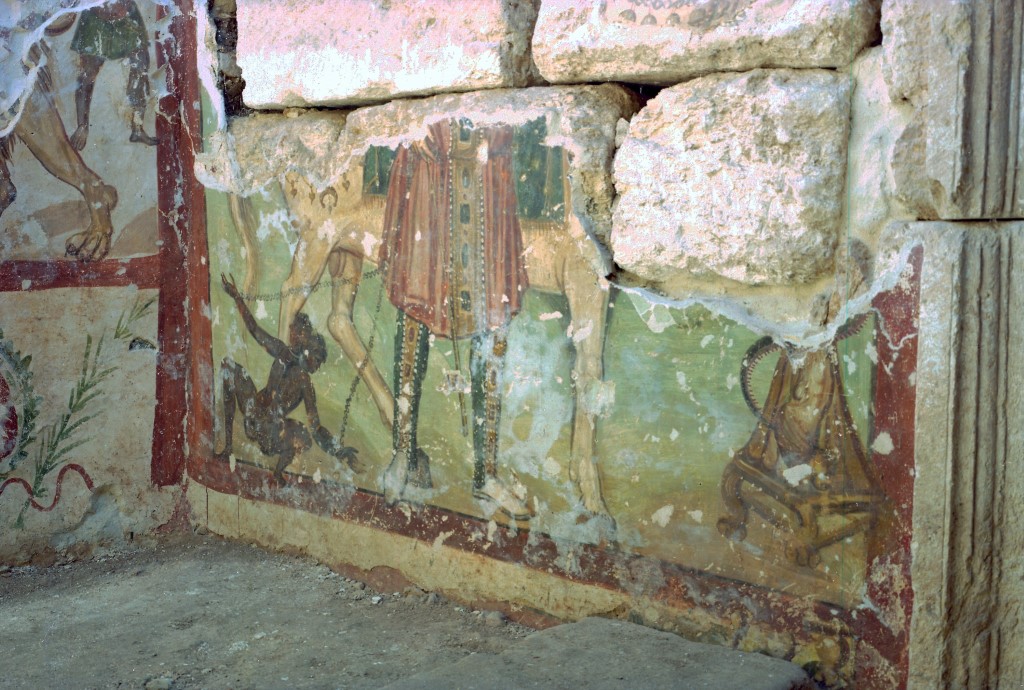
This painting depicts an Iranian knight holding in a chain a black naked figure with two heads.
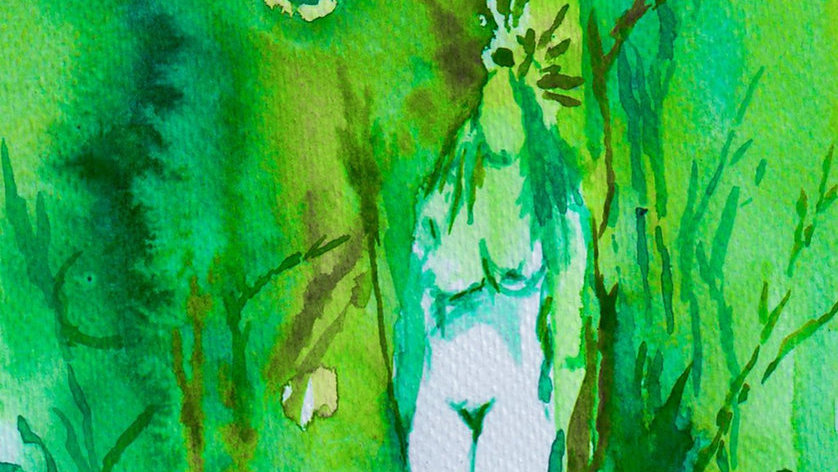
Lenni George on Hekate’s development across ancient traditions, from mystery cults to magical practice and philosophical thought.
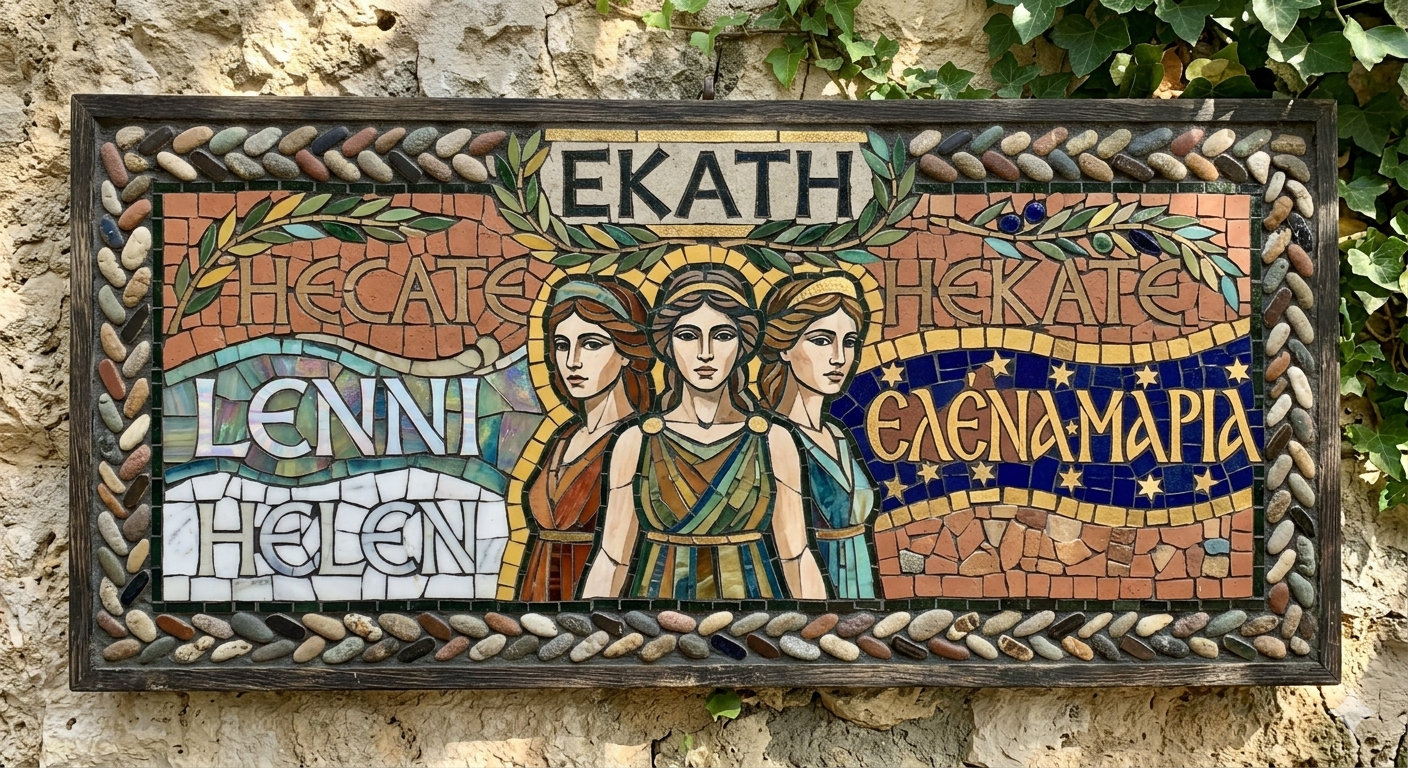
On what Hekate’s name may or may not tell us, and why the uncertainty matters.

This altar dedicated to Sol Invictus Mithras by a certain Septimius Zosimus was found in the Basilica of San Martino ai Monti in Rome.

A selection of texts gathered by Ernesto Milá that reinterprets Mithraism as an initiatory, solar, and heroic cult. It includes the so-called Great Magical Papyrus of Paris, translated and commented by Julius Evola and the Ur Group.
At Rome’s twilight, amid political upheaval and Christian ascendancy, Vettius Agorius Praetextatus embodied pagan intellect, virtue, and authority across senatorial, military, and mystical spheres.
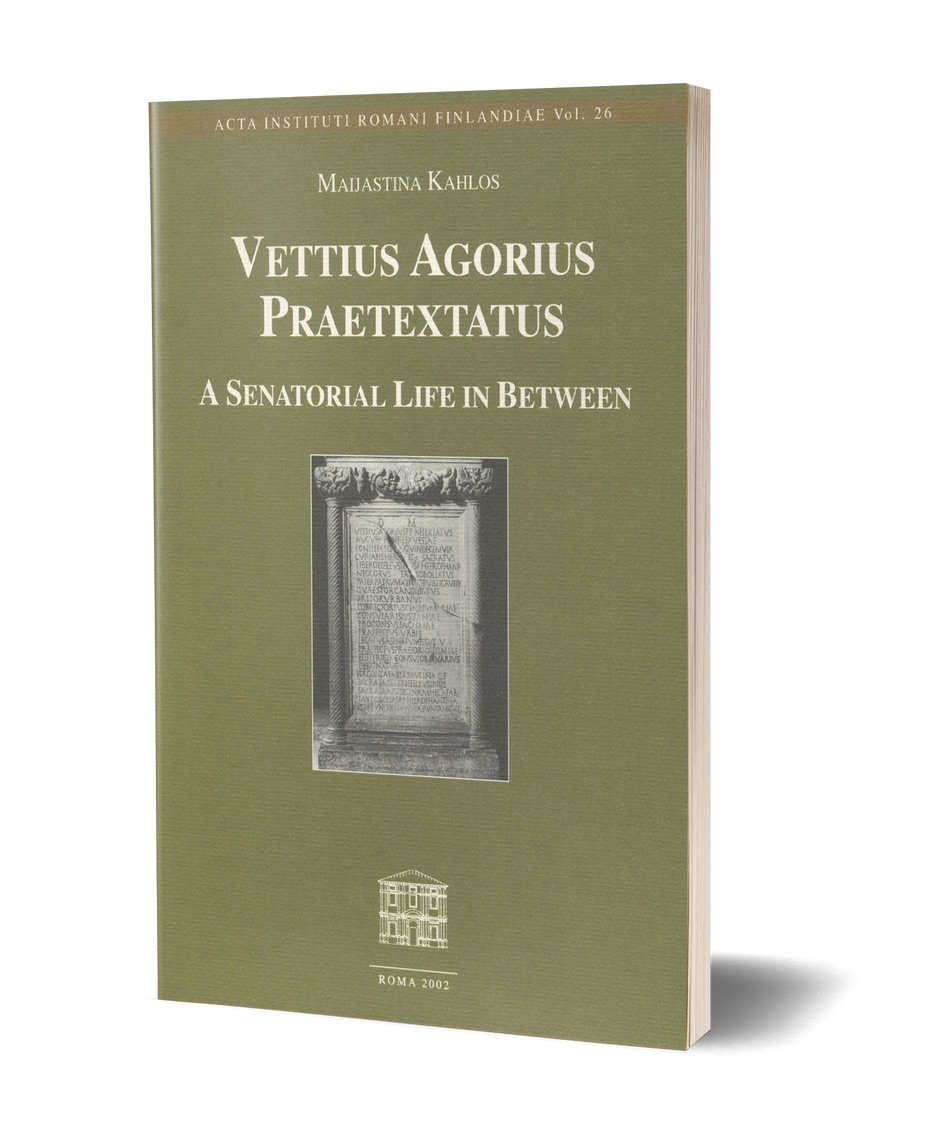
The cultural and religious world of fourth-century Rome is explored through the life and afterlife of Vettius Agorius Praetextatus. His case is set in comparison with other pagan and Christian senators of the period.
Francesco Massa examines how the concept of mysteria was transformed in the Roman Empire, as Christian authors from the mid-second century CE adopted the language of mysteries to articulate their own rituals and beliefs, reshaping understandings of both Christian and traditional cults…
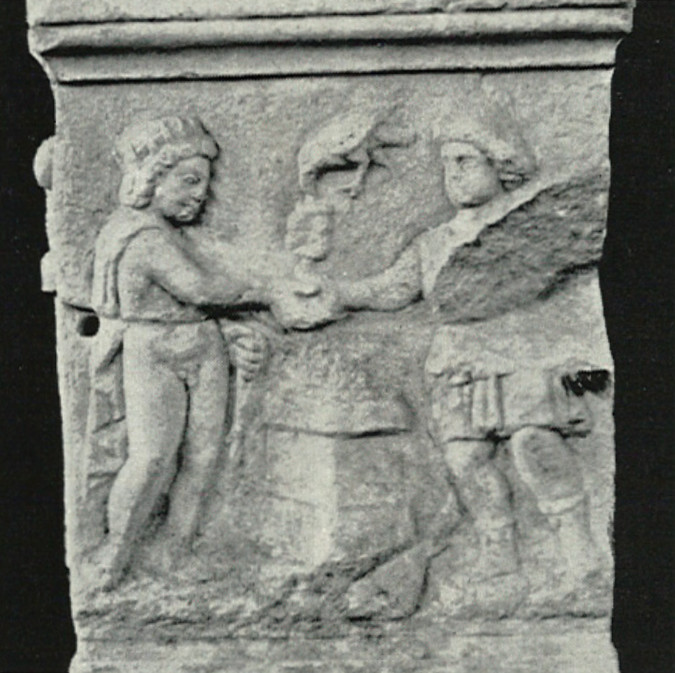
The altar of Ptuj depicts Mithras and Sol on the front and the water miracle on the right side.

In these two key passages, Justin Martyr interprets Mithraic rituals and myths as demonic parodies of Christ’s incarnation, the Eucharist, and biblical revelation.
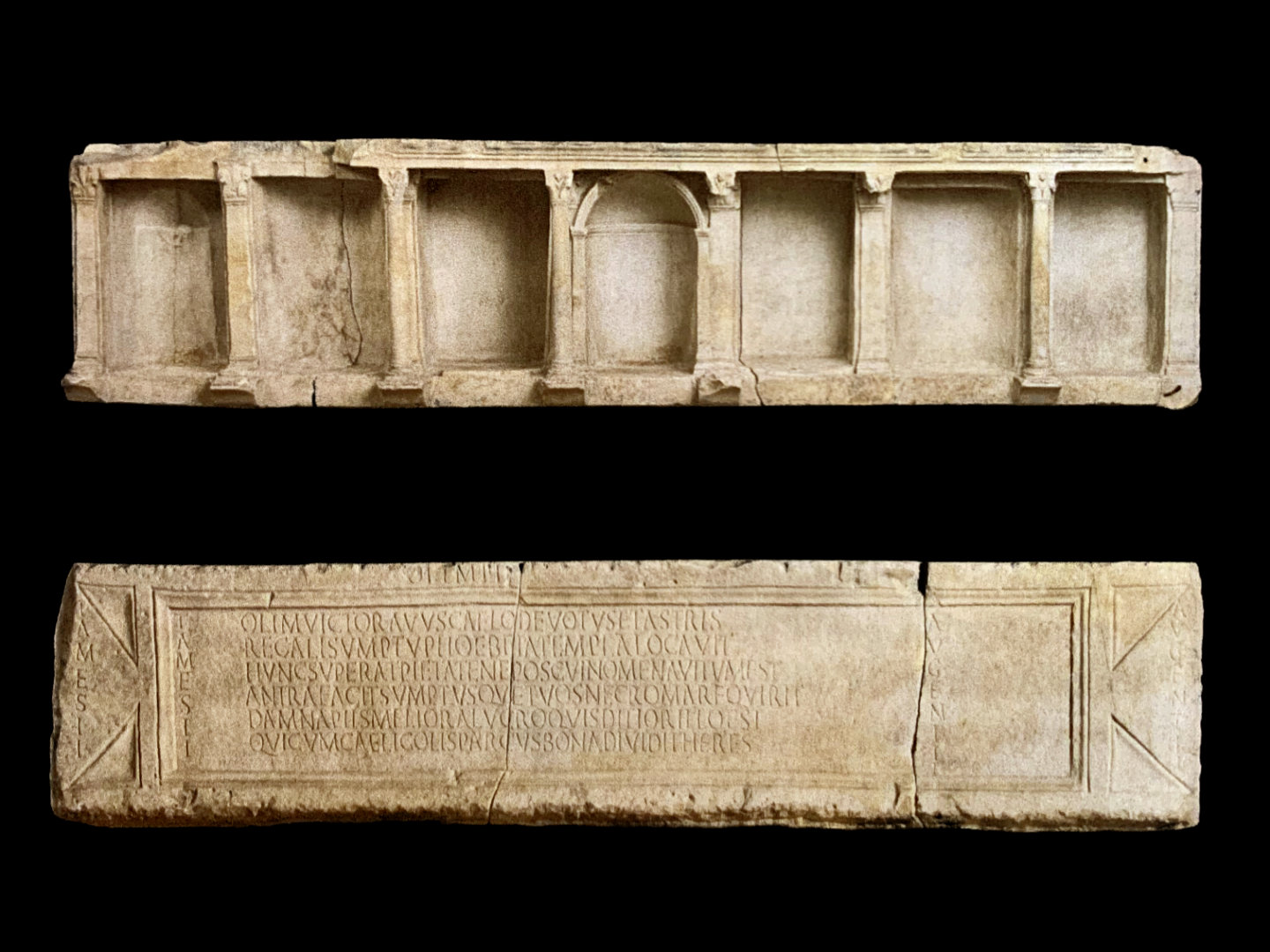
This monument is the only one still available from the disappeared Mithraeum in Piazza S. Silvestro in Capite.
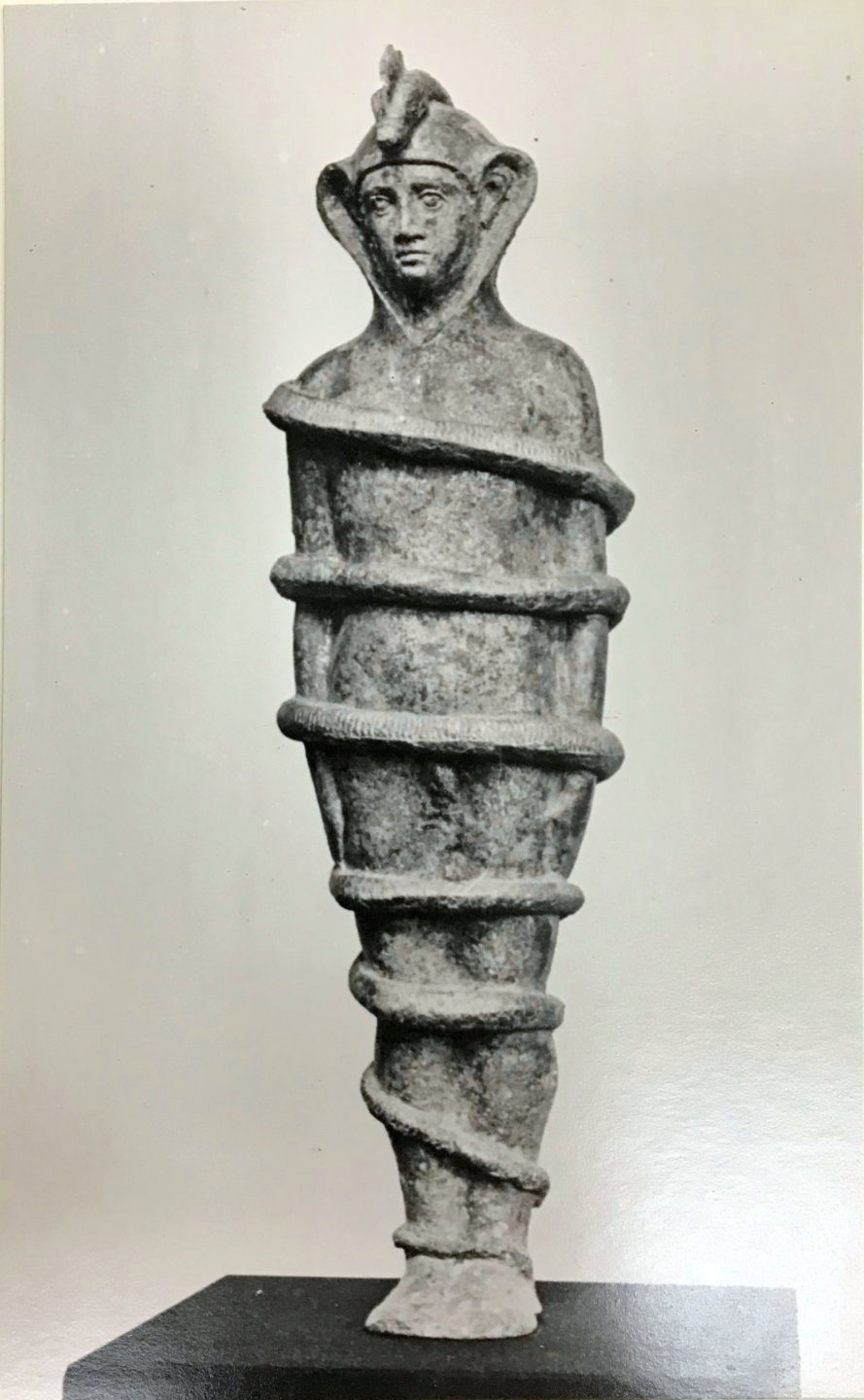
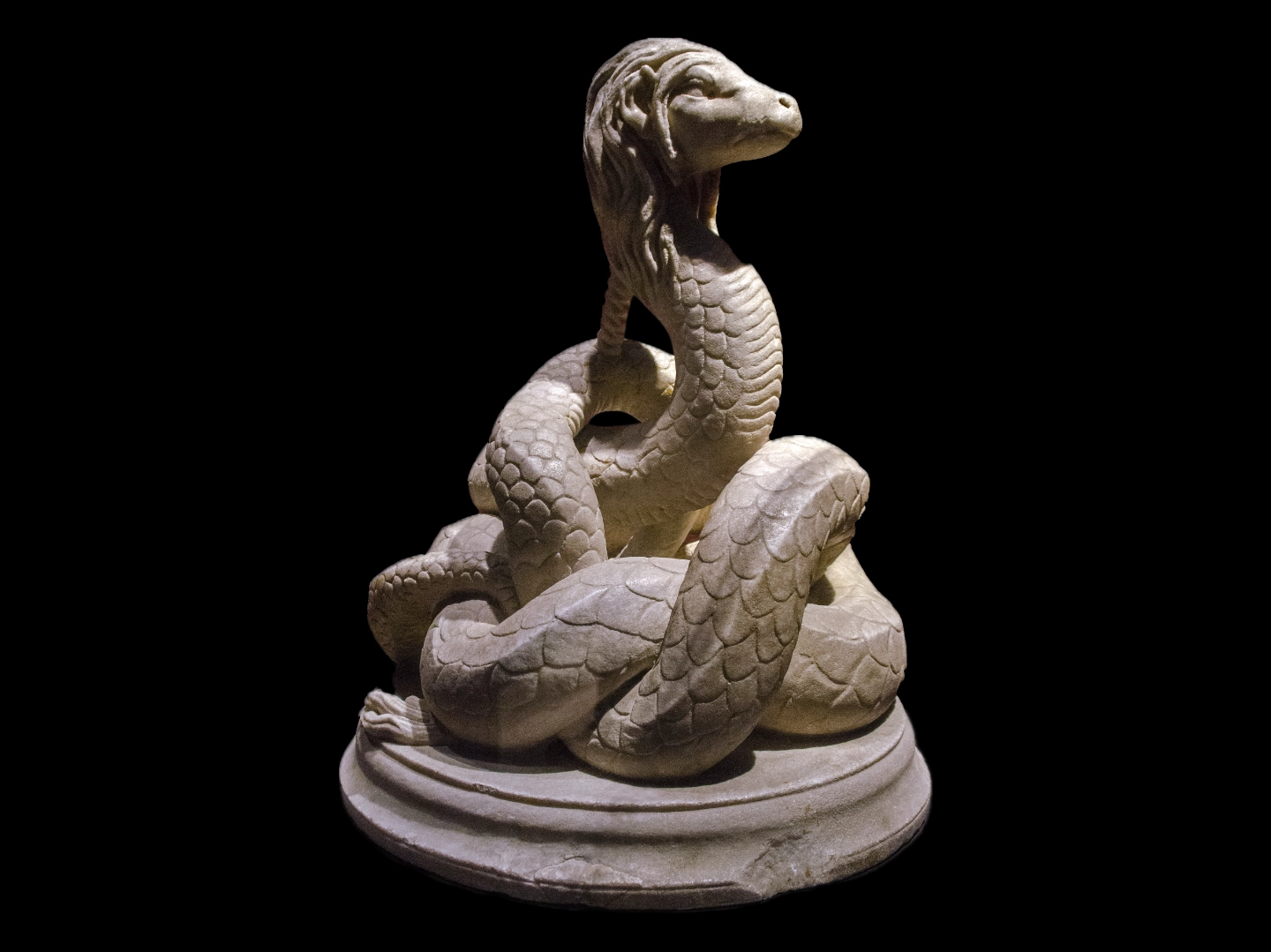
Roman relief from a sanctuary on the Janiculum Hill (Rome), showing a male figure bound by a serpent coiled seven times.
In these passages from his hymns and satires, Julian articulates a solar theology in which Helios governs cosmic order and time. Within this framework, Mithras appears as a personal divine guide associated with the ascent of souls.

