Your search Podersdorf am See gave 2324 results.
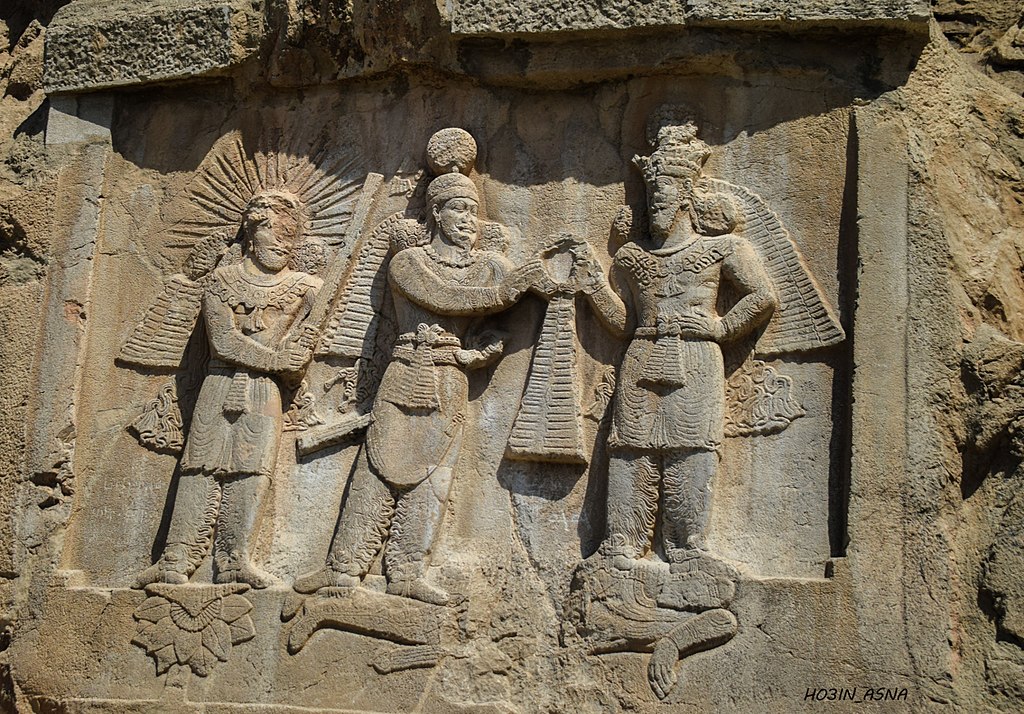
This monument depicts Mihr/Mithras watching over the transition of power from Shapur II to Ardashir II, which took place in 379.
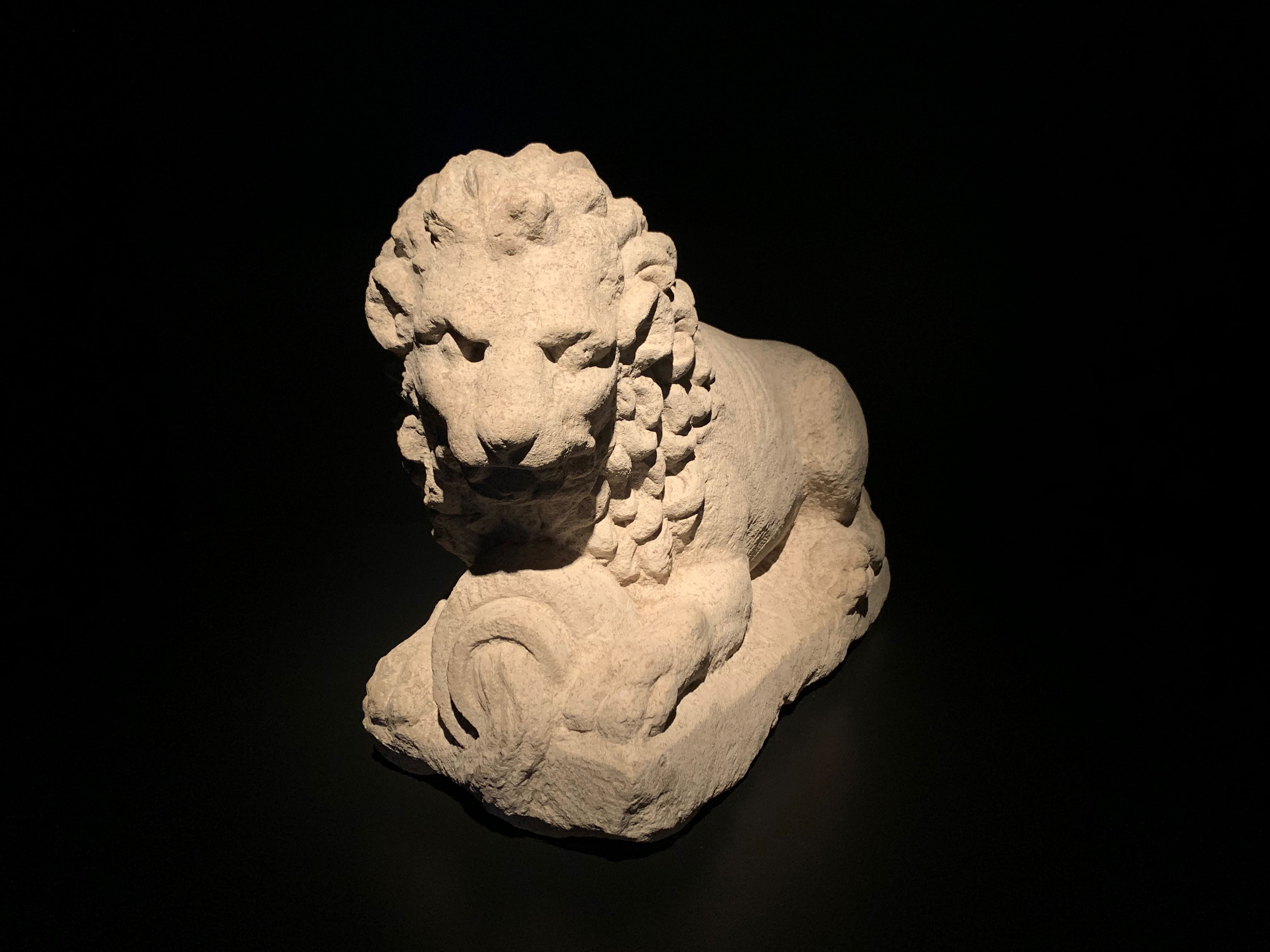
A limestone lion holding a flowing urn, discovered at the entrance of the Mithraeum of Les Bolards, reflects the ritual significance of water within the cult of Mithras.
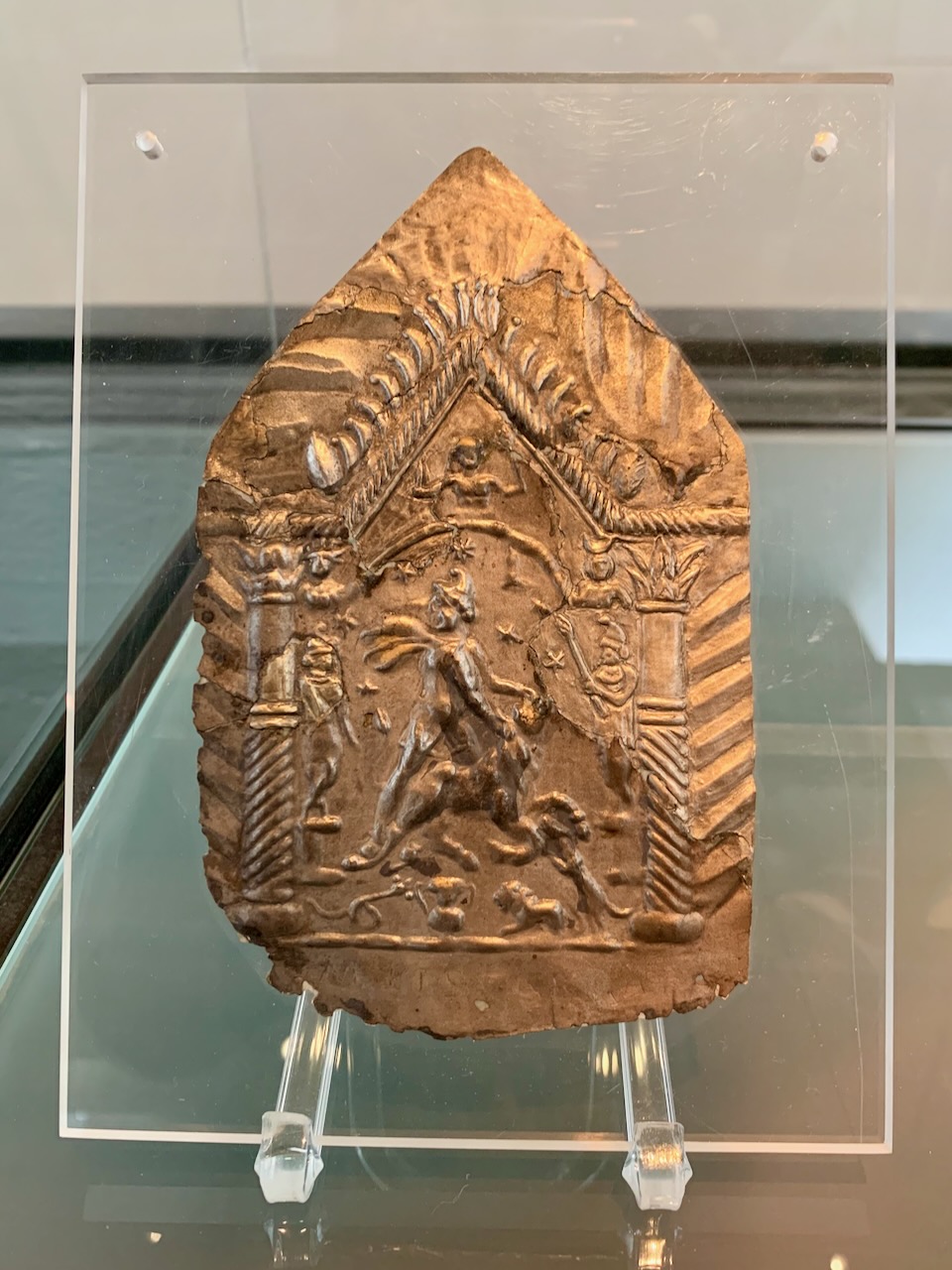
This plaque was found in Mithraeum I at Stockstadt broken into pieces inserted between the blocks of the socle of the cult relief, in the manner of a votive deposit.

Red sandstone altar from Stockstadt, featuring a square cavity in the front that contained a fragment of crystal and a small lamp.

Genet aborde les thèmes qui lui sont chers, dans les règles de l’art mais en laissant affleurer un lyrisme bien tenu.

Employing all the available data & survivals of the historic Persio-Roman Mithraics. Embodying versions of Zoroastrian Scriptures; Combining the religions of all races & times...

Saul cutting the oxen to pieces poses as Mithras Tauroctonos in this painting, which adorns the mantelpiece of Henry II’s bedroom at the Château d’Écouen near Paris.

New evidence for the cult of Mithras and the religious practices of Legio IV Scythica at the Roman frontier city of Zeugma on the Euphrates.

Governor of Numidia in 303, vir perfectissimus Valerius Florus was a well-known persecutor of Christians.

Prefect, probably of Cohors II Tungrorum, who dedicated an altar to the invincible sun god Mithras in Camboglanna, Britannia.
In this terracotta relief depicting Mithras as a bull killer found at Cales, now in Calvi Risorta, none of the usual accompanying animals is present.
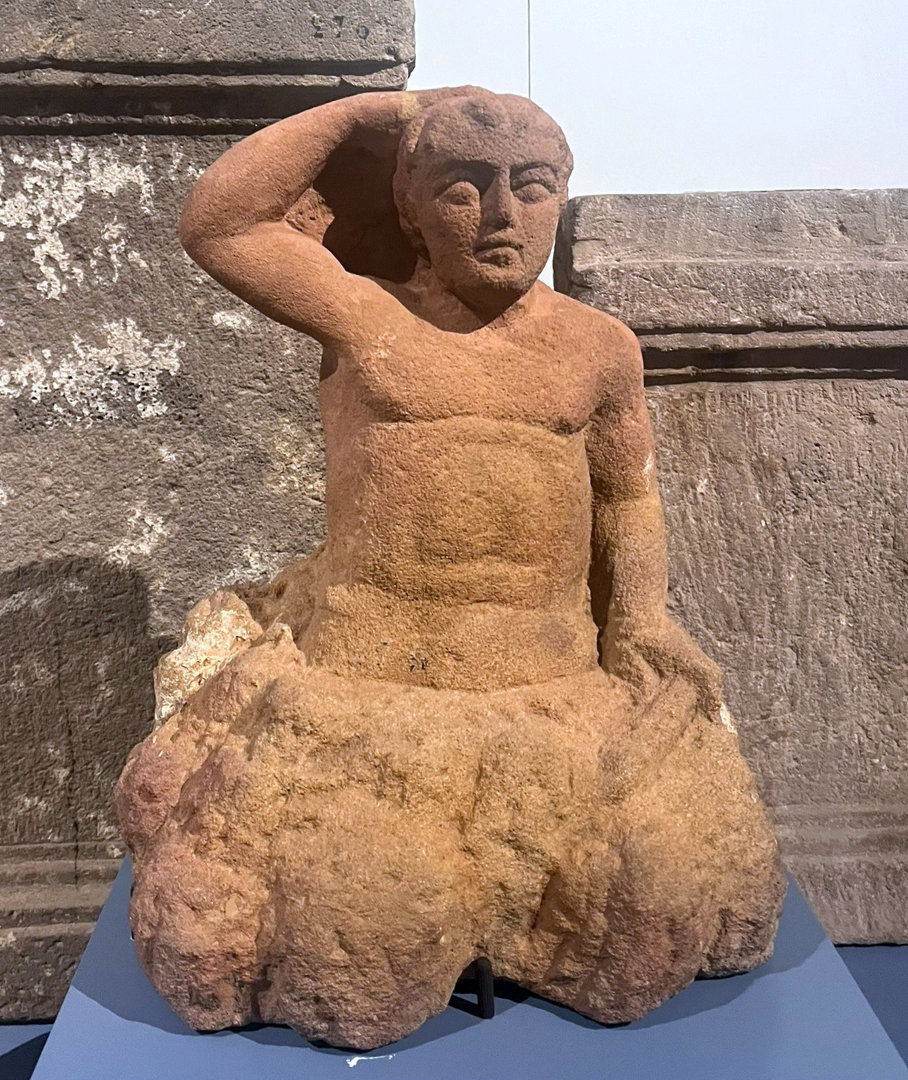
This sculpture of Mithras being born from a rock is unique in the position of the hands, one on his head, the other on the rock.
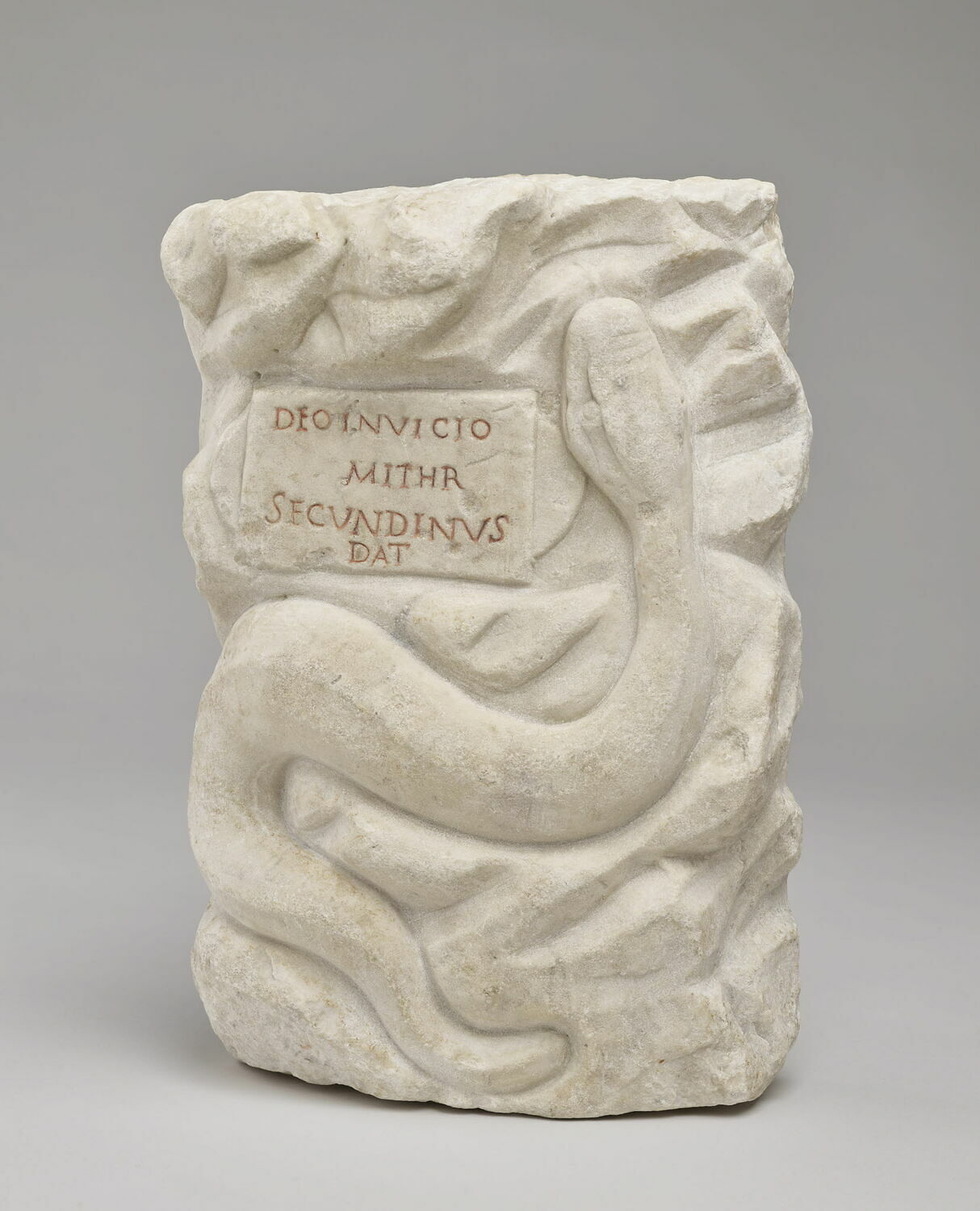
There is no consensus on the authenticity of this monument erected by a certain Secundinus in Lugdunum, Gallia.
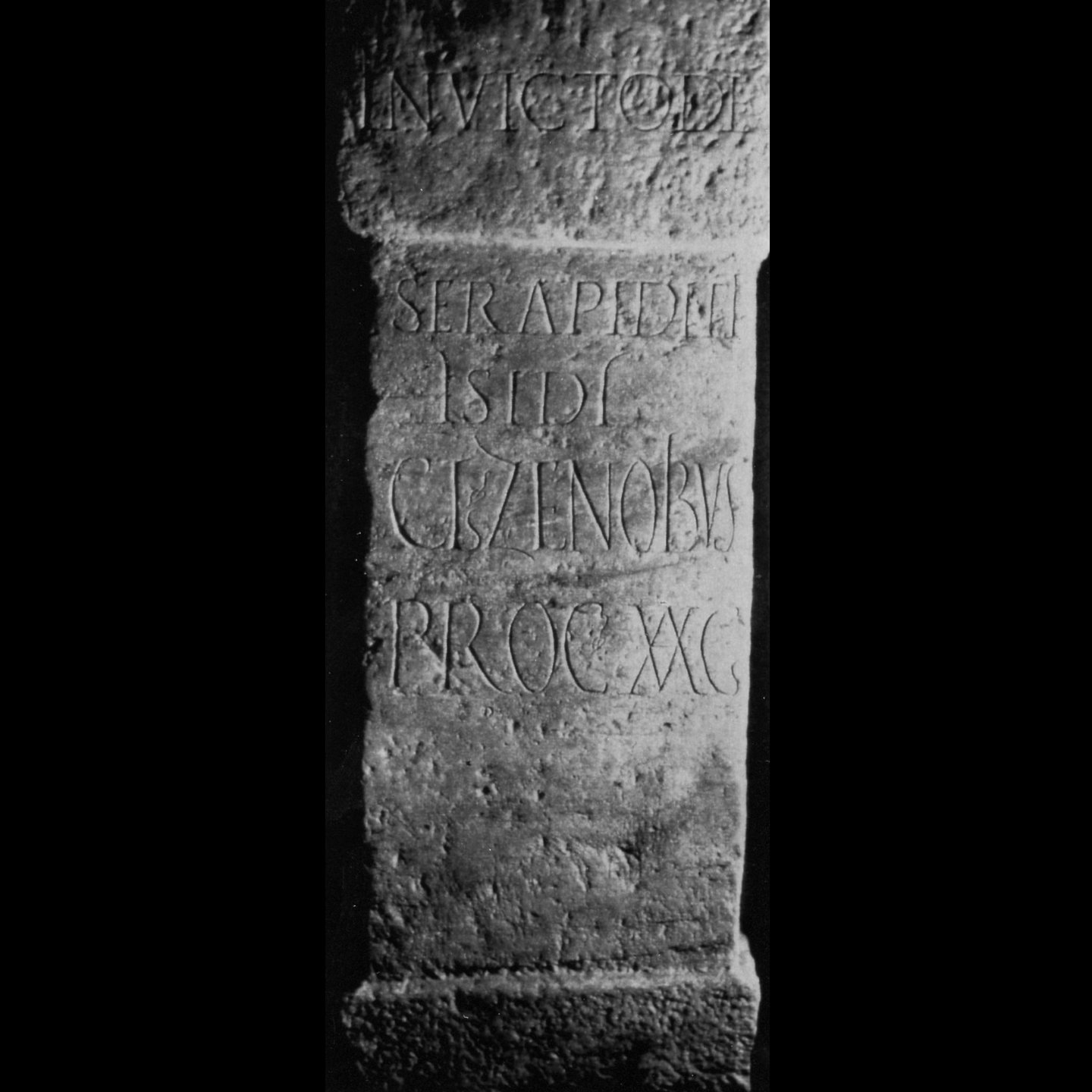
This slab dedicated to the invincible god, Serapis and Isis by Claudius Zenobius was found in 1967 in the walls of the city of Astorga, Spain.
A certain Secundinus, steward of the emperor, dedicated this altar to Mithras in Noricum, today Austria.
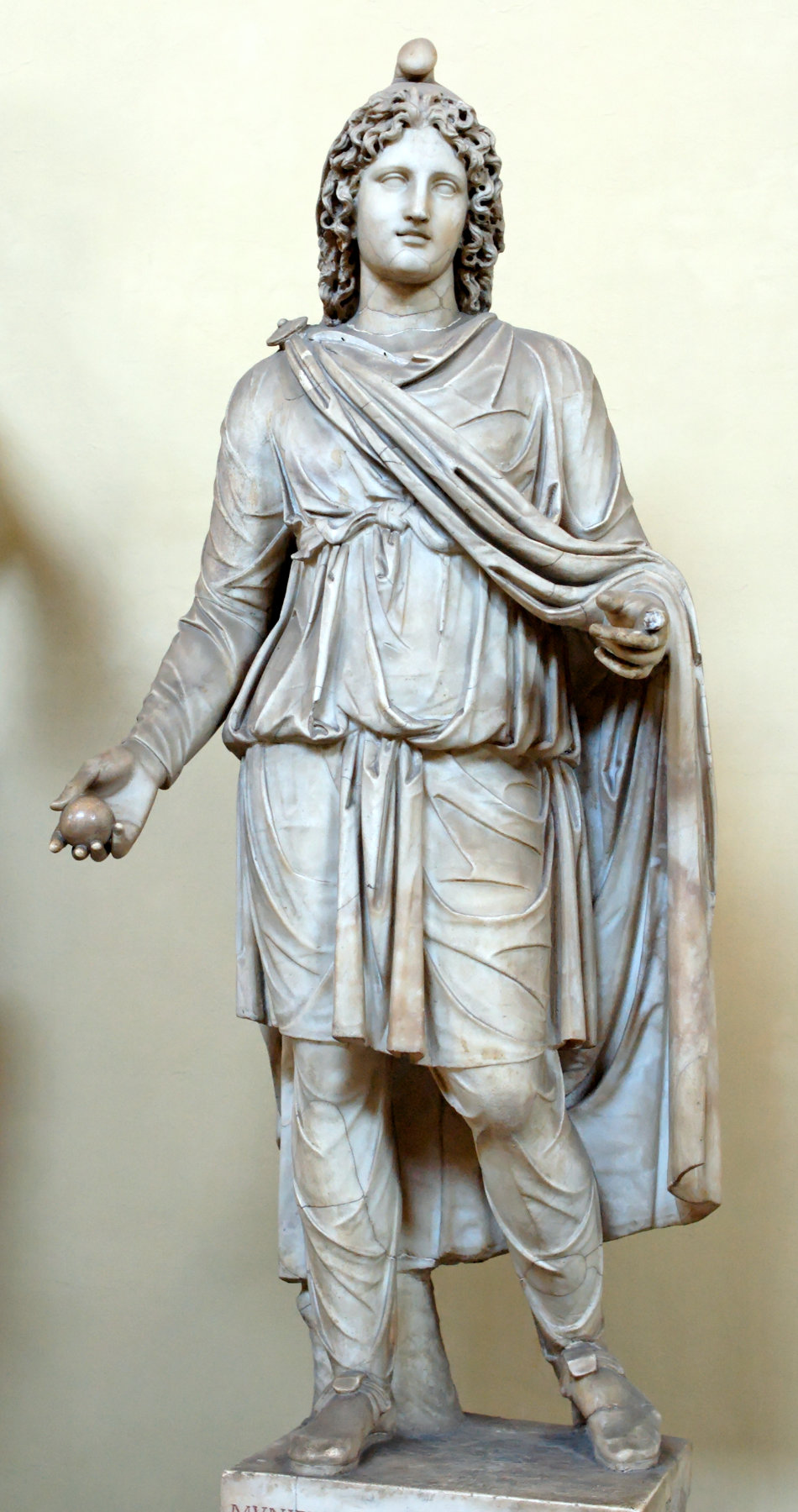
This sculpture, probably of Cautopates, now in the Musei Vaticani, was transformed into Paris.
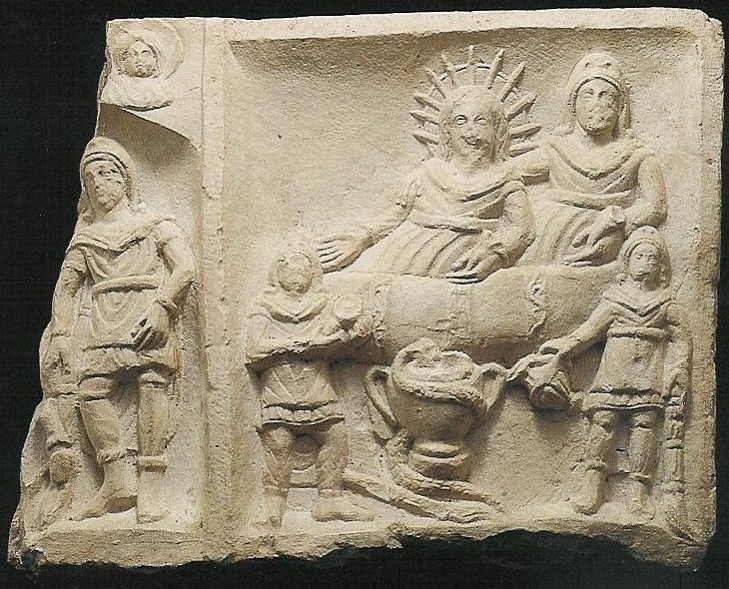
The remains of the mithraic triptic of Tróia, Lusitania, were part of a bigger composition.


