Your search Roger Jehu Bull gave 454 results.
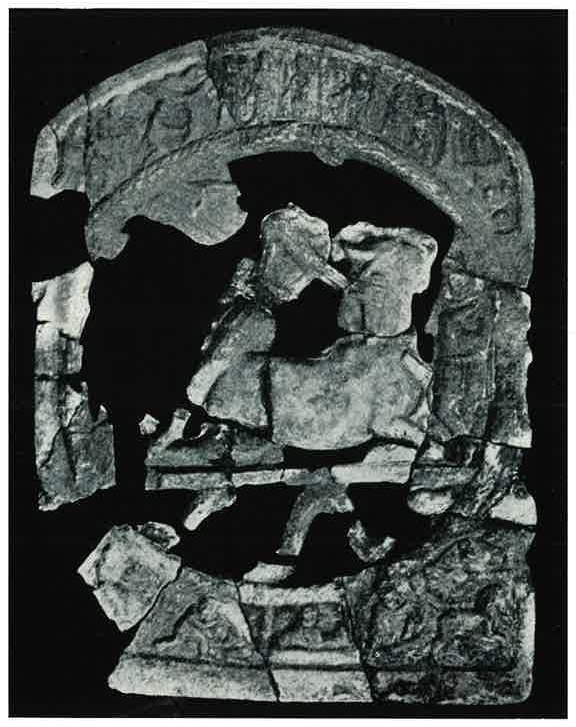
White marble tauroctony relief in several fragments from the Mithraeum at Biljanovac, Moesia Superior, depicting the standard bull-slaying with the full iconographic programme.
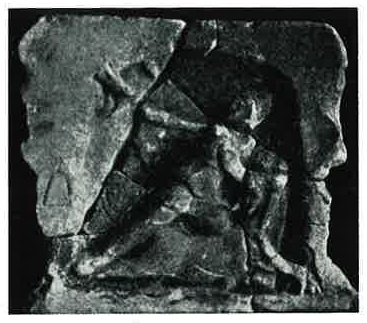
White marble tauroctony relief from the Mithraeum at Biljanovac, Moesia Superior, depicting the standard bull-slaying with torchbearers and Sol and Luna busts in the upper corners.

White limestone fragment from the Mithraeum at Biljanovac, Moesia Superior, preserving the upper part of Mithras as bull-slayer in a sleeveless tunic.
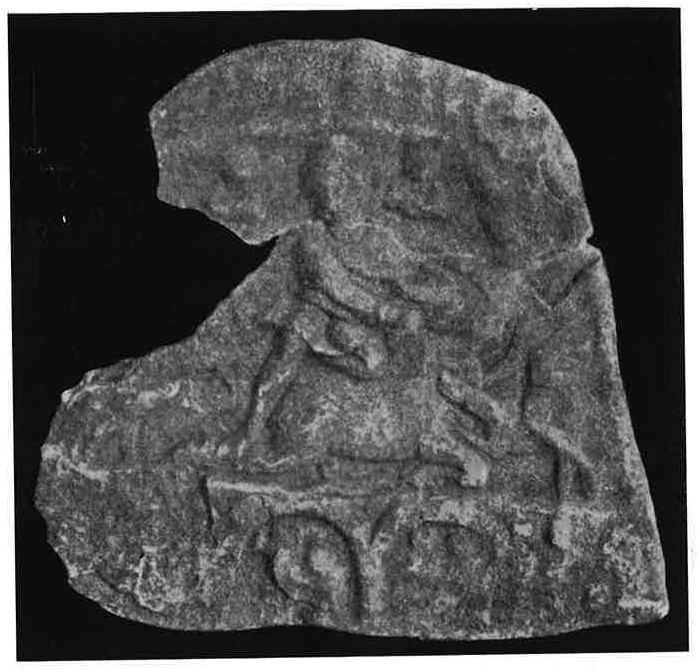
Arched marble tauroctony relief in two fragments from Sofia, ancient Serdica in Thracia, divided into three parts, with Mithras killing the bull in the centre and subsidiary scenes on either side; the weathered surface limits identification.

White marble tauroctony relief from Sofia, ancient Serdica in Thracia, found near the Church of St. Kral, depicting the standard bull-slaying with the full iconographic programme.
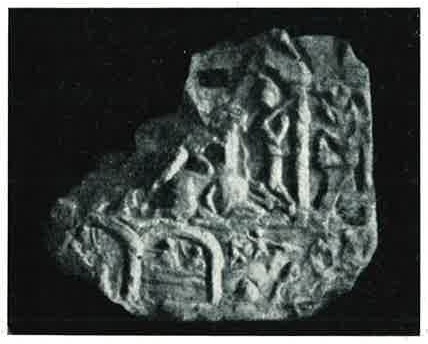
Marble tauroctony relief fragment from Steklen near Svichtov, ancient Novae in Moesia Inferior, preserving the right part of a bull-slaying scene with a serpent and the grotto border.
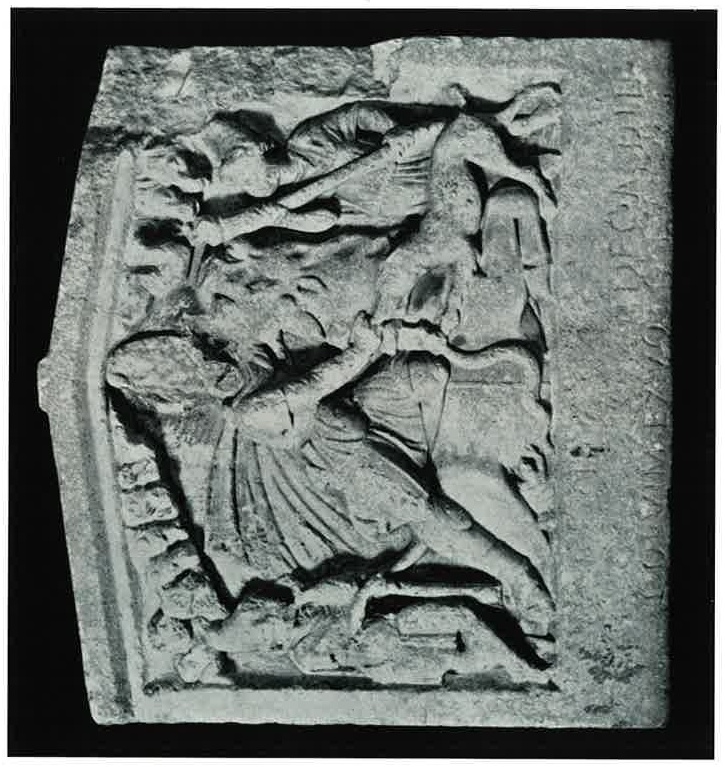
White marble tauroctony relief from Kostolac, ancient Viminacium in Moesia Superior, formerly walled into the Castle of George Branković at Smederevo, depicting the standard bull-slaying.
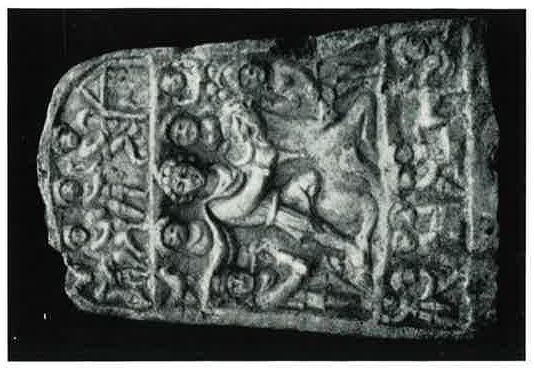
Yellow marble tauroctony relief from Romula, Dacia, found in 1912, depicting the standard bull-slaying with Sol and Luna in the upper corners.
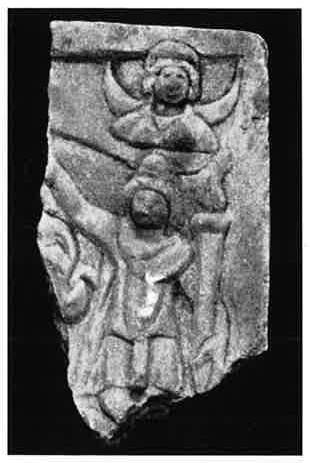
White marble tauroctony fragment from Turda, Dacia, preserved in the Deva Museum, showing only the forepart of Mithras killing the bull with the god's snout.
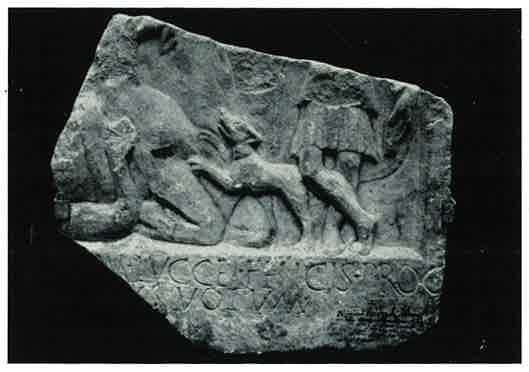
Marble tauroctony relief from Sarmizegetusa, Dacia, found at Zám and subsequently in various private collections; depicting the standard bull-slaying.
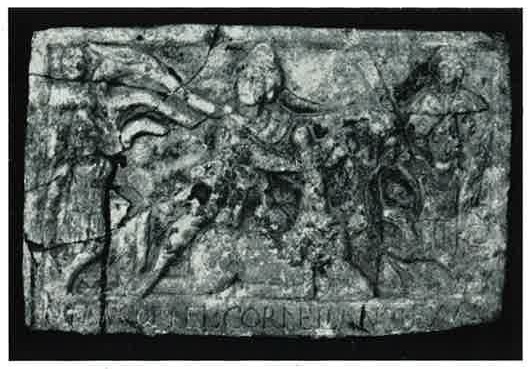
Marble tauroctony relief from Sarmizegetusa, Dacia, in the Deva Museum, depicting Mithras killing the bull; one of several reliefs attributed to the Sarmizegetusa sanctuary that were found elsewhere.
Marble tauroctony fragment from Sarmizegetusa, Dacia, preserving the right lower corner with the forepart of the bull with a broad belt and the leg of a figure.
Bluish marble tauroctony fragment from the Mithraeum at Sarmizegetusa, Dacia, formerly in the collection of Count Géza Kuun at Mintia, preserving Mithras killing the bull.
White marble trapezium-shaped tauroctony from the Mithraeum at Sarmizegetusa, Dacia, in the Lugoj collection, depicting Mithras killing the bull with dog and serpent; the lower portion of the composition is lost.
White marble tauroctony relief from the Mithraeum at Sarmizegetusa, Dacia, now in the Lugoj collection; the right lower corner is broken off and the scene depicts the standard bull-slaying.
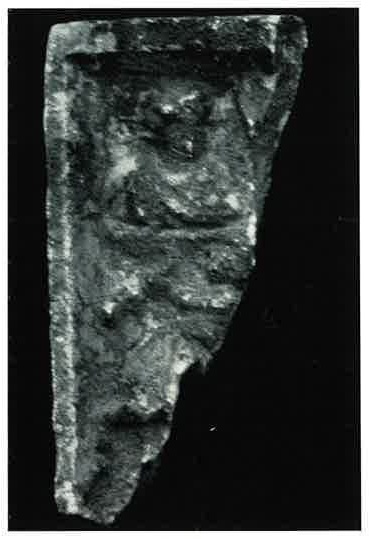
Fragment of a yellowish marble relief from the Mithraeum at Sarmizegetusa, Dacia, preserving the left upper corner with the bust of Sol and below it Mithras riding the bull.

Upper portion of a vaulted marble tauroctony from the Mithraeum at Sarmizegetusa, Dacia, with the bull-slaying and above Cautes a scene of Mithras's rock-birth; Sol and Luna busts appear in the upper corners.
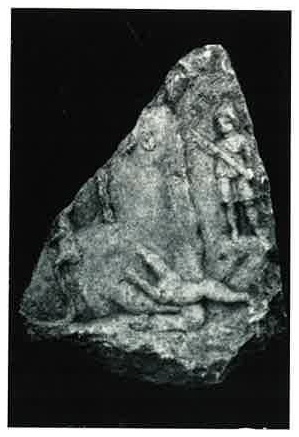
Foremost part of a white marble tauroctony from the Mithraeum at Sarmizegetusa, Dacia, showing the badly weathered bull-slaying with cross-legged Cautes raising the torch with both hands.

Rectangular white marble tauroctony relief from the Mithraeum at Sarmizegetusa, Dacia, depicting Mithras killing the bull with dog, serpent, and scorpion.
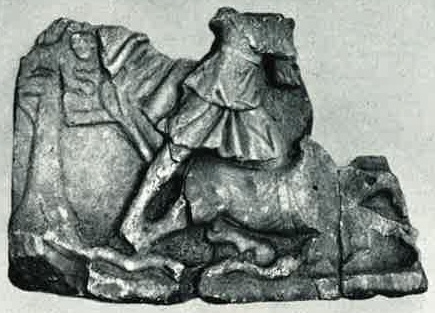
Three fragments of a large yellowish marble tauroctony from the Mithraeum at Sarmizegetusa, Dacia, depicting the damaged bull-slaying scene; at approximately 0.94 × 1.31 m one of the larger reliefs from the sanctuary.
