Your search Rohr im Kremstal gave 1037 results.

Pannonia superior preserves one of the richest frontier corpora of Mithraic evidence along the middle Danube.
Rhaetia occupied a strategic frontier position between the Alps, the upper Danube and northern Italy where Mithraic cults circulated through military networks.
Belgica occupied a strategic position between Roman Gaul, the Rhine frontier and the northern provinces where Mithraic cults circulated widely.
In Aquitania, Mithraic evidence reflects the western expansion of the cult beyond the principal Rhine and Rhône corridors.
Lugdunensis formed part of the urban and administrative core of Roman Gaul, where Mithraic cults circulated through major civic centres.
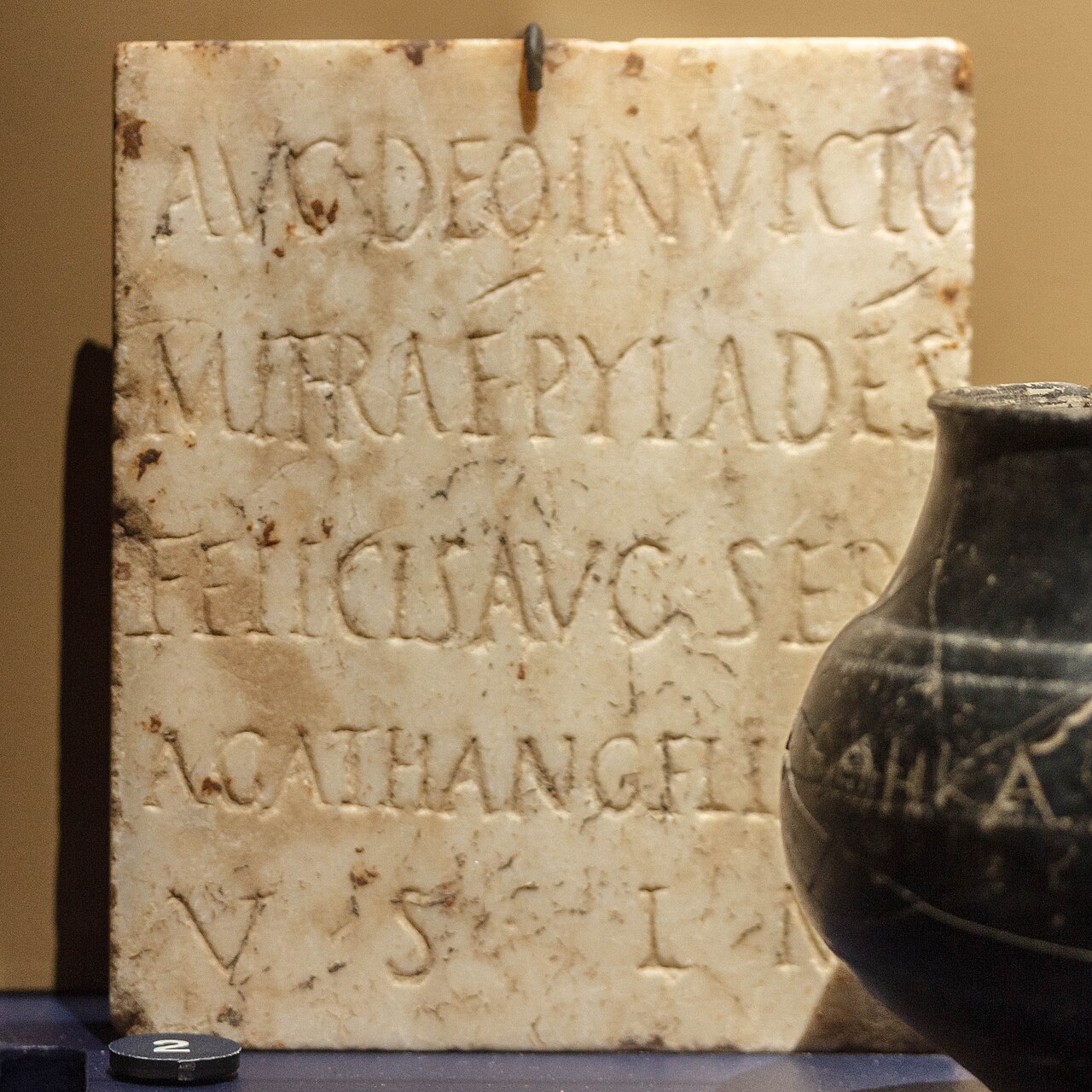
This marble plaque from Iuliomagus, Roman Angers, bears a rare dedication to Mithras by Pylades, a slave of an imperial slave connected to the Roman administration in Gaul.

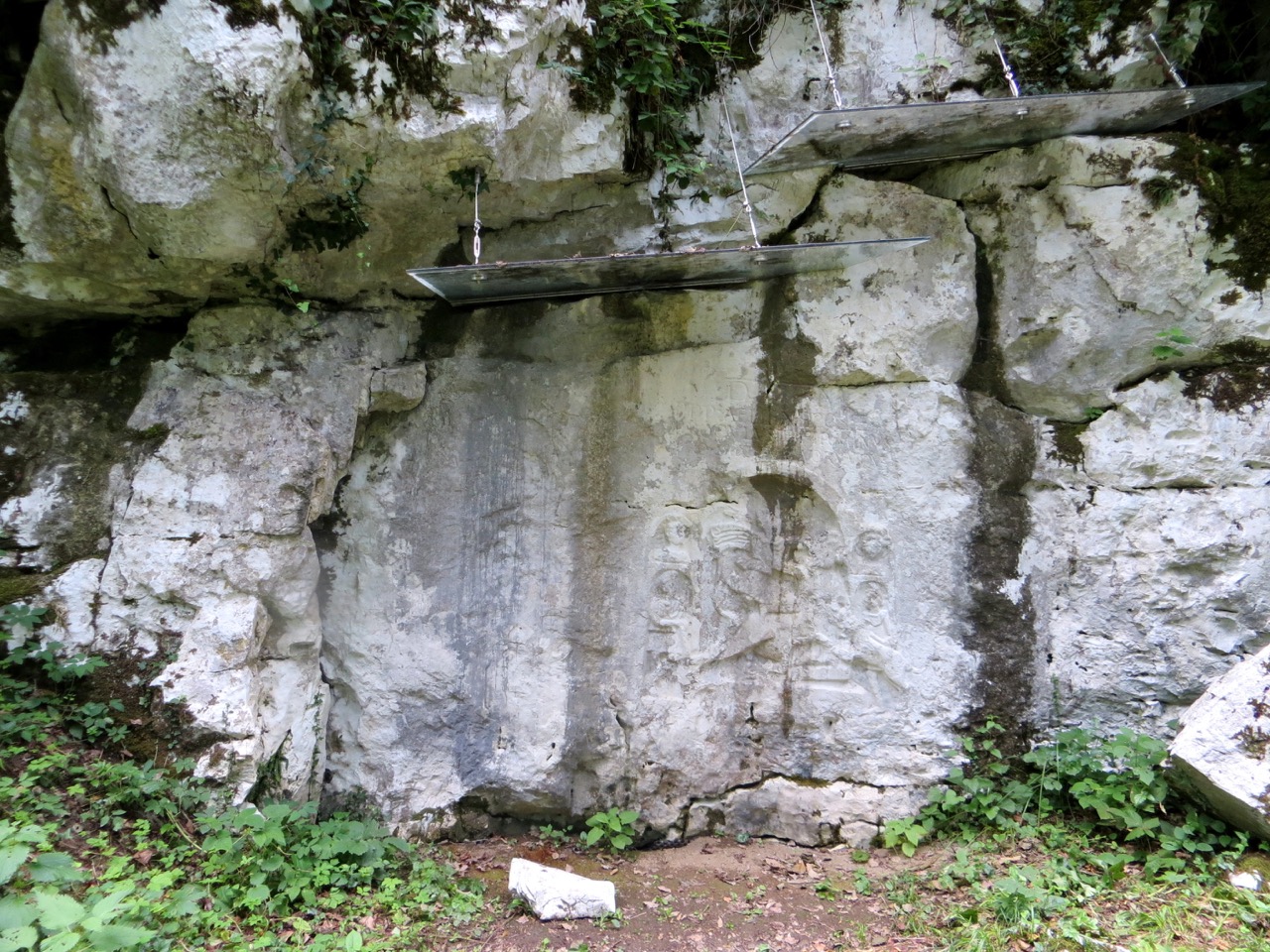
According to Hitzinger remnants of animal bones were found in front of the relief of the Mithraeum at Rozanec.
Thracia reflects the circulation of Mithraic cults through the military, urban and maritime networks linking the Balkans, the Danube and the northern Aegean world.
Roman Sicilia preserves Mithraic evidence shaped by Mediterranean mobility and the island’s strategic position between east and west.
The Bosporan Kingdom preserves evidence from one of the northernmost horizons of Mithraic diffusion in the ancient world.
Roman Dacia preserves one of the densest and most frontier-oriented bodies of Mithraic evidence in the empire.

This lost Mithraic relief, formerly kept near the church of the Santissima Annunziata in Naples, was probably a large tauroctony associated with the area of Puteoli or Pausilypon.
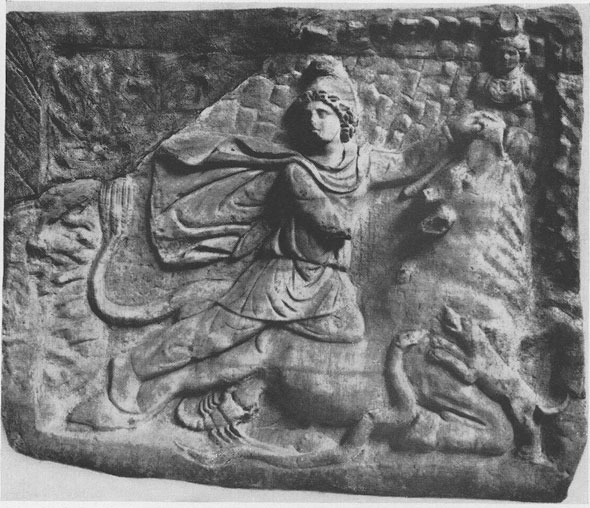
This marble tauroctony relief, probably originating from Naples, depicts Mithras slaying the bull within a cave-like setting, accompanied by the usual animals and celestial busts.
Persia occupies a central place in the intellectual and historical background of Mithraic studies.
Roman Syria preserves a major eastern corpus of Mithraic evidence within one of the empire’s most interconnected regions.
Lycia and Pamphylia preserve Mithraic evidence linked to southern Anatolian maritime and urban networks.
Moesia preserves a strongly militarised body of Mithraic evidence along the Danubian frontier of the empire.
Galatia preserves Mithraic evidence shaped by central Anatolian routes and eastern provincial networks.
Corsica and Sardinia preserve a small island corpus within the western Mediterranean diffusion of Mithraism.
