Your search Roman cemetery of St. Matthias gave 2753 results.
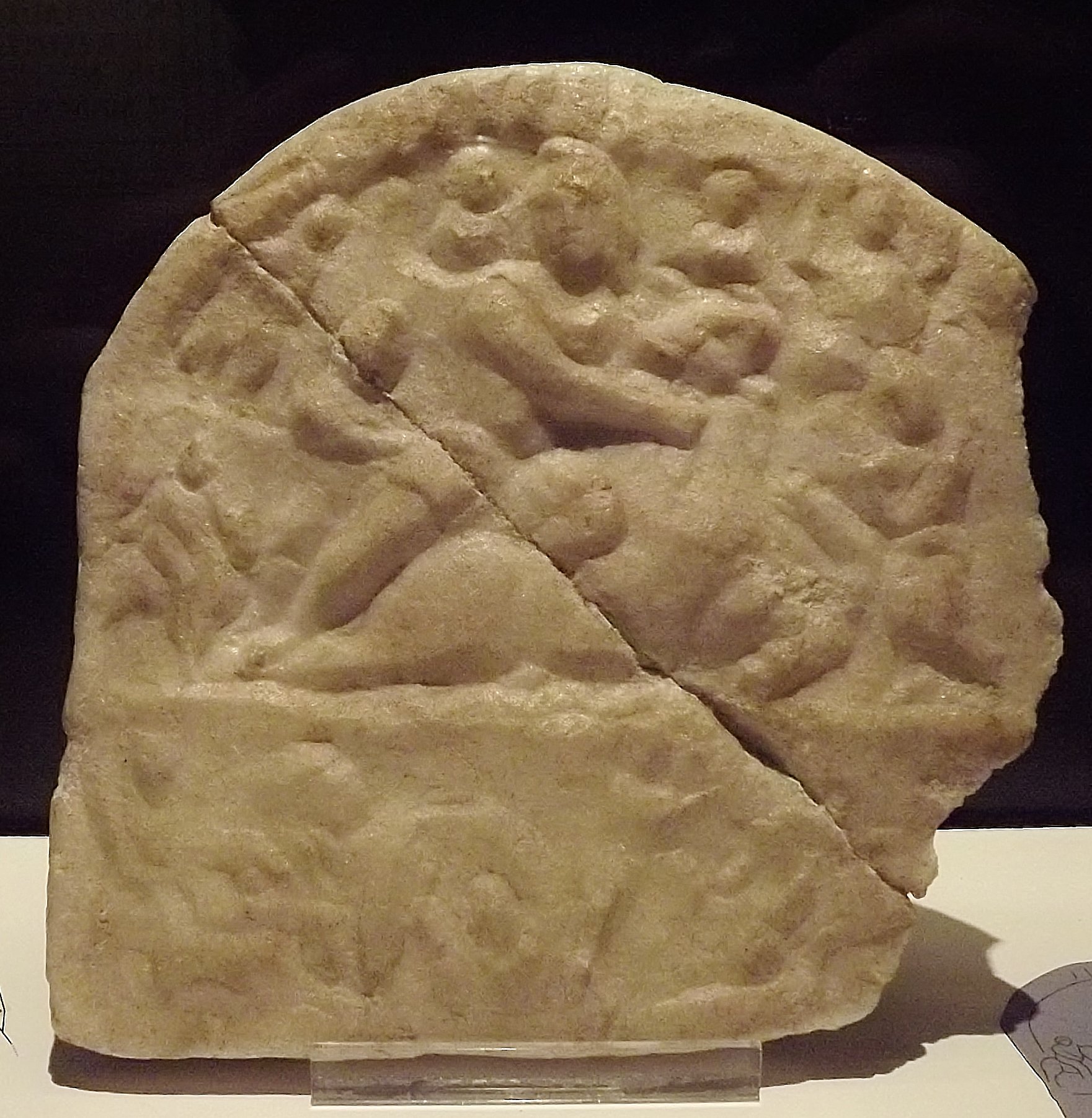
This small white marble relief of Mithras as a bullkiller was found in the Botanical Gardens of Vienna in 1950.


This inscription, which doesn’t mention Mithras, was found near the church of Santa Balbina on the Aventine in Rome.

Greek-speaking member of the community of Mithras followers from Apulum in the 2nd century.

Pater sacrorum and founder of the Mithraeum under the Basilica of S. Lorenzo.


Valerius was a discharged veteran was a worshipper of the Undefeated Mithras in Künzing.
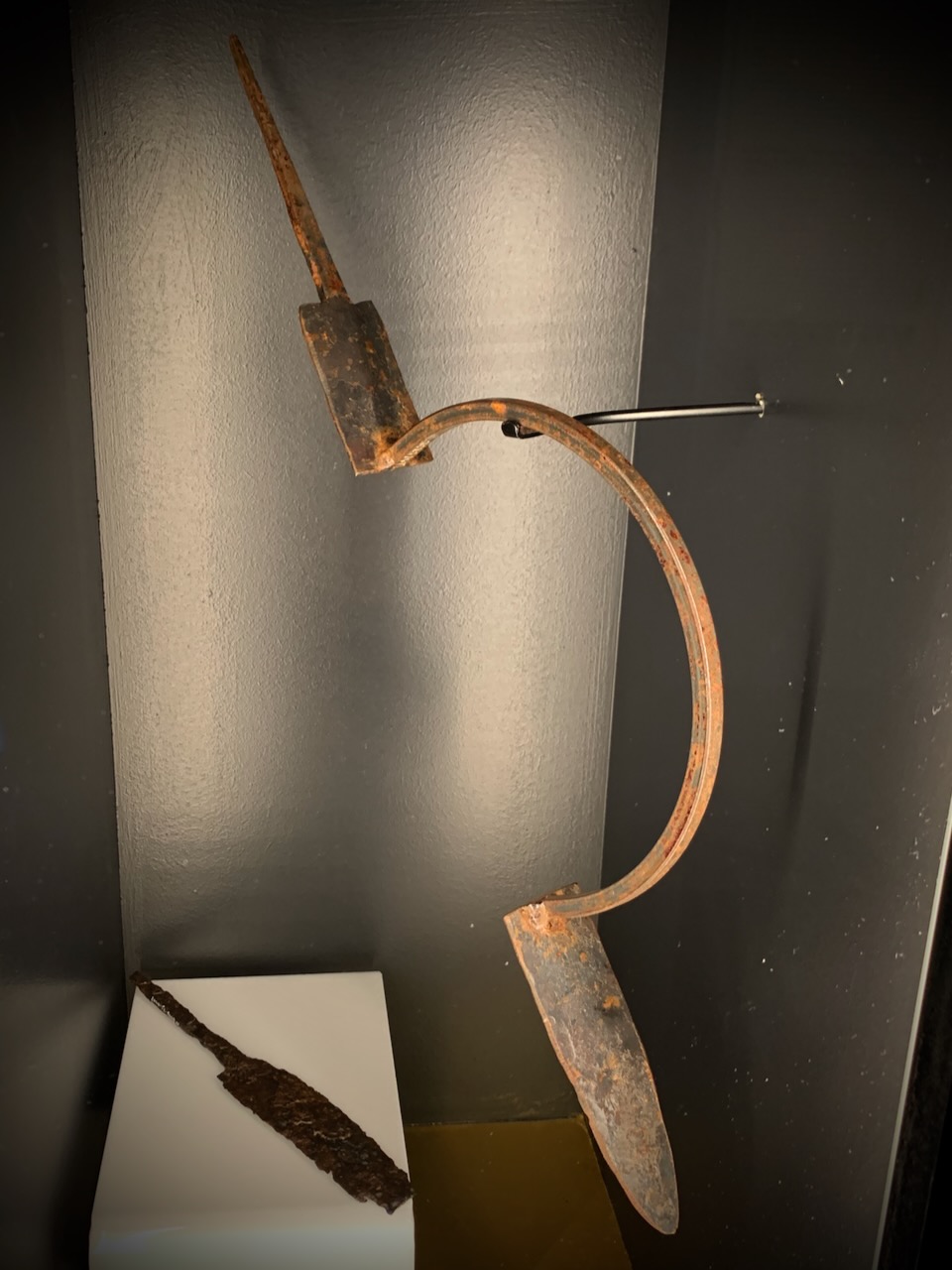
Several iron fragments found in the second mithraeum of Güglingen may have been used during mithraic ceremonies.

The name of this domus comes from the fact that some authors once associated one of its mosaics with the cult of Mithras, a connection that has since been dismissed.
Jaime Alvar speculates that the Gran Mitreo de Mérida could have been located in this area, based on a series of materials unearthed by Mélida during the excavations of 1926 and 1927.
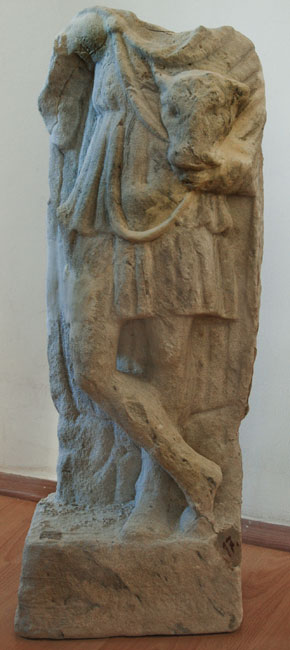
This sculpture of Cautes holding a bull’s head was found in 1882 in Sarmizegetusa, Romania.
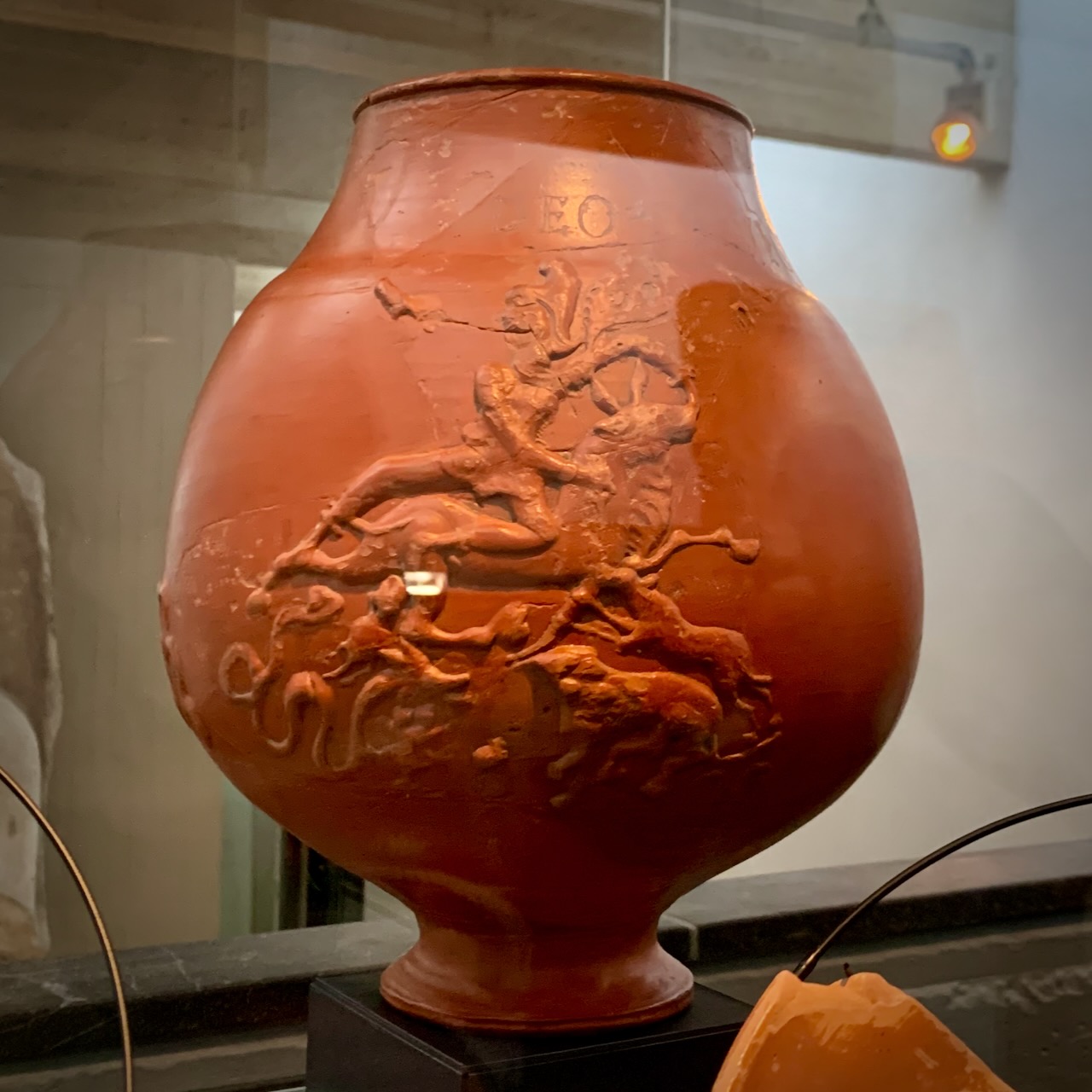
The Mühltal Mithraic crater was discovered among the artefacts of a mithraeum found in Pfaffenhoffen am Inn, Bavaria.
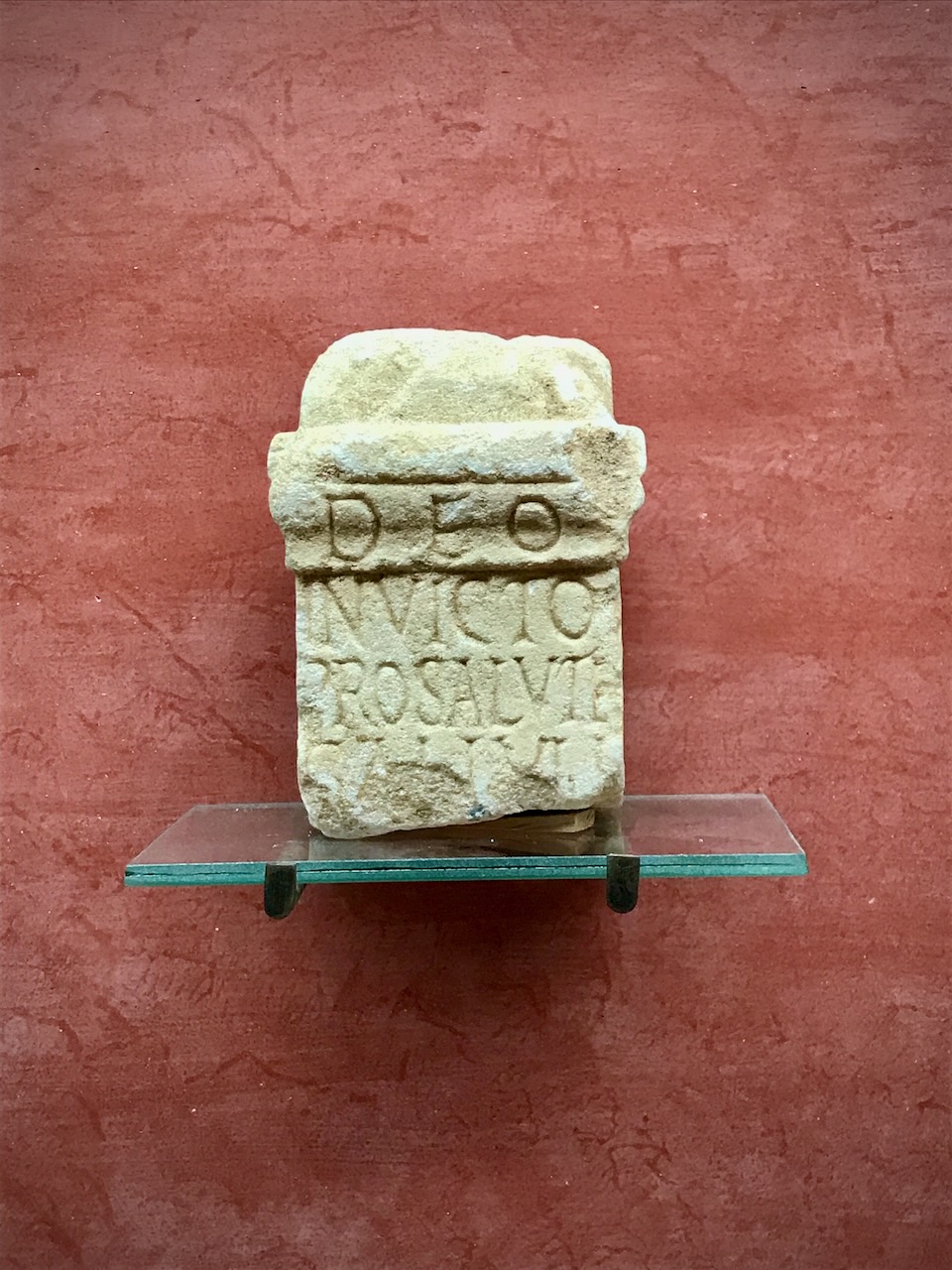
The small Mithraic altar found at Cerro de San Albin, Merida, bears an inscription to the health of a certain Caius Iulius.
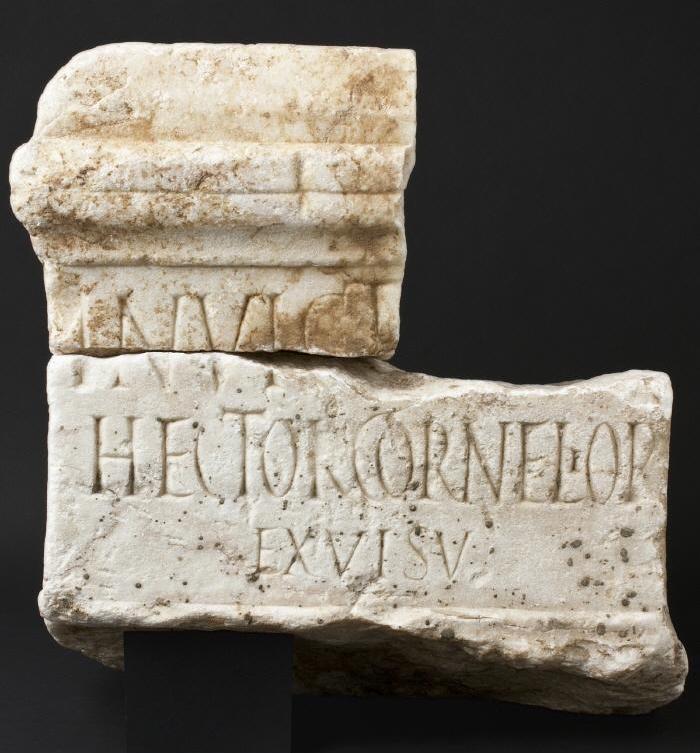
This fragmented altar was found in two pieces that Ana Osorio Calvo has recently brought together.
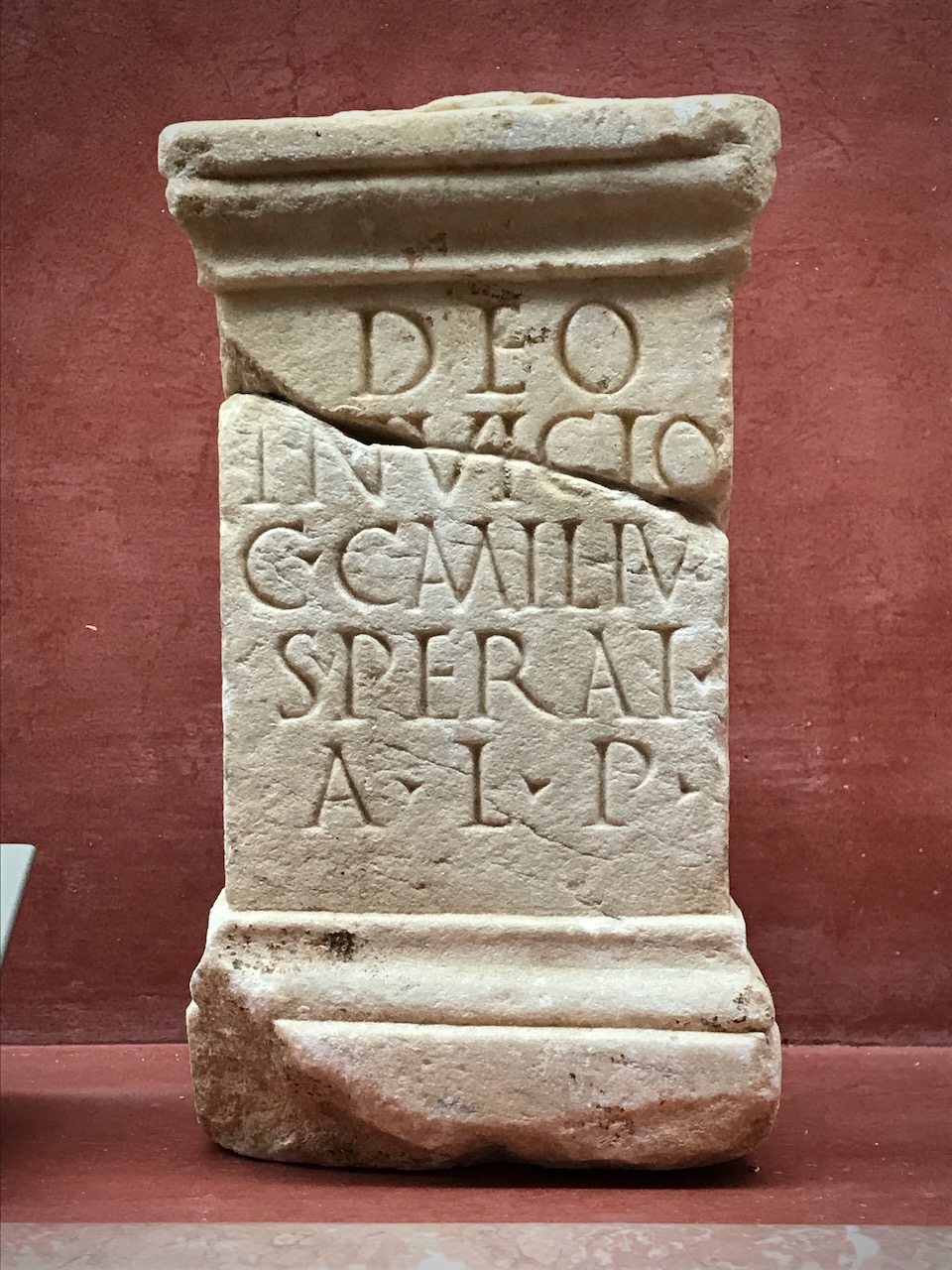
Small white marble altar made in honour of Mithras found at San Albín, Mérida.
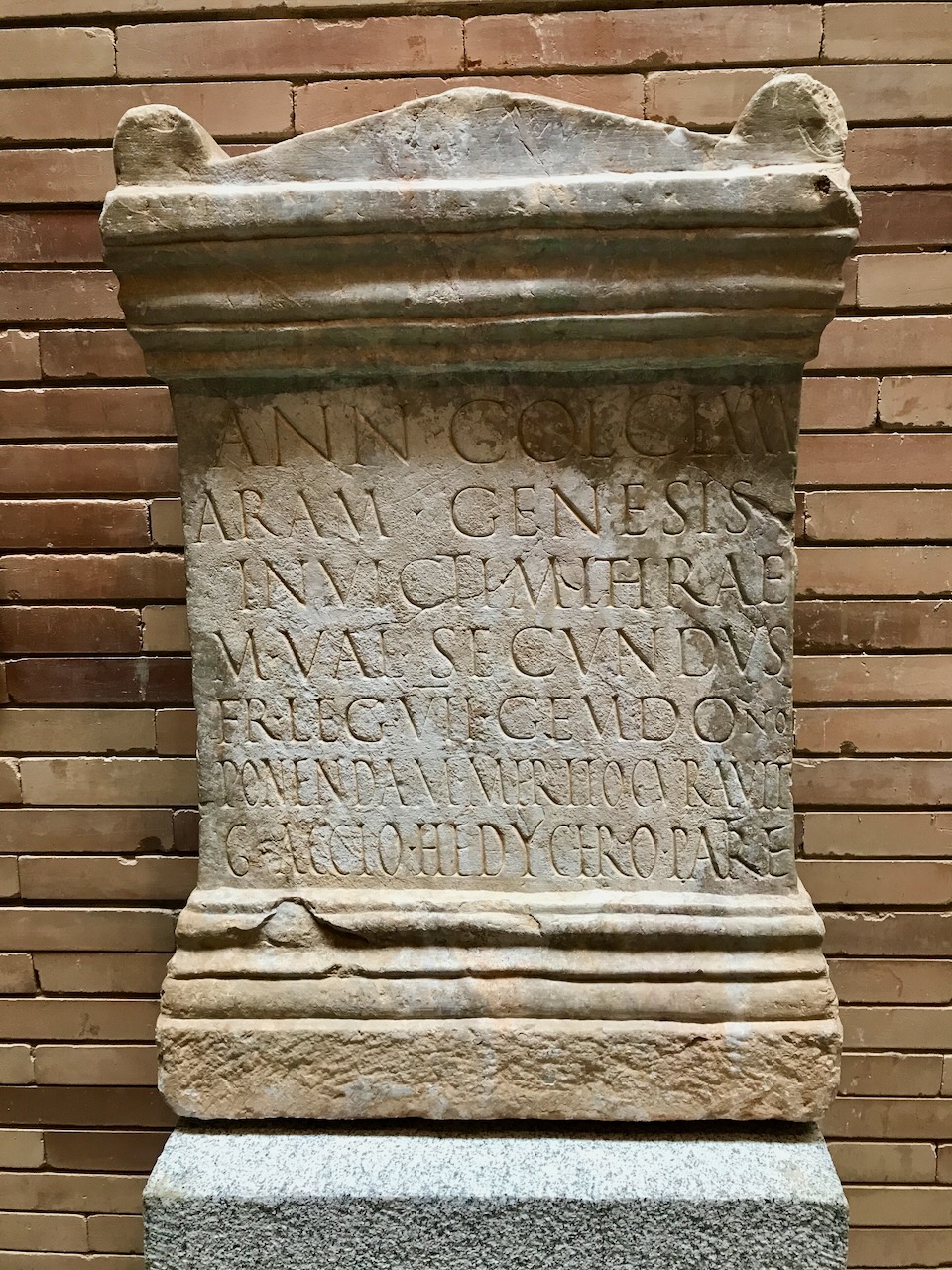
This altar is dedicated to the birth of Mithras by a frumentarius of the Legio VII Geminae.
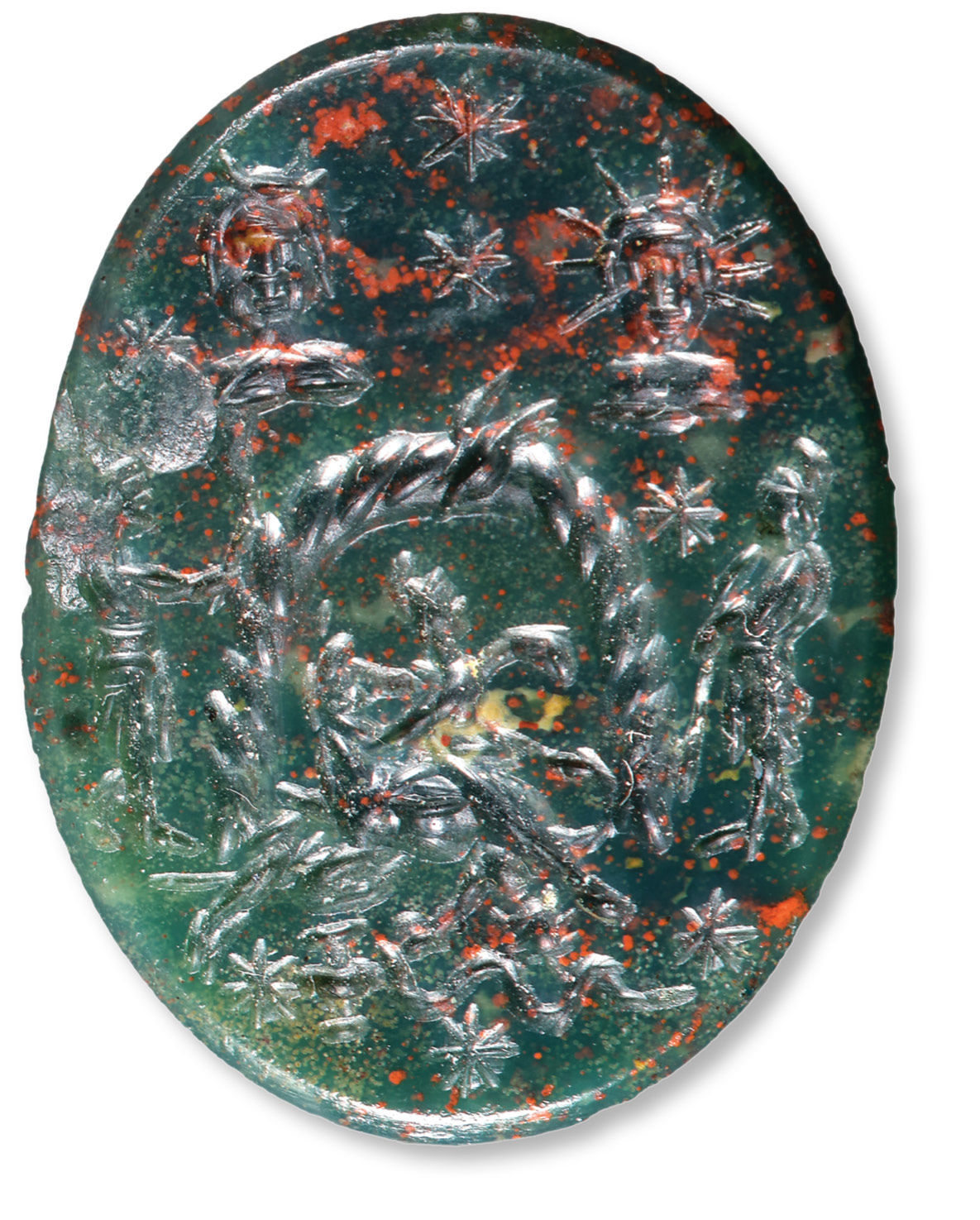
This heliotrope gem, depicting Mithras slaying the bull, dates from the 2nd-3rd century, but was reused as an amulet in the 13th century.
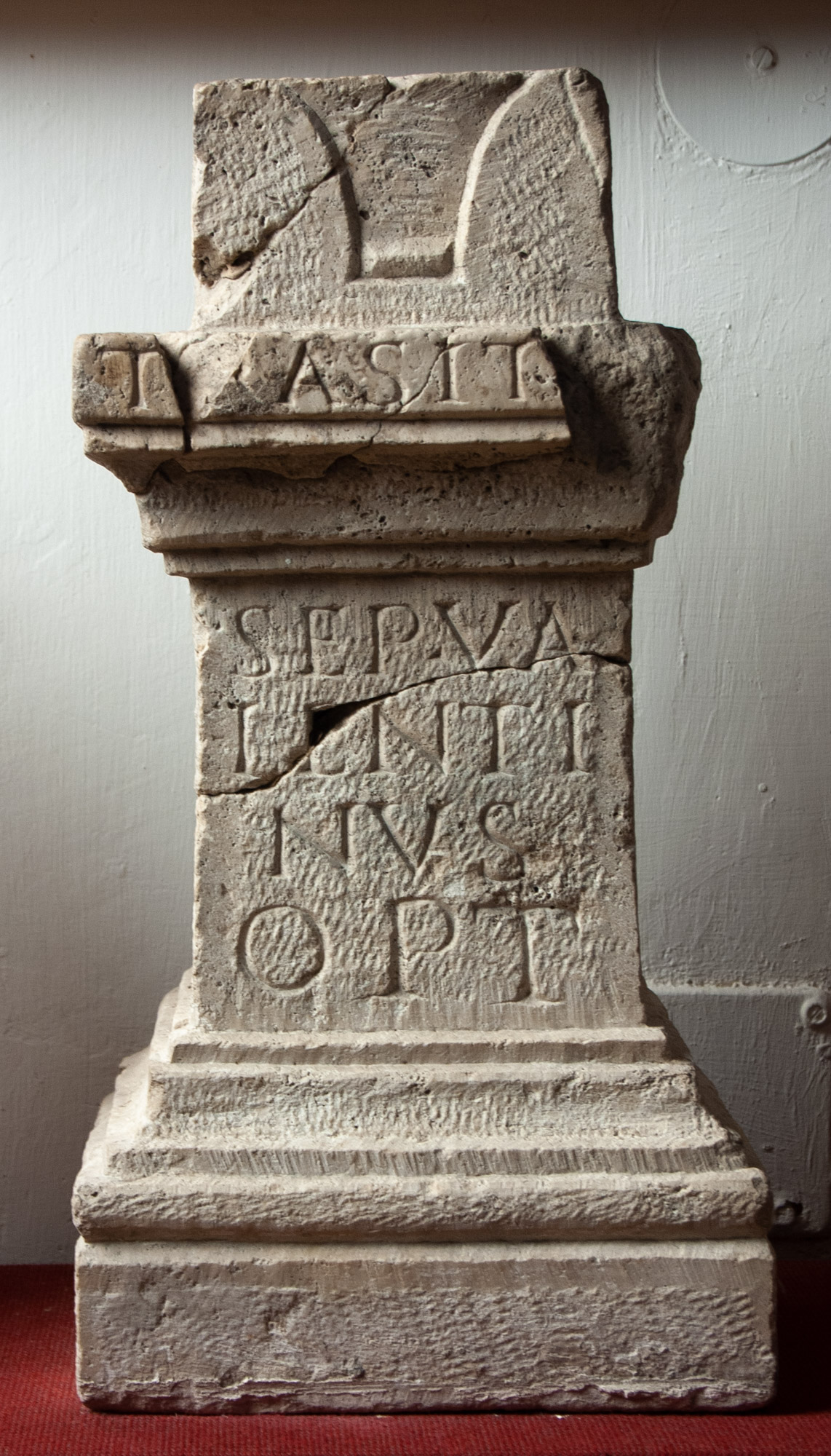
This is one of the altars erected by Septimius Valentinus, in this case, to the transitus of Mithras.
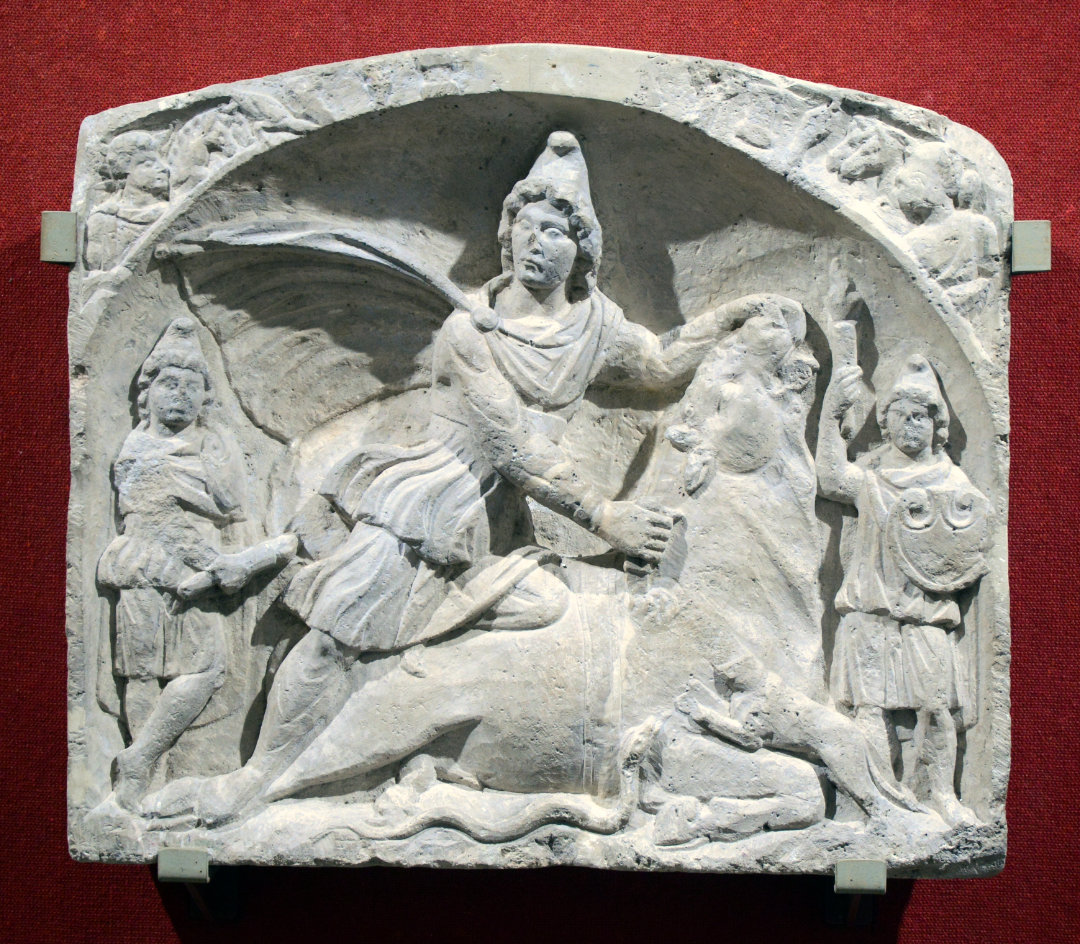
In this relief found in the Sárkeszi Mithraeum, Cautes and Cautopates hold an Amazon shield.
