Your search Roman cemetery of St. Matthias gave 2751 results.
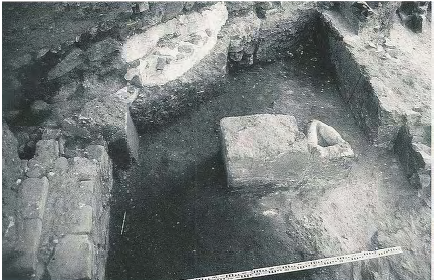
The Mithraeum at Espronceda Street, in Merida, was discovered in 2000. It is a semi-subterranean temple.

The exploration of an old pazo, a manor house, near the Roman wall, in Lugo, led to the discovery of a Roman domus, which existed continuously from the beginnings of the Christian Era until the Late Empire.

This very fine relief of Mithras killing the bull was discovered in 2014 in Germán, near Sofia, Bulgaria, and is now housed in the Sofia History Museum.

Found in Illmitz, Austria, in 1959, this altar was dedicated to the unconquered god Mithras by a certain Aelius Valerianus.
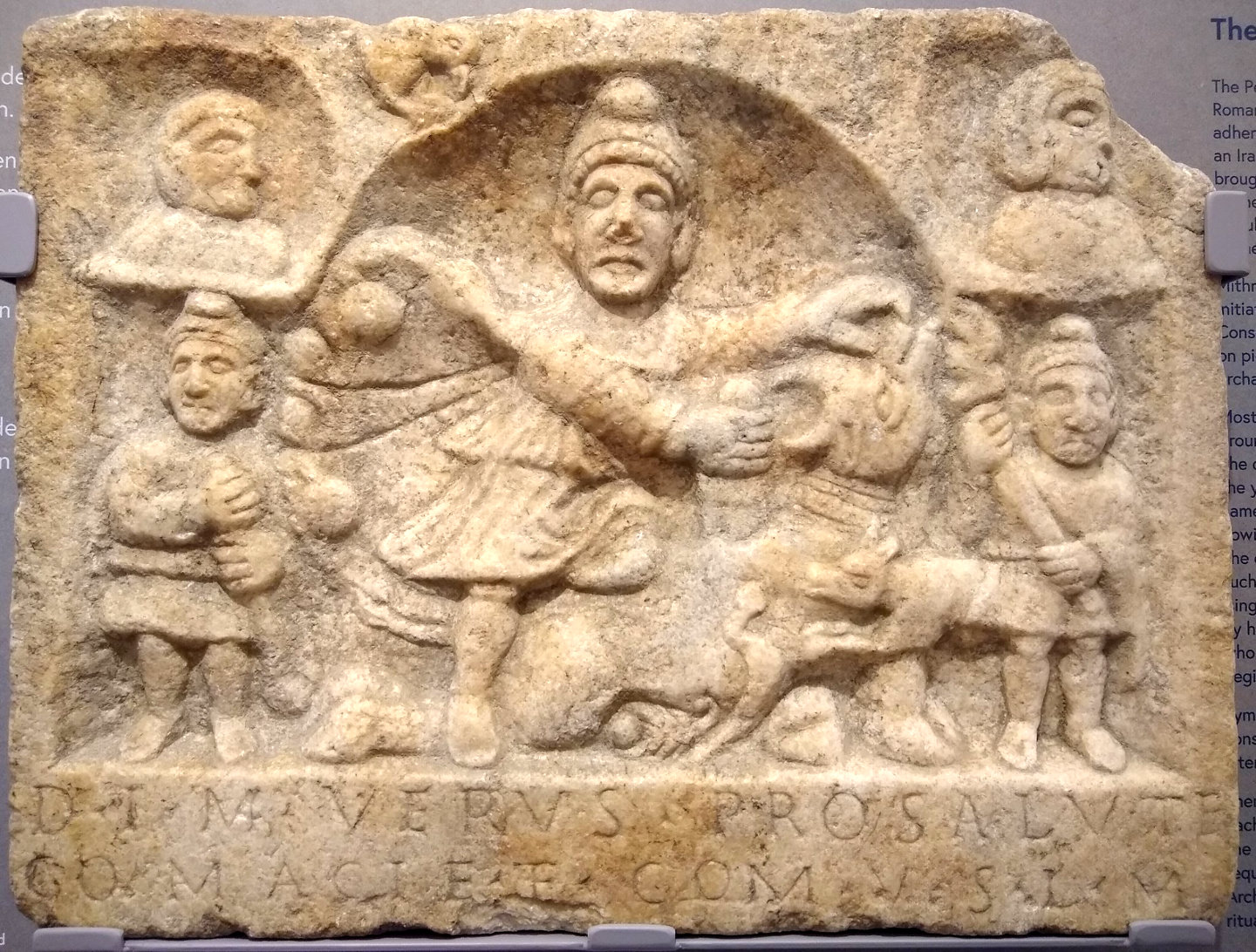
The votive image was donated by a certain Verus for a mithraeum which was probably located in the hinterland of the Limes.
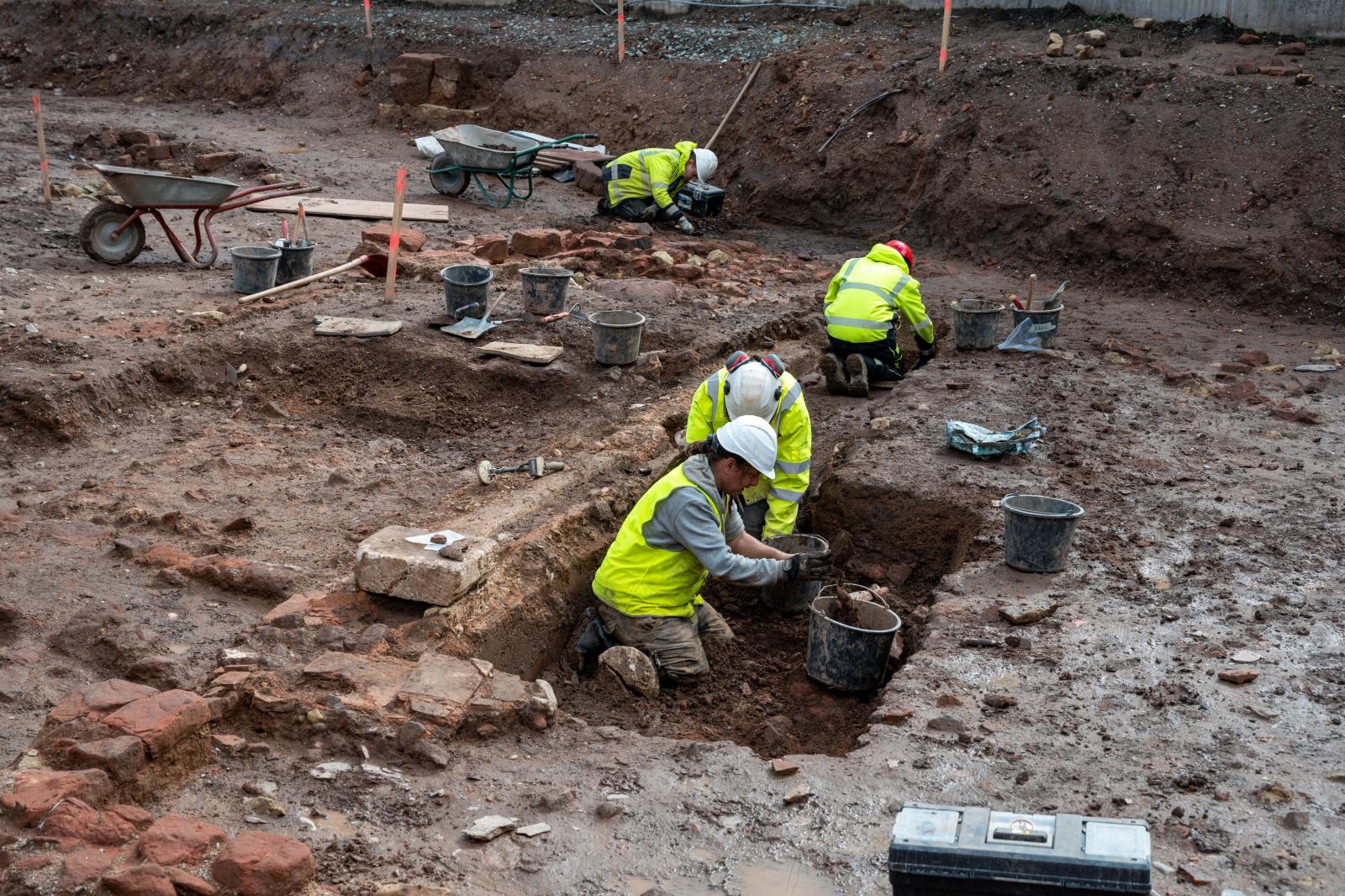
The Trier Mithräum was discovered during work on the city’s new fire station. The findings included a Cautes limestone relief.
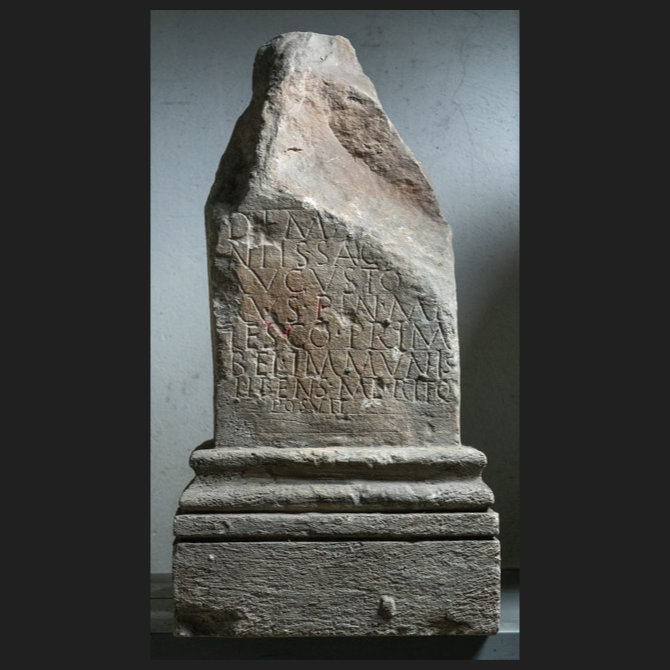
This altar, discovered in Grude, near Tihaljina, Bosnia and Herzegovina, bears an inscription by Pinnes, a soldier of the Cohors Prima Belgica.
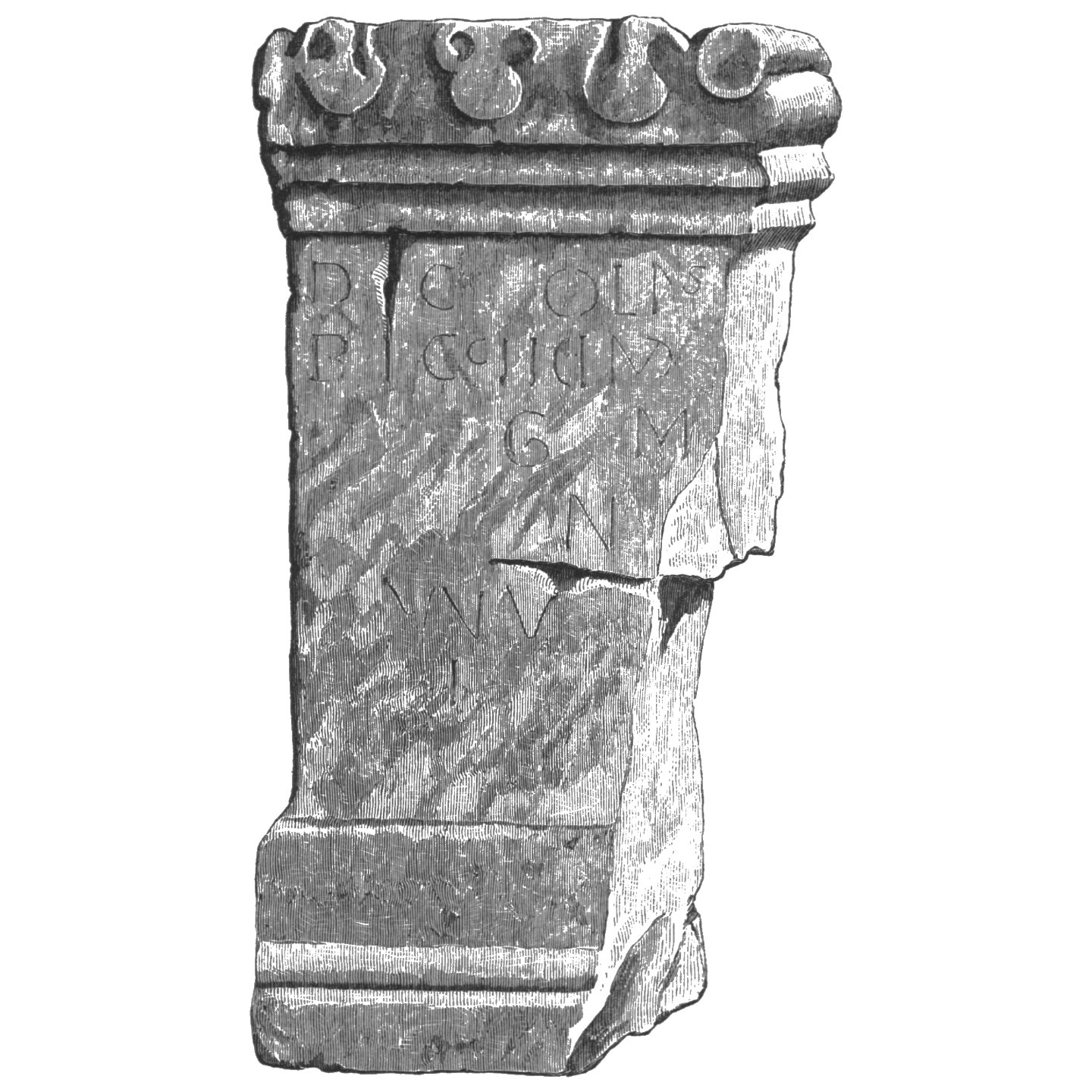
Horsley thought that, like some other inscriptions in the Naworth Collection, this altar also had come from Birdoswald.
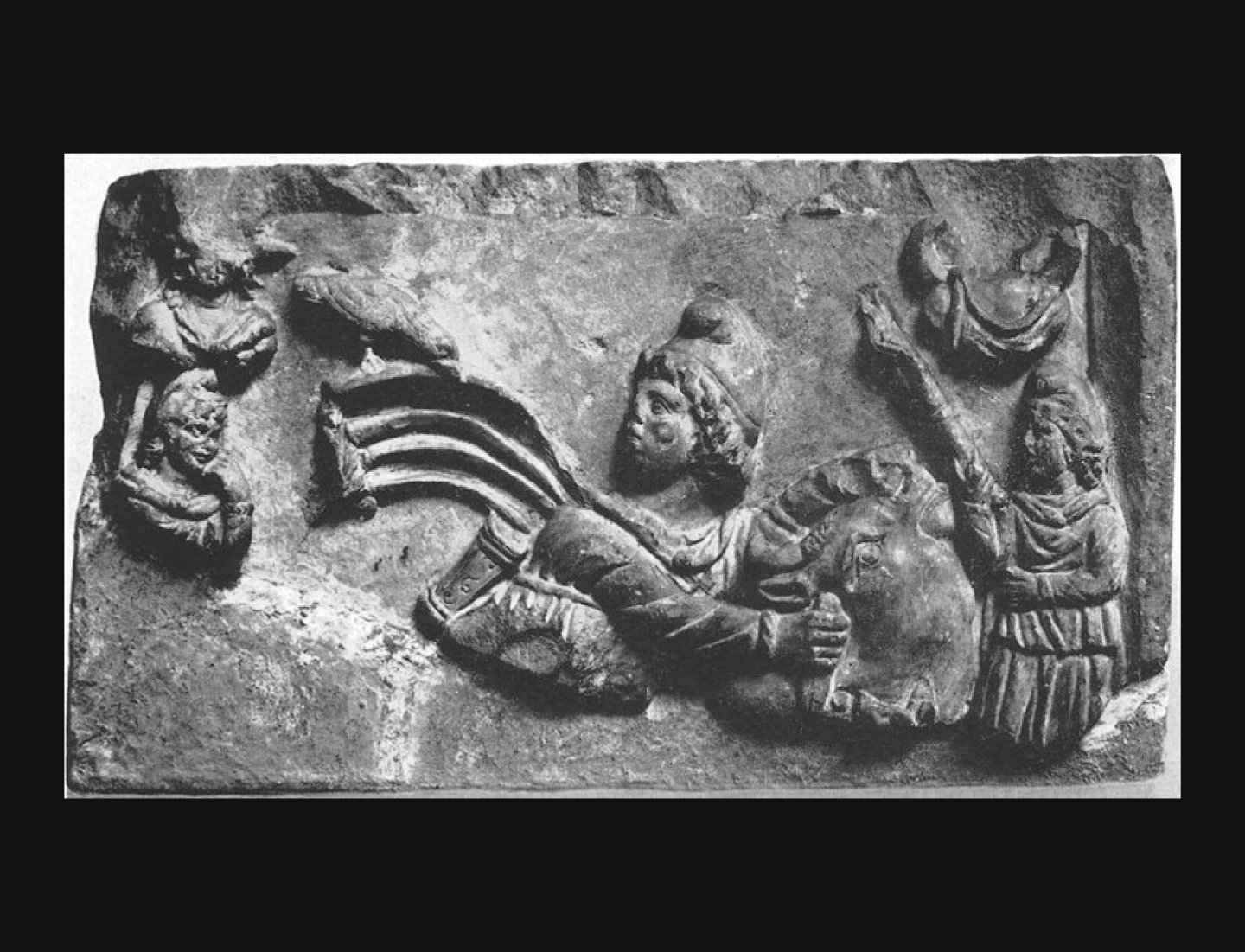
Franz Cumont bought this relief of Mithras as a bullkiller from a dealer who claimed to have found it in a vineyard near the church of Saint Pancrace, in Rome.
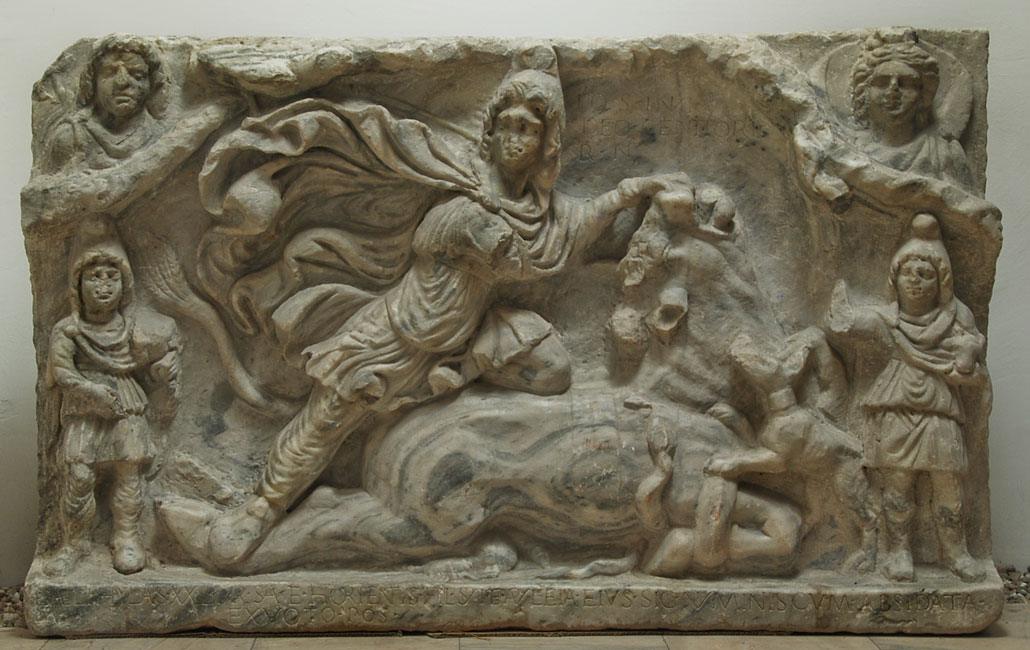
This monument bears an inscription by a certain Lucius Aelius Hylas, in which he associates Sol Invictus with Jupiter.
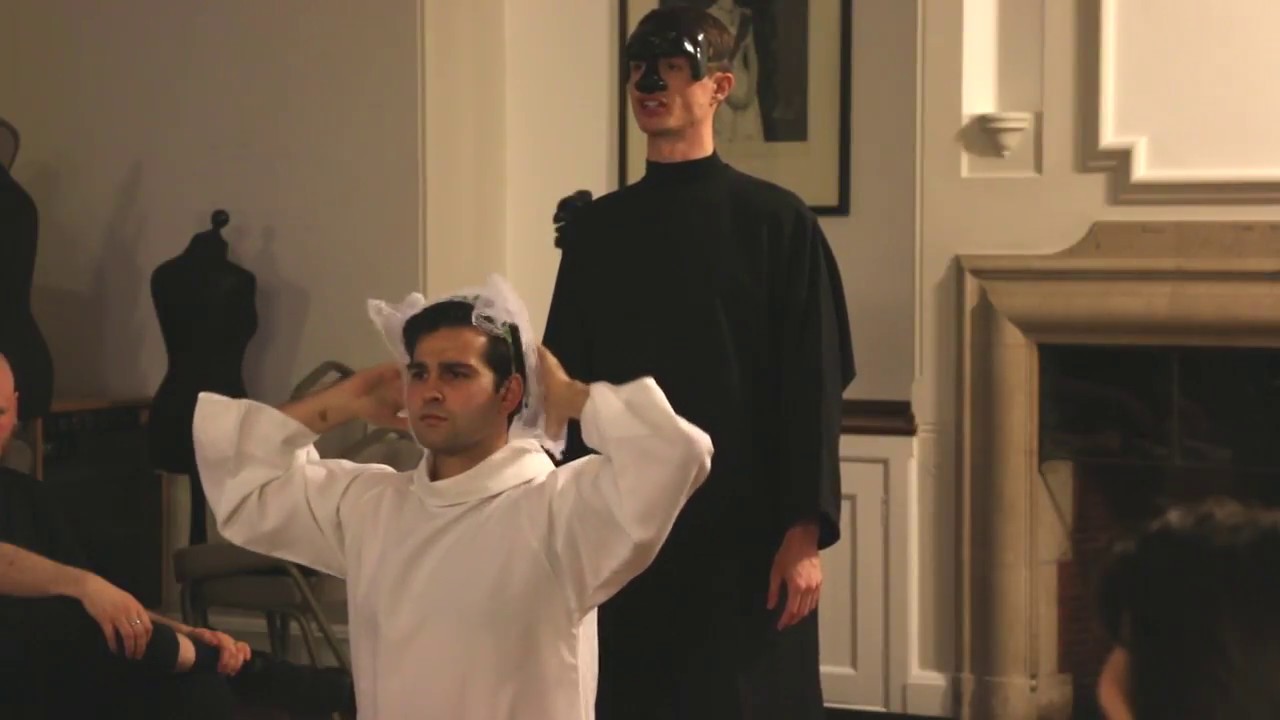
This is a reconstruction of the 2nd level initiation, the Nymphus or male bride.

This inscription to Mithras Invencible was dedicated by a certain Apronianus in 172 is currently lost.
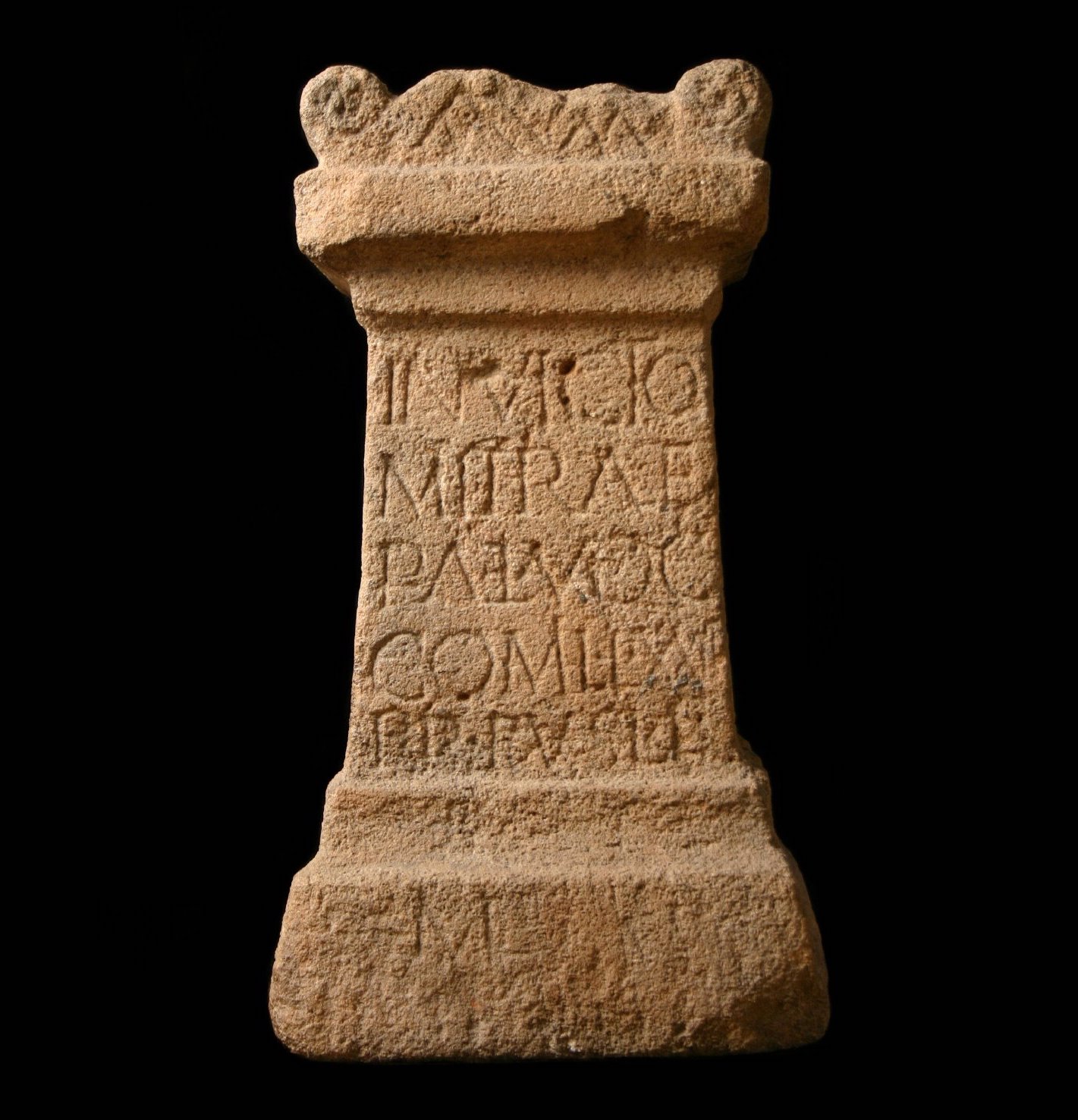
This monument was erected by a certain Publius Aelius Vocco, a solider of the Legio XXII Primigenia Pia Fidelis stationed in Mainz.
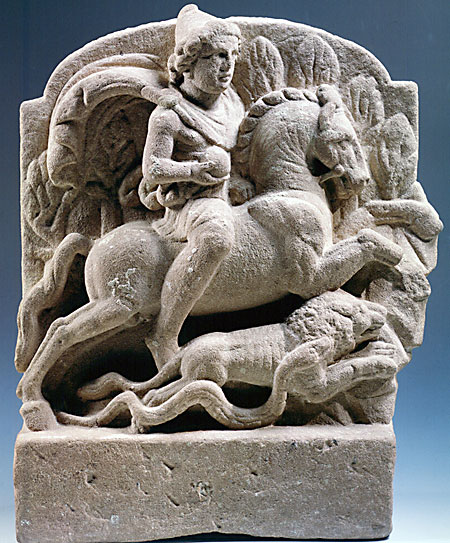
Mithras galloping, in a cypress forest, carrying a globe in one hand and accompanied by a lion and a snake.

Interpreting the Bas-relief of Mithras Tauroctonos from Osterburken in the Light of Porphyry’s Treatise, The Cave of the Nymphs.
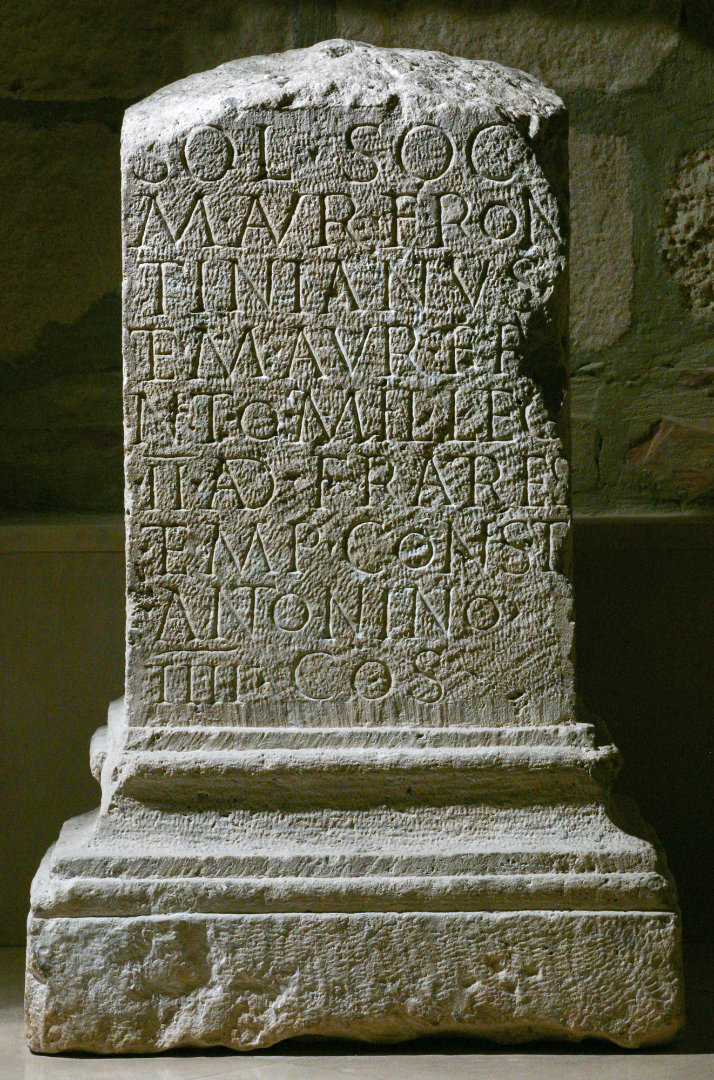
This fragmented altar was erected by two brothers from the Legio II Adiutrix who also built a temple.
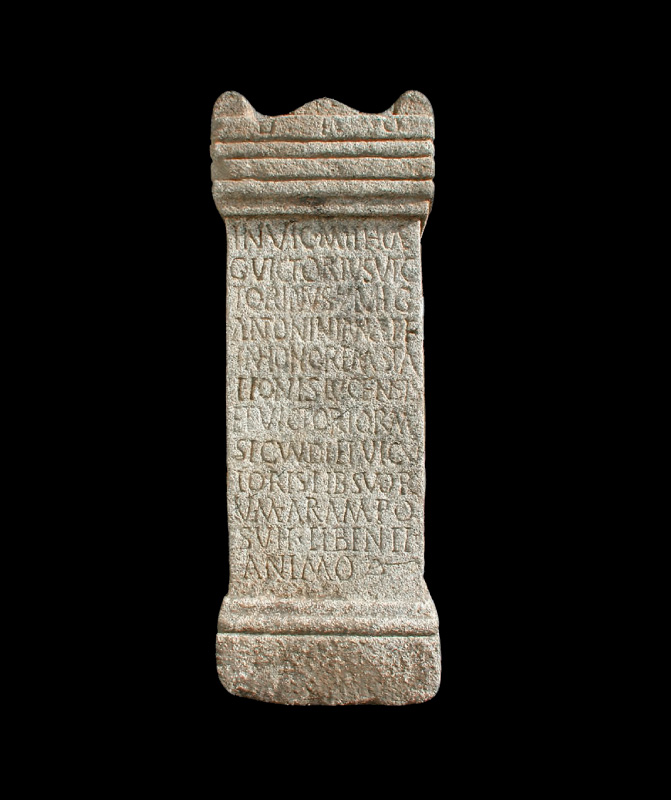
Victorius Victorious, centurion of the Legio VII, erected the altar in honour of the Lugo garrison and of the Victorius Secundus and Victor, his freedmen.
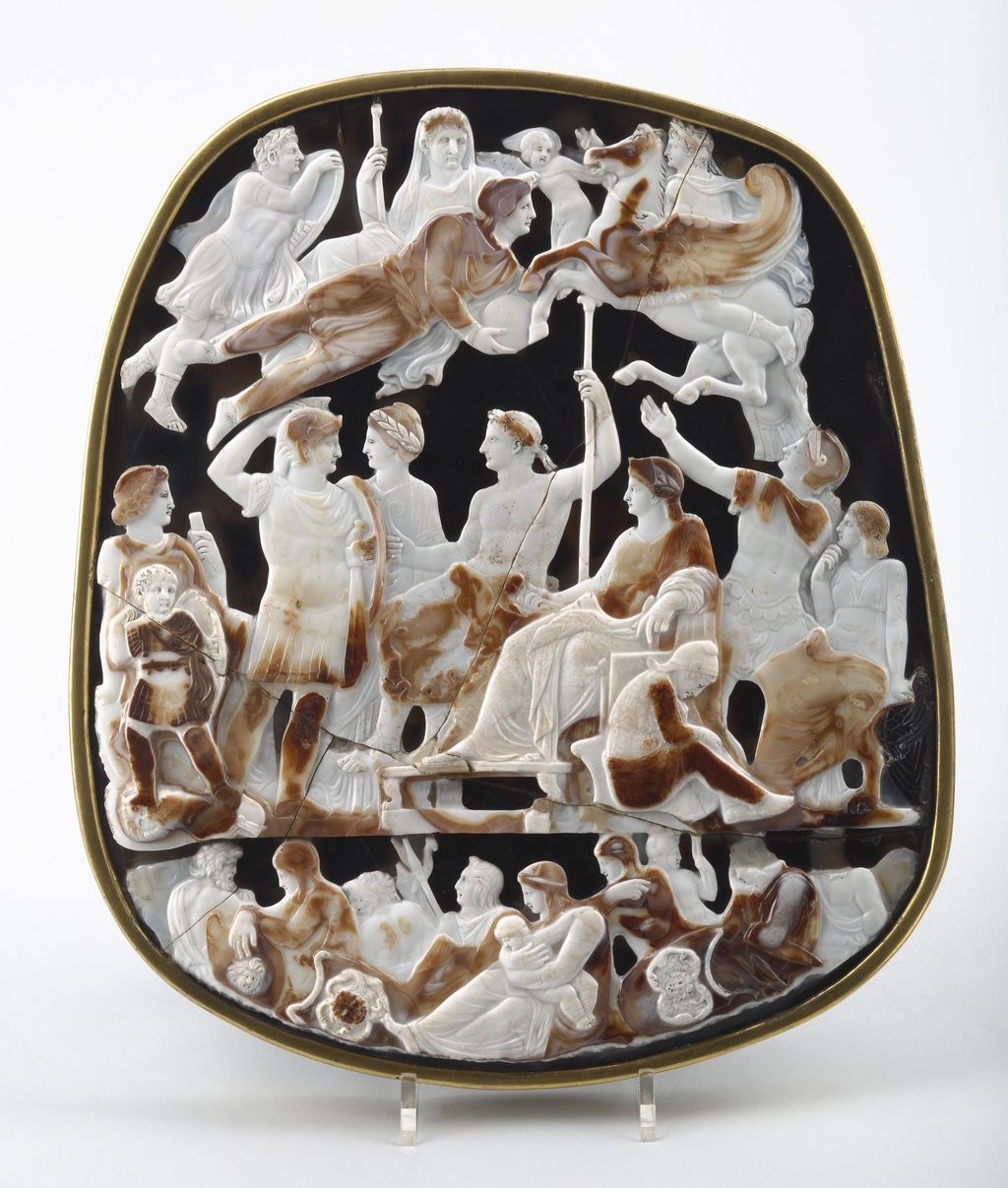
Some authors have speculated that the flying figure dressed in oriental style and holding a globe could be Mithras.
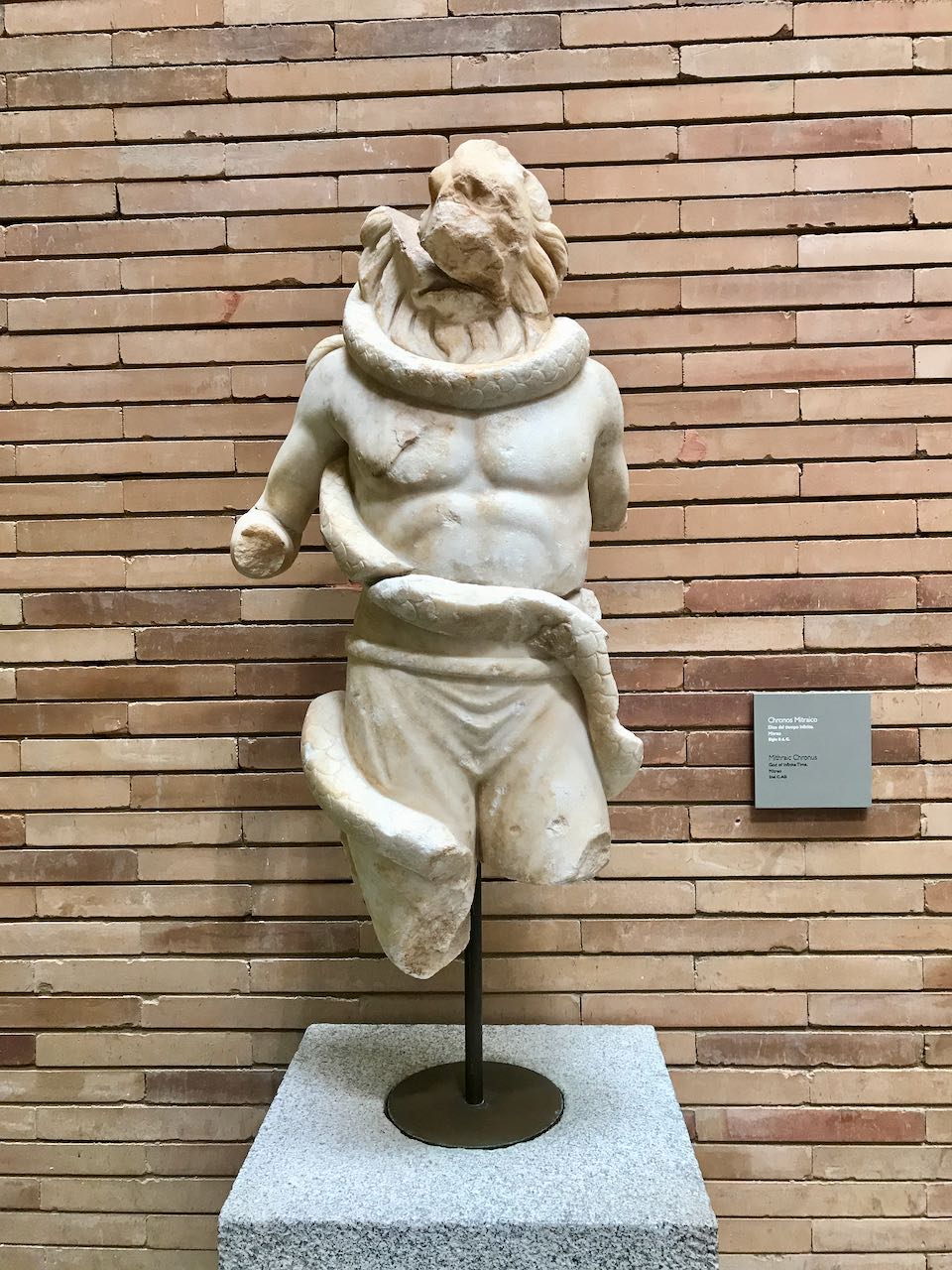
The lion-headed figure, Aion, from Mérida, wears oriental knickers fastened at the waist by a cinch strap.
