Your search Roman cemetery of St. Matthias gave 2751 results.

medical doctor. Hypnotherapist. medieval art interpretation. Mithras mystery I live in Sarrebourg (France) where a marvelous mithraeum was discovered in 1890

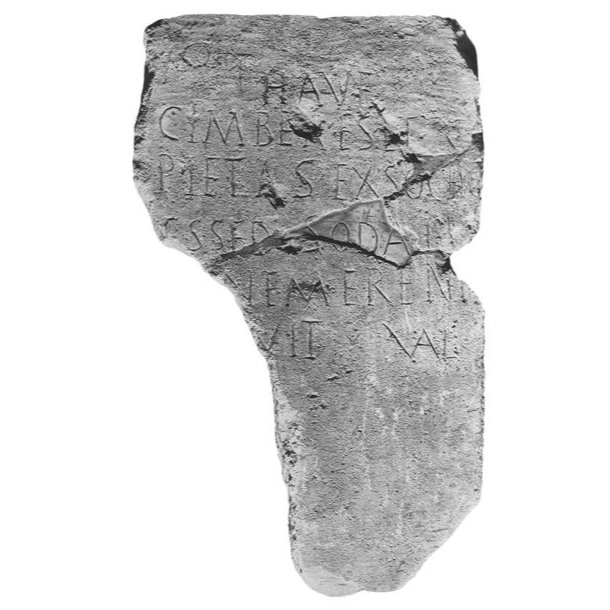
This monument with an inscription by two individuals was found in the first mithraeum of Cologne, Germany.
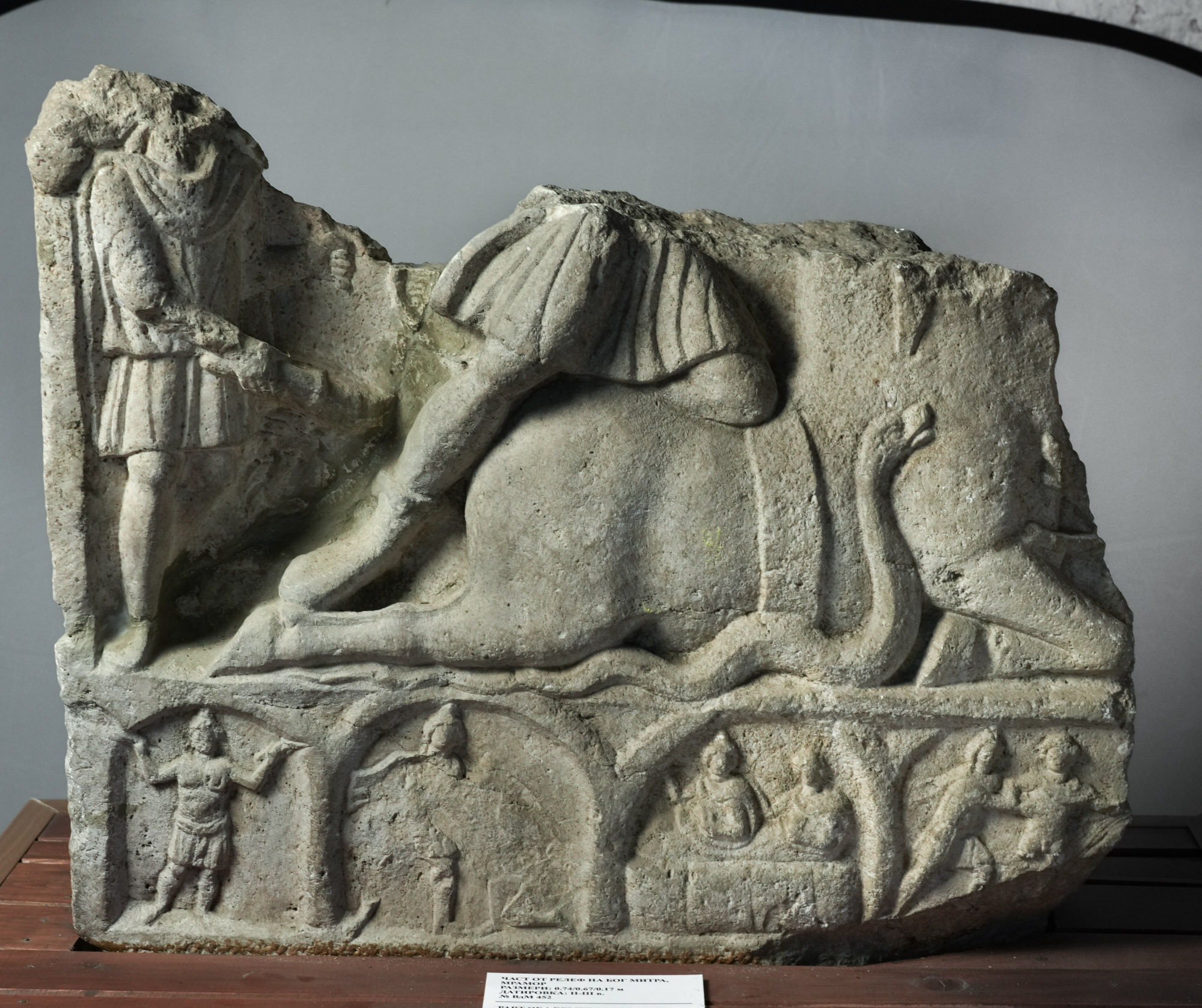
Fragmentary Mithraic relief from Ratiaria depicting the tauroctony above a series of narrative scenes from the myth of Mithras and Sol.

Roman town founded on the site of the Celtiberian settlement of Arekorataz, beneath modern Muro de Ágreda in northern Hispania.
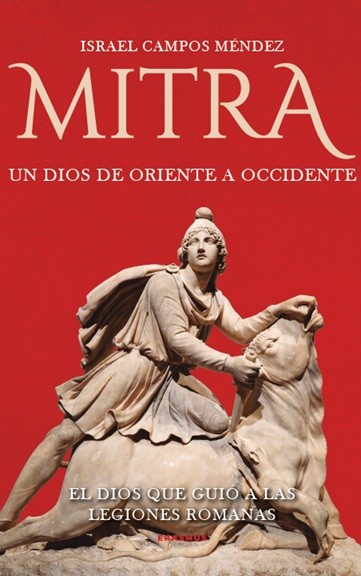
Un recorrido por los orígenes, la expansión y el legado de Mitra desde Persia hasta el corazón de Roma.
BSc Econ in Political Science and Intelligence Studies, born in Warsaw, PL, Researcher of Cults and Mysteries, a practicing Heathen since the age of 12.

.jpg)
The statue of Arimanius/Ahriman was found in 1874 under the city wall of York during the construction of the railway station.
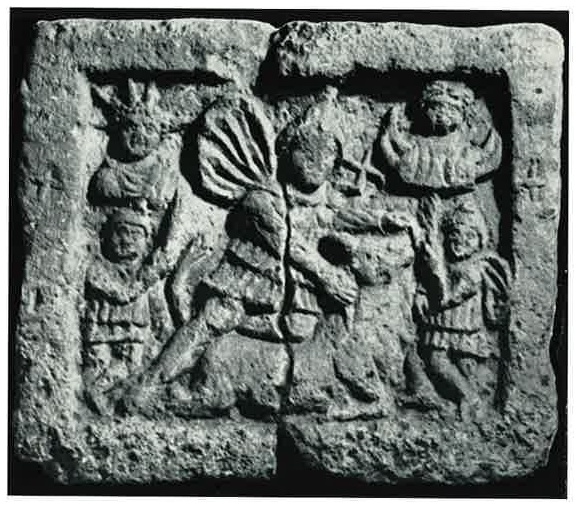
Tuff tauroctony relief in two fragments from Ghighen, ancient Oescus in Moesia Inferior, depicting the standard bull-slaying scene with the full iconographic programme.

Late Roman senator and governor of Numidia whose inscriptions present him as a Mithraic pater and initiate in several mystery cults.

Magister of a Bracaran sodalicium associated with the cult of Mithras in Roman Lusitania.

Member of a Mithraic community at Stockstadt who dedicated altars to Cautes and Cautopates.
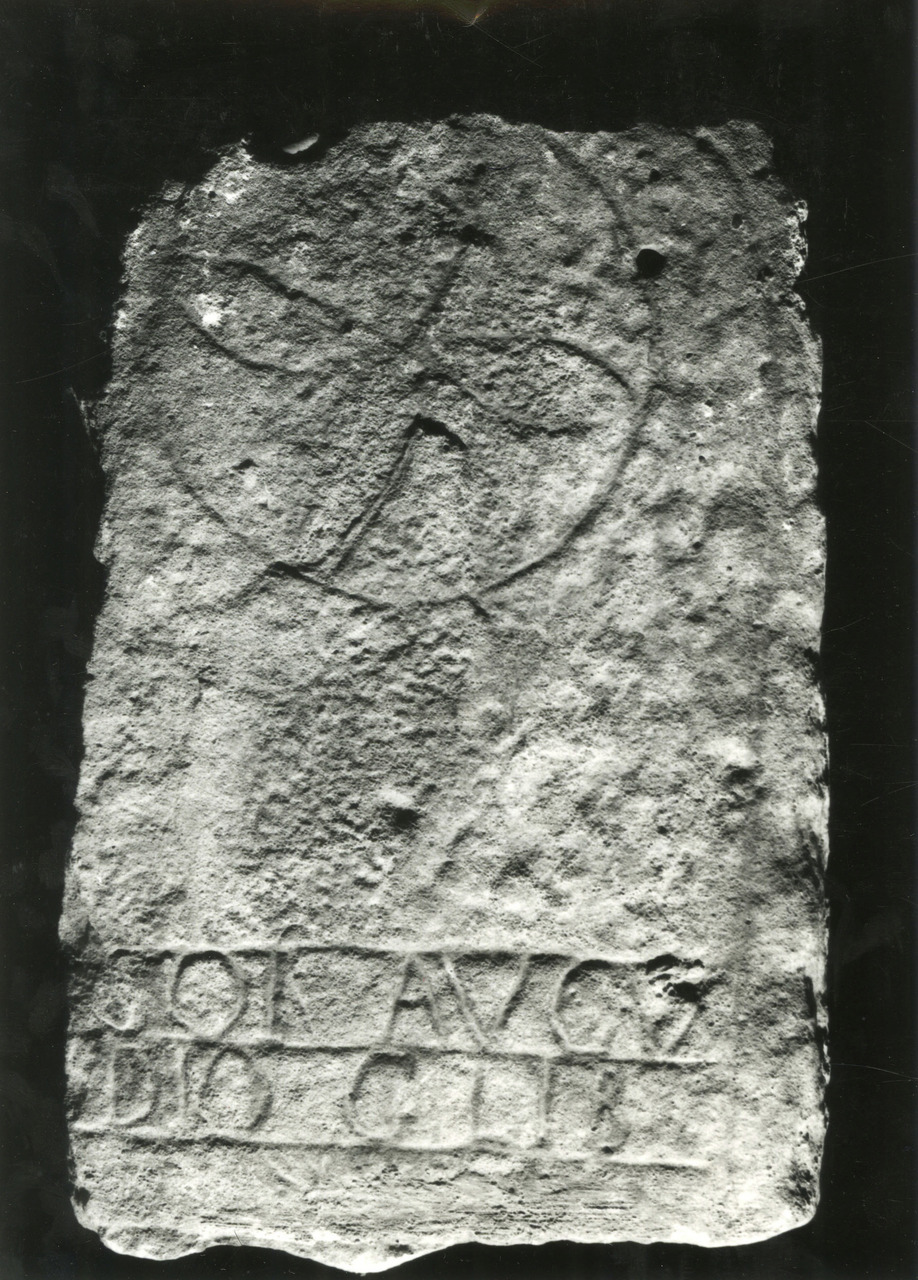
A sandstone slab found along the border of the Tagus river near Thirmarum (modern Trillo, near Cifuentes in Guadalajara), recording an inscriptoiin by a certain Cornelius, freedman of Gaius.

Limestone slab dedicated to the invincible Sun by the governor Marcus Aurelius Decimus near the temple of Aesculapius.
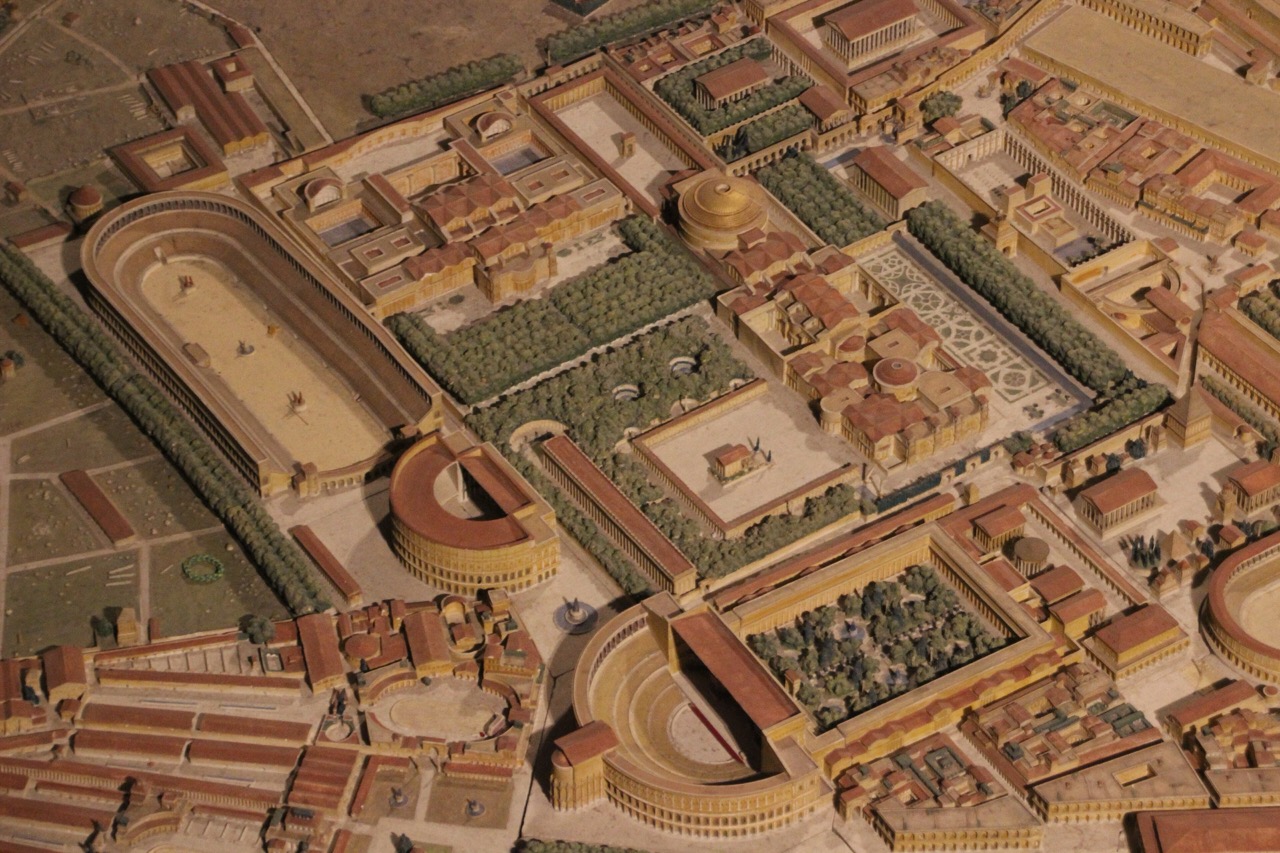
Archaeological evidence shows that the area around Rome has been inhabited since around 14,000 years ago. Excavations support the theory that Rome grew from pastoral settlements on the Palatine Hill, which was built over the area of the Roman Forum.
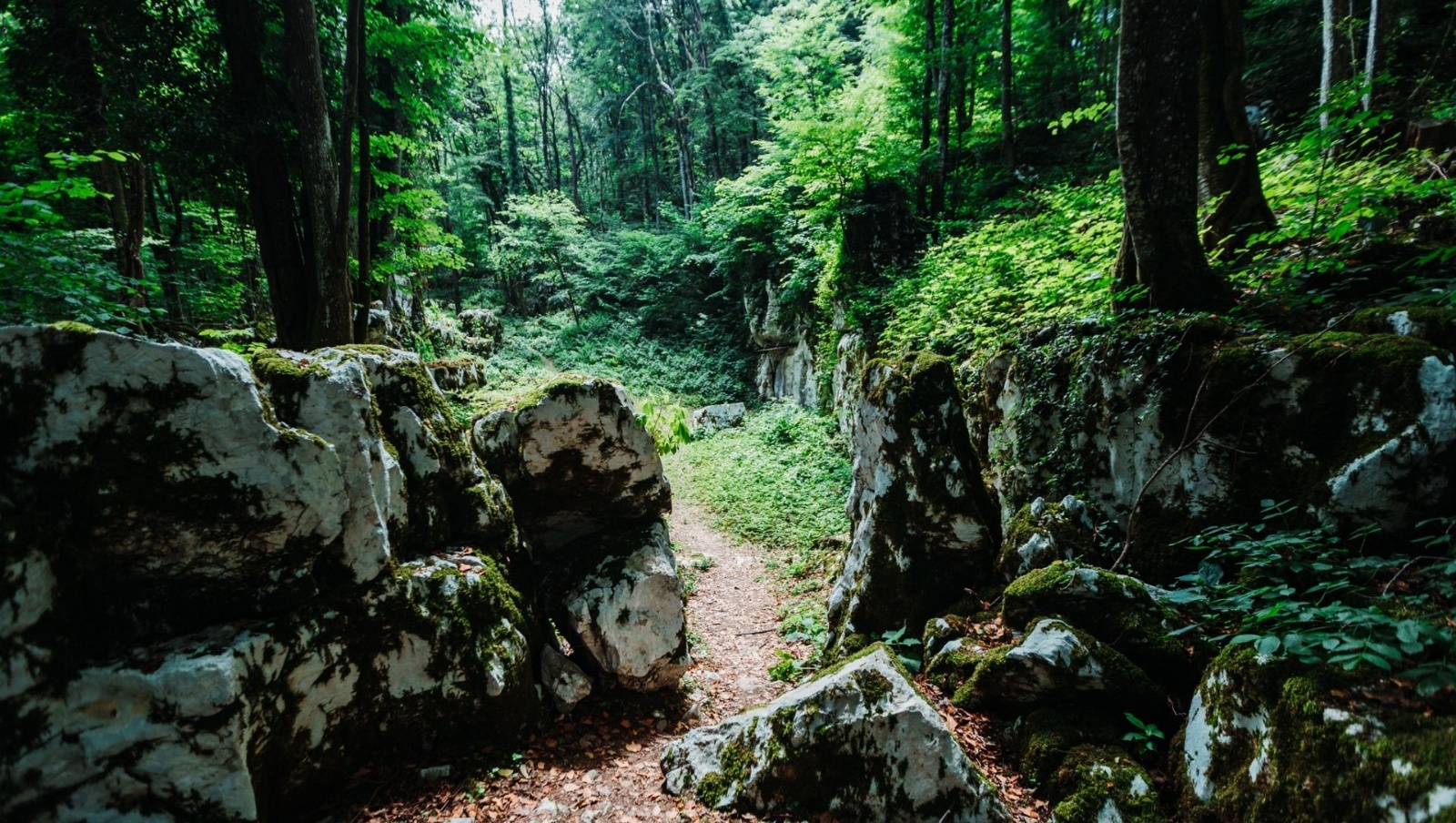
Rožanec is a settlement north of the town of Črnomelj in the White Carniola area of southeastern Slovenia.
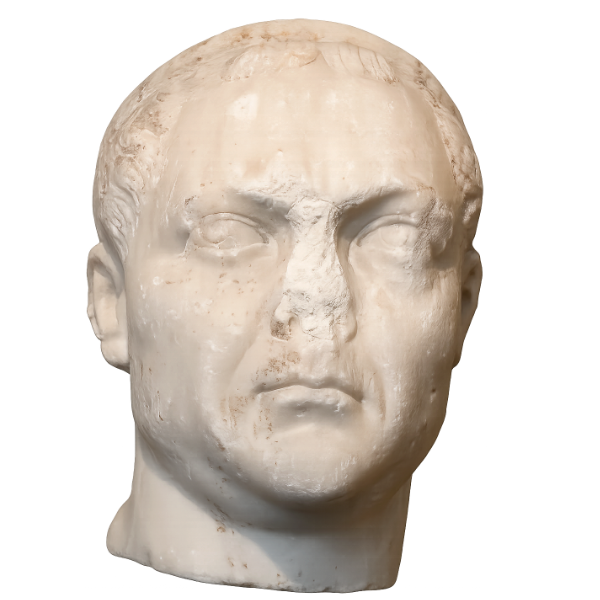
Roman emperor from 253 to 260, he was taken captive by Shapur I of Persia. He was thus the first emperor to be captured as a prisoner of war.
Aristocratic villa near Tarraco, capital of Hispania Tarraconensis, associated with Caius Valerius Avitus and a Mithraic sanctuary.

Roman prefect commemorated in a rare dedication to Sol Apollo Anicetus Mithras at Rudchester.
