Your search San Giovanni al Timavo gave 3161 results.

Along the northern frontier of Roman Britain, Britannia inferior preserves important evidence linked to military and frontier communities.
Aegyptus occupied a unique position within the Roman world where Mediterranean trade, Nile networks and ancient religious traditions intersected.
Campania preserved a vibrant urban and maritime environment closely connected to the commercial life of Roman Italy.
Corsica et Sardinia occupied an important insular position within the maritime networks of the western Mediterranean.
At the western edge of the Roman world, Mauretania Tingitana linked North Africa to Hispania through military and maritime exchange.
Mesopotamia formed part of the eastern frontier zone where Roman military expansion encountered long-established Mesopotamian traditions.
Cilicia occupied a key position between Anatolia, Syria and the eastern Mediterranean maritime routes.
Lycia et Pamphylia connected southern Anatolia to the maritime networks of the eastern Mediterranean world.
Asia formed one of the most urbanised and interconnected provinces of the eastern Roman world where Mithraic cults circulated widely.
Chersonesus occupied a northern Black Sea position where Greek, Roman and frontier cultures intersected at the edges of the Mithraic world.
Moesia superior preserves frontier evidence shaped by the military infrastructure and circulation networks of the middle Danube.
Moesia inferior occupied a major position along the lower Danube where Mithraic cults circulated through military and port environments.
Along the lower sectors of the middle Danube, Pannonia inferior became a major centre of Mithraic activity in the frontier provinces.
Narbonensis connected Roman Gaul to the Mediterranean world through some of the oldest urban and maritime networks of the western empire.
Belgica occupied a strategic position between Roman Gaul, the Rhine frontier and the northern provinces where Mithraic cults circulated widely.
Lugdunensis formed part of the urban and administrative core of Roman Gaul, where Mithraic cults circulated through major civic centres.
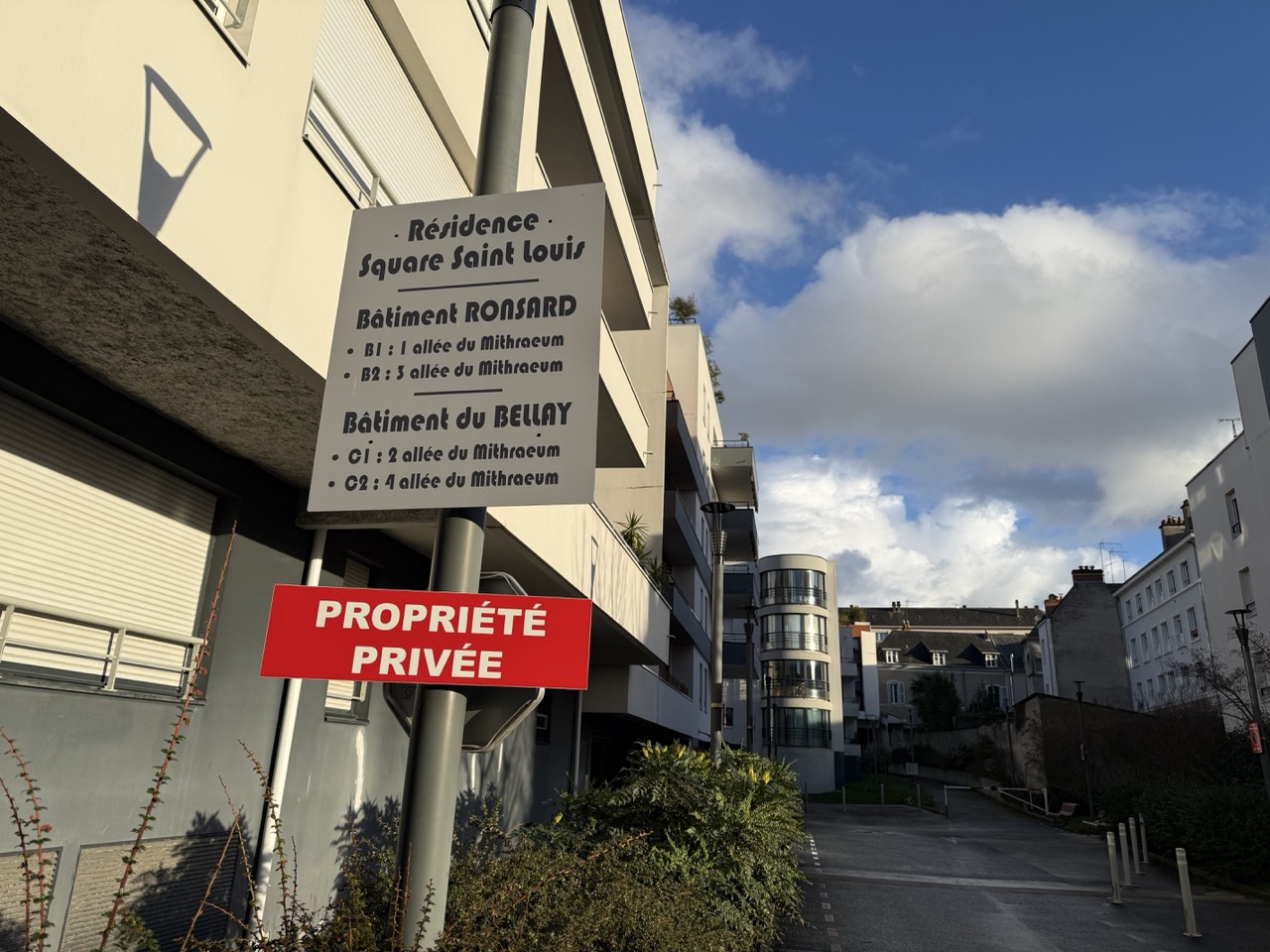
The Mithraeum of Angers, excavated during a preventive operation and subsequently dismantled in 2010, yielded numerous objects, including coins, oil lamps, and a ceramic vessel bearing a votive inscription to the invincible god Mithras.


Roman Sicilia preserves Mithraic evidence shaped by Mediterranean mobility and the island’s strategic position between east and west.
