Your search San Giovanni al Timavo gave 3161 results.
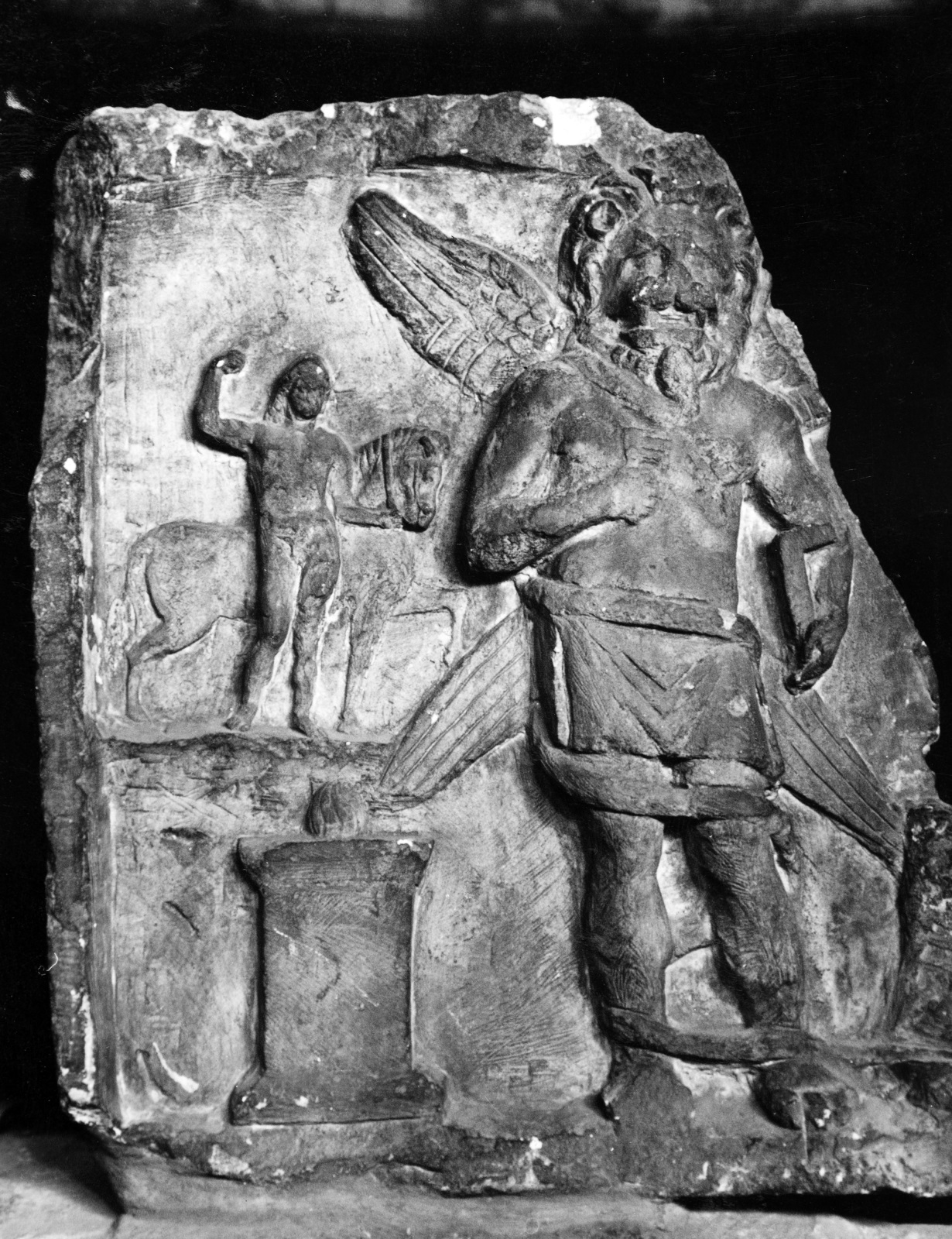
The relief of Aion from Vienne includes a naked youth in Phrygian cap holding the reins of a horse.
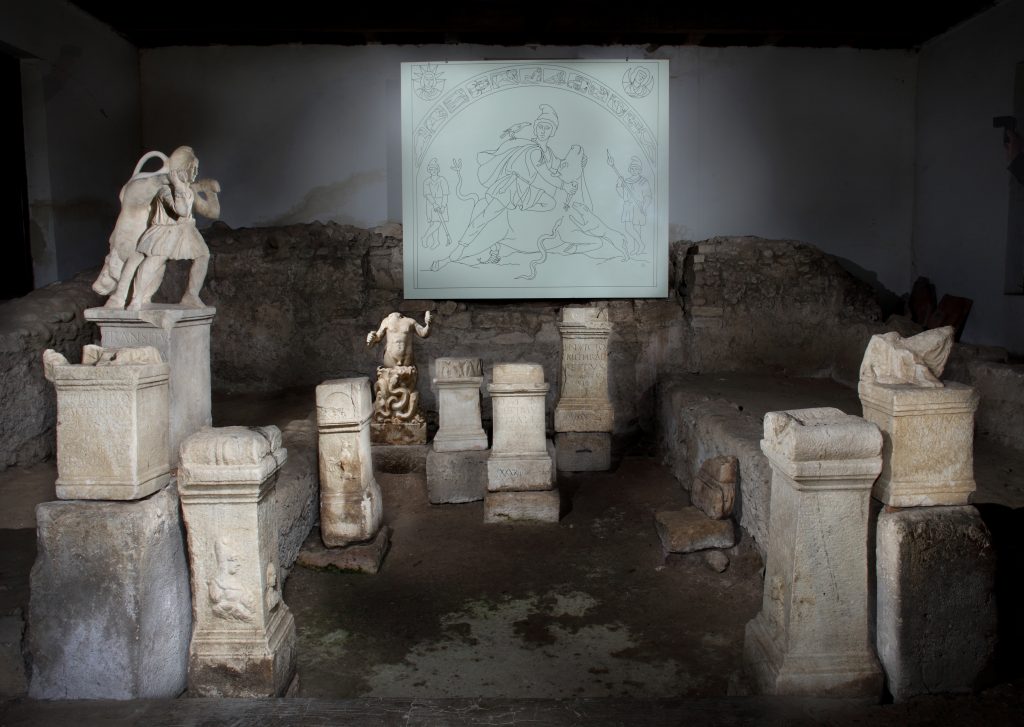
The Mithraeum I of Ptuj contains the foundation, altars, reliefs and cult imagery found in it.
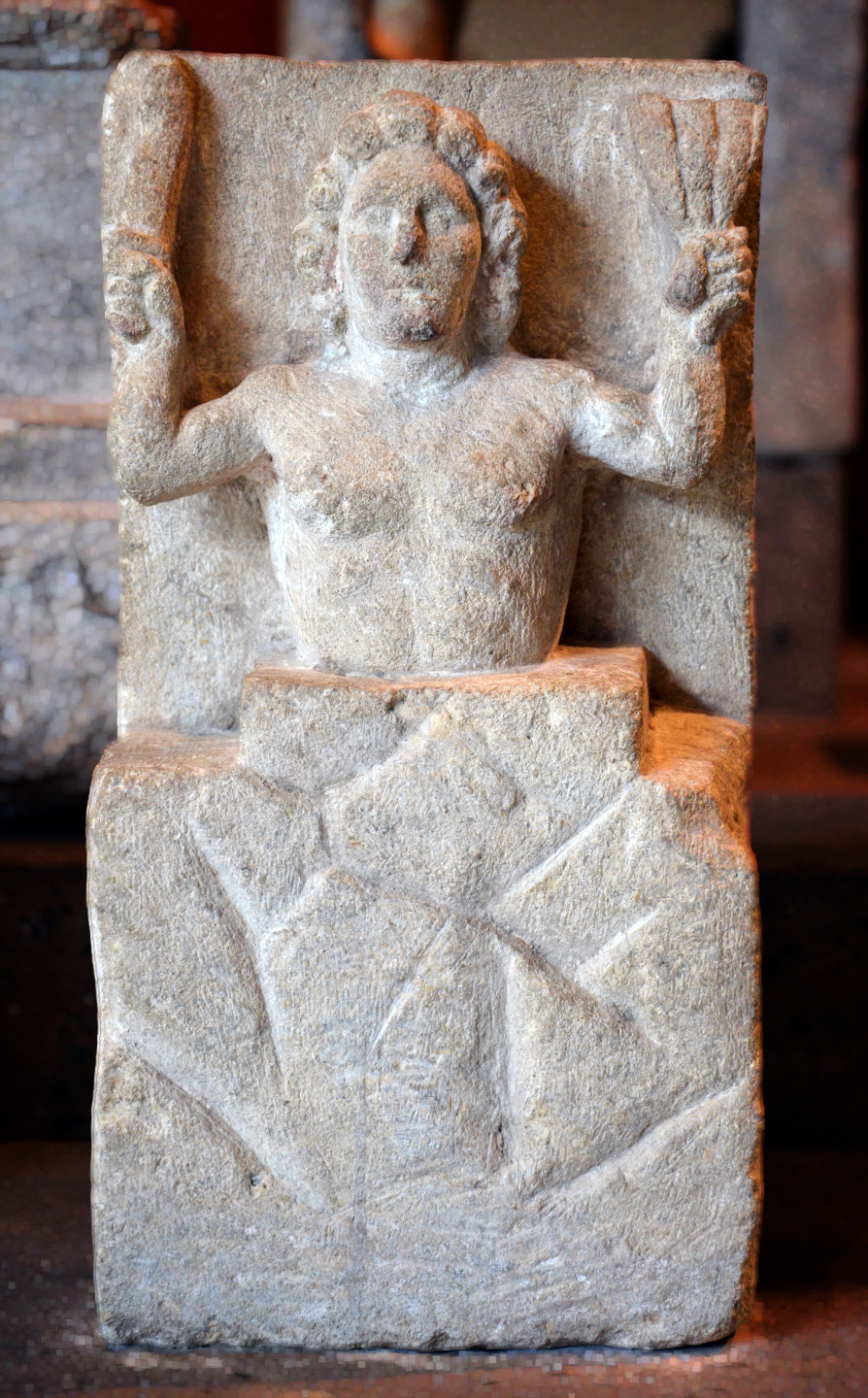
In this relief of the rock birth of Mithras, the child sun god holds a bundle of wheat in his left hand instead of the usual torch.
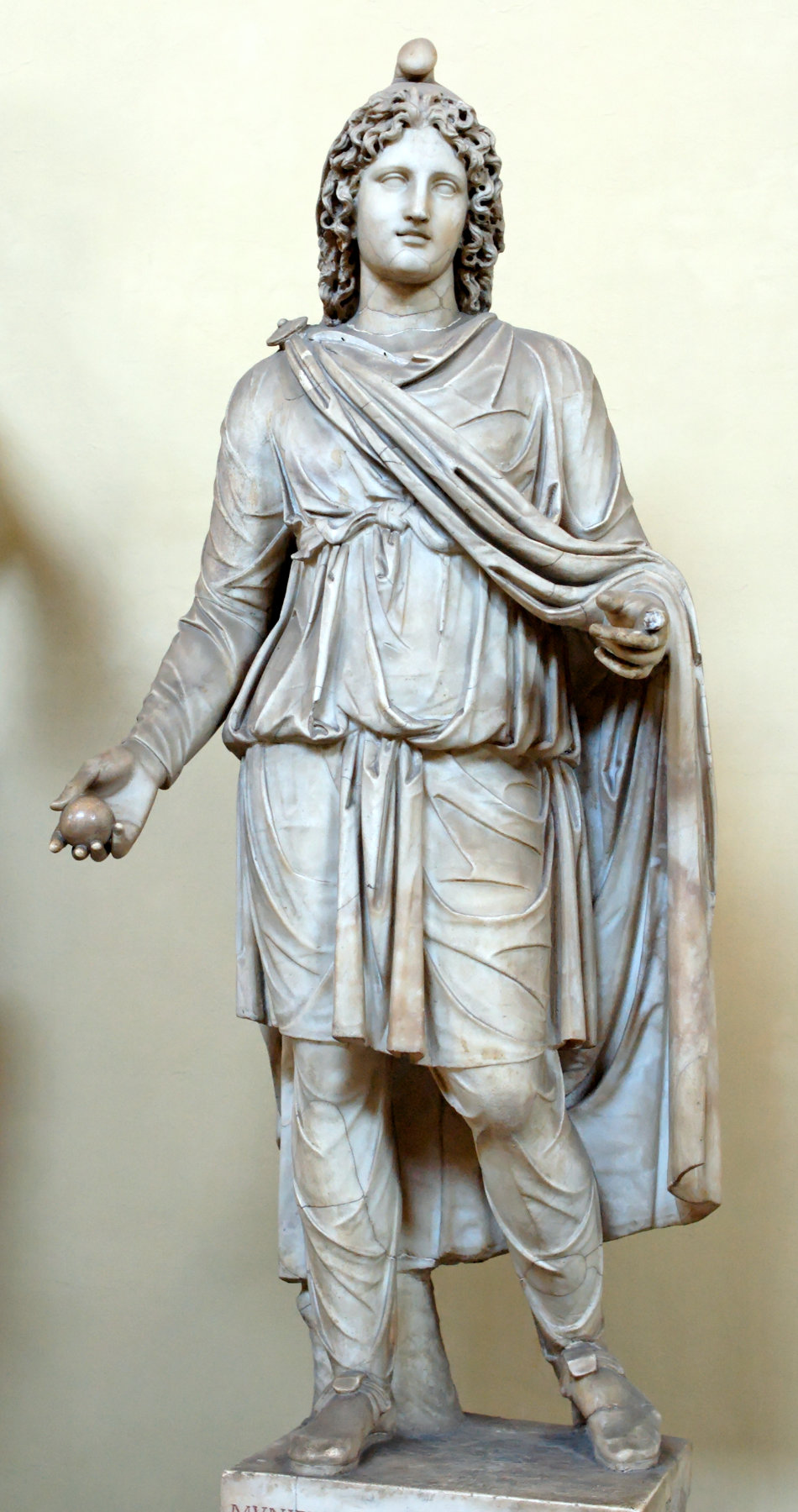
This sculpture, probably of Cautopates, now in the Musei Vaticani, was transformed into Paris.
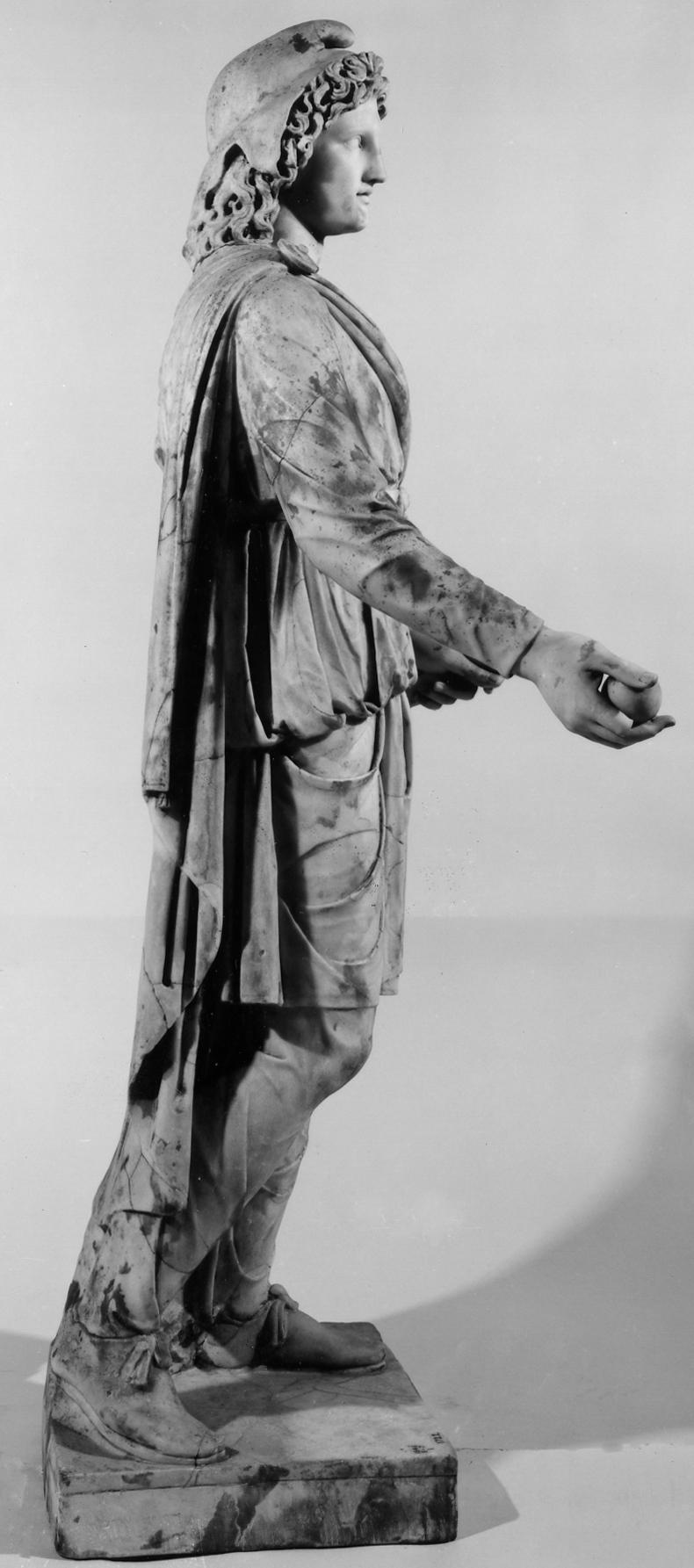
This is one of the two torchbearers, probably Cautes, transformed into Paris, now in the British Museum.

This inscription was dedicated to God Cautes by a certain Flavius Antistianus, Pater Patrorum in Rome.
There are no further details about this Mithraic statue from Transylvania, the historical region of central Romania.
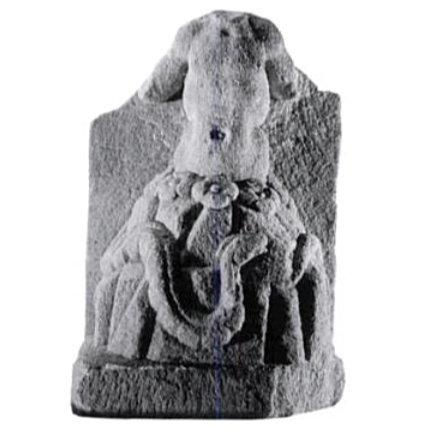
This sculpture of Mithras born from a rock was found in 1922 together with two altars in what was probably a mithraeum.
This Aion is known for wearing a Kalathos on his lion’s head, linking him to the syncretic Sarapis.
In the cult niche of the Mitreo del Caseggiato di Diana there is a list of words that could indicate names and measurements.
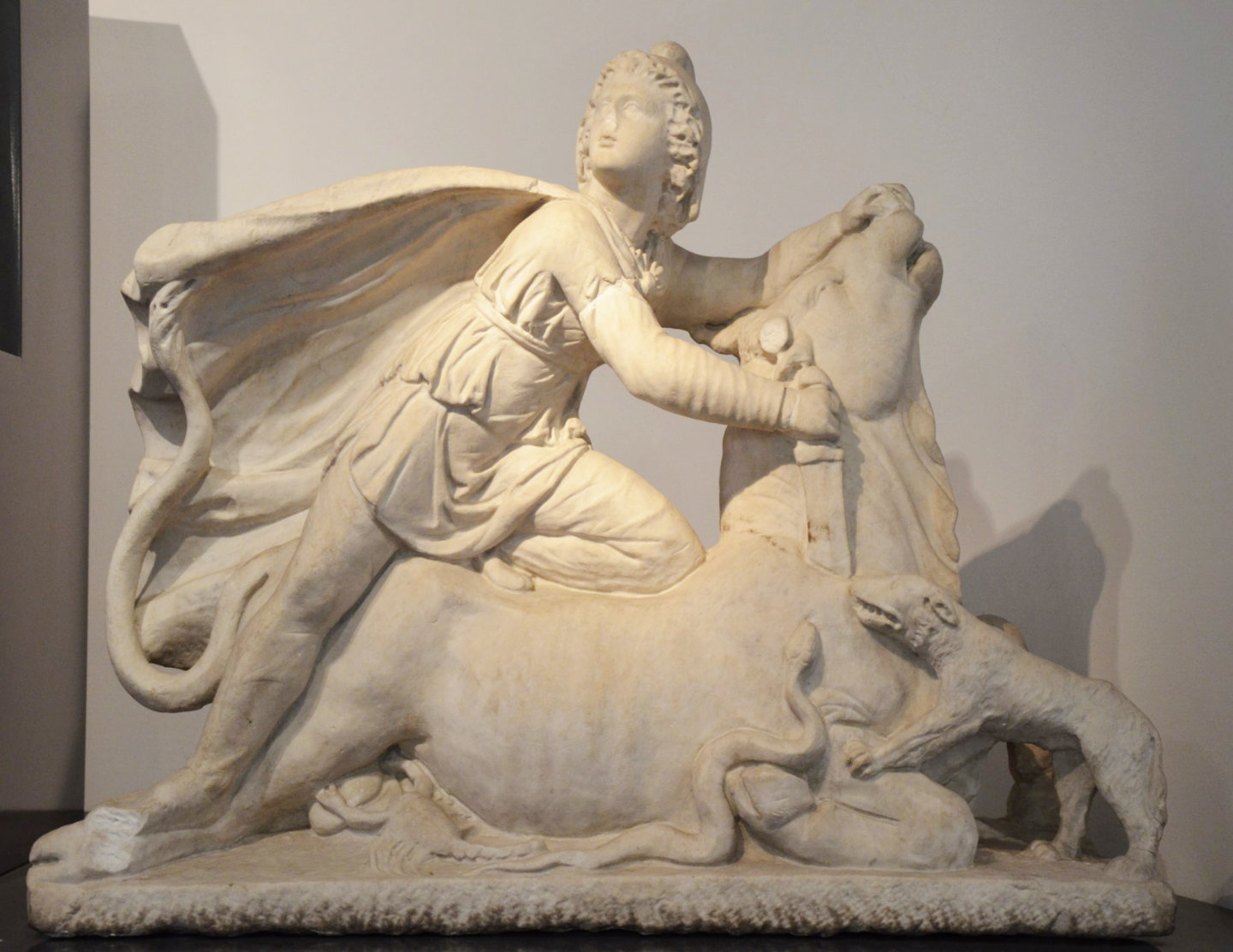
This statue of Mithras as a bullkiller was bought at Rome where it might be found.
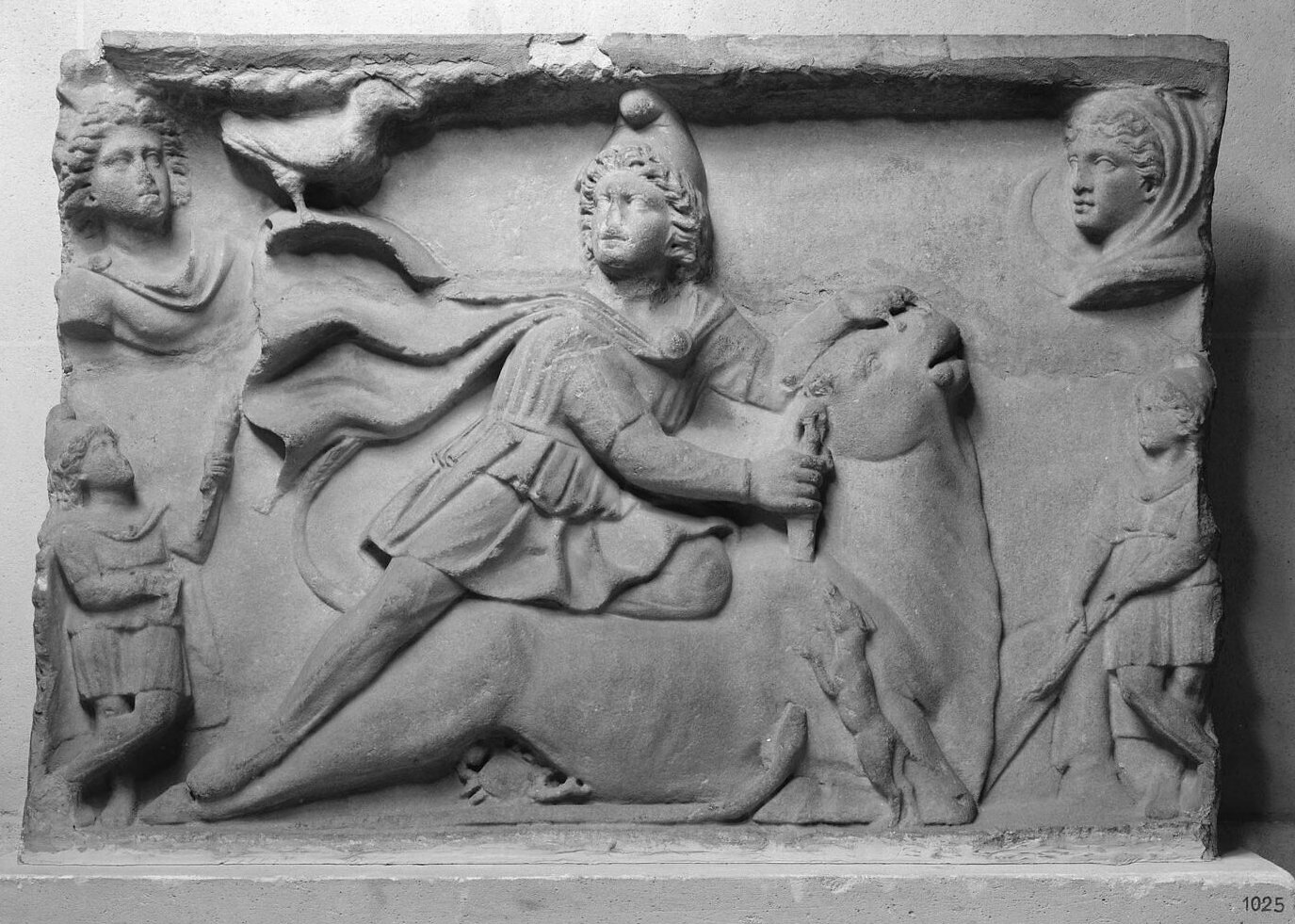
This is one of the three reliefs of Mithras as a bullkiller from the Villa Borghese collection that belong to the Louvre museum, now in the Louvre Abu Dhabi.
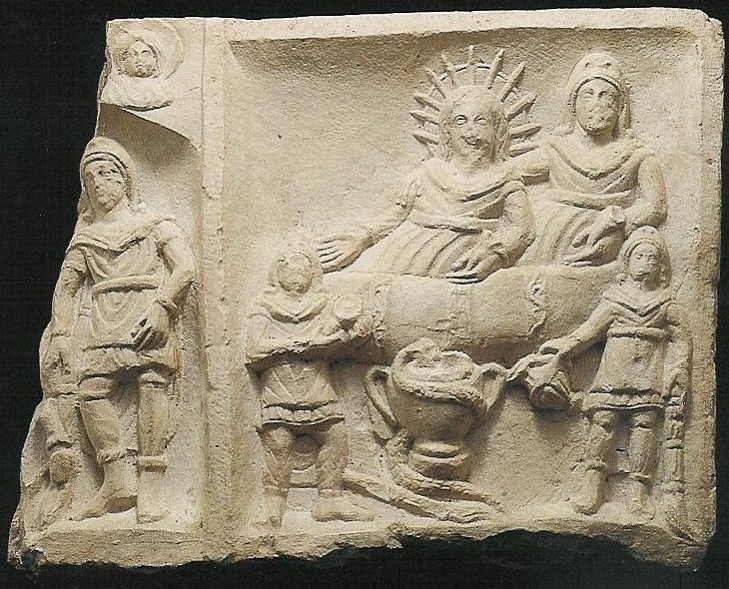
The remains of the mithraic triptic of Tróia, Lusitania, were part of a bigger composition.
This marble of Cautes was found together with his partner Cautopates in Ostia in 1939.
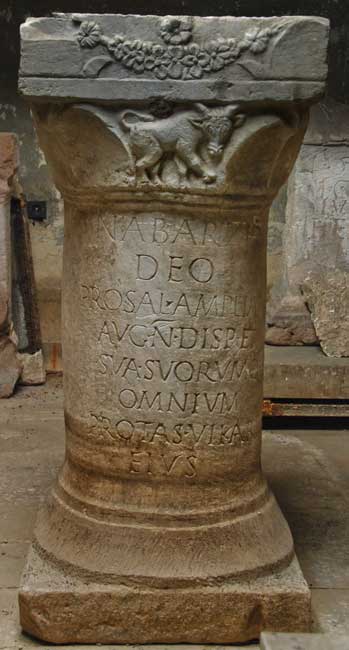
This column found in the Mithraeum of Sarmizegetusa bears an inscription to Nabarze instead of Mithras.
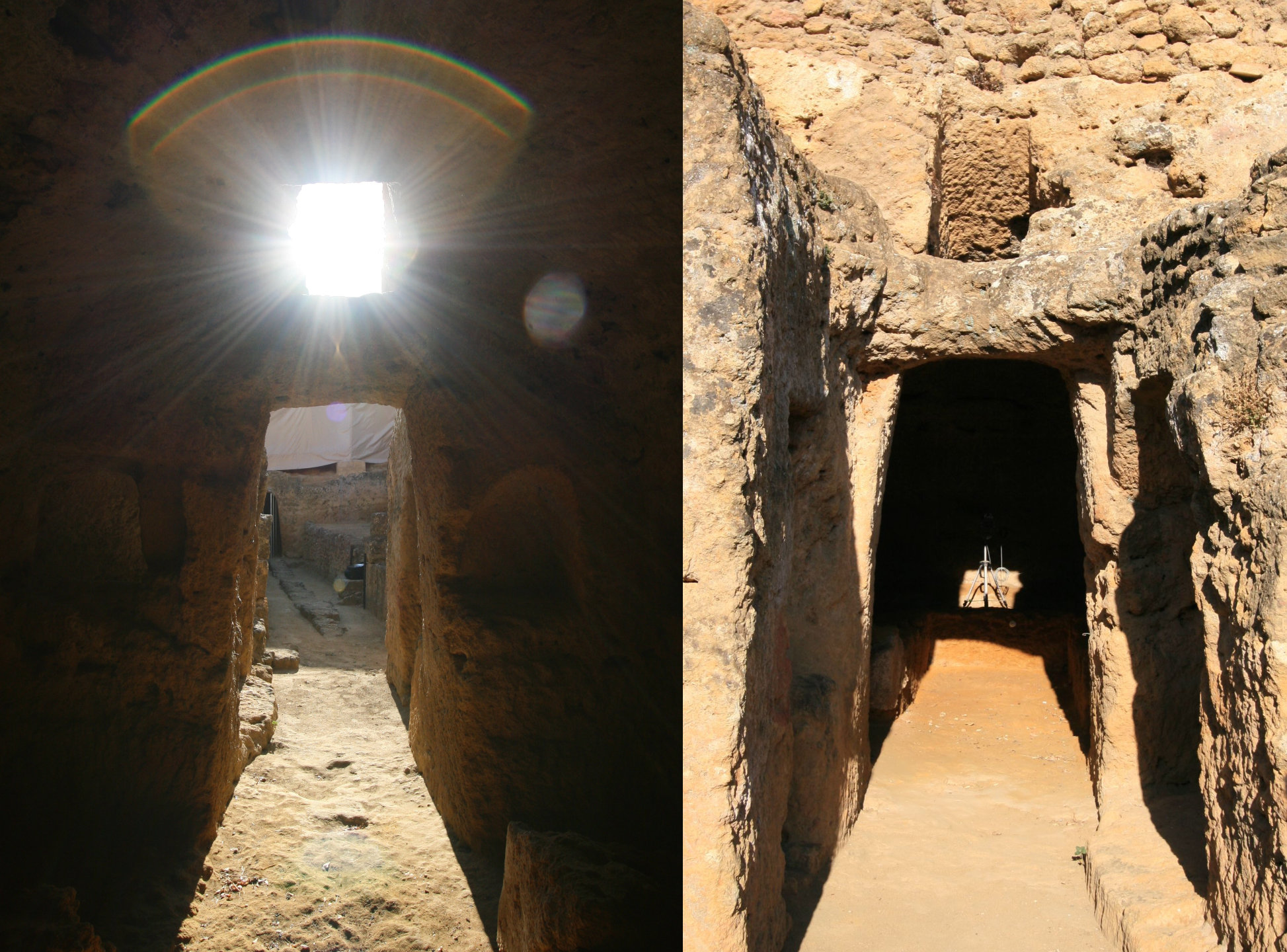
Set in a Roman necropolis, the so-called Mithraeum of the Elephant takes its name from an elephant statue found in one of the tombs.
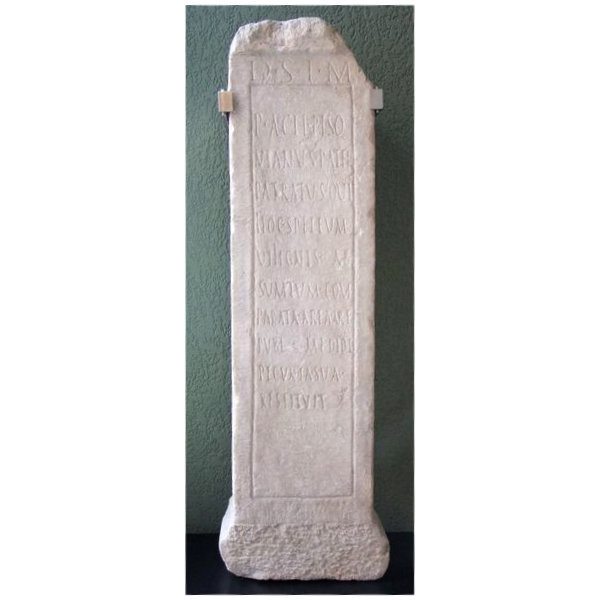
This high stele by a certain Acilius Pisonianus bears an inscription commemorating the restoration of a Mithraeum in Mediolanum, today's Milan.
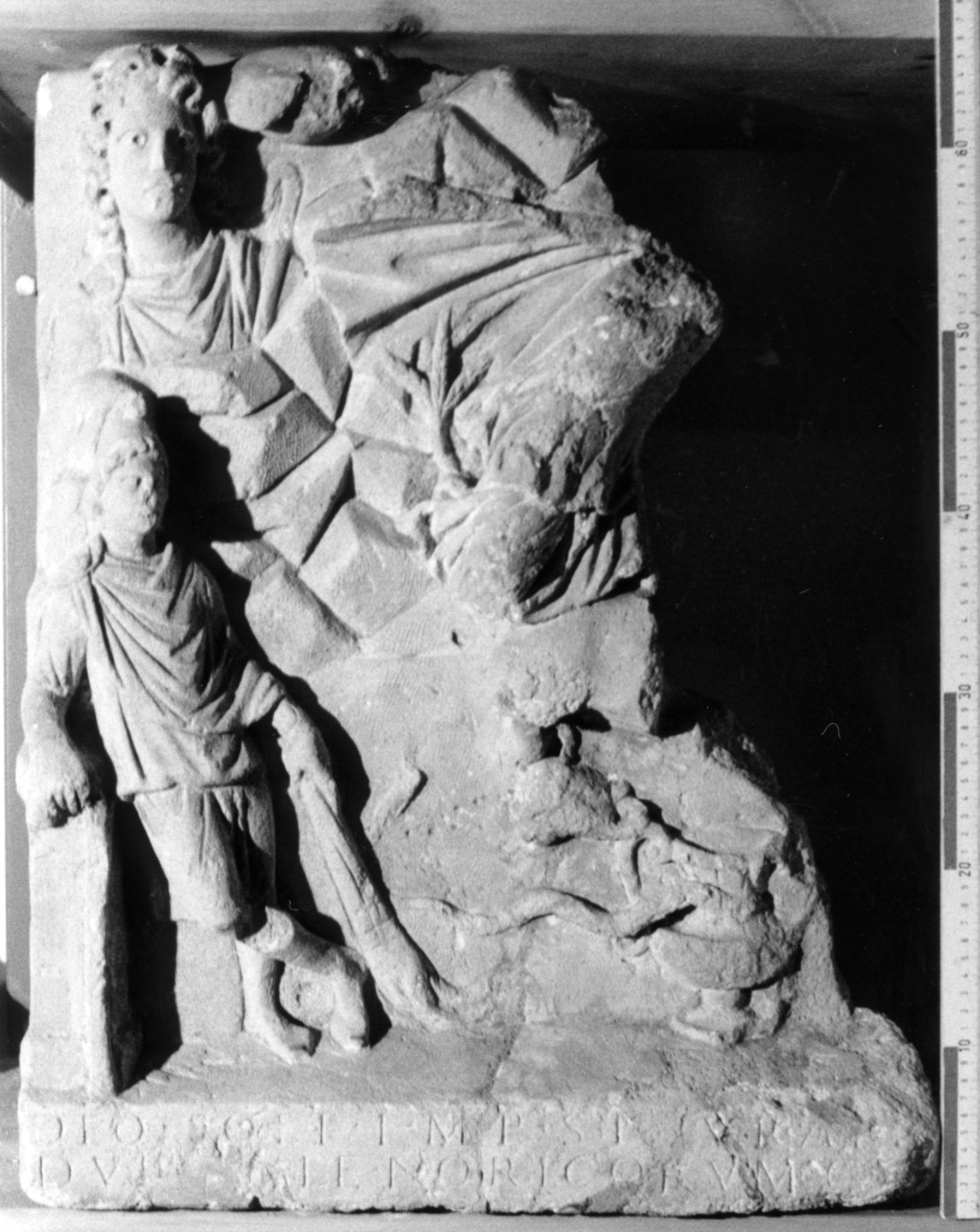
This second tauroctony, found in the Mithraeum of Dormagen, was consecrated by a man of Thracian origin.
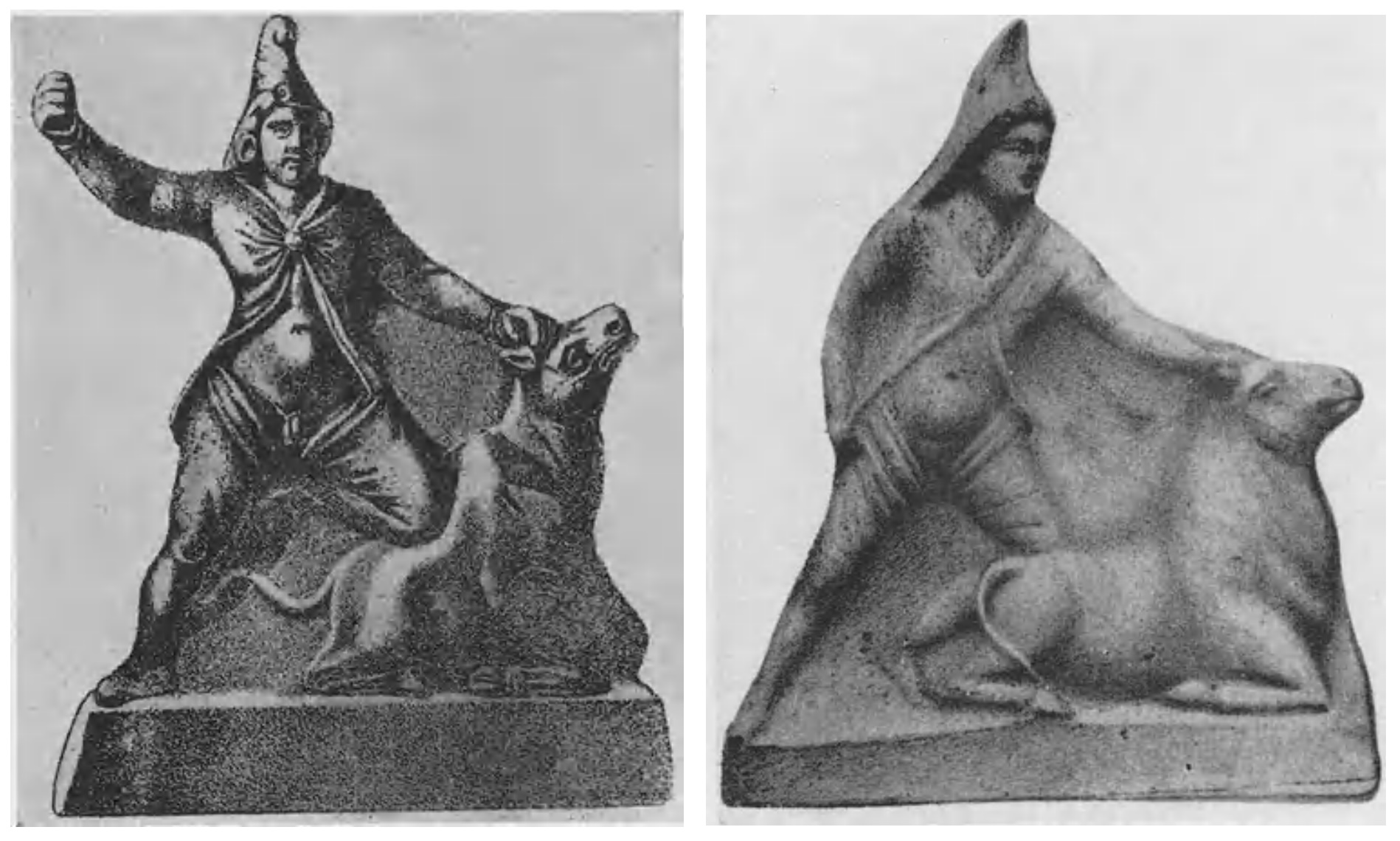
Terracotta tablets depicting a Taurombolium by Attis which might be at the origins of the mithraic Tauroctony iconography.

In the Mithraeum of Gross Gerau, discovered in 1989, a statue of Mercury, a lion and an altar were found.
