Your search Sankt Urban gave 106 results.

Elefsina or Eleusis is a suburban city and municipality in Athens metropolitan area.
Isca, variously specified as Isca Augusta or Isca Silurum, was the site of a Roman legionary fortress and settlement or vicus, the remains of which lie beneath parts of the present-day suburban town of Caerleon, Walles.
Juliomagus, modern Angers, preserves evidence of Mithraic activity within the urban and administrative landscape of Roman northwestern Gaul.
Tripolitania connected the southern Mediterranean coast to caravan routes and maritime exchange networks of Roman North Africa.
Within the southern sectors of Roman Dacia, Dacia Malvensis preserves evidence linked to military mobility and provincial urbanisation.
Dacia superior formed part of one of the most intensely Mithraic frontier regions of the Roman empire after the conquest of Trajan.
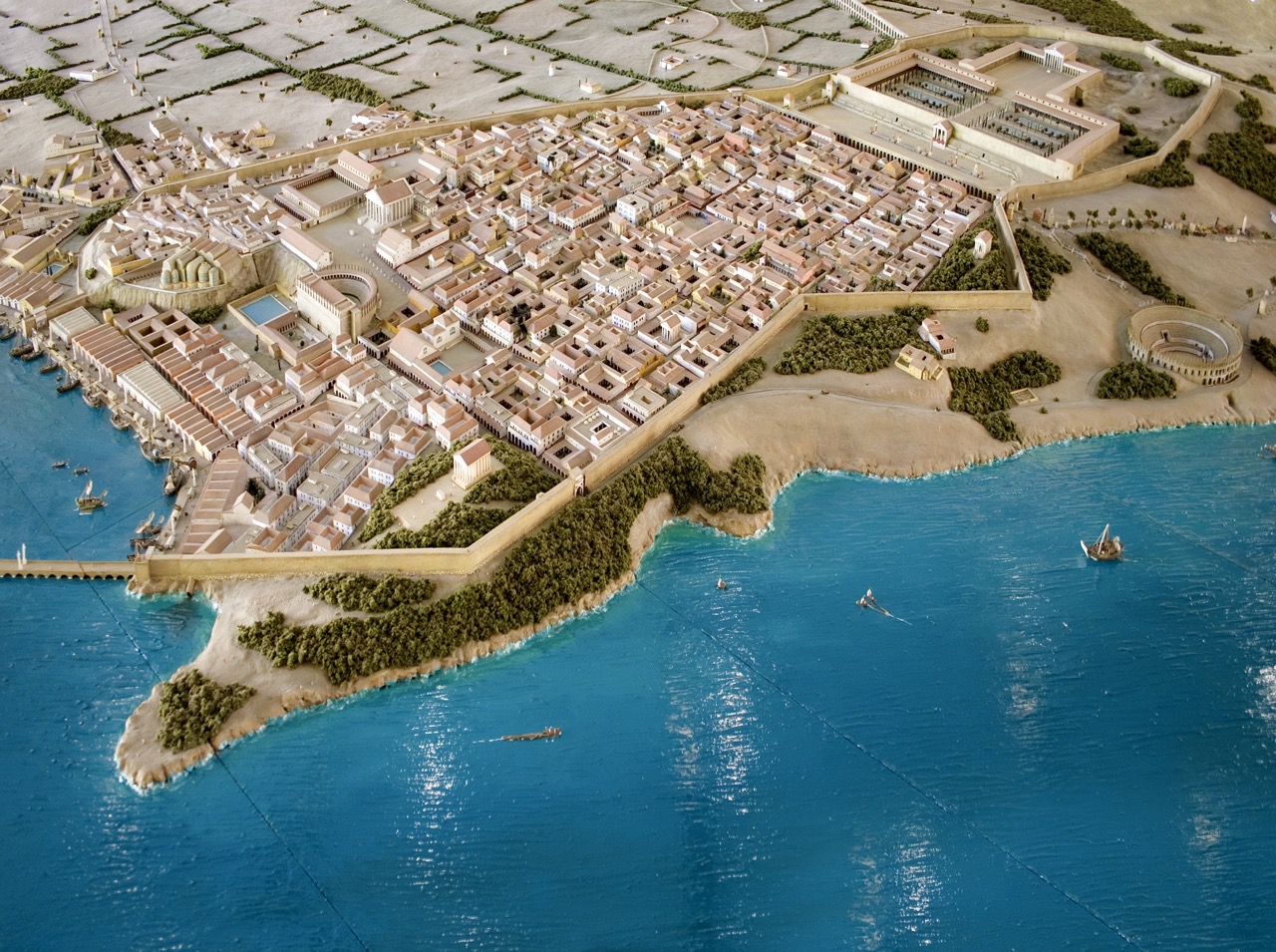
Across Tarraconensis, Mithraic evidence appears in diverse urban, military and Mediterranean environments of Roman Hispania.
Along the upper Rhine frontier, Germania superior became one of the principal centres of Mithraic activity in northwestern Europe.
Transpadana occupied the northern plains of Italy where major communication routes connected the peninsula to the Alpine and Danubian worlds.
Cyrene linked North Africa to the Greek East through long-standing urban traditions and eastern Mediterranean maritime exchange.
Aegyptus occupied a unique position within the Roman world where Mediterranean trade, Nile networks and ancient religious traditions intersected.
Liguria linked northern Italy to southern Gaul and the western Mediterranean through coastal and Alpine communication routes.
Venetia connected northern Italy to the Adriatic and Danubian worlds through trade, mobility and imperial communication routes.
Etruria formed part of the cultural and religious heartland of central Italy closely connected to Rome and the Tyrrhenian world.
Umbria formed part of the central Italian heartland through which religious practices circulated between Rome and the northern provinces.
Picenum connected the Adriatic coast of central Italy to inland communication routes and the wider networks of the Roman Peninsula.
Samnium occupied a mountainous region of central Italy linked to Rome through military movement and regional urban networks.
Lucania connected inland southern Italy to the Tyrrhenian and Ionian maritime worlds through regional communication networks.
Latium formed the political and religious centre of the Roman world where some of the most important Mithraic communities developed.
Sicilia connected Italy, North Africa and the eastern Mediterranean through some of the busiest maritime routes of the Roman world.
