Your search Sidi Ali Belkacem (سيدي علي بلقاسم) gave 1194 results.
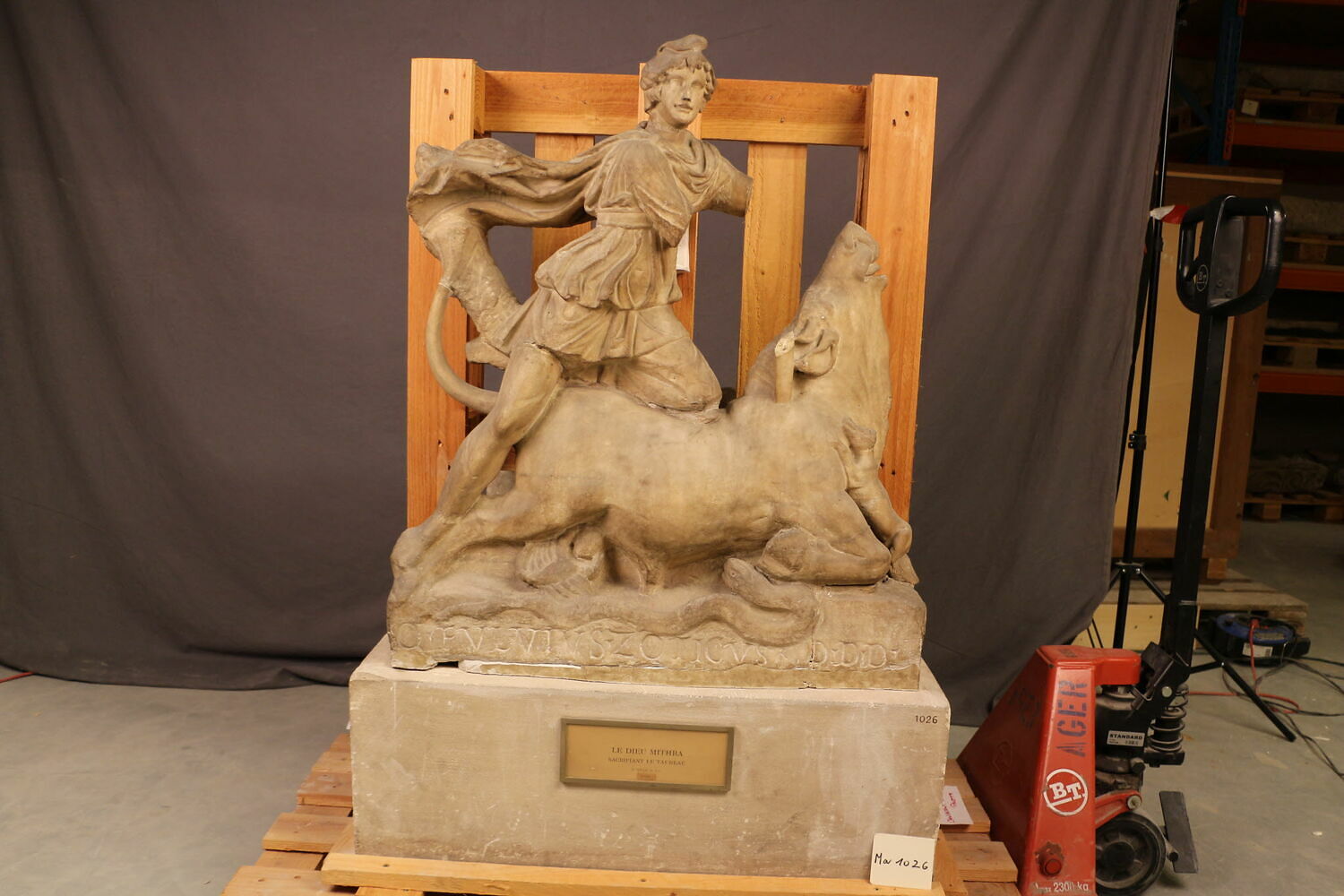
The Tauroctony found in Velletri, Rome, bears an inscription from its owner and donor.
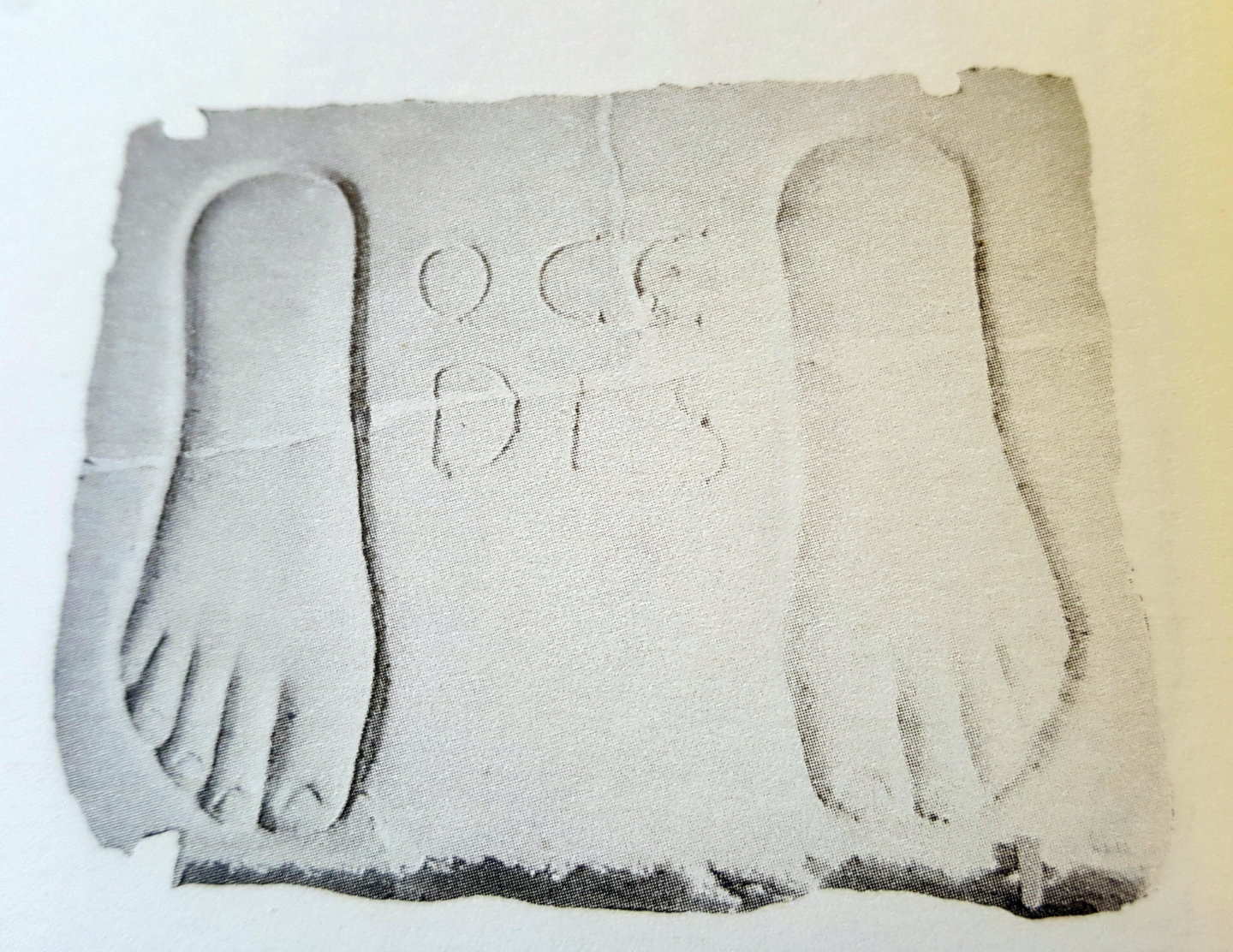
Recent interpretations link this marble inscription to the cult of the goddess Nemesis.
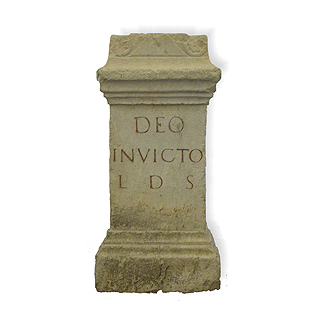
This altar to Deo Invicto was found during the excavation of the Monastero Delle Benedettine di Santa Grata in Bergamo, with a bronze calf’s head on top.
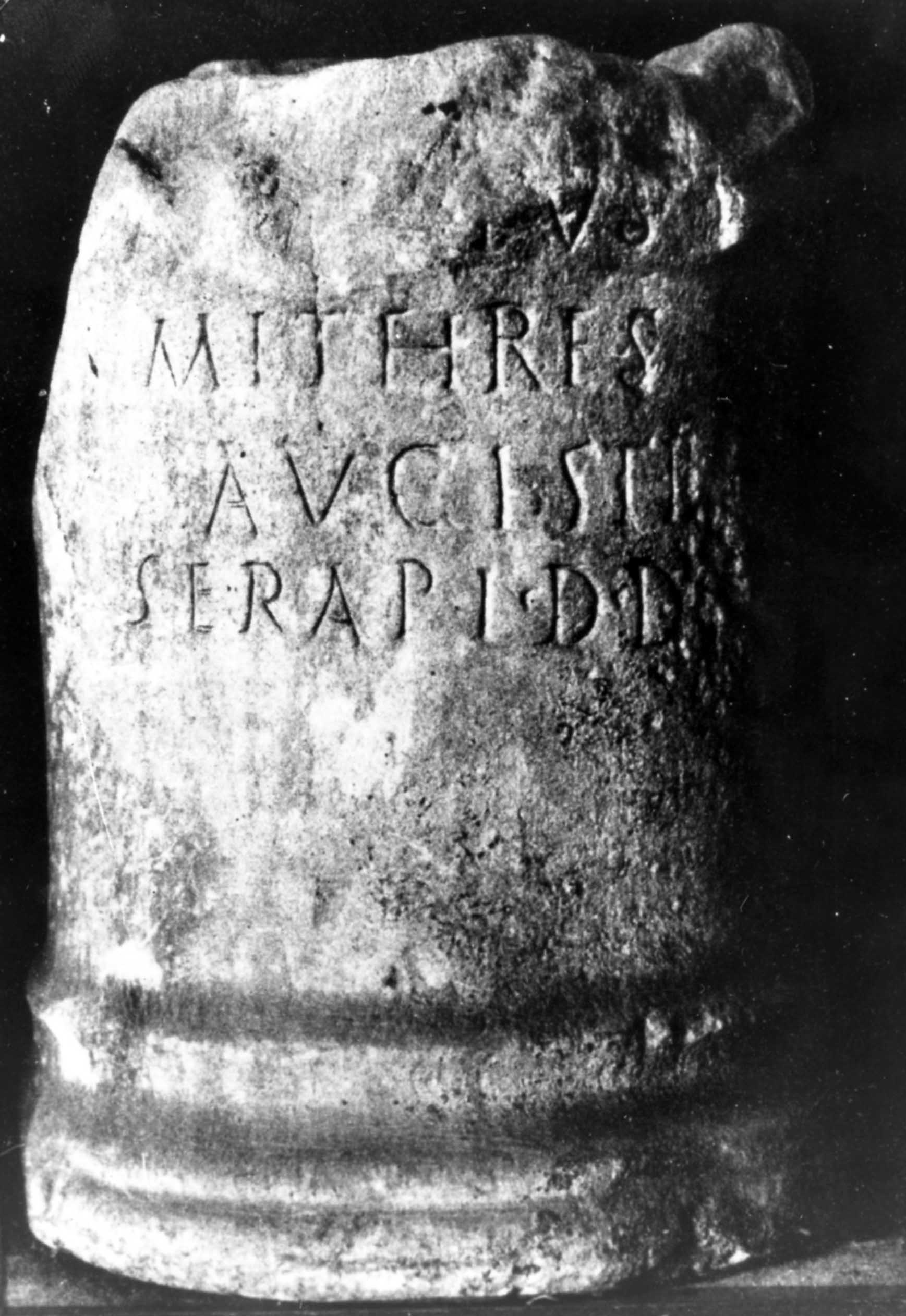
This monument, found in the Domus Flavia in Rome, bears an inscription by a certain Aurelius Mithres.
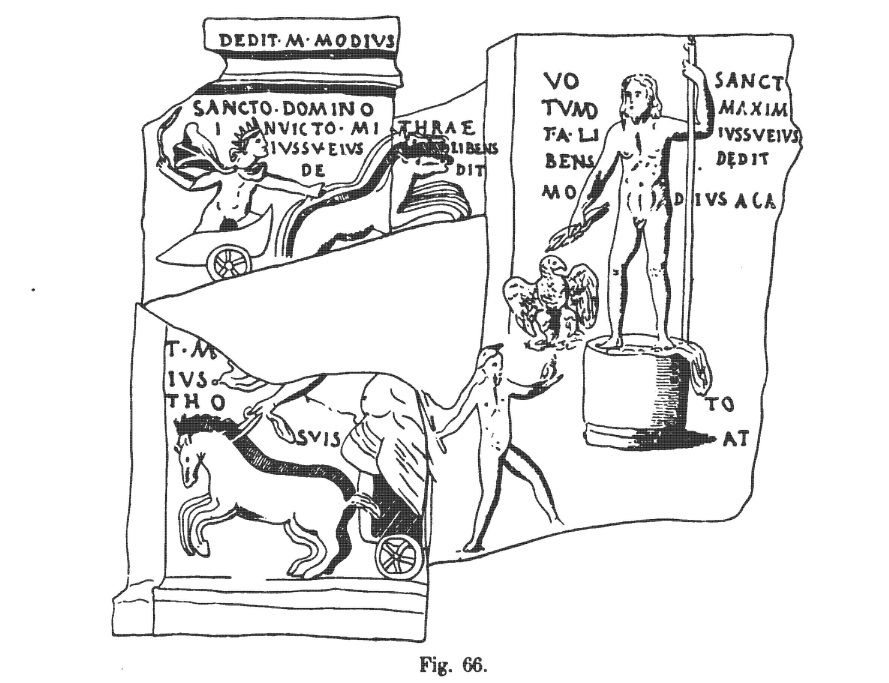
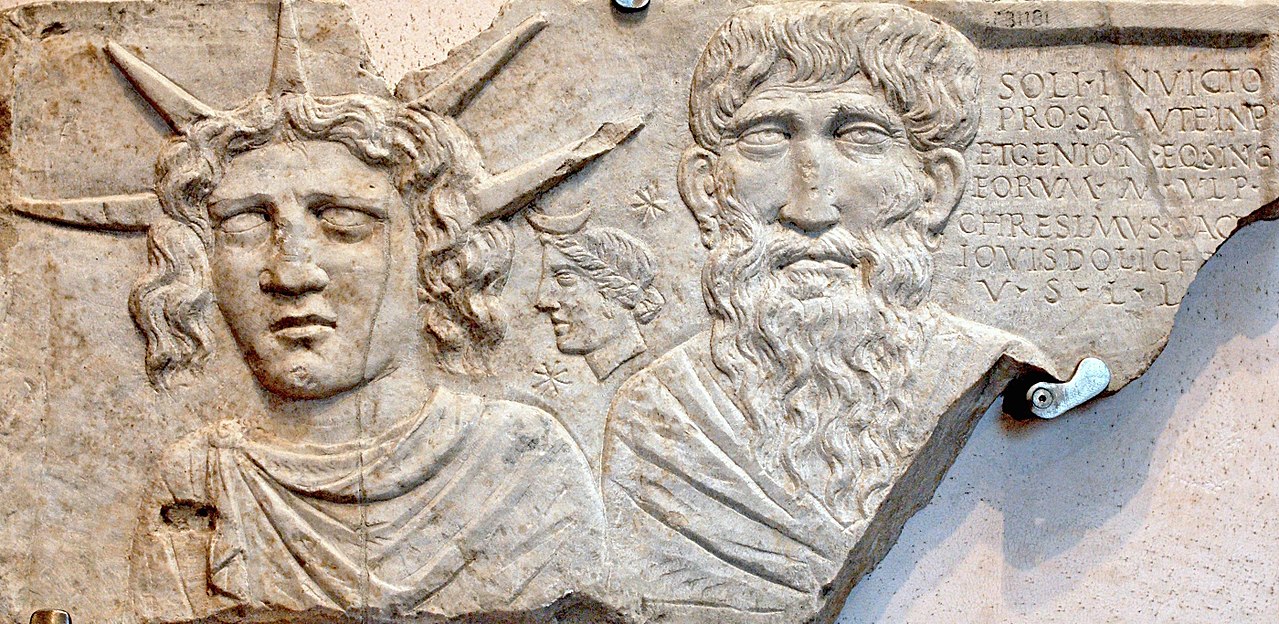
These three fragments of carved marble depict Jupiter, Sol, Luna and a naked man wearing a Phrygian cap, with inscriptions calling Mithras Sanctus Dominum.
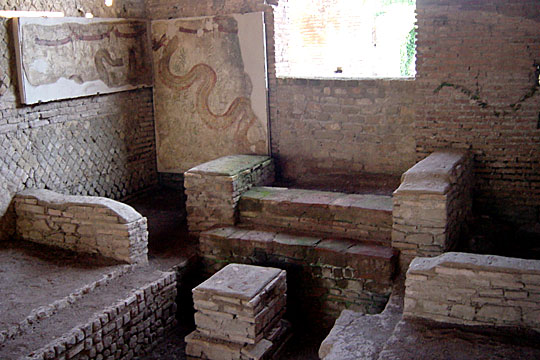
The Mithraeum of the Snakes preserves paintings of serpents, representing Genius Loci, part of an older private sanctuary, which were respected in the temple of Mithras.
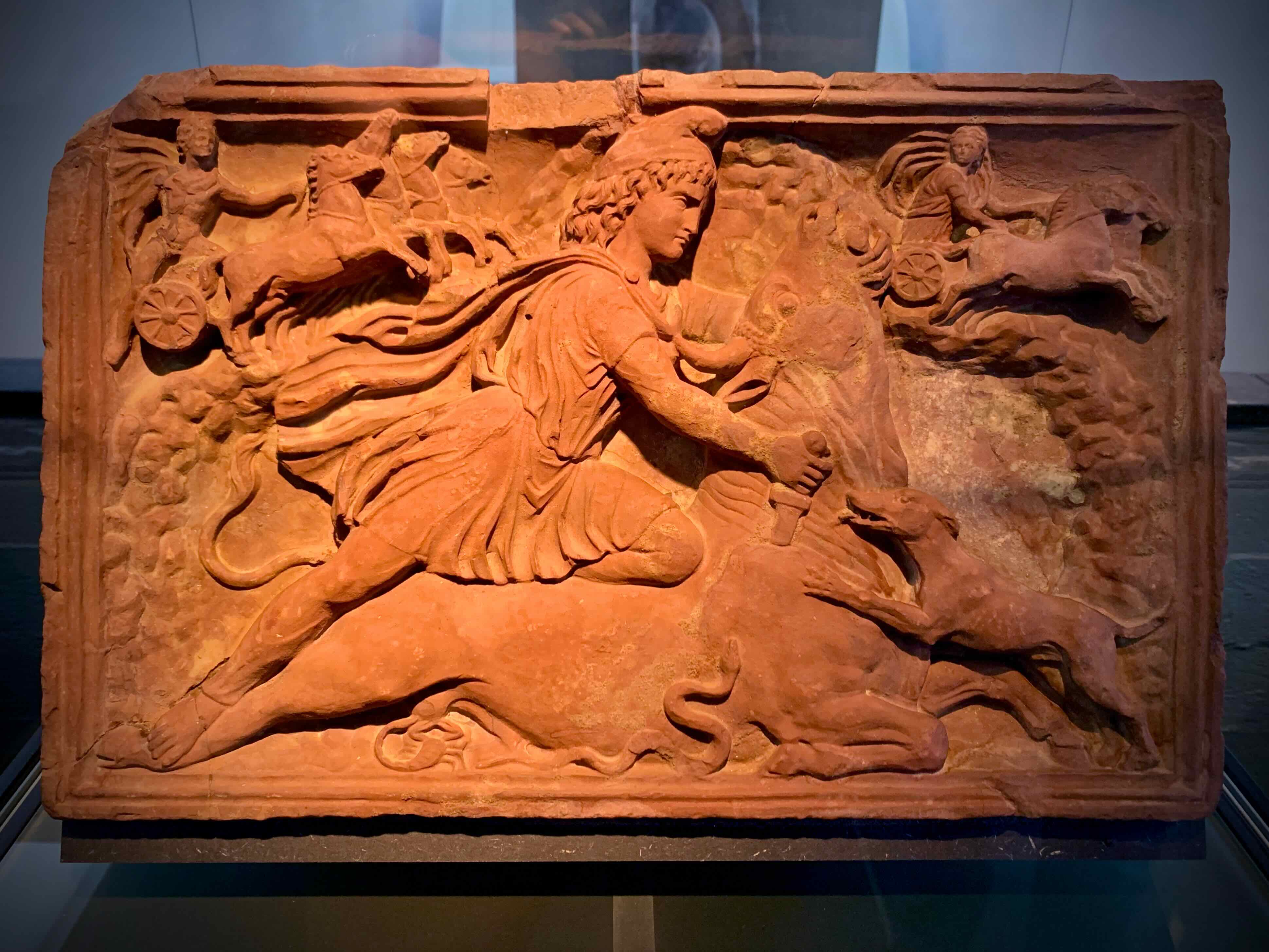
Maarten Vermaseren acquired this rosso antico marble of Mithras slaying the bull in 1961.
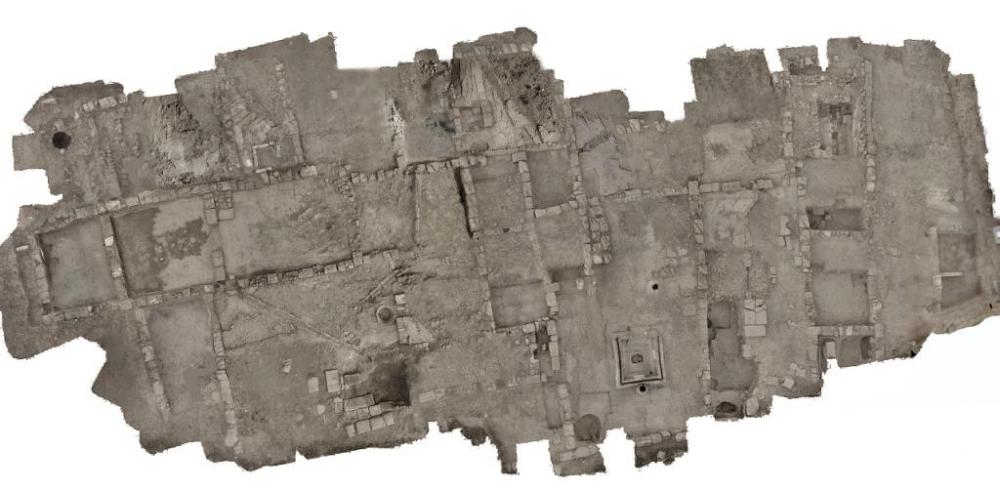
The discovery of the Mithraeum of Tarquinia is due to the Department for Protection of Cultural Heritage of the Carabinieri, who noticed some clandestine excavations near the Ara della Regina.

This temple of Mithras on the north side of the Capitoline Hill in Rome no longer exists.
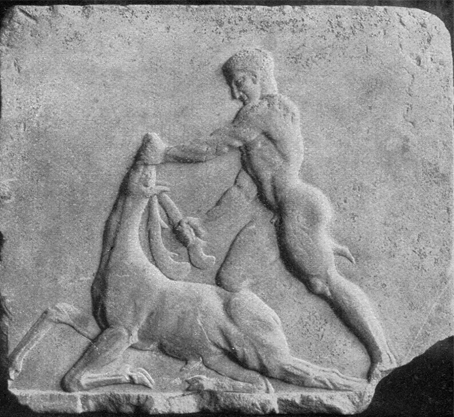
Relief of Heracles/Hercules capturing the Golden Hind of Artemis.
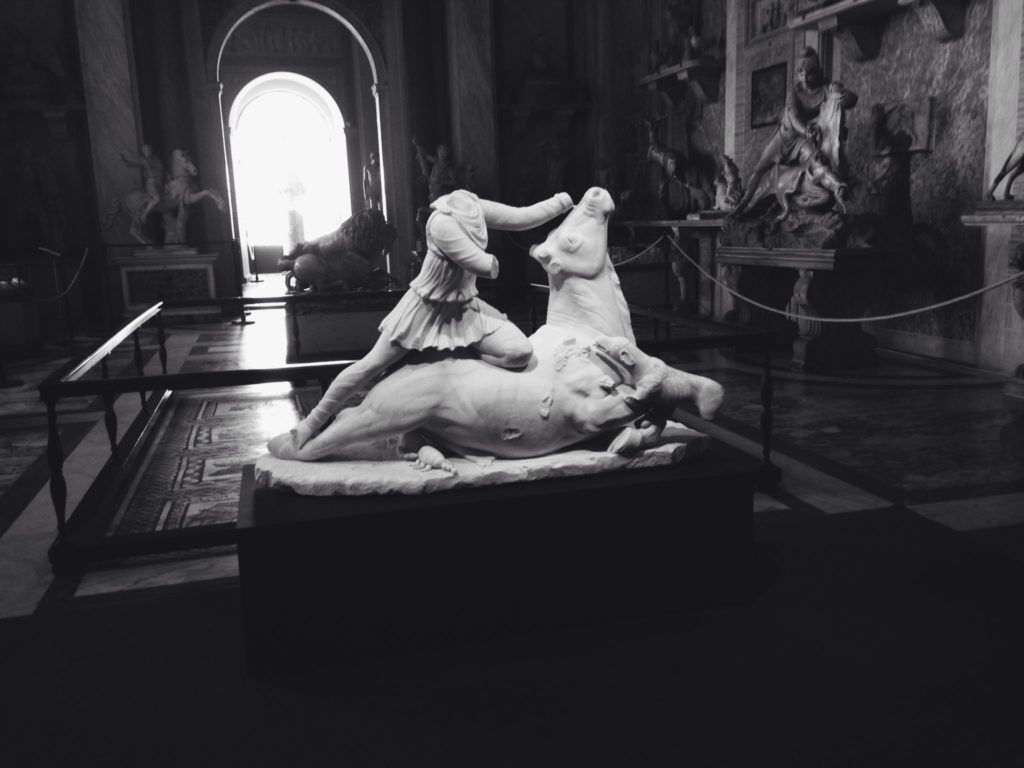
Votive sculpture of Mithras sacrificing the bull from the Mithraeum of Tarquinia.

Benefactor of the Imperial Palace Mithraeum and possible member of Ostia’s African community.

Pater of the Mithraeum of Lucretius Menander at Ostia, honoured by a dedication from Diocles in the late second or early third century CE.

Honoratus of the dendrophori of Ostia who dedicated a statue of Terra Mater in AD 142.

Donor of a small altar from the Mithraeum of the Seven Gates, Sextus Fusinius Felix may belong to a family attested among Ostia’s augustales.

A Romano-Germanic woman whose inscription became central to debates on female participation in the Mithraic cult.
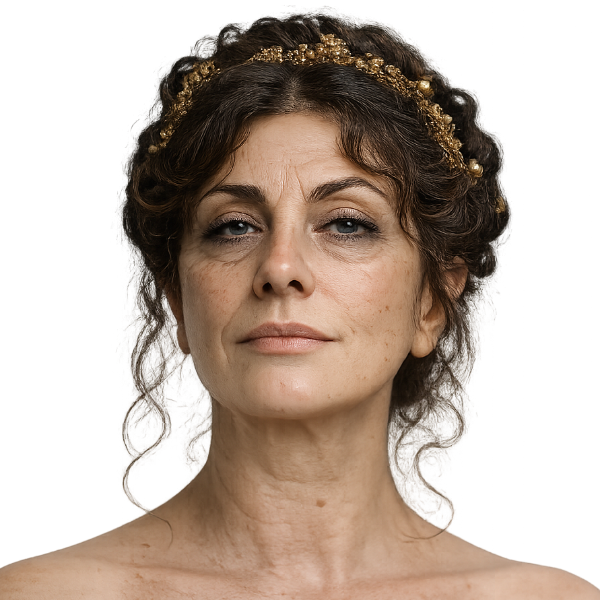
Junia Zosime is known from an inscription discovered at Ostia recording the donation of a silver statue of the Virtus of the dendrophori.

An imperial slave and customs administrator of the Illyrian tax system, he financed and built a Mithraic temple in Moesia Superior.
