Your search Sidi Ali Belkacem (سيدي علي بلقاسم) gave 1194 results.

Fresco depicting an initiation scene from the Mithraeum of Capua Vetere.
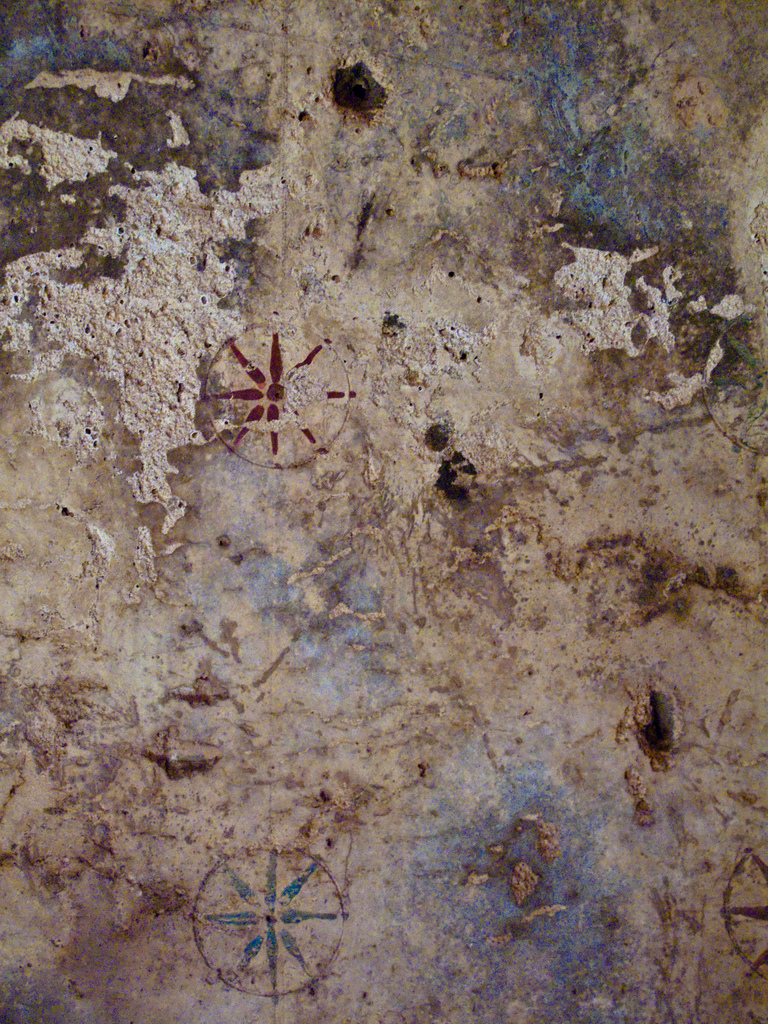
The vault of the Mithraeum in S. Capua Vetere is decorated with stars that have holes in their centers, which once held colorful glass decorations.
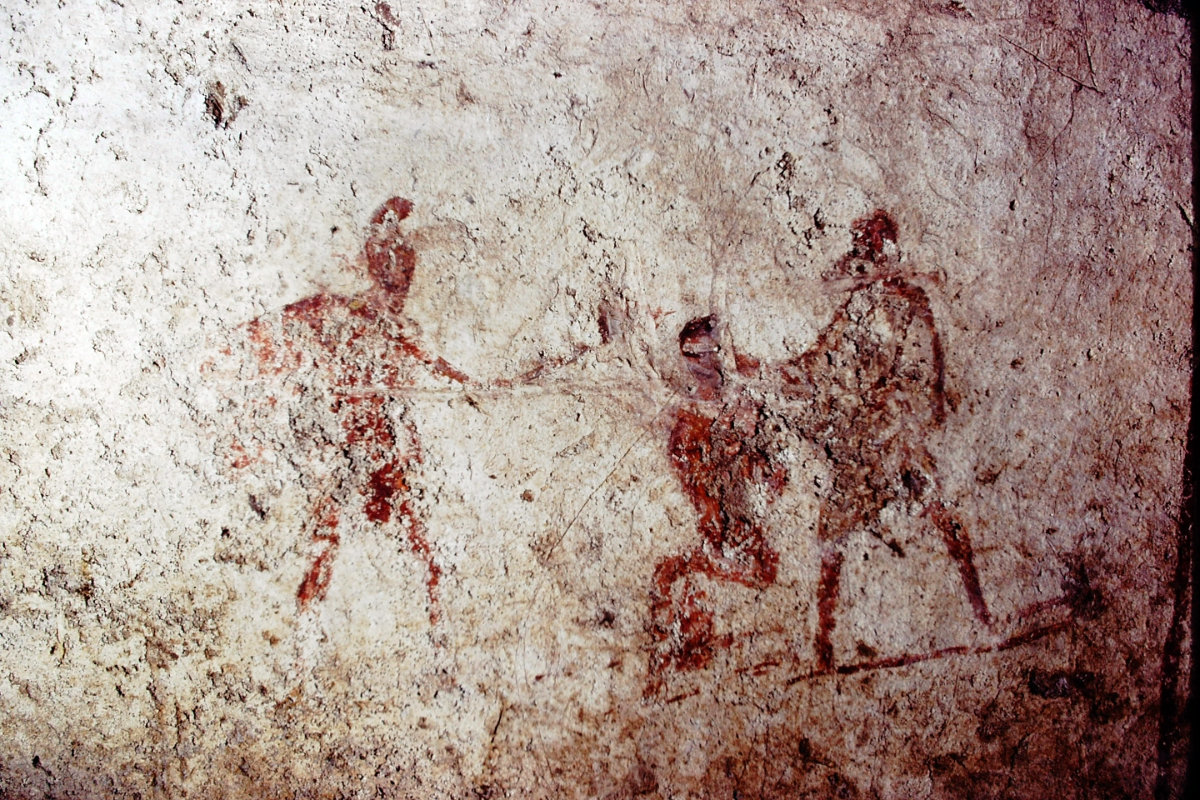
Fresco showing a scene of initiation into the mysteries of Mithras in the Mithraeum of Santa Maria Capua Vetere.
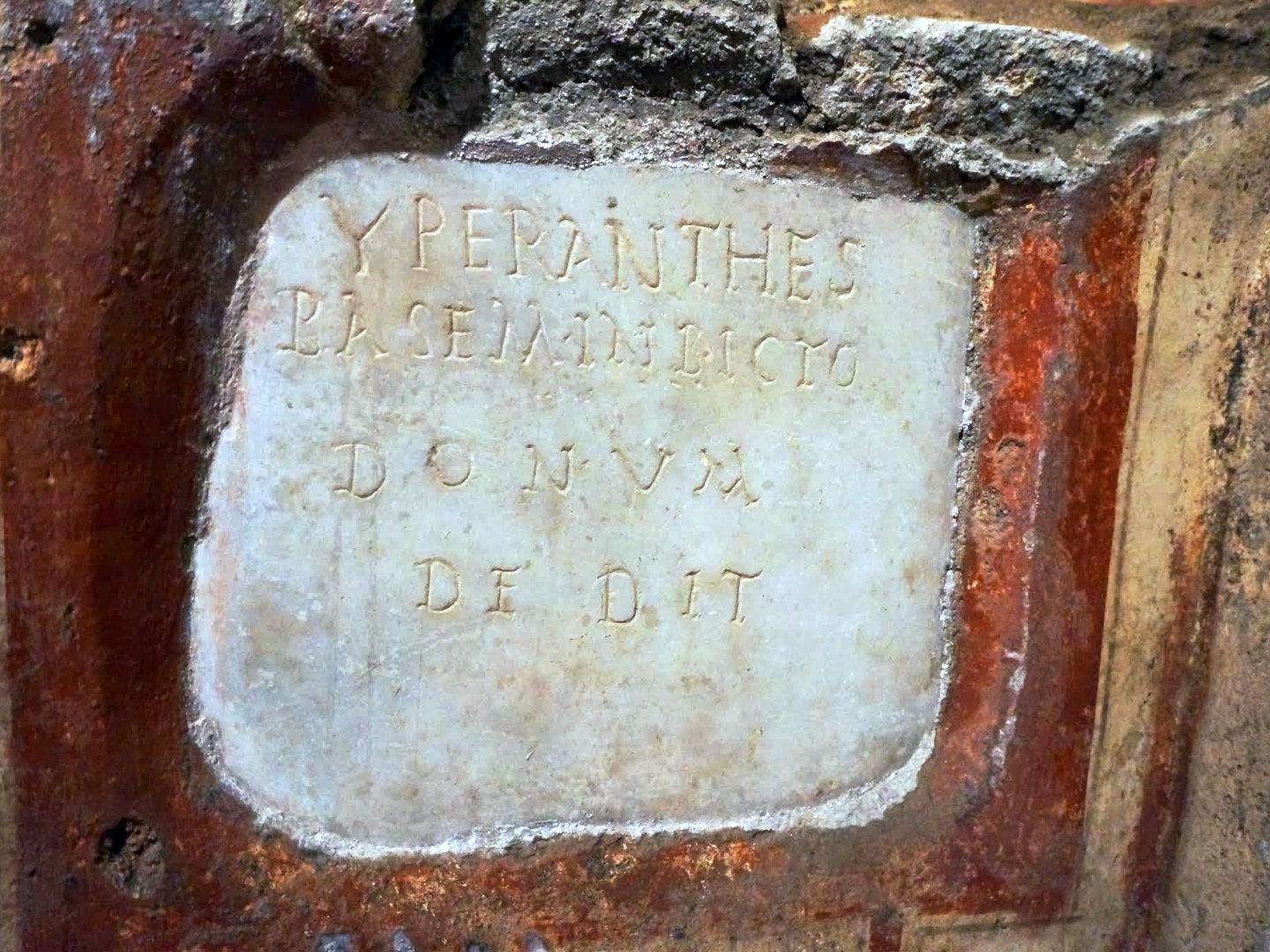
The inscription mentions the name of the donor, Yperanthes, of Persian origin.
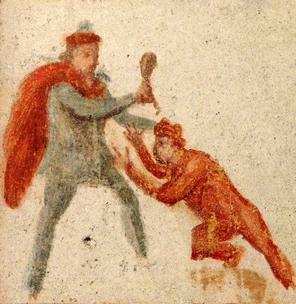
This scene of the main fresco of the Mithraeum Barberini seems to depict part of the initiation into the Mithraic Mysteries.
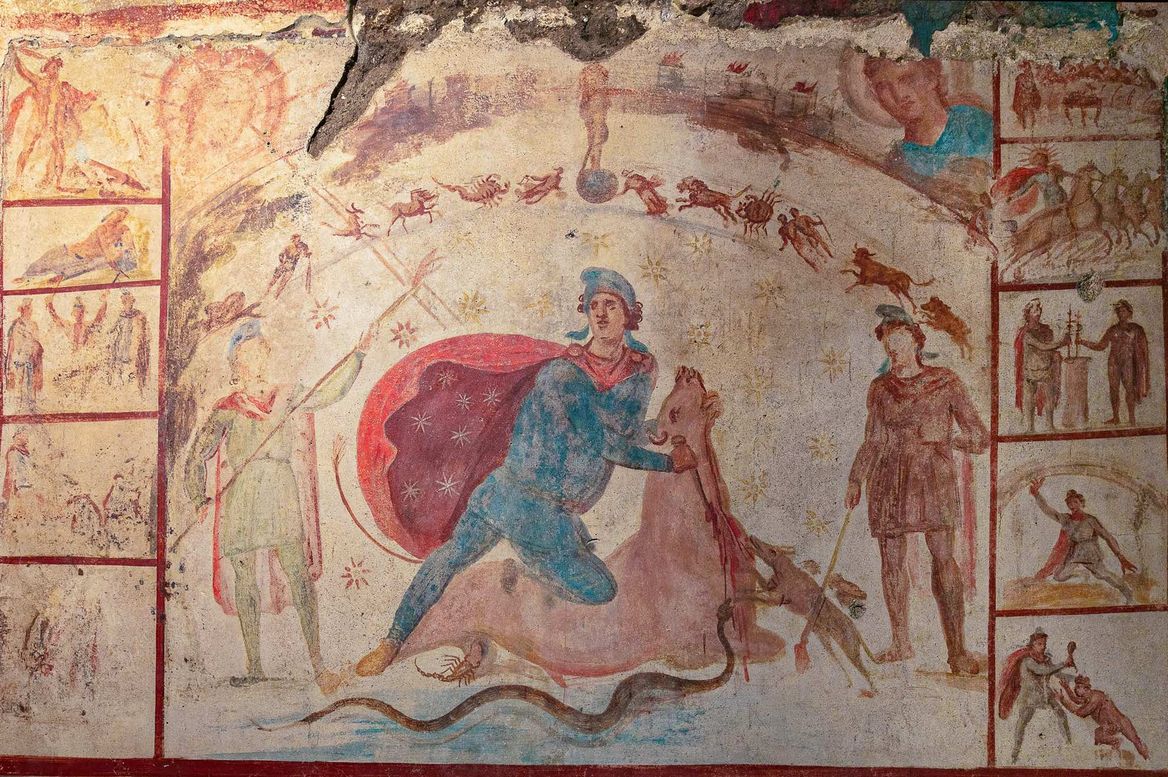
The votive fresco from the Mithraeum Barberini displays several scenes from Mithras’s myth.
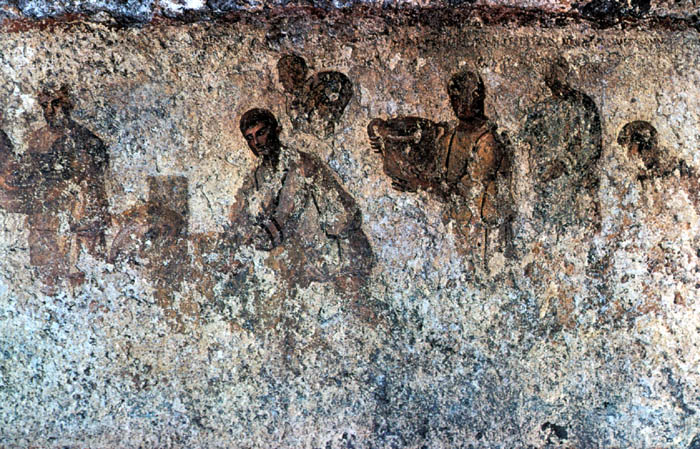
Procession of Leones carrying animals, bread, a krater, and other objects in preparation for a feast.

Continuation of the frescoes depicting an initiation into the Mithras cult, where two attendants present a repast to Mithras and Sol.
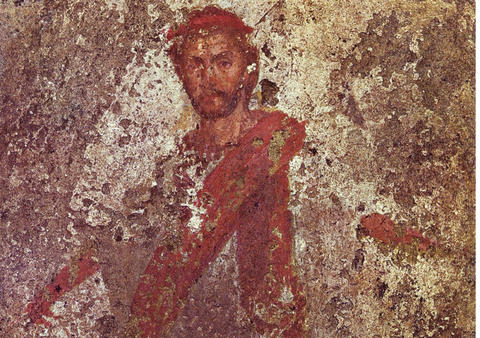
Figures in procession, each representing a different grade of Mithraic initiation, labeled with their respective titles.

Epigraphic monuments reveal the presence of a Mithraeum in the ancient municiple of Carsulae, in Umbria.
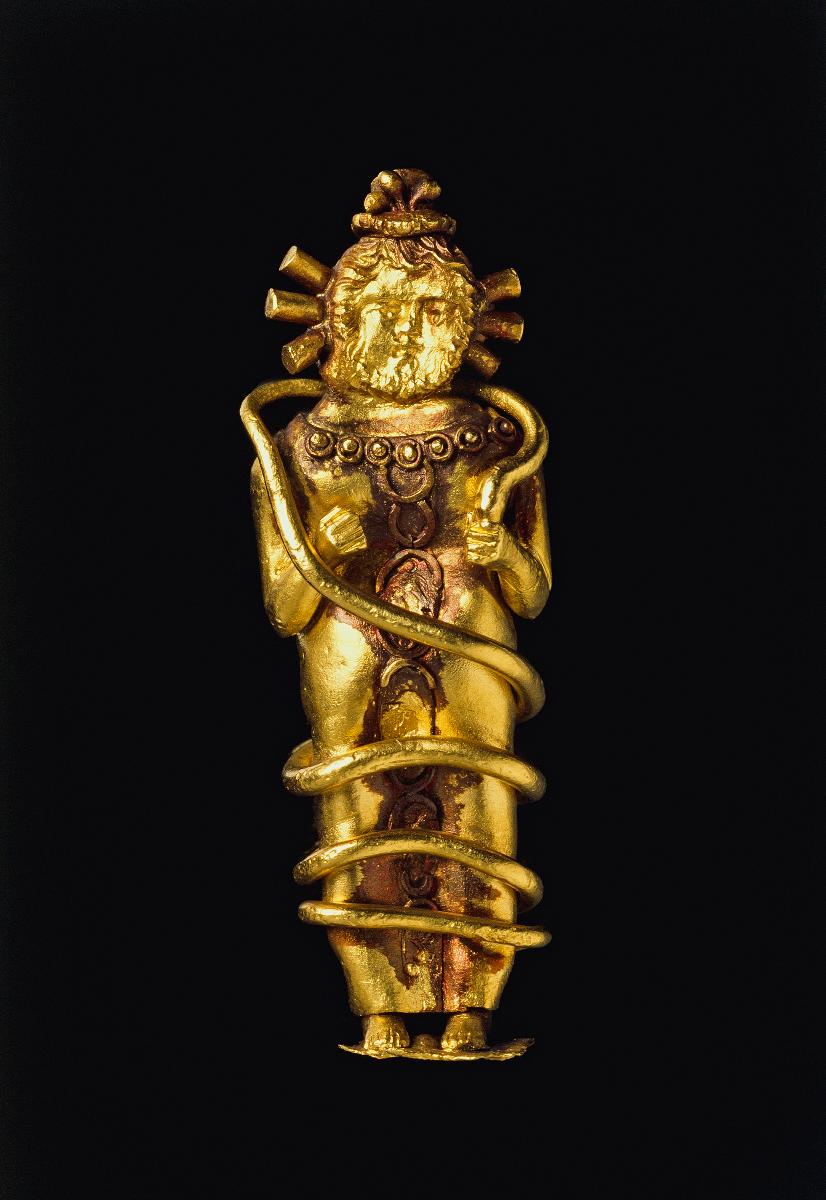
This small golden figurine seems to represent the Mithraic god Aion, as usual surrounded by a serpent.
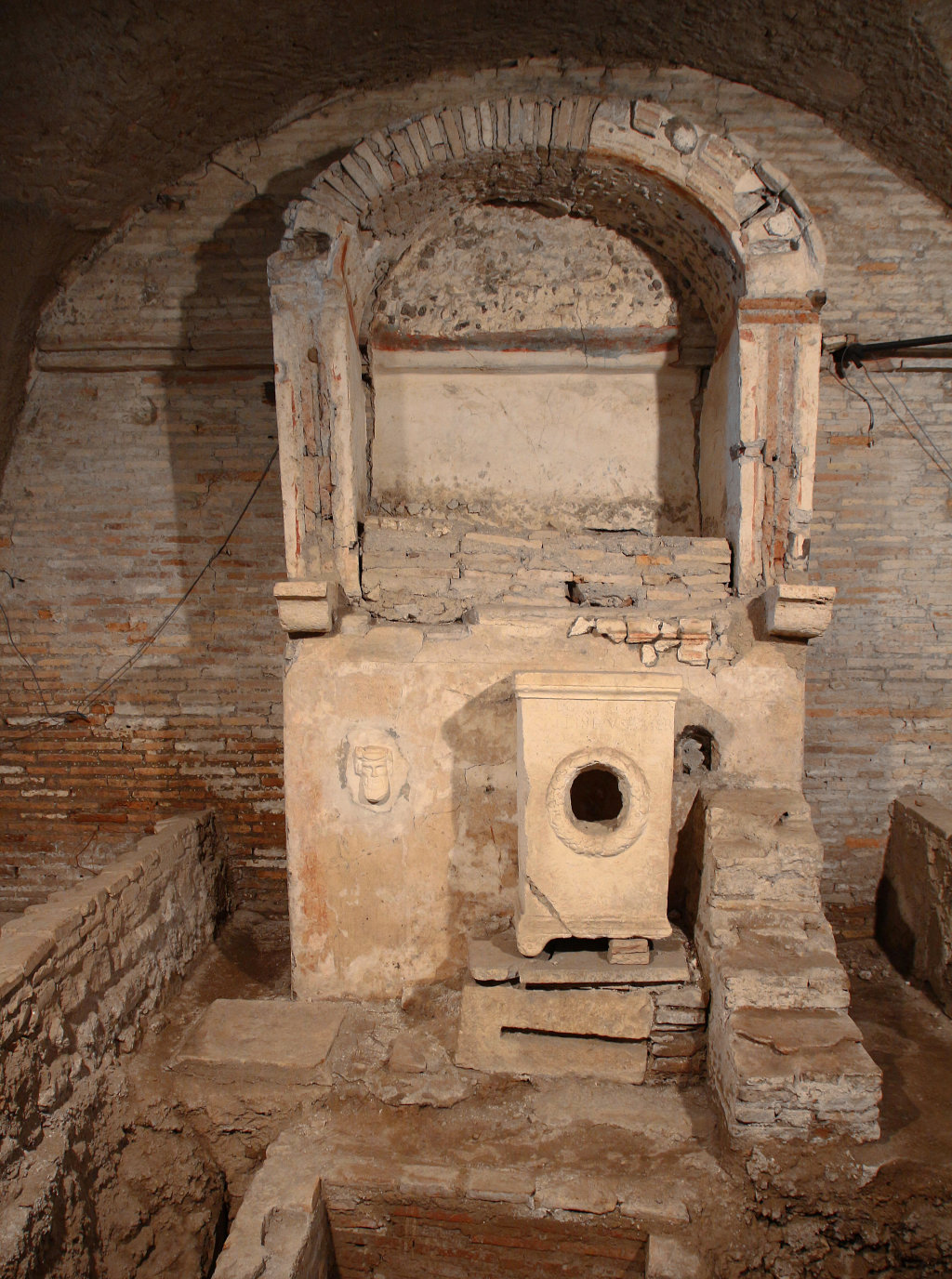
This altar was originally consecrated to Hercules and was rededicated to Mithras by Callinicus in the Mithraeum of the House of Diana.
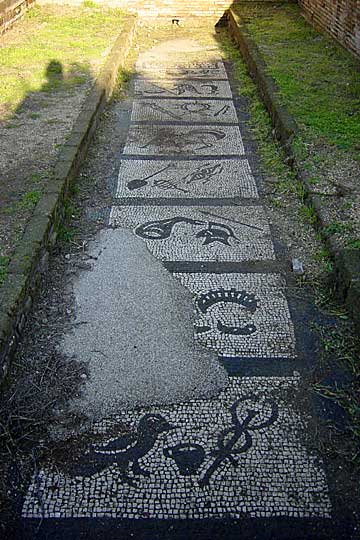
The Felicissimo Mithraeum has a floor mosaic depicting the seven mithraic grades.
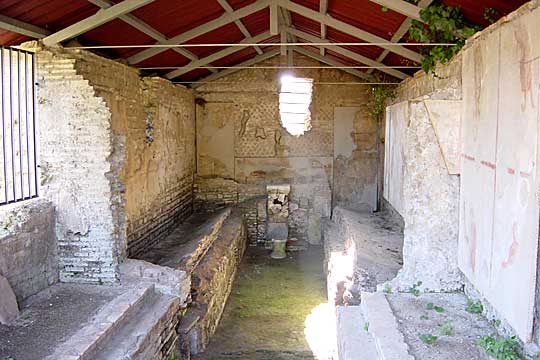
The House of the Mithraeum of the Painted Walls was built in the second half of the 2nd century BC (opus incertum) and modified during the Augustan period.
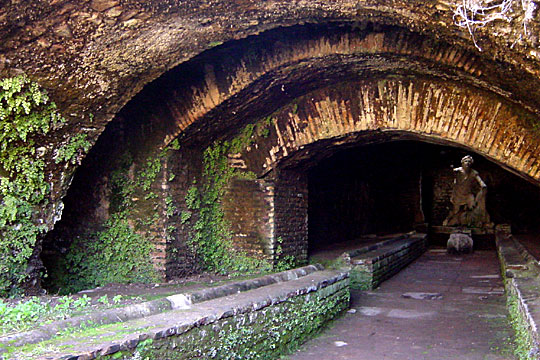
The Mithraeum of the terms of Mithras takes its name from being installed in the service area of the Baths of Mithras.
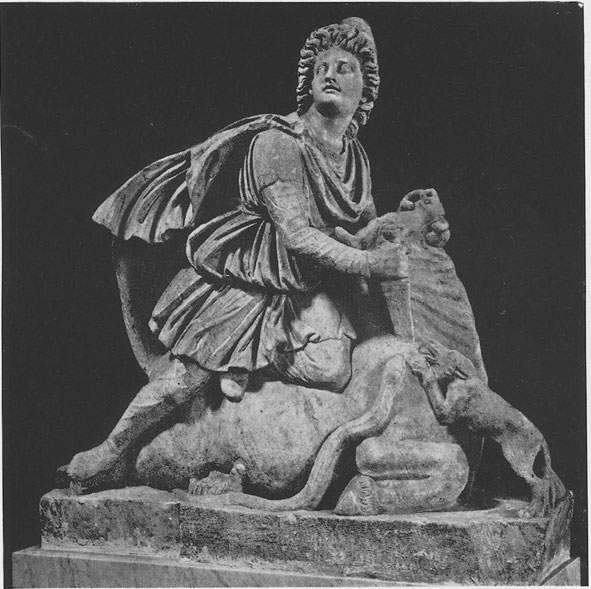
White marble statue found near the Scala Santa in Rome depicting Mithras as bull-slayer, accompanied by the dog, serpent and scorpion, with the bull’s tail ending in ears of grain.
This altar dedicated to Sol Invictus Mithras by a certain Septimius Zosimus was found in the Basilica of San Martino ai Monti in Rome.
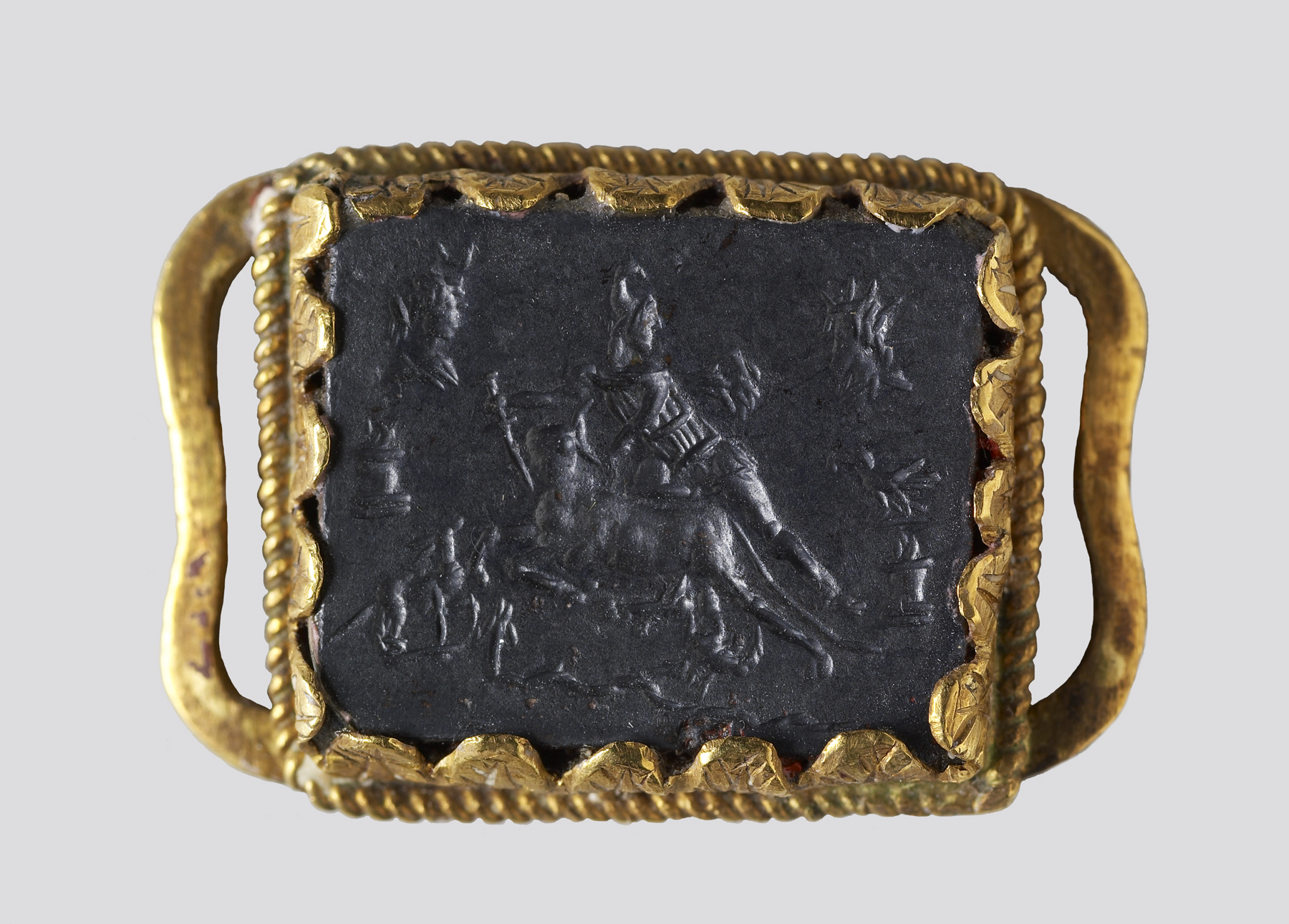
This unusual piece depicts Mithras slaying the bull on one side and the Gnostic god Abraxas on the other.
This inscription mentions a Pater for the first known time.
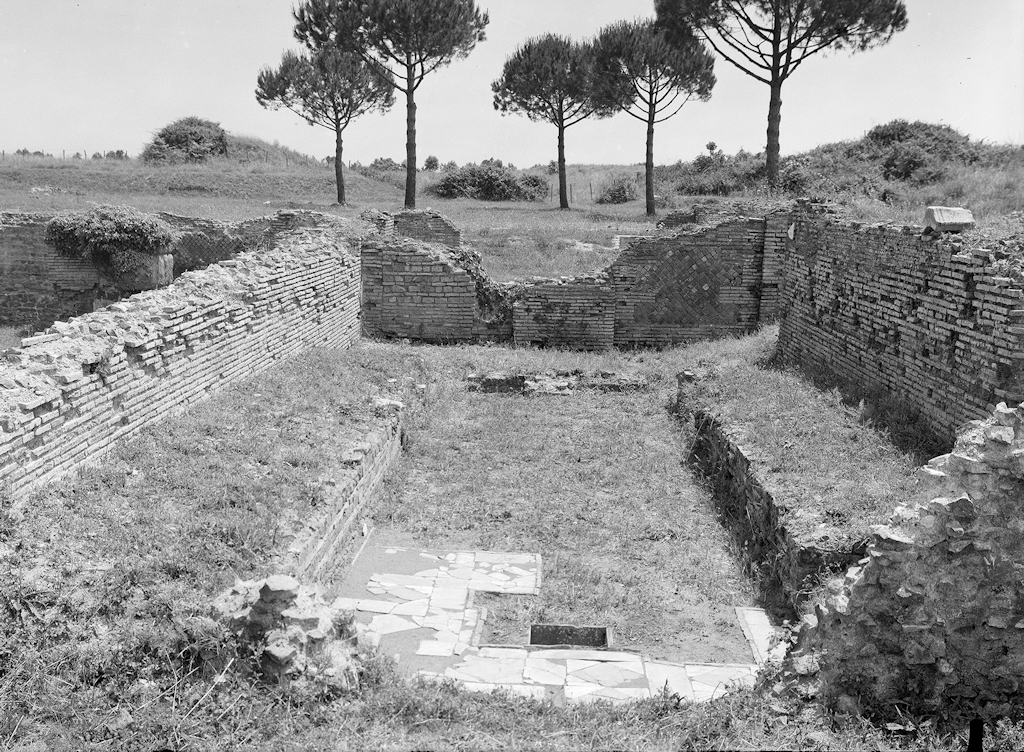
Excavated in 1919, the Mithraeum near the Roman Gate was installed in the 3rd century within a larger building complex.
