Your search Site gallo-romain de Lauchau gave 364 results.
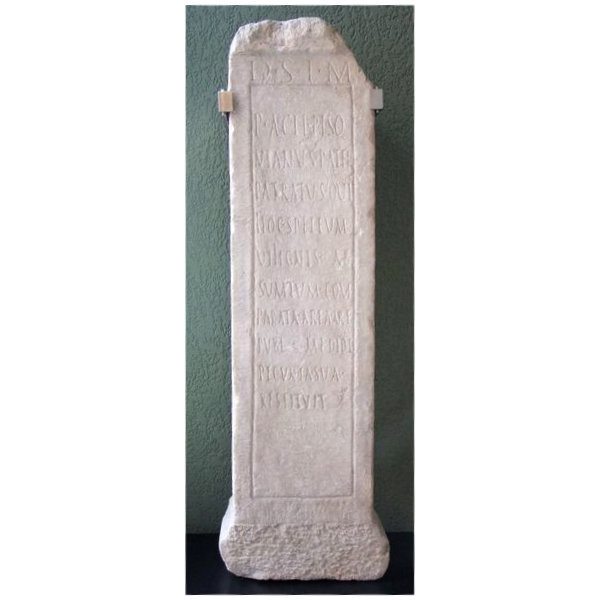
This high stele by a certain Acilius Pisonianus bears an inscription commemorating the restoration of a Mithraeum in Mediolanum, today's Milan.
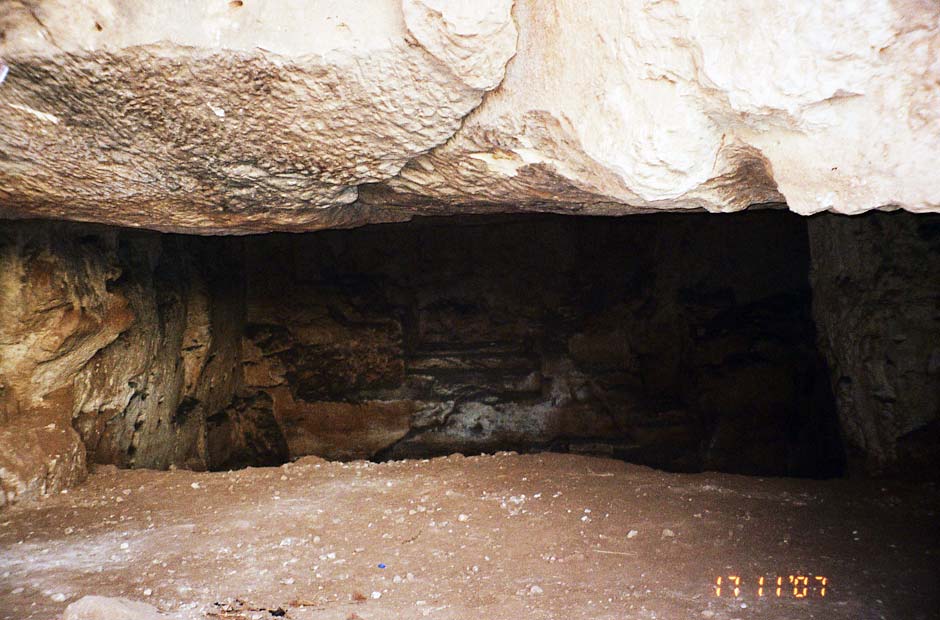
The Mithraea of Doliche, ancient Dülük, Turkey, are unique in that they represent two distinct shrines on the same site.

Excavations in 1979 on the remains of the church of Notre-Dame d'Avigonet in Mandelieu, Alpes-Maritimes, brought to light a small mithraeum.
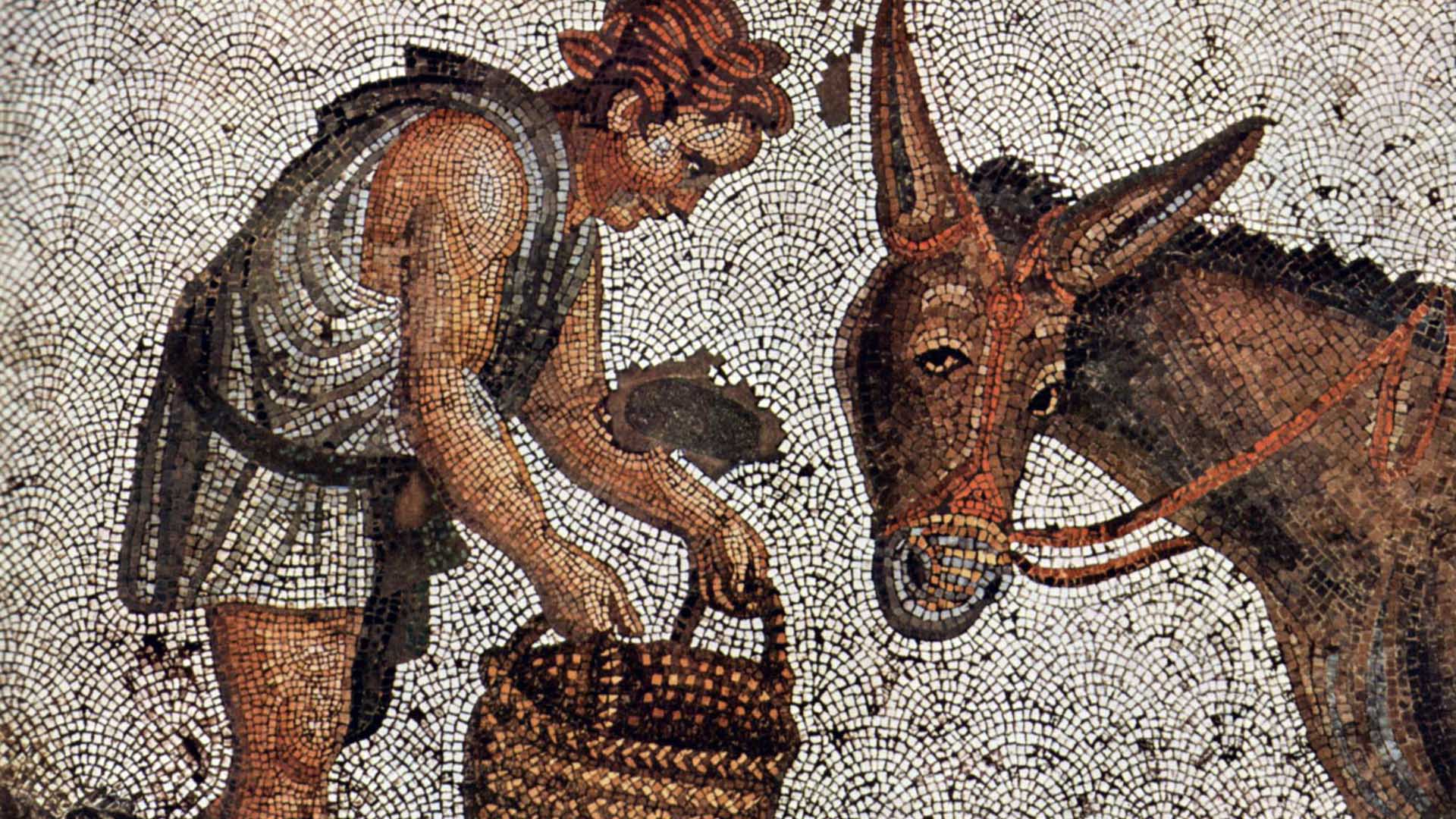
The concluding book of Apuleius’ Golden Ass (or Metamorphoses), where Lucius, the story’s protagonist, undergoes initiation into the mysteries of Isis and Osiris.
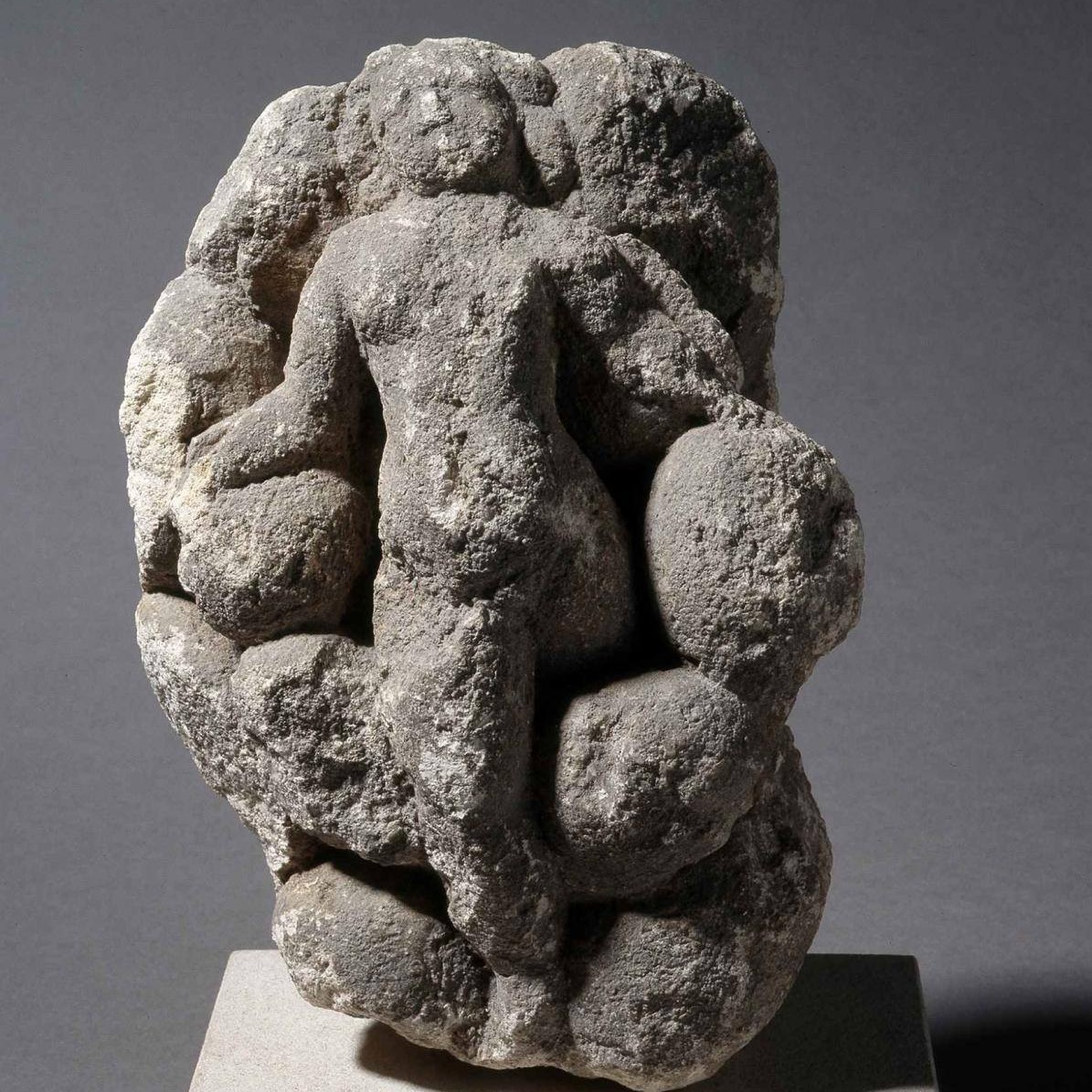
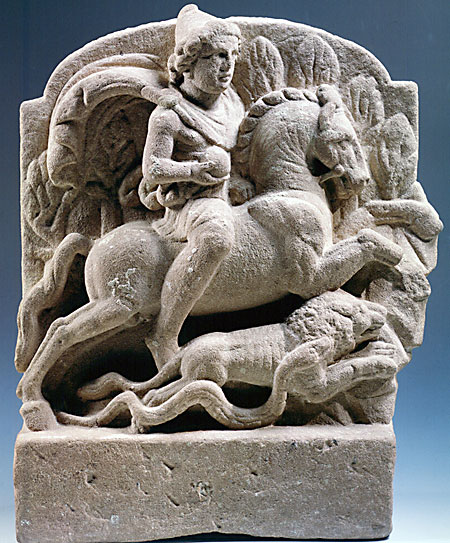
Mithras galloping, in a cypress forest, carrying a globe in one hand and accompanied by a lion and a snake.
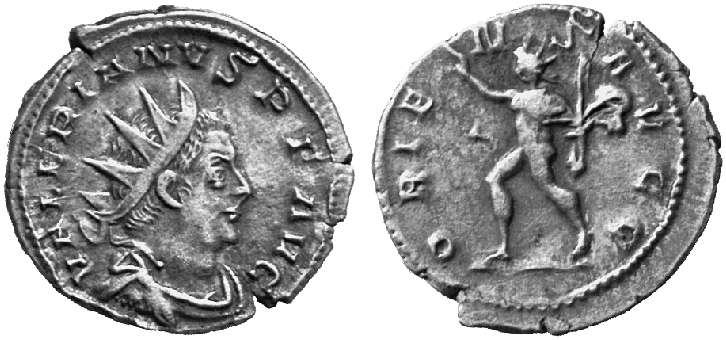
This coin was deposited in the upper level of the throne in the cult niche of the Mitreo della Planta Pedis.
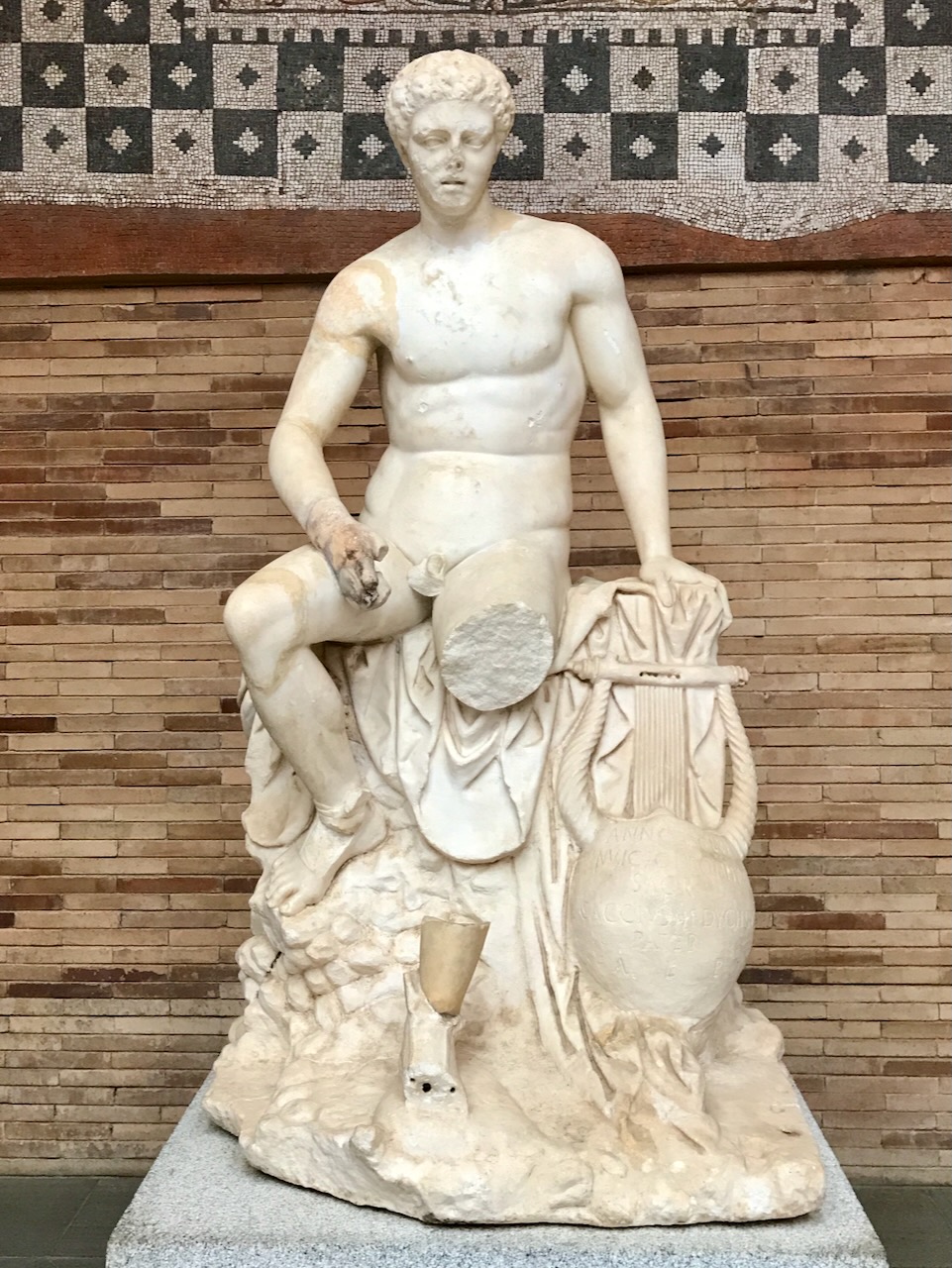
The statue of Mercury in Merida bears a dedication from the Roman Pater of a community in the city in 155.
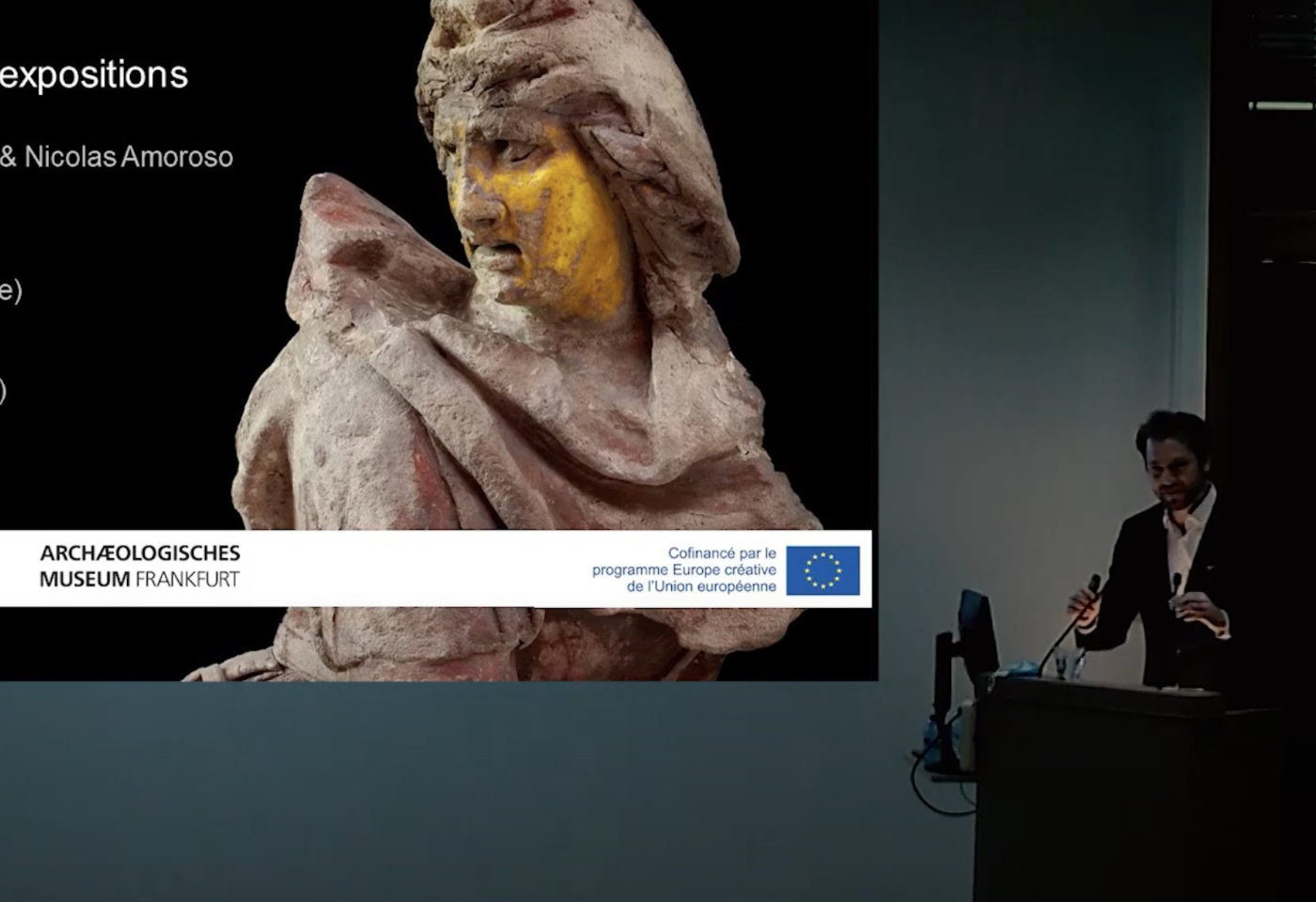
Journée scientifique du 17 décembre 2021 au Musée royal de Mariemont, dans le cadre de l’exposition 'Le Mystère Mithra. Plongée au cœur d’un culte romain'.
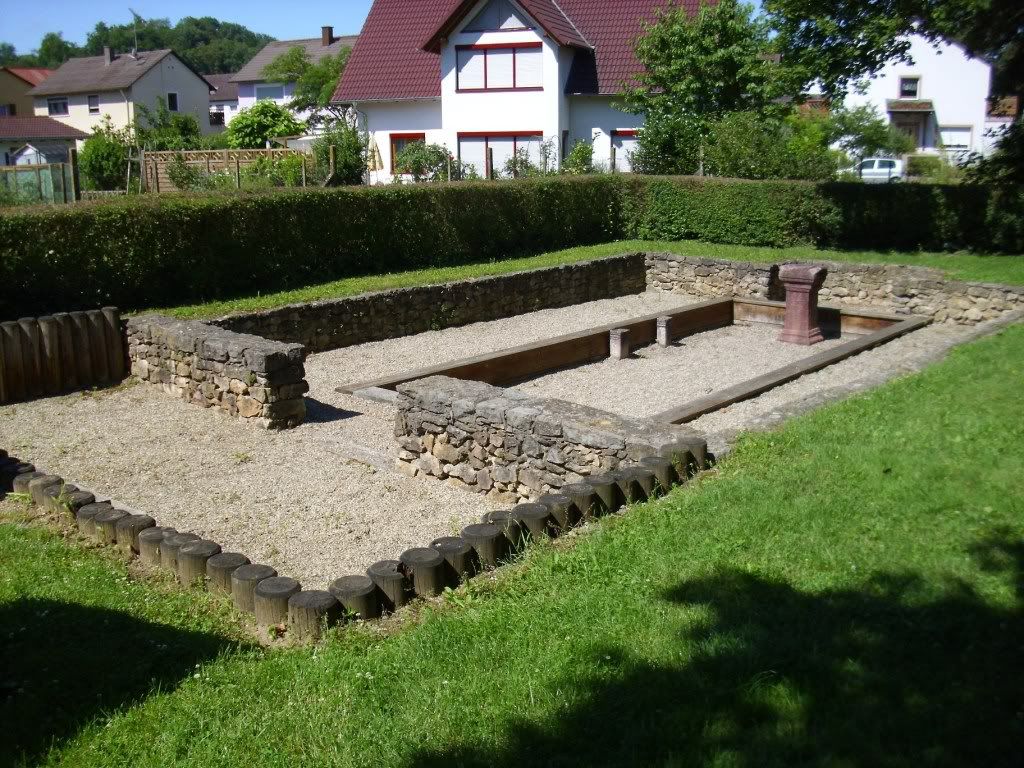
A votive altar referring to the cult of Mithras was found more than forty years before the site was excavated and the Mithraeum discovered.

The Mithraeum of Mainz, was discovered outside the Roman legionary fortress. Unfortunately the site was destroyed without being recorded.
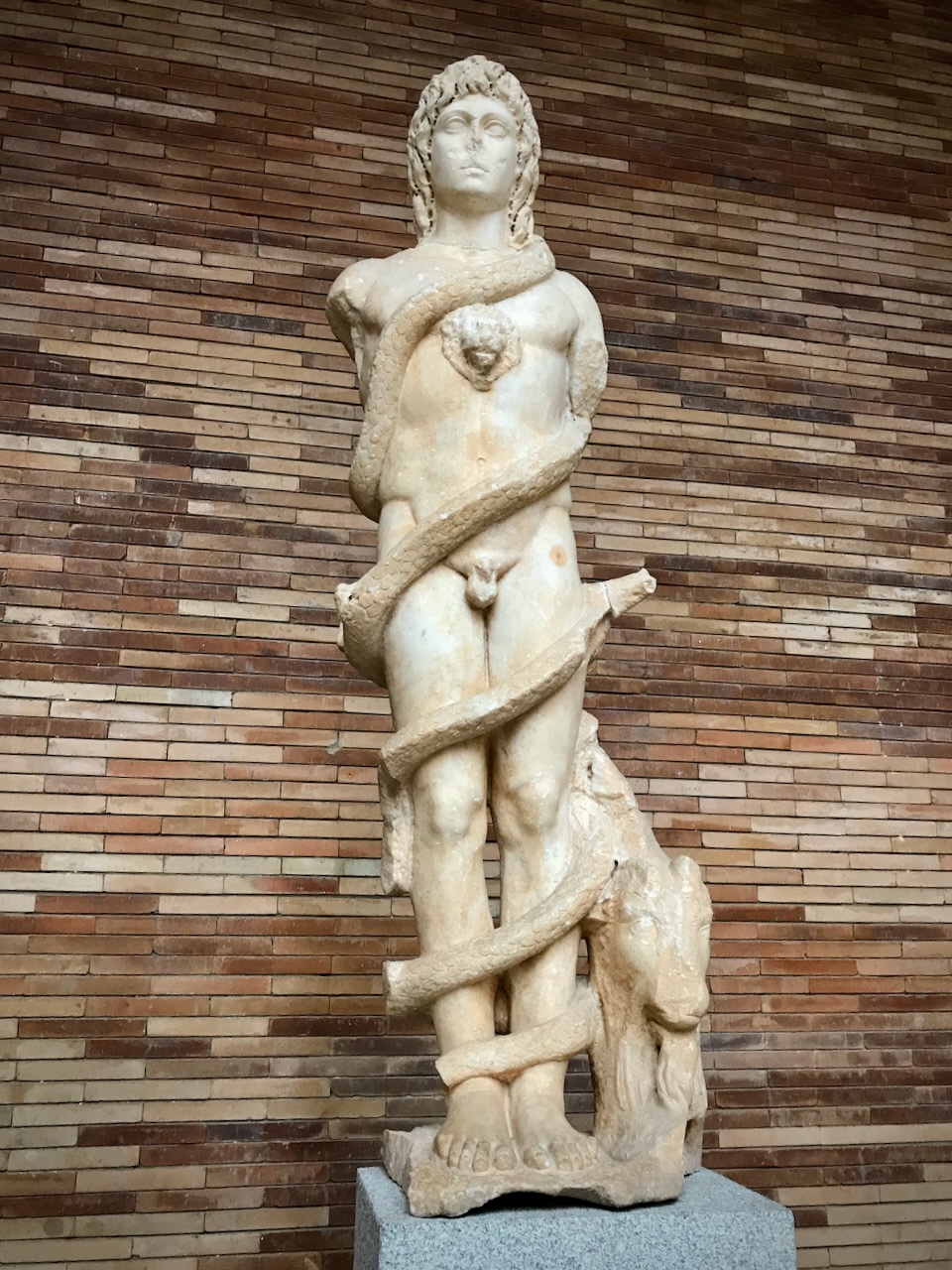
The Aion-Chronos of Mérida was found near the bullring of the current city, once capital of the Roman province Hispania Ulterior.
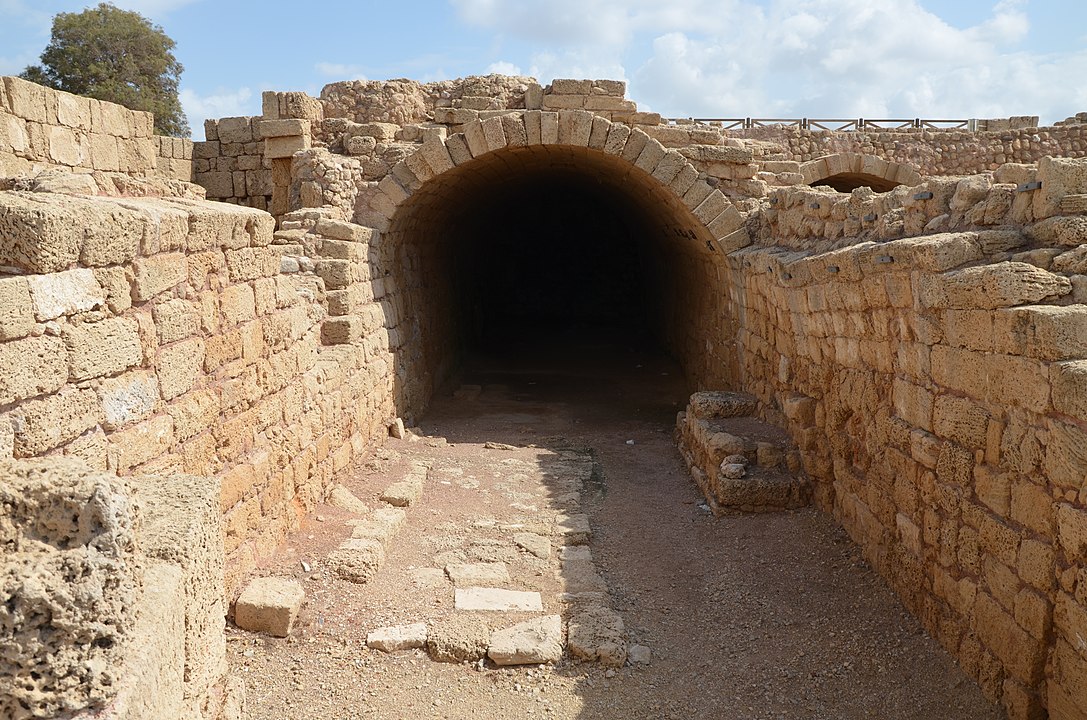
This shrine developed towards the end of 2nd century and remained active until beginning 4th.
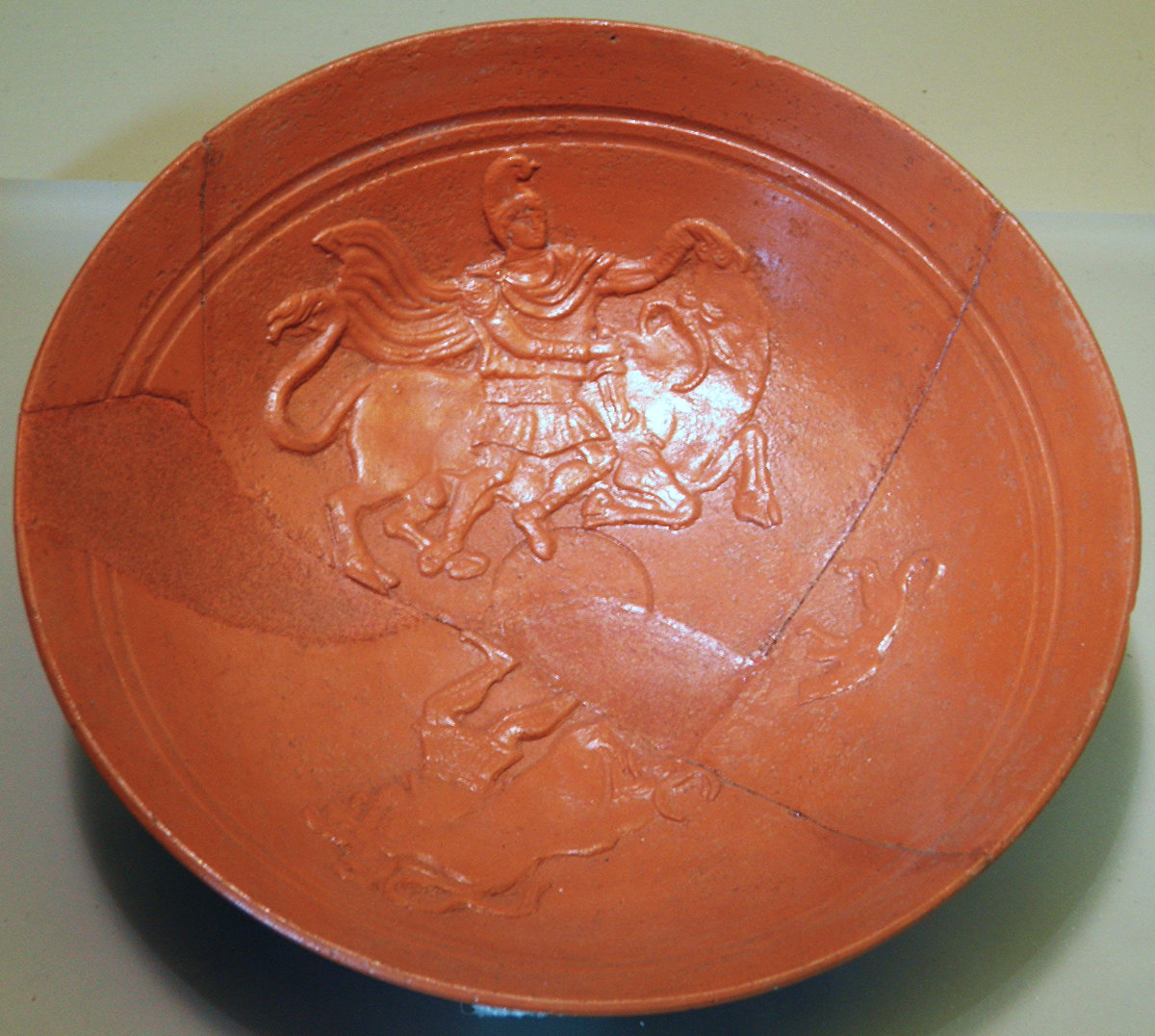
The red ceramic vessel from Lanuvium shows Mithra carrying the bull, followed by the dog, and the Tauroctony on the opposite side.
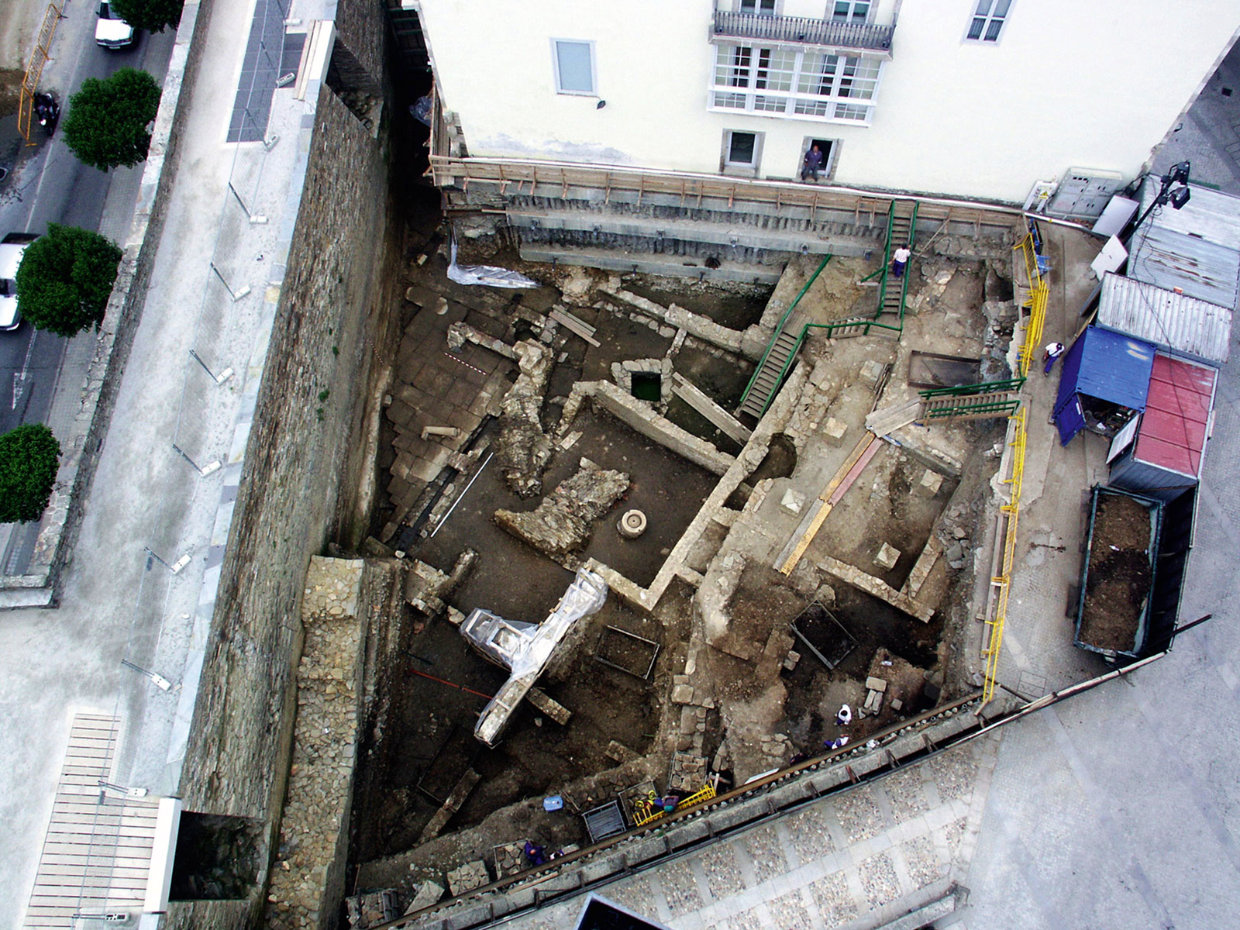
The museum that houses the temple of Mithras has become the most visited Roman space in the city since it opened.
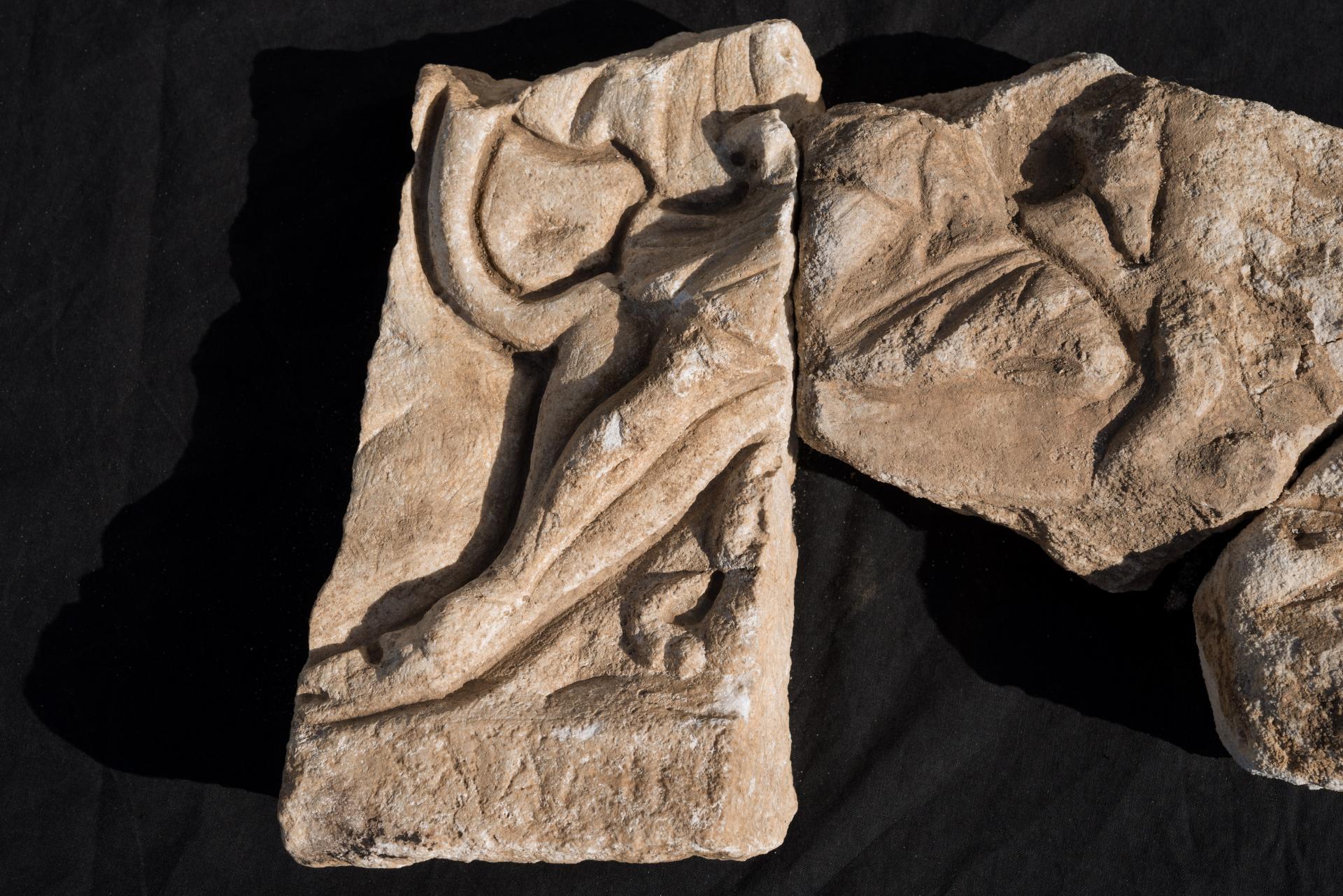
The archeologists have found three fragments of the Tauroctony of Lucciana, which includes Cautes and Cautopates.
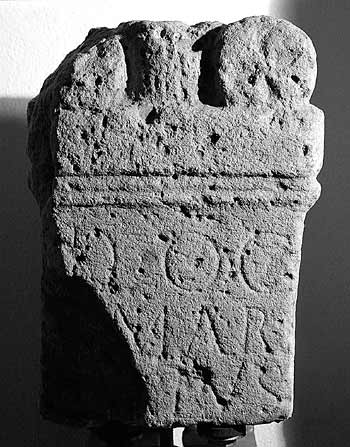
These two inscriptions by a certain Titus Martialius Candidus are dedicated to Cautes and Cautopates.
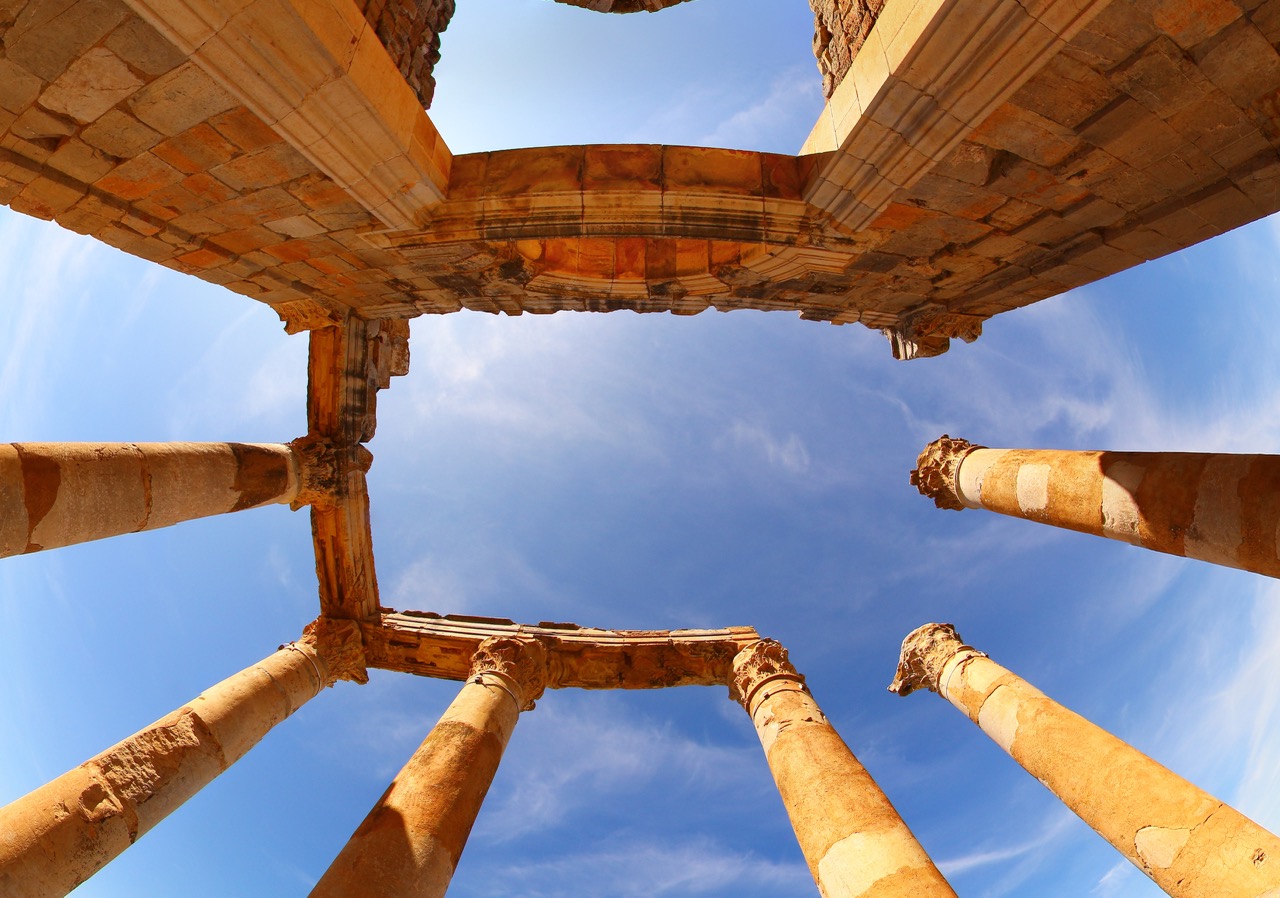
Roman colonial city of Numidia, later known as Djémila, renowned for its exceptionally well-preserved late antique urban remains.
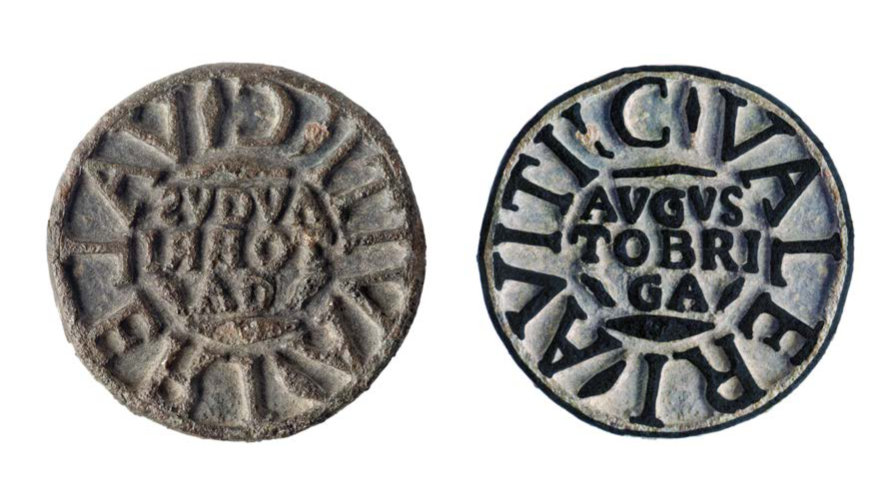
Bronze personal seal of a duovir of Tarraco and owner of the villa of Els Munts.

