Your search St Albans gave 2762 results.

Fragments of a marble relief of Sol, which probably served as a fenster.

Roman stone low-relief depicting Mithras as a bull-slayer, with the upper part of his head missing.

Two marble statues of Cautes and Cautopates discovered in the Mithraeum of Rusicade, accompanied by symbolic animals including a lion, scorpion, dolphin and bird.
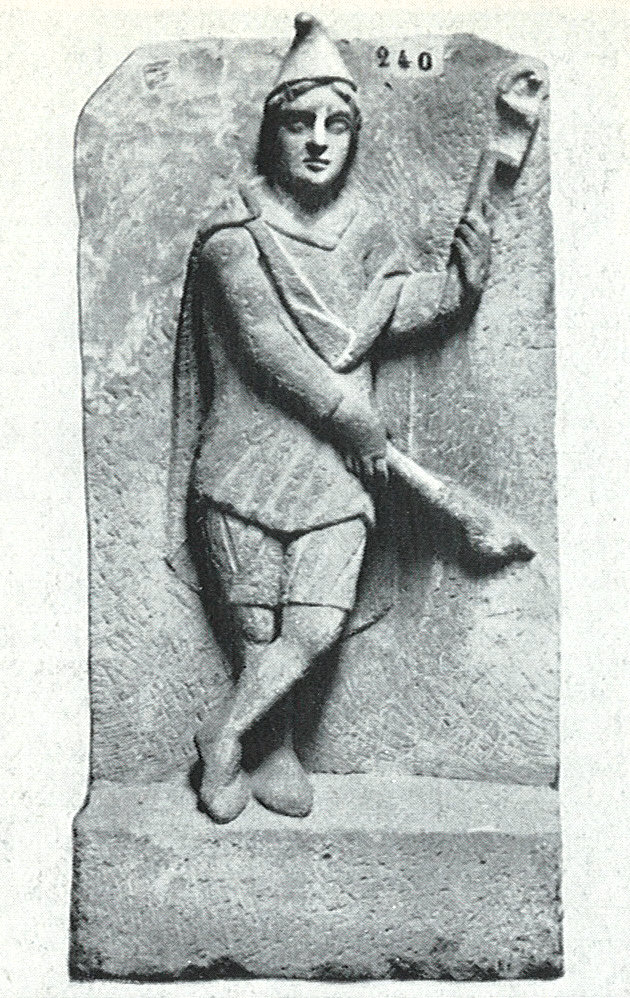
This Cautopates from Nida carries the usual downward torch in his right hand and a hooked stick in his left.
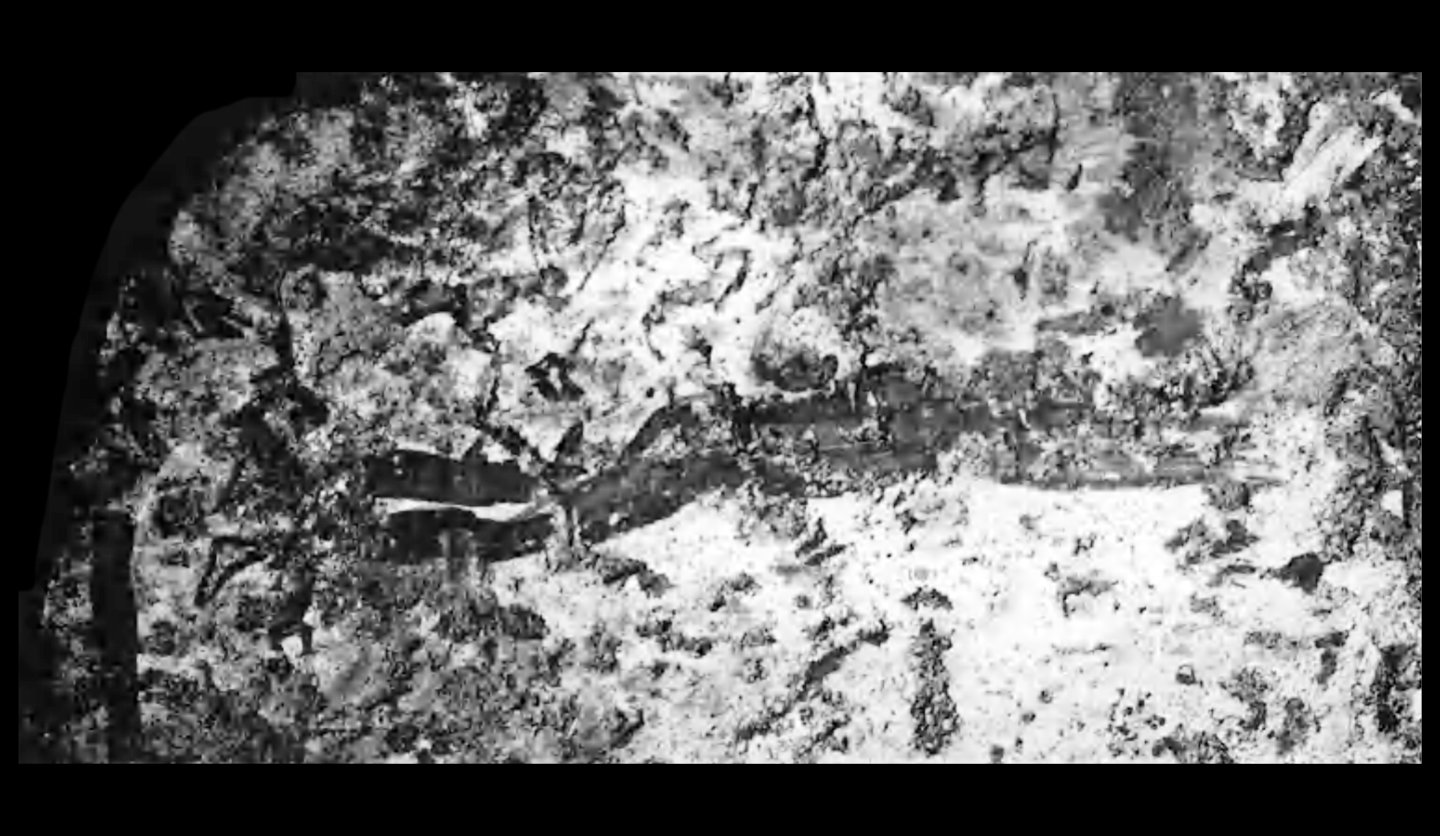
Representation of a person lying prostrate on the ground between two other walking figures on the Mitreo of Santa Capua Vetere.

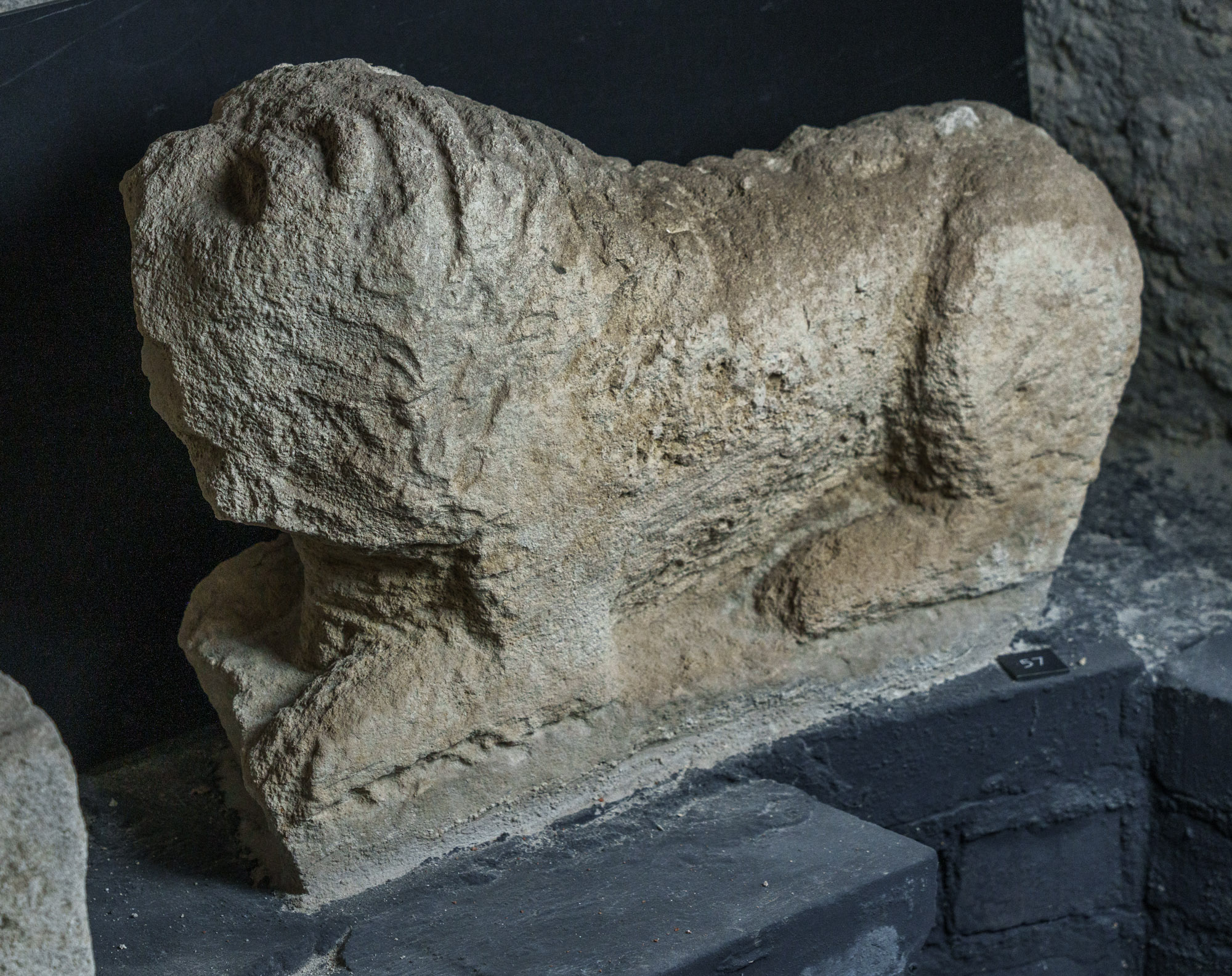
Two limestone sculptures depicting a recumbent lion and a lioness stood near the entrance of the Mithraeum of Fertőrákos, positioned at the threshold of the sanctuary.
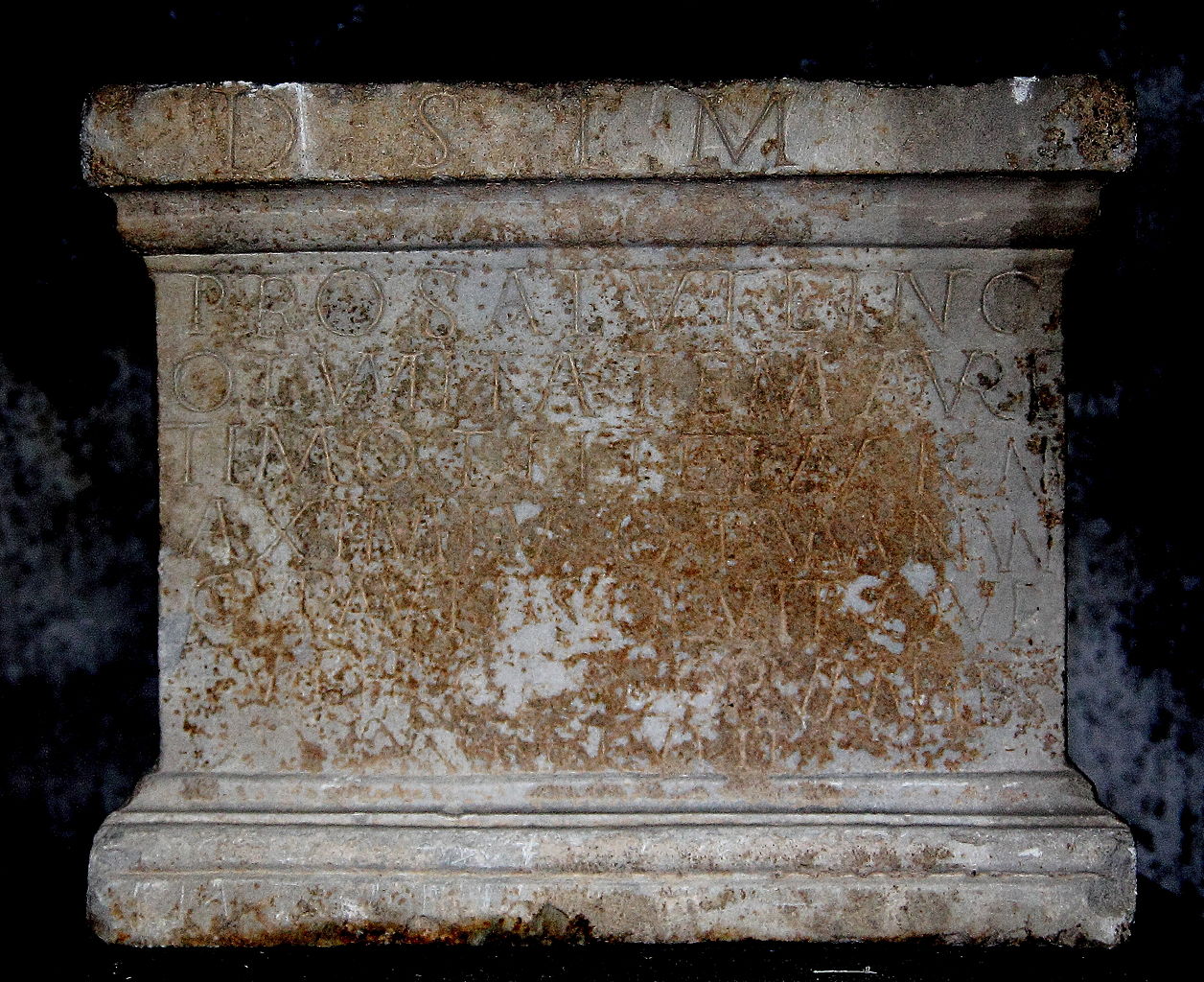
Mithraic stele, from Alba Iulia, Romania, with inscription.
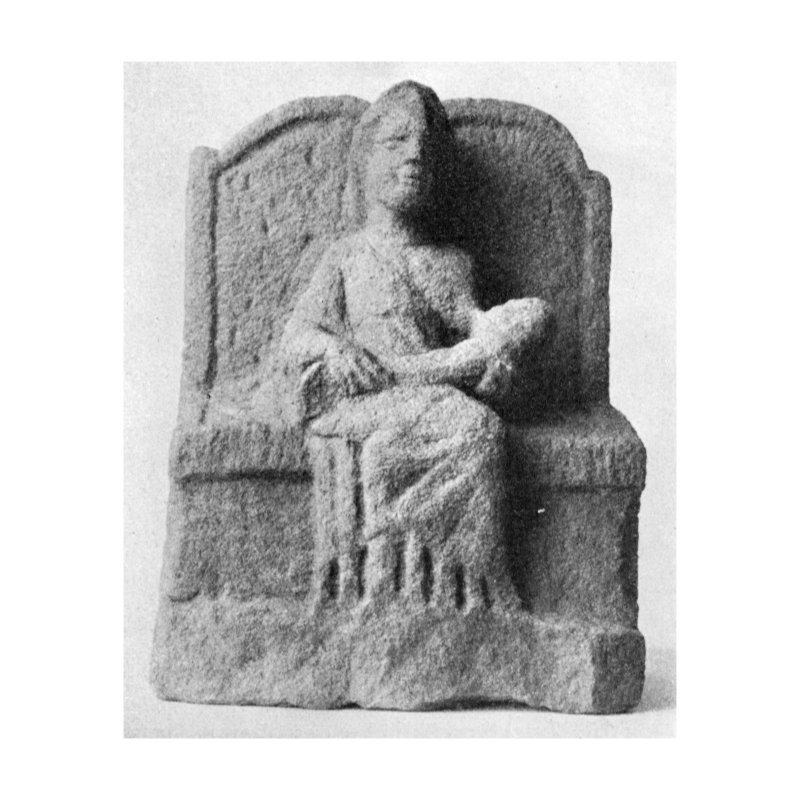
This unusual statue in Mithraic iconography of a mother nursing a child was found in the vestibule of the Mithraeum of Dieburg.
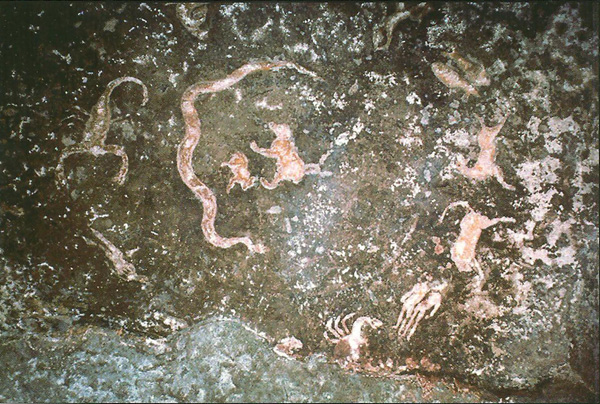
Solis invicti Mithrae studiosus astrologiae who was at the same time ’caelo devotus et astris’.
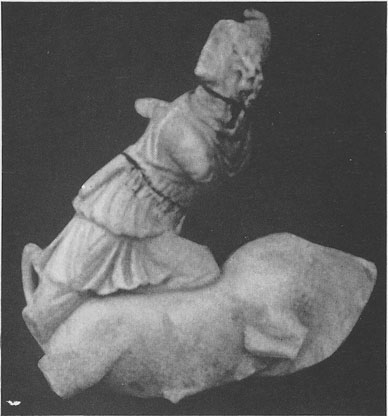
Fragment of a white marble statue of Mithras killing the bull from Rusicade, today Skikda, Algeria.
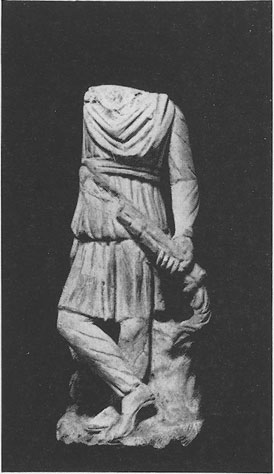
White marble statue of Cautopates with crossed legs, accompanied by an owl beside a tree trunk.


This bronze arm, with stars and a swastika, was once thought to be part of a Mithras statuette but has since been dismissed as unrelated to the Mithras cult.
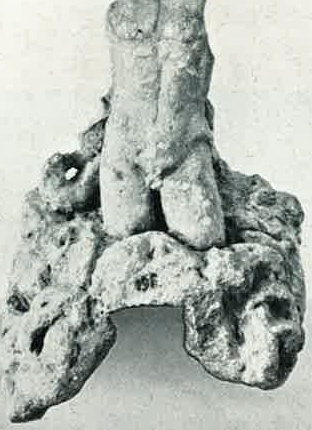
Sandstone petrogenesis from Petronell-Carnuntum (Lower Austria), depicting Mithras emerging from the rock, preserved from the knees upwards.
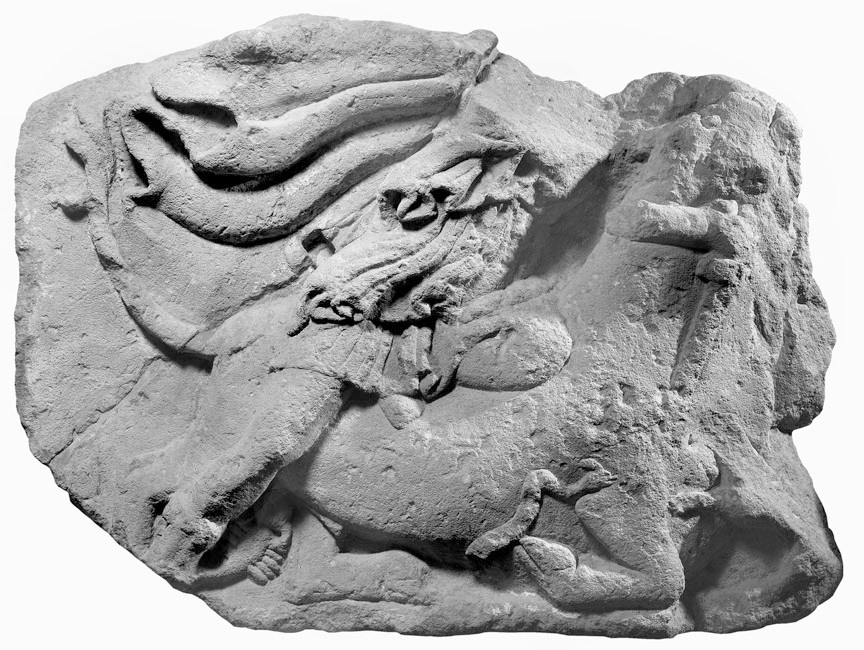
Sandstone relief of Mithras killing the bull, broken in two parts and partly restored, with dog, serpent and scorpion preserved; formerly in Vienna, now on loan to the Museum Carnuntinum.
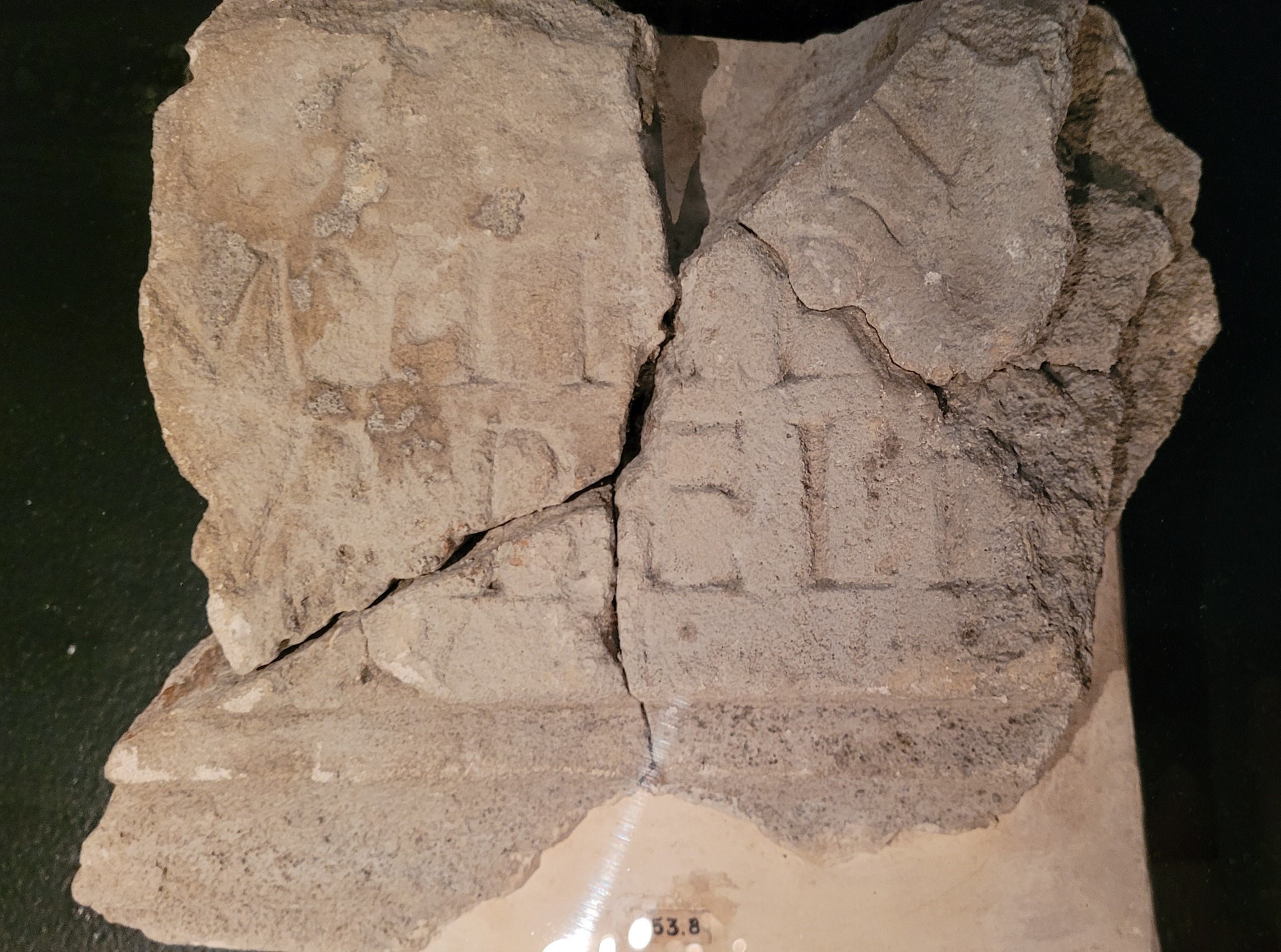
Fragment of limestone from Porêts, which was used in the 4th century.
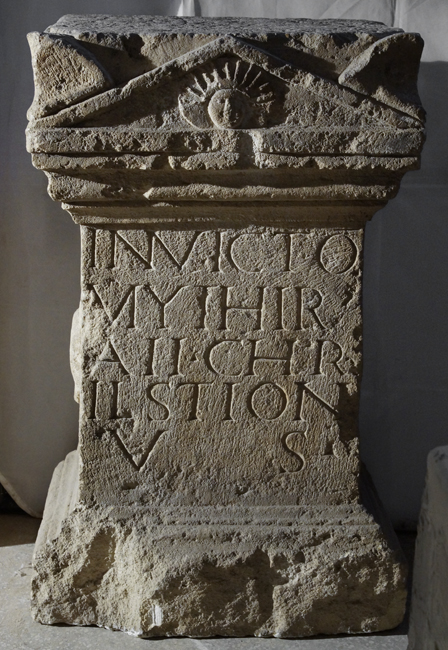
In 1852, Károly Pap, a naval captain, unearthed several Mithraic monuments in his garden at Marospartos, including this altar.
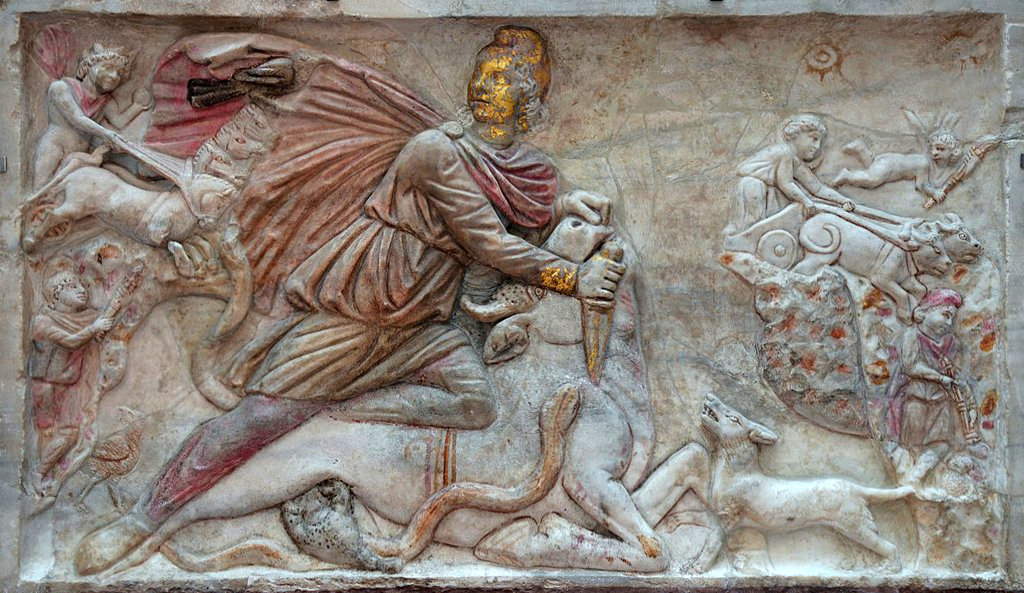
The relief of Mithras killing the bull of Stefano Rotodon preserves part of his polycromy and depicts two unusual figures: Hesperus and an owl.
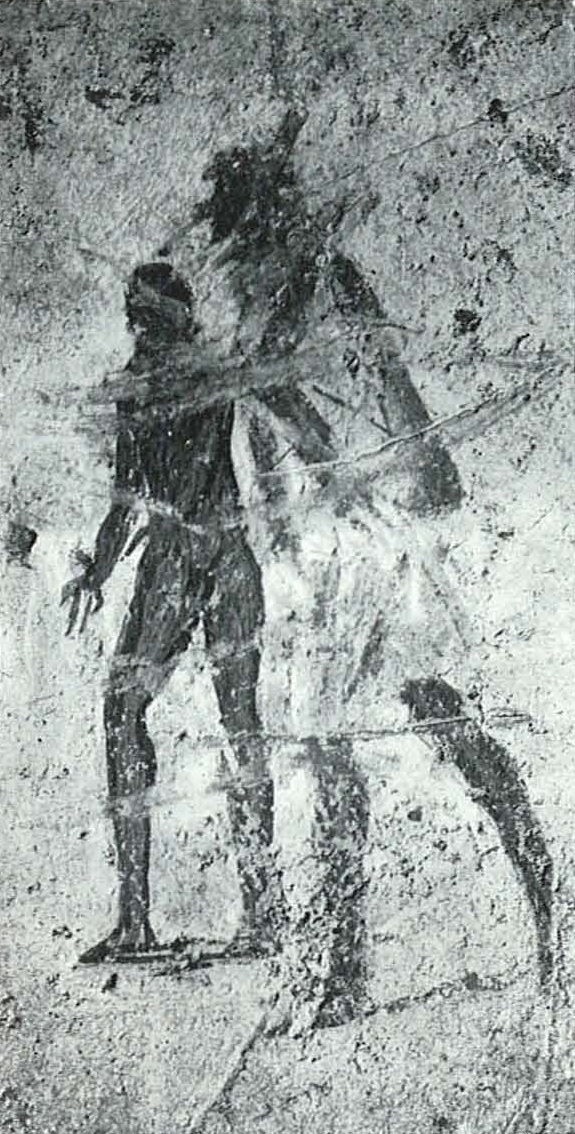
This is the first of several fresco scenes depicting the initiation of a new member in a mithraic community, in Capua Vetere.
