Your search Under the Palazzo Montecitorio gave 150 results.

Syria-Palestina occupied a complex religious landscape shaped by imperial administration, pilgrimage and eastern Mediterranean mobility.
Chersonesus occupied a northern Black Sea position where Greek, Roman and frontier cultures intersected at the edges of the Mithraic world.
The high mountain routes of Alpes Graiae formed part of the Alpine corridors connecting Italy, Gaul and the northwestern provinces.
Alpes Poenninae controlled important Alpine routes through which military movement and religious practices circulated between Gaul and Italy.
In Aquitania, Mithraic evidence reflects the western expansion of the cult beyond the principal Rhine and Rhône corridors.
Mesopotamia preserves frontier evidence from the eastern limits of Roman Mithraic expansion.
The Bosporan Kingdom preserves evidence from one of the northernmost horizons of Mithraic diffusion in the ancient world.
Roman Dacia preserves one of the densest and most frontier-oriented bodies of Mithraic evidence in the empire.

This small Greek dedication from the island of Aenaria invokes Helios Mithras under the epithet “unconquered”.
Moesia preserves a strongly militarised body of Mithraic evidence along the Danubian frontier of the empire.
Cappadocia preserves evidence shaped by military movement, eastern frontier dynamics and Anatolian religious landscapes.

Supervisor of the imperial couriers who offered an elaborate votive altar and ritual insignia to Mithras in Rome under Commodus.
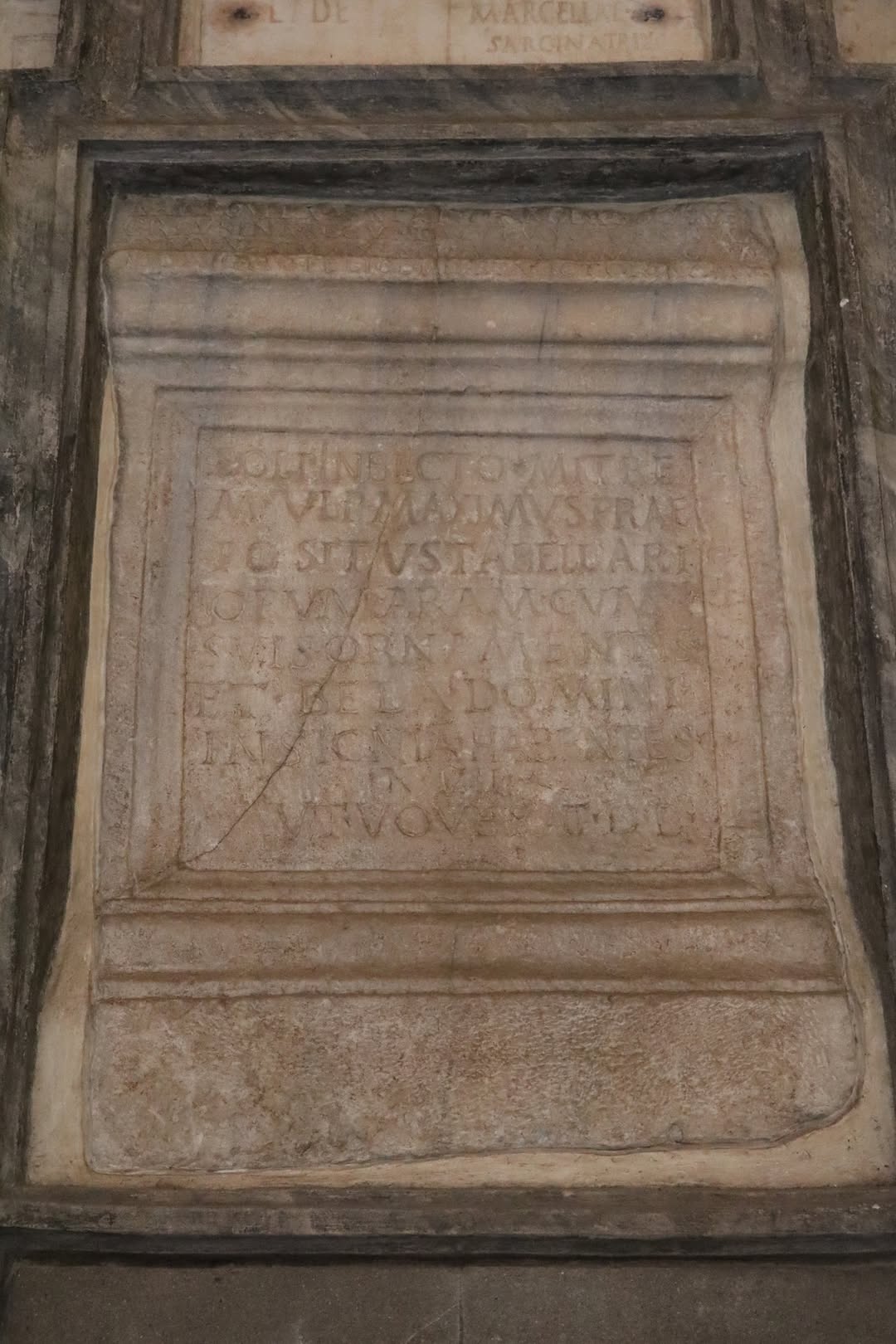
Marble altar dedicated to Sol Invictus Mithras, found in Rome (in aedibus Maffaeiorum), set up in 183 A.D. by M. Ulpius Maximus, praepositus tabellariorum, together with its ornaments and Mithraic insignia, in fulfilment of a vow.
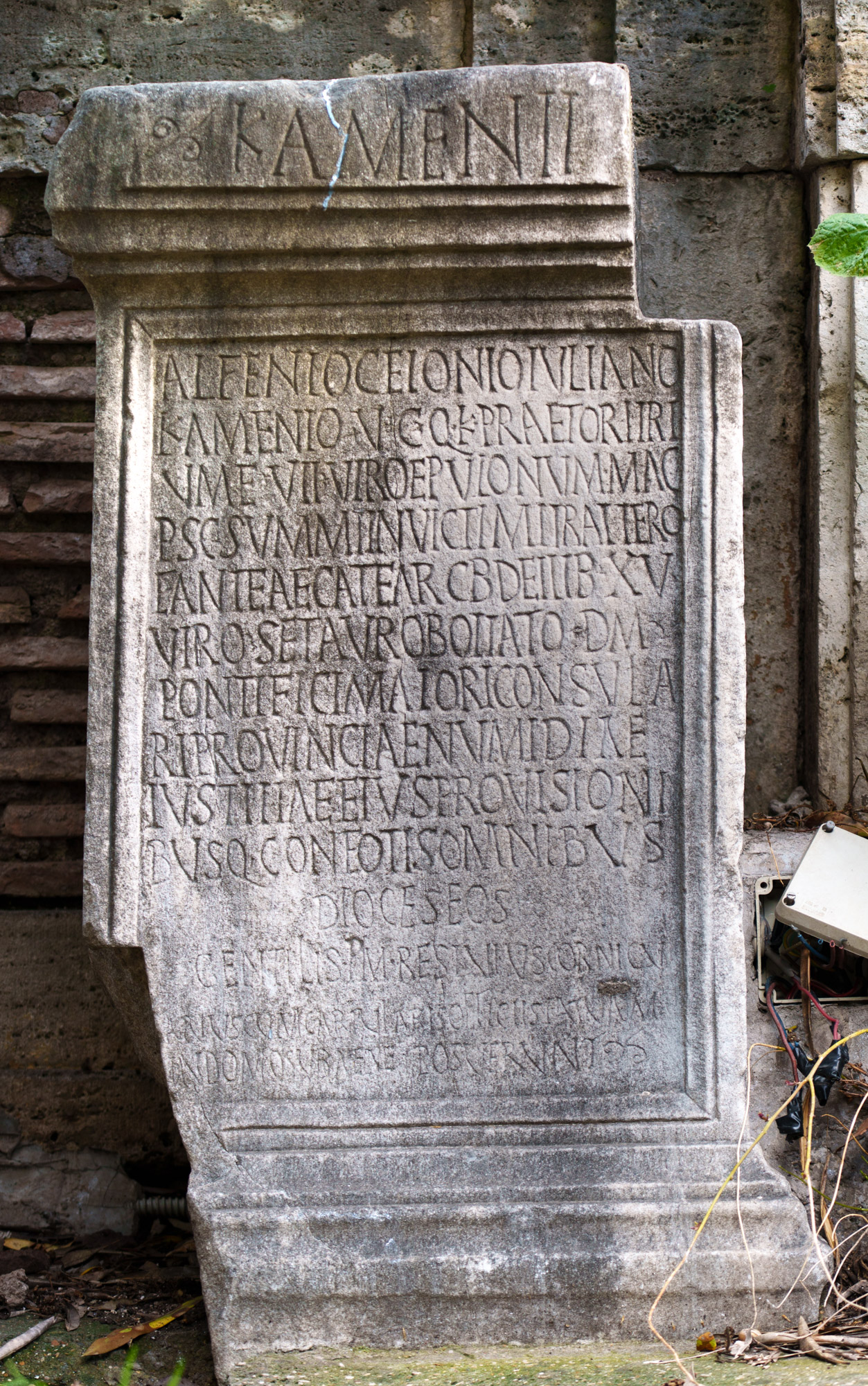
Honorific marble statue base dedicated to the senator and Mithraic pater Alfenius Ceionius Iulianus Kamenius by members of his provincial administration.
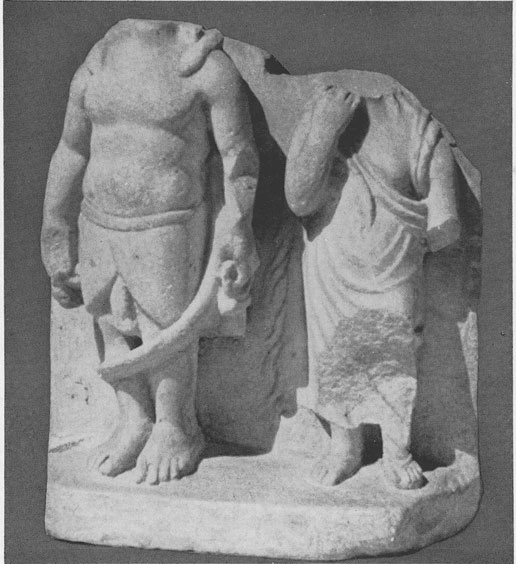
Marble relief, probably found in Rome during the construction of the Palazzo Primoli along the Via Zanardelli.
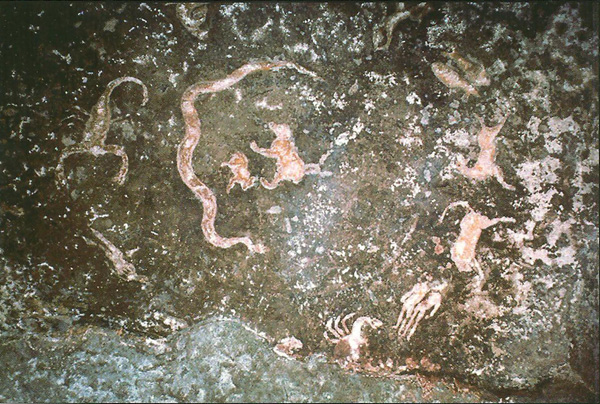
Solis invicti Mithrae studiosus astrologiae who was at the same time ’caelo devotus et astris’.
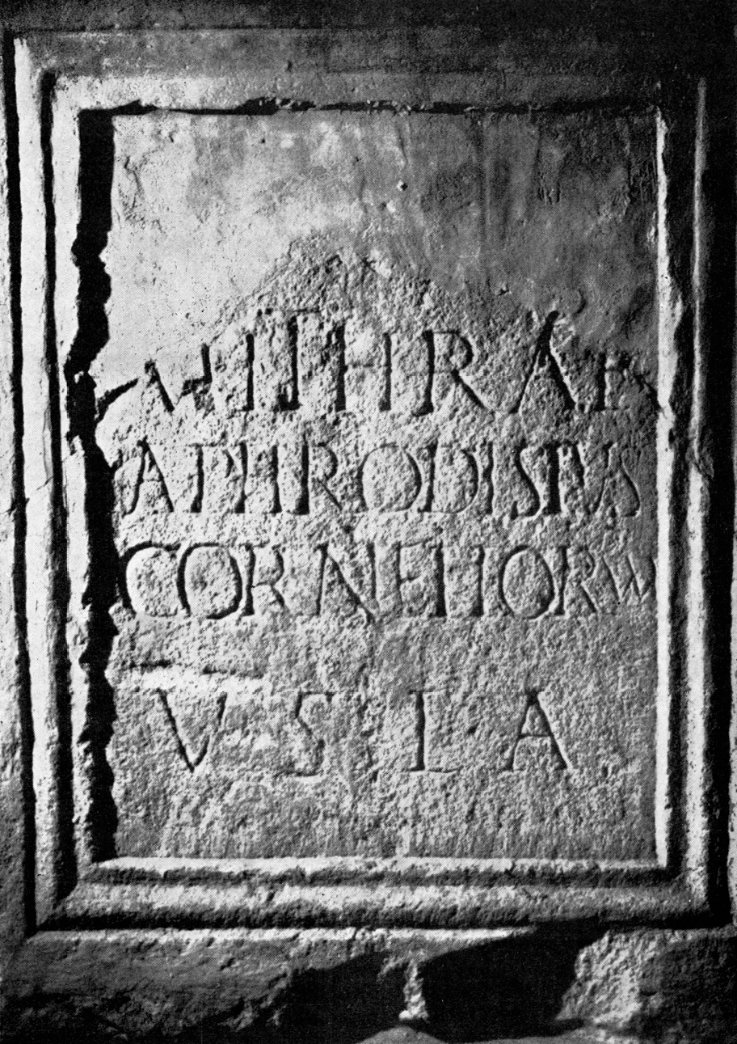
This inscription by a certain Aphrodisius was found under the old city hall of Algiers.
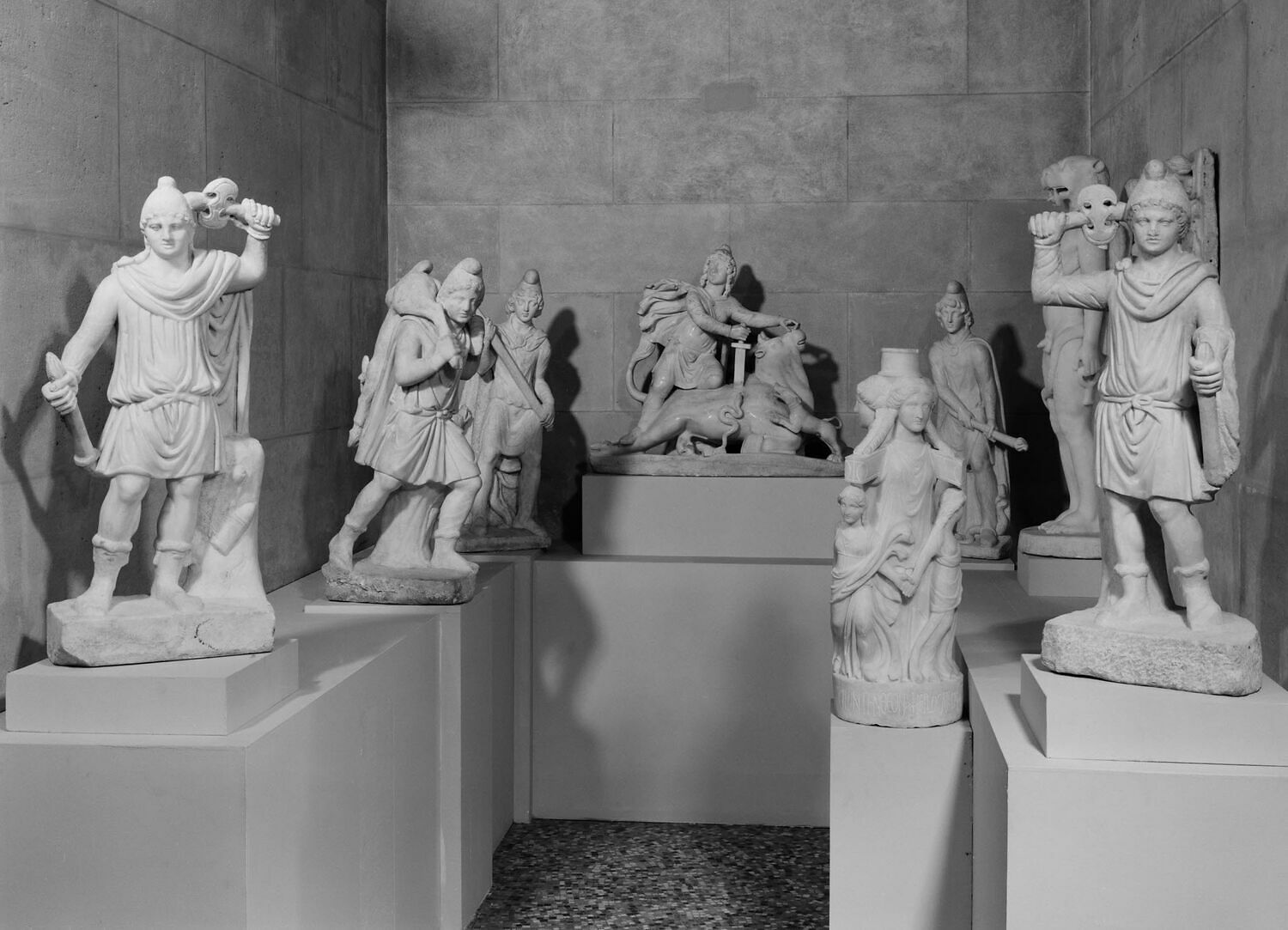
The Mithraeum of Sidon may have escaped destruction because the Mithras worshippers walled up the entrance to the underground sanctuary.
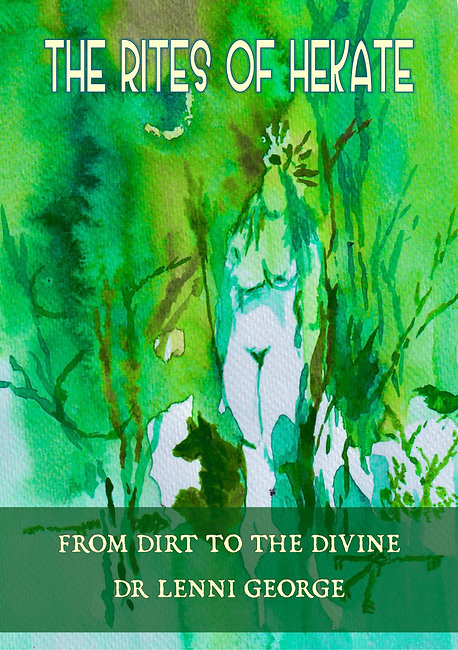
The Rites of Hekate is a personal yet deeply rooted academic account of the current understanding of this ambivalent goddess, presented as an arcane and liminal archetype.

From the late first century CE, Mithras spread across the Roman Empire, leaving more than 130 sanctuaries and nearly 1,000 inscriptions. This volume offers a rigorous synthesis that renews our understanding of this enigmatic cult.
