Your search Val di Non gave 2329 results.

Several fragmentary Mithraic remains dedicated by a certain Agatho in the Caelius suggest that a Mithraeum existed in the area.
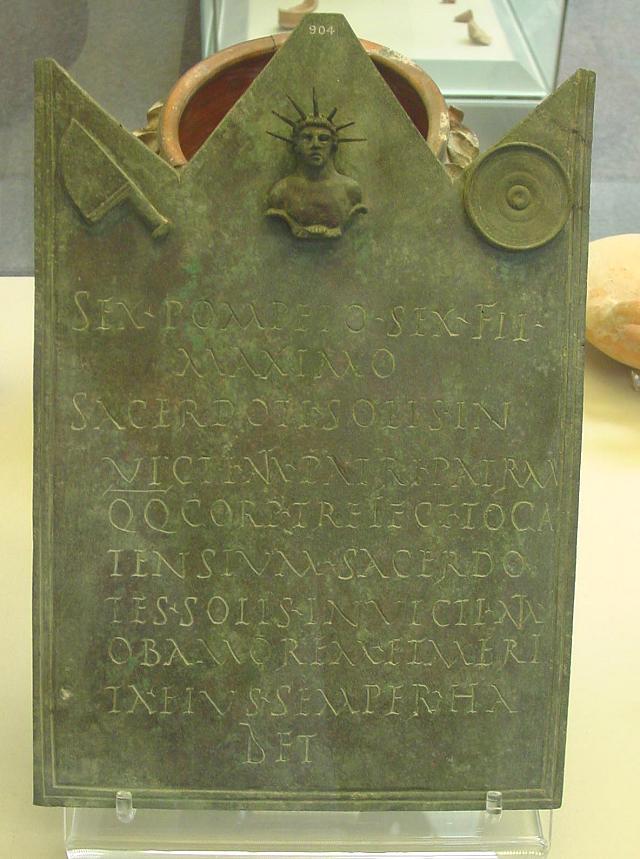
This plaque, now on display in the British Museum, may have come from the Aldobrandini Mithraeum in Ostia.

A place of worship for the Roman god of light Mithras was discovered during archaeological excavations in Trier. This includes a larger relief.
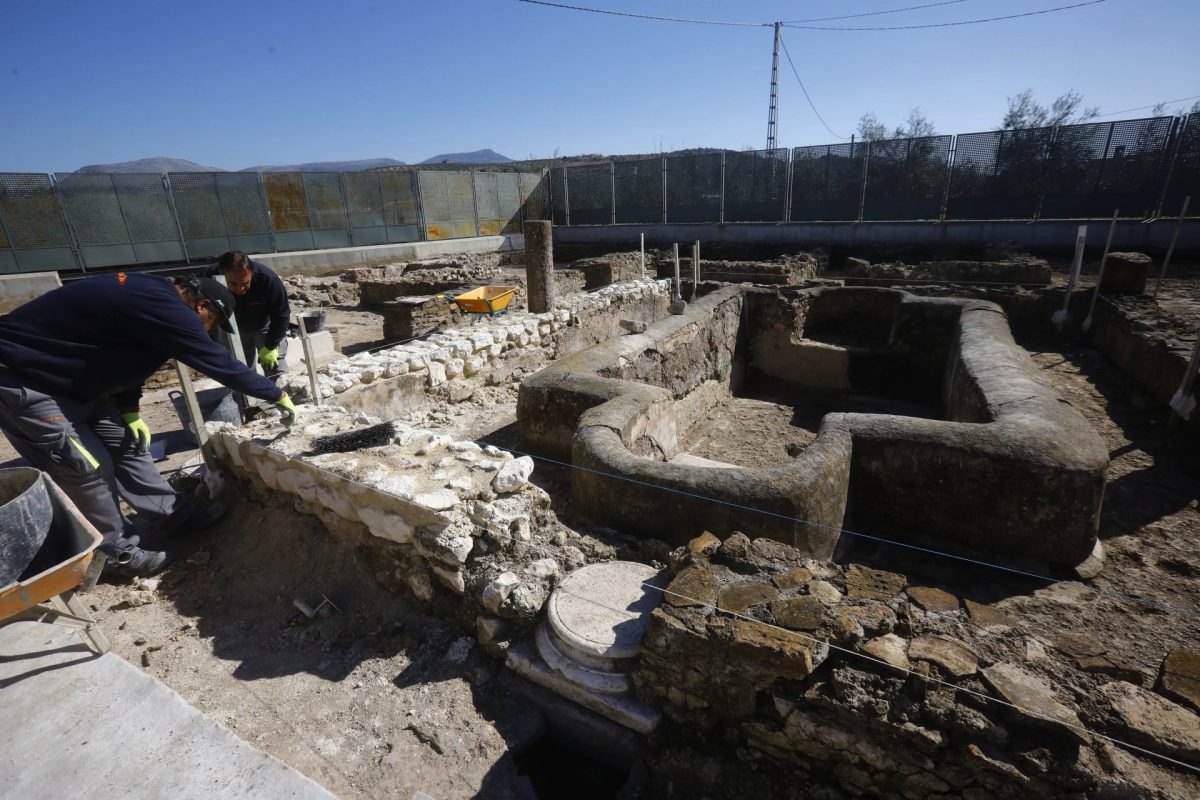
Las excavaciones llevadas a cabo en el yacimiento arqueológico romano de la villa de Mithra, en Cabra (Córdoba), han deparado el excepcional hallazgo de un mitreo, o zona destinada al culto al dios Mithra, cuya estatua fue descubierta hace unos 70 años…
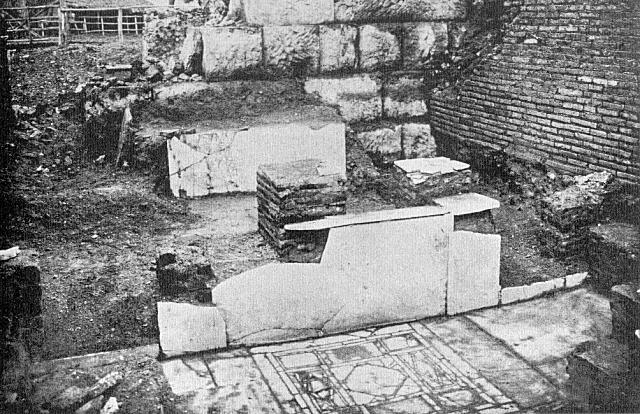
The Mithraeum of Aldobrandini was excavated in 1924 by G. Calza on the premises belonging to the Aldobrandini family.
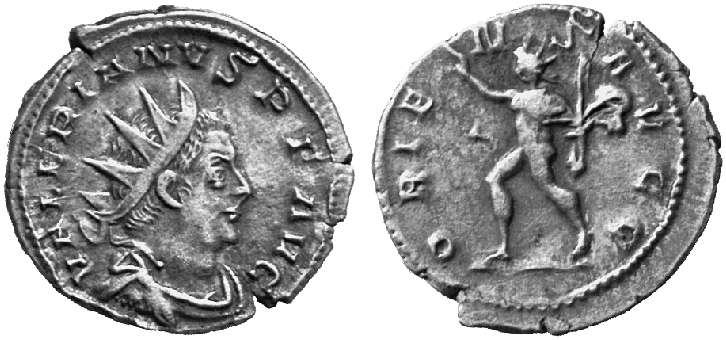
This coin was deposited in the upper level of the throne in the cult niche of the Mitreo della Planta Pedis.
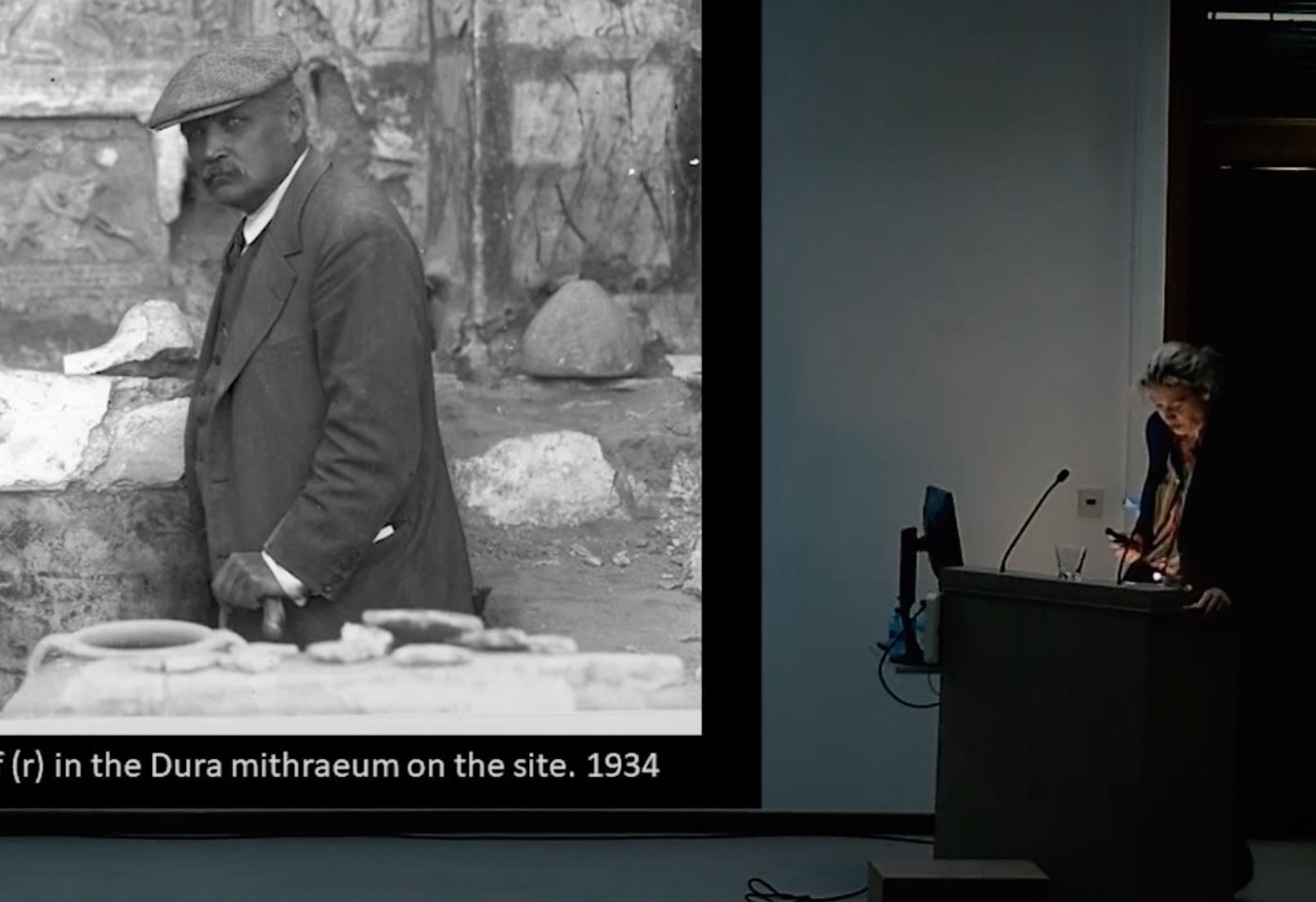
Intervention de Lucinda Dirven, Universiteit van Amsterdam.
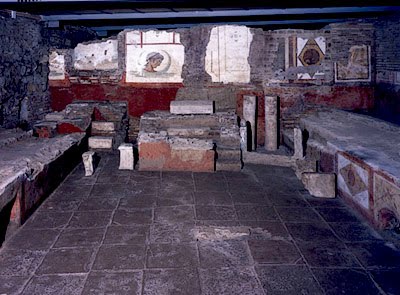
The Mitreo dei Castra Peregrinorum was discovered under the church of Santo Stefano Rotondo in Rome.

This marble slab found near the Casa de Diana in Ostia bears two inscription with several names of brothers of a same community

The image of the god Arimanius to which this monument refers has not yet been found.

Seminario de Investigación Cultos orientales e Iconografía Máster en Arqueología del Mediterráneo en la Antigüedad Clásica.
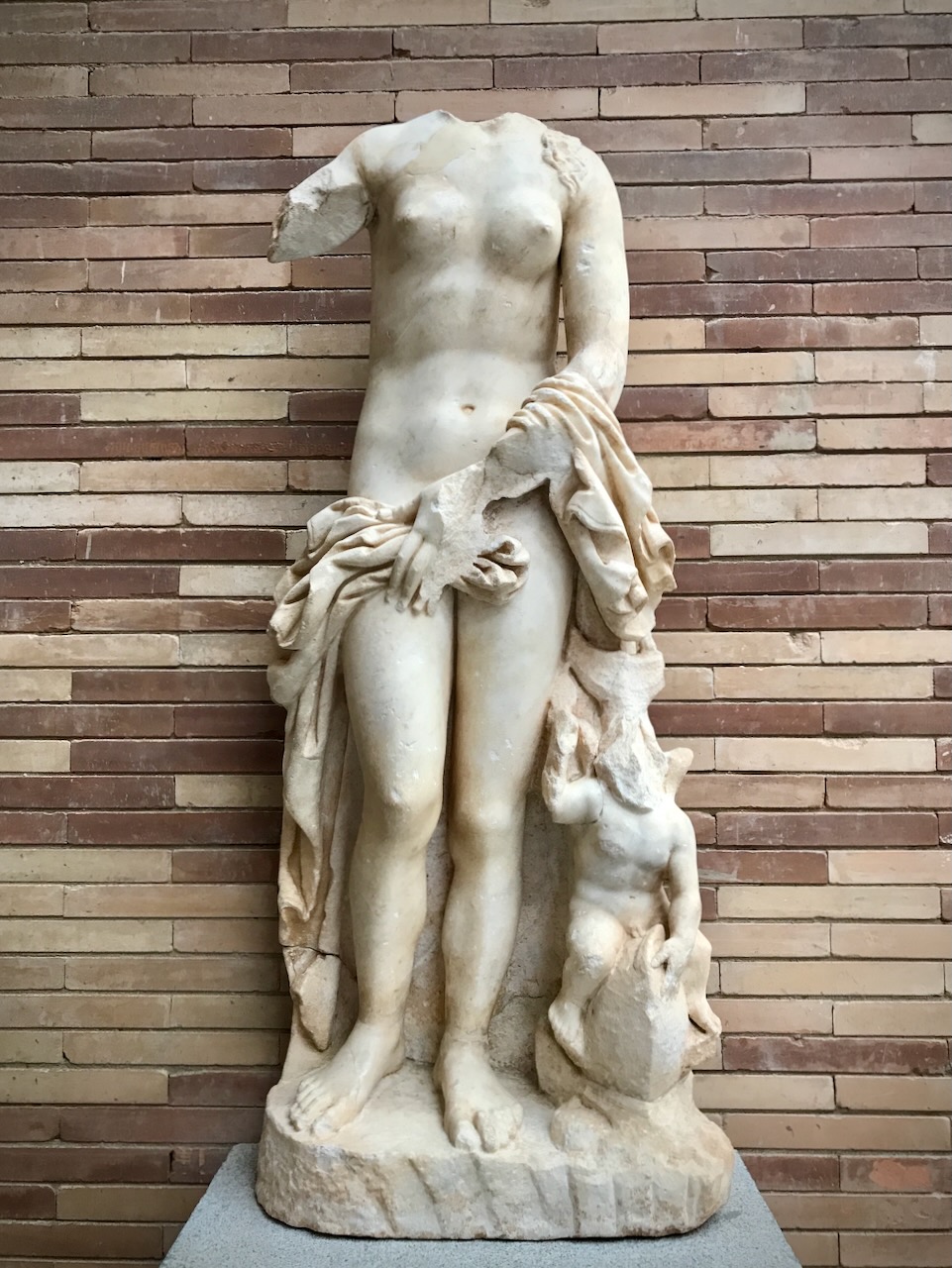
The Venus pudica of Merida stands next to the young Amor riding a dolplhin.
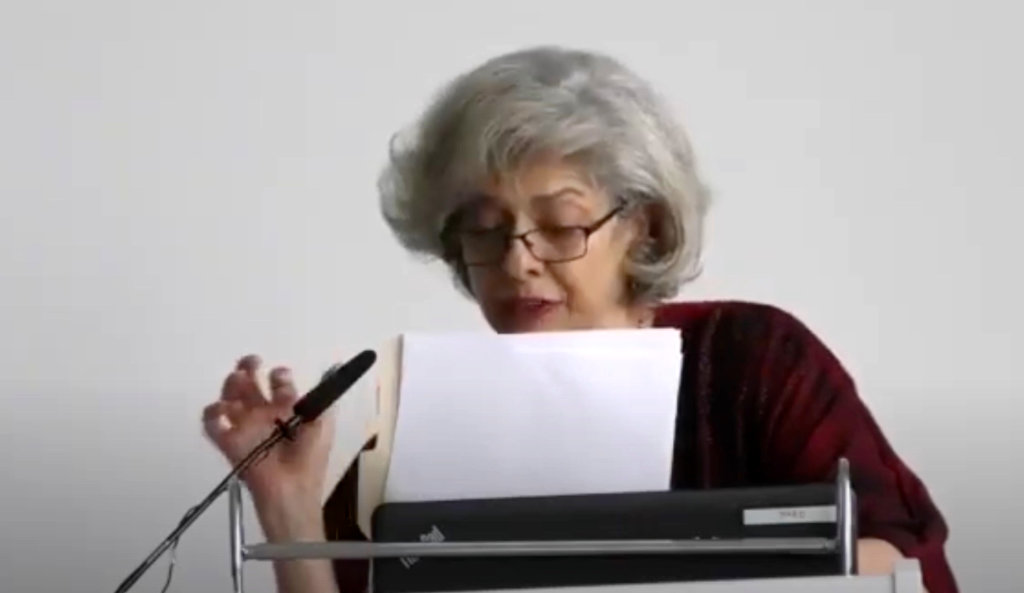
Prof. Parvaneh Pourshariati; 9th European Conference of Iranian Studies, Free University of Berlin, September 2019.
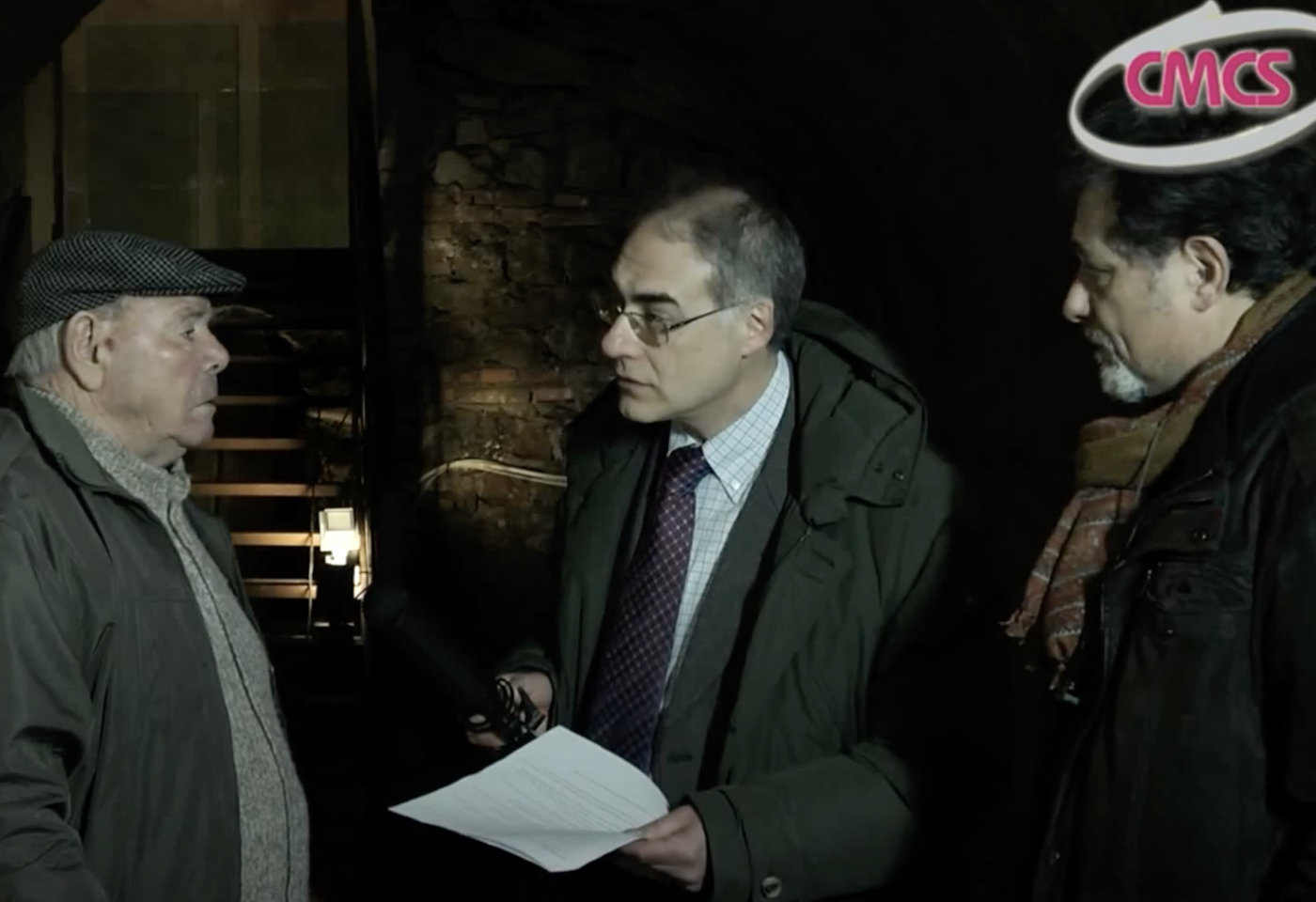
Interview to one of the workers who participated in the discovery of the temple of Mithras of Marino, Rome.

The Sanskrit and Hindi word for friend is “Mitra”. It is also the Nepali word for it. The Sinhala word is ‘mitura’. The word’s etymology has surprising, stark and vivid homosexual connotations.
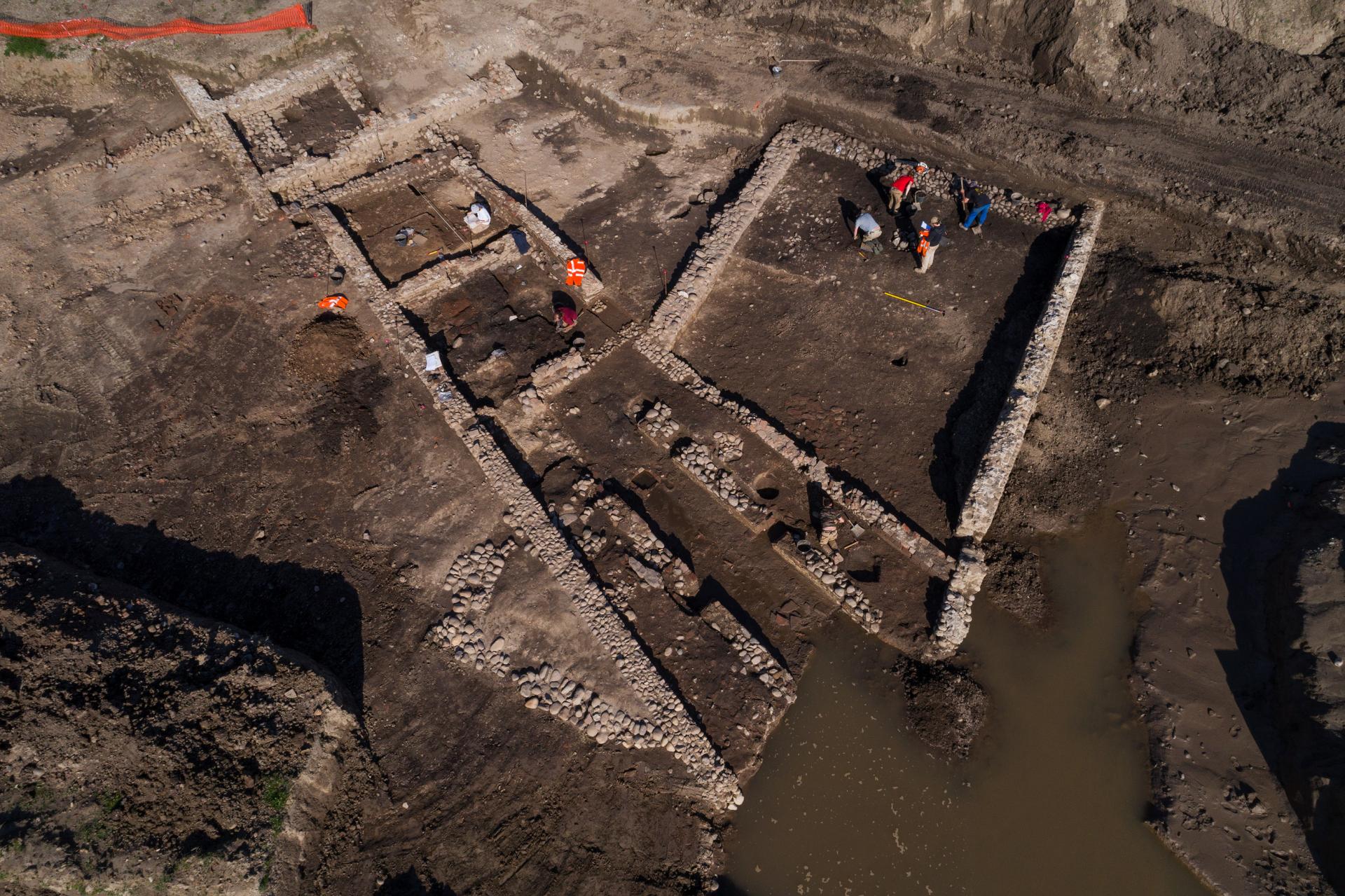
L’Inrap vient de mettre au jour un lieu de culte dédié au dieu Mithra sur le site de Mariana, à Lucciana, France.
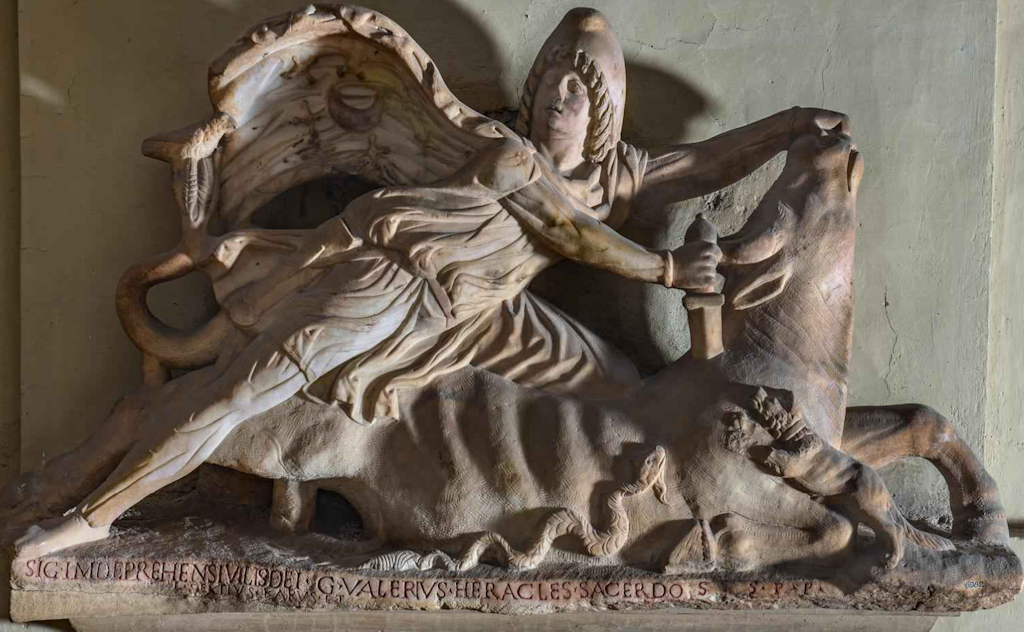
This sculpture of Mithras killing the bull was dedicated to the “incomprehensible god” by a certain priest called Gaius Valerius Heracles.
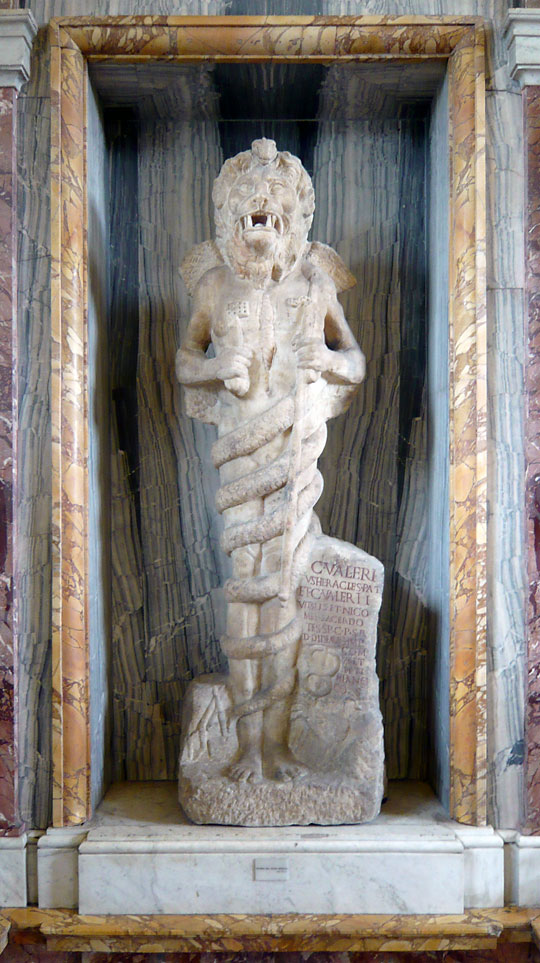
Marble leontocephalic Aion/Arimanus from the now-lost Fagan Mithraeum at Ostia, dedicated in AD 190 by three members of the local Mithraic priesthood.
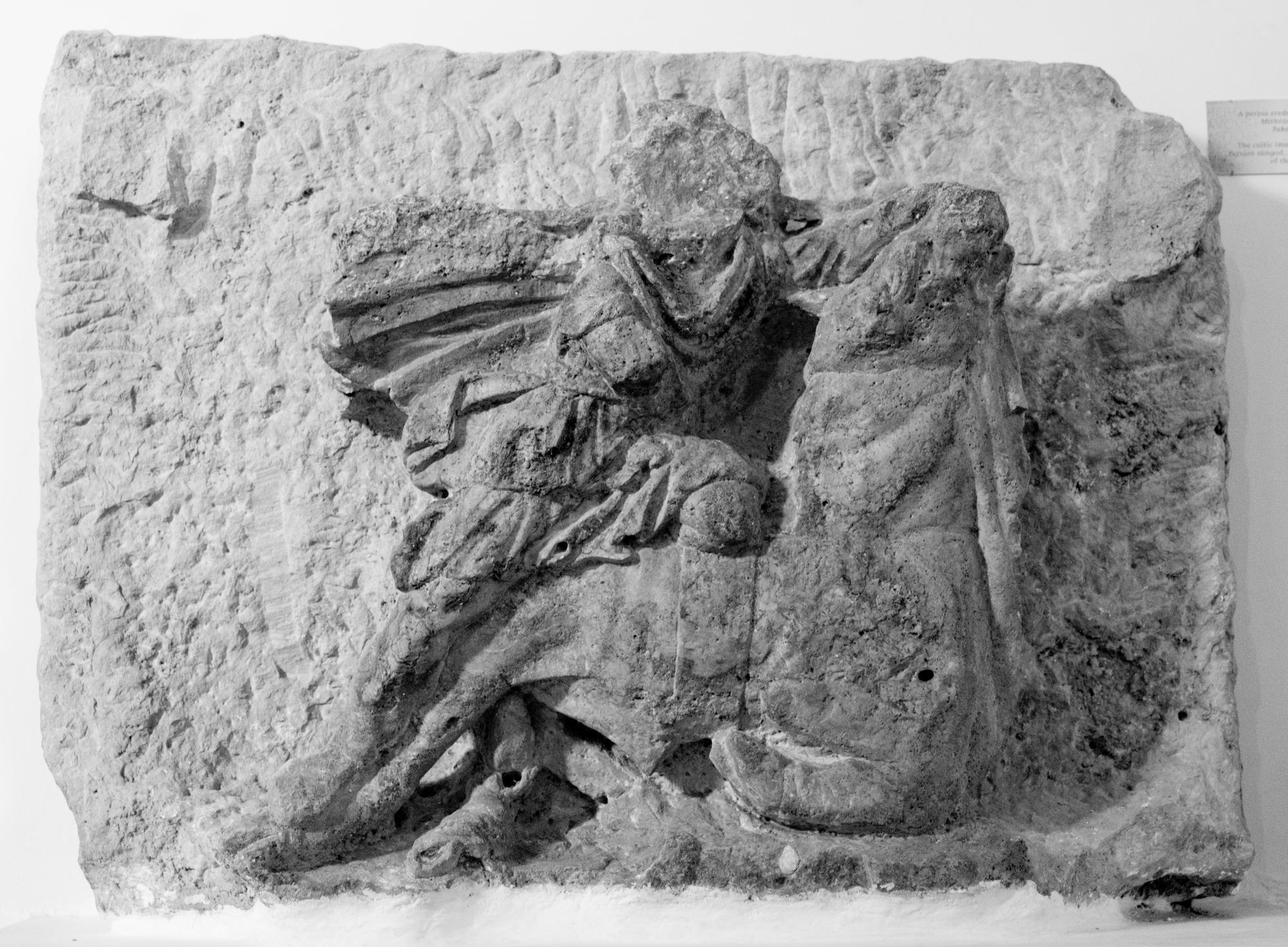
Relief showing Mithras slaying the bull, found at Paks in Roman Pannonia, modern-day Hungary.
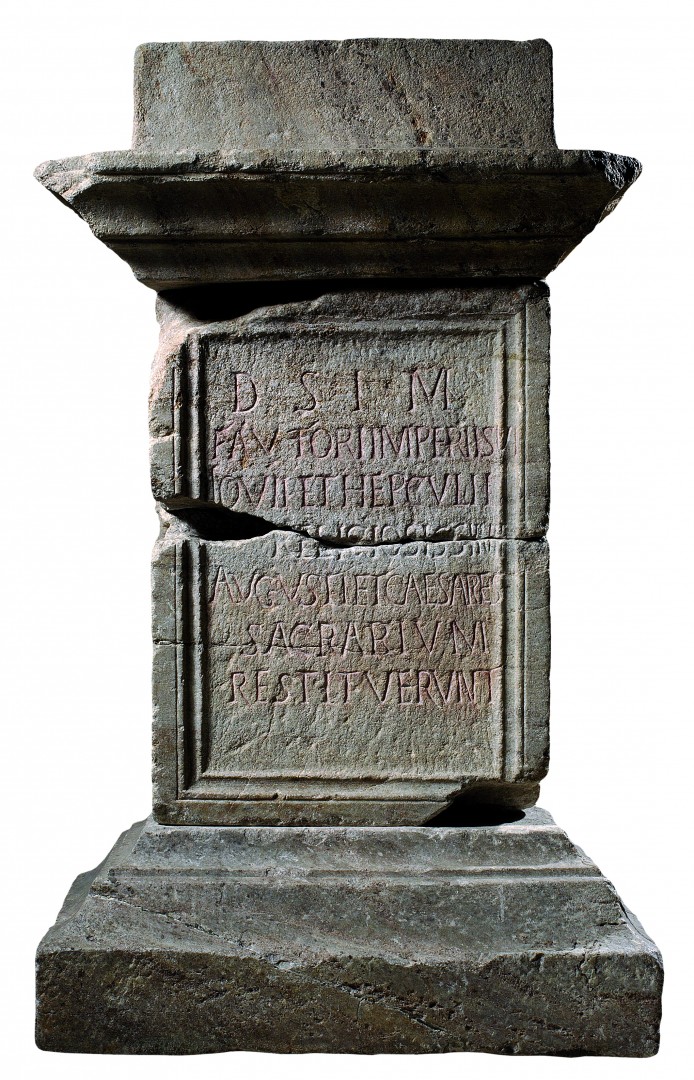
Altar with Cautes and Cautopates dedicated to Sol Invictus Mithras as protector of the Tetrarchy in 3rd-century Carnuntum.
