Your search Val di Non gave 2329 results.
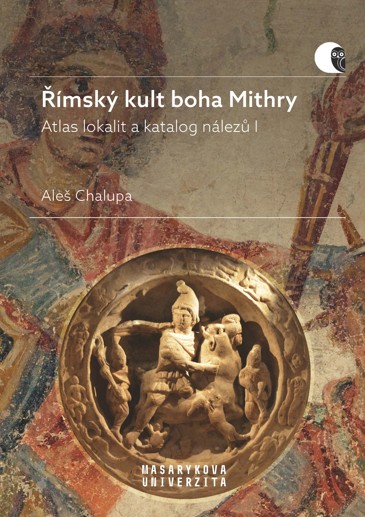
A comprehensive and critically updated catalogue of Mithraic sites, monuments and artefacts across the Roman world, incorporating both accepted and disputed evidence while reassessing decades of scholarship in light of recent research.
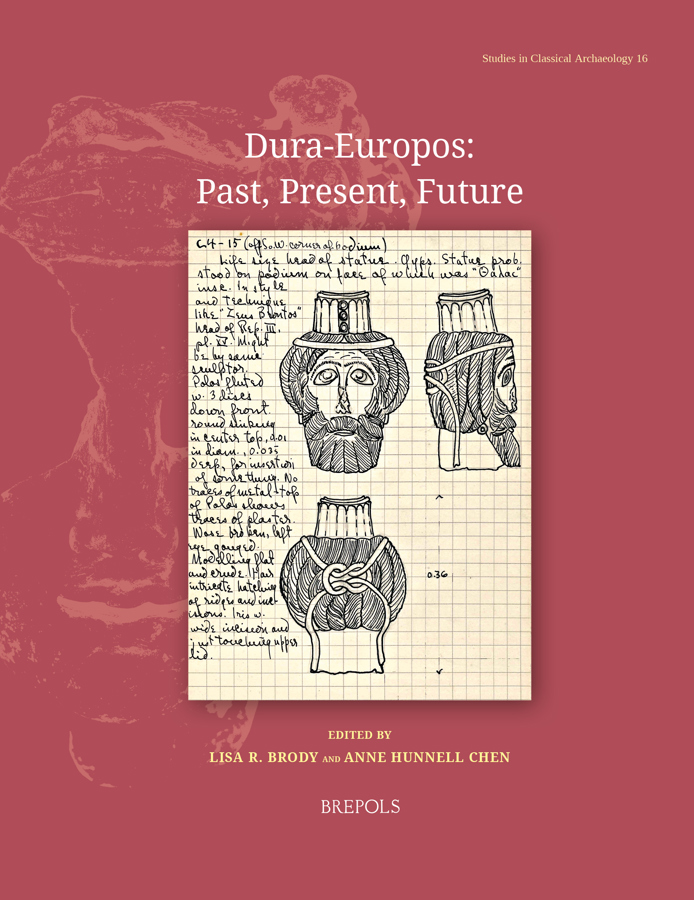
Proceedings from an international conference on the ancient city of Dura-Europos (Syria) held at Yale University in 2022, with papers that explore its cultural heritage through multidisciplinary research approaches.

Son of the Palmyrene archer commander Iarhiboles and dedicator of the 170–171 CE tauroctony relief from Dura-Europos.
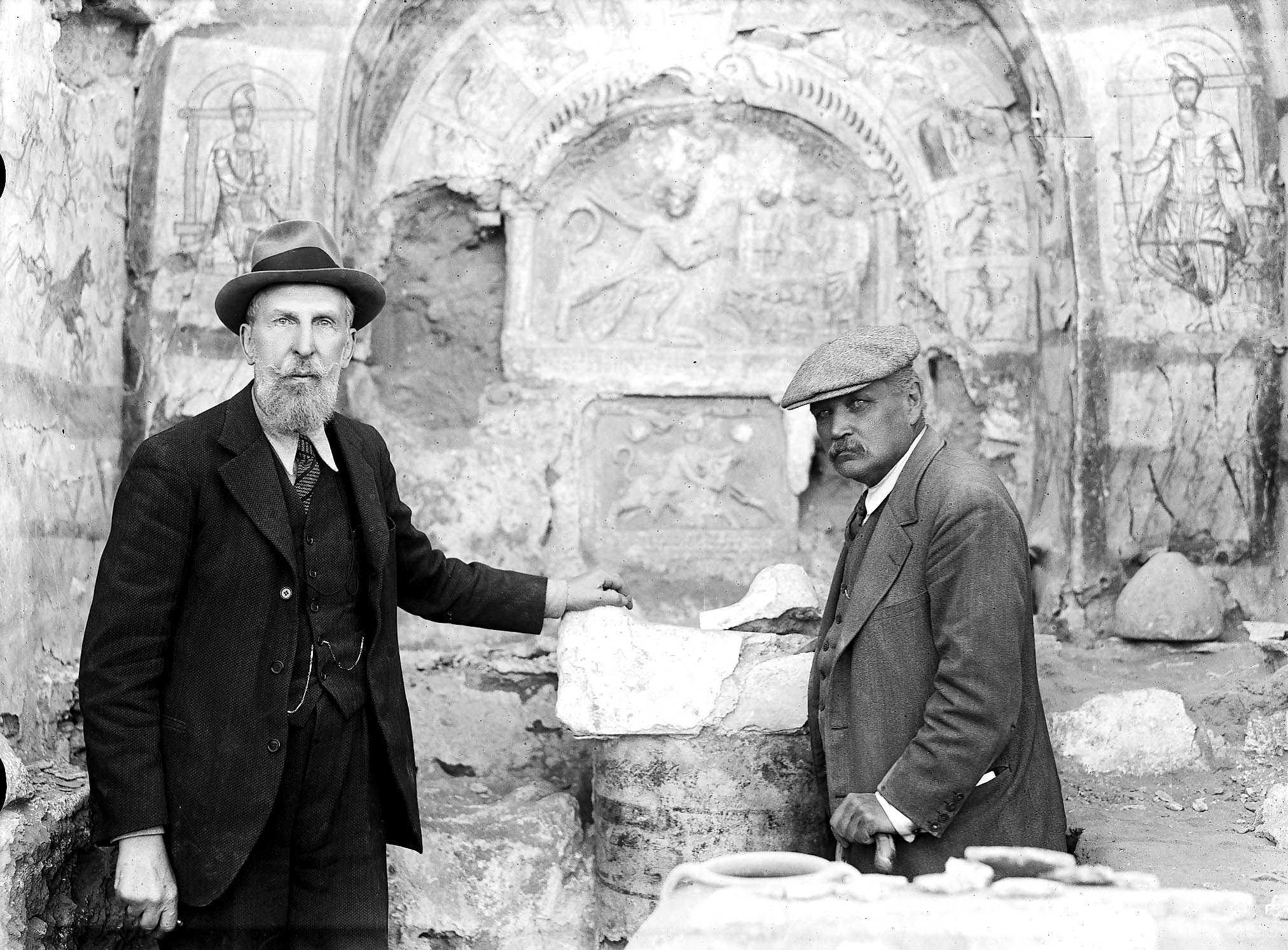
The most emblematic of the Syrian Mithraea was discovered in 1933 by a team led by the Russian historian Mikhaïl Rostovtzeff.
Roman senator, public augur and Mithraic pater attested among the aristocratic dedications associated with the Vatican Phrygianum in 376 CE.

Physician and Pater Patrum of the Mithraic community of Vieu, known from an altar dedicated by his son Gaius Rufius Virilis.
Known from an altar dedicated to his father Gaius Rufius Eutactus, Pater Patrum of the Mithraic community of Vieu.

Equestrian pater patrorum whose dedication to Cautes attests the involvement of Rome’s elite in Mithraism.
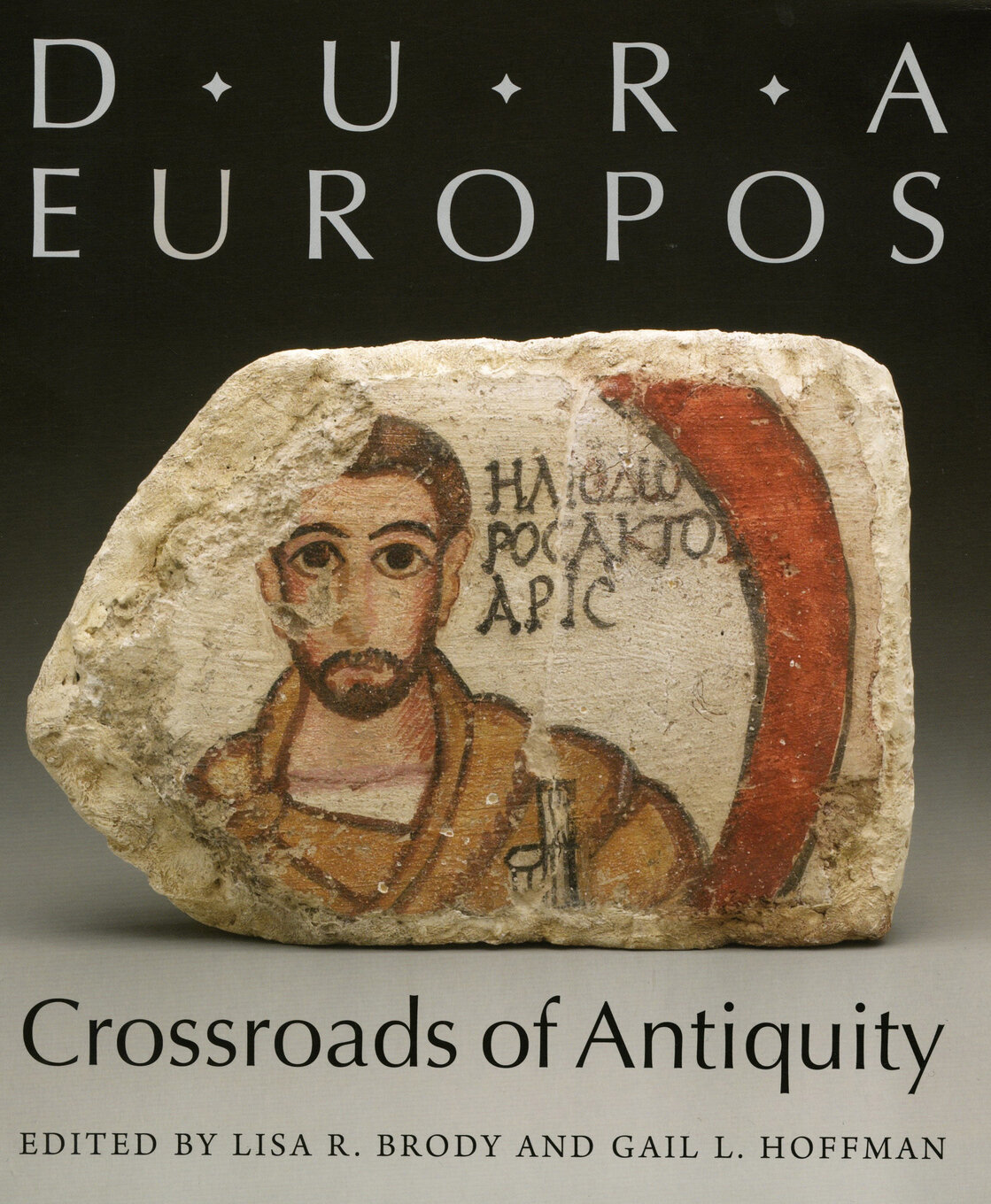
An interdisciplinary volume exploring the history, archaeology, and cultures of Dura-Europos from the Hellenistic to the Islamic period.
Pater who consecrated the Mithraeum of Gimmeldingen during the final phase of Mithraic worship in the Rhineland.
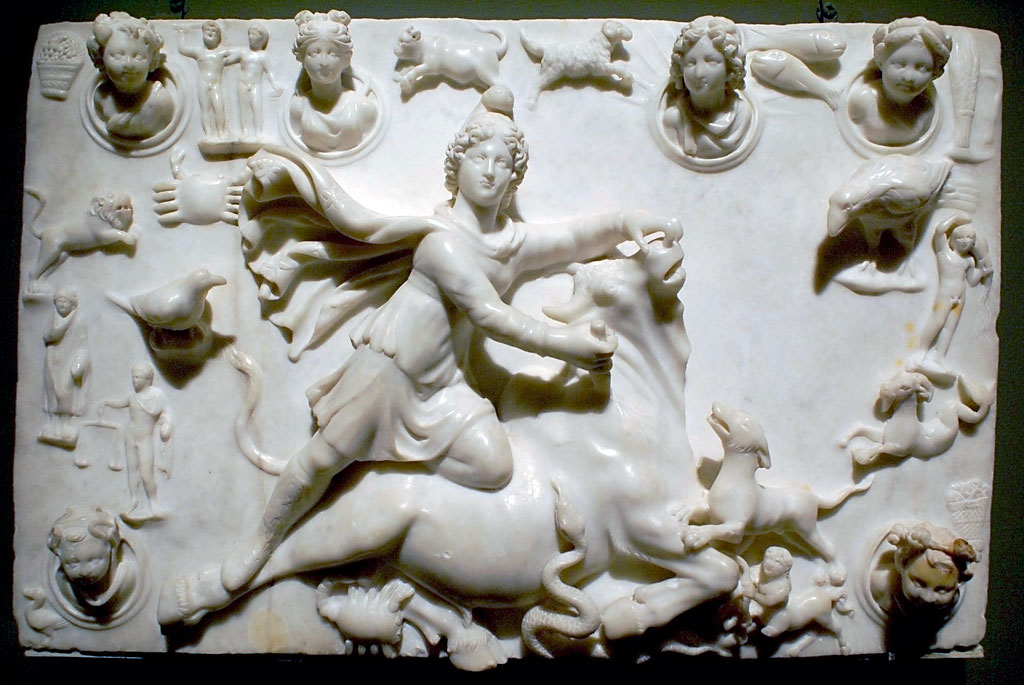
The tauroctony relief of Sidon depicts the signs of the zodiac and the four seasons, among other familiar features.
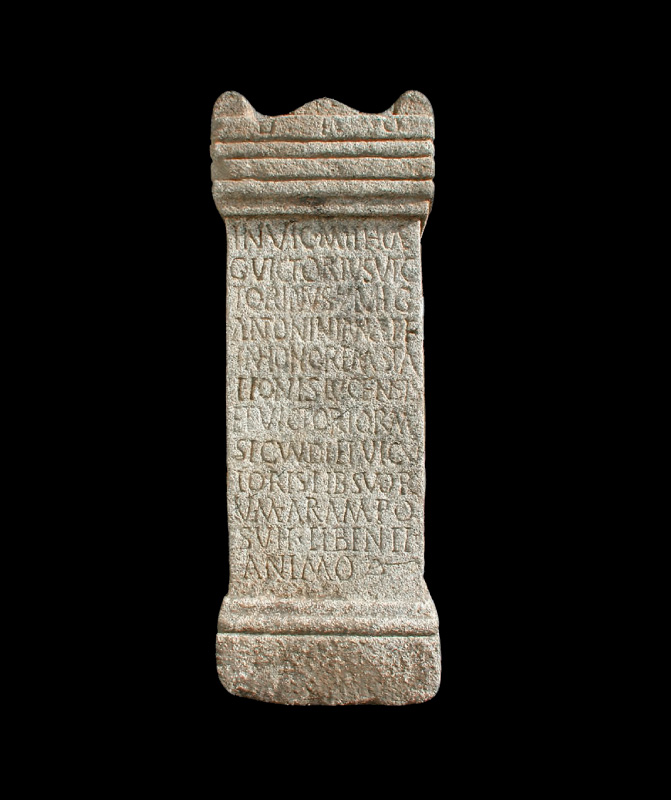
Victorius Victorious, centurion of the Legio VII, erected the altar in honour of the Lugo garrison and of the Victorius Secundus and Victor, his freedmen.
Imperial slave who, together with Successus, fulfilled a vow to Cautes, providing one of the earliest possible attestations of Mithraic worship in Hispania.
.jpg)
The controversial Italian journalist Edmon Durighello discovered this marble statue of a young naked Aion in 1887.
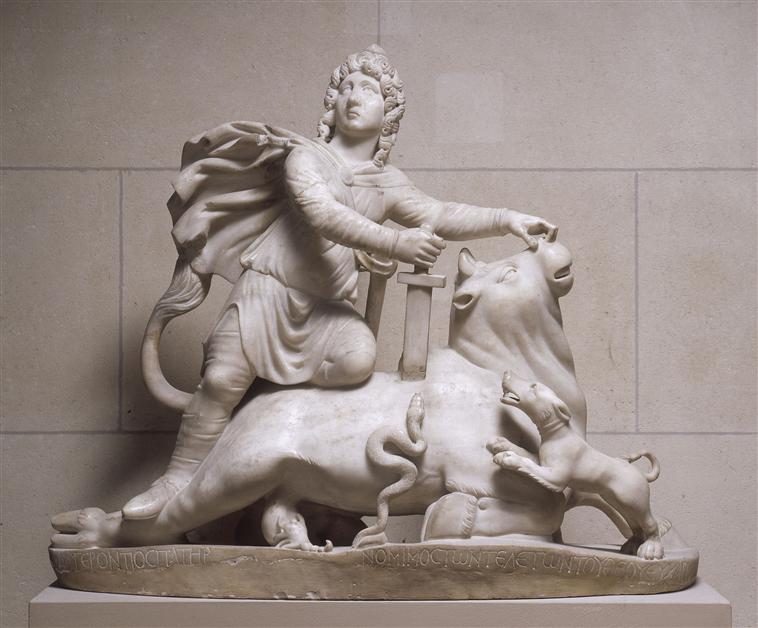
The Mithras killing the bull sculpture from Sidon, currently Lebanon.
Pater nominos in Sidon, he consecrated a number of sculptures, including a Hecataion.

Lifelong pater of Mithras in Anazarbus, holding the civic title Father of the Homeland.
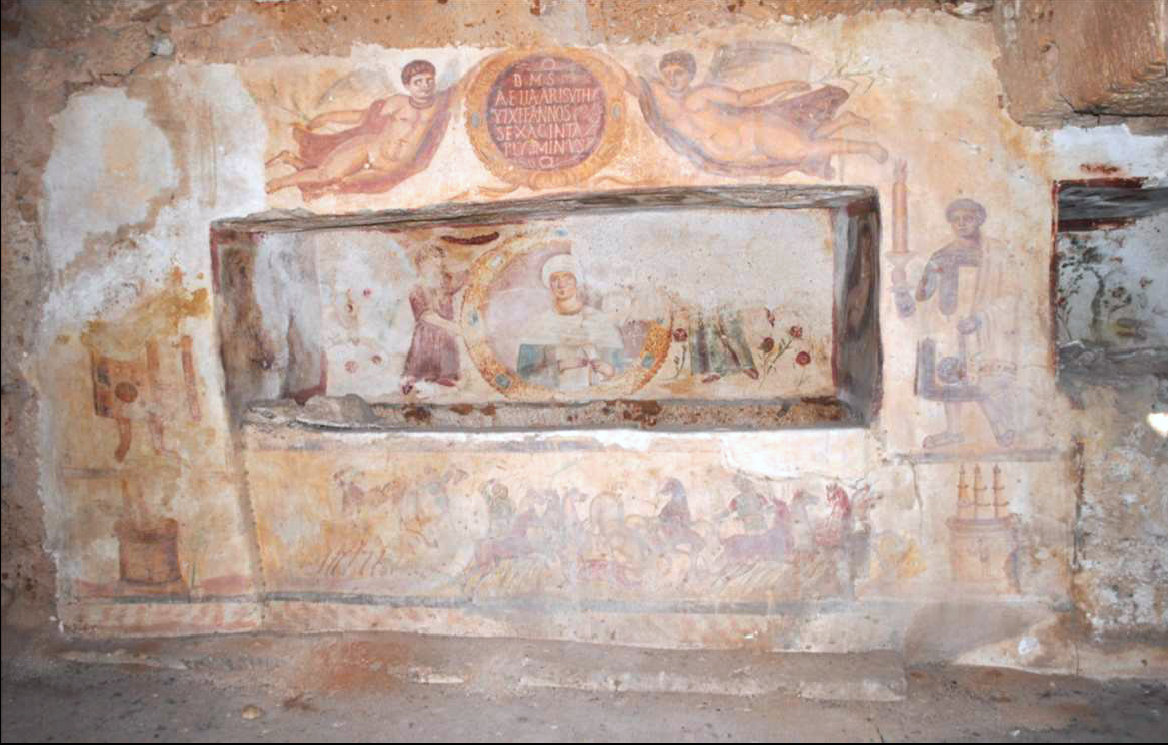
The Mithraic nature of the frescoes of Oea, according to the scholars Cumont and Vermaseren, is now questioned.
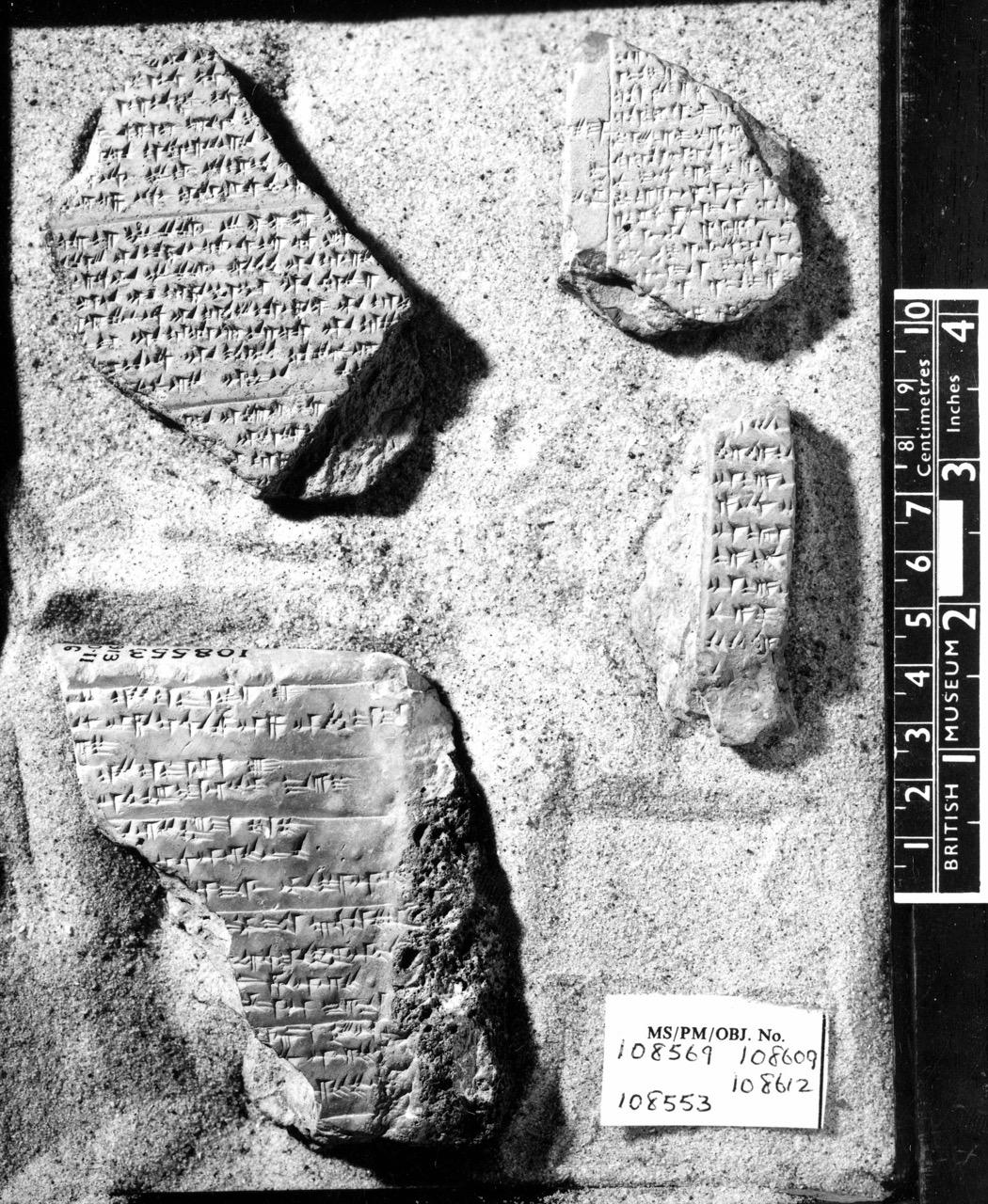
Late Bronze Age treaty from Ḫattuša invoking Mitra, Varuna, Indra and the Nāsatyas among the divine witnesses of the Hittite-Mitanni oath.

Hattusa, also Hattuşa, Ḫattuša, Hattusas, or Hattusha, was the capital of the Hittite Empire in the late Bronze Age during two distinct periods.
