Your search Val di Non gave 2329 results.

Dedicator of a rare altar jointly honouring Mithras and Silvanus at Emona, whose ambiguous name has fuelled debate over whether the dedicant was a man or a woman.
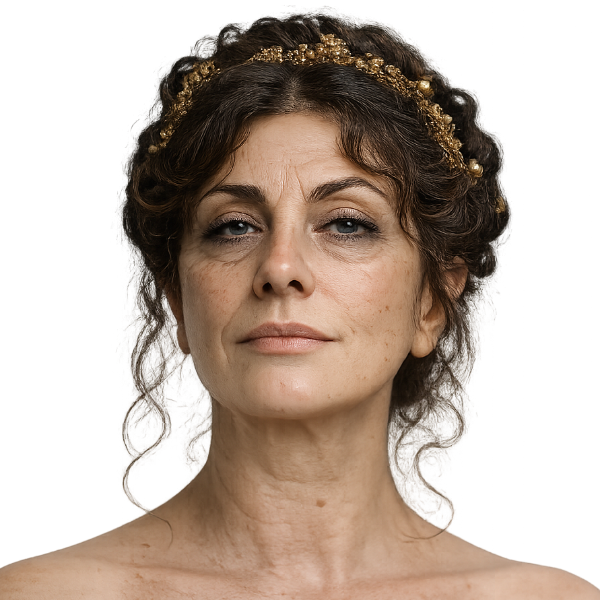
Junia Zosime is known from an inscription discovered at Ostia recording the donation of a silver statue of the Virtus of the dendrophori.

Rural slave devoted to Mithras on an estate near Valentia during the later second century CE.

Garlic merchant and devotee of Cautes whose dedication at Can Modolell reflects the integration of Mithraic worship into the commercial life of Roman Tarraconensis.

Known from a dedication to Dominus Invictus in Malaca, he may represent an early and uncertain witness to Mithraism in Baetica.

Recipient of a votive dedication invoking the healing protection of Deus Invictus in the Mithraic community of Emerita Augusta.

A slave of a certain Flavius Baeticus, Quintio dedicated an altar to the health of a companion.

Gaius dedicated an altar to the god Invictus in Emerita Augusta in the 2nd century.
BSc Econ in Political Science and Intelligence Studies, born in Warsaw, PL, Researcher of Cults and Mysteries, a practicing Heathen since the age of 12.

My research explores the emergent area of Digital Civics. I formulated the first definition, critical underpinning, and pedagogical model for this concept.
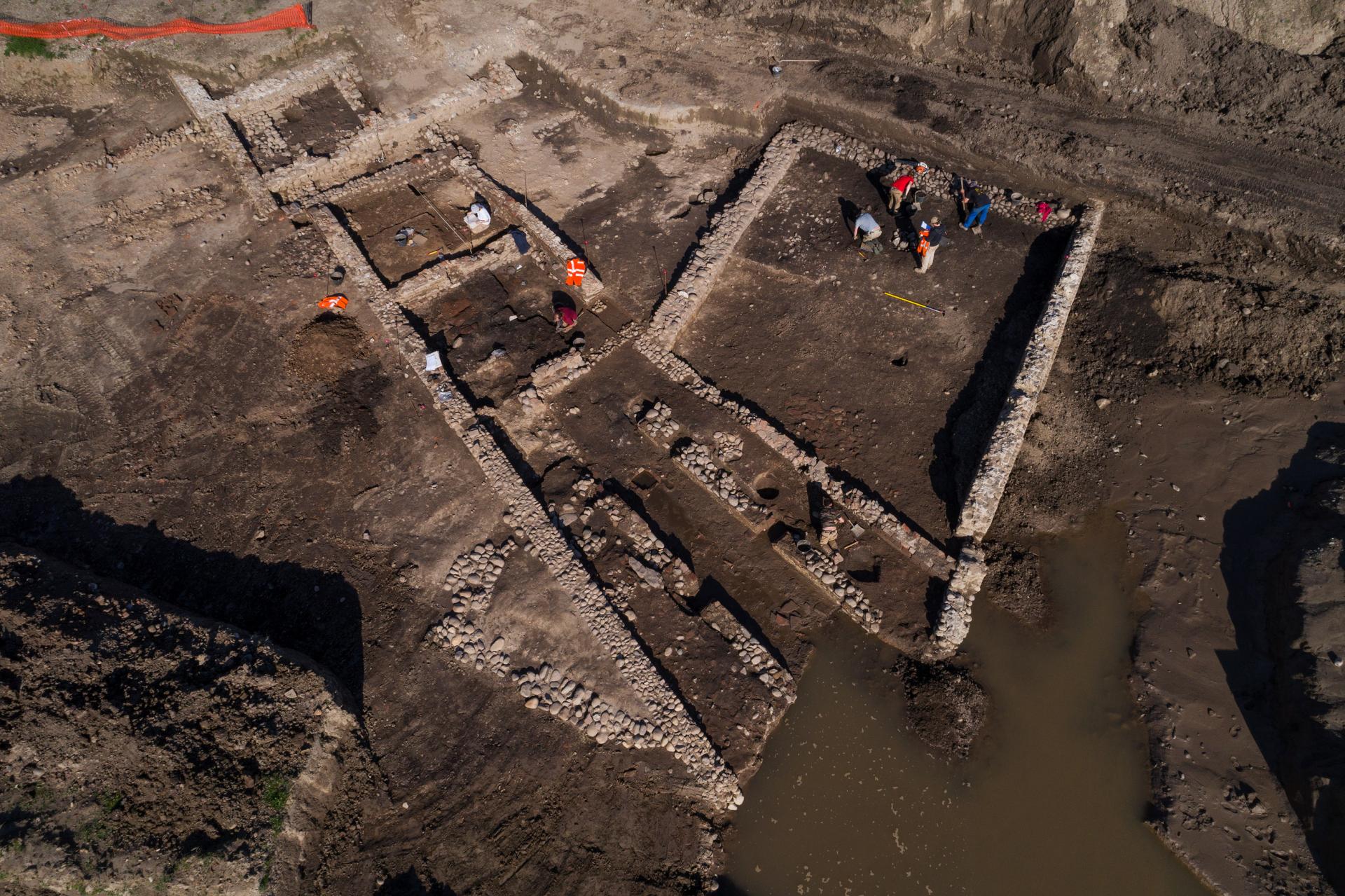
For the first time, a Mithraeum has been discovered in Corsica, at the site of Mariana, Lucciana (Haute-Corse).

Centurion of Legio VII Gemina Antoniniana who dedicated an altar to Mithras at Locus, honouring his freedmen Victorius Secundus and Victorius Victor.

One of the freedmen of Gaius Victorius Victorinus named in the dedication of the Mithraeum of Lugo.

An inscription from Asturica (modern Astorga) recording a dedication to Jupiter Optimus Maximus, Sol Invictus and Liber Pater by Q. Mamilius Capitolinus, juridical legate and later prefect of the Treasury of Saturn, for the welfare of himself and his family…

One of the freedmen of Gaius Victorius Victorinus named in the dedication of the Mithraeum of Lugo.

Sextus Pompeius Maximus was an Ostian pater, later honoured as pater patrum, whose benefactions transformed the Aldobrandini Mithraeum and linked him to the city’s ferry guilds.
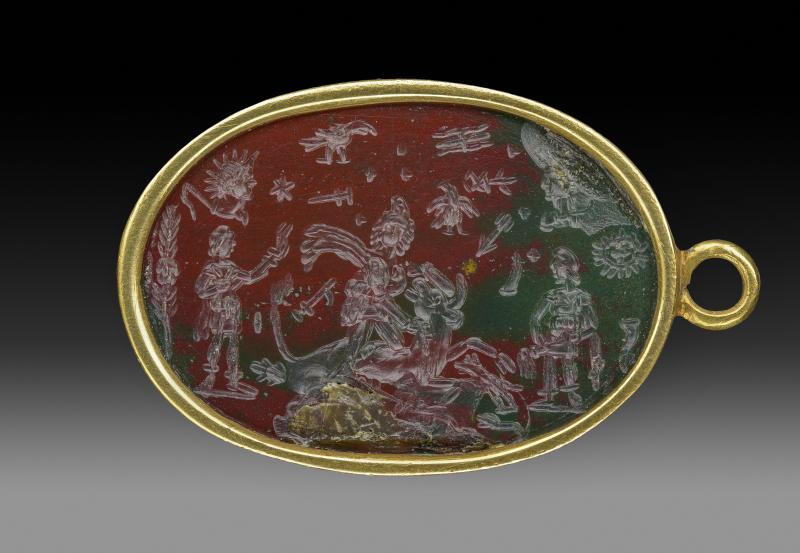
This intaglio portrays Mithra slaying the bull on one side, and a lion with a bee, around seven stars, and inscription, on the other.

Leading member of the Ostian Mithraic community, holder of the titles pater, sacerdos and antistes.

Pater of the Mithraeum of Lucretius Menander at Ostia, honoured by a dedication from Diocles in the late second or early third century CE.

Honoratus of the dendrophori of Ostia who dedicated a statue of Terra Mater in AD 142.
