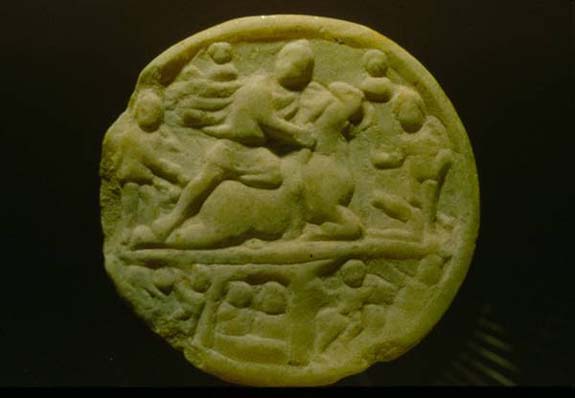
The small medallion depicts three scenes from the life of Mithras, including the Tauroctony. It may come from the Danube area.
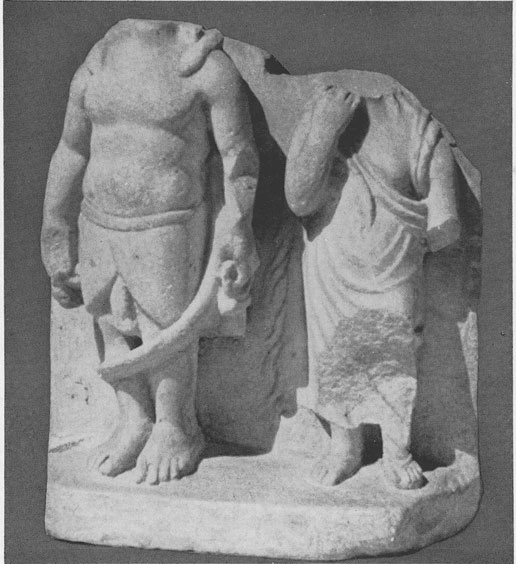
Marble relief, probably found in Rome during the construction of the Palazzo Primoli along the Via Zanardelli.
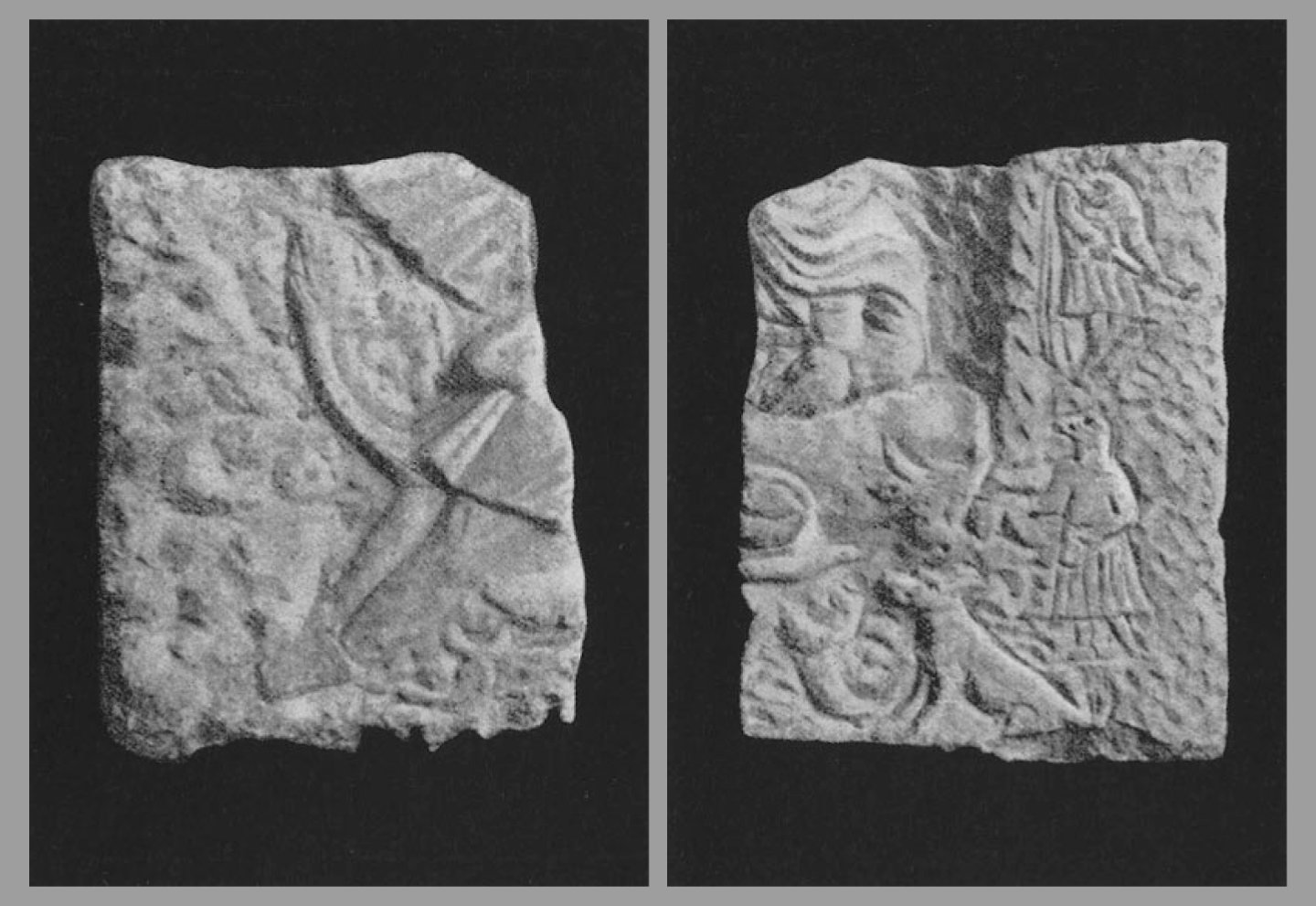
This fragment of a double relief shows a tauroctony on one side and the sacred meal, including a serving Corax, on the other.
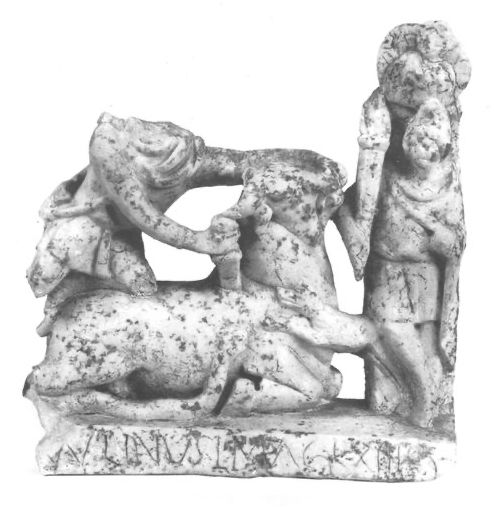
This relief of Mithras killing the bull was dedicated by the bearer of the imperial standard of Legio XIII Gemina, Marcus Ulpius Linus.
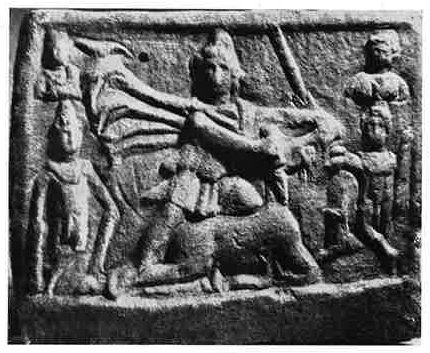
This marble relief depicting Mithras as a bull-slayer was once owned by Major Holzhausen and Franz Cumont and is now housed at the Belgian Academy.
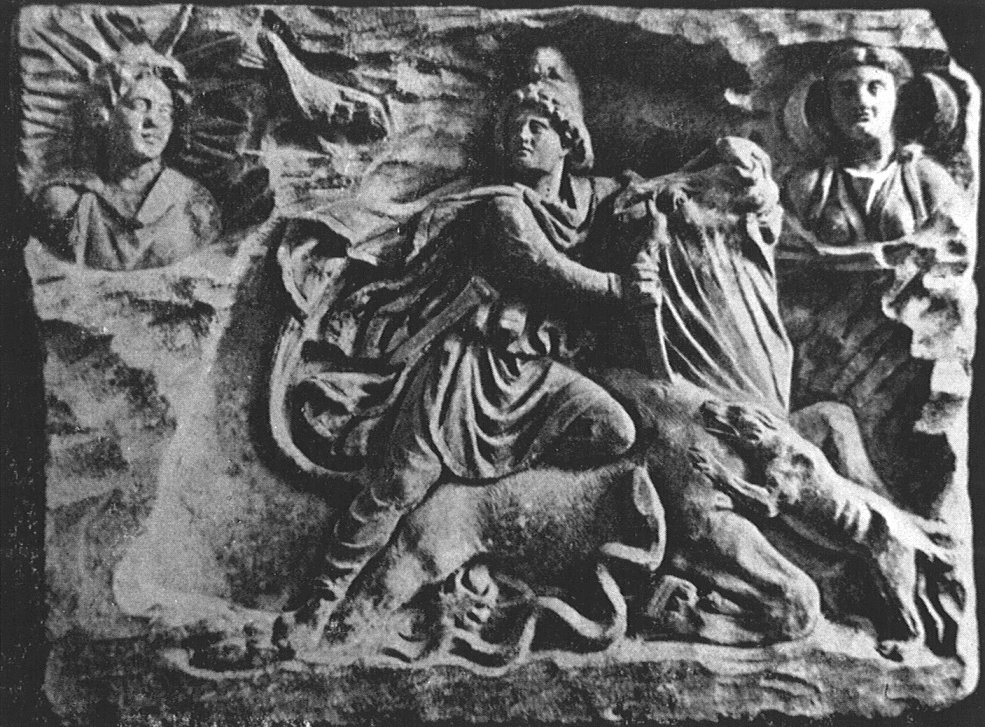
This marble relief depicting Mithras as a bull slayer was found in the back room of the Mithraeum of the Circus Maximus.

This marble relief depicting Mithras killing the bull, found at Porto d’Anzio in 1699 and now lost, is known from a engraving by del Torre.

Fragments of a marble relief of Sol, which probably served as a fenster.
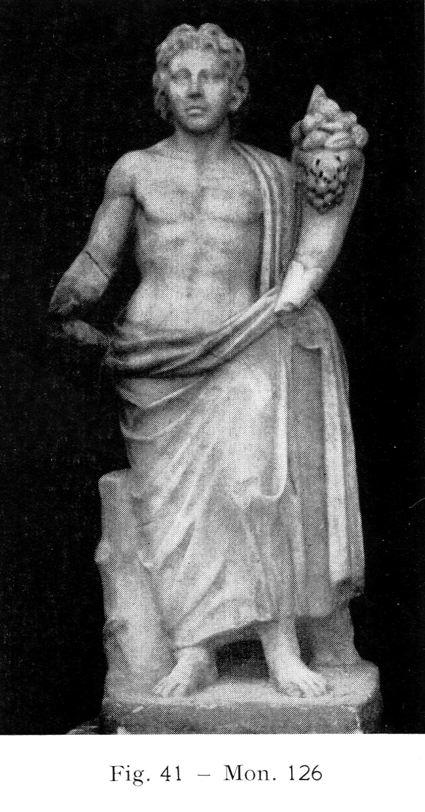
The statue of Skikda has seven holes in his hair for fastening rays.
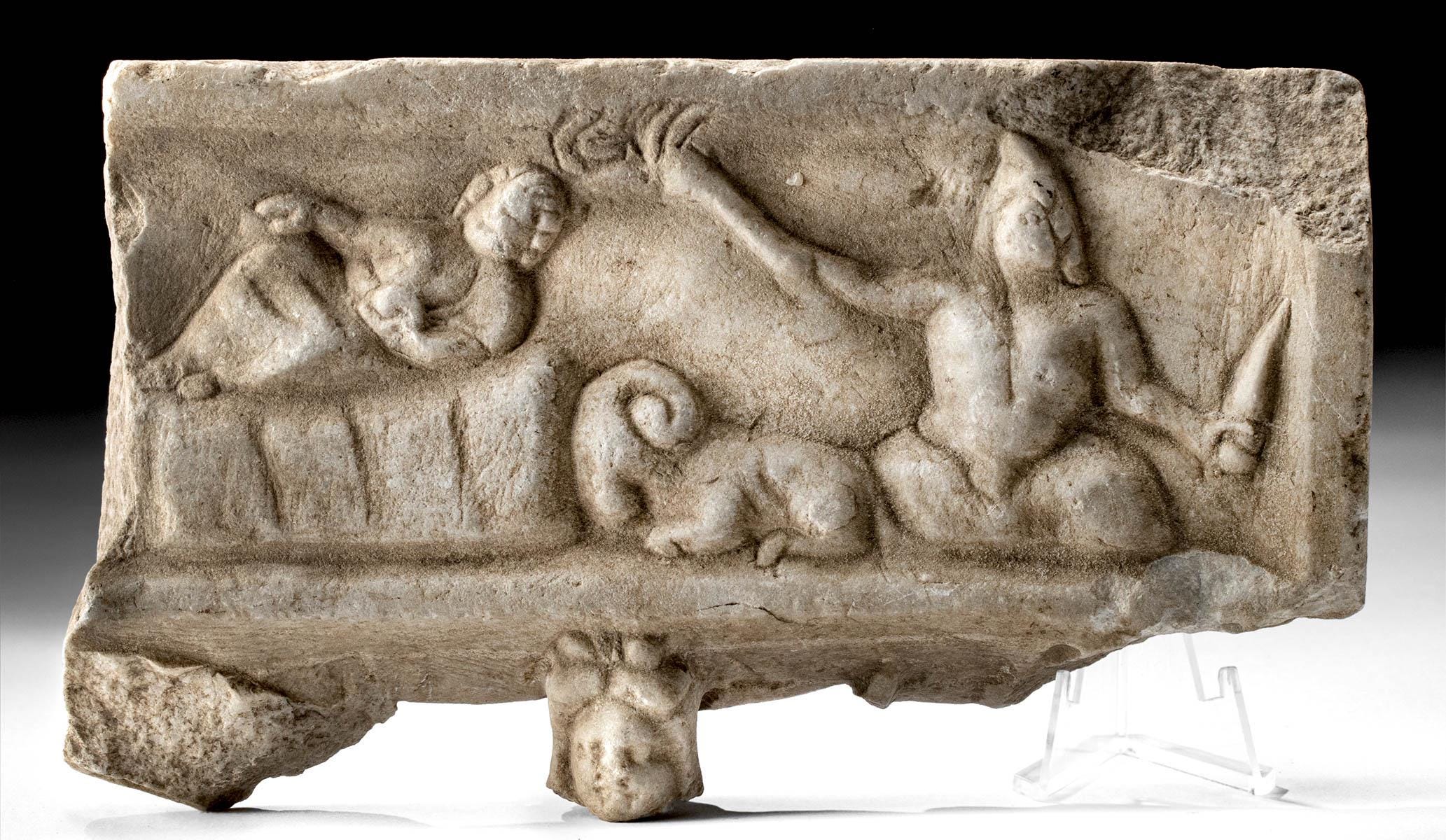
Mithras emerging from the rock with torch and dagger beside a reclining Oceanus or Saturn.
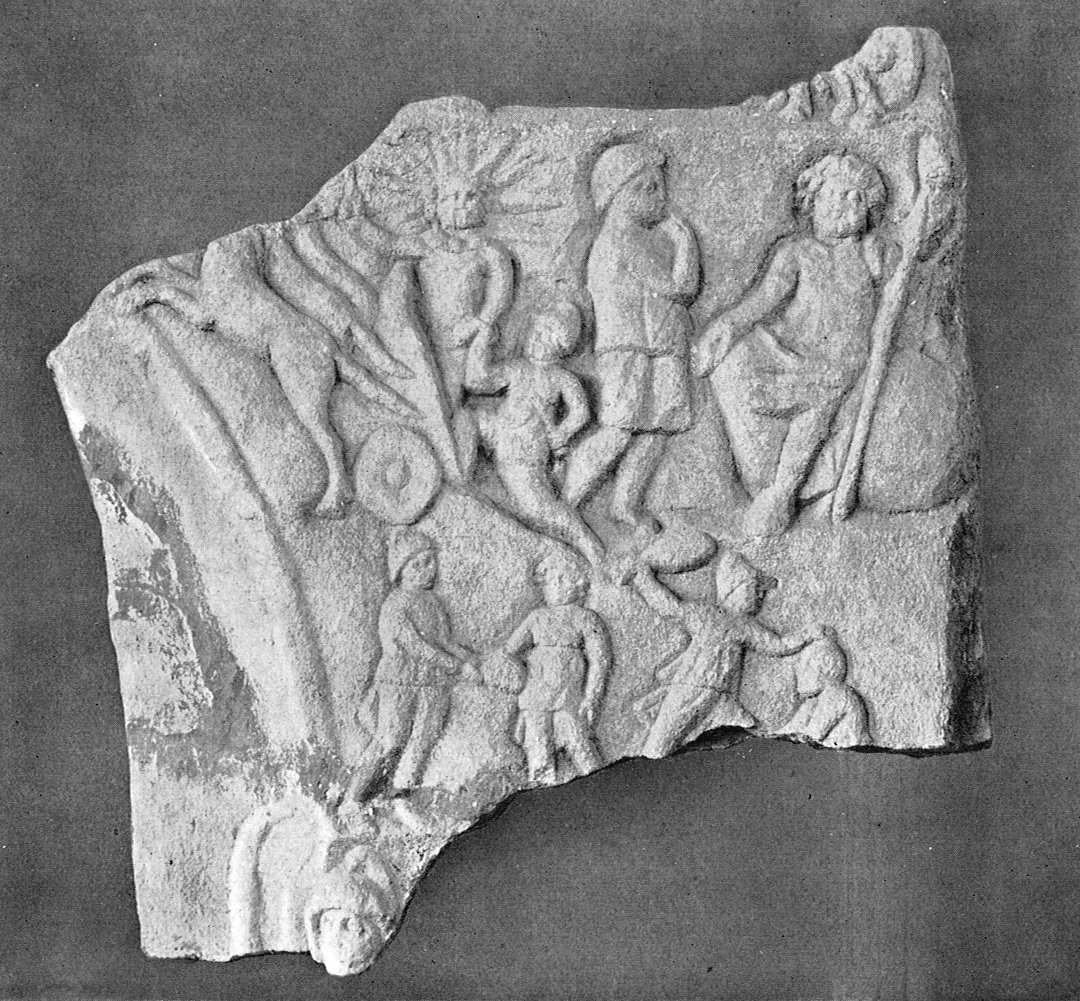
Several Mithraic scenes, including Mithras with Saturn, Mithras with Sol and Mithras' Ascension, are depicted on this fragment of a relief from Ptuj.
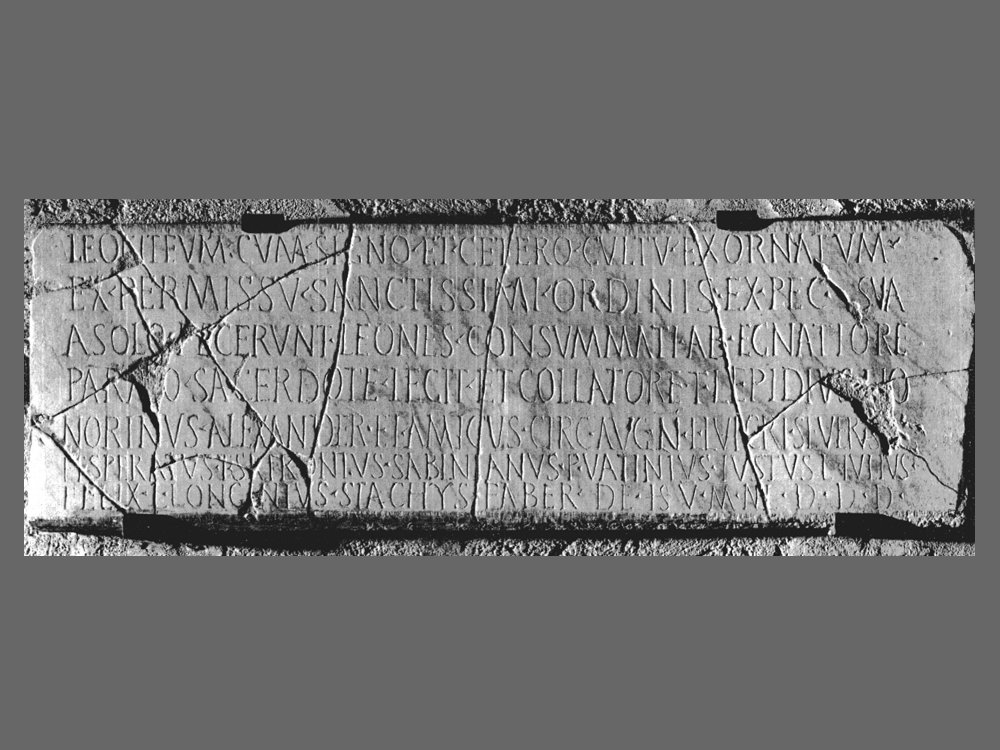
This plaque from Carsulae, in Umbria, refers to the creation of a leonteum erected by the lions at their own expense.
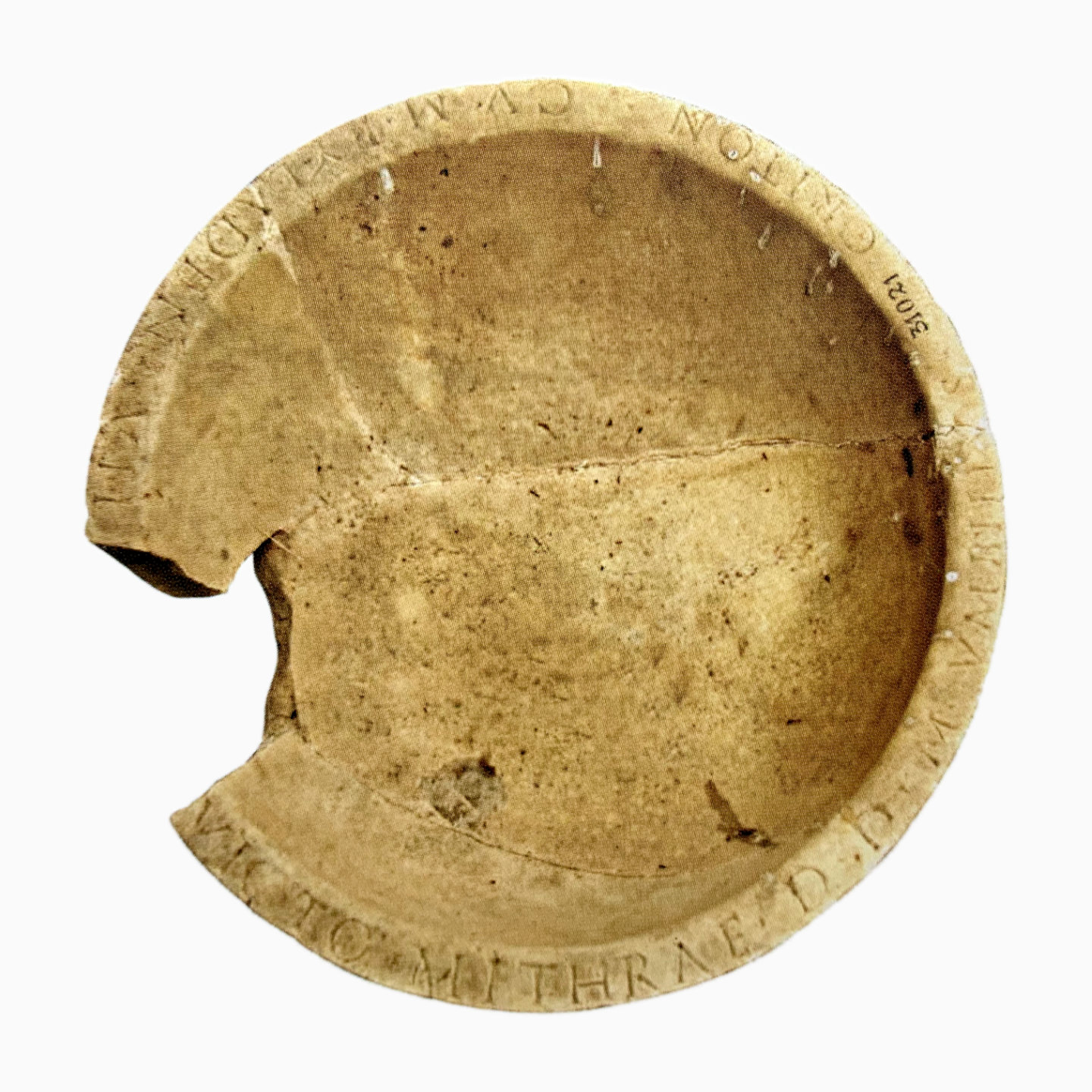
This marble basin found in the Mithraeum of the Footprint bears an inscription of a certain Umbilius Criton, associated with a monumental tauroctonic sculpture also found in Ostia.
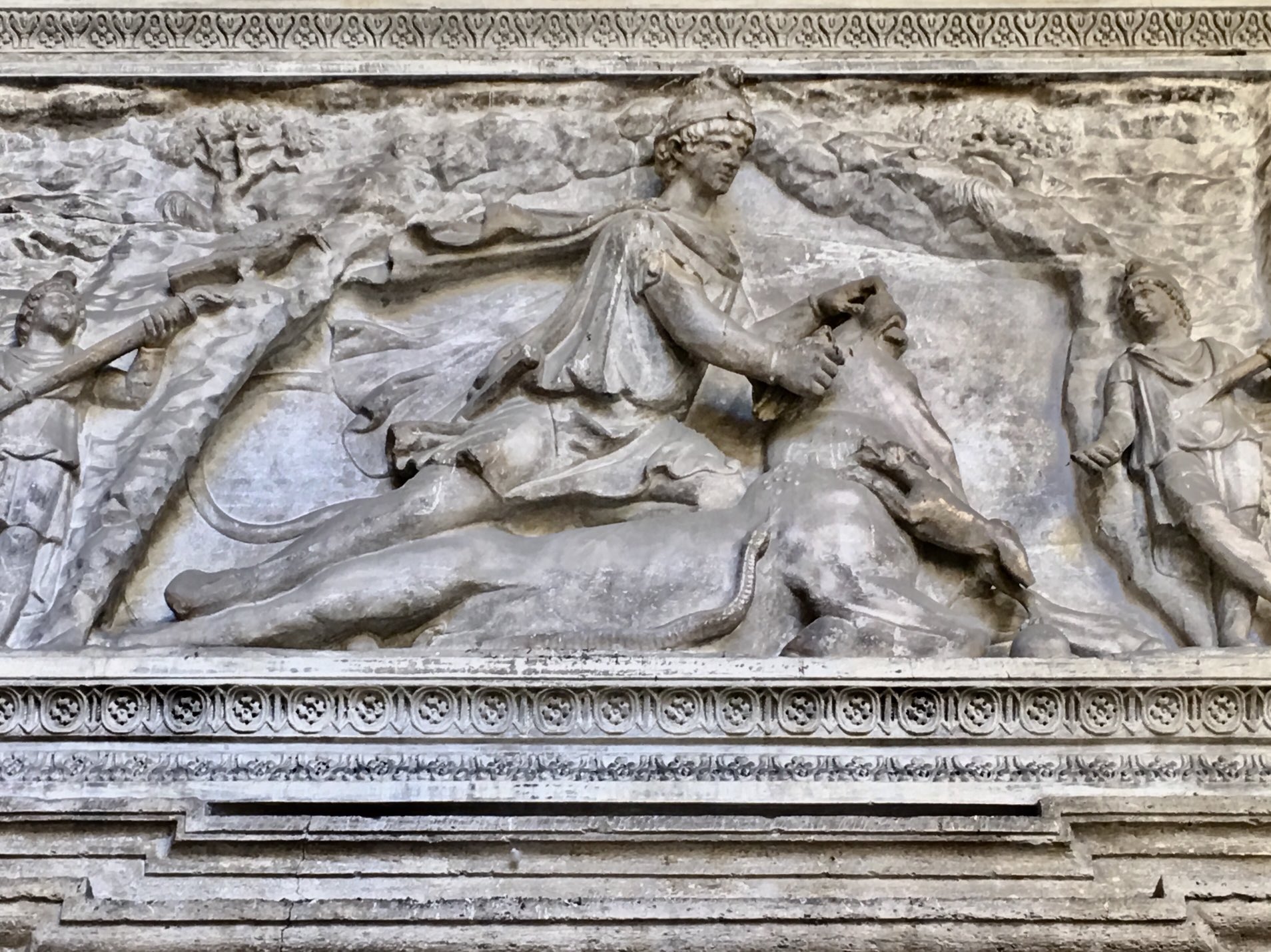
This relief of Mithras as a bullkiller, probably found in Rome, has been part of the Palazzo Mattei collection since at least the end of the 18th century.
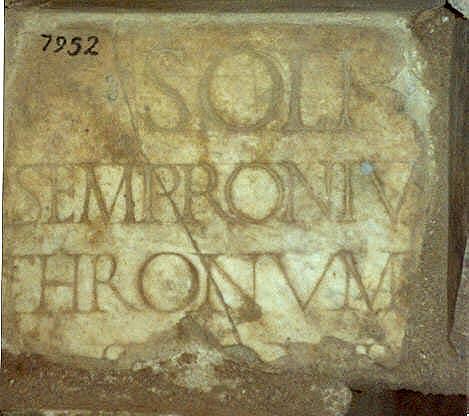
Slab marble indicates that Lucius Sempronius has donated a throne to the Mitreo delle Pareti Dipinte.
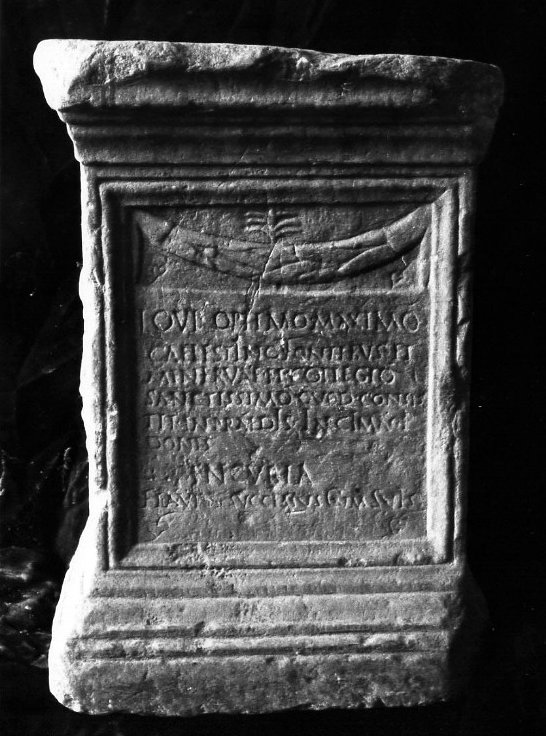
According to the inscription on it, this altar probably supported a statue of Jupiter.
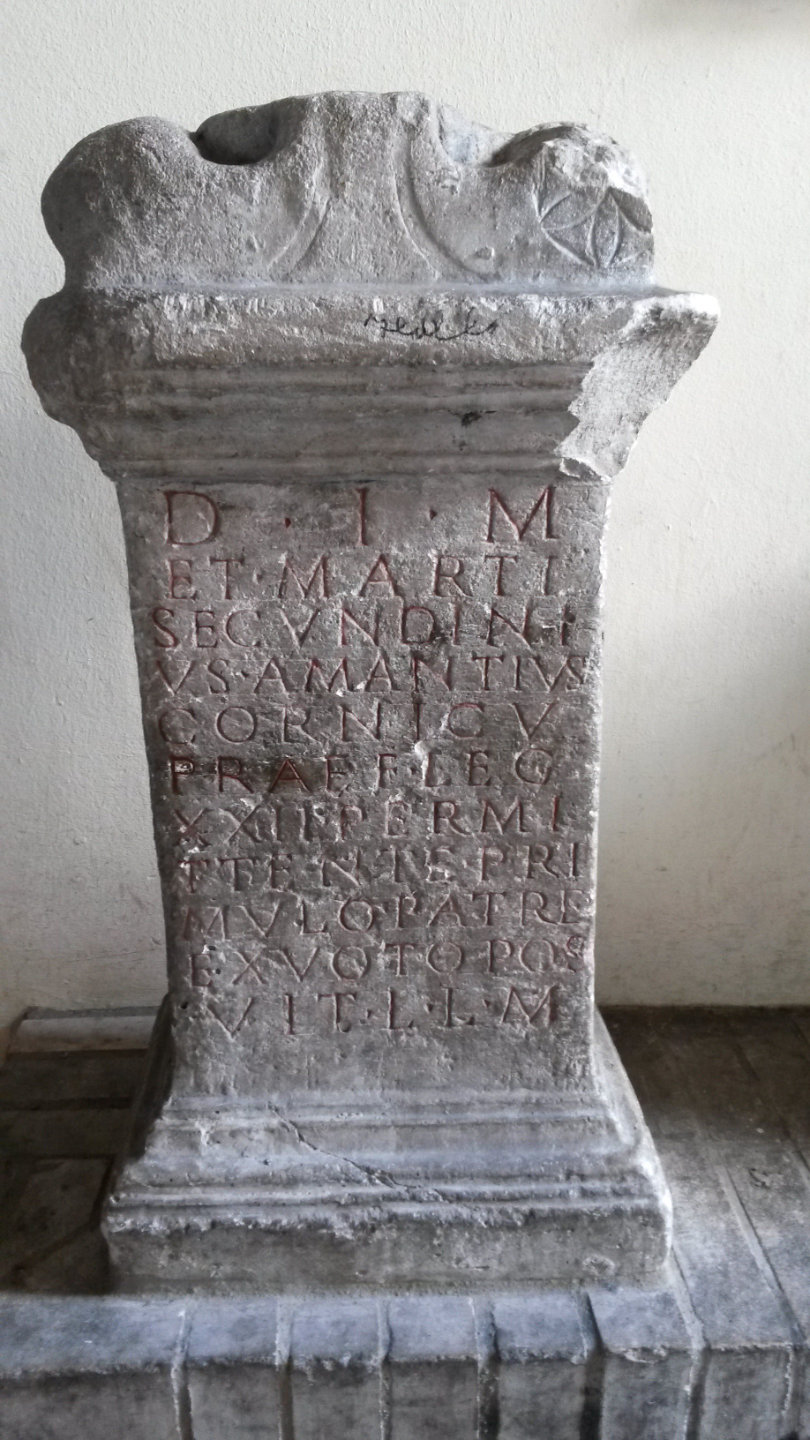
This altar has been unusually dedicated to both gods Mithras and Mars at Mogontiacum, present-day Mainz.

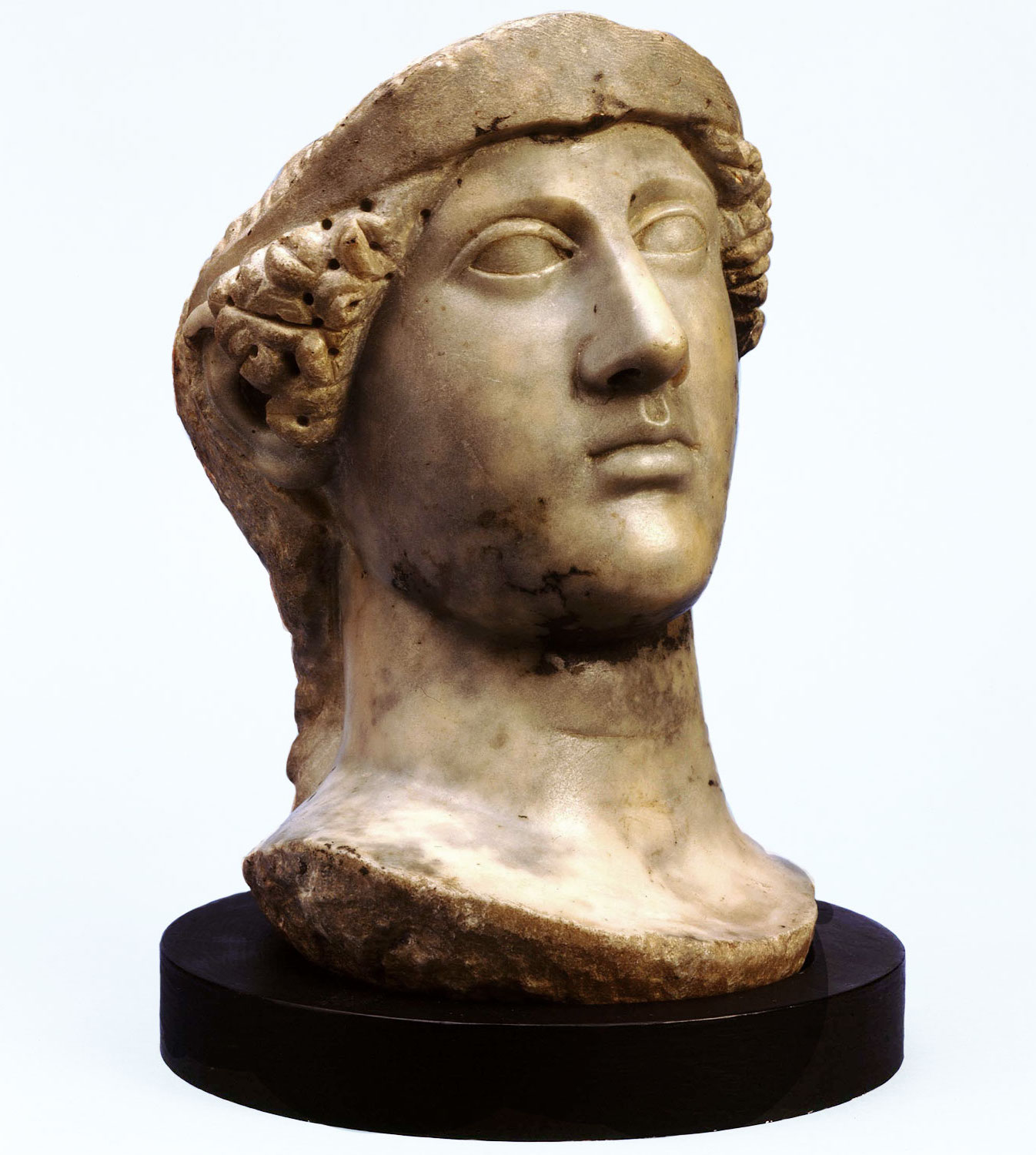
This head was found at the east end of temple of Mithras in London.
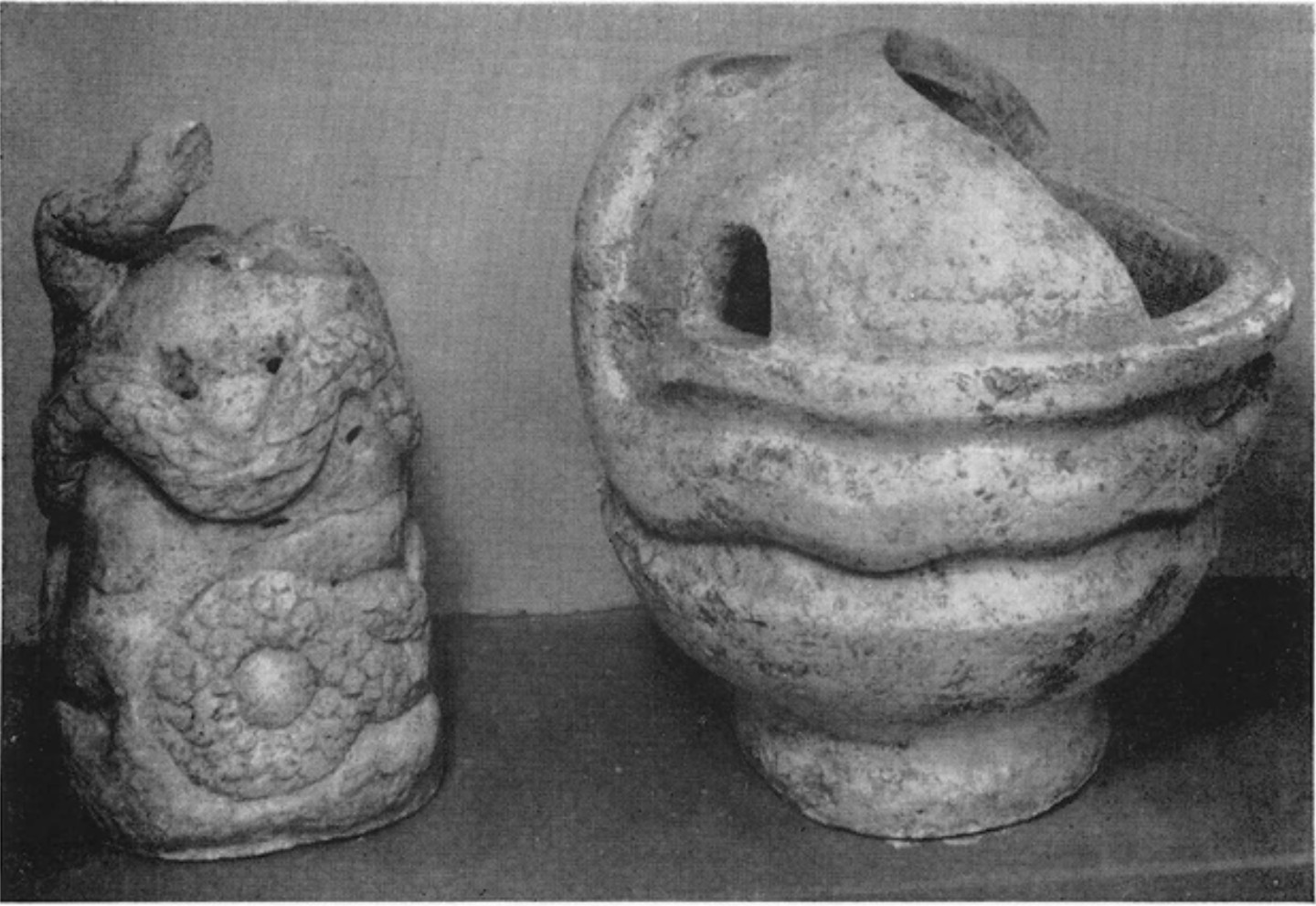
Both objects have a snake winding itself around them.
