
This gemstone depicting Mithras killing the bull, preserved in the Ploiești Museum, originated from Prahova County or south of the Danube area.

The large number of monuments found at the Mithraeum of Sarmizegetusa and the sheer size of the temple are unusual.
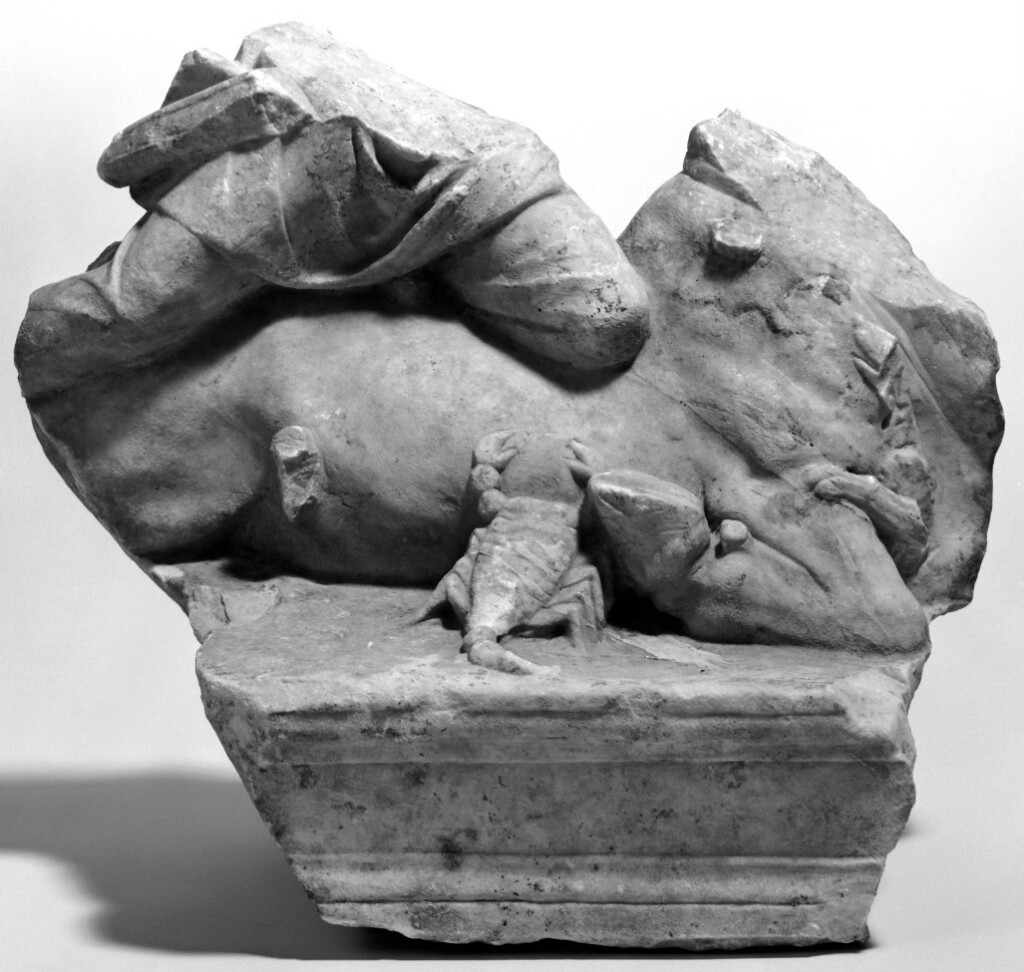
This fragmentary scupture of Mithras killing the bull belongs to the Getty Museum, Los Angeles, USA.
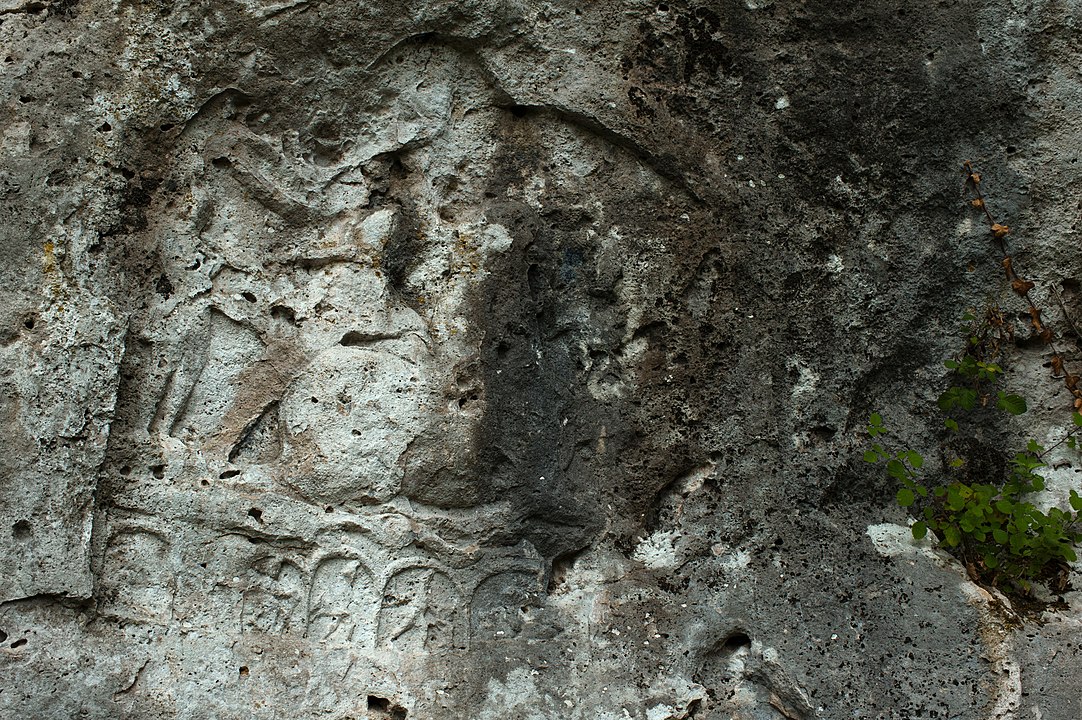
The Mithraeum of Thermes in Greece was discovered in 1915 by Bogdan Filov.

The relief of Palazzo Colonna, Rome, depicts a lion-headed figure holding a burning torch in his outstretched hands.

This is the first known inscription that includes Phanes alongside Mithras found in a Mithraic context.

The remains of the Mithraeum of Aosta, also known as the Mitreo di Augusta Praetoria, were discovered in 1953 in insula 59, in a commercial district of the ancient city.
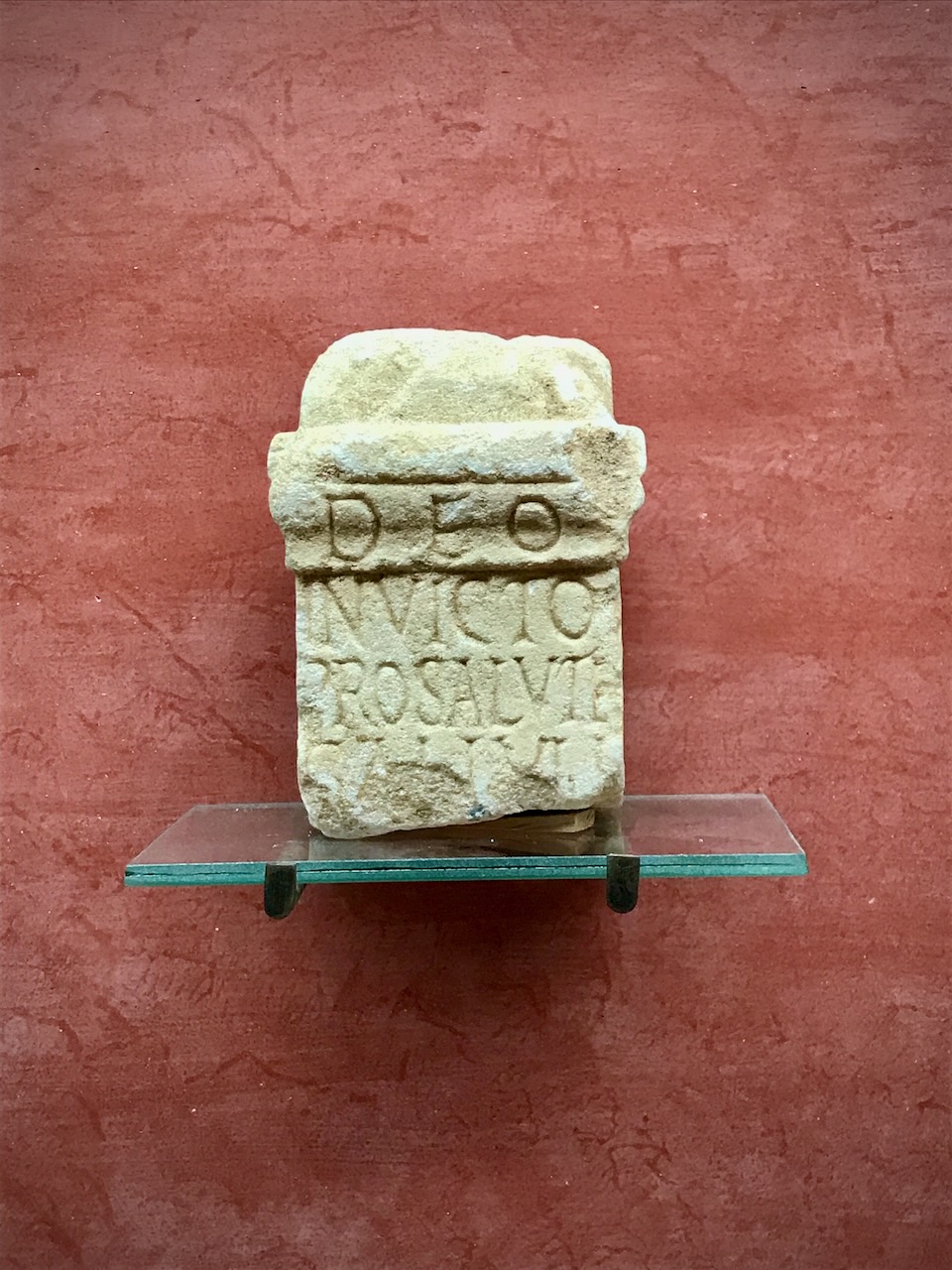
The small Mithraic altar found at Cerro de San Albin, Merida, bears an inscription to the health of a certain Caius Iulius.

Found in Illmitz, Austria, in 1959, this altar was dedicated to the unconquered god Mithras by a certain Aelius Valerianus.
This limestone altar to Sol Invictus Mithra was found at Turda in 1905.
This is the second altar found in Ceanu Mic to date, dedicated to an Invictus being.
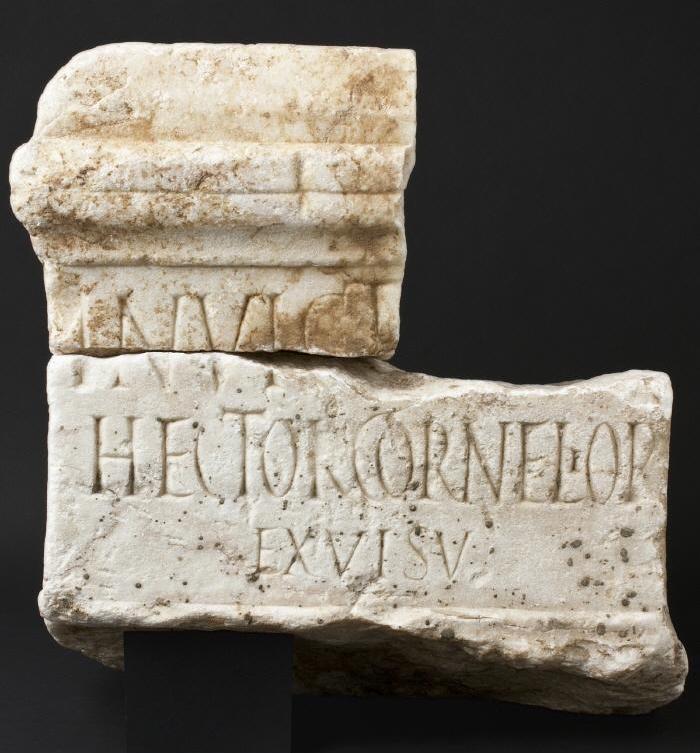
This fragmented altar was found in two pieces that Ana Osorio Calvo has recently brought together.
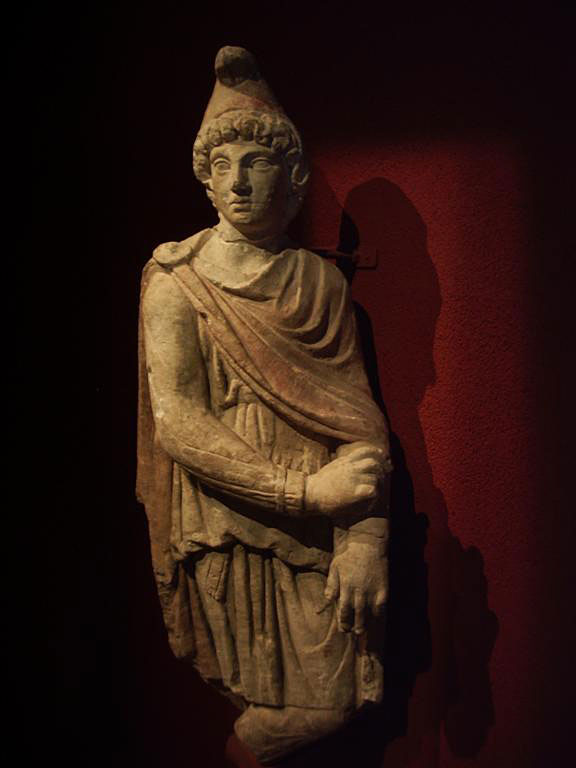
The Cautopates of Bordeaux stands as usual with his legs crossed and arms down.
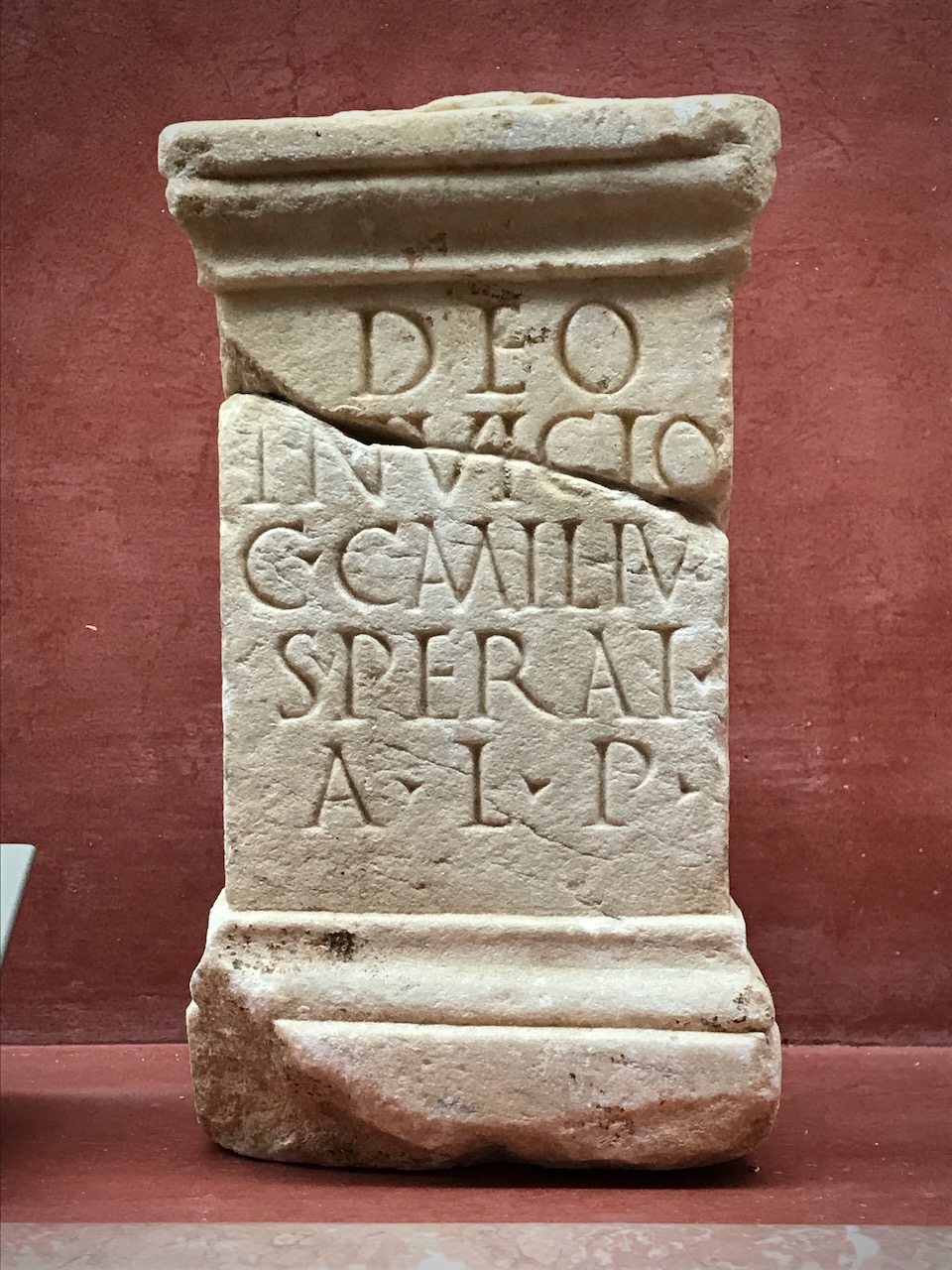
Small white marble altar made in honour of Mithras found at San Albín, Mérida.
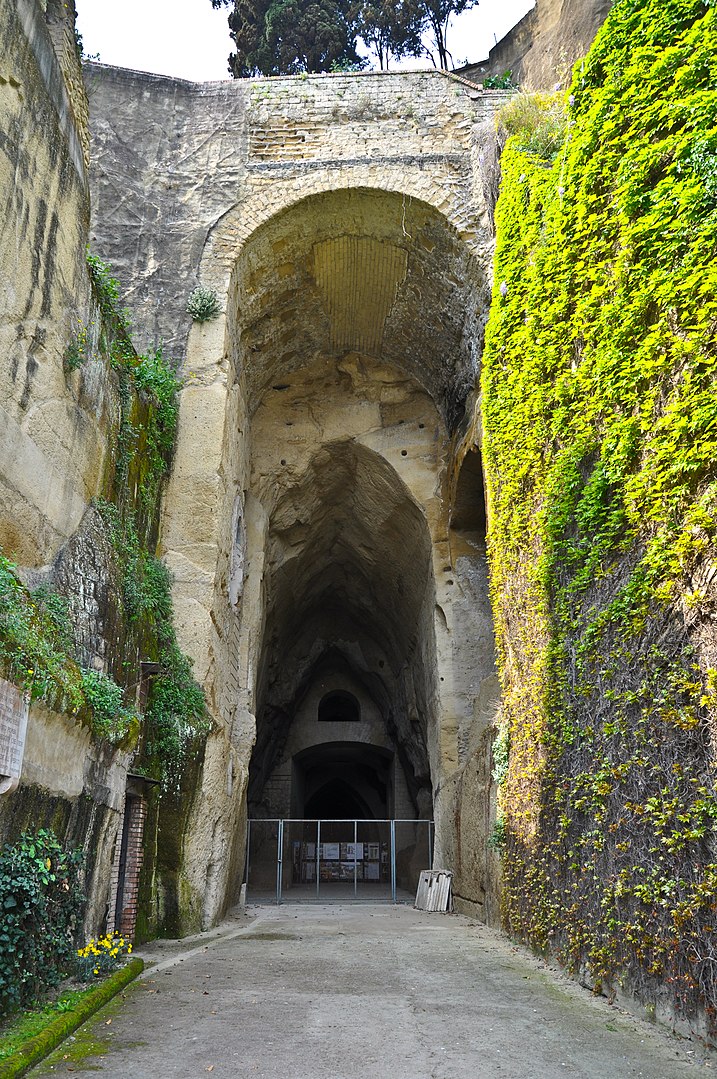
The Mitreo della crypta neapolitana was used a des legends about its use, from a cult place devoted to Priapus to celebrate Aphrodite.
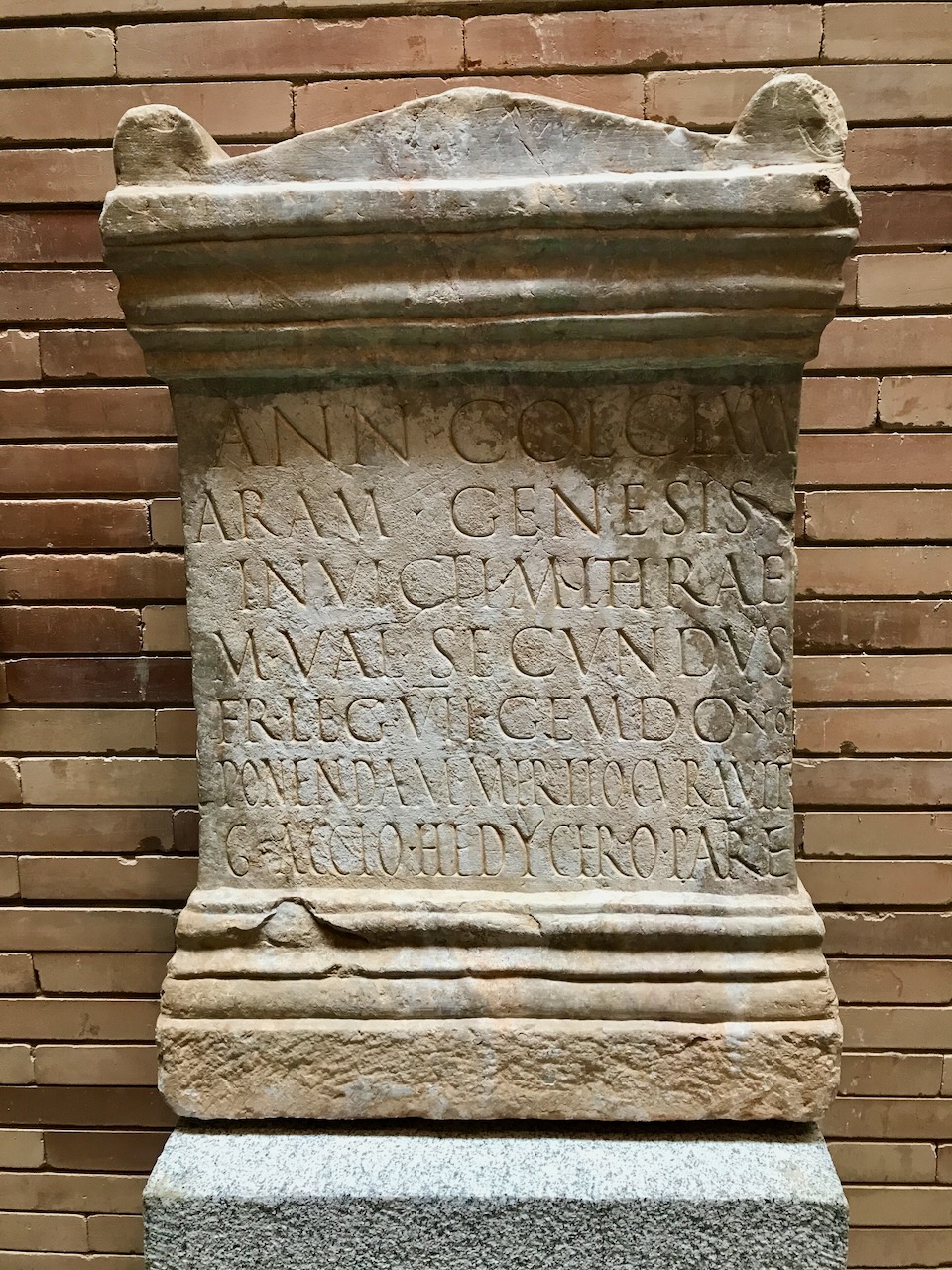
This altar is dedicated to the birth of Mithras by a frumentarius of the Legio VII Geminae.
This cylindrical marble altar was dedicated by the same Pater Proficentius as the slab, both monuments found in the Mithraeum beneath the Basilica of San Lorenzo.
This inscription found in the Mithraeum Aldobrandini informs us of certain restorations carried out in the temple during a second phase of development.
One of the three known inscriptions of Dioscorus, servant of Marci, found in Alba Iulia, Romania.
This marble monument was dedicated in Rome by the slave Fructus and his son Myro.
