Your selection in monuments gave 192 results.
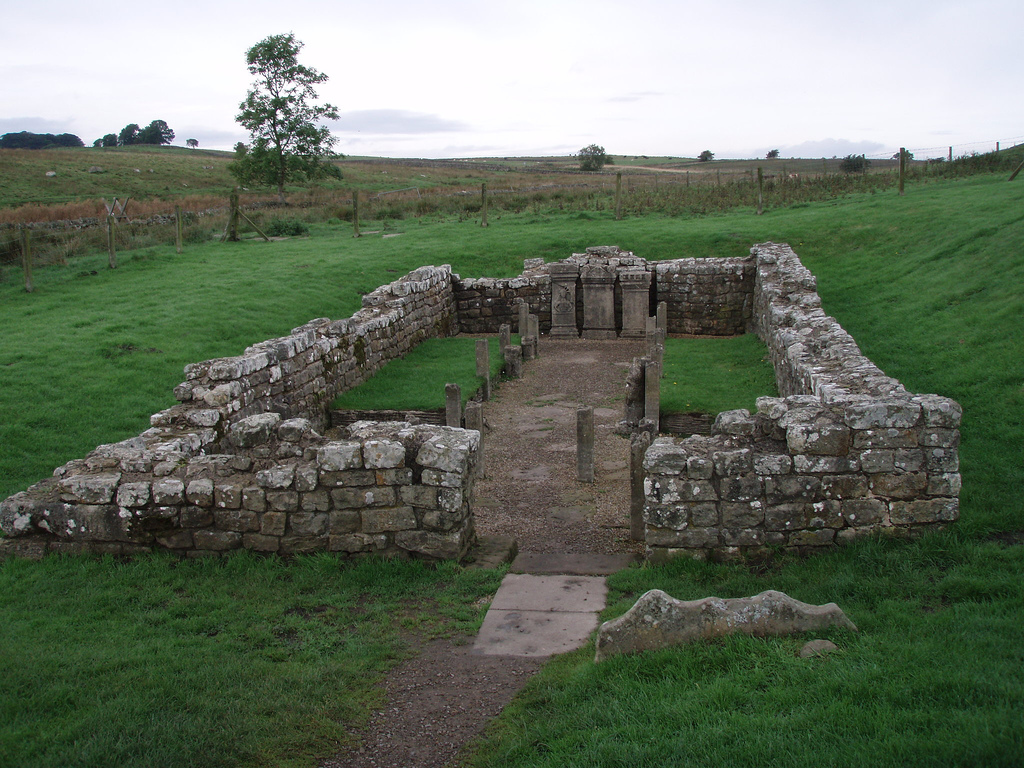
The temple of Mithras of Carrawburgh, Brocolita, disclosed three main stages of development, the second exhibiting two reconstructions.

One of the rooms in a sustantive masonry building in Hollytrees Meadow was considered to be a Mithreum, a theory that has now been discarded.
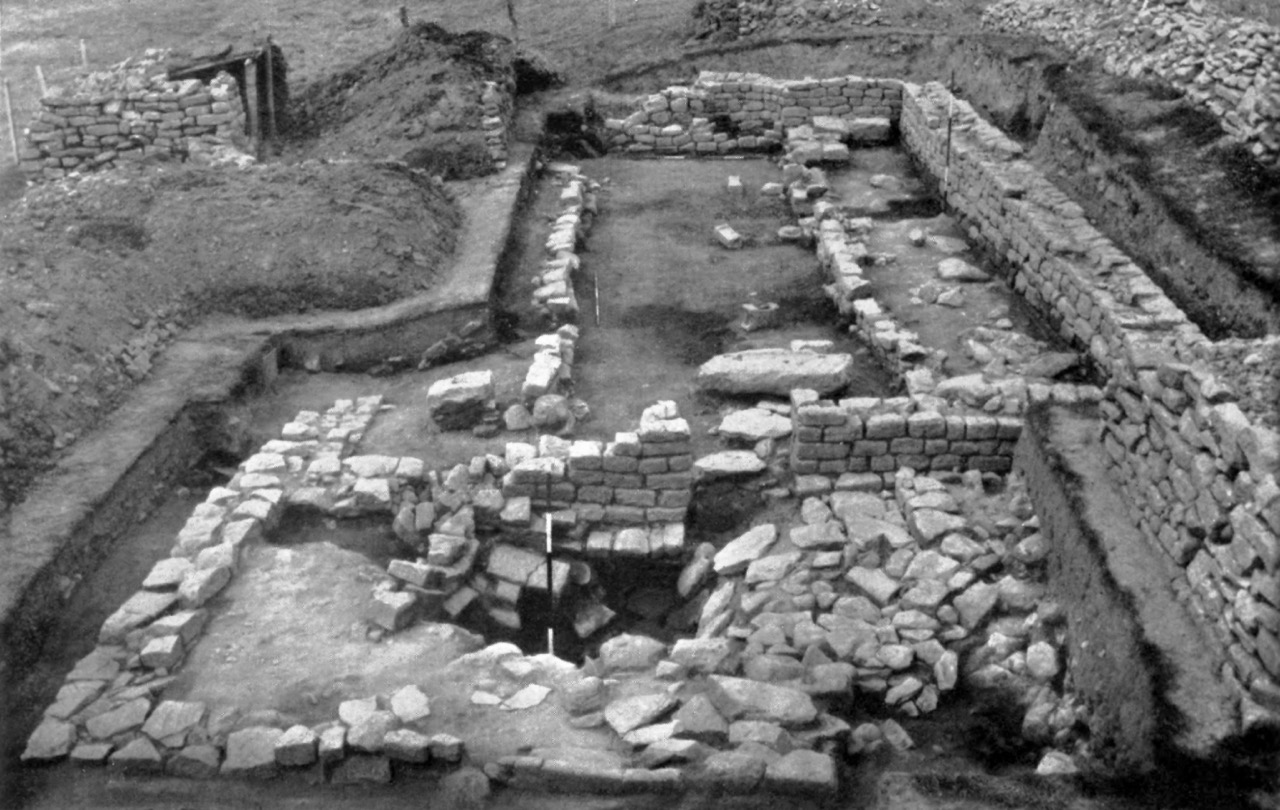
The Mithraeum of Rudchester was discovered in 1844 on the brow of the hill outside the roman station.
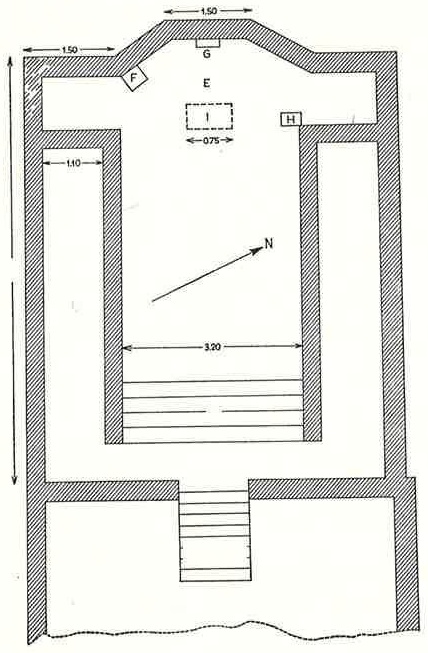
Mithraic sanctuary found at Biljanovac north-east of Kumanovo, Moesia Superior, with a pronaos and inner sanctuary, yielding marble reliefs, an altar, and associated cult objects.
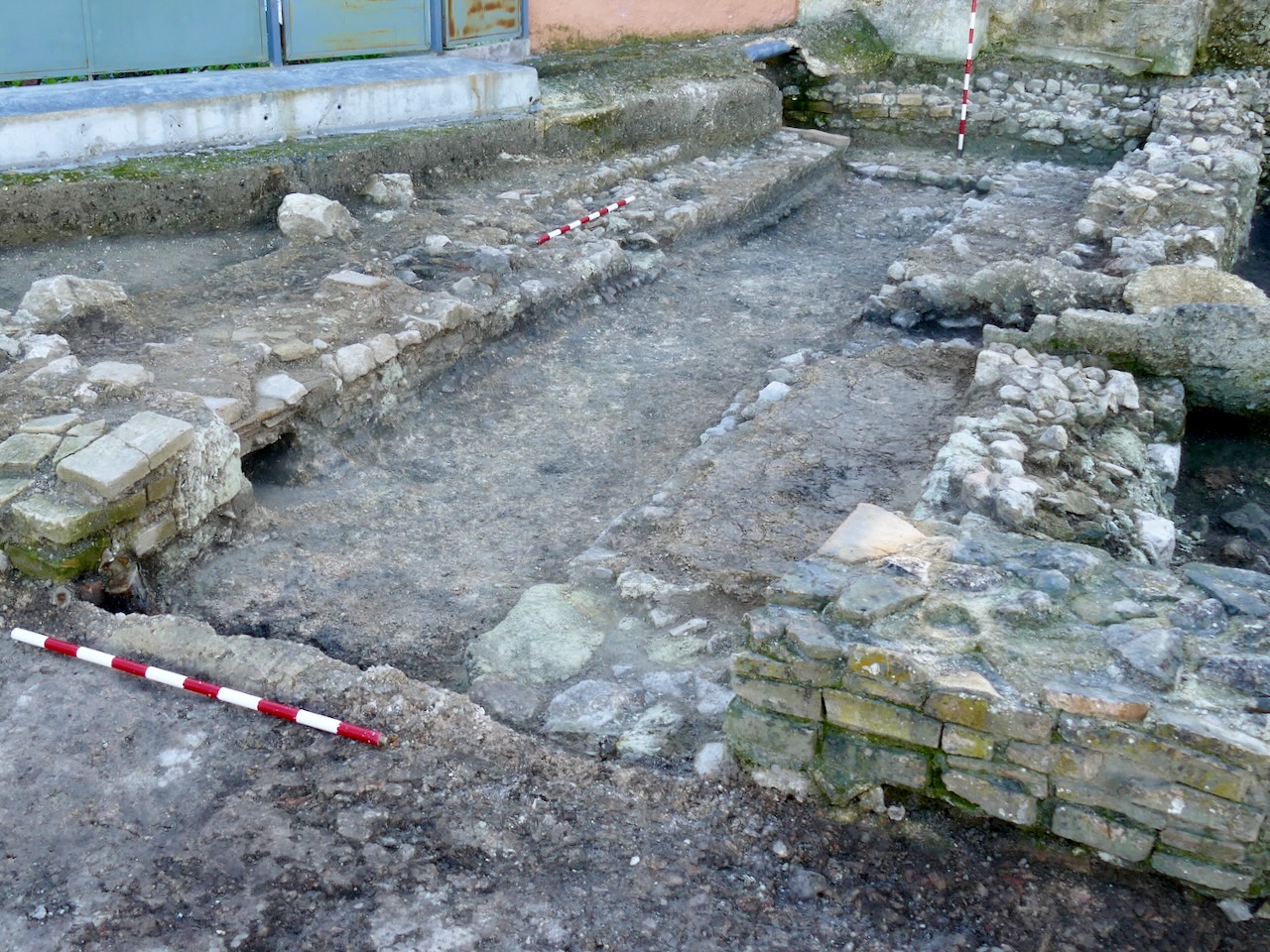
The Mithraeum of Cabra is located in the Villa del Mitra, which owes its name to the discovery in 1951 of a Mithras tauroctonus in the remains of the Roman villa.
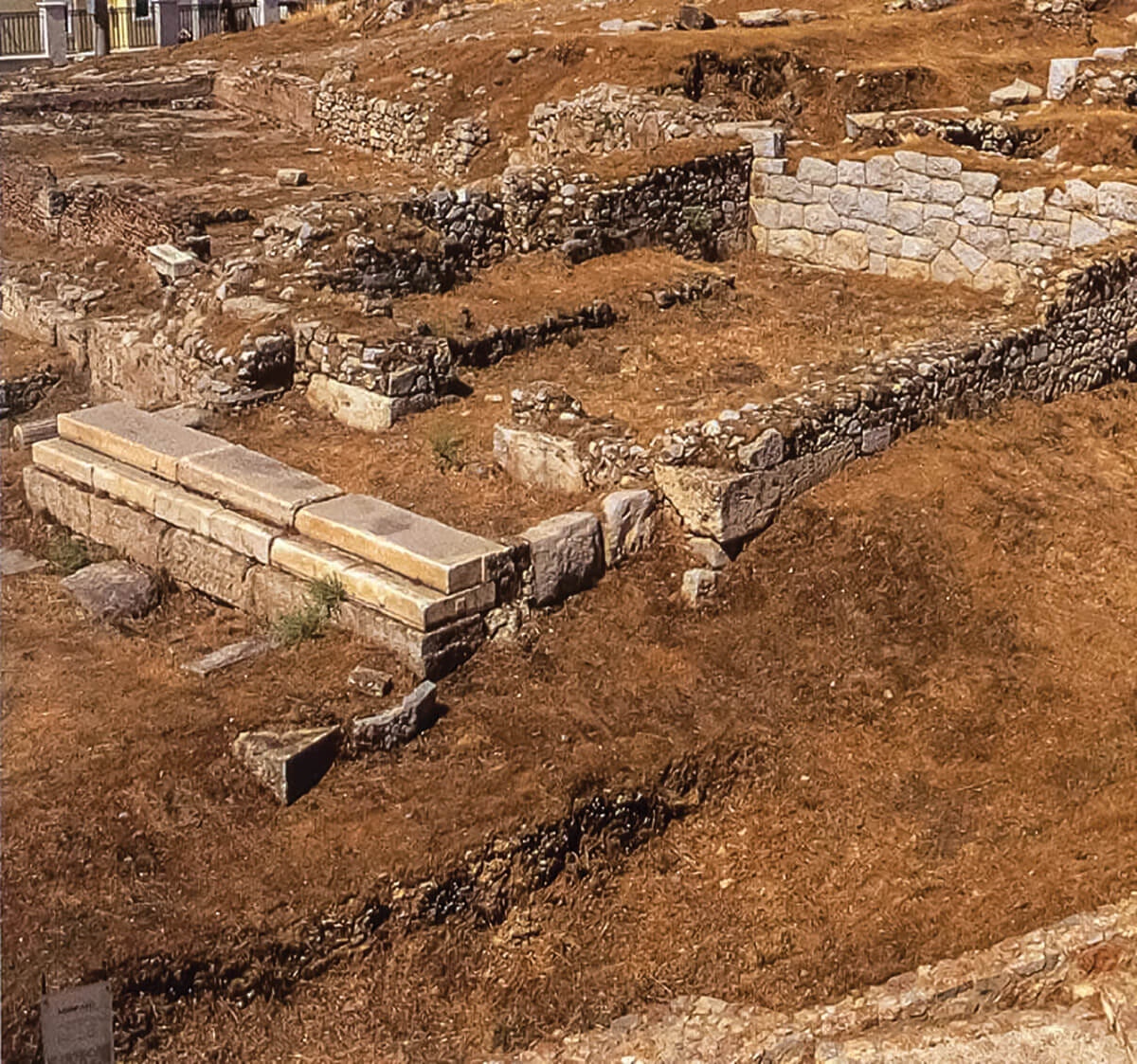
A Mithraeum has been identified in Eleusis where the last Hierophant form thespia had the rank of Father in the Mithraic Mysteries.
Subterranean sanctuary at ancient Atchana tentatively interpreted by Woolley as an early precursor to later Mithraic temples.

Altar inscription from Sahin invoking the most high heavenly god and Mithras in the Alawite Mountains.
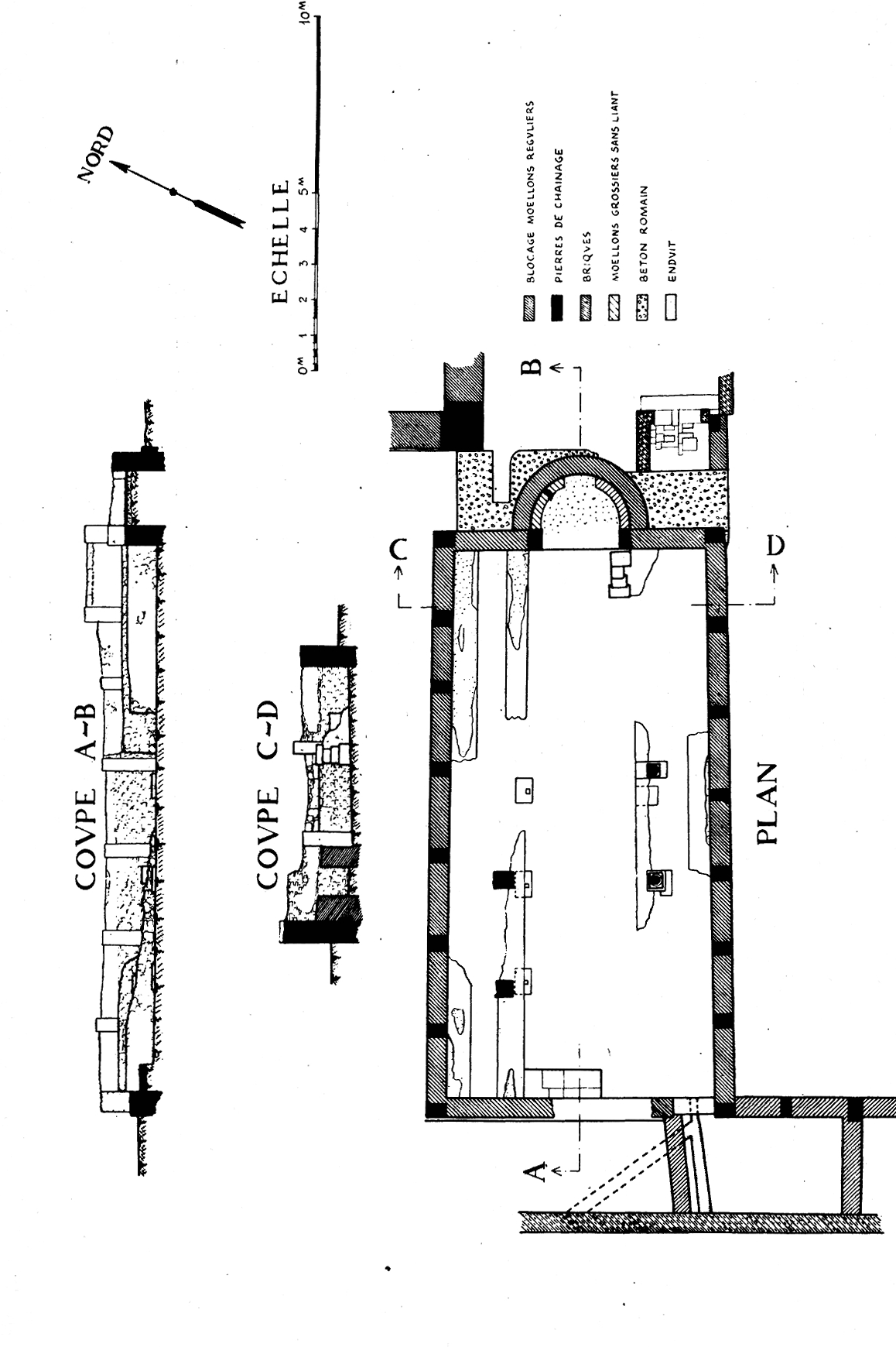
The Mithraeum of Tazoult / Lambèse is one of the best preserved Mithras’s temples in Africa.
Many of the inscriptions and sculptures of the site were kept in a museum which has been destroyed.
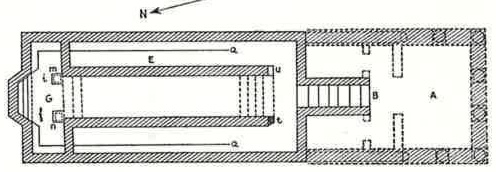
Second Mithraic sanctuary discovered in 1826 some 150 metres west of Mithraeum I at Heddernheim, ancient Nida, with finds in the Wiesbaden museum.
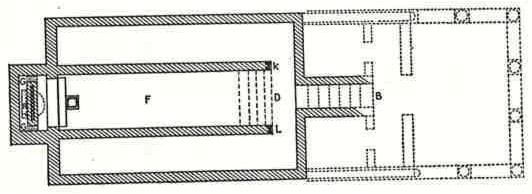
First Mithraic sanctuary discovered at Heddernheim (ancient Nida) in 1826, with finds preserved in the Städtisches Museum at Wiesbaden.
Large apsidal hall with podium discovered at Uruk-Warka, once interpreted as a possible Mithraic sanctuary.
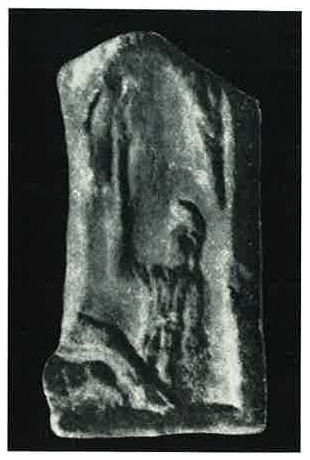
The site of Ay-Todor in Crimea revealed a Roman camp, a temple with votive offerings, and a Mithraeum.
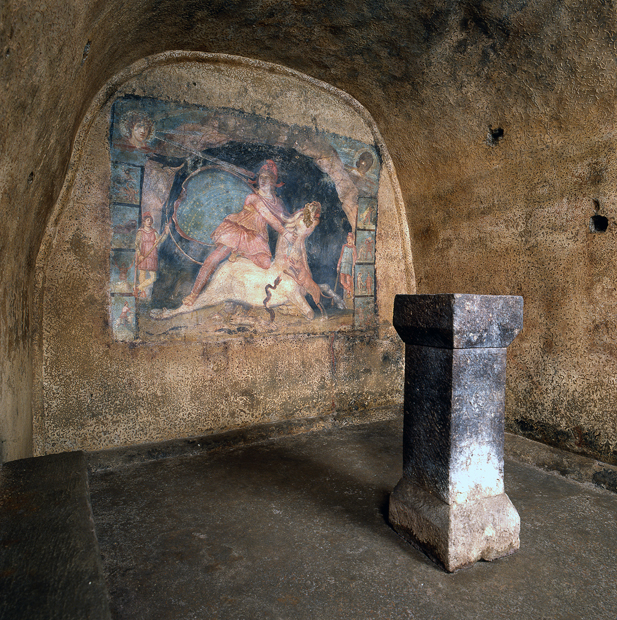
The Marino Mithraeum preserves one of the most elaborate painted cycles of Mithras’ myth, combining the tauroctony, planetary symbolism and scenes from the god’s sacred narrative.
A probable Mithraic sanctuary near Santa Maria in Domnica on the Caelian Hill, known from a group of dispersed reliefs formerly owned by Ottaviano Zeno.
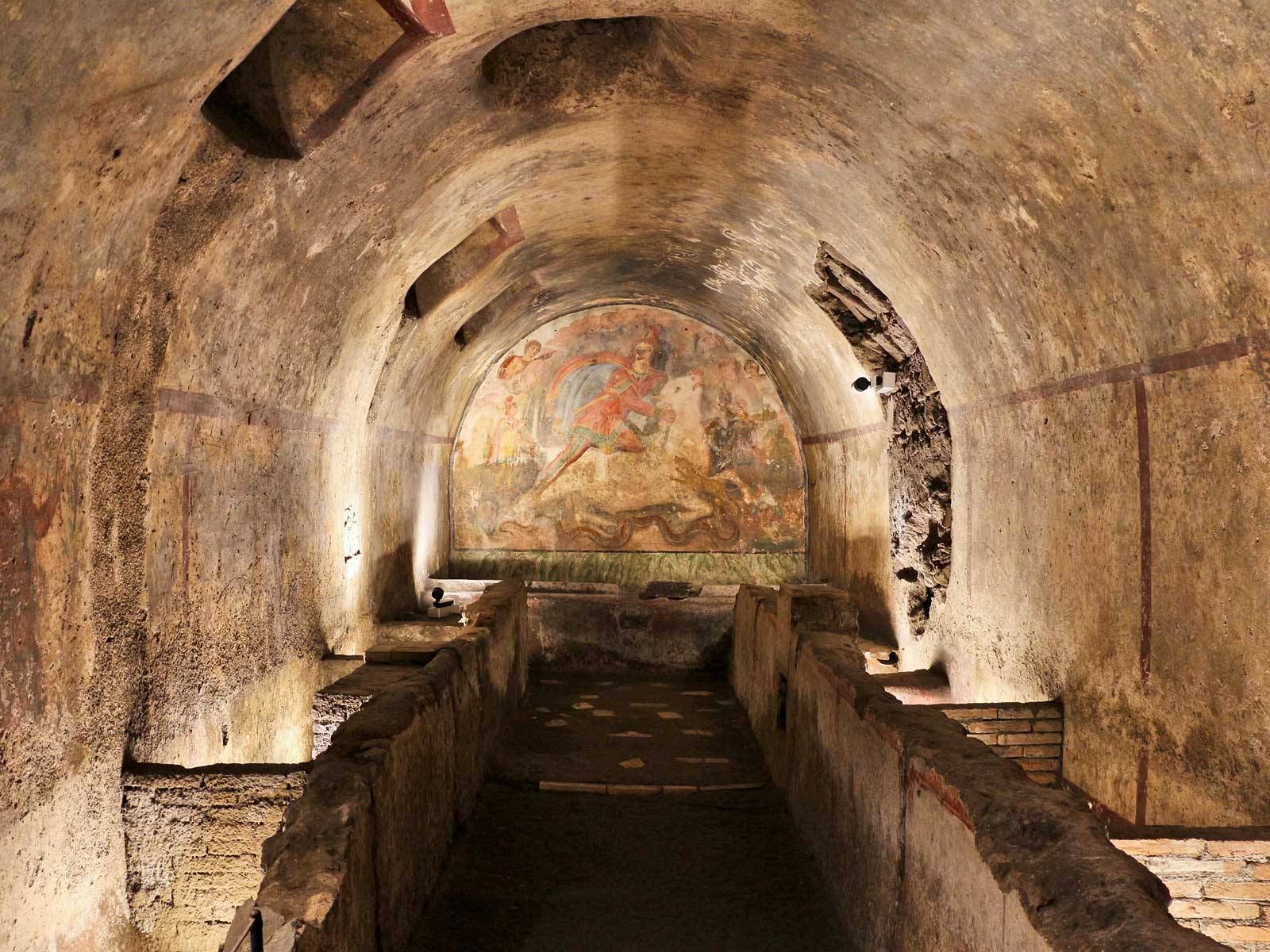
One of Roman Italy’s most important Mithraic sanctuaries, the Mithraeum at S. Maria Capua Vetere preserves a remarkable painted cycle of initiation scenes, offering rare visual evidence for the ritual life of Roman Mithaism.
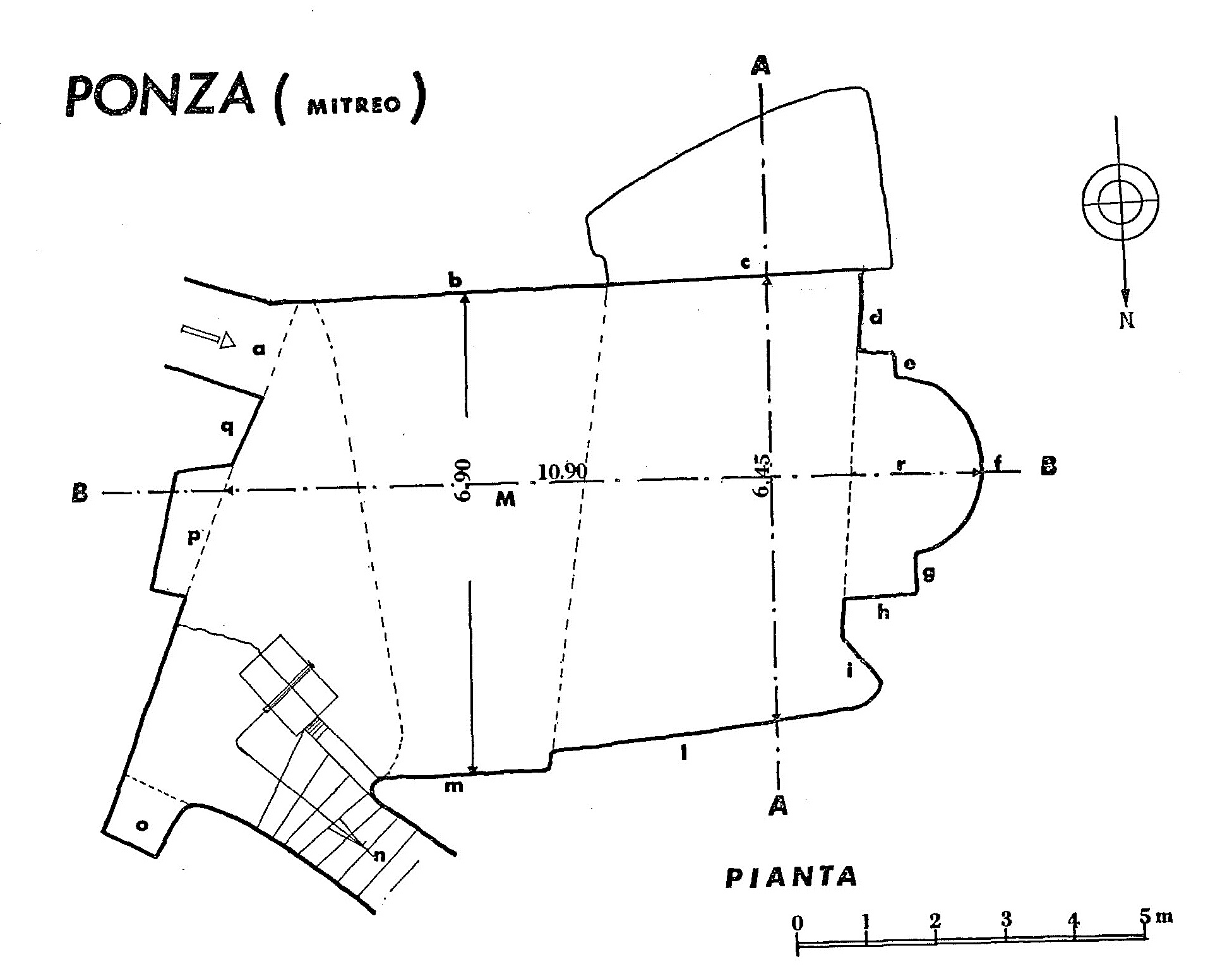
This Mithraic shrine on the island of Ponza is renowned for its exceptional stucco zodiac and astral symbolism linked to Roman Mithaism.
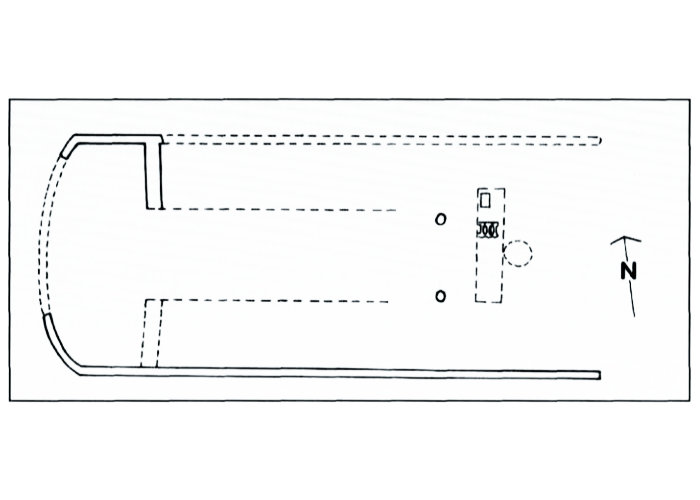
One of the largest known Mithraea in Pannonia, the sanctuary of Sárkeszi stood near the Roman road linking Herculia and Aquincum.
