
Limestone altar from Cioroiul Nou, Dacia, dedicated to Soli invicto Mithrae for the welfare of his family by Caius Antonius Iulianus.
Limestone altar fragment from Drubeta, Dacia, bearing a Mithraic dedication.
Bronze statuette from Drubeta, Dacia, depicting Mithras placing his left leg on the bull's head — the tauriphoros type — with the bull in a subordinate posture.
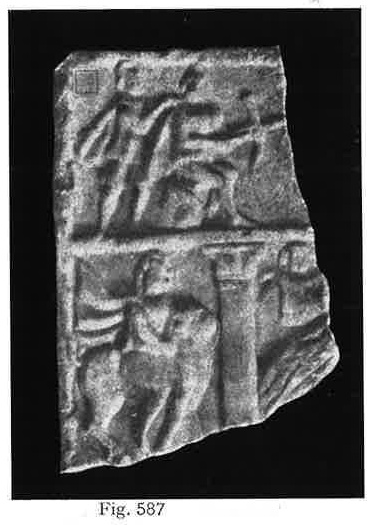
Left upper corner of a white marble tauroctony relief from the Roman camp at Drubeta, Dacia, found in 1896–99, preserving the grotto border and, outside it, Sol in his quadriga with cracking whip.
Small bronze statuette in Phrygian cap from Catunele de Motru, Dacia, possibly a torchbearer; the Mithraic attribution is not certain as no torch survives.
Unpublished tauroctony relief from Turnu Severin, Dacia, with multiple Mithraic scenes including Mithras with Sol, Mithras as archer, and Mithras as bull-slayer.
Fragmentary inscription from Botoșești-Paia, Dacia, preserving only the end of a name (Va[llerius]) and the closing formula.

Fragment of a tauroctony relief from Botoșești-Paia near Craiova, Dacia, depicting the standard bull-slaying scene.
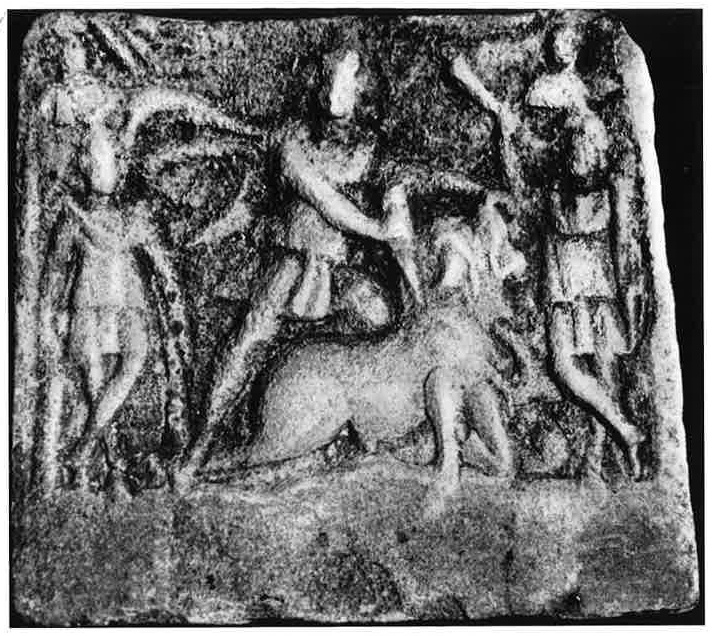
White marble tauroctony relief from Orșova, ancient Dierna in Dacia, depicting the standard bull-slaying with the torchbearers and subsidiary scenes.
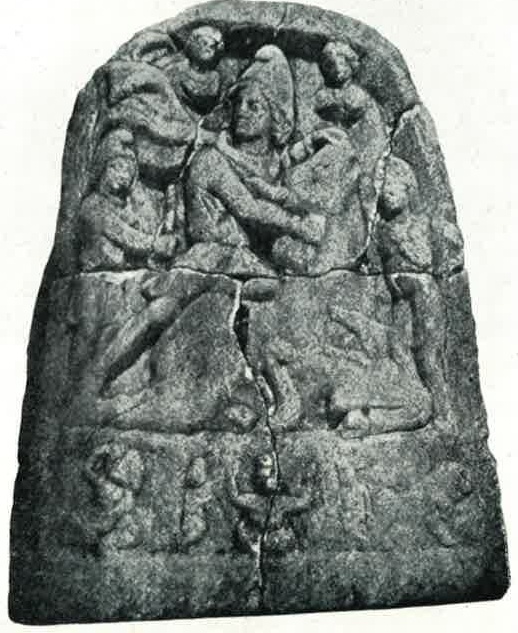
White marble tauroctony relief in five fragments from Dupljane near Călan, ancient Aquae in Dacia, found in 1900, depicting the bull-slaying with the standard iconographic programme.
Primitive marble tauroctony relief from the Museum at Cluj, Dacia, attributed to Micia but with uncertain provenance; a rough representation of Mithras killing the bull without Phrygian cap.
Fragment of a marble tauroctony relief from Vețel, ancient Micia in Dacia, preserving only the upper part of the arched centre with the upper portion of Mithras killing the bull.
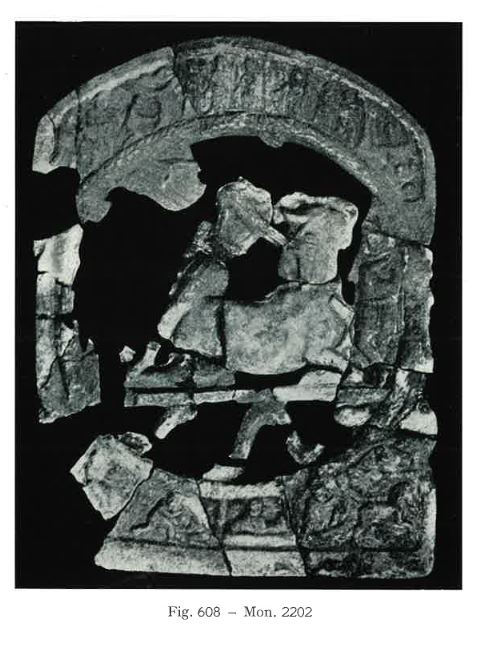
Inscription from near Mintia, ancient Micia in Dacia, dedicated to Deus Mithras by Rutus ex voto.
Inscription from Micia, Dacia, dedicated to Soli invicto Mithrae by Aurelius; the rest of the dedicant's name is lost.
Limestone tauroctony relief fragment from Mintia-Vețel, ancient Micia in Dacia, now lost, preserving the left corner with Cautopates with torch downward and a partially legible inscription below.
Inscription from Mintia-Vețel, ancient Micia in Dacia, bearing only the brief dedication Caute.
Left portion of a large limestone tauroctony relief from Mintia, ancient Micia in Dacia, depicting Mithras killing the bull with a belt, the bull's tail ending in corn-ears, together with subsidiary Mithraic scenes.
Votive altar from Păuleni, Dacia, dedicated to Soli invicto for the welfare of Caius Iulius Valentinus, conductor salinarum, by Caius Iulius Ornucio.
Inscription from Doștat, Dacia, dedicated to Soli invicto Mithrae; only the opening formula is preserved.
Marble tauroctony relief from Doștat, Dacia, still at Dorstadt in 1723 but now lost; probably found together with the other Doștat monuments.
