Your selection in monuments gave 192 results.
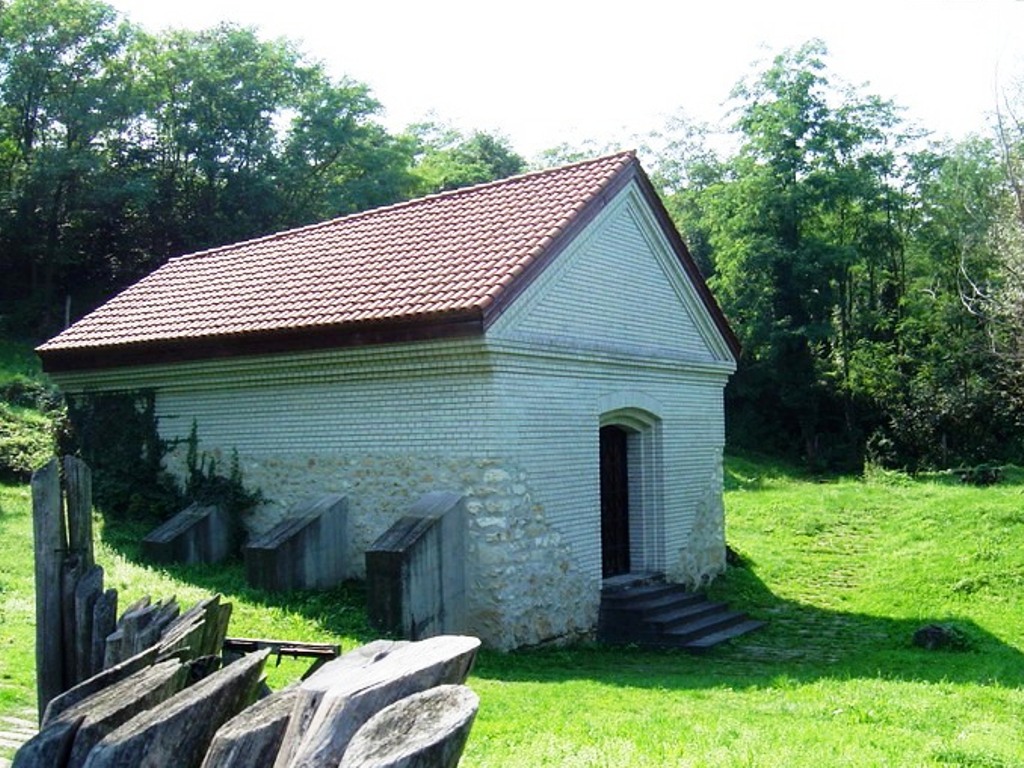
The temple of Mithras in Fertorakos was constructed by soldiers from the Carnuntum legion at the beginning of the 3rd century AD.

The Mithraeum of London, also known as the Walbrook Mithraeum, was contextualised and relocated to its original site in 2016.
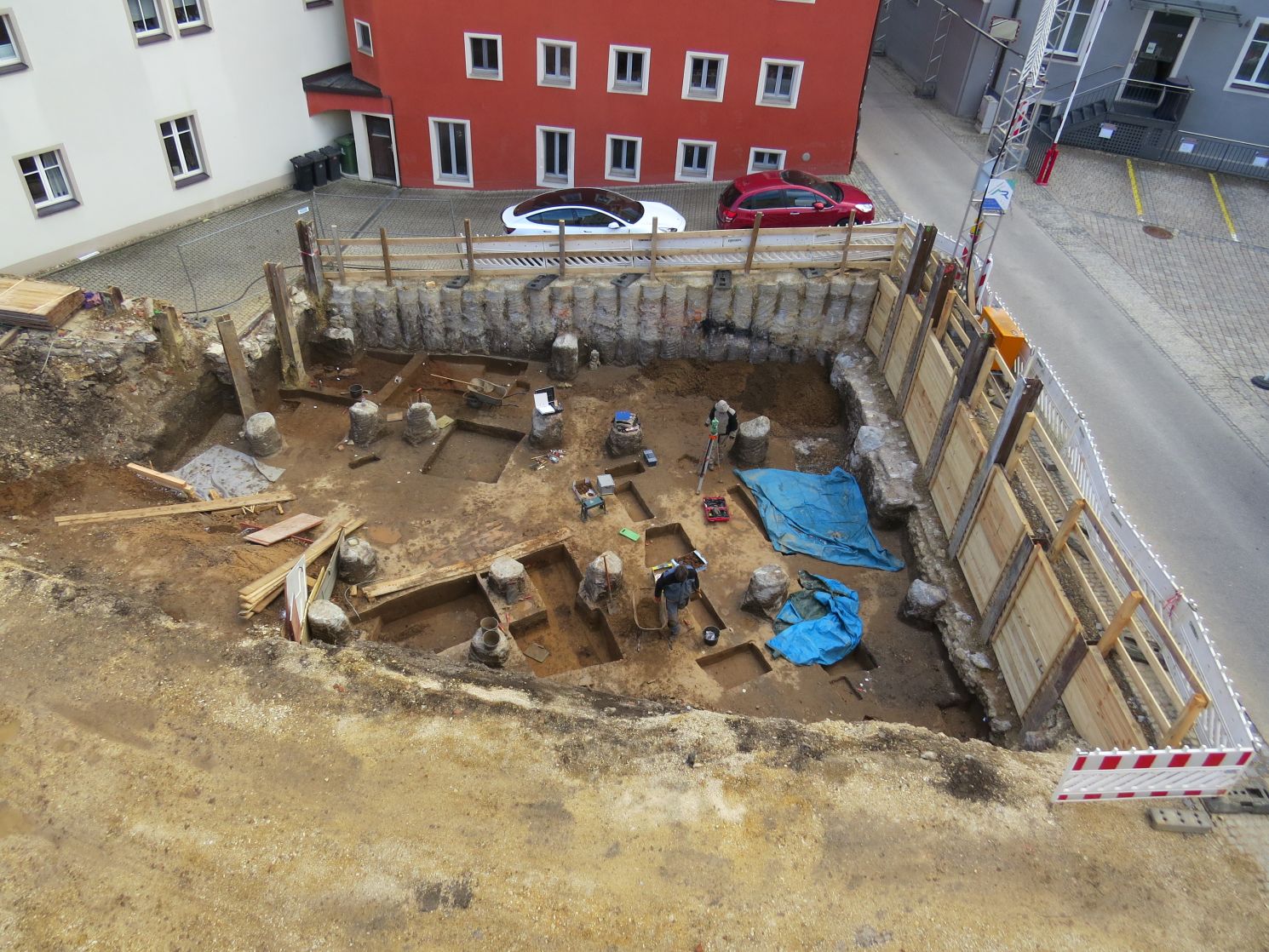
The Mithraeum of Regensburg represents the earliest of the nine Mithraic sanctuaries so far documented in Bavaria, Germany.
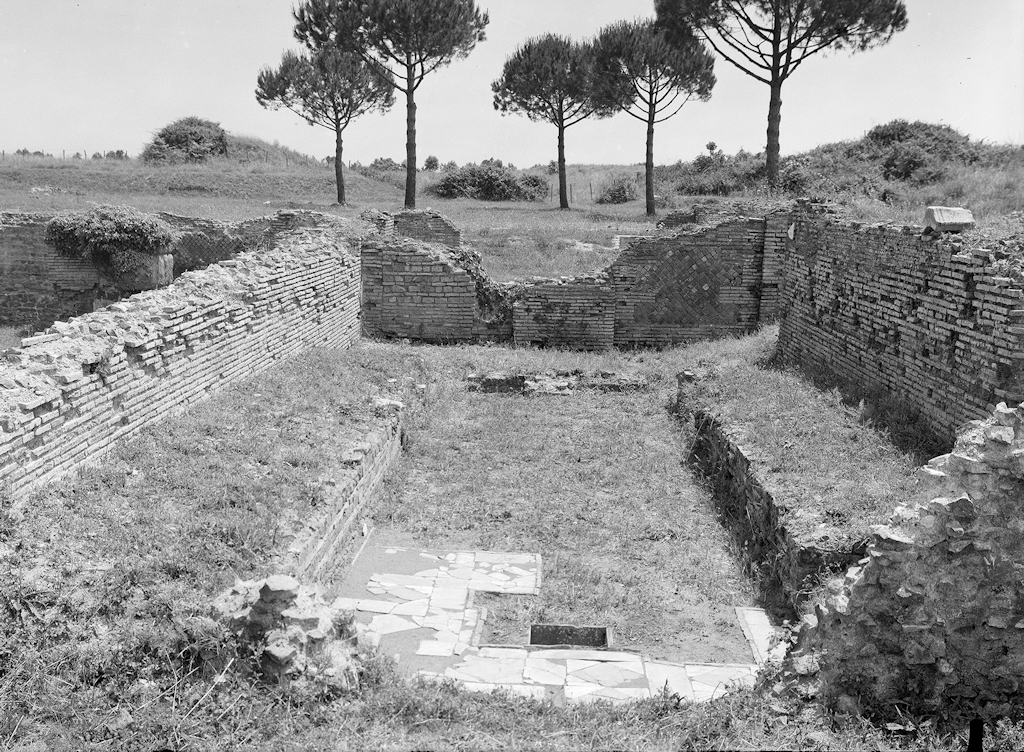
Excavated in 1919, the Mithraeum near the Roman Gate was installed in the 3rd century within a larger building complex.

The Mithraeum II in Stockstadt was in fact the first one known built in the vicus. It was destroyed by fire around 210.
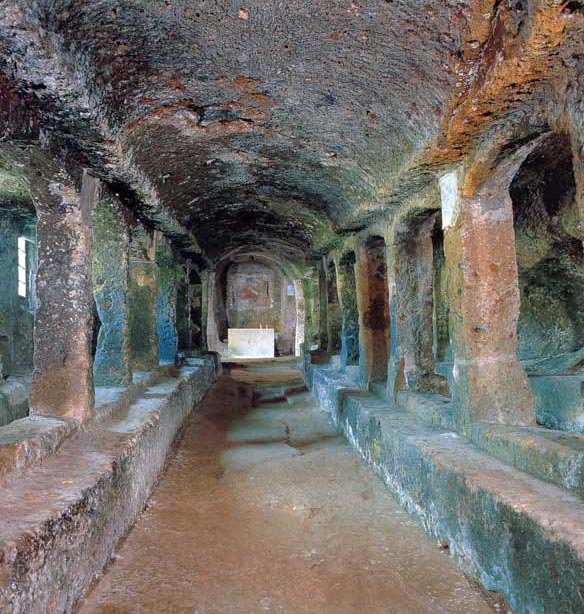
The Mithraeum of Sutri was built inside a rocky hill that also hosted the Roman theatre of the city.
This Mithraic temple, also known as the Mithraeum of the Olympii, dates to the 3rd century and was rediscovered in 15th-century Rome, but it has not been preserved.
Emperor Julian may have been initiated into the cult of the god Mithras at the Mithraeum of Vienne, France, according to Turcan.
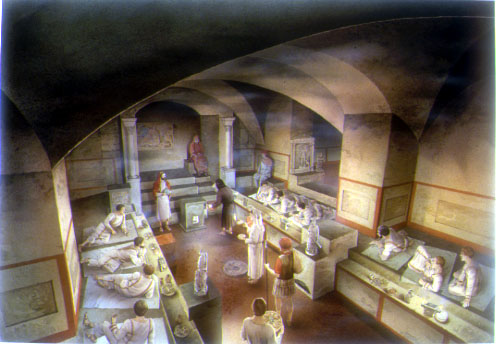
The Mithraeum of the Crypta Balbi was locted in the middle of a densely populated insula near the theatre of Cornelius Balbus.
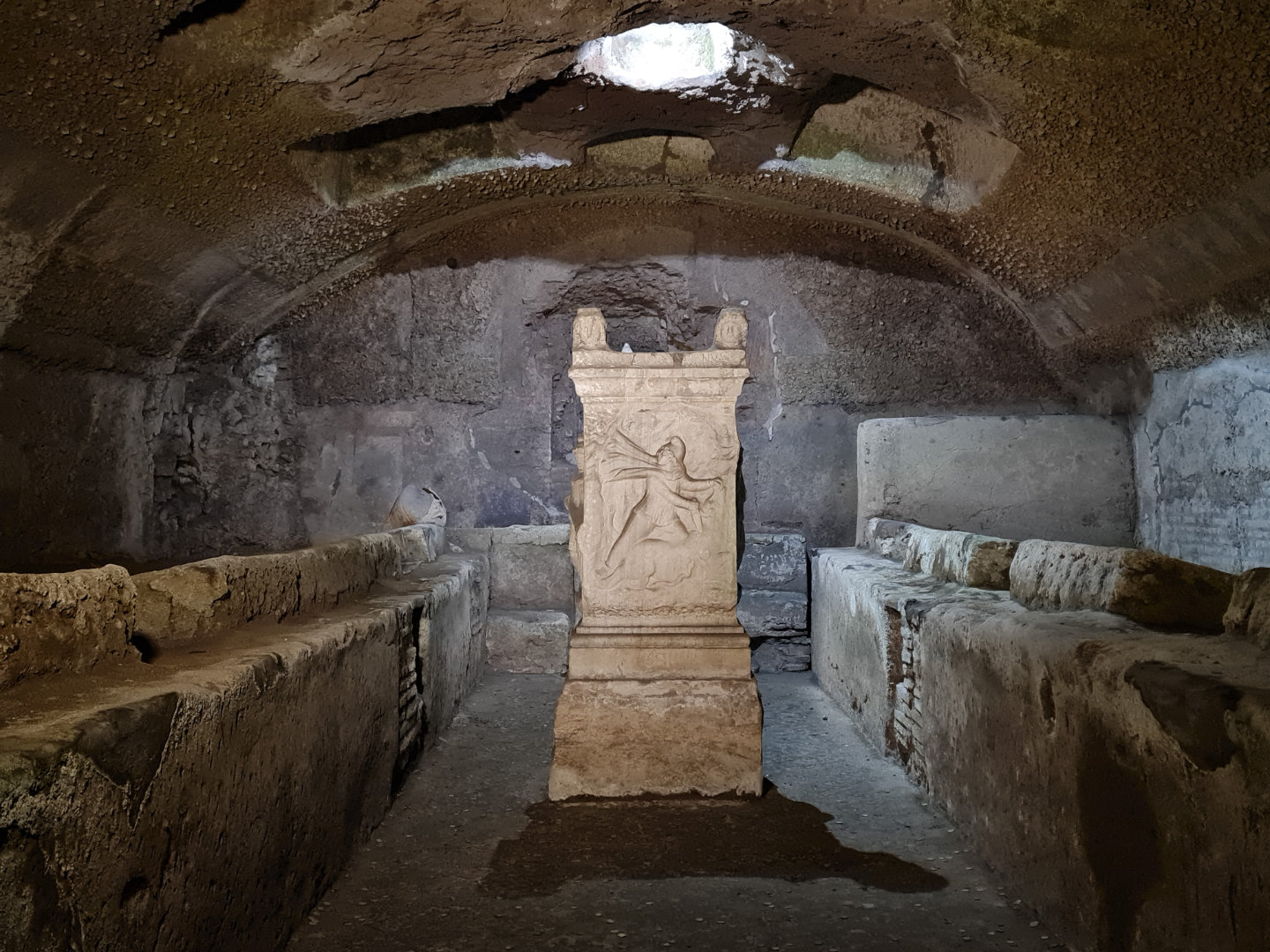
The Mithraeum under the Basilica of San Clemente made part of a notable Roman house.
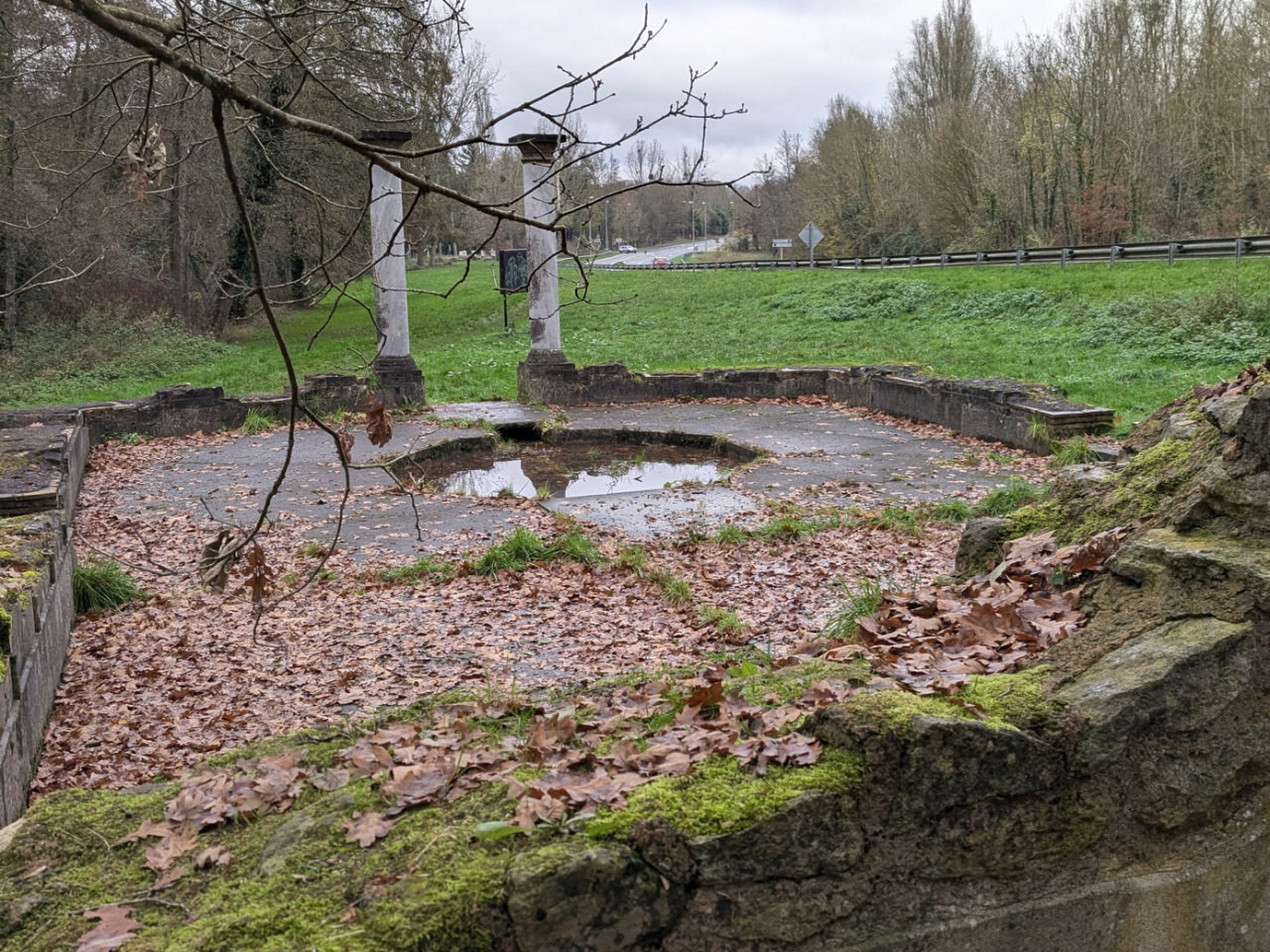
In the second half of the 4th century, a Mithraic temple was established within an earlier spring sanctuary at Septeuil, where the cult of the nymphs and Mithraic practices appear to have coexisted.

An inscription mentioning a speleum decorated by Publilius Ceionius suggests the location of a mithraeum in Cirta, the capital of Numidia.
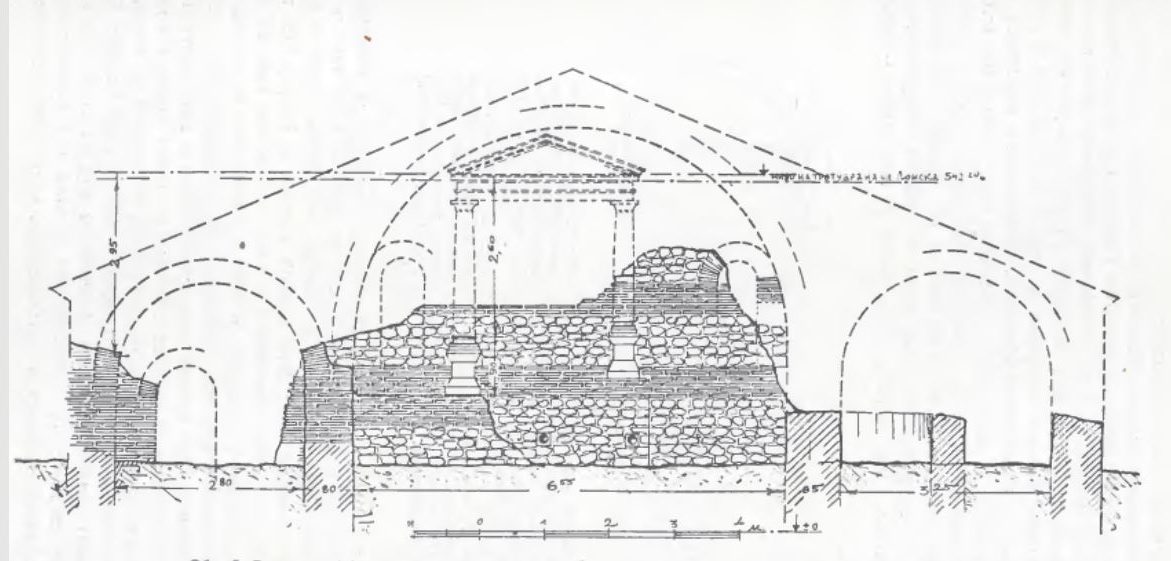
The Mithraeum of Serdica was found in the fortified area of the ancient city of Serdica, now Sofia, Bulgaria.
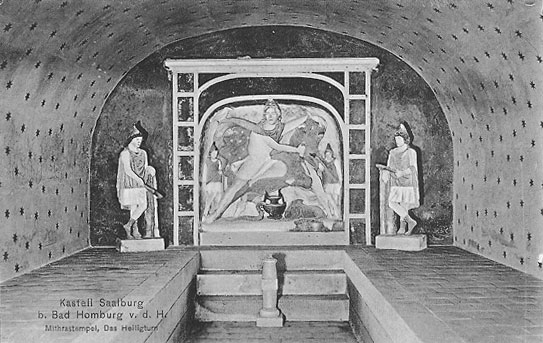
In the 1900s a model Mithraeum was built in Saalburg in the mistaken belief that there was an original temple of Mithras in an ancient Roman building.

The name of this domus comes from the fact that some authors once associated one of its mosaics with the cult of Mithras, a connection that has since been dismissed.
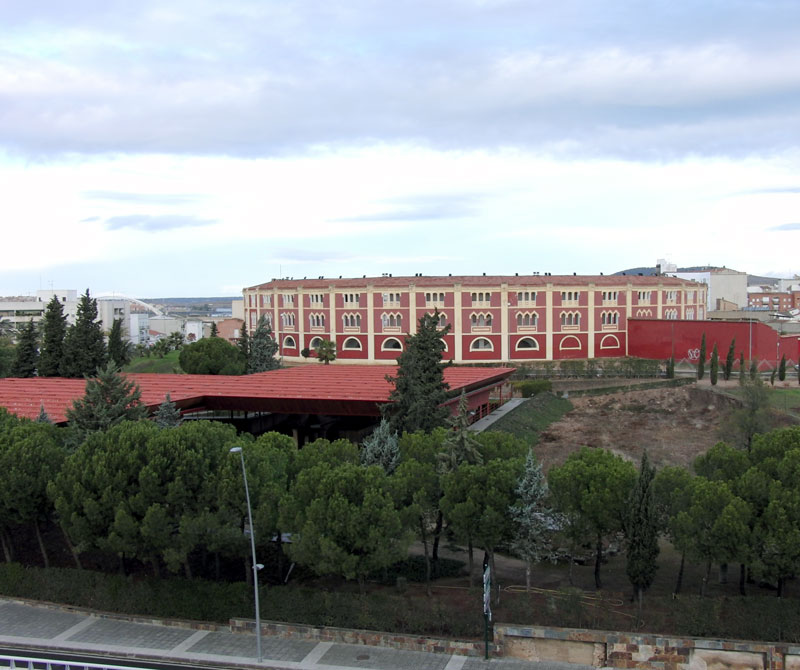
Although the site at Cerro de San Albín is not a Mithraeum, archaeologists have found several monuments related to the cult of Mithras.
Jaime Alvar speculates that the Gran Mitreo de Mérida could have been located in this area, based on a series of materials unearthed by Mélida during the excavations of 1926 and 1927.
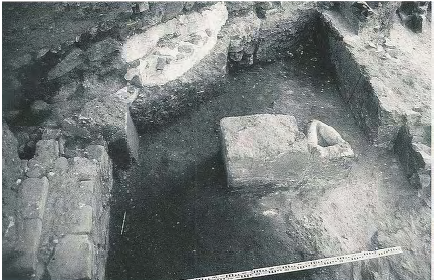
The Mithraeum at Espronceda Street, in Merida, was discovered in 2000. It is a semi-subterranean temple.
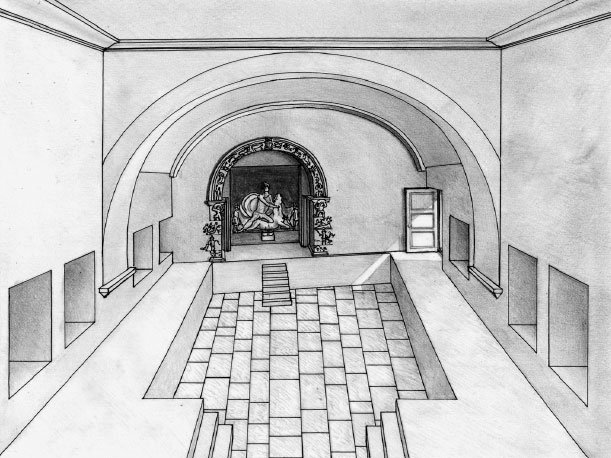
The Mithraeum of Saara, Syria, has been identified through the deciphering of the remains of the iconographic programme on its arch.
