🔥 UNDERGROUND RITUALS AND CANDLES – LIGHT IN THE DARKNESS 🕯️
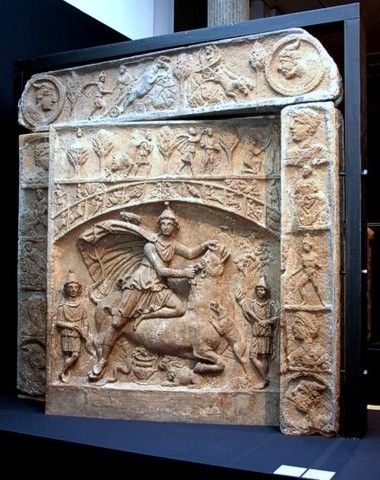
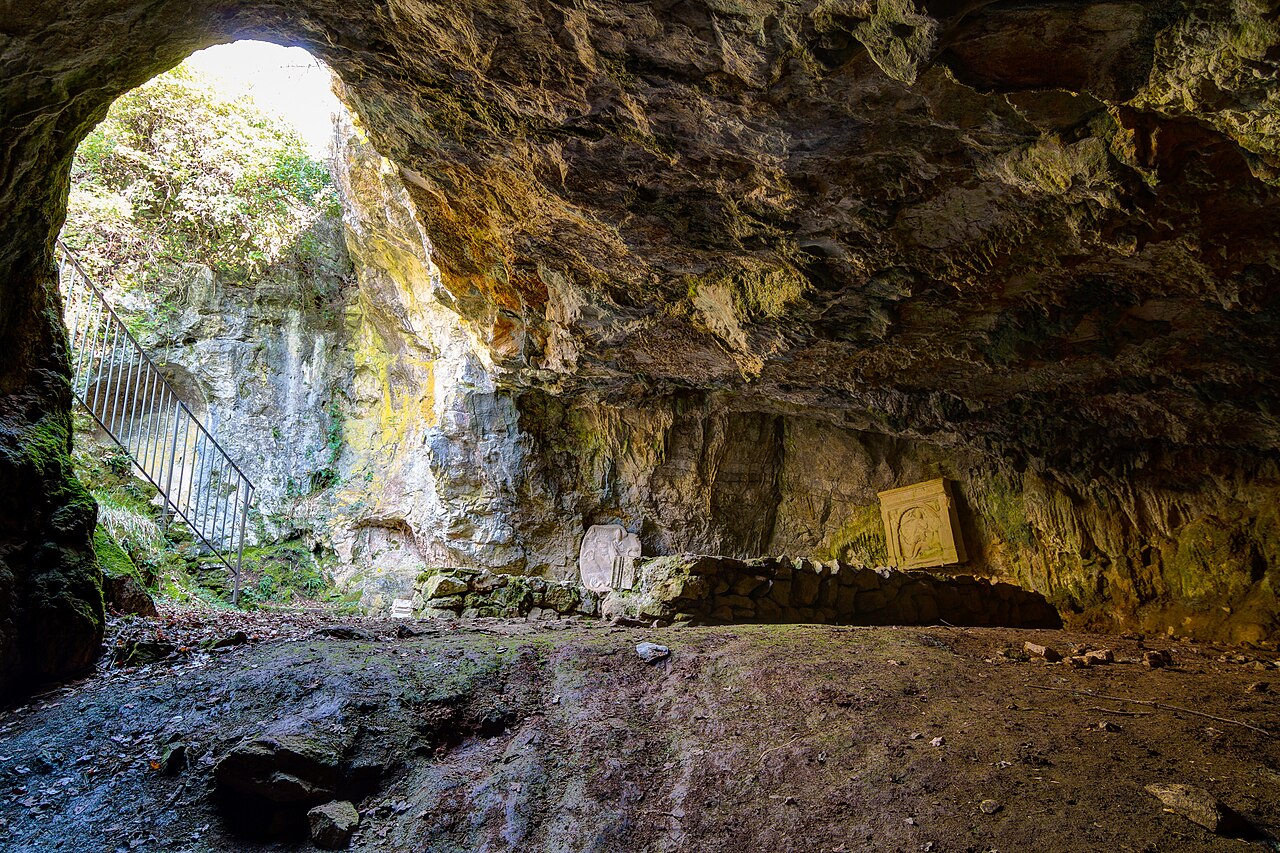
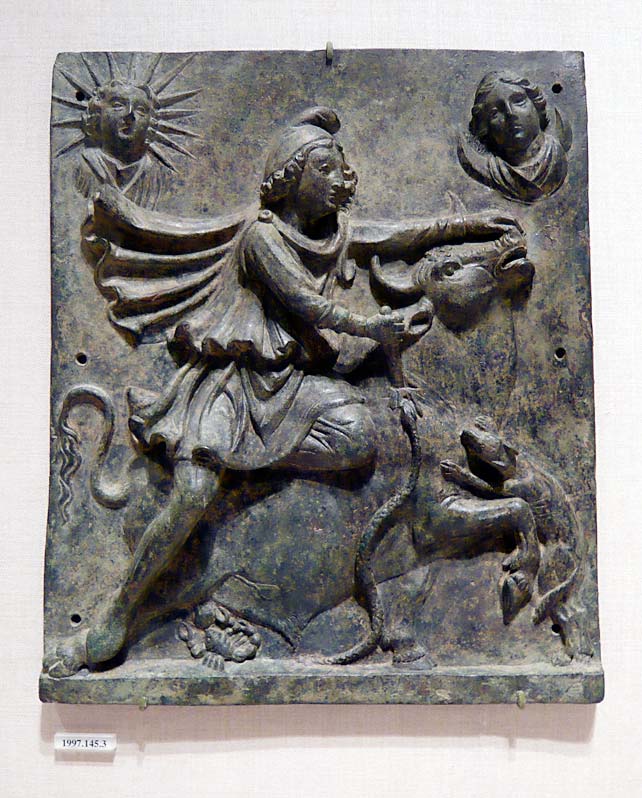
Mithraea were not magnificent temples on hilltops. They were hidden underground — dark, elongated spaces with an altar at the end, symbolising the cave of the cosmos.
In such a place, light acquired a special meaning.
Worship took place by:
🕯️ the light of torches and oil lamps,
🍷 symbolic ritual meals,
🤝 oaths of loyalty among members of the brotherhood.
Mithraism was not a religion of the masses. It was a path of initiation, discipline, and quiet devotion.
For this reason it was especially popular among Roman soldiers — it taught brotherhood, trust, loyalty, and respect for order.
In the darkness of the mithraeum a light burned — not only a flame, but the idea that order overcomes chaos.
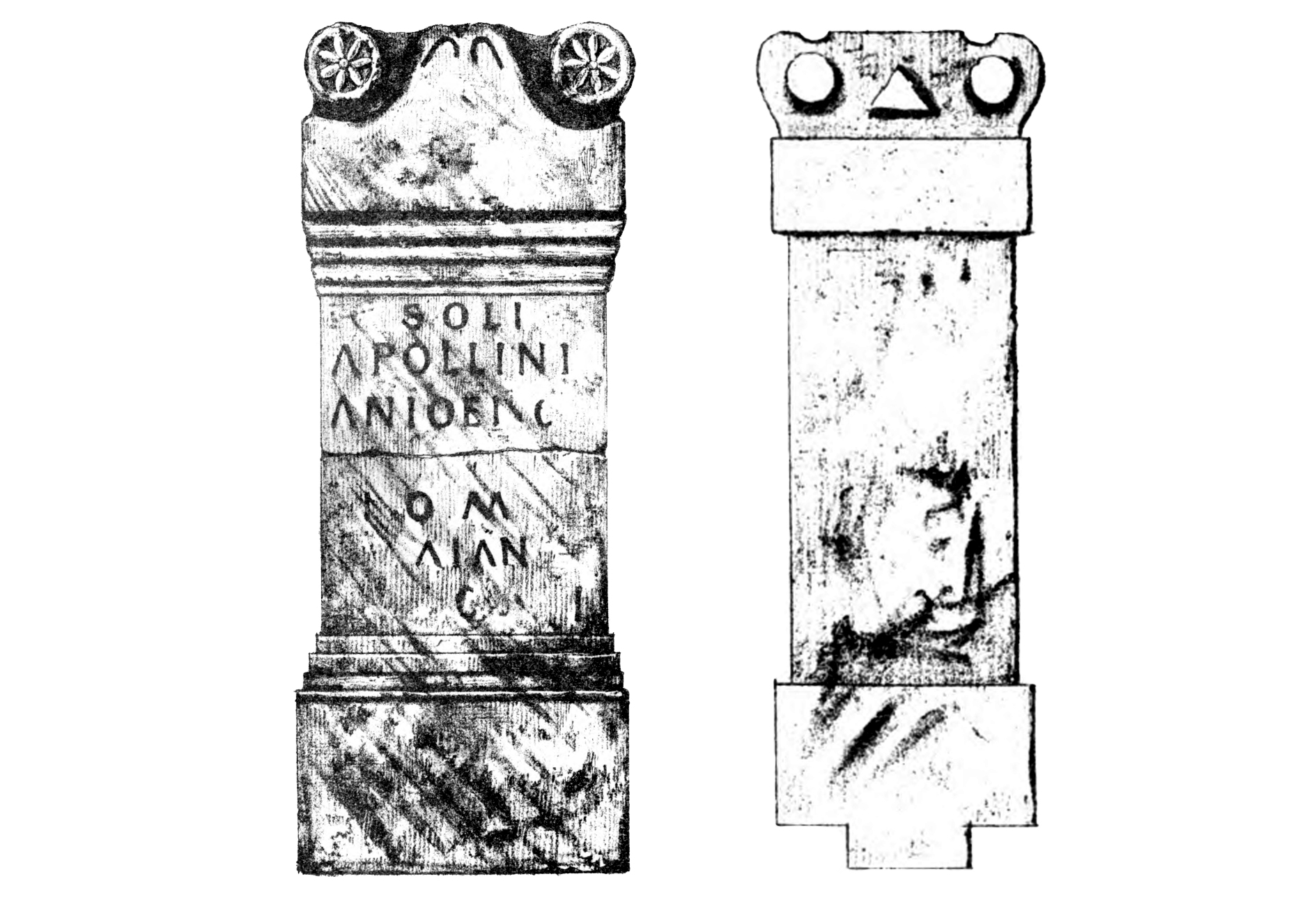
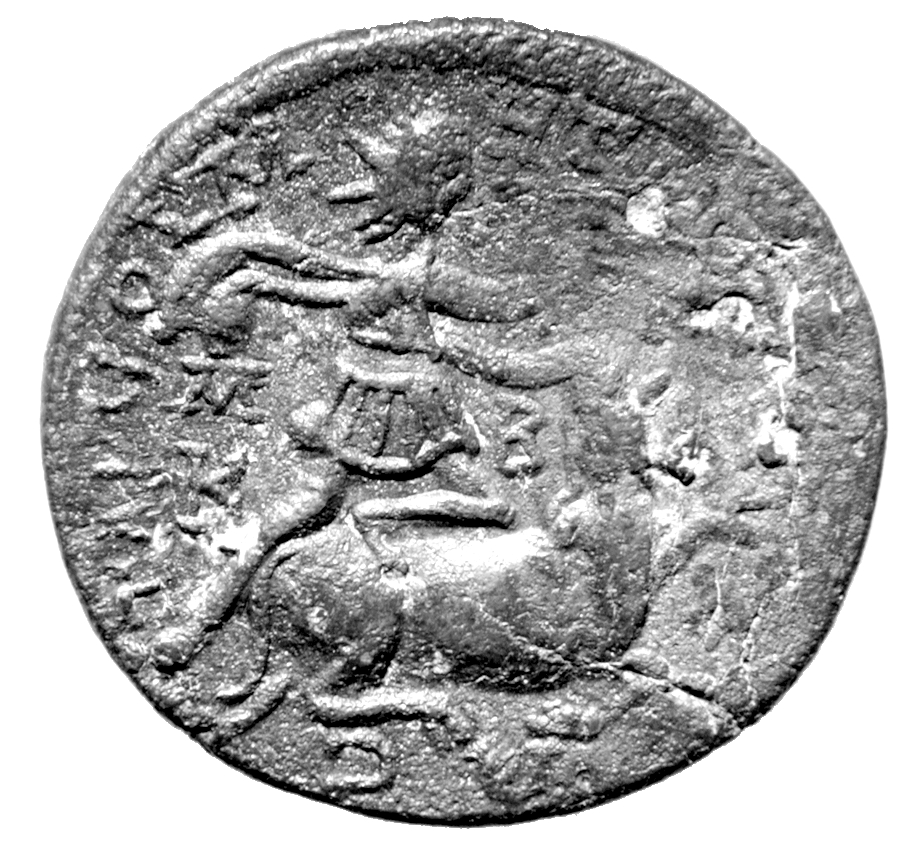
🏛️ In Poetovio too, a mithraeum once bore witness to these mysterious rites. In the very place where we walk today, torches once burned and oaths resounded.
👉 More about the project:
Hiša doživetij Vicus Fortunae - Domov 


![Explore the Sola BuscaA Renaissance deck, inviting questions rather than answers.[ref:69a224a38a916|Explore the deck]](https://www.mithraeum.eu/album/post/74a097a34ee0bb58.jpg)


![🔥 UNDERGROUND RITUALS AND CANDLES – LIGHT IN THE DARKNESS 🕯️
Mithraea were not magnificent temples on hilltops. They were hidden underground — dark, elongated spaces with an altar at the end, symbolising the cave of the cosmos.
In such a place, light acquired a special meaning.
Worship took place by:
🕯️ the light of torches and oil lamps,
🍷 symbolic ritual meals,
🤝 oaths of loyalty among members of the brotherhood.
Mithraism was not a religion of the masses. It was a path of initiation, discipline, and quiet devotion.
For this reason it was especially popular among Roman soldiers — it taught brotherhood, trust, loyalty, and respect for order.
In the darkness of the mithraeum a light burned — not only a flame, but the idea that order overcomes chaos.
🏛️ In Poetovio too, a mithraeum once bore witness to these mysterious rites. In the very place where we walk today, torches once burned and oaths resounded.
👉 More about the project: [ref:69abf46f39a08]](https://www.mithraeum.eu/album/post/64f8fc3d483d11db.jpg)

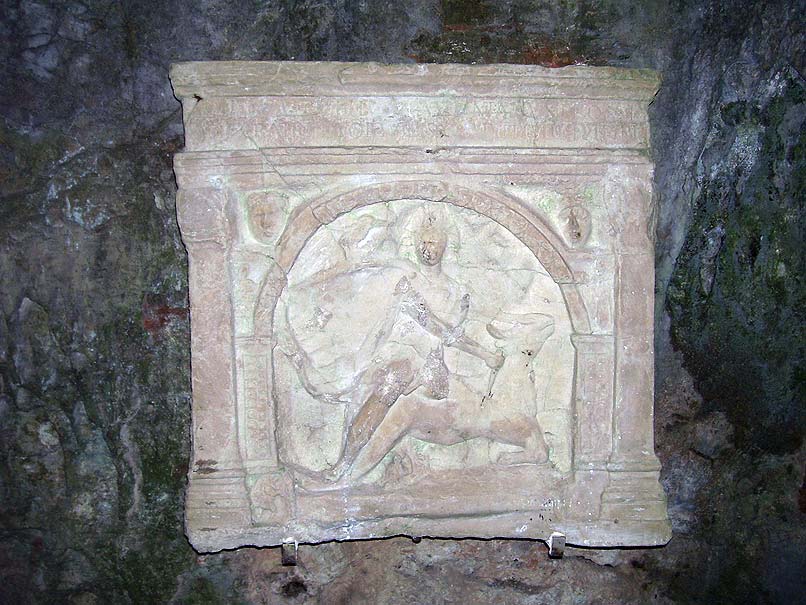
![[ref:69c2d06eef072]](https://www.mithraeum.eu/album/post/050b09872dc1a78c.webp)
If you are in the area you can take a guided tour of the temple and it's surrounding area. This tour is described in detail on this page:
http://www.duinotourism.it/index.php?option=com_k2&view=item&id=1212:il-mitreo&Itemid=7&lang=en
There is also much more info here: http://www.gssg.it/index.php?module=subjects&func=printpage&pageid=28&scope=all (in italian)
According to wikipedia, mithraists always preferred natural caves to building things or expanding existing things so probably this area, known as the Carso, or Karst, is perfect for the original construction and long term preservation of this kind of temple in caves. They must have jumped for joy when they heard there was a mysterious river that popped out of the ground. I can't think of a better place for a mithra temple 🙂