Your search Ay-Todor gave 1079 results.
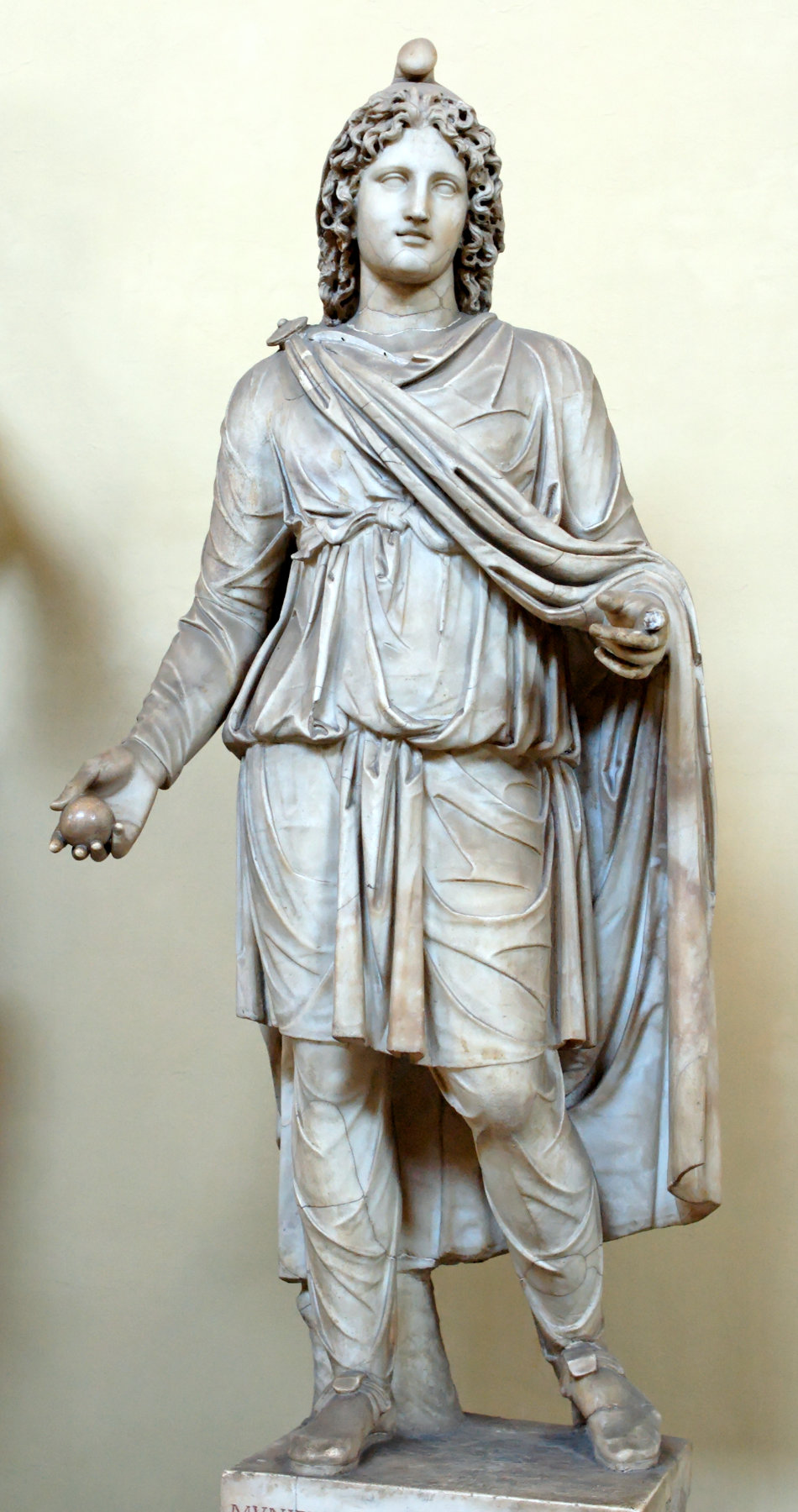
This sculpture, probably of Cautopates, now in the Musei Vaticani, was transformed into Paris.
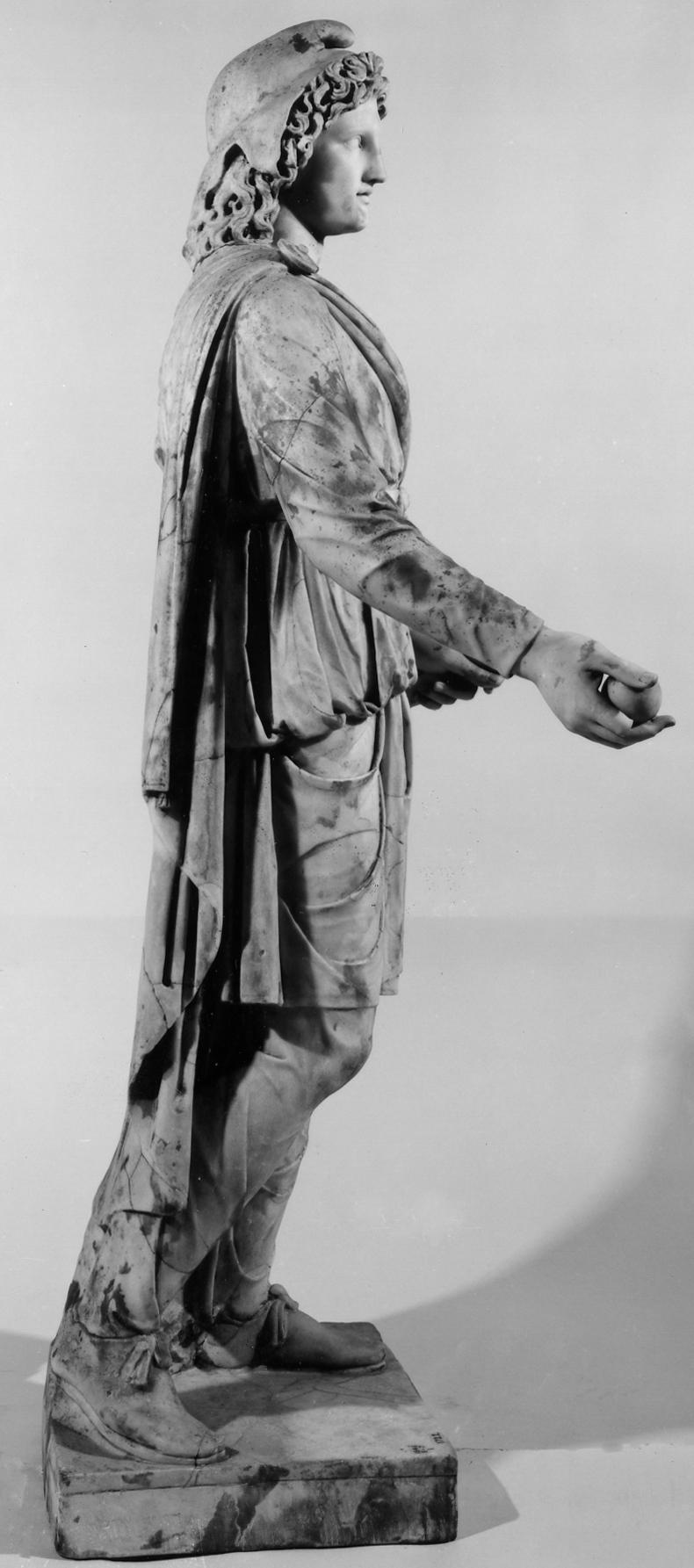
This is one of the two torchbearers, probably Cautes, transformed into Paris, now in the British Museum.
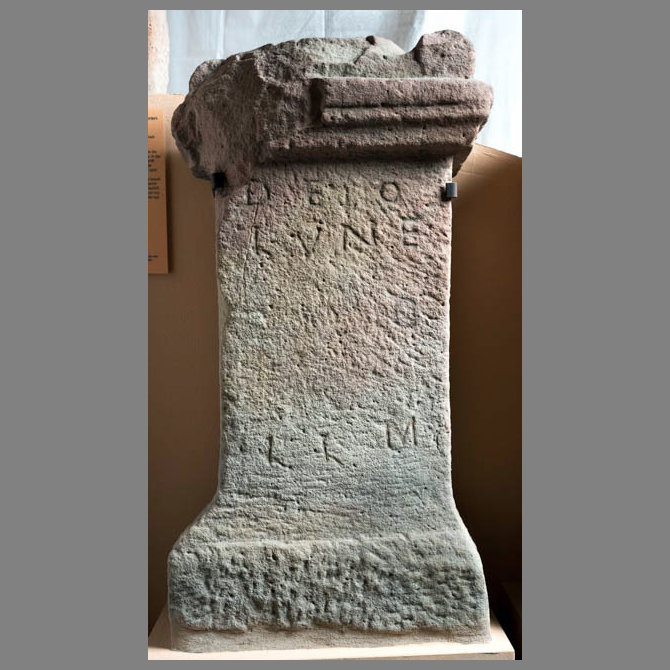
This sandstone altar was dedicated to Luna, who is mentioned as a male deity.
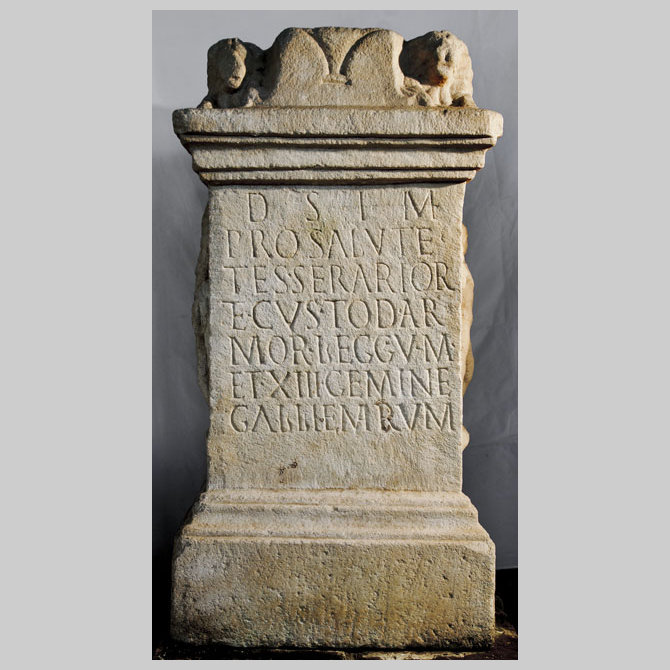
This altar, found in the 3rd mithraeum of Ptuj, bears an inscription and a relief of Sol and a person with a cornucopia.
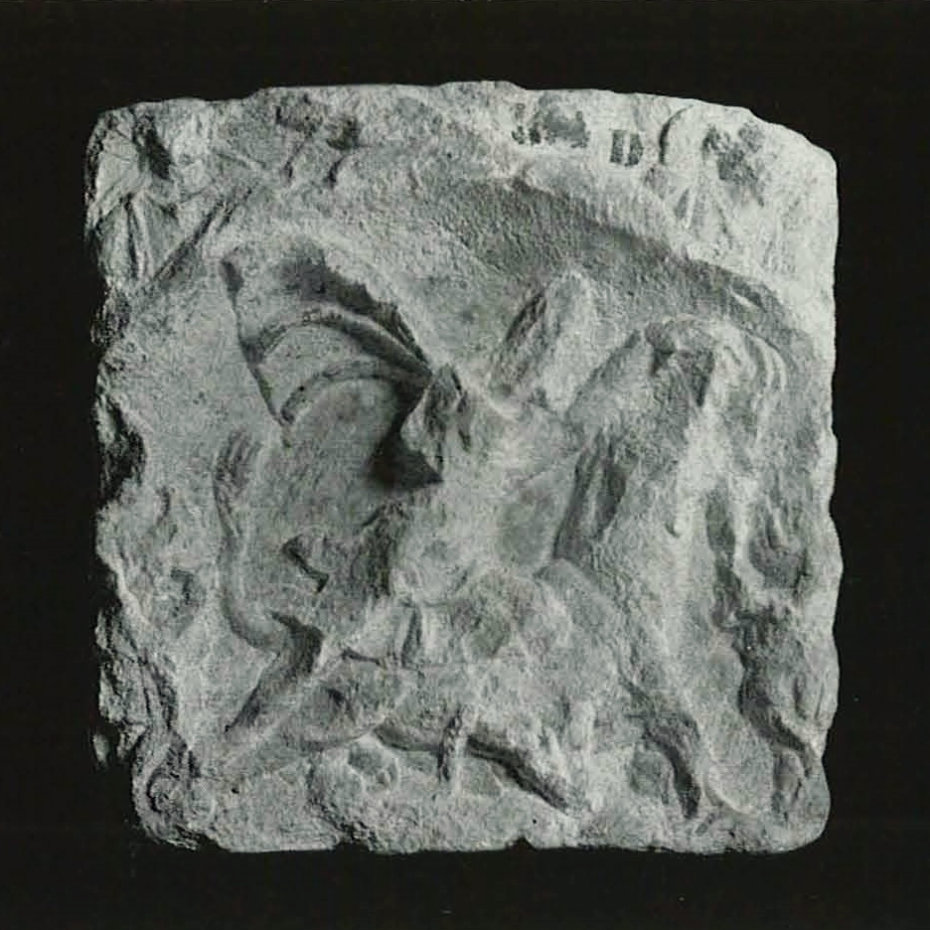
This damage relief of Mithras killing the bull was found walled into a house near Split, Croatia.
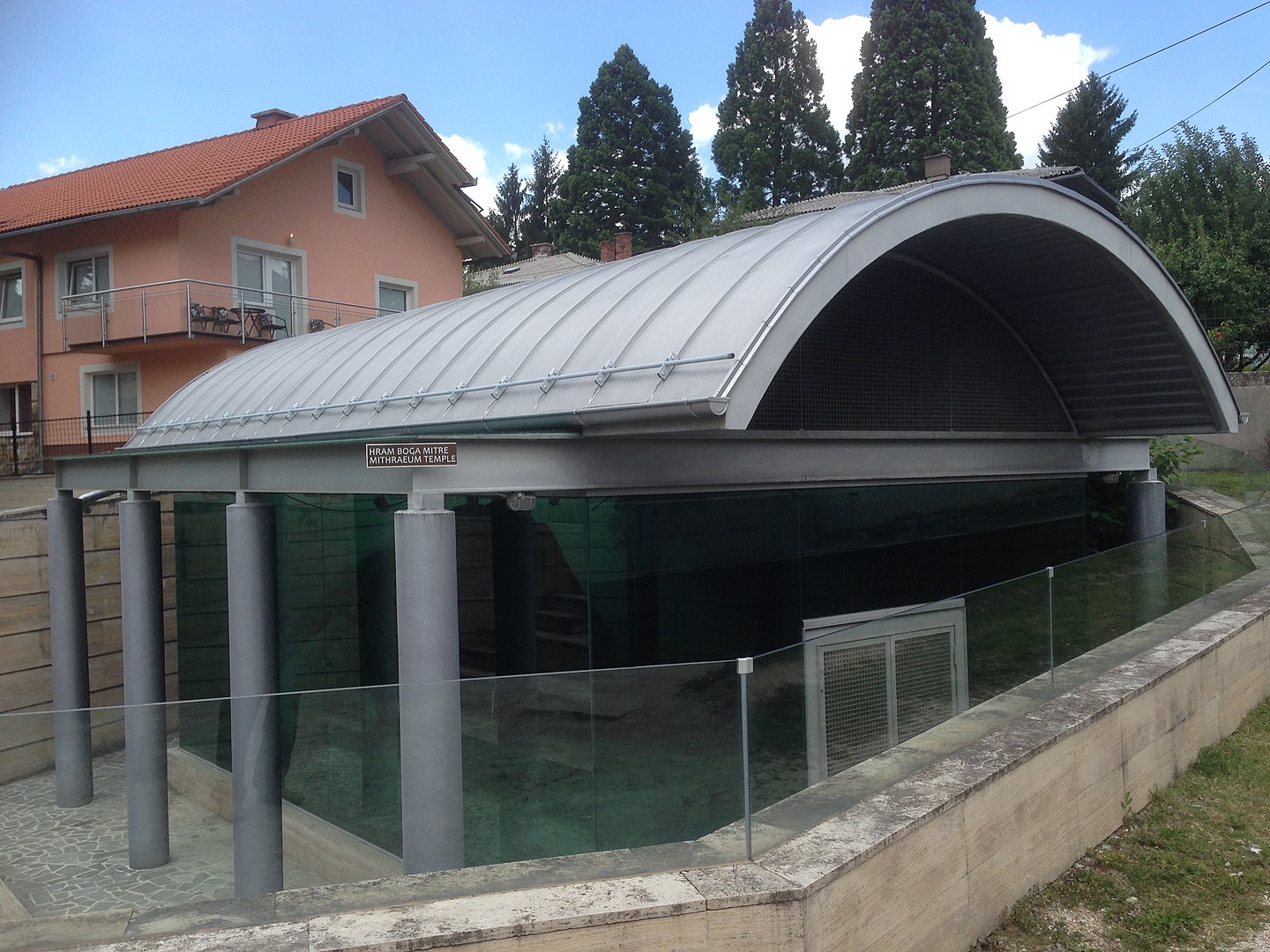
The remains of the Jajački Mithraeum were discovered accidentally during excavation for the construction of a private house in 1931.

In the cult niche of the Mitreo del Caseggiato di Diana there is a list of words that could indicate names and measurements.
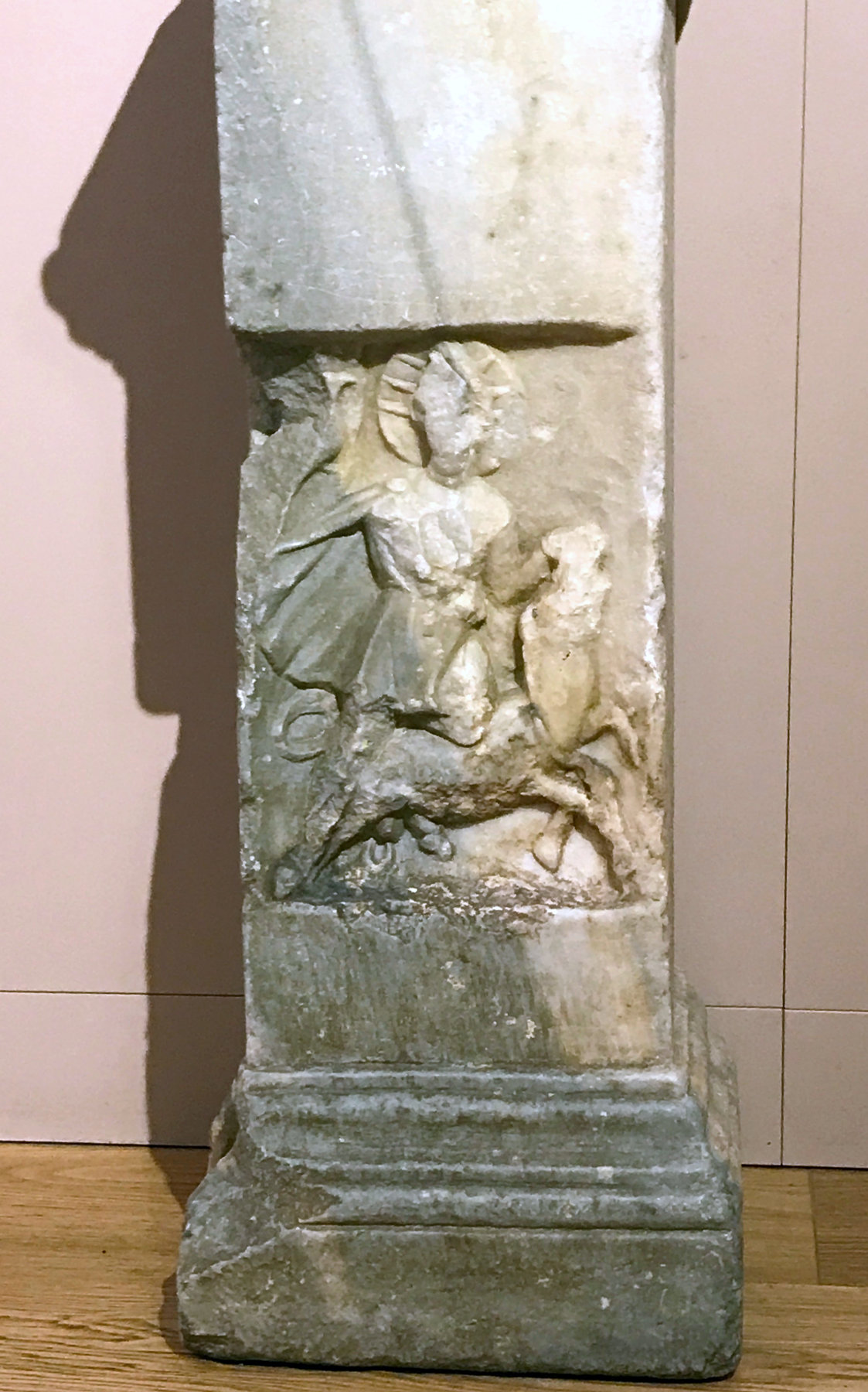
This low relief on an altar of Mithras killing the bull was found in a church in Pisignano, south of Ravenna.
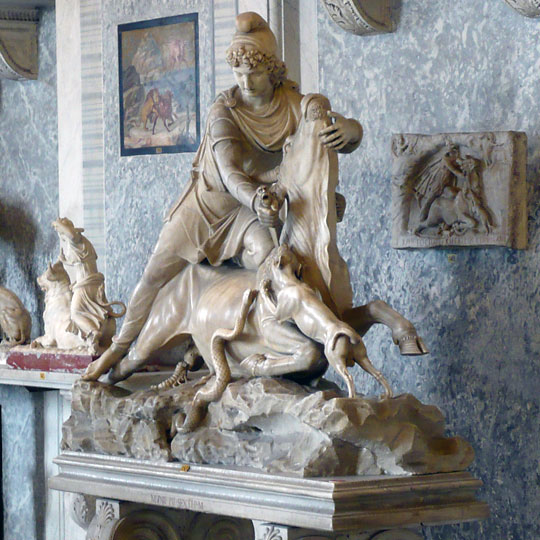
This Mithras killing the bull belonged to the sculptor V. Pancetti before being exhibited in the Vatican Museums under Pius VI.
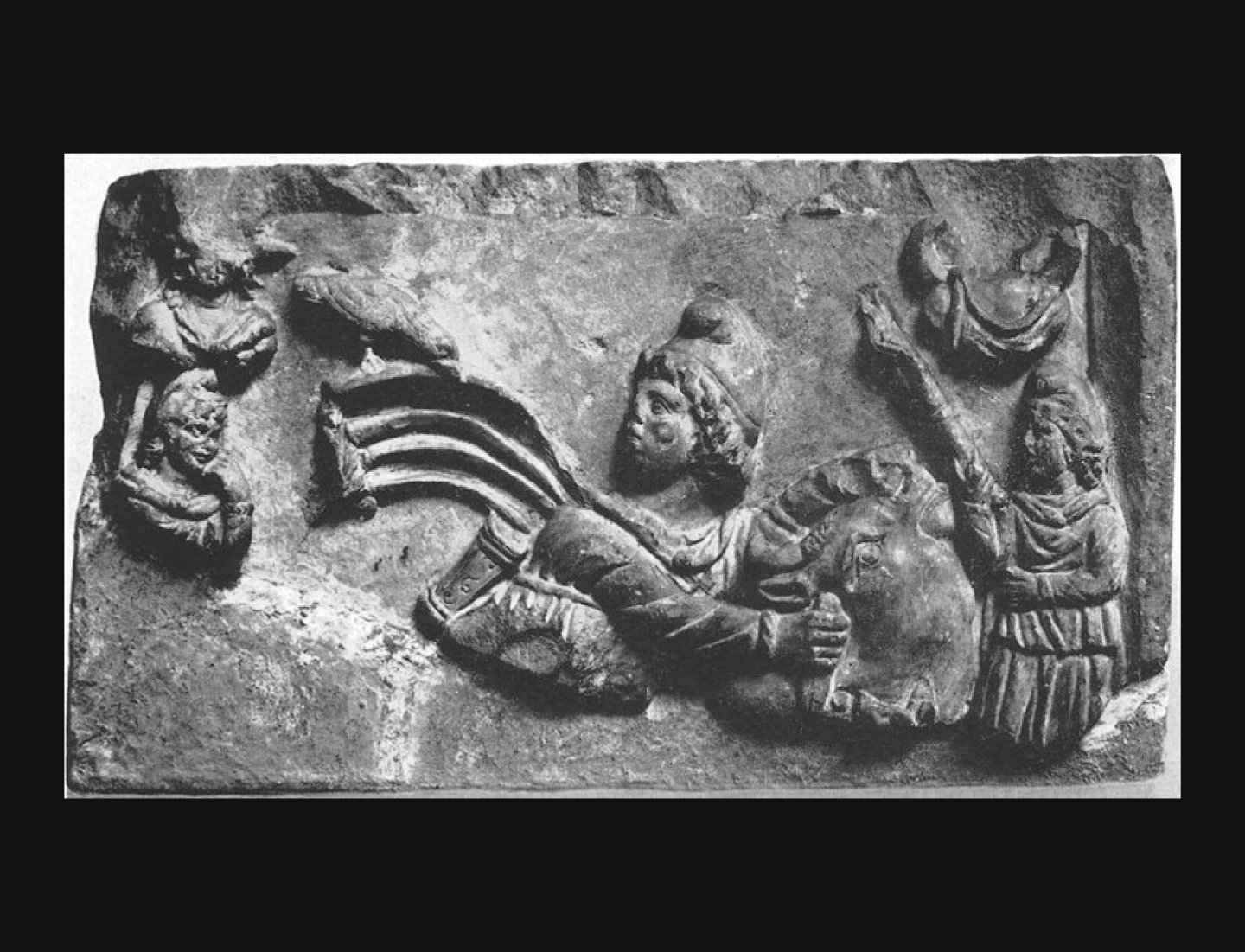
Franz Cumont bought this relief of Mithras as a bullkiller from a dealer who claimed to have found it in a vineyard near the church of Saint Pancrace, in Rome.
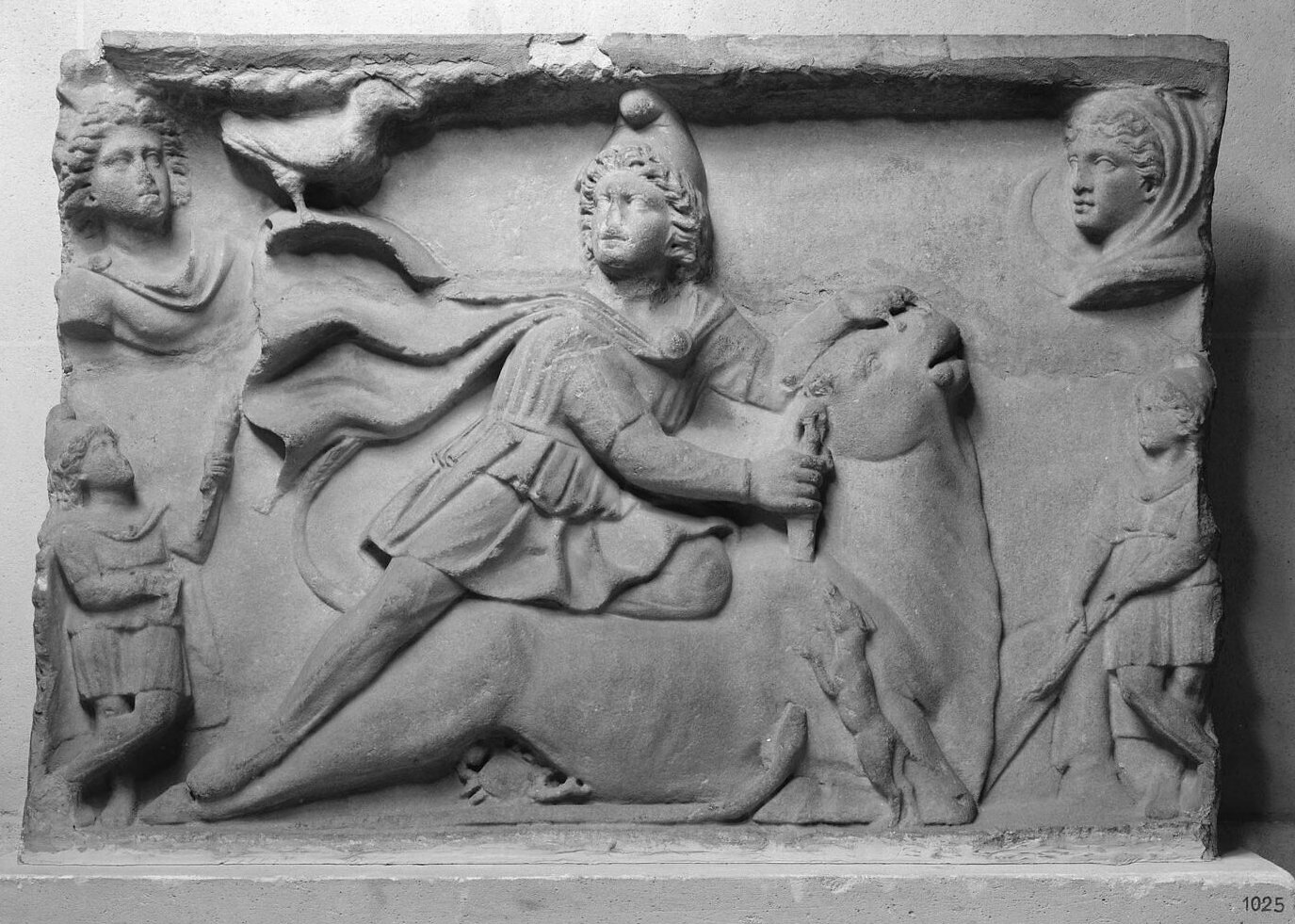
This is one of the three reliefs of Mithras as a bullkiller from the Villa Borghese collection that belong to the Louvre museum, now in the Louvre Abu Dhabi.
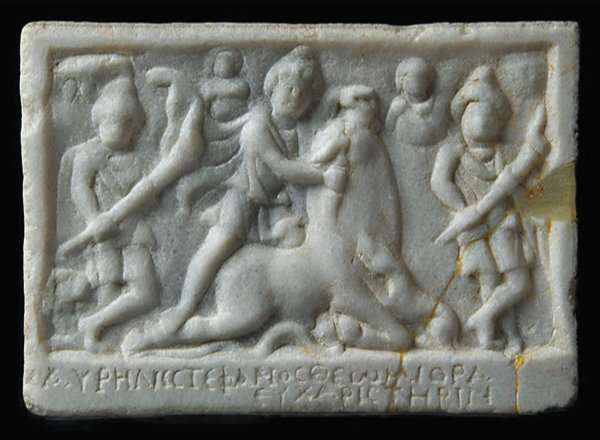
This relief of Mithras killing the bull is unique in the Apulum Mithraic repertoire because of its inscription in Greek.
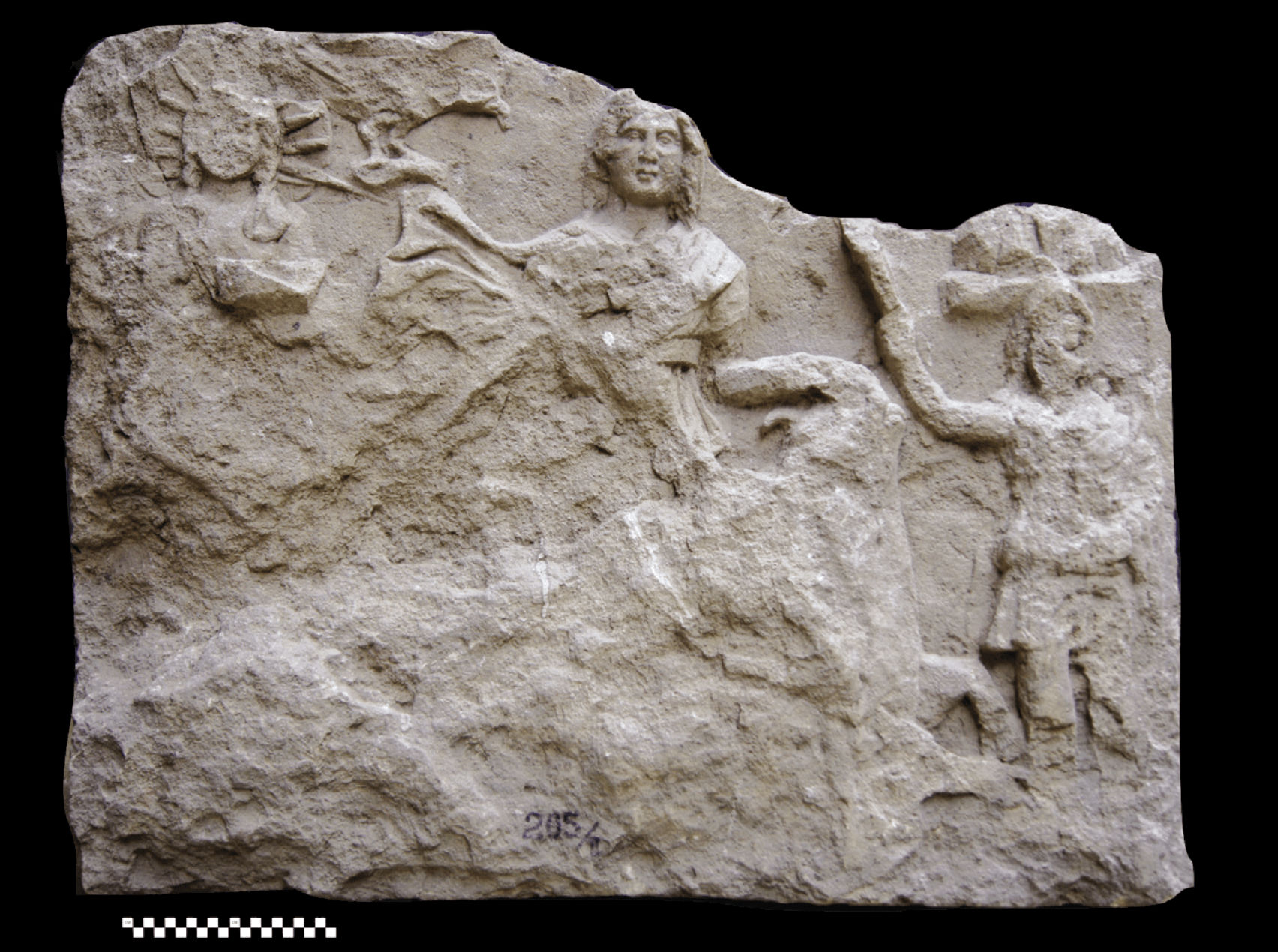
The relief of Mithra slaying the bull from Apulum, Romania, has been missing until the scholar Csaba Szabó identified it in the diposit of the Arad Museum.
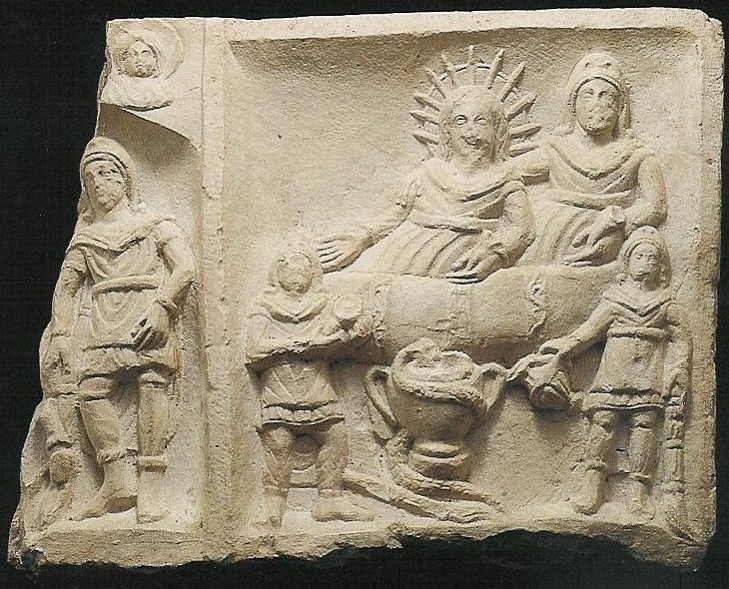
The remains of the mithraic triptic of Tróia, Lusitania, were part of a bigger composition.
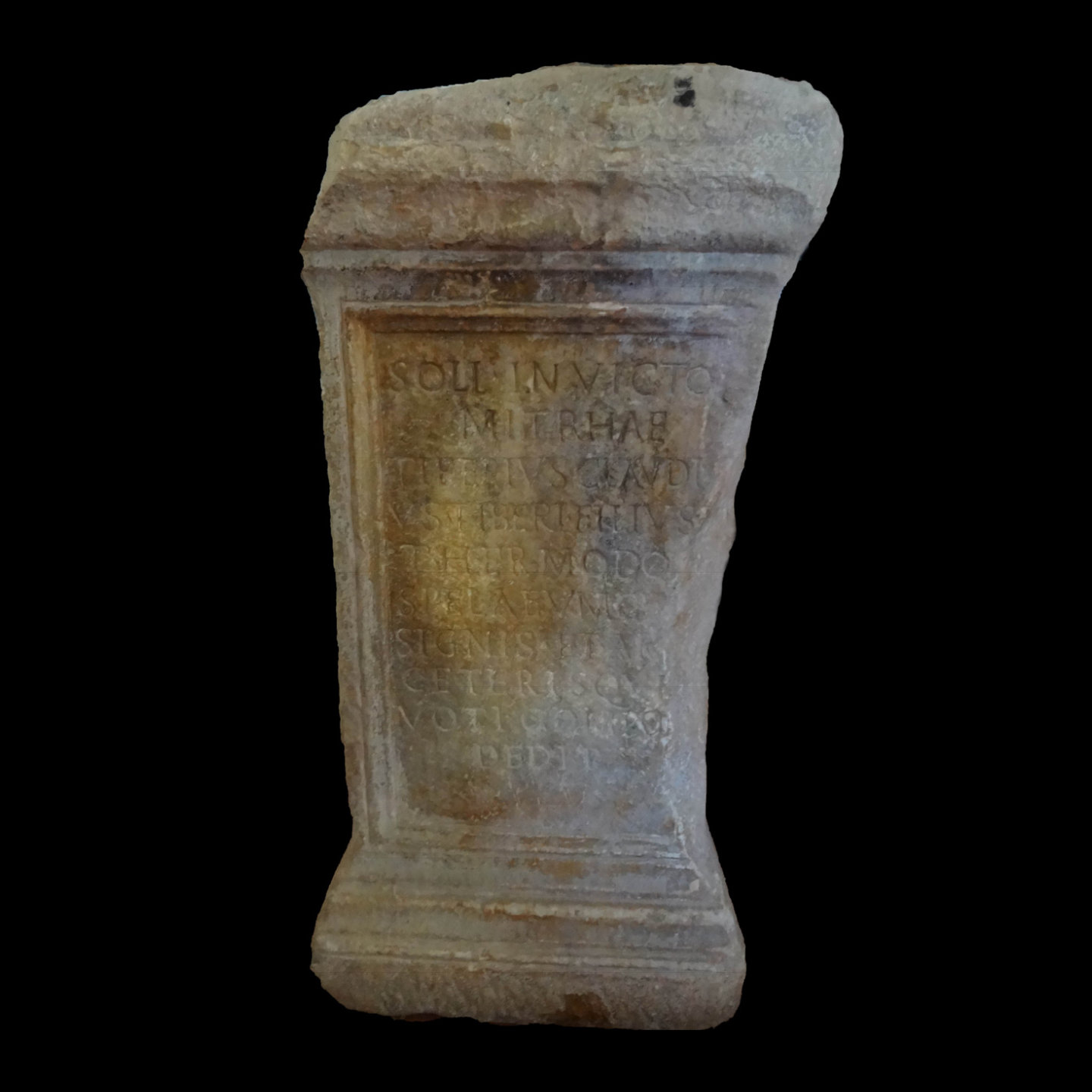
The donor of this Mithraic inscription from Bolsena, a certain Tiberius Claudius Thermoron, is known from two other monuments.
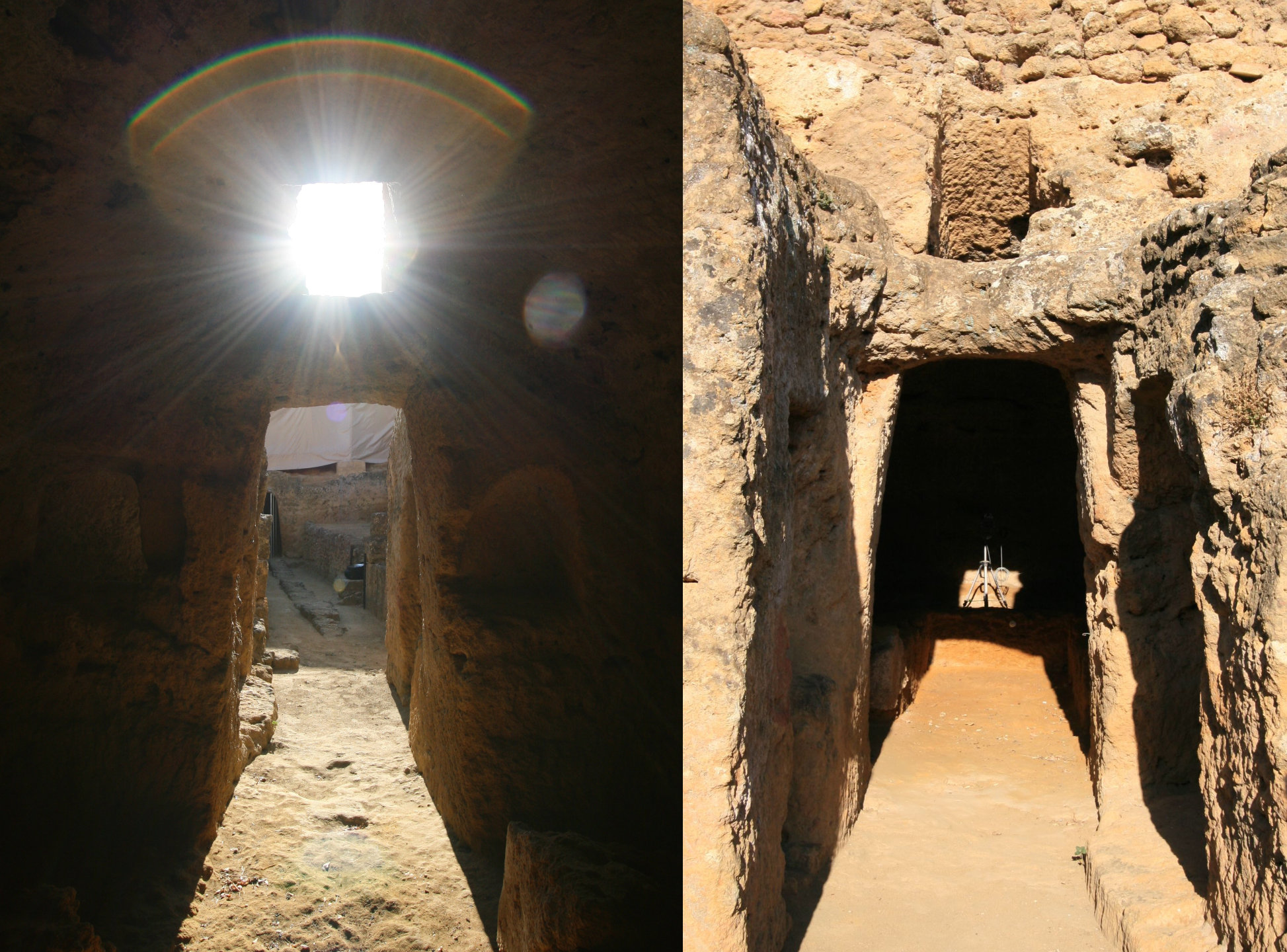
Set in a Roman necropolis, the so-called Mithraeum of the Elephant takes its name from an elephant statue found in one of the tombs.
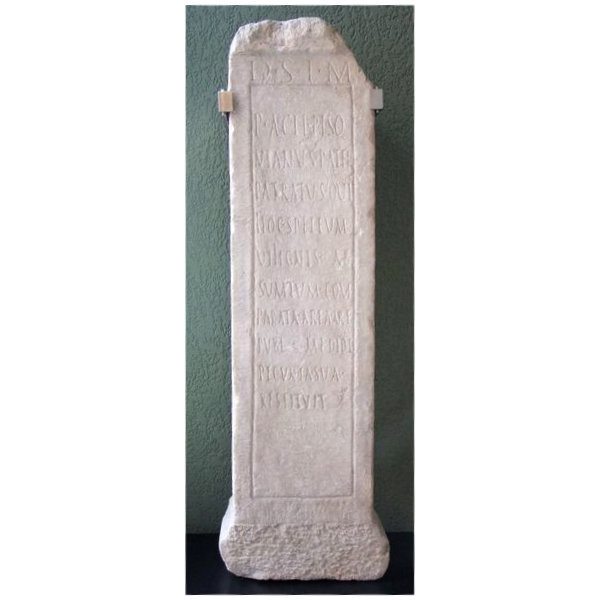
This high stele by a certain Acilius Pisonianus bears an inscription commemorating the restoration of a Mithraeum in Mediolanum, today's Milan.
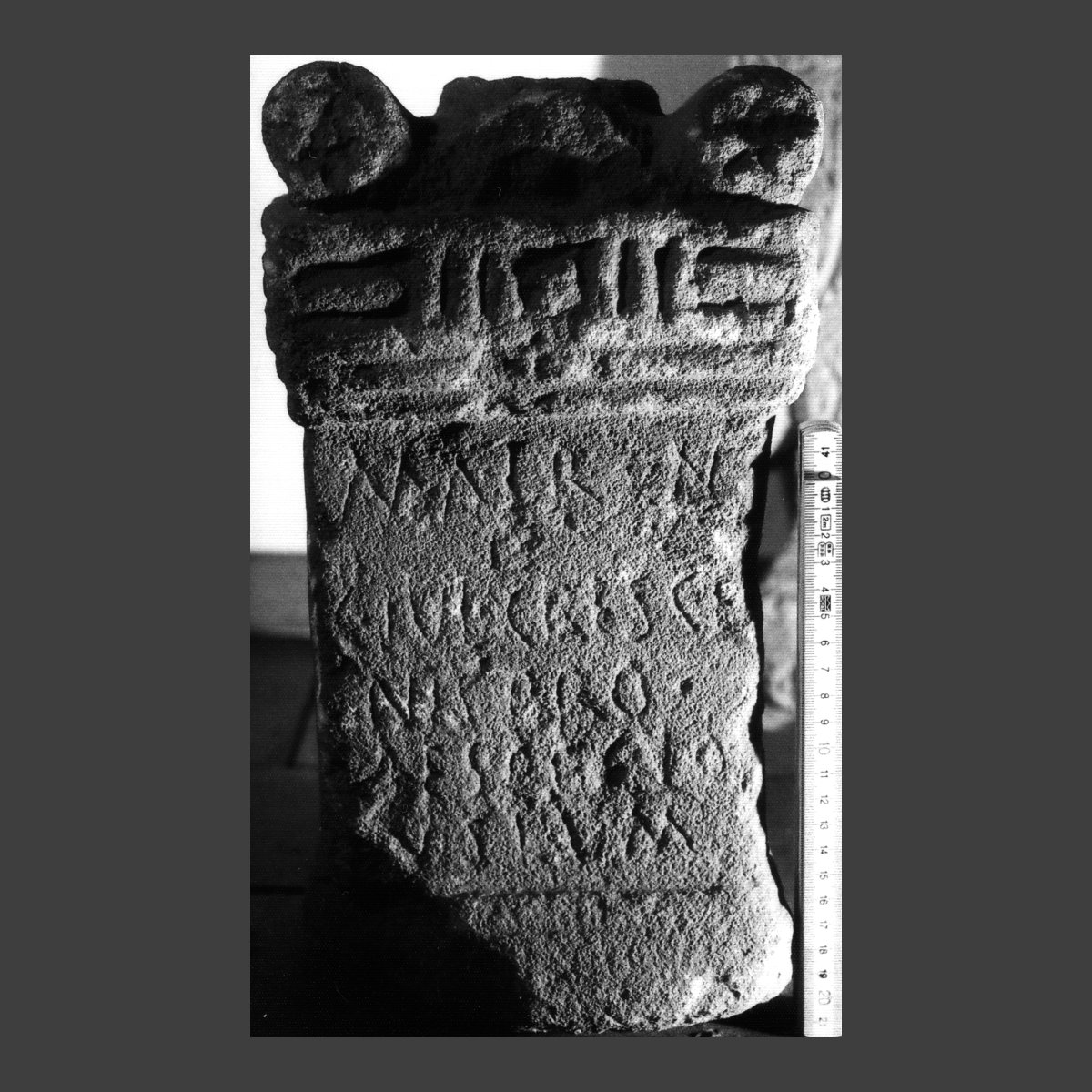
This fragmented altar of a certain Caius Iulius Crescens, found in the Mithraeum of Friedberg, bears an inscription to the Mother Goddesses.
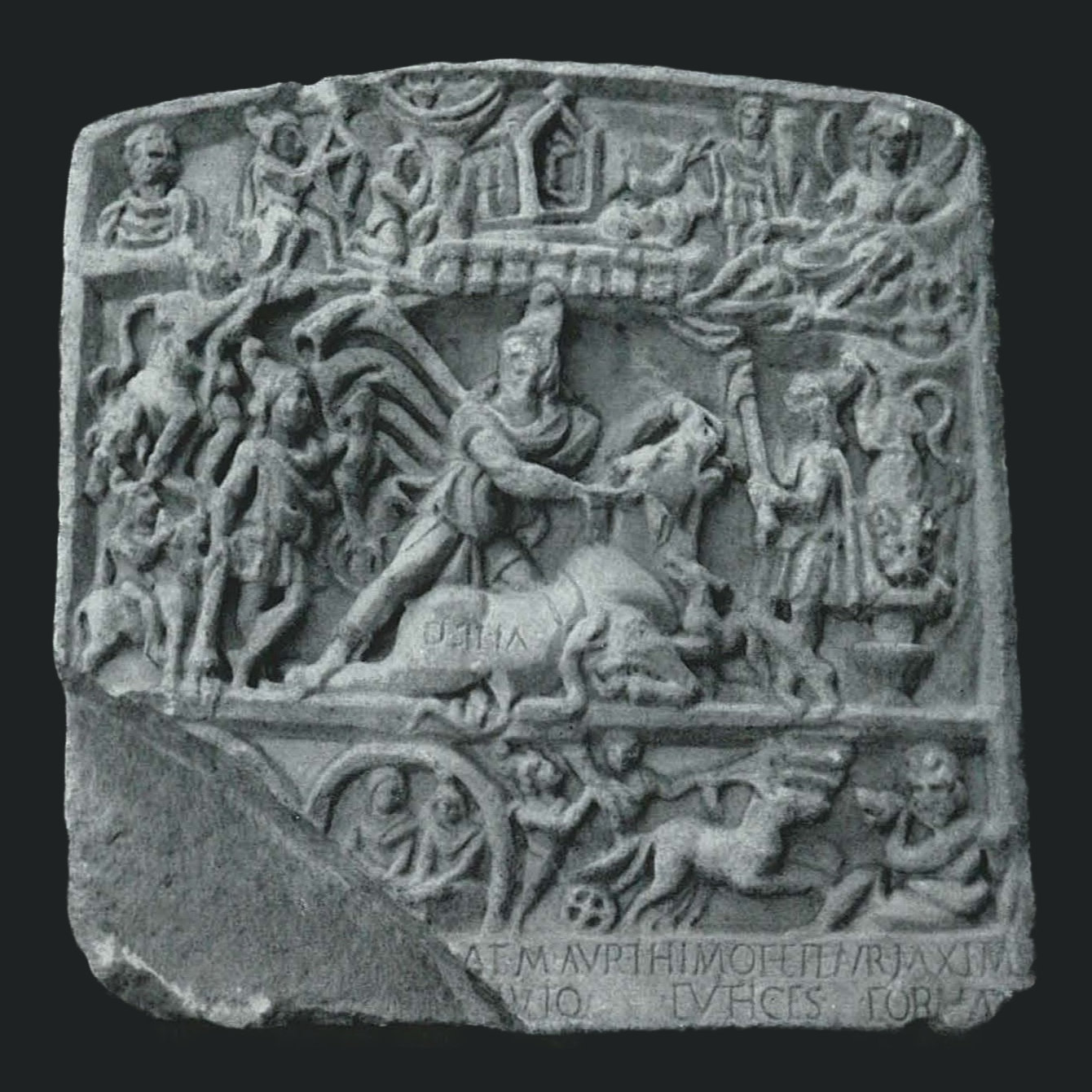
This marble relief of Mithras killing the bull was made by a freedman who dedicated it to his old masters.
In the altar that Titus Tettius Plotus dedicated to the invincible God, he called himself pater sacrorum.
