Your search Boulogne-sur-Mer gave 707 results.
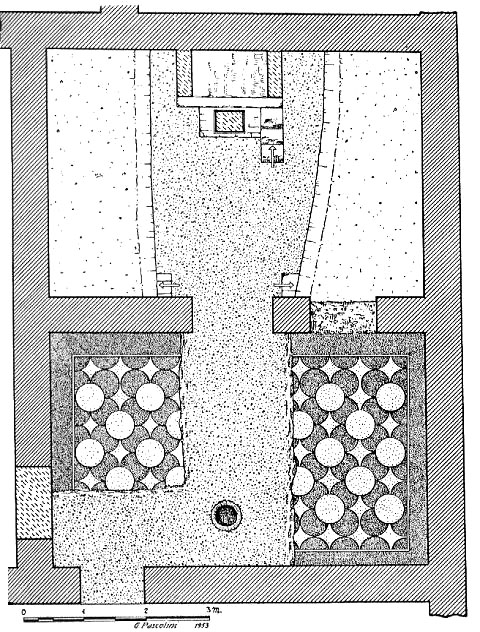
The Mithraeum of the House of Diana was installed in two Antonine halls, northeast corner of the House of Diana, in the late 2nd or early 3rd century.
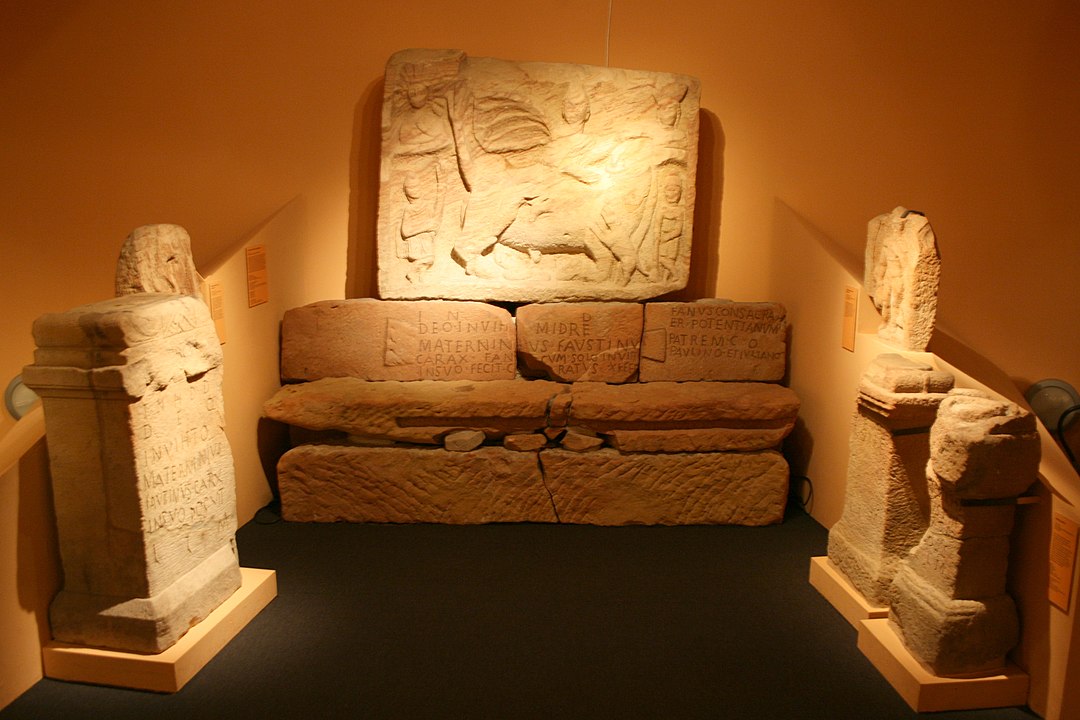
The few remains of the Mithraeum of Gimmeldingen are preserved at the Historical Museum of the Palatinate, in Speyer, Germany.

There are no further details about this Mithraic statue from Transylvania, the historical region of central Romania.
The provenance of this fragment of a white marble relief depicting Mithras as a bullkiller is unknown.
This Aion is known for wearing a Kalathos on his lion’s head, linking him to the syncretic Sarapis.
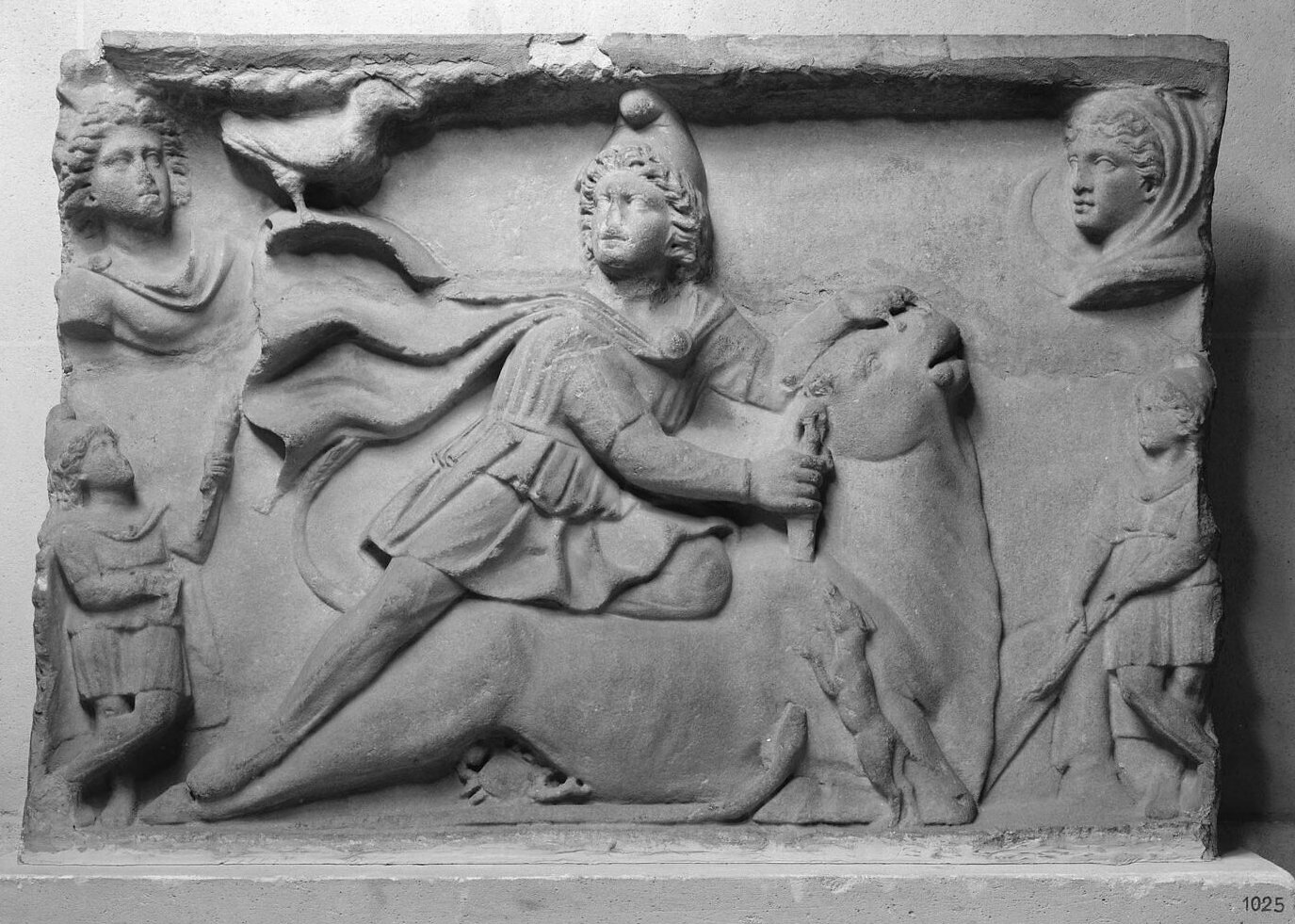
This is one of the three reliefs of Mithras as a bullkiller from the Villa Borghese collection that belong to the Louvre museum, now in the Louvre Abu Dhabi.
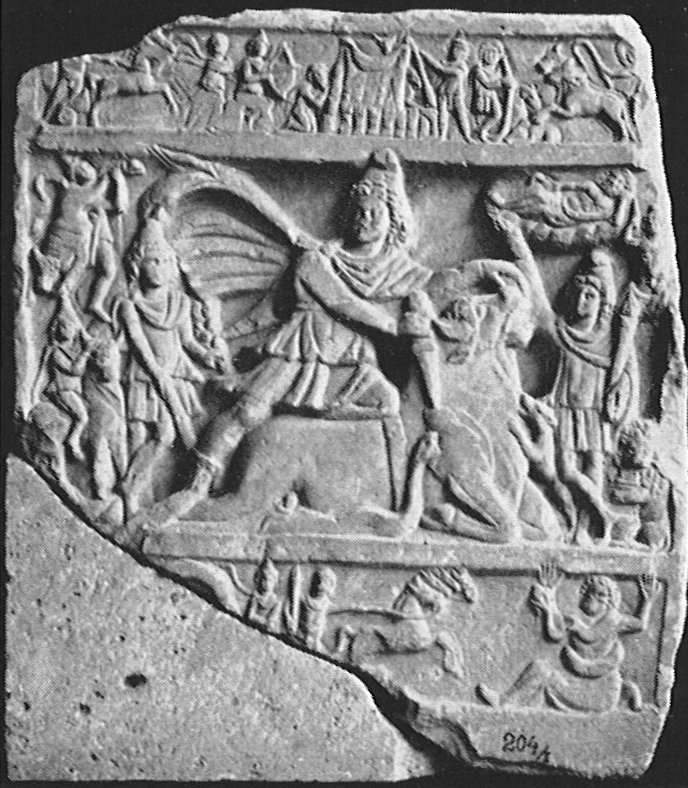
This relief of Mithras killing the bull from Apulum, now Alba Iulia, Romania, contains several scenes from the Mithras legend.
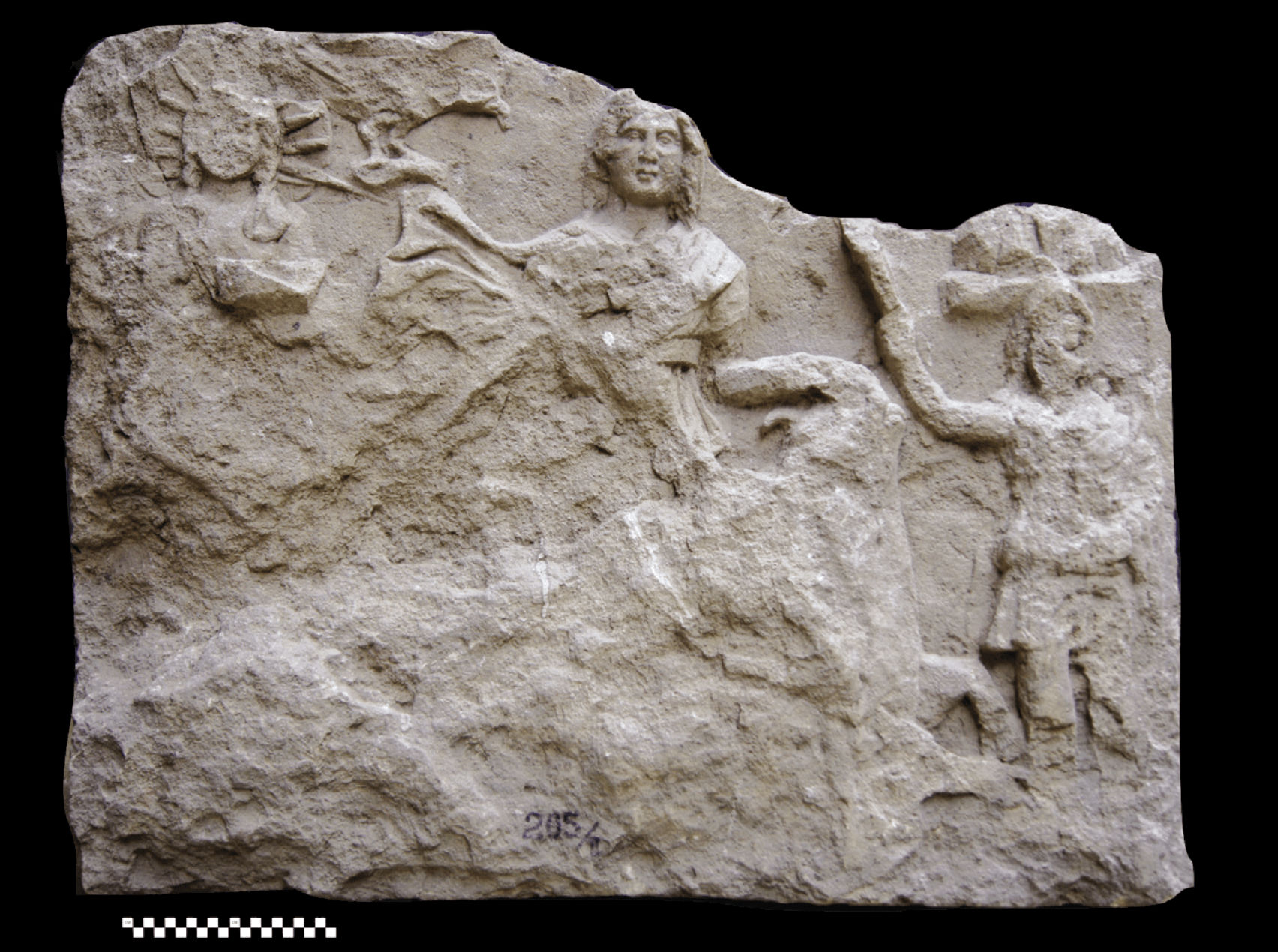
The relief of Mithra slaying the bull from Apulum, Romania, has been missing until the scholar Csaba Szabó identified it in the diposit of the Arad Museum.
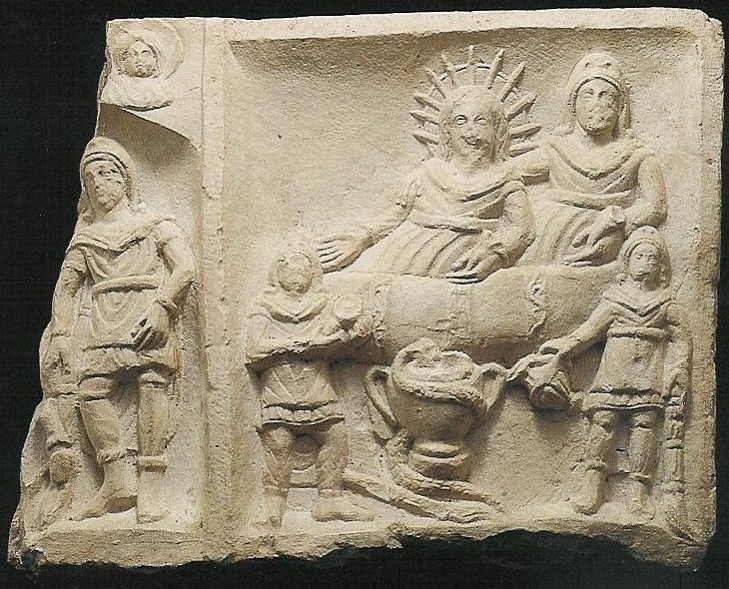
The remains of the mithraic triptic of Tróia, Lusitania, were part of a bigger composition.
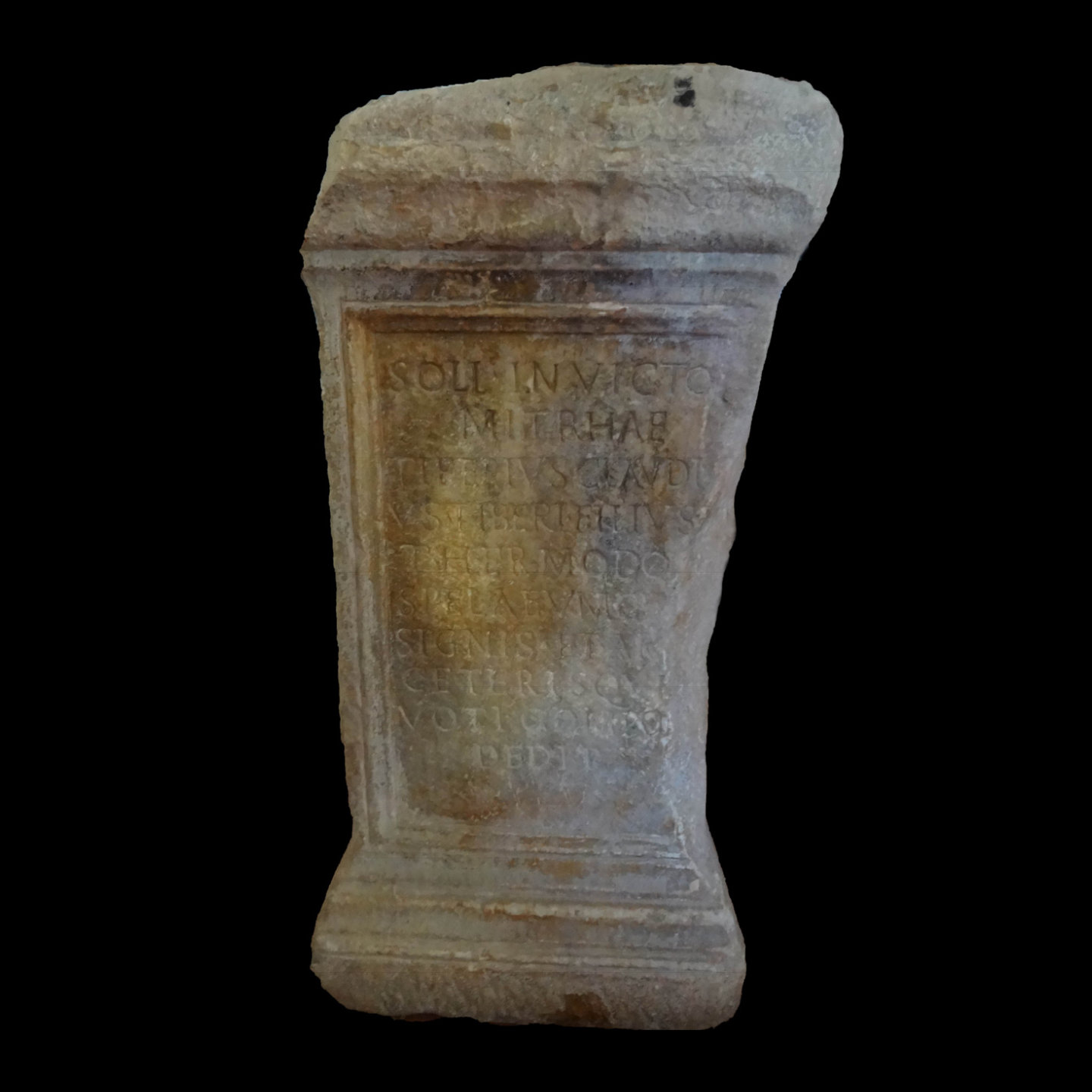
The donor of this Mithraic inscription from Bolsena, a certain Tiberius Claudius Thermoron, is known from two other monuments.
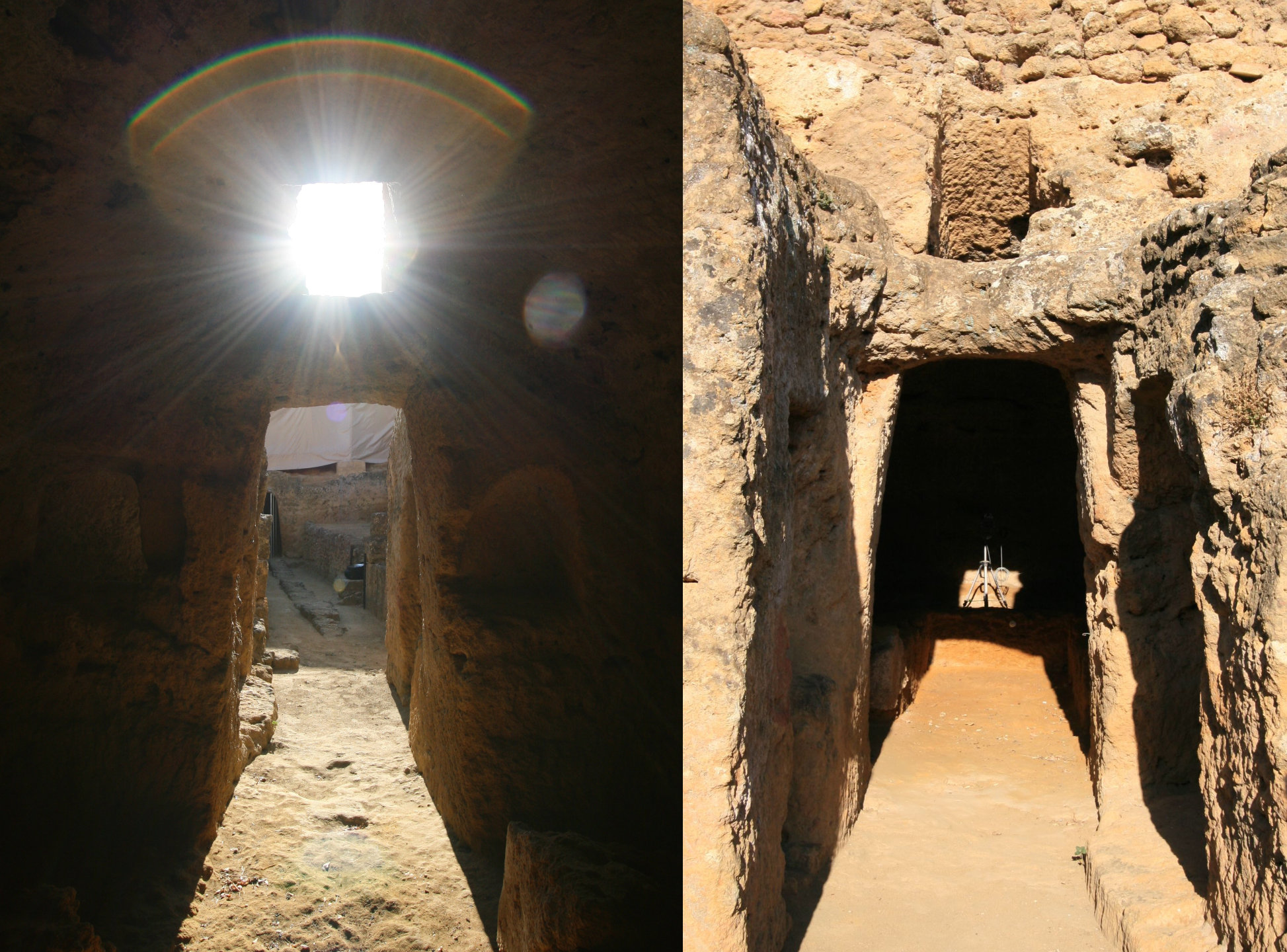
Set in a Roman necropolis, the so-called Mithraeum of the Elephant takes its name from an elephant statue found in one of the tombs.
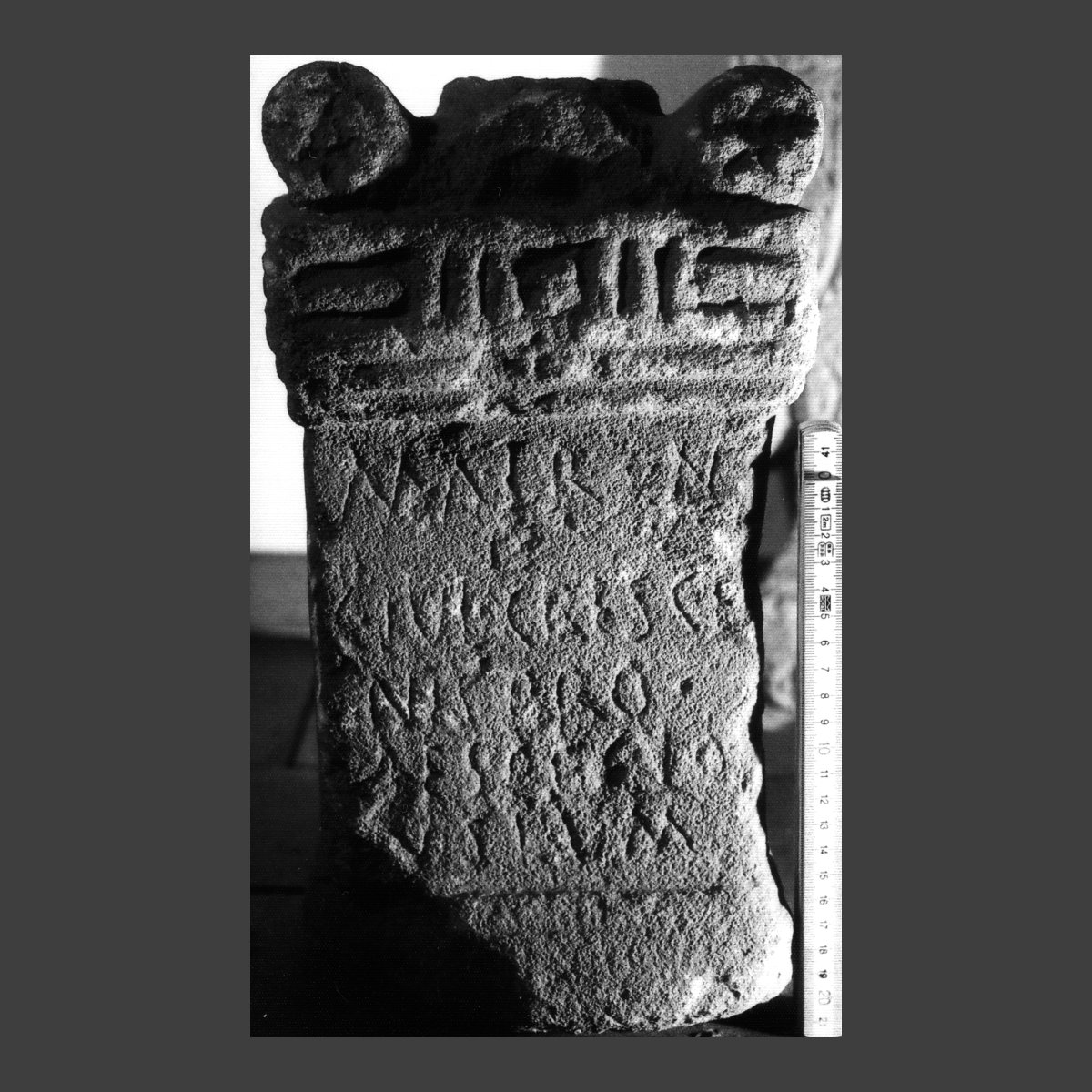
This fragmented altar of a certain Caius Iulius Crescens, found in the Mithraeum of Friedberg, bears an inscription to the Mother Goddesses.
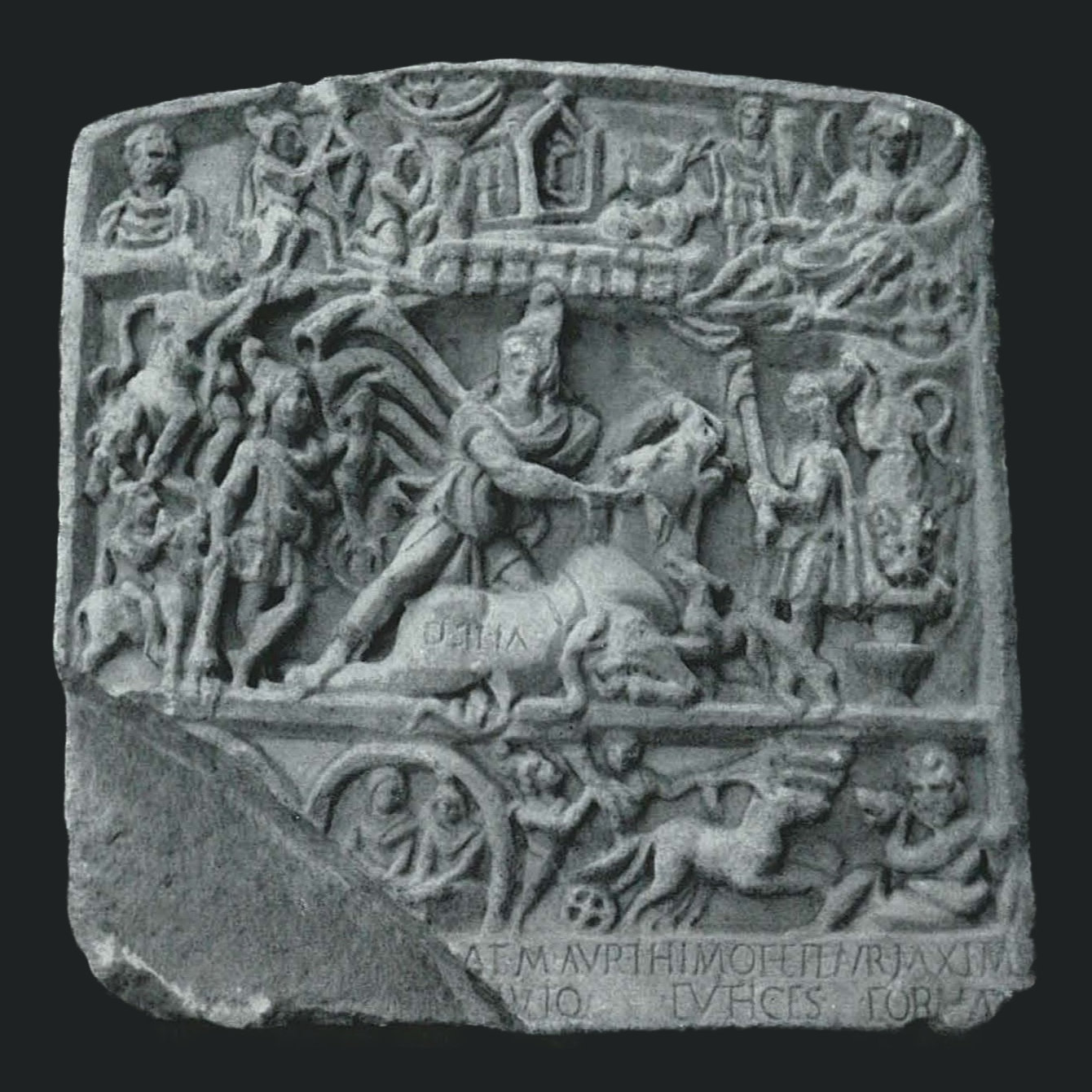
This marble relief of Mithras killing the bull was made by a freedman who dedicated it to his old masters.
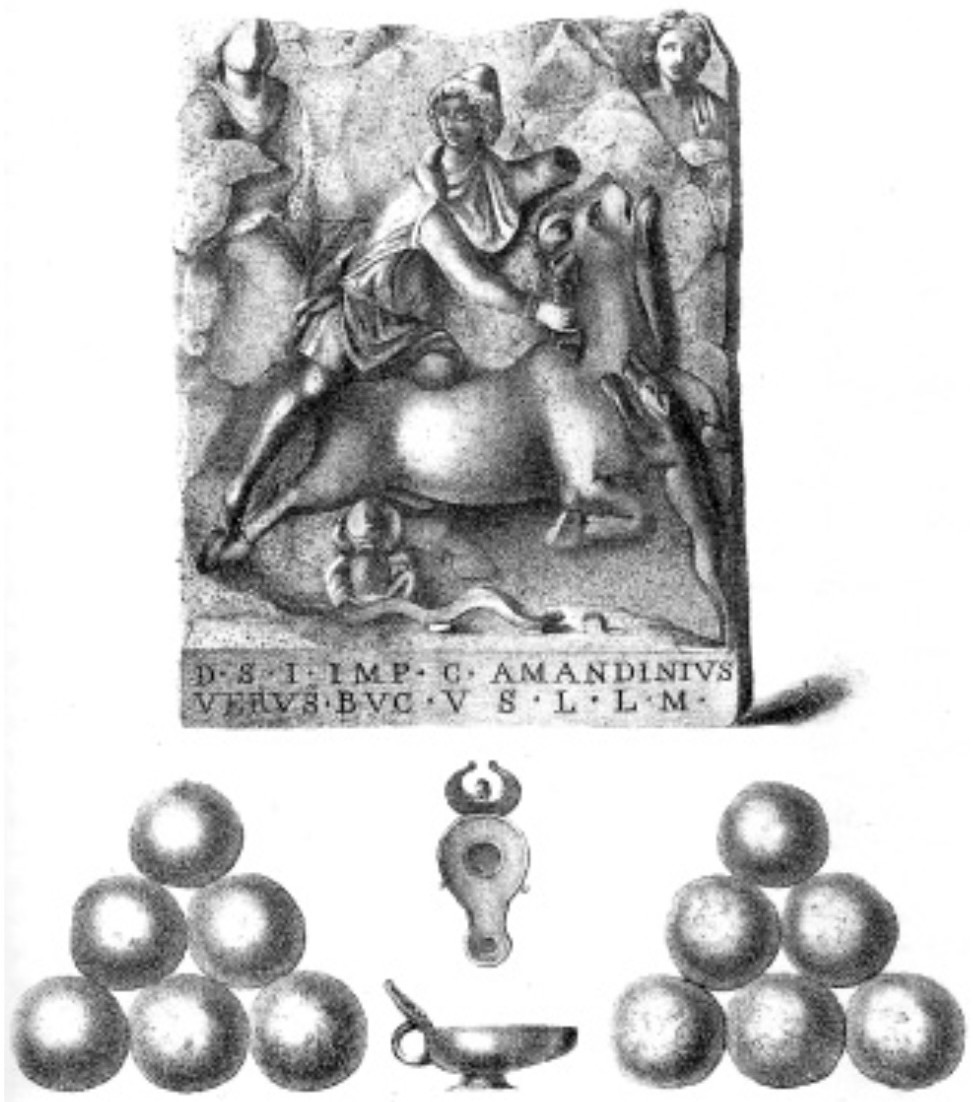
Workman digging in a field near Dormagen found a vault. Against one of the walls were found two monuments related to Mithras.
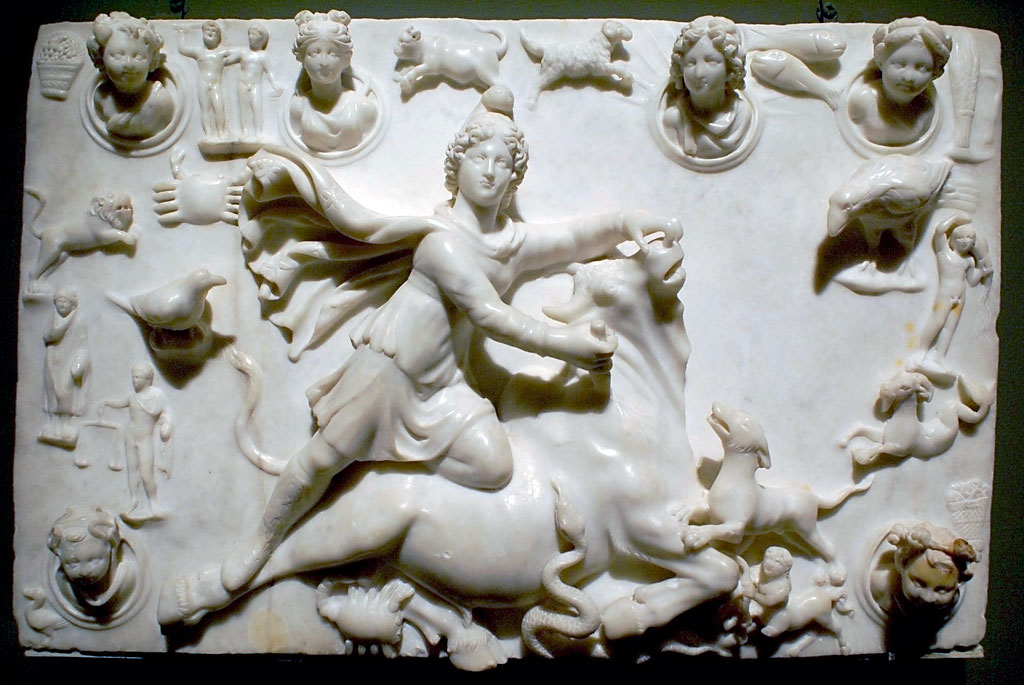
The tauroctony relief of Sidon depicts the signs of the zodiac and the four seasons, among other familiar features.
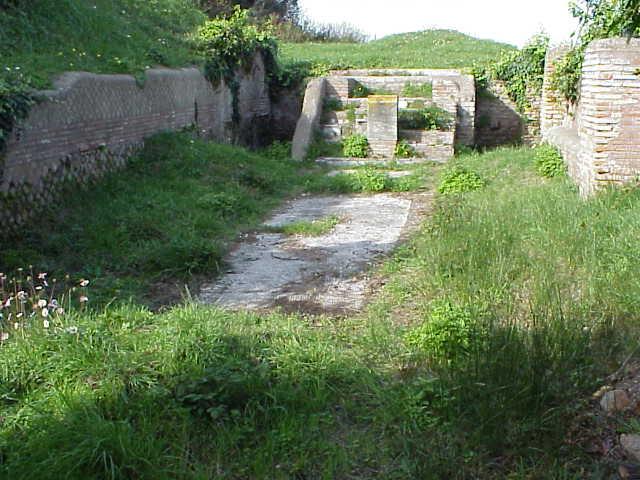
A mosaic of Silvanus, dated to the time of Commodus, was found in a niche in a nearby room of the Mithraeum in the Imperial Palace at Ostia.
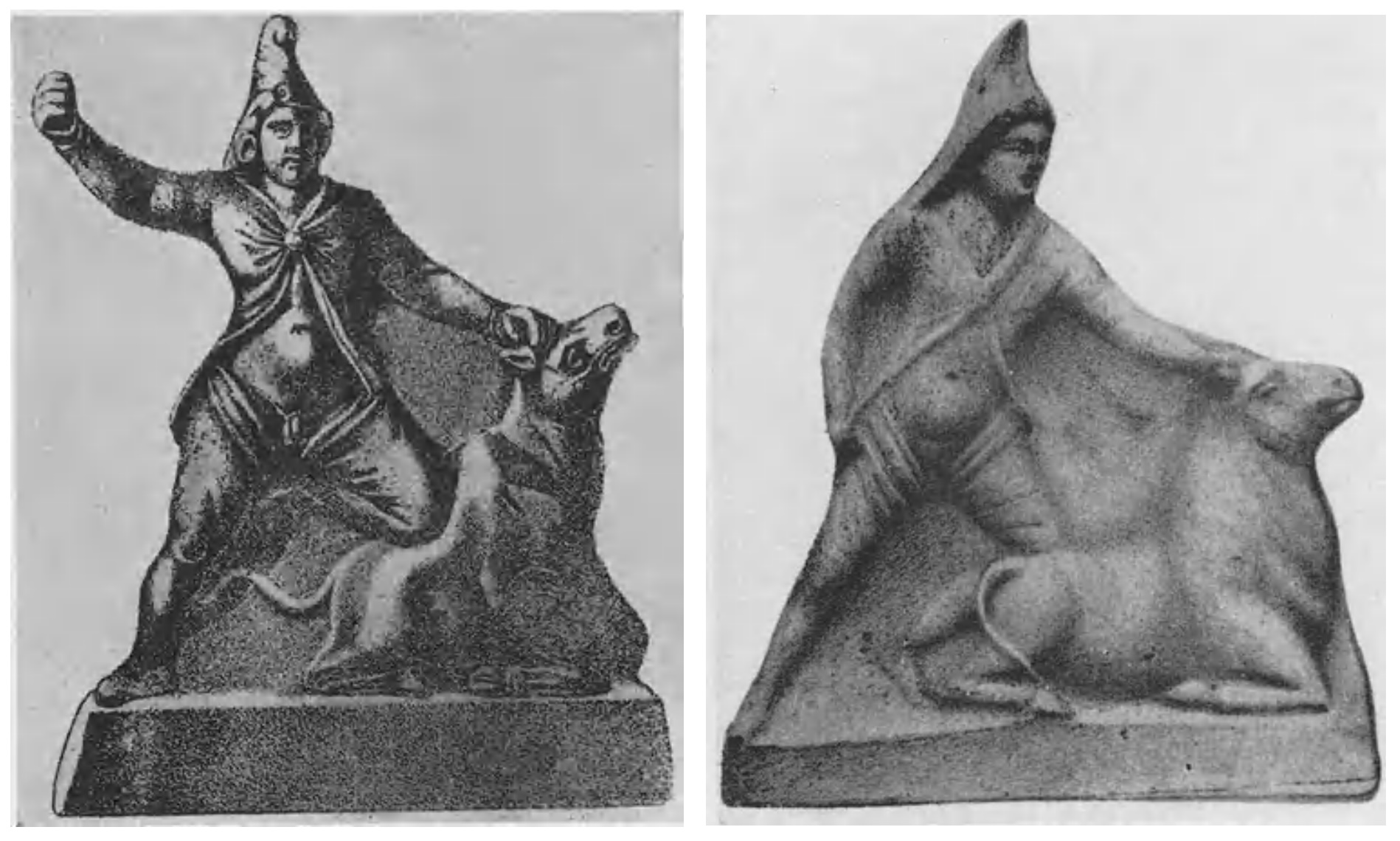
Terracotta tablets depicting a Taurombolium by Attis which might be at the origins of the mithraic Tauroctony iconography.
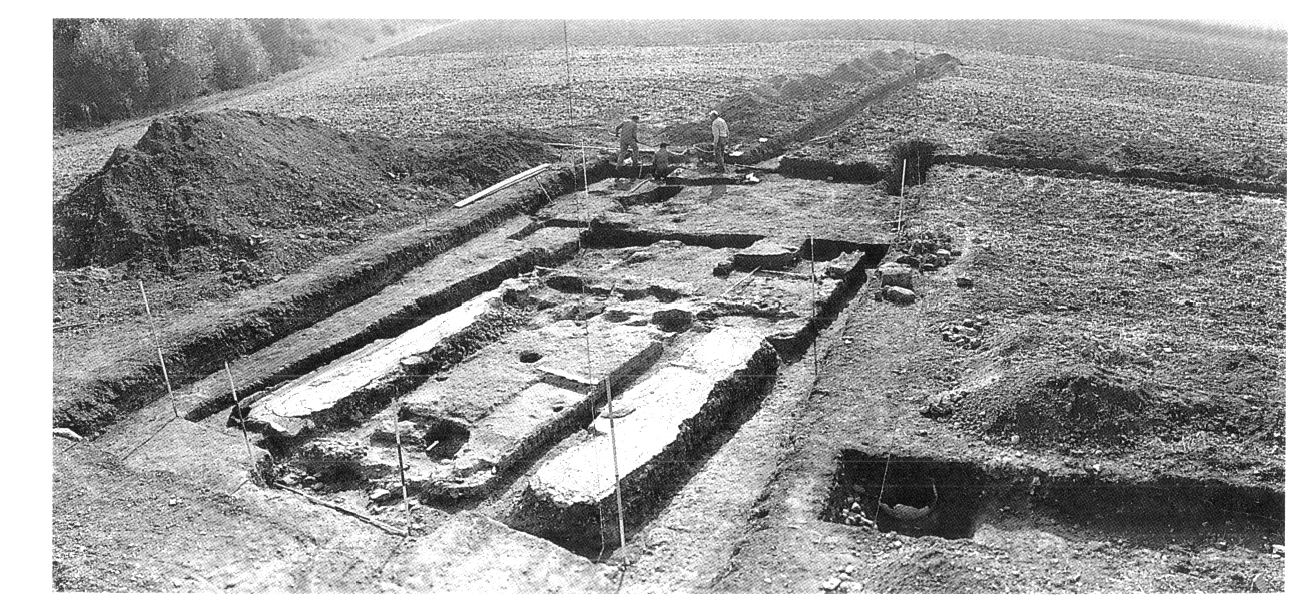
The Mithraeum of Biesheim-Kunheim is located near the ancient village of Altkirch, near the Rhin.
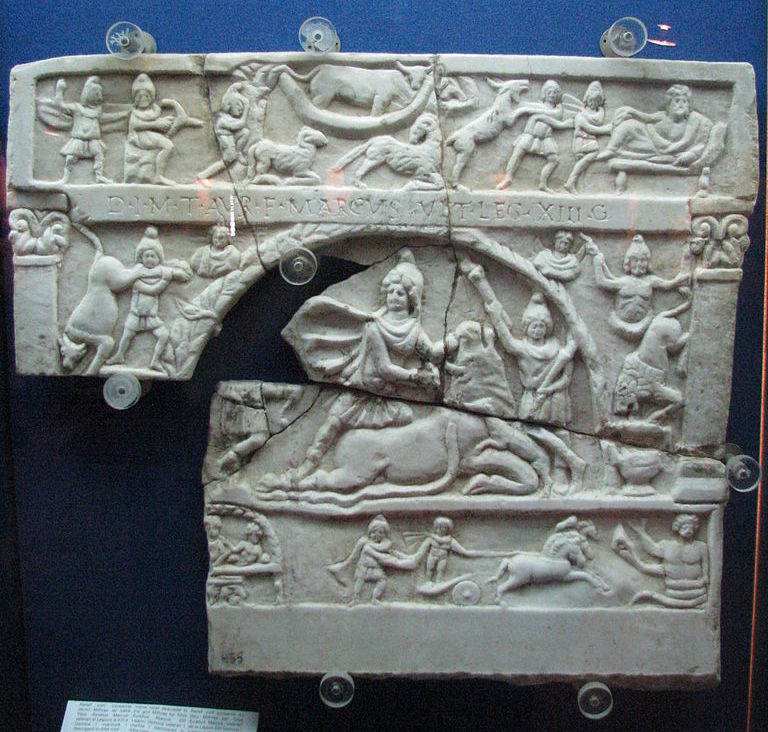
This marble relief from Alba Iulia contains numerous scenes from the myth of Mithras.
This temple of Mithras has been discovered under the Church in Vieux-en-Val-Romey, in 1869.
