Your search Cioroiu Nou gave 234 results.
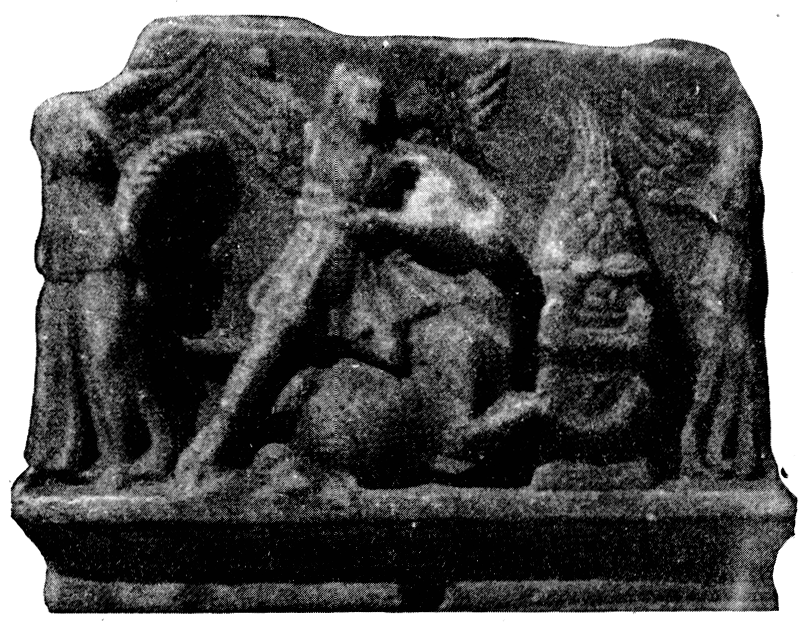
The Mithraic relief from Baris, in present-day Turkey, shows what appears to be a proto-version of the Tauroctony, with a winged Mithras surrounded by two Victories.
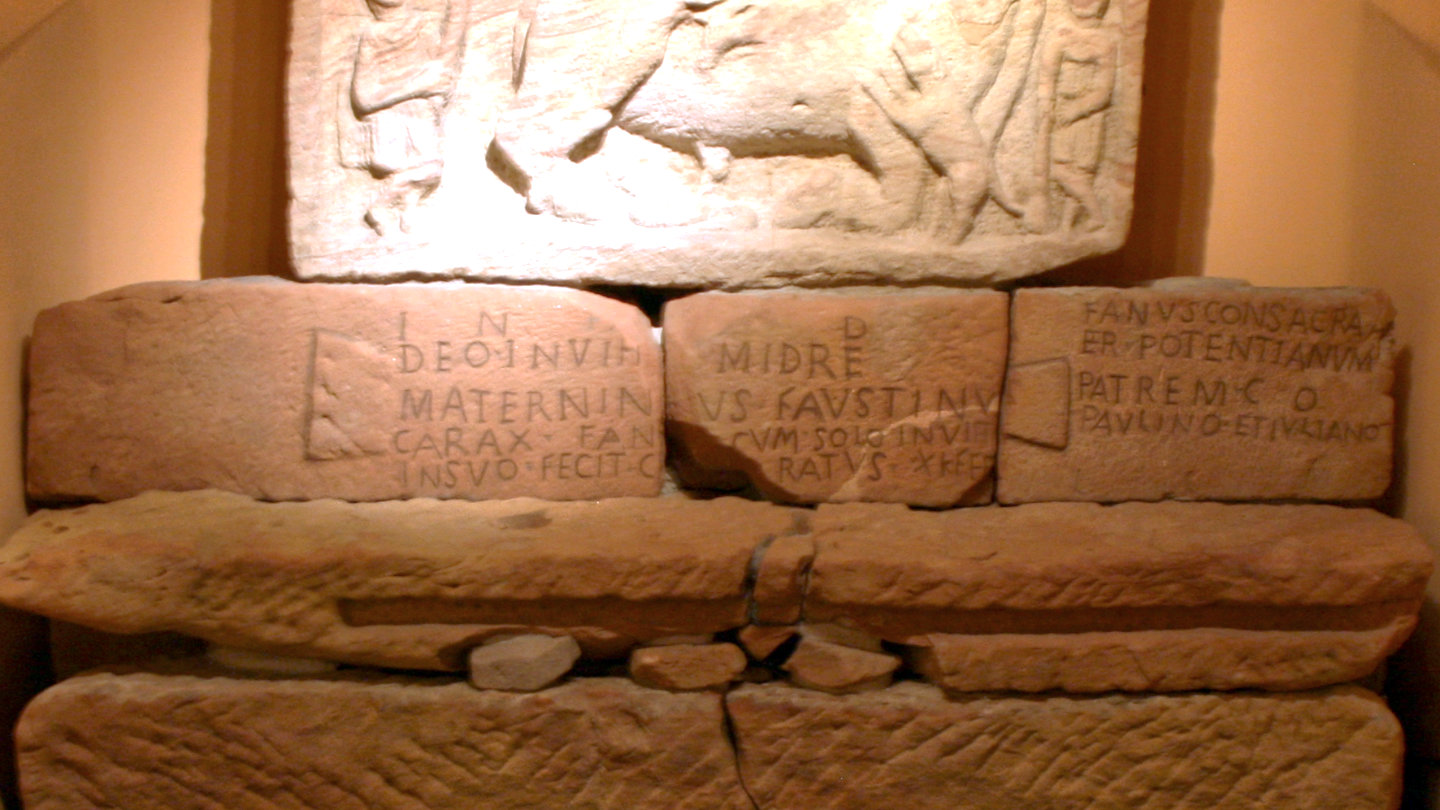
The inscription was located at the base of the main Tauroctony of the Gimmeldingen Mithraeum.

Séminaire du 5 mai 2026 : The Lord of the Covenant: Mihr the judge and the celebration of Mihragān.
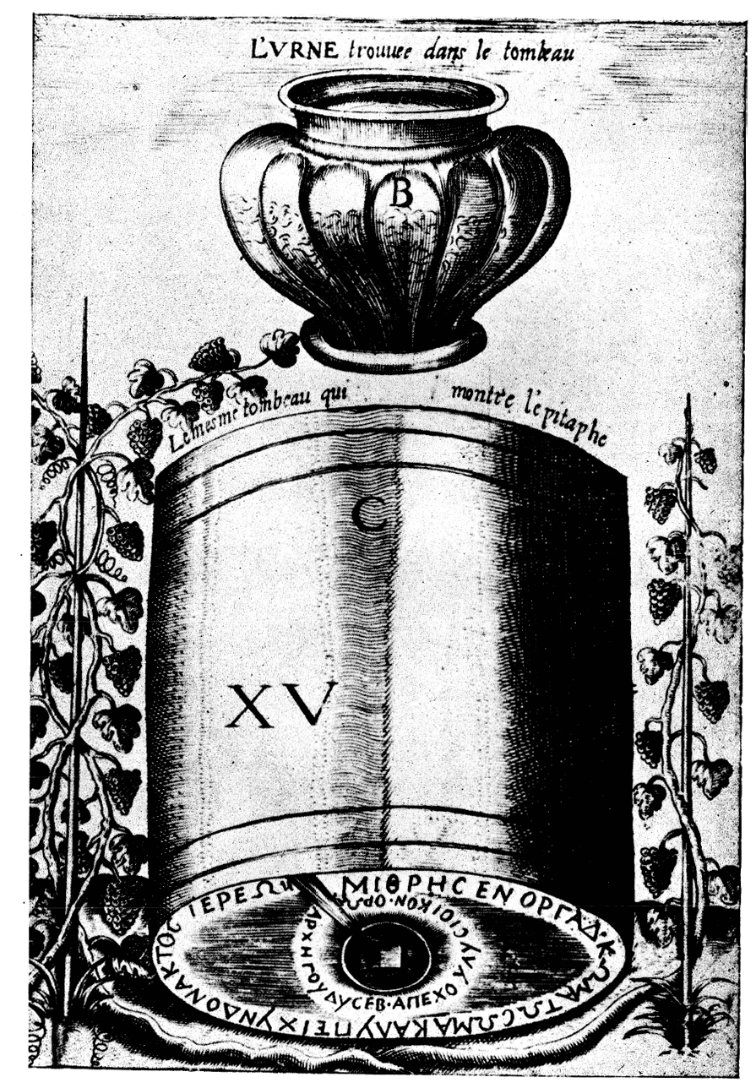
This funerary inscription, engraved on a stone urn discovered near Roman Dijon, mentions a certain Chyndonax, described as a priestly leader of Mithras.

This lost monument from Malaga, Spain, to Dominus Invictus has been linked to the cult of Mithras, although there is not enough evidence.
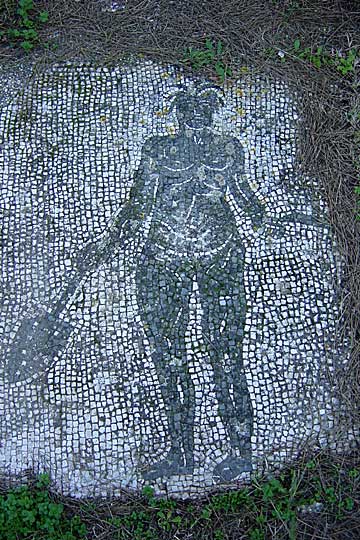
Several figures related to the Mysteries of Mithras are depicted on the mosaics of the Mithraeum of the Animals.
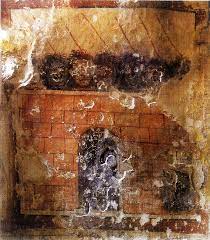
The City of Darkness unique fresco from the Mithraeum of Hawarte shows the tightest links between the western and eastern worship of Mithras in Roman Syria.
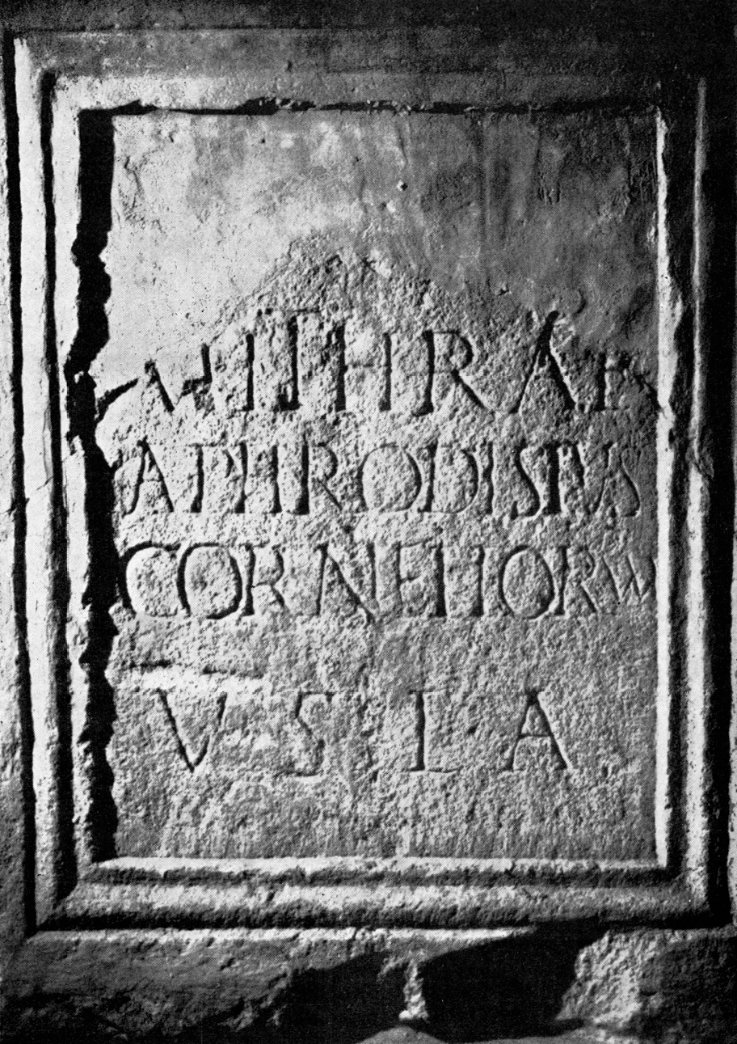
This inscription by a certain Aphrodisius was found under the old city hall of Algiers.
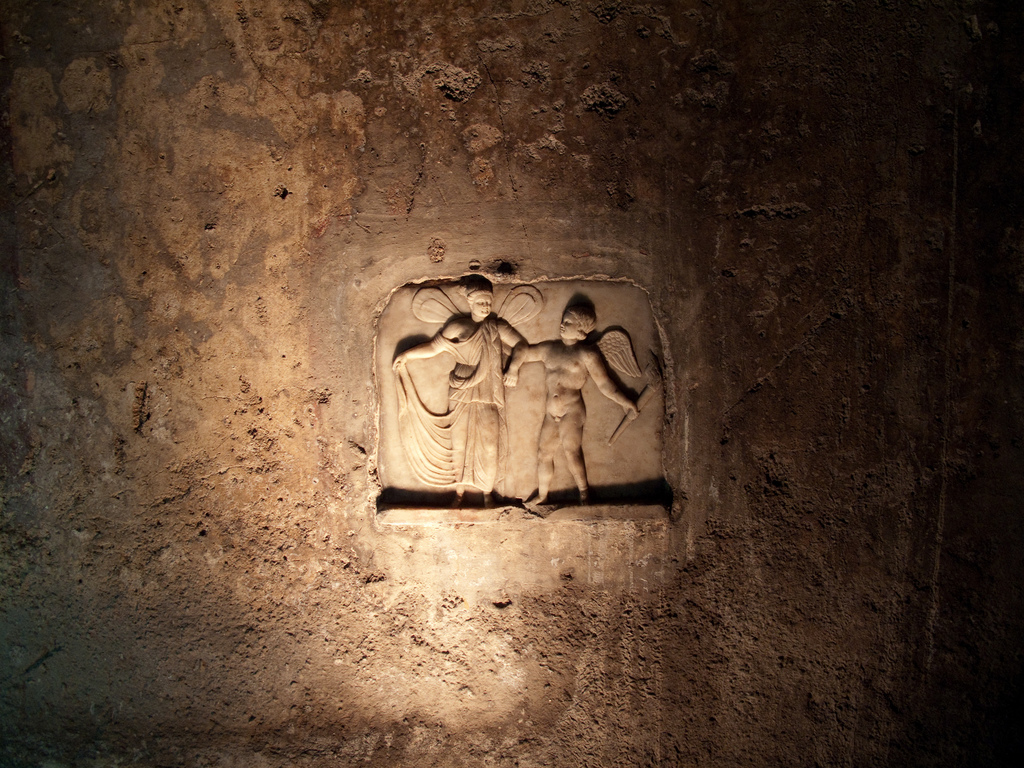
The Mithraeum of Santa Maria Capua Vetere includes a marble relief depicting a child Eros guiding Psyche through the dark.
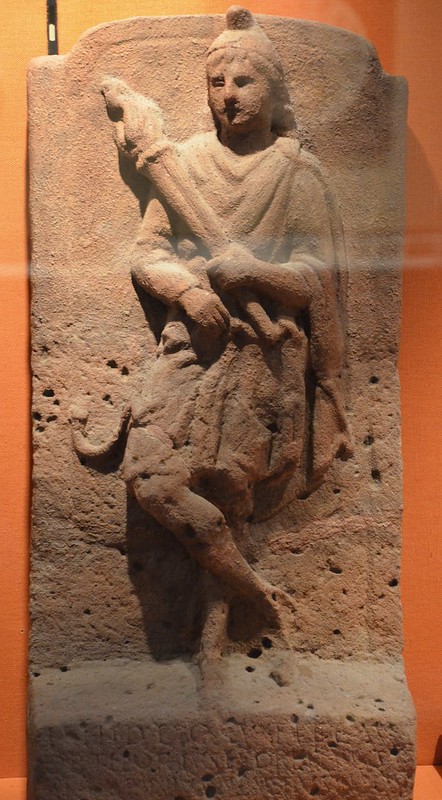
Reliefs of Cautes and Cautopates dedicated by Florius Florentius of Saalburg and Ancarinius Severus.
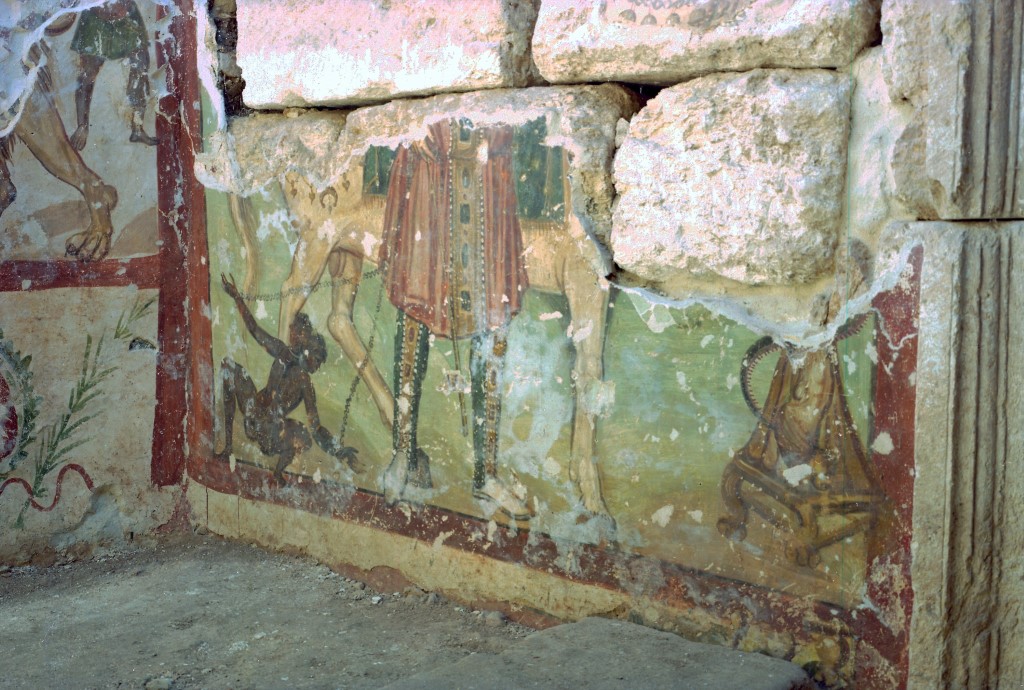
This painting depicts an Iranian knight holding in a chain a black naked figure with two heads.

Around the niche of the Dura Europos Mithraeum fragments of a series of small paintings set in a semicircular band of panels were found.
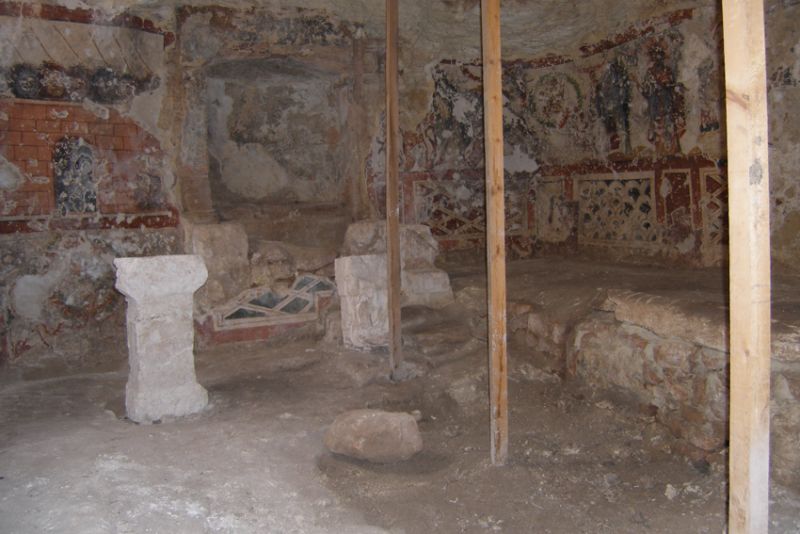
The Mithraeum of Hauarte or Hawarte, which preserves colourful frescoes, it’s the latest know and used.
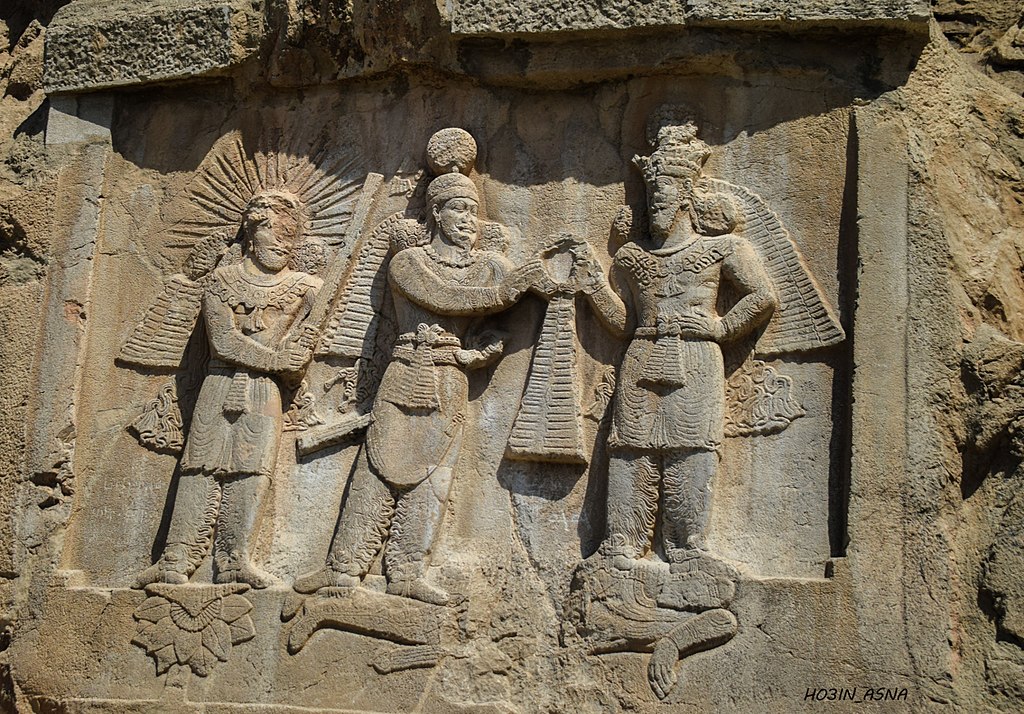
This monument depicts Mihr/Mithras watching over the transition of power from Shapur II to Ardashir II, which took place in 379.
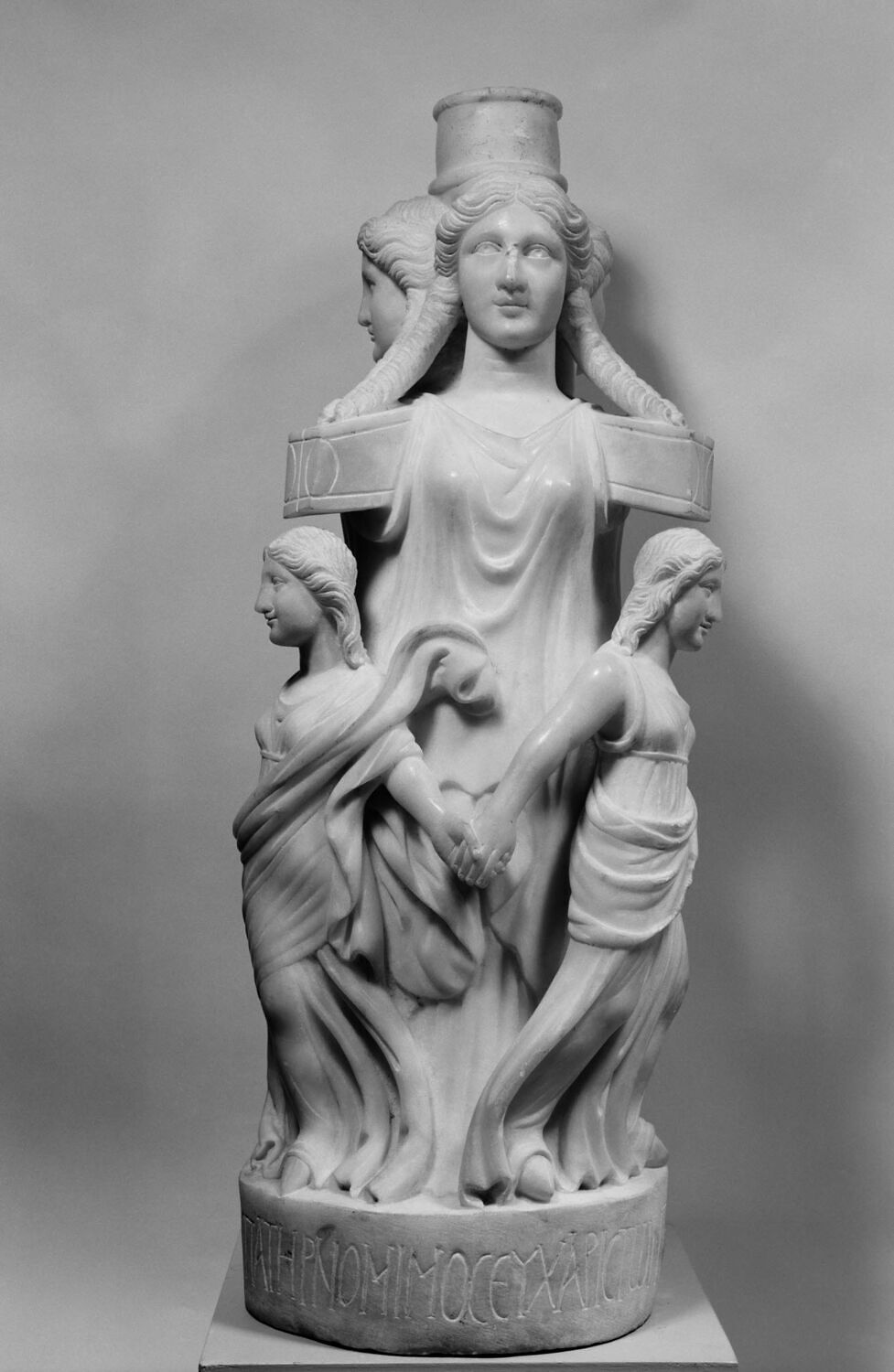
The Hekataion of Sidon, which depicts Hekate in her trimorphic form surrounded by three dancing girls, is the only example found to date in connection with the Mithraic cult.
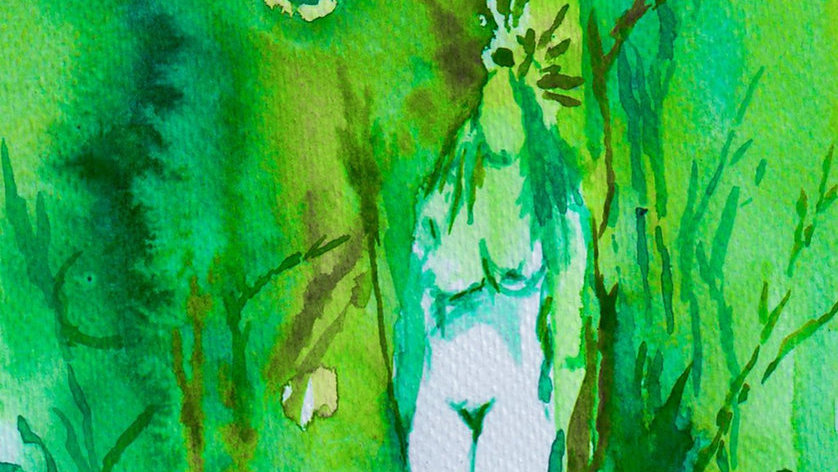
Lenni George on Hekate’s development across ancient traditions, from mystery cults to magical practice and philosophical thought.
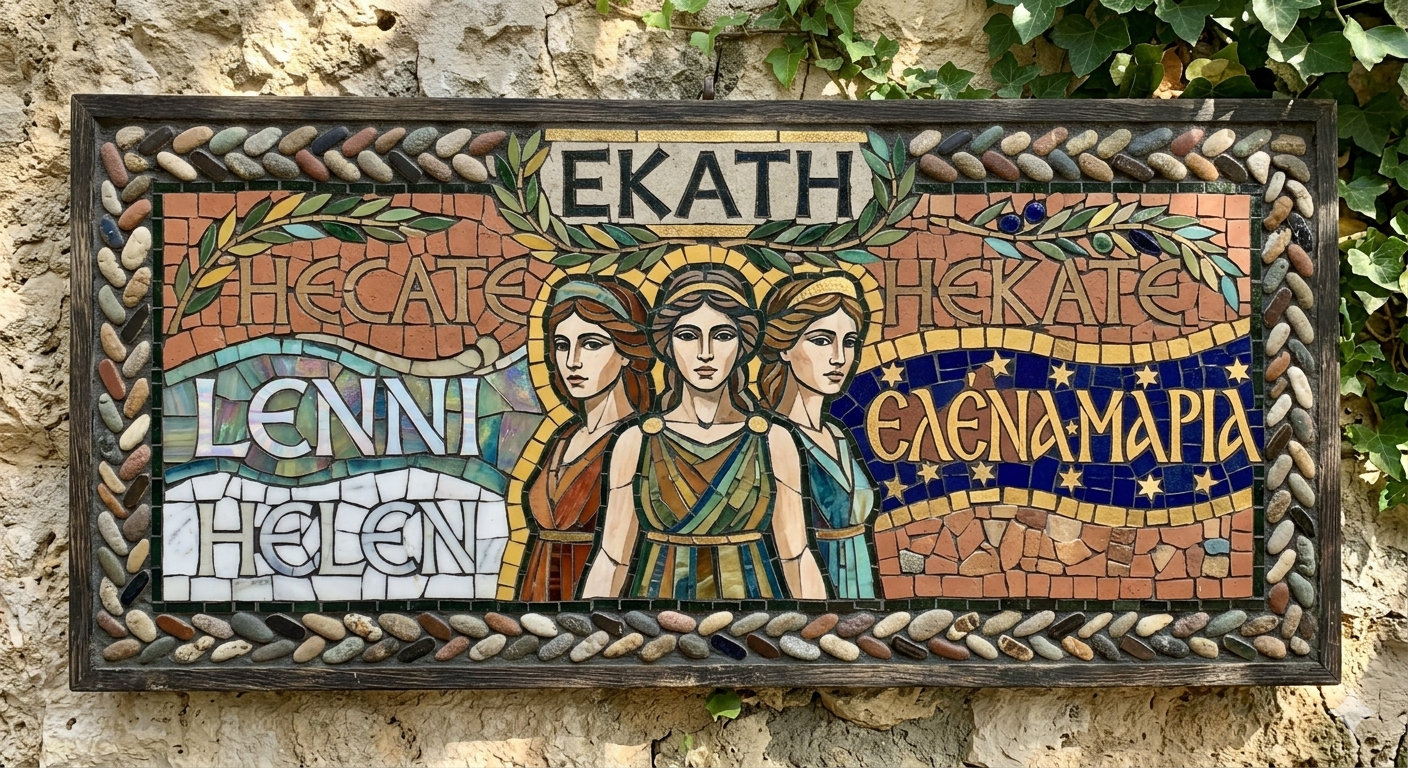
On what Hekate’s name may or may not tell us, and why the uncertainty matters.
This altar dedicated to Sol Invictus Mithras by a certain Septimius Zosimus was found in the Basilica of San Martino ai Monti in Rome.
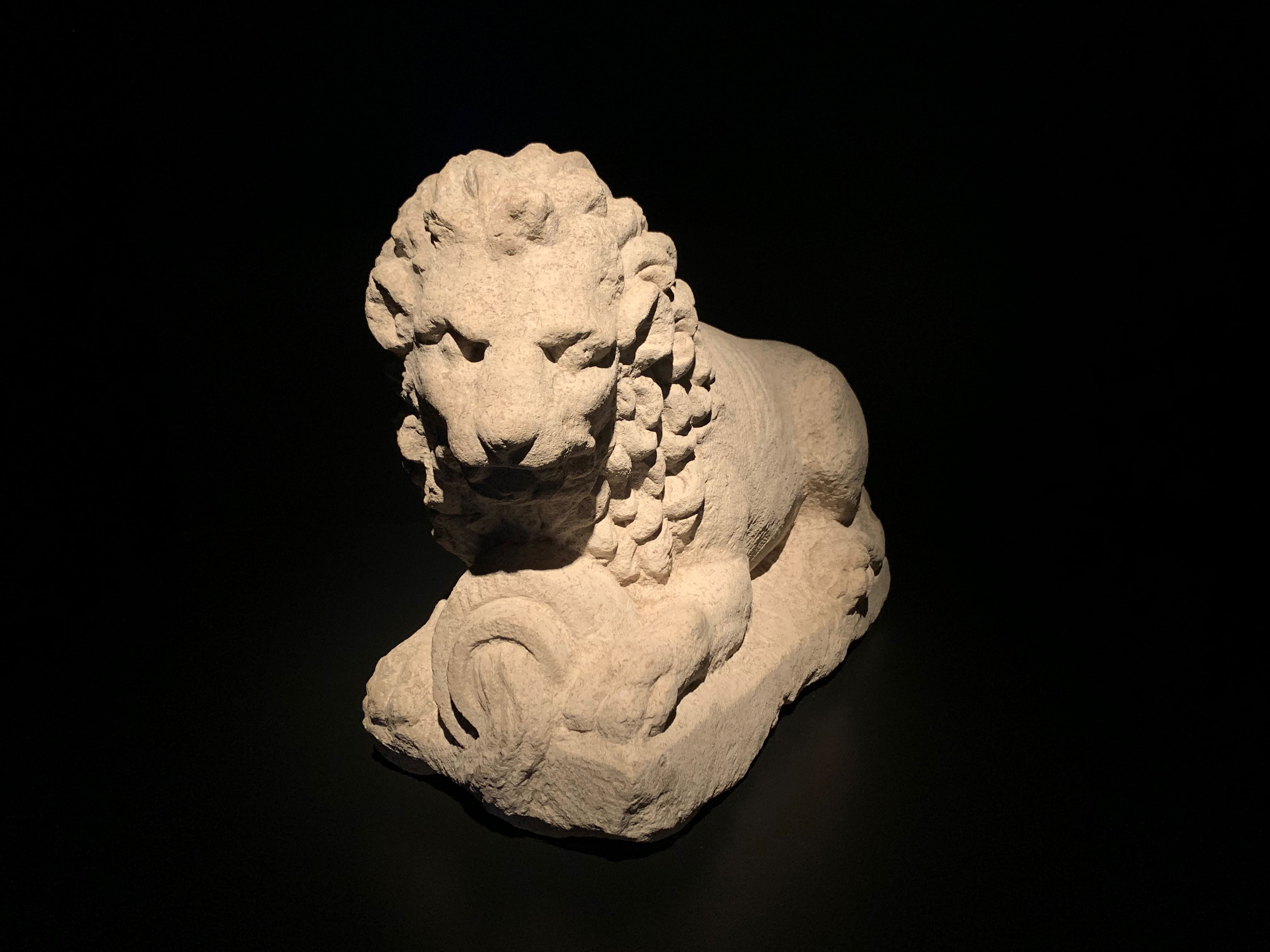
A limestone lion holding a flowing urn, discovered at the entrance of the Mithraeum of Les Bolards, reflects the ritual significance of water within the cult of Mithras.

