Your search Jabal al-Druze gave 2993 results.
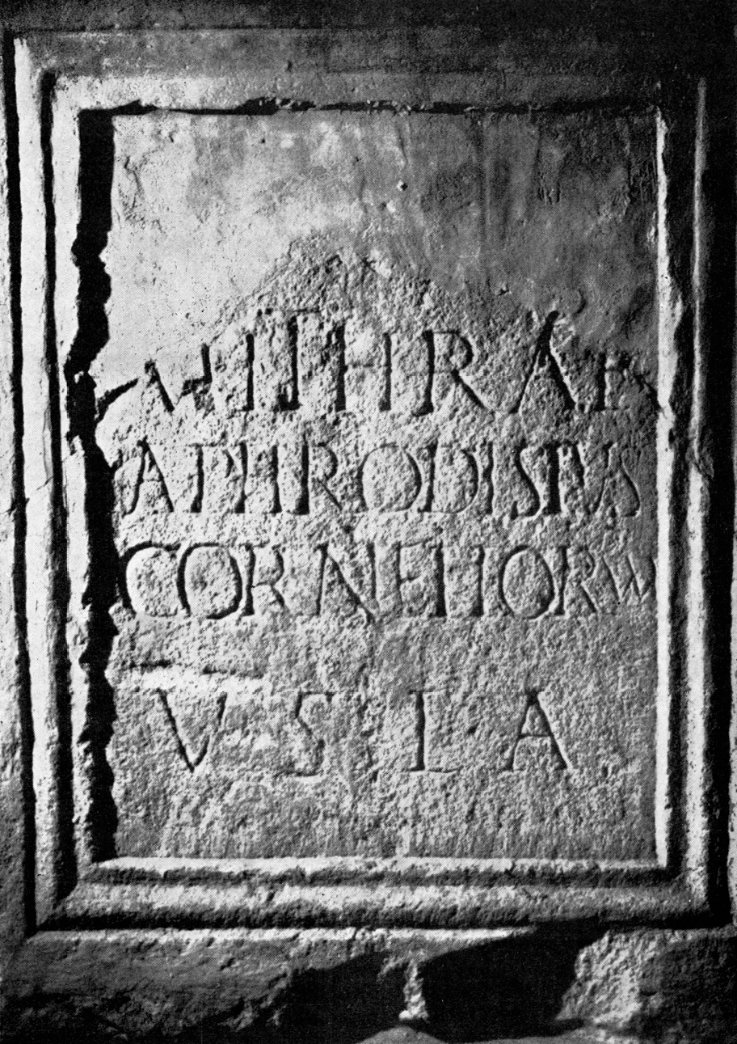
This inscription by a certain Aphrodisius was found under the old city hall of Algiers.

Fresco of Mithras found in an arched niche above the right bench of the Baths of Caracalla’s Mithraeum in Rome.
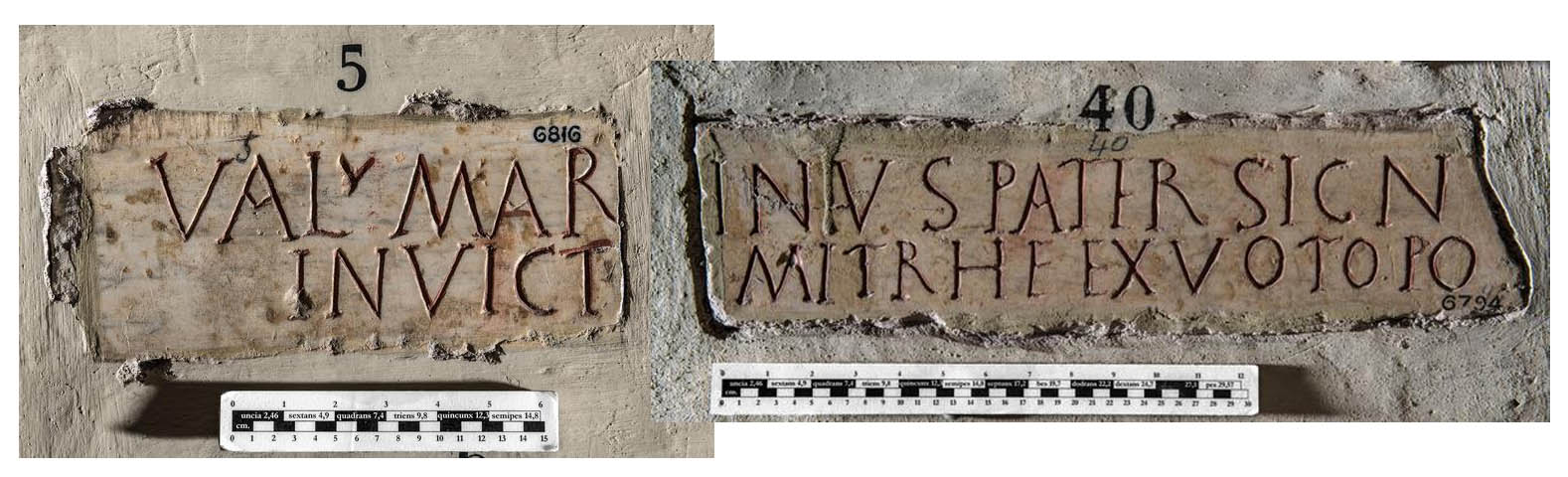
Marble inscription recording the dedication of a cult image to the unconquered Mithras by a certain pater Valerius Marinus from Rome.
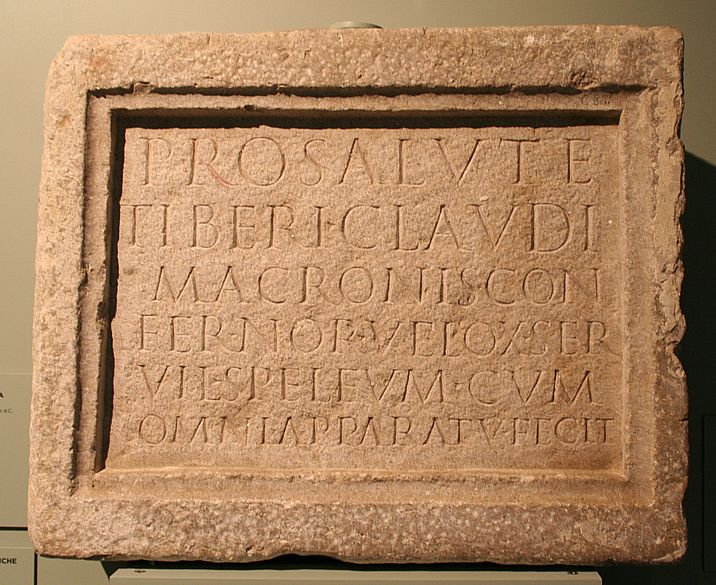
Marble slab with inscription by Velox for the salvation of the chief of the iron mines of Noricum.
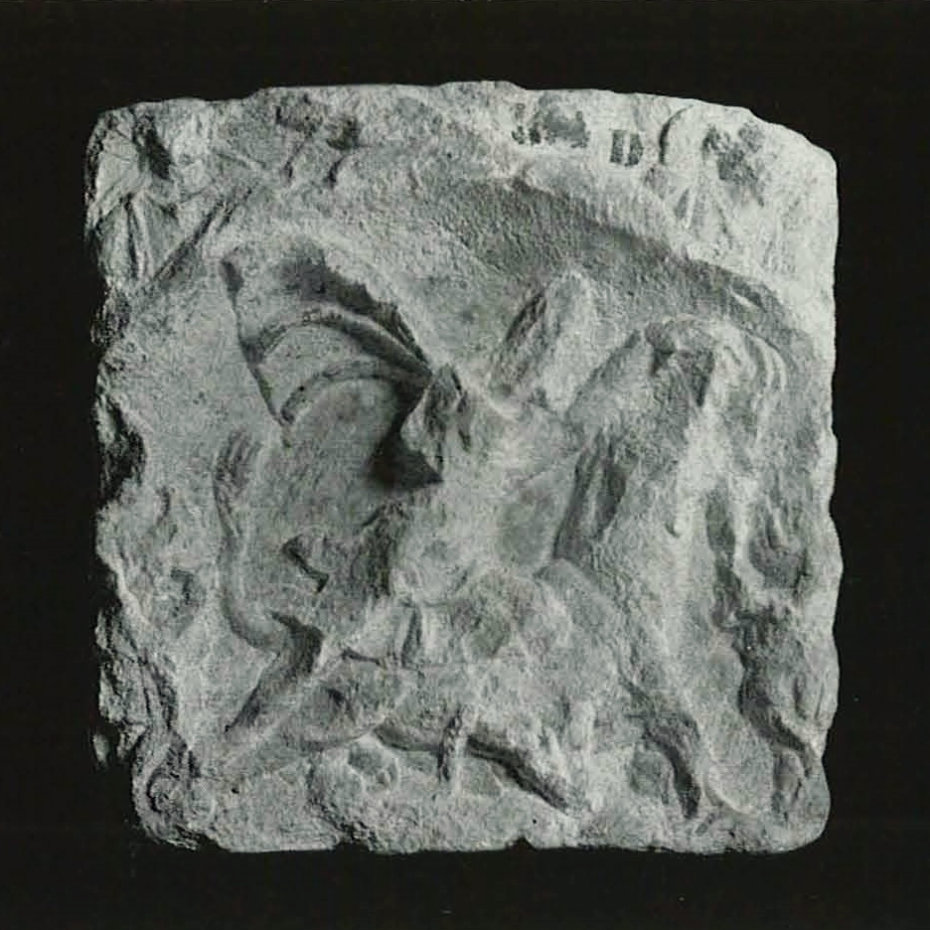
This damage relief of Mithras killing the bull was found walled into a house near Split, Croatia.
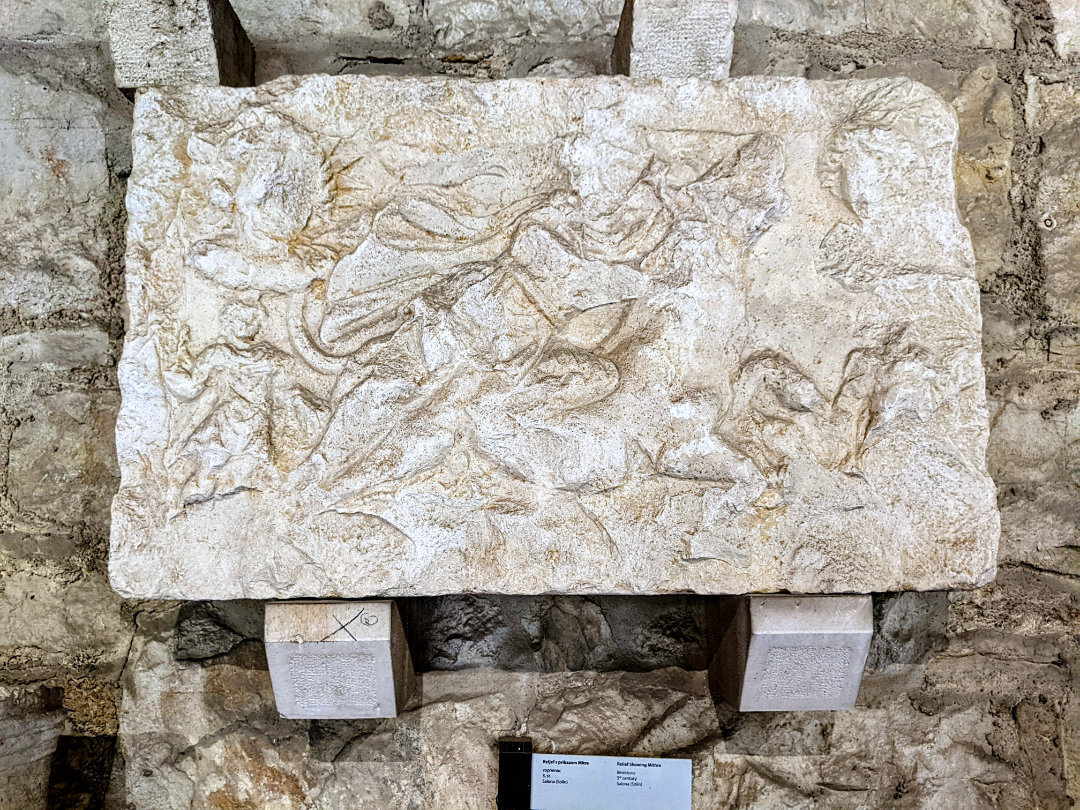
This relief of Mithras killing the sacred bull was found in 1908 near Klisa, in the surroundings of Salona, the ancient capital of Roman Dalmatia.
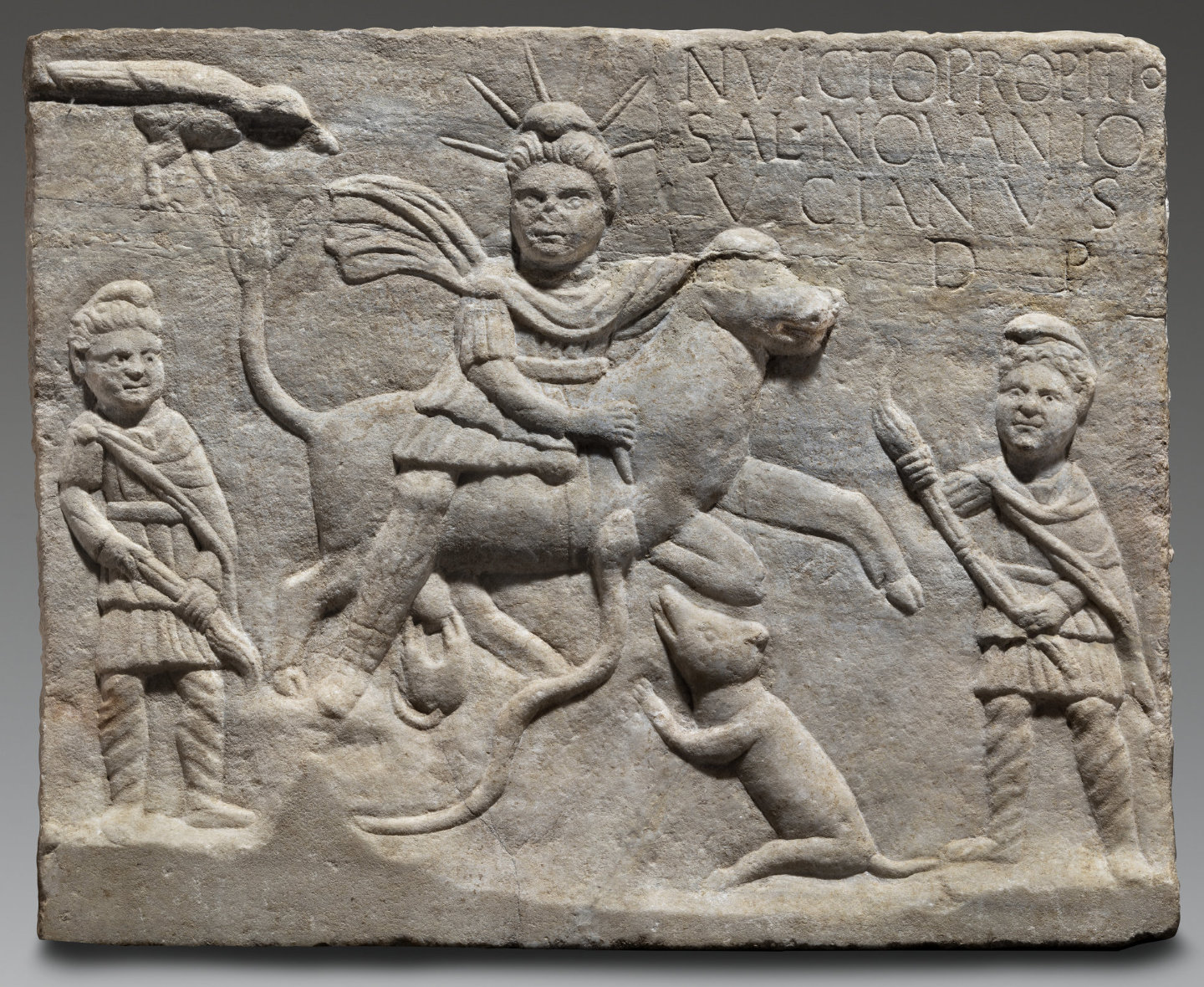
The Macerata Tauroctony shows Mithra slaying the bull with the usual Pyrigian cap and six rays around his head.
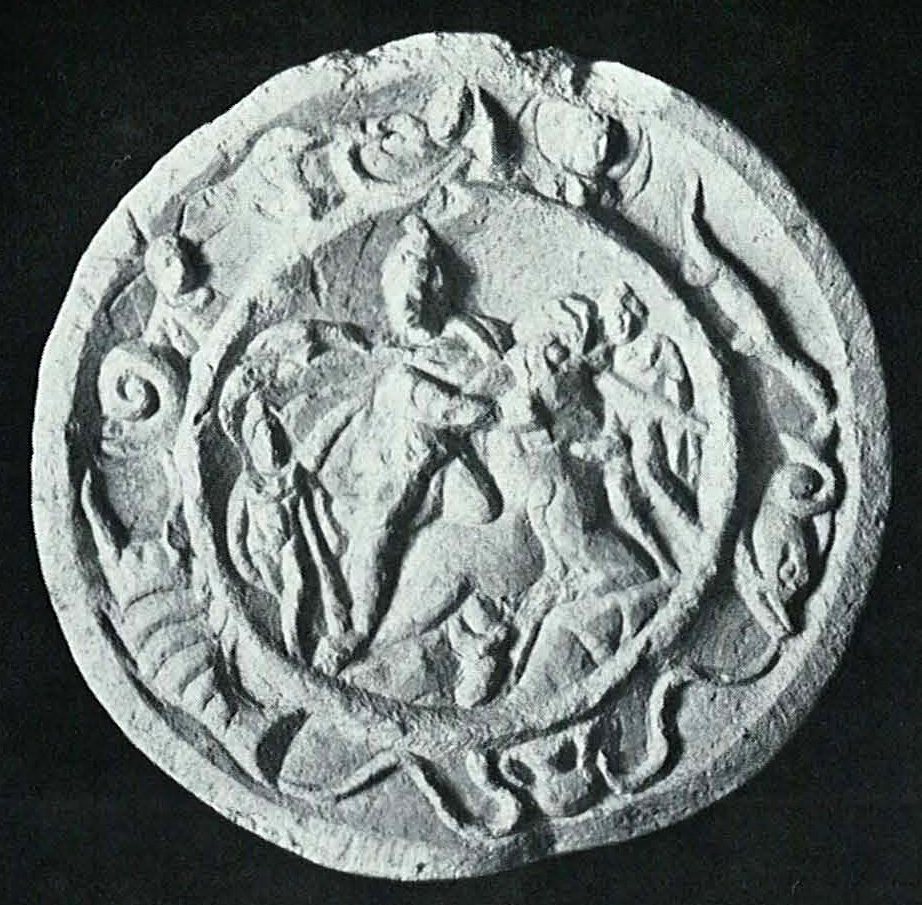
The round relief of Mithras killing the bull of Split is surrounded by a circle with Sun, Moon, Saturn and some unusual animals.
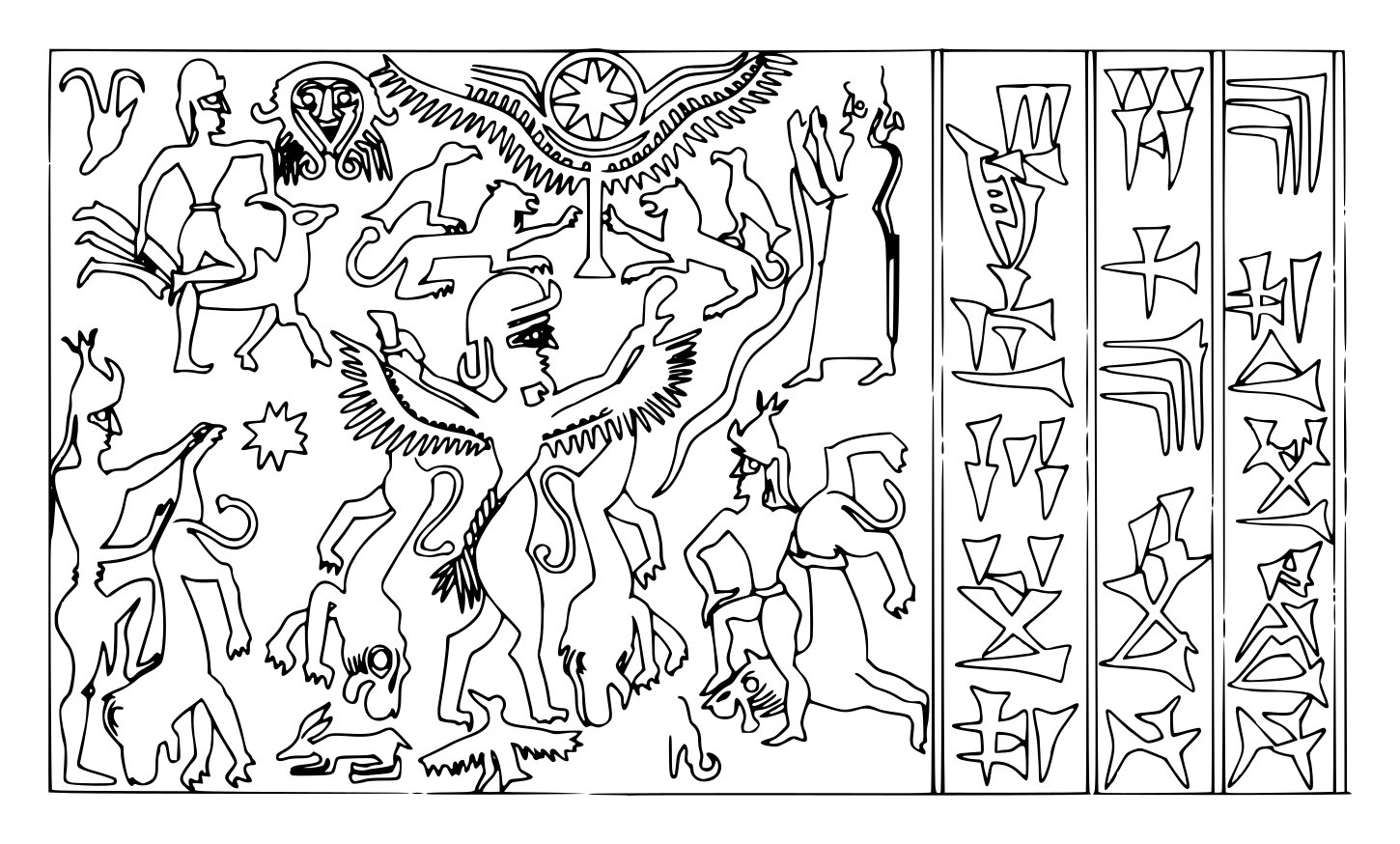
Royal Mitannian seal featuring a winged solar emblem and heroic combat scenes from the cultural milieu in which the earliest attestation of Mitra is found.

Hattusa, also Hattuşa, Ḫattuša, Hattusas, or Hattusha, was the capital of the Hittite Empire in the late Bronze Age during two distinct periods.

Senator, imperial legate and commander from Poetovio, whose dedications to Mithras link the Danubian and African diffusion of the cult.

Ostian sacerdos remembered through his participation in the dedication of the monumental leontocephalic image erected under Commodus in 190 CE.

A Mithraic worshipper whose dedication to Cautes preserves a distinctive epigraphic tradition associated with the coastal communities of north-eastern Hispania.
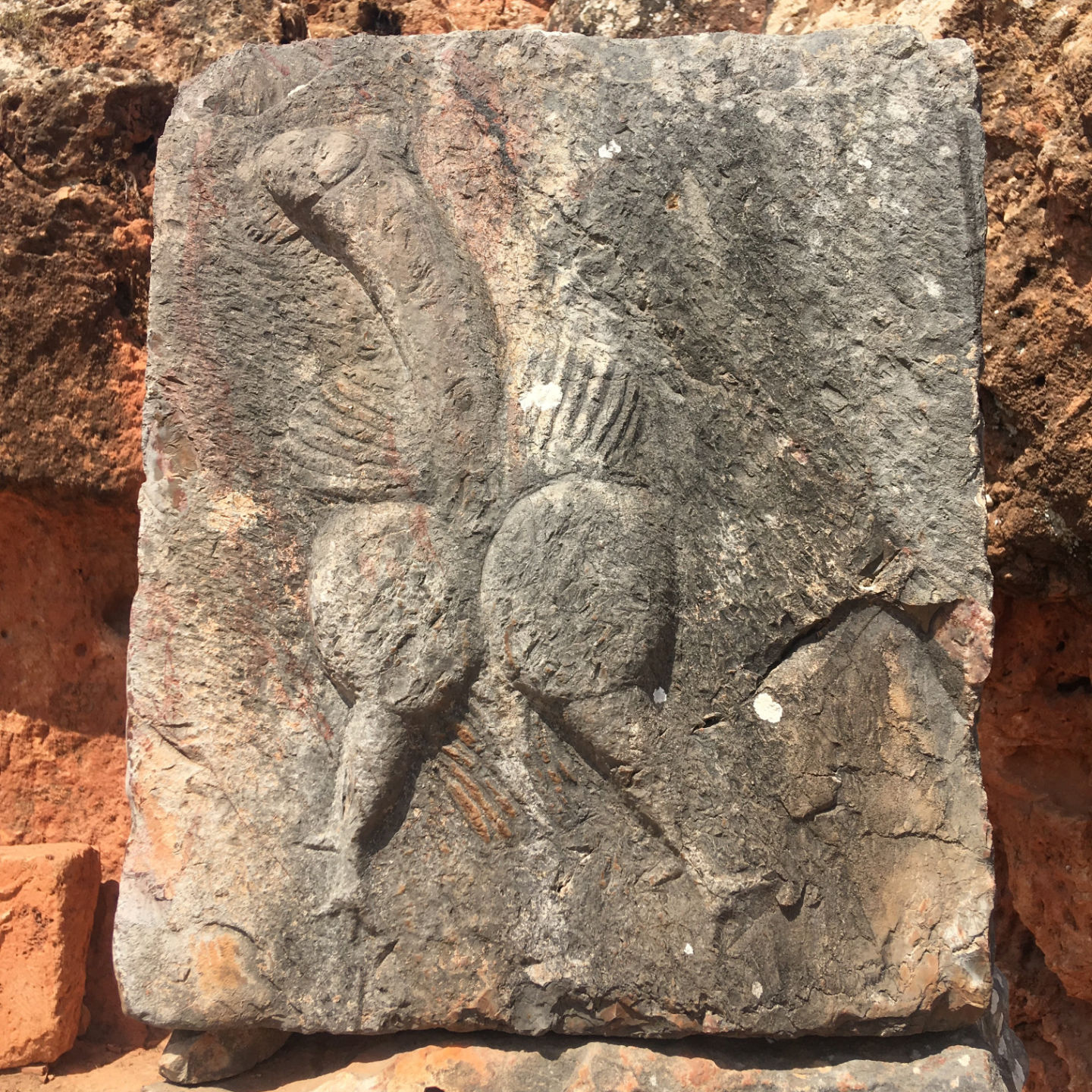
The phallus from Tiddis, Algeria, has been represented as a cock.

Benefactor of the Imperial Palace Mithraeum and possible member of Ostia’s African community.

Mithraic priest and dedicator of the leontocephalic deity from the Fagan Mithraeum at Ostia.

A votive altar dedicated to Deus Invictus Mithras by Paterna, among the few women explicitly associated with Mithraic worship.

Landowner from Augustobriga, transferred to Tarraco by Antoninus Pius and owner of the villa of Els Munts and its Mithraeum.
Eight uninscribed sandstone altars from the rock sanctuary at Kreta, Moesia Inferior.
Sandstone altar with patera from the rock sanctuary at Kreta, Moesia Inferior, bearing a Greek inscription of uncertain reading, possibly a thanksgiving to Mithras.
