Your search San Giovanni al Timavo gave 3161 results.
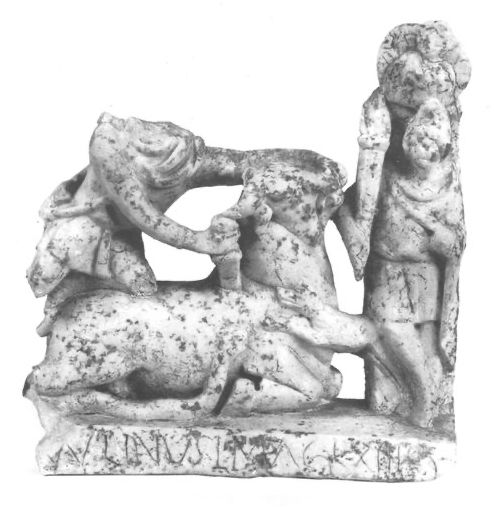
This relief of Mithras killing the bull was dedicated by the bearer of the imperial standard of Legio XIII Gemina, Marcus Ulpius Linus.
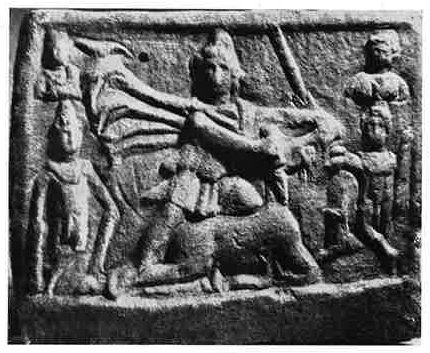
This marble relief depicting Mithras as a bull-slayer was once owned by Major Holzhausen and Franz Cumont and is now housed at the Belgian Academy.
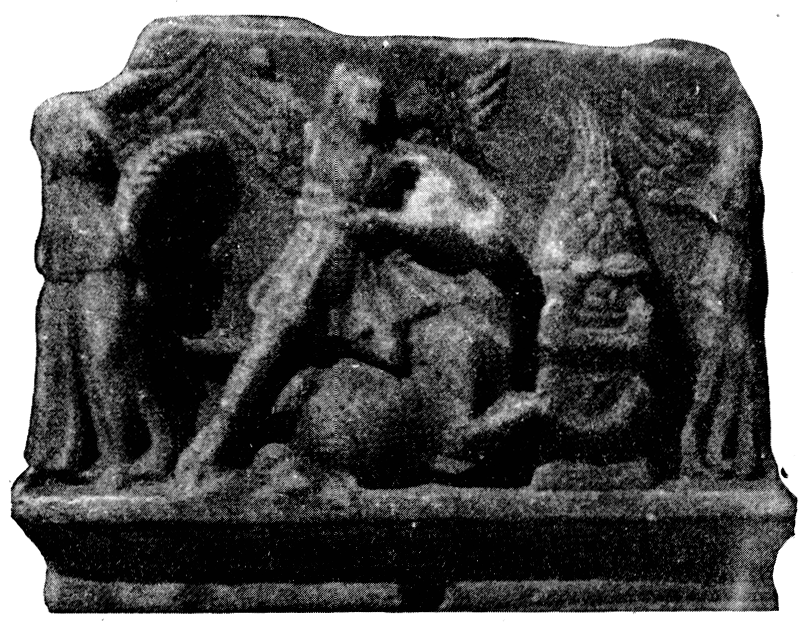
The Mithraic relief from Baris, in present-day Turkey, shows what appears to be a proto-version of the Tauroctony, with a winged Mithras surrounded by two Victories.
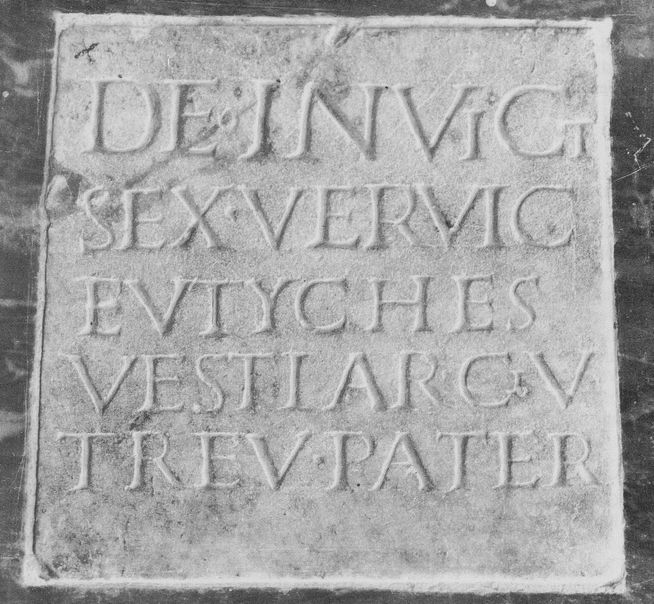
Several inscriptions dedicated to Mithras have been found in Eauze, including these two by a certain Pater Sextus Vervicius Eutyches, discovered in 1768.
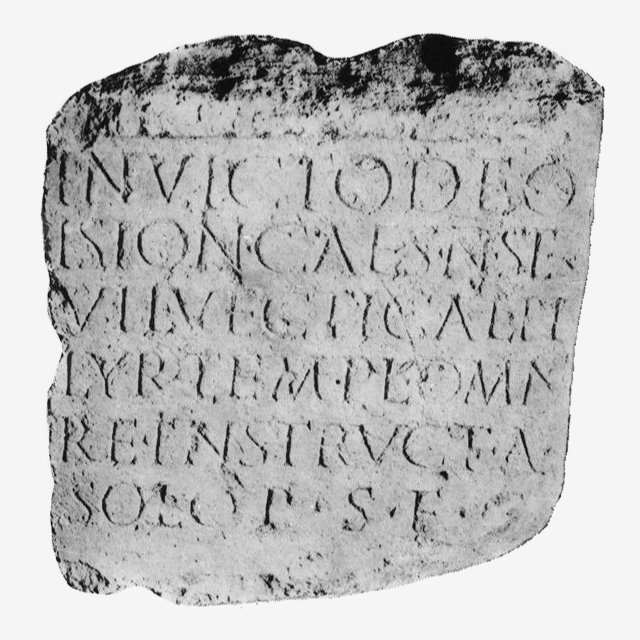
In this monument, the imperial slave Ision claims the completion of a new temple to Mithras in Moesia.
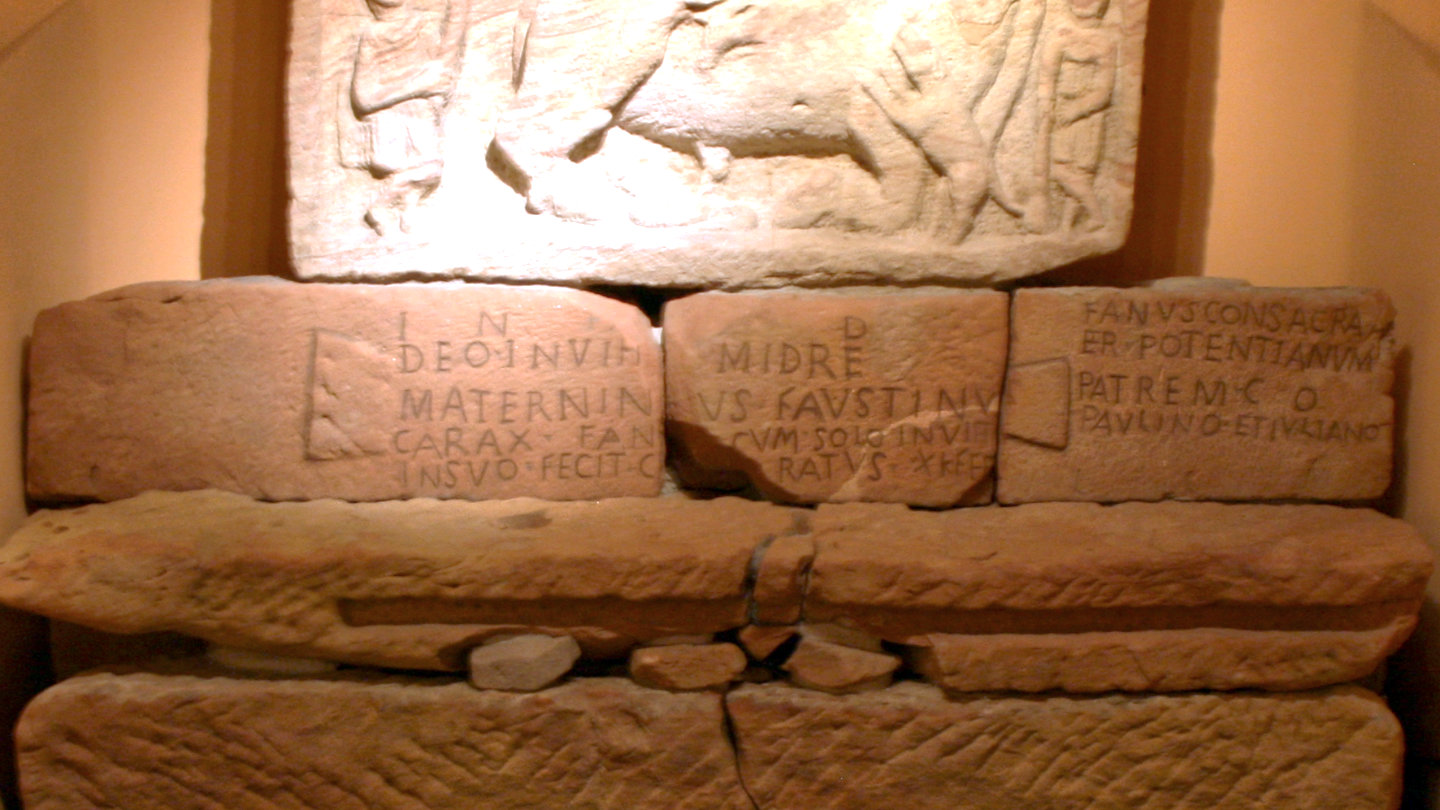
The inscription was located at the base of the main Tauroctony of the Gimmeldingen Mithraeum.
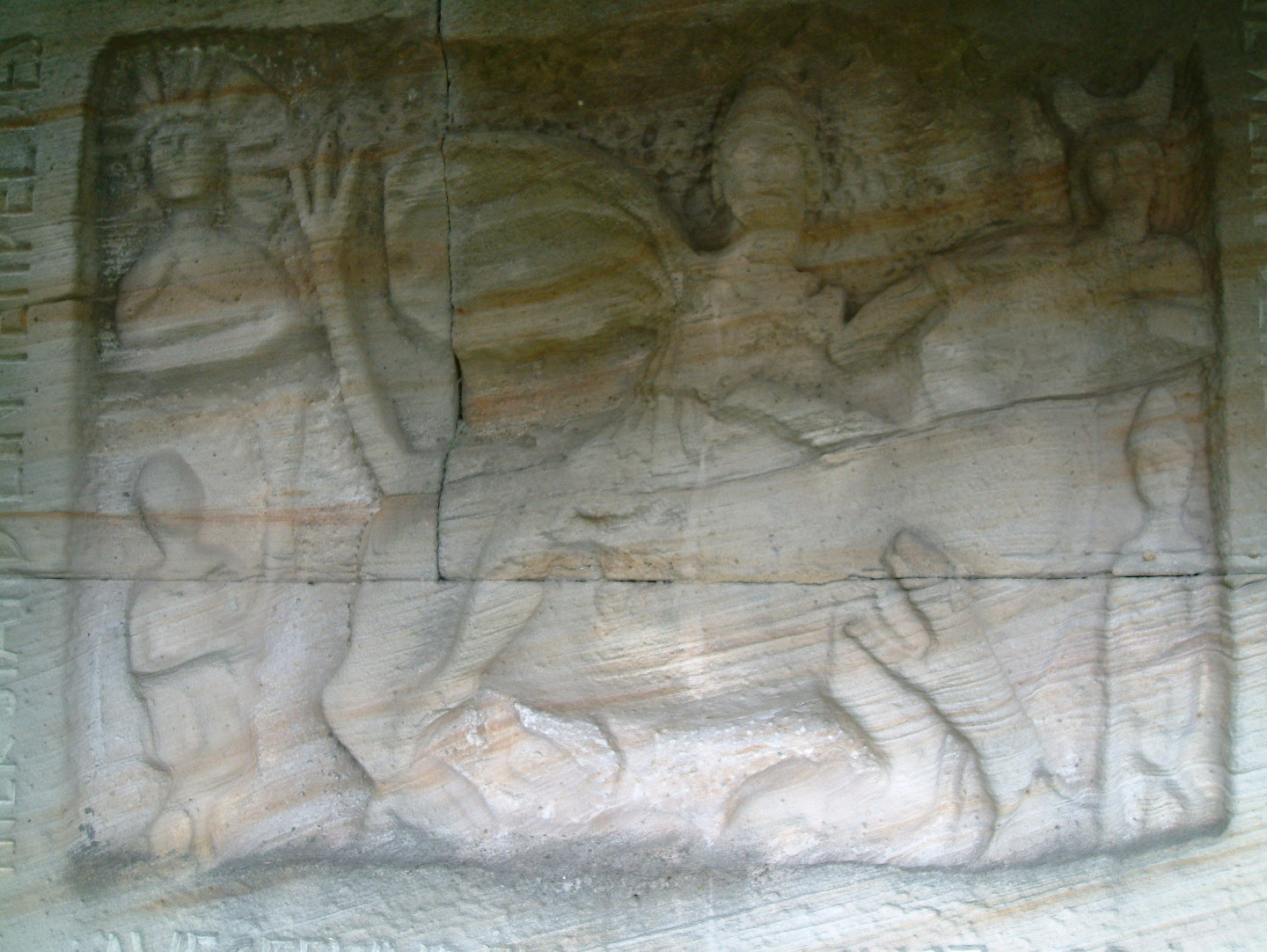
This relief of Mithras killing the bull found in Gimmeldingen, Germany, lacks the usual raven.
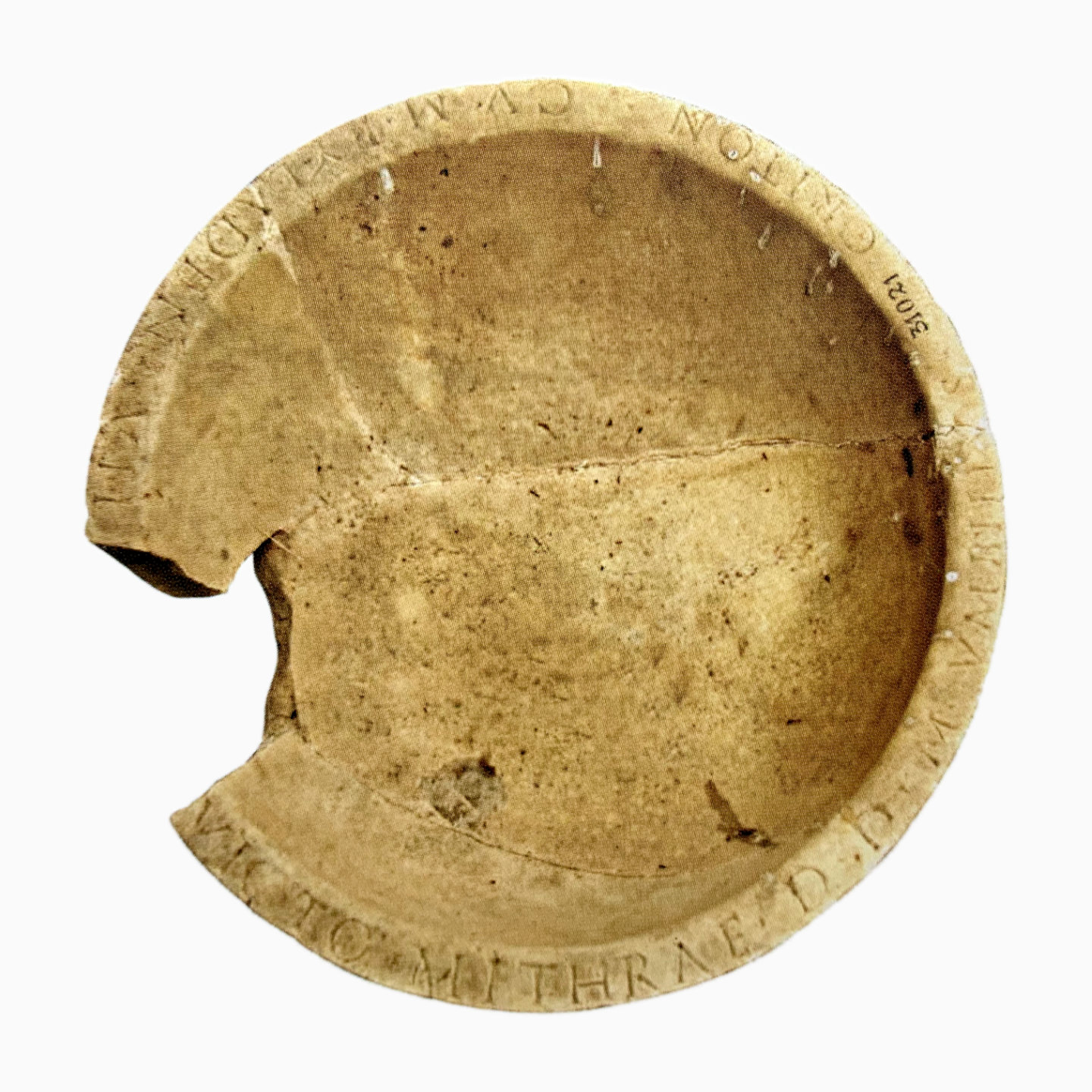
This marble basin found in the Mithraeum of the Footprint bears an inscription of a certain Umbilius Criton, associated with a monumental tauroctonic sculpture also found in Ostia.
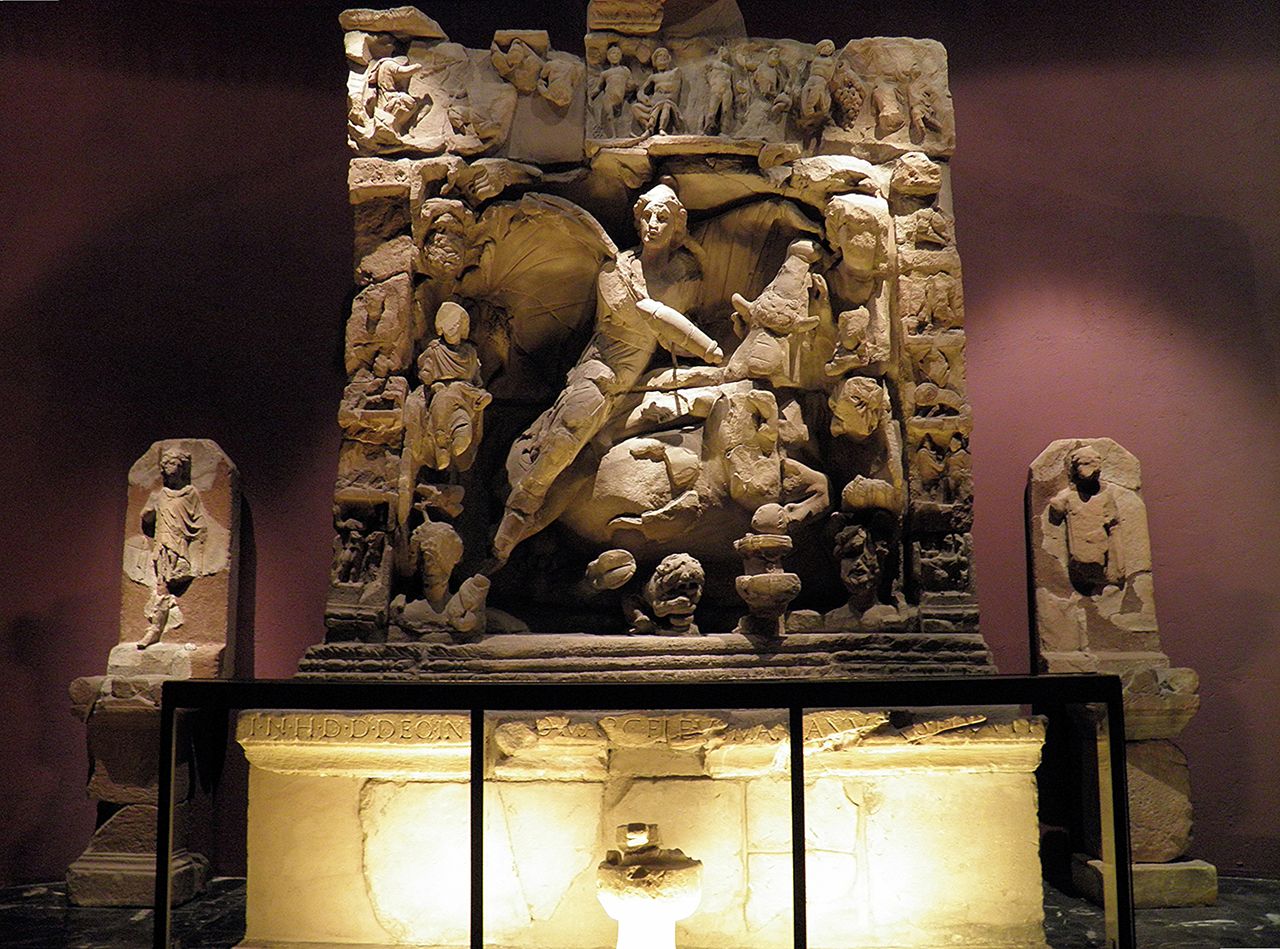
The base of these sandstone reliefs bears an inscription referring to a certain Marcellius Marianus.
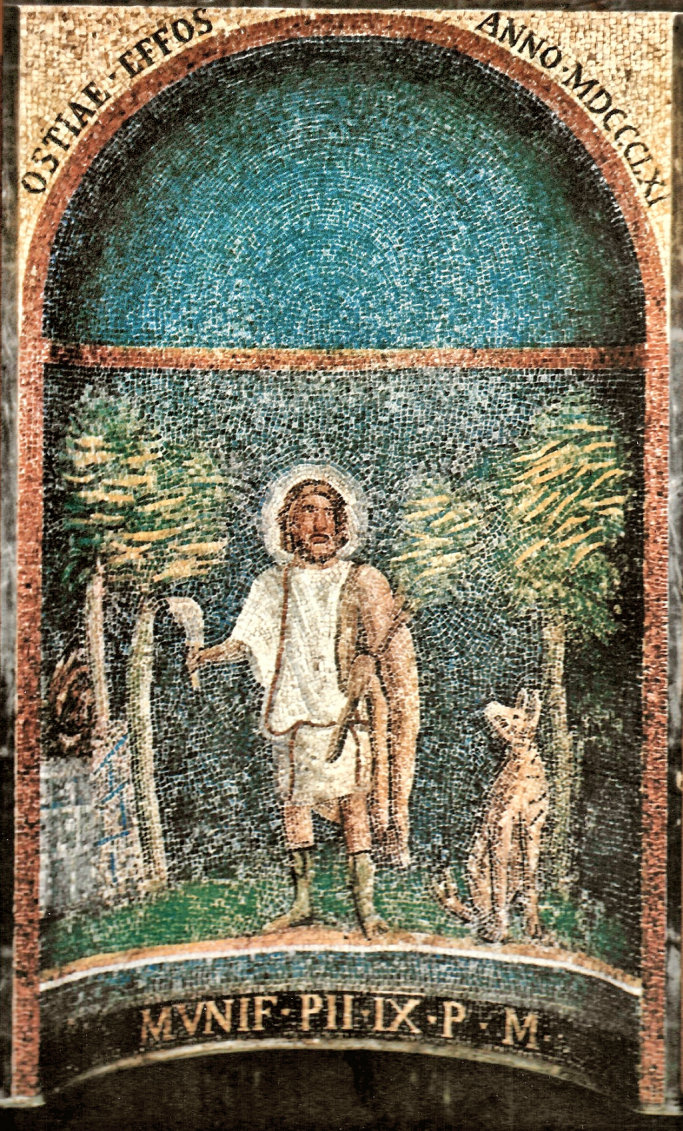
This unusual mosaic representation of the god Silvanus was found in the Mithreaum of the so-called Imperial Palace in Ostia.
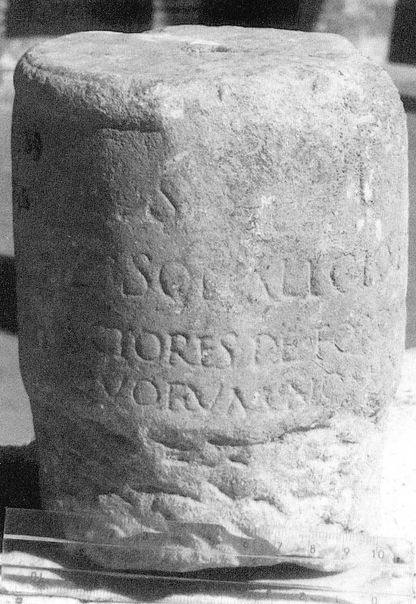
The inscription included the names of the brotherhood, which are now lost.
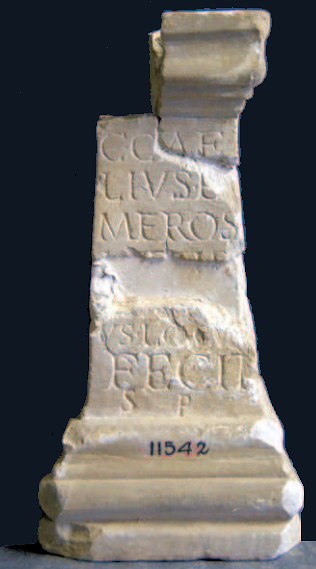
This small monument bears the inscriptions of a certain Caelius Ermeros, antistes at the Mithraeum of the Painted Walls.
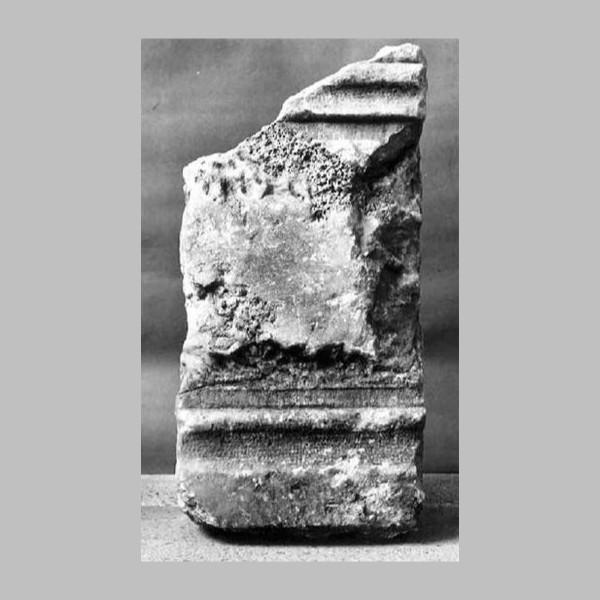
A certain Blastia or Blastianus made a dedication to Mithras and Silvanus on an altar in Emona, Italy.
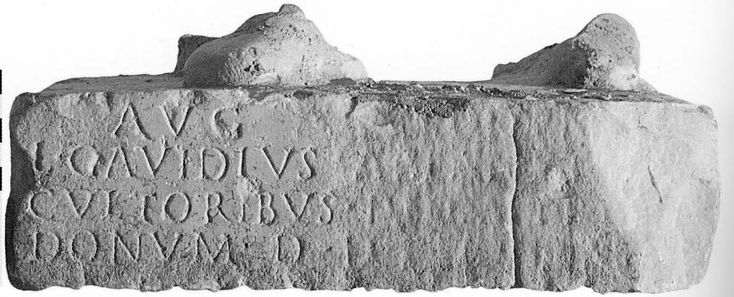
This inscription on white marble by Lucius Gavidius uses the term ther cultores to refer to his Mithraic community in Stabiae, Italy.

Beheaded Cautopates in limestone found on the podium of the Jajce Mithraeum, Bosnia and Herzegovina.
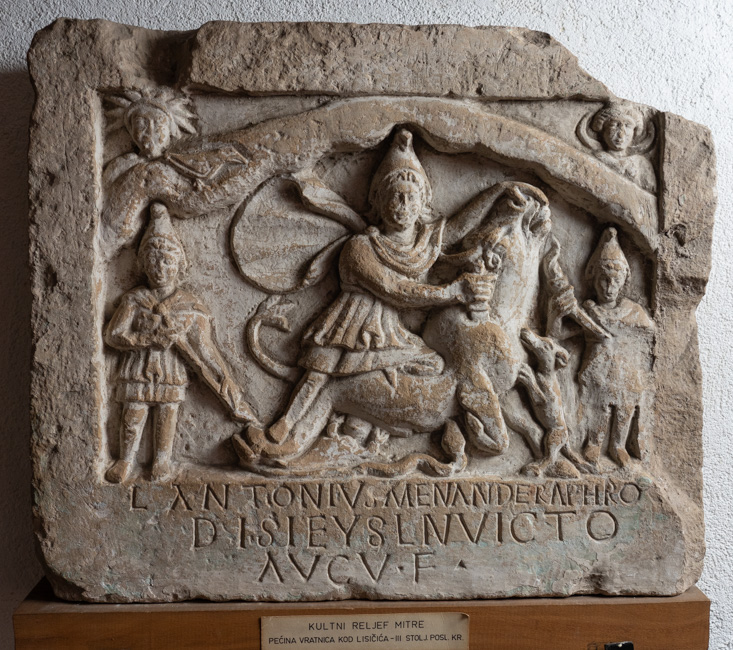
This relief of Mithras as a bullkiller found at Vratnitsa, near Lisicici in northern Macedonia, was signed by a certain Menander Aphrodisieus.
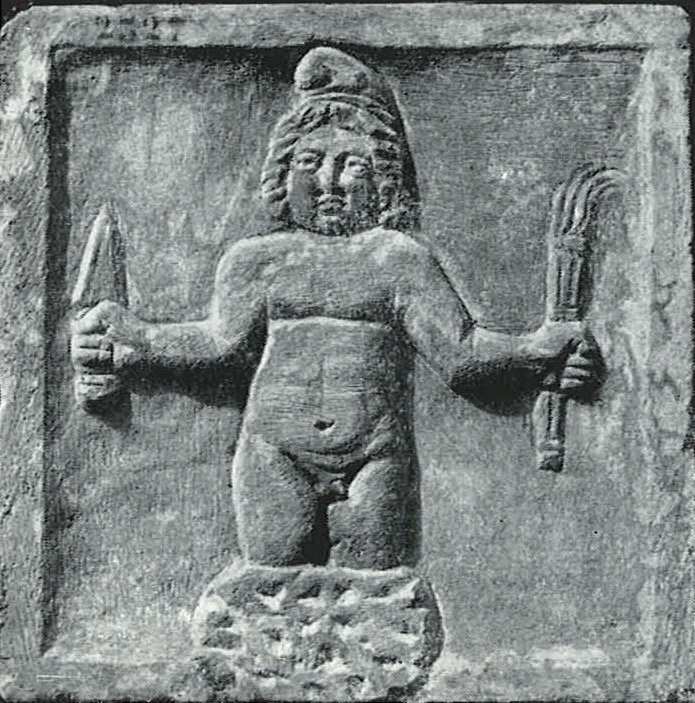
The relief of Mithras being born from the rock of the Esquiline shows the young god naked, as usual, with a torch and a dagger in his hands.
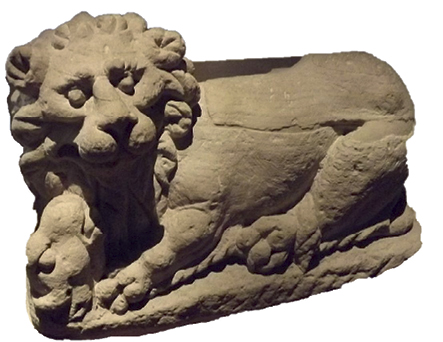
Exceptional sculpture of a lion devouring a bull’s head founded in 1894 in Carnuntum, Pannonia.
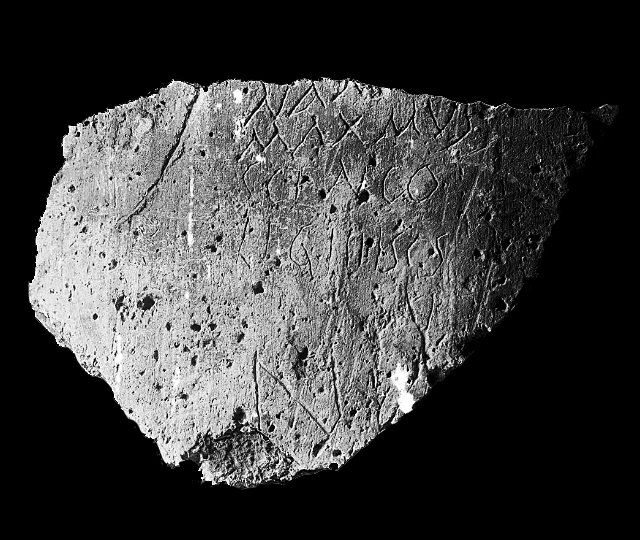
A certain Maximus from the Legio IV Scythica engraved his name in one of the columns of the Mithraeum of Dura Europos.
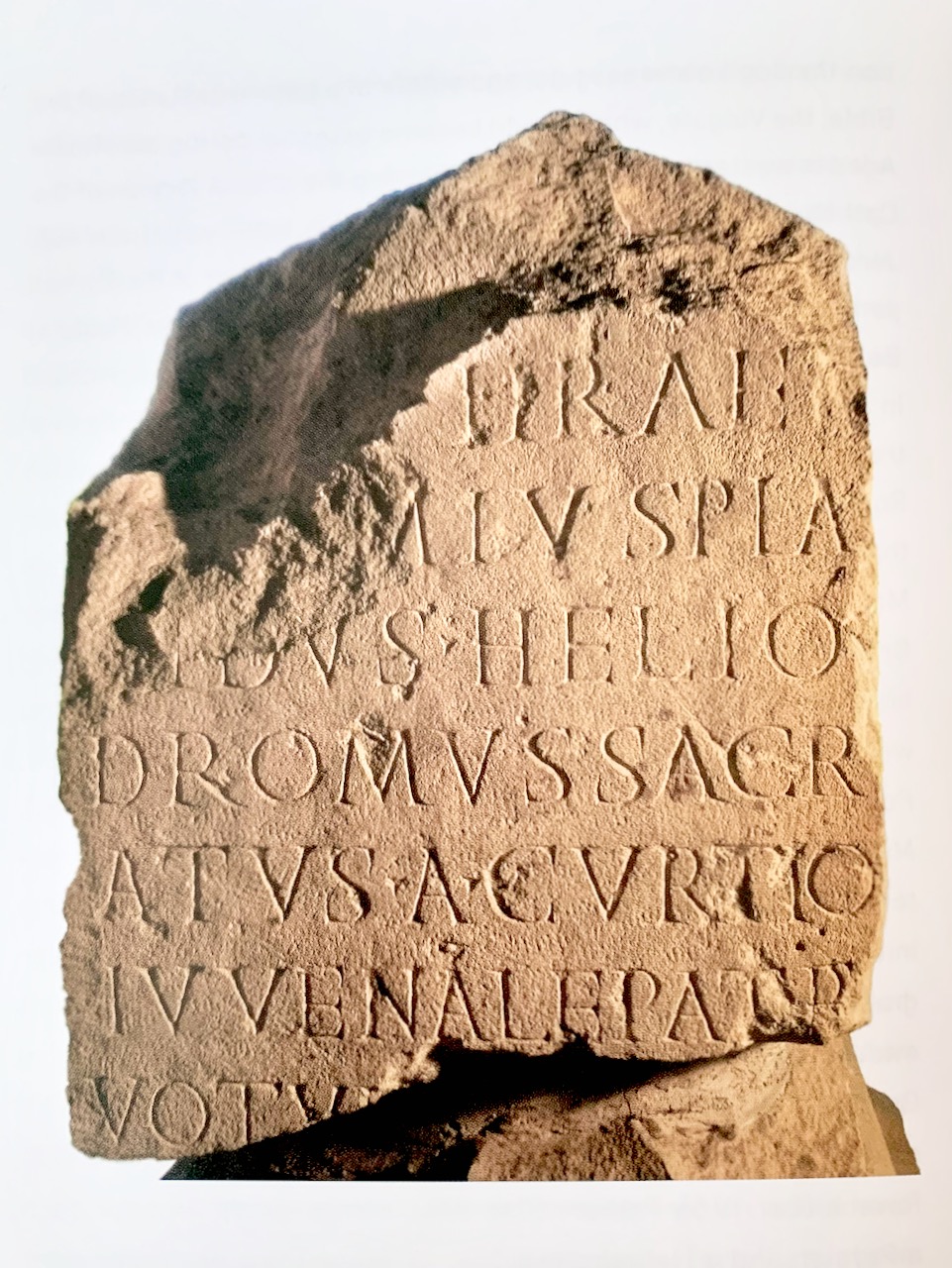
This inscription by a certain Memmius Placidus is the first ever found signed by a Heliodromus.
