Your search St Albans gave 2762 results.

Dutch historian, born in 1918 and deceased in 1985. He was a specialist in the history of religions, especially the Eastern cults in the Roman Empire. A prolific writer, best known for his Corpus inscriptionum et monumentorum religionis Mithriacae.
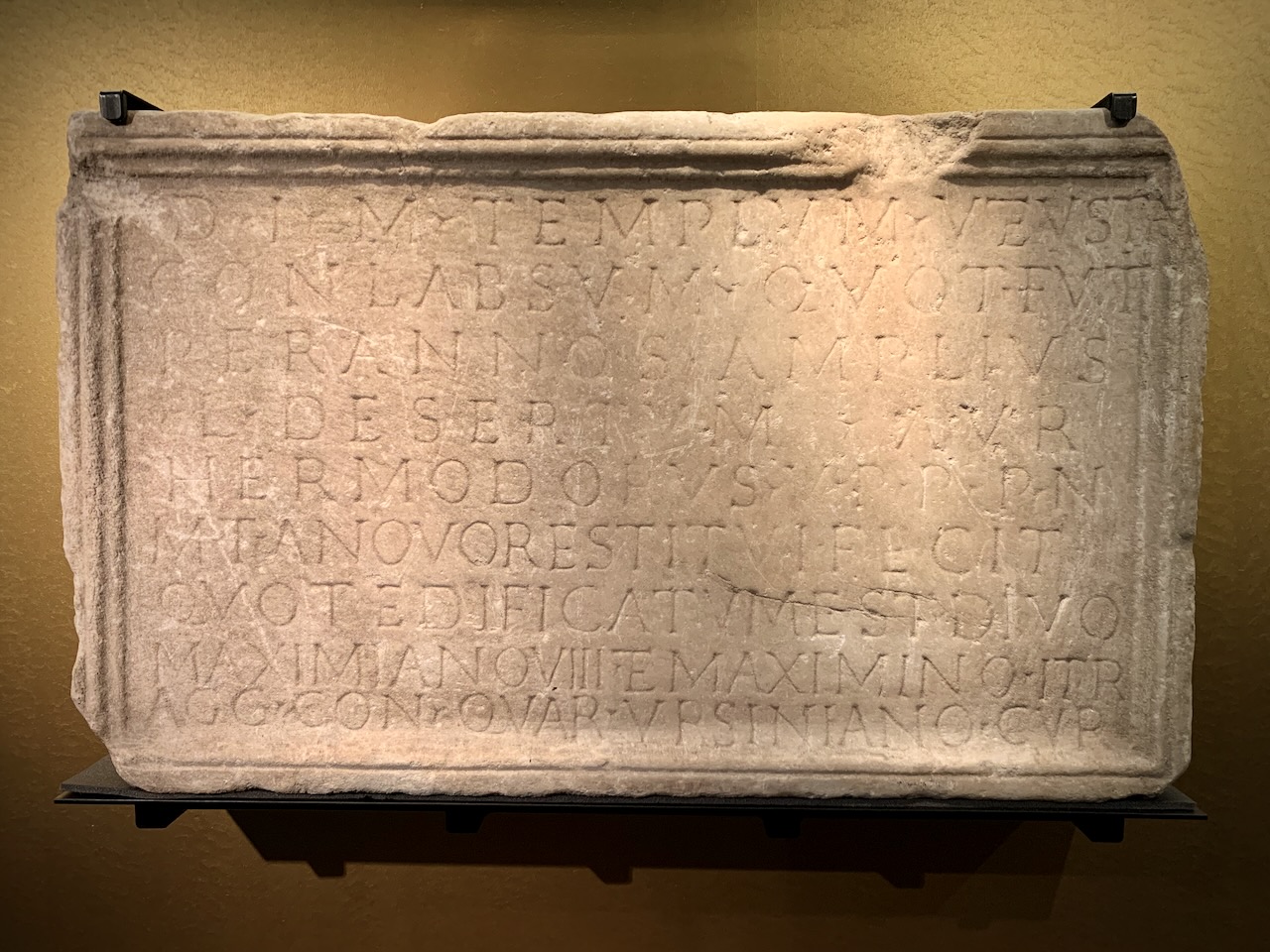
This marble gives some details of the reconstruction of the Virunum Mithraeum.
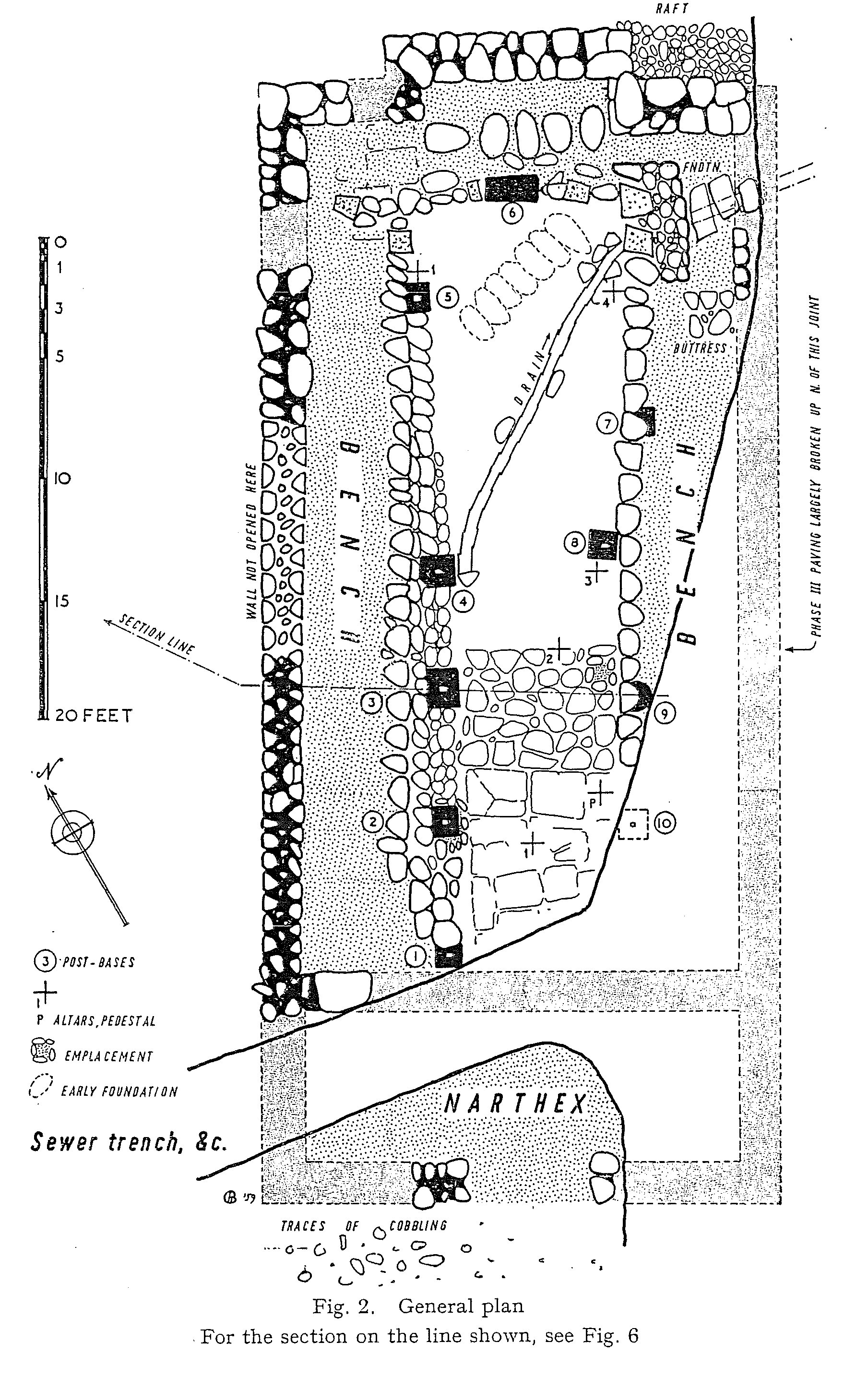
The Mithraeum of Caernarfon, in Walles, was built in three phases during the 3rd century, and destroyed at the end of the 4th.

The fifth mithraeum from Aquincum has been found in the house of a military tribune.
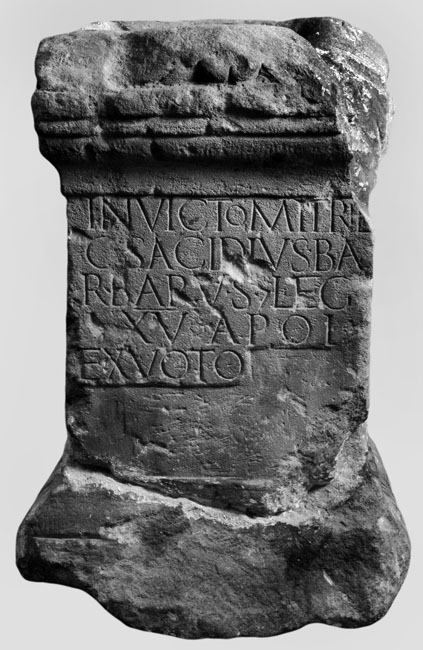
This altar bears the oldest known Latin inscription to the god Mithras, written Mitrhe.

The image of the god Arimanius to which this monument refers has not yet been found.
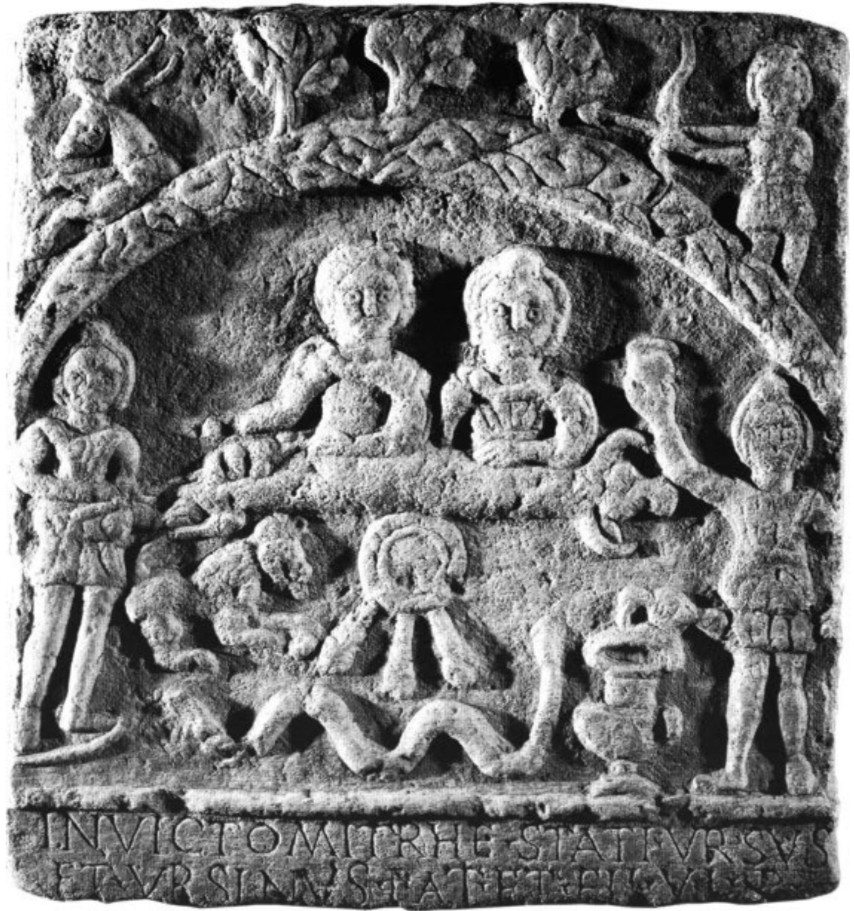
Mithras and Sol share a sacred meal accompanied by Cautes and Cautopates on a relief found in a cemetery from Croatia.

This altar, now lost, mentions that the Pater Patrum passed on the attributes of the sacred Corax to his son.
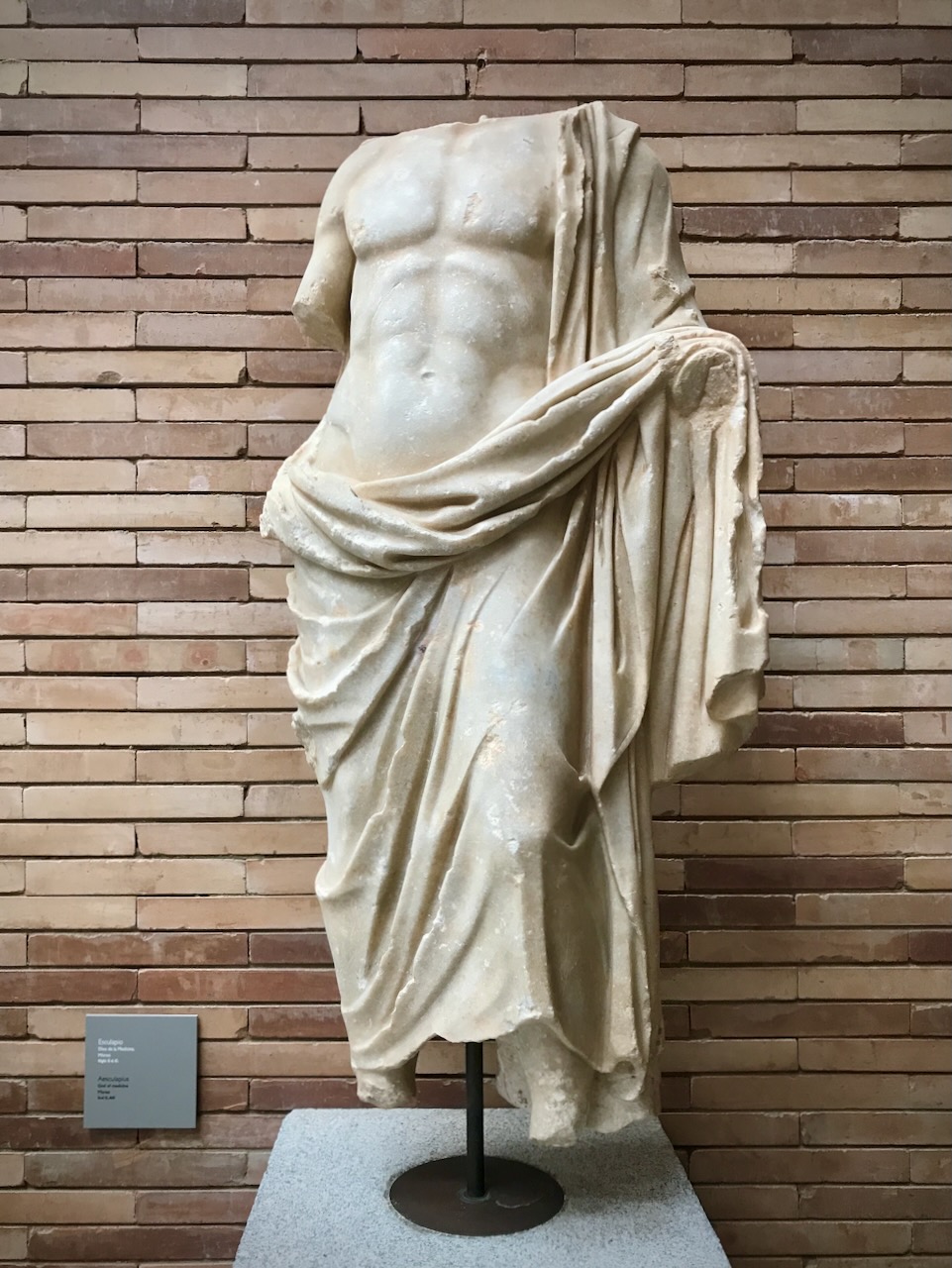
This standing sculptural figure from Mérida appears to carry the serpent staff, characteristic of the medicine god Aesculapius.
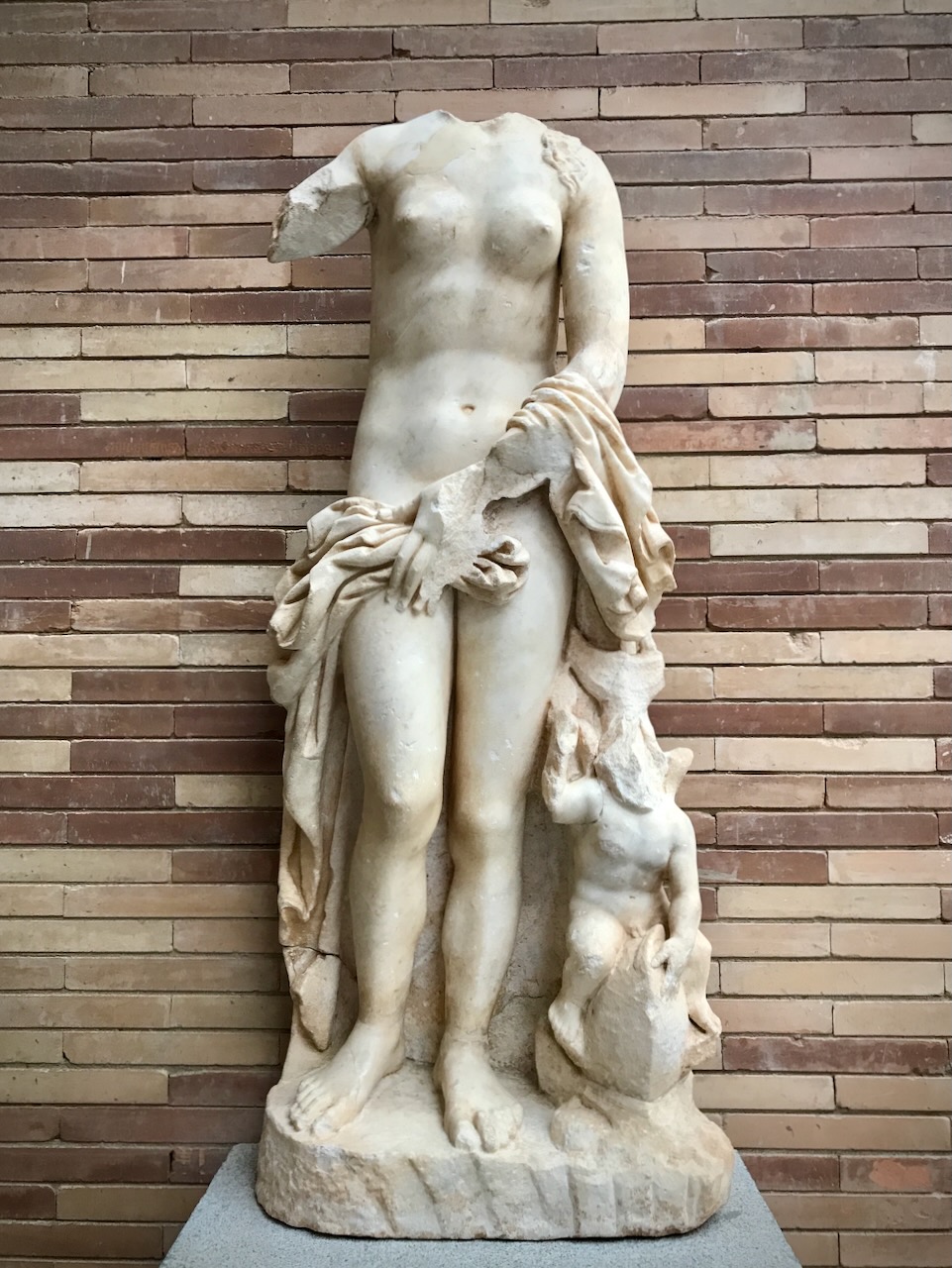
The Venus pudica of Merida stands next to the young Amor riding a dolplhin.
The Mithras temple of Prilep is in a small grotto under the castle of Markovi-Kuli.

In Aquincum petrogenia, Mithras holds the usual dagger and torch as he emerges from the rock.
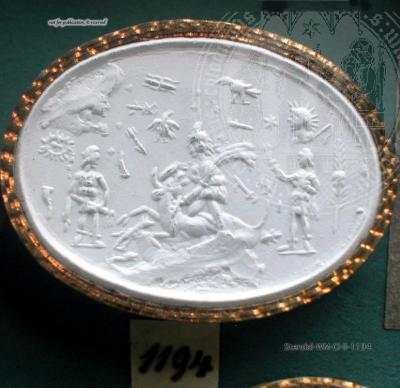
Glass paste imprint depicting the Tauroctony surrounded by symbolic figures.

Germania preserves some of the densest concentrations of Mithraic evidence in the Roman frontier provinces.

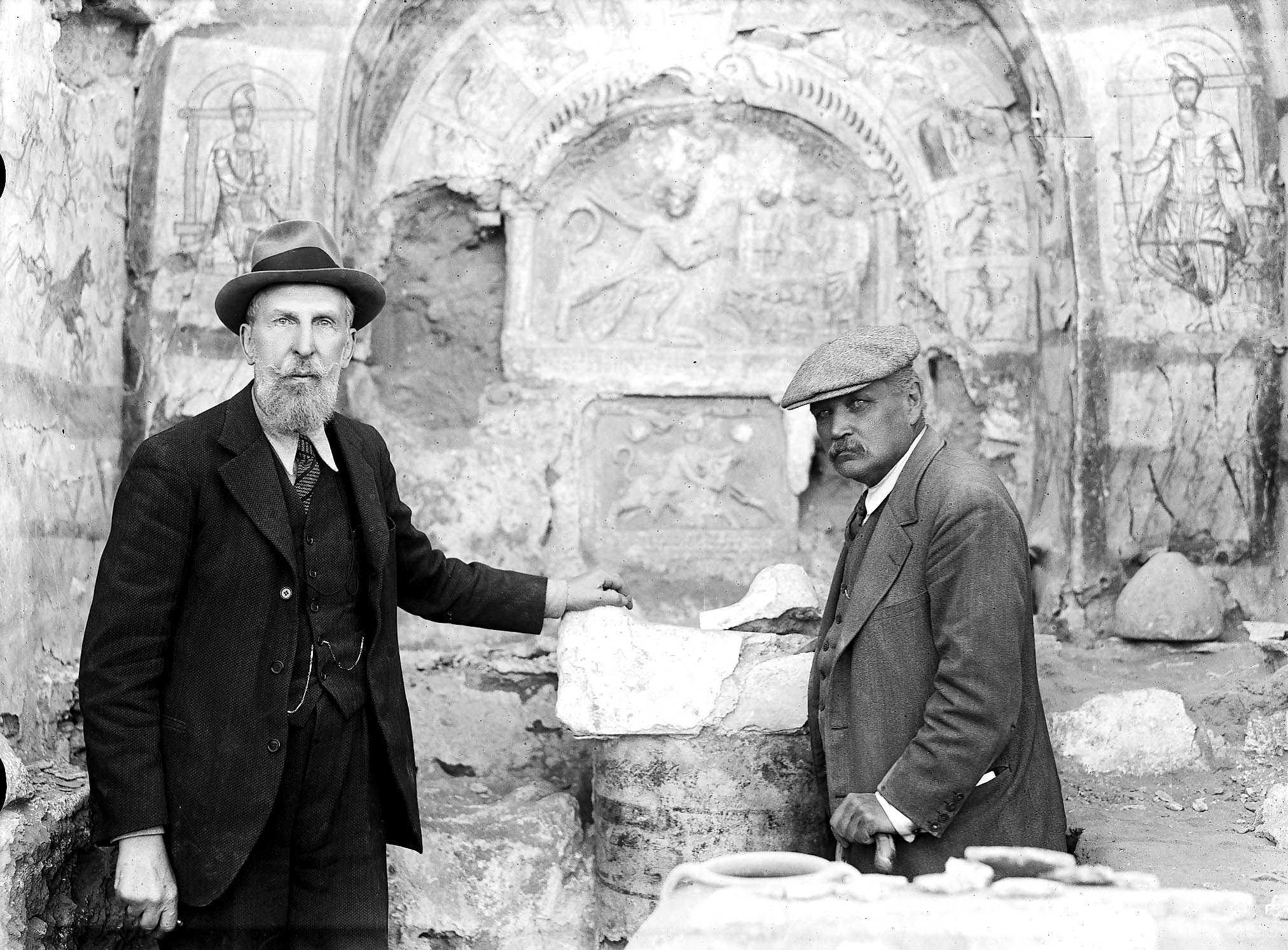
The most emblematic of the Syrian Mithraea was discovered in 1933 by a team led by the Russian historian Mikhaïl Rostovtzeff.
One of the few Mithraists whose progression from Nymphus to Miles and eventually to Pater may be traced epigraphically at Dura Europos.
Roman senator, public augur and Mithraic pater attested among the aristocratic dedications associated with the Vatican Phrygianum in 376 CE.
One of the clearest examples of the late Roman aristocracy’s involvement in the mysteries of Mithras and other initiatory cults during the fourth century.
Roman centurion who supervised the Severan reconstruction and expansion of the Mithraeum of Dura-Europos.
