Your search Tal hal Hariri / Es-Sâlihiyeh / As Salhiyah gave 3730 results.

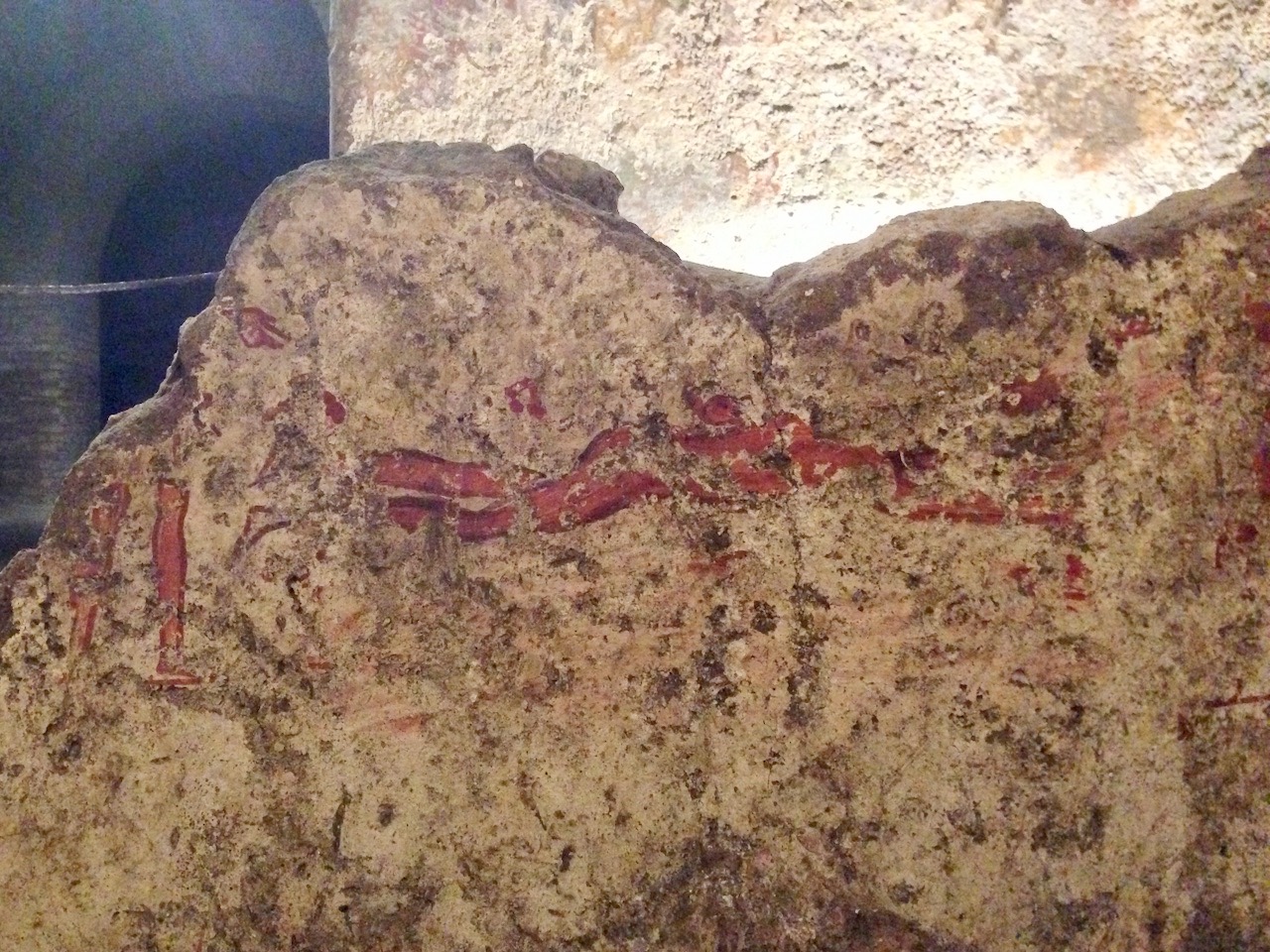
Representation of a person lying prostrate on the ground between two other walking figures on the Mitreo of Santa Capua Vetere.
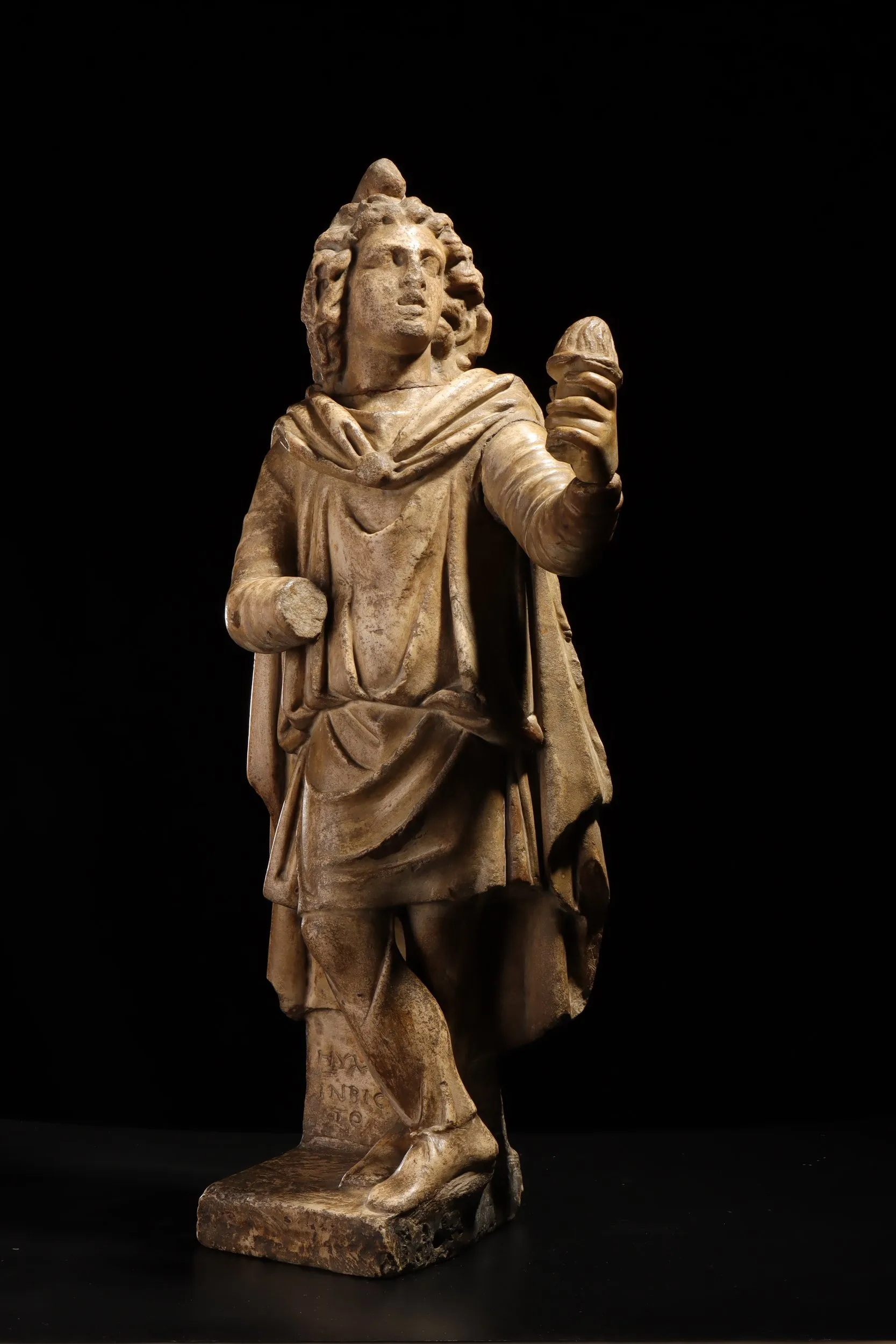
Marble statuette of the torchbearer Cautes bearing the votive inscription HYMNUS INBICTO, probably produced during the second or third century CE and preserved in an old European collection.
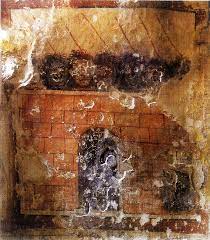
The City of Darkness unique fresco from the Mithraeum of Hawarte shows the tightest links between the western and eastern worship of Mithras in Roman Syria.

Pater patrum and magister of the Mithraic community associated with the Esquiline Mithraeum.
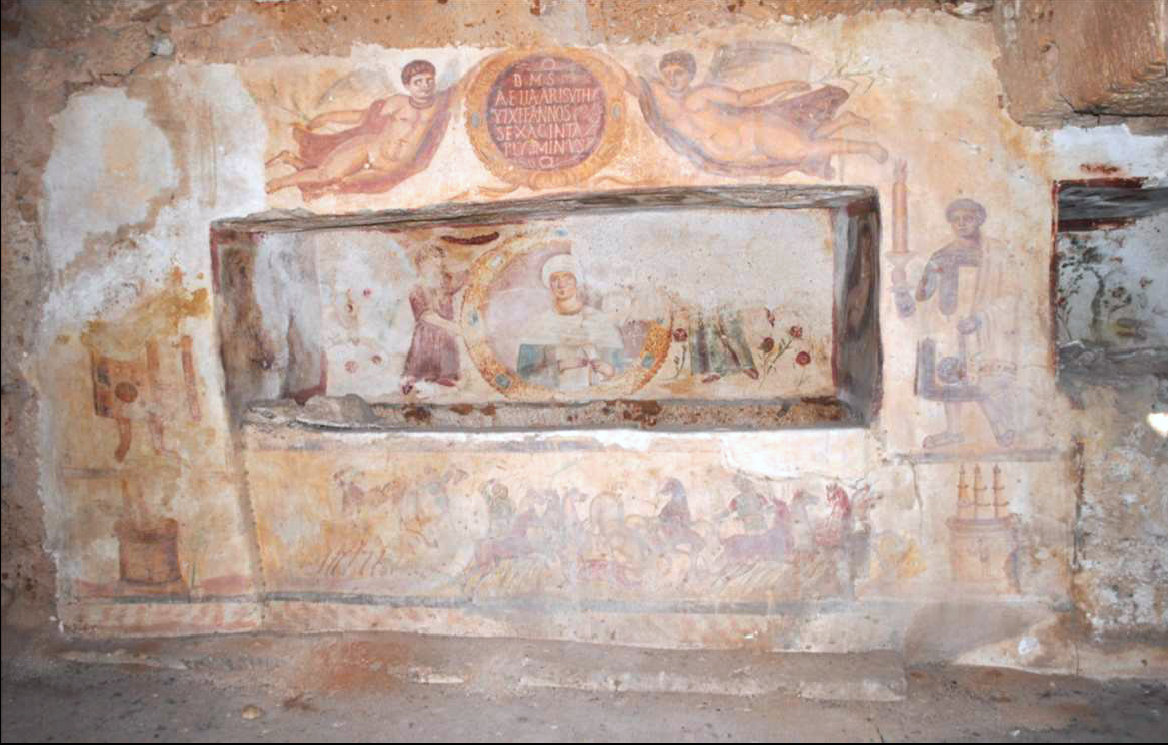
The Mithraic nature of the frescoes of Oea, according to the scholars Cumont and Vermaseren, is now questioned.

Dedicator of a rare altar jointly honouring Mithras and Silvanus at Emona, whose ambiguous name has fuelled debate over whether the dedicant was a man or a woman.

Ostian sacerdos remembered through his participation in the dedication of the monumental leontocephalic image erected under Commodus in 190 CE.

Imperial slave attested at the sanctuary of Can Modolell, a site closely associated with the early spread of Mithraism in Hispania.

Mithraic priest and dedicator of the leontocephalic deity from the Fagan Mithraeum at Ostia.

The dedicator of this marble basin could be the same person who offered the sculpture of Mithras slaying the bull in the Mitreo delle Terme di Mitra.

Marble torso found at Ostia in 1912 between the Decumanus and the Via dei Molini, dedicated to Mithras by a certain Atilius Glyco.

Freedman, he offered a relief of Mithras as a bull killer for the well-being of his two former masters in Apulum.
