Your search Vid gave 175 results.

Moesia superior preserves frontier evidence shaped by the military infrastructure and circulation networks of the middle Danube.
Moesia inferior occupied a major position along the lower Danube where Mithraic cults circulated through military and port environments.
Along the lower sectors of the middle Danube, Pannonia inferior became a major centre of Mithraic activity in the frontier provinces.
Pannonia superior preserves one of the richest frontier corpora of Mithraic evidence along the middle Danube.
Noricum formed a key link between the Alpine world and the Danubian frontier where Mithraic cults spread through military and urban environments.
The high mountain routes of Alpes Graiae formed part of the Alpine corridors connecting Italy, Gaul and the northwestern provinces.
Alpes Poenninae controlled important Alpine routes through which military movement and religious practices circulated between Gaul and Italy.
Belgica occupied a strategic position between Roman Gaul, the Rhine frontier and the northern provinces where Mithraic cults circulated widely.
In Aquitania, Mithraic evidence reflects the western expansion of the cult beyond the principal Rhine and Rhône corridors.
Lugdunensis formed part of the urban and administrative core of Roman Gaul, where Mithraic cults circulated through major civic centres.
Thracia reflects the circulation of Mithraic cults through the military, urban and maritime networks linking the Balkans, the Danube and the northern Aegean world.
Corsica and Sardinia preserve a small island corpus within the western Mediterranean diffusion of Mithraism.
Armenia occupied a strategic position between Roman and Iranian religious worlds during the centuries of Mithraic expansion.

This lost monument from Malaga, Spain, to Dominus Invictus has been linked to the cult of Mithras, although there is not enough evidence.

This altar for the completion of a temple to Sol Invictus by Flavius Lucilianus was found in Fossa, Italy.
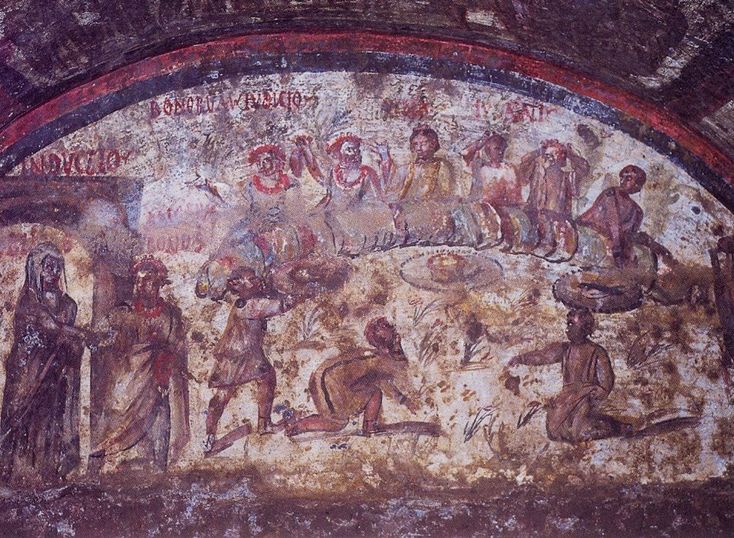
The epigrahy includes a mention of Marcus Aurelius, a priest of the god Sol Mithras, who bestowed joy and pleasure on his students.

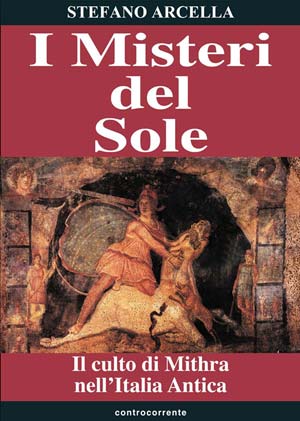
A study of Roman Mithraism that combines historical evidence with a symbol-centred interpretive approach, exploring Mithraic iconography, ritual experience, and the cult’s encounter with Christianity in the Late Empire.
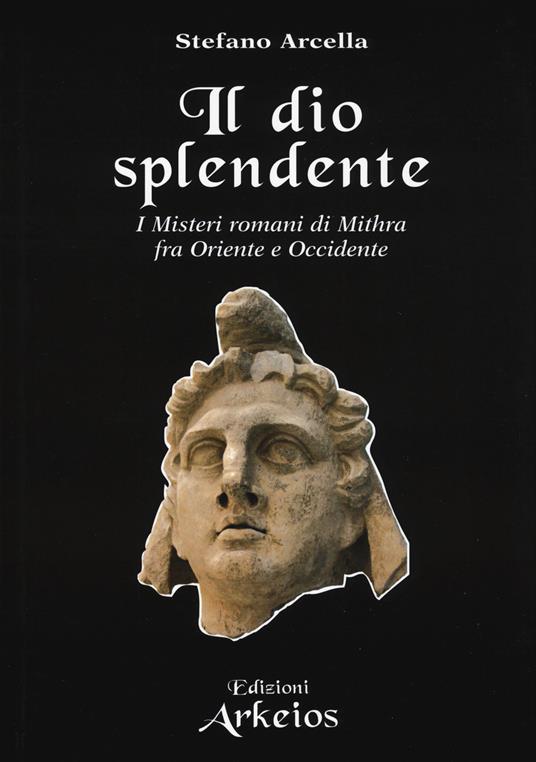
A study that re-examines Roman Mithraism through epigraphic evidence and comparative analysis, exploring its links with Orphism, Platonism, and Iranian traditions, and presenting the cult of Mithras as a solar path of individual spiritual awakening between East and West…
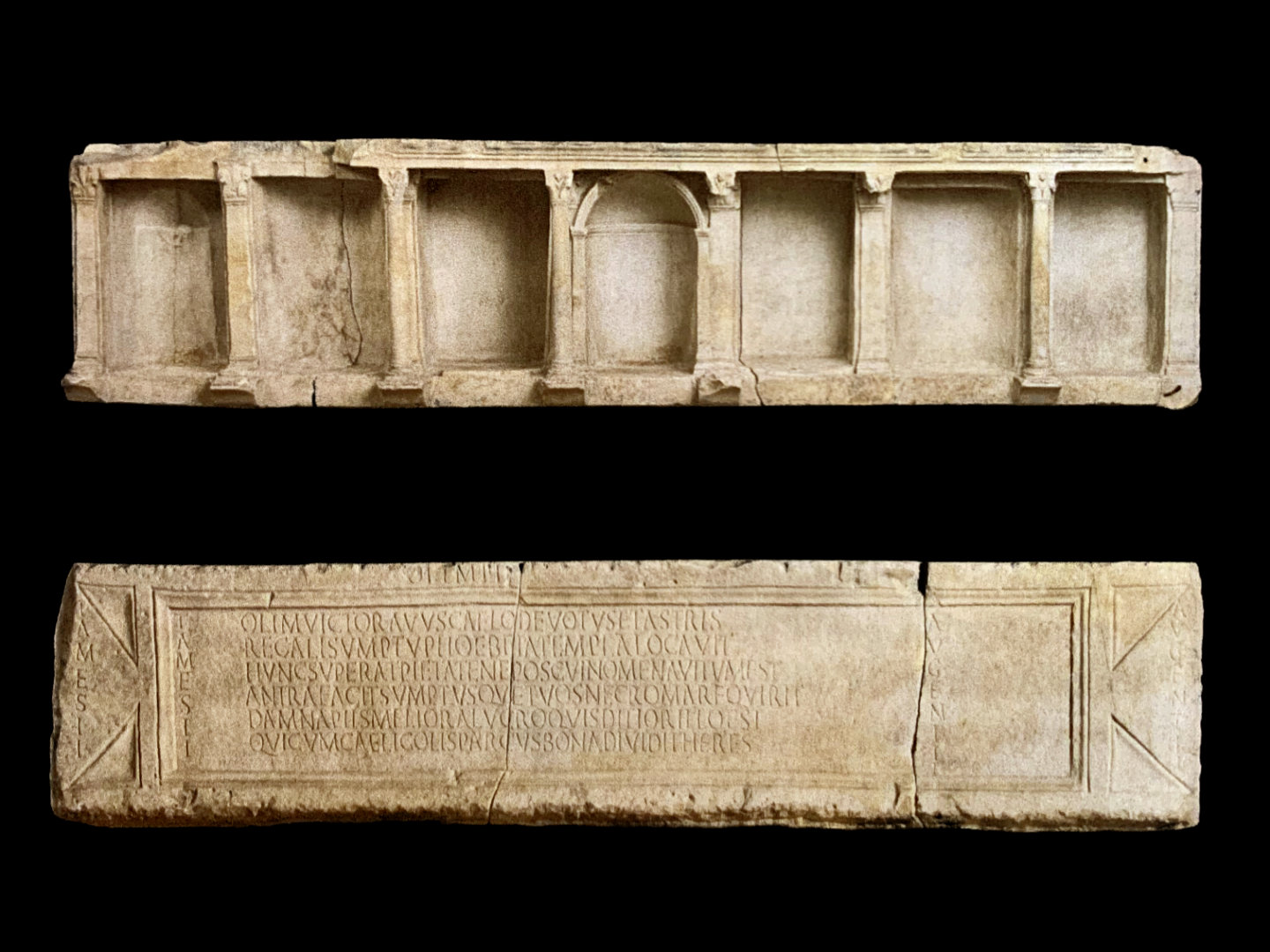
This monument is the only one still available from the disappeared Mithraeum in Piazza S. Silvestro in Capite.
