Your selection in monuments gave 141 results.
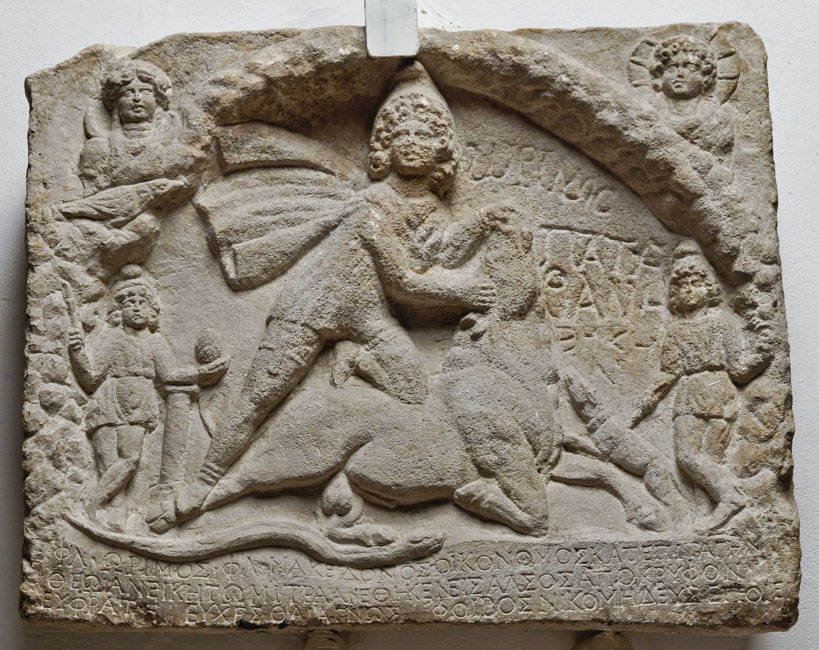
This limestone relief of Mithras killing the bull bears an inscription by a certain Flavius Horimos, consecrated in a ’secret forest’ in Moesia.
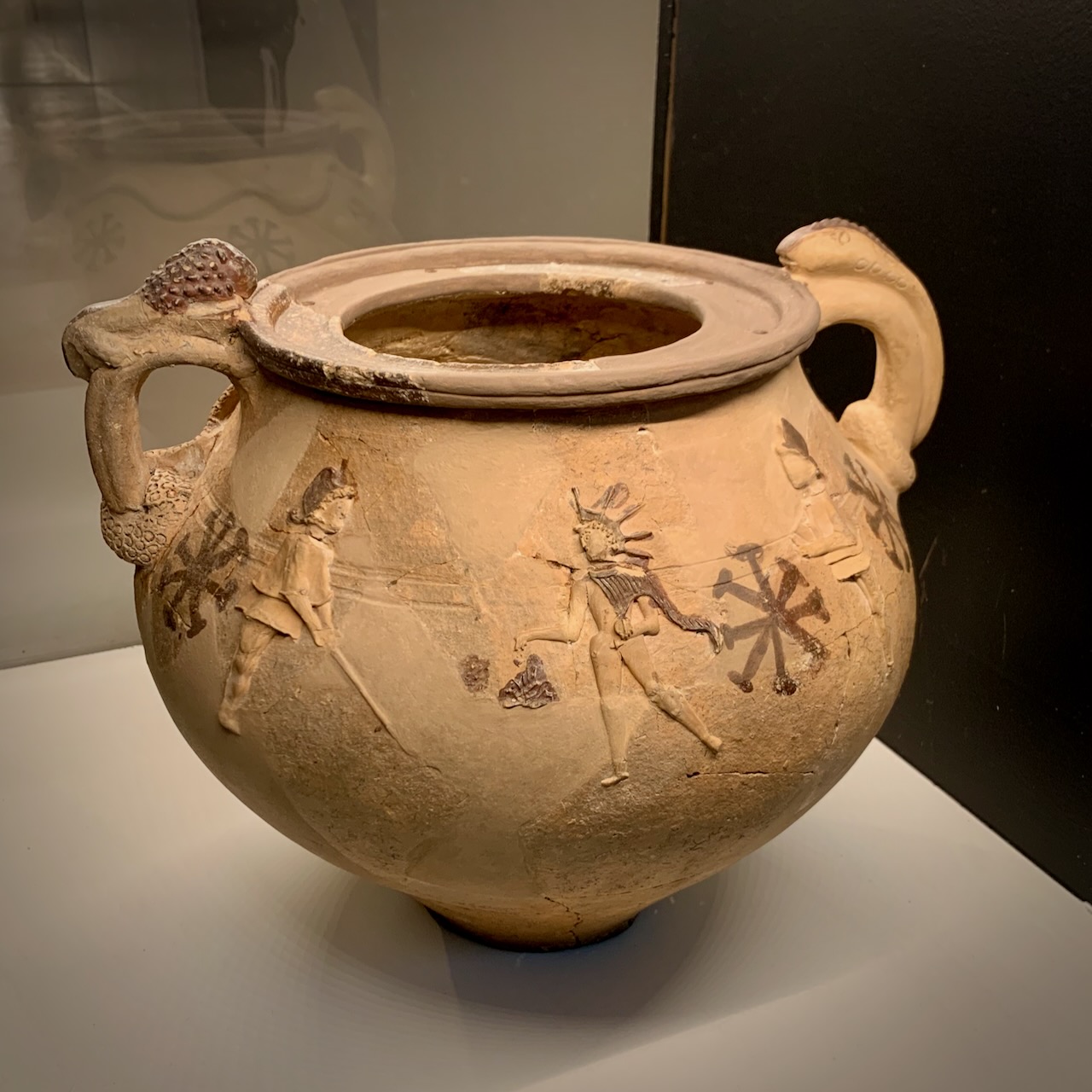
The Mithraic vase from Colonia Claudia Ara Agrippinensium in Germany includes Sol-Mithras between Cautes and Cautopates, as well as a serpent, a lion and seven stars.
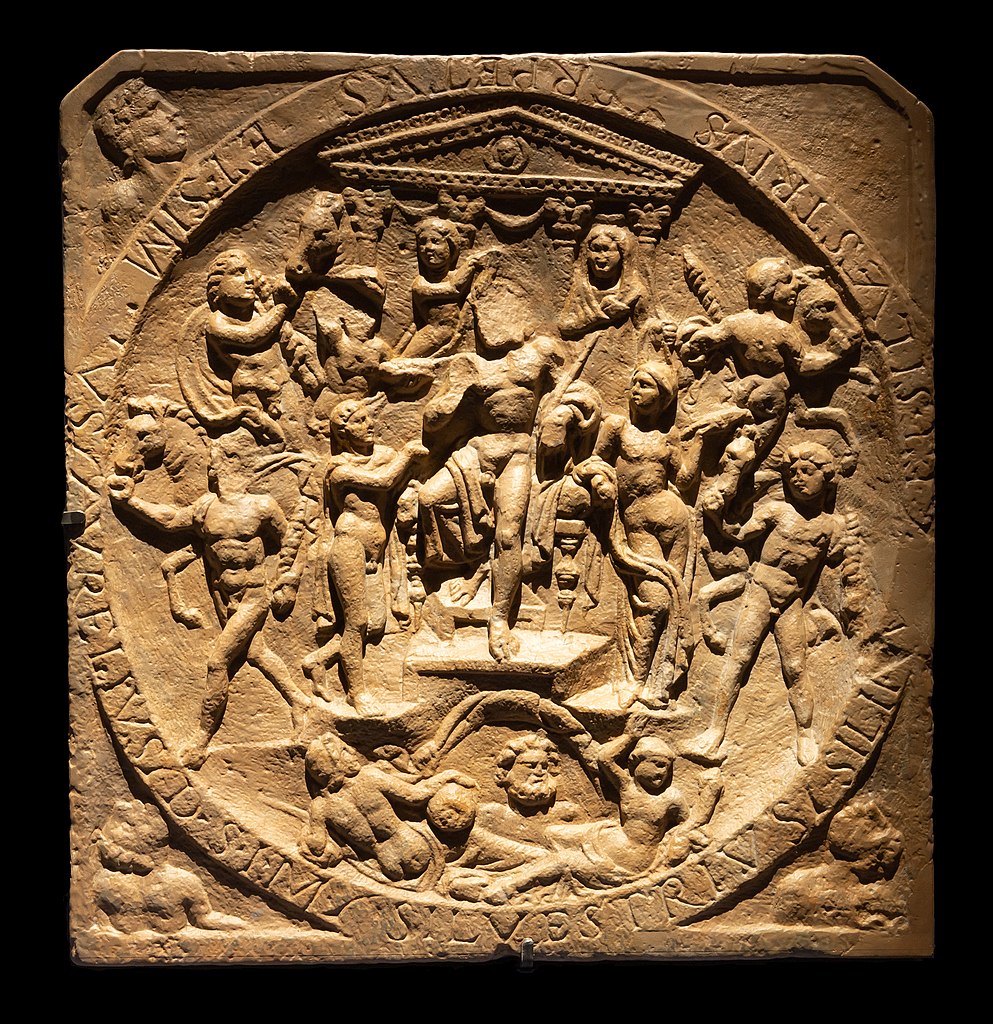
The relief of Dieburg shows Mithras riding a horse as main figure, surrounded by several scenes of the myth.
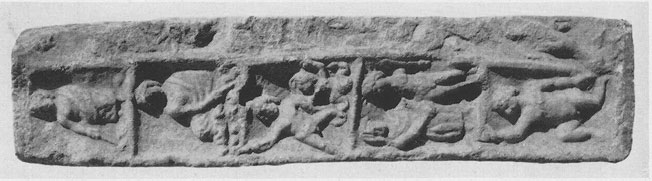
Fragment of a double-sided white marble Mithraic relief from San Zeno, found near the Castello di Tuenno, depicting elements of the tauroctony cycle and bearing a dedication to Deo Invicto Mithrae.
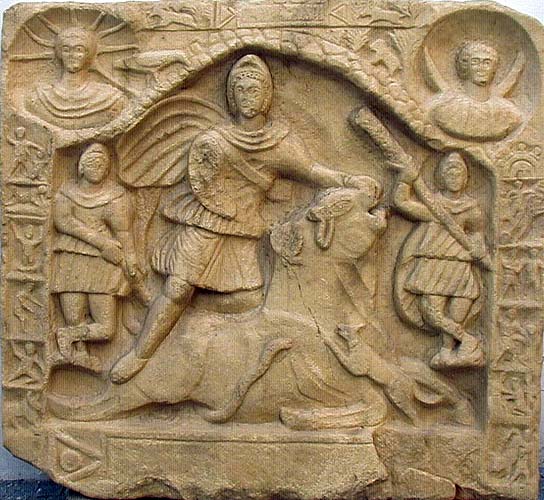
The relief of Mithras slaying the bull at Mauls in Gallia cisalpina is a paradigmatic example of the so-called Rhine-type Tauroctony.
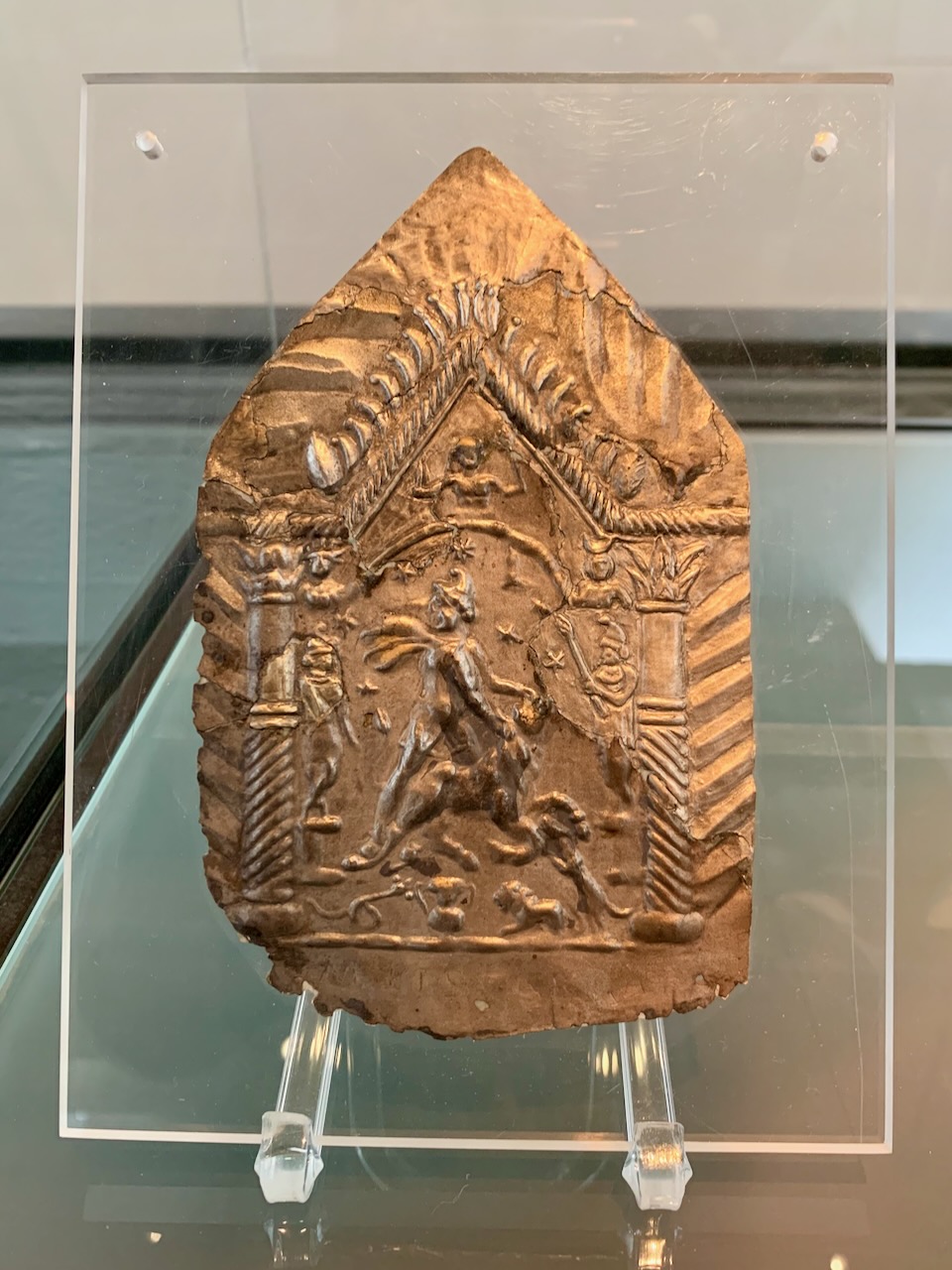
This plaque was found in Mithraeum I at Stockstadt broken into pieces inserted between the blocks of the socle of the cult relief, in the manner of a votive deposit.

Sandstone base from Vetera (Xanten), Germania Inferior, with a relief of Cautes in Oriental dress holding a long burning torch.
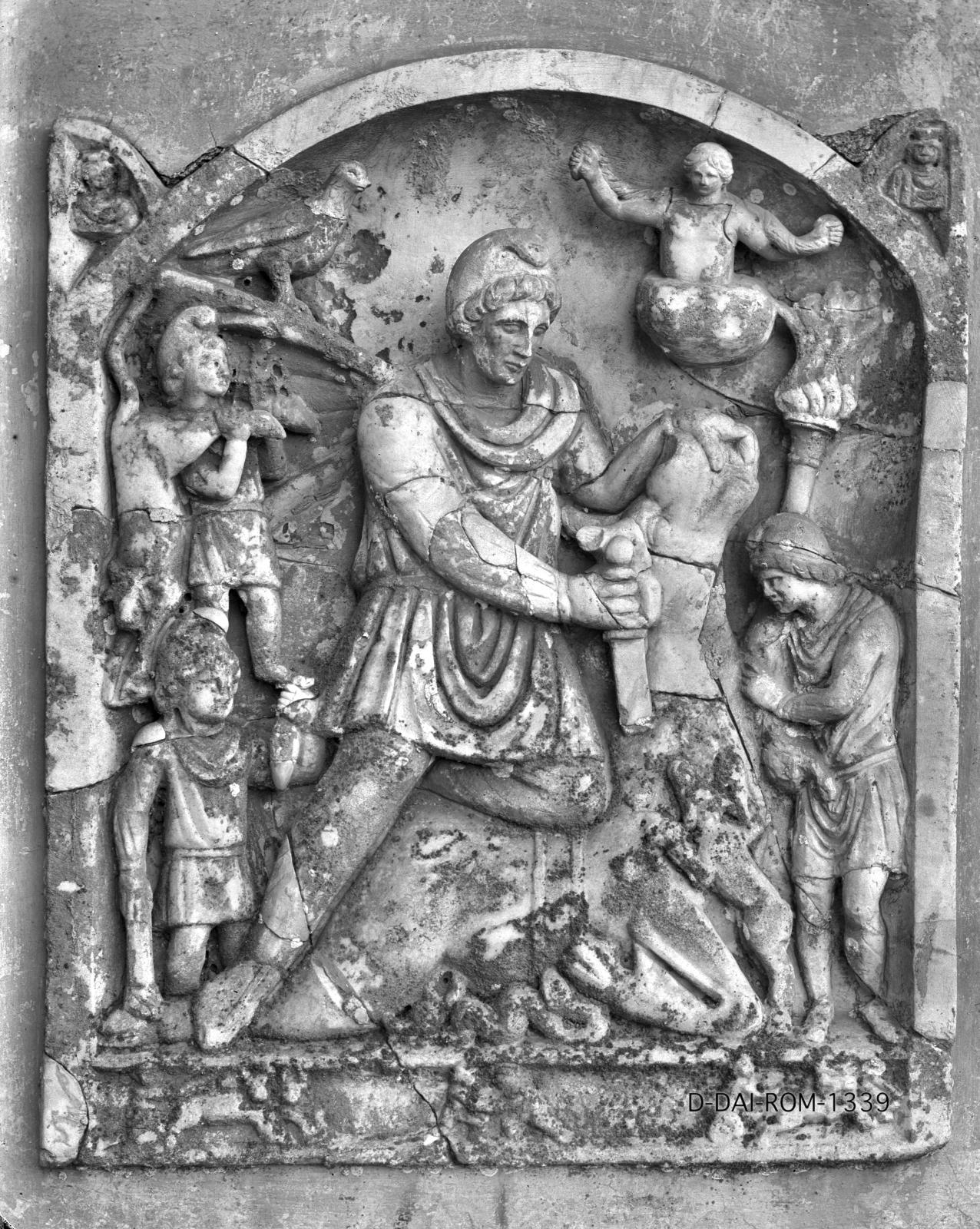
Currently in the Musei Vaticani, this Tauroctony includes Mithras’s birth restored as Venus anaduomene.
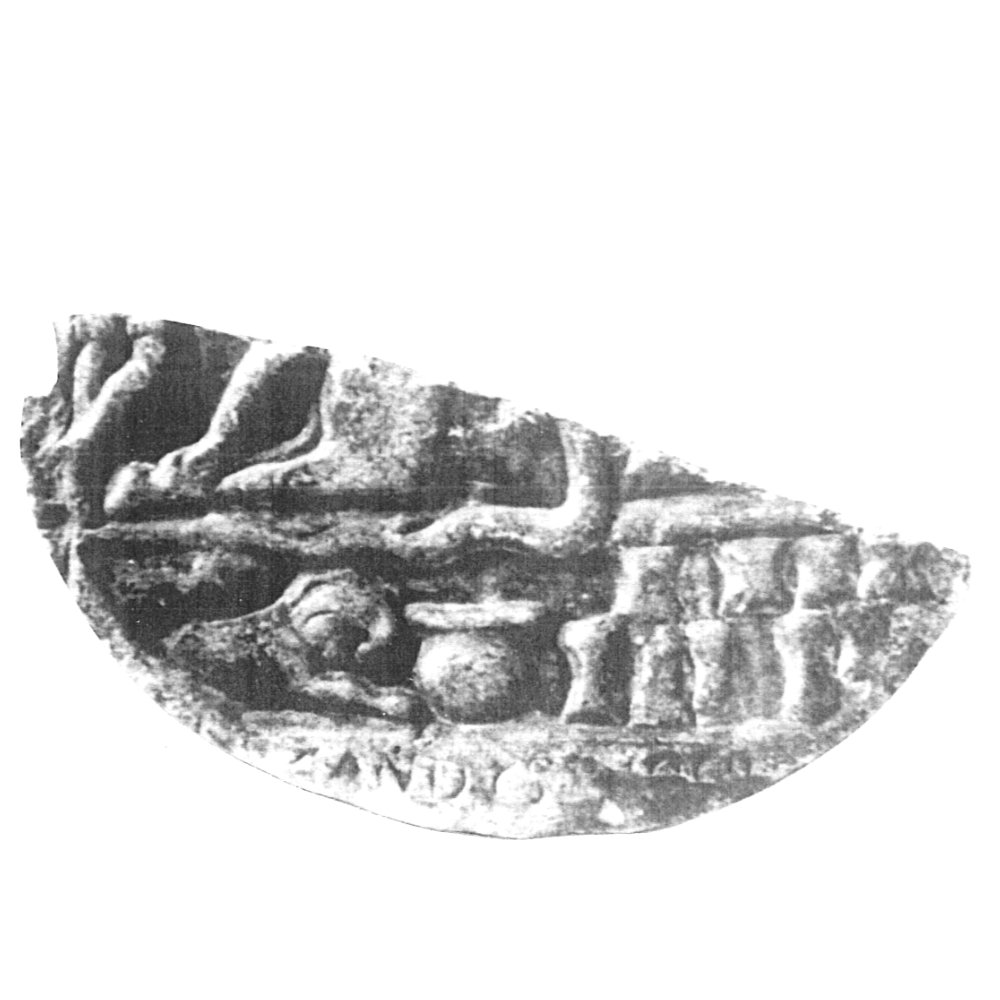
This tauroctony may have come from Hermopolis and its style suggests a Thraco-Danubian origin.
Fragmentary relief corner depicting Mithras as bull-slayer, preserving the bull’s hindquarters, scorpion, serpent and part of a torchbearer, with a partial inscription.
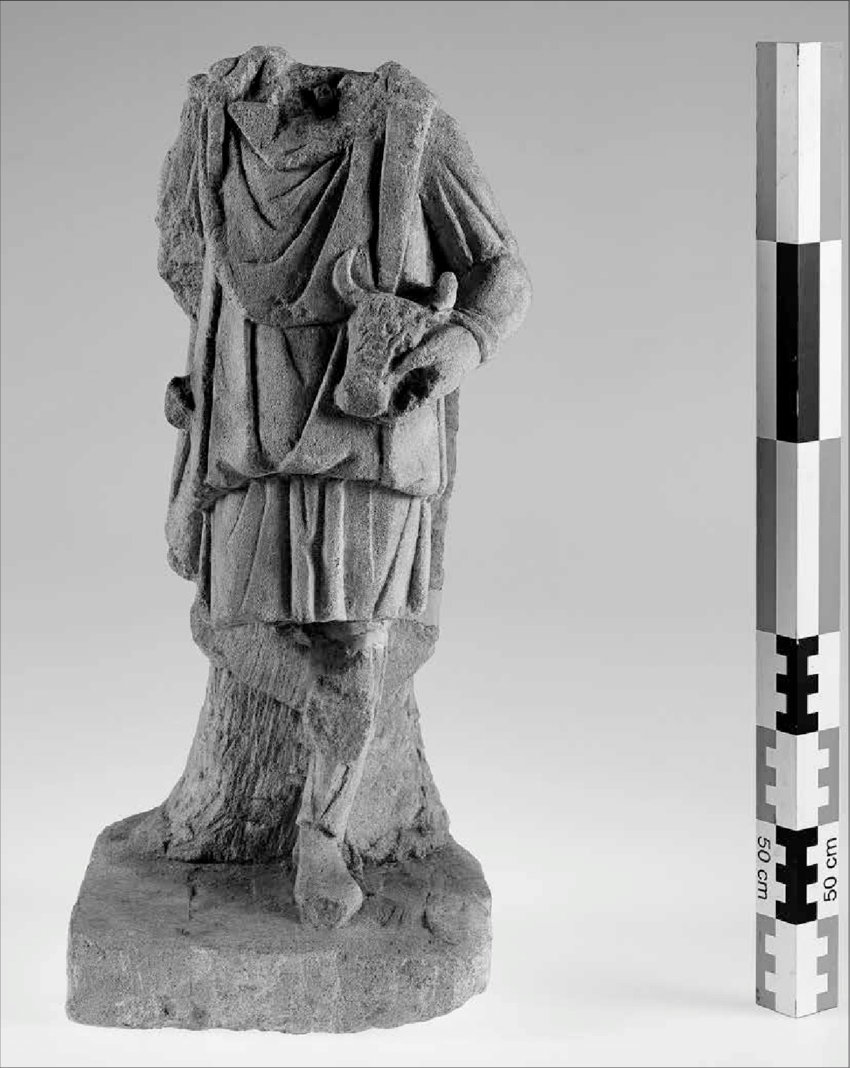
Statue of Cautes from Bodobrica, discovered around 1940, depicting the torchbearer standing before a tree or rock and associated with a bucranium.
Small limestone stele, discovered at Apt in 1903. It depicts a standing torchbearer in the conventional Mithraic posture and dress, accompanied by a cock placed at his feet.
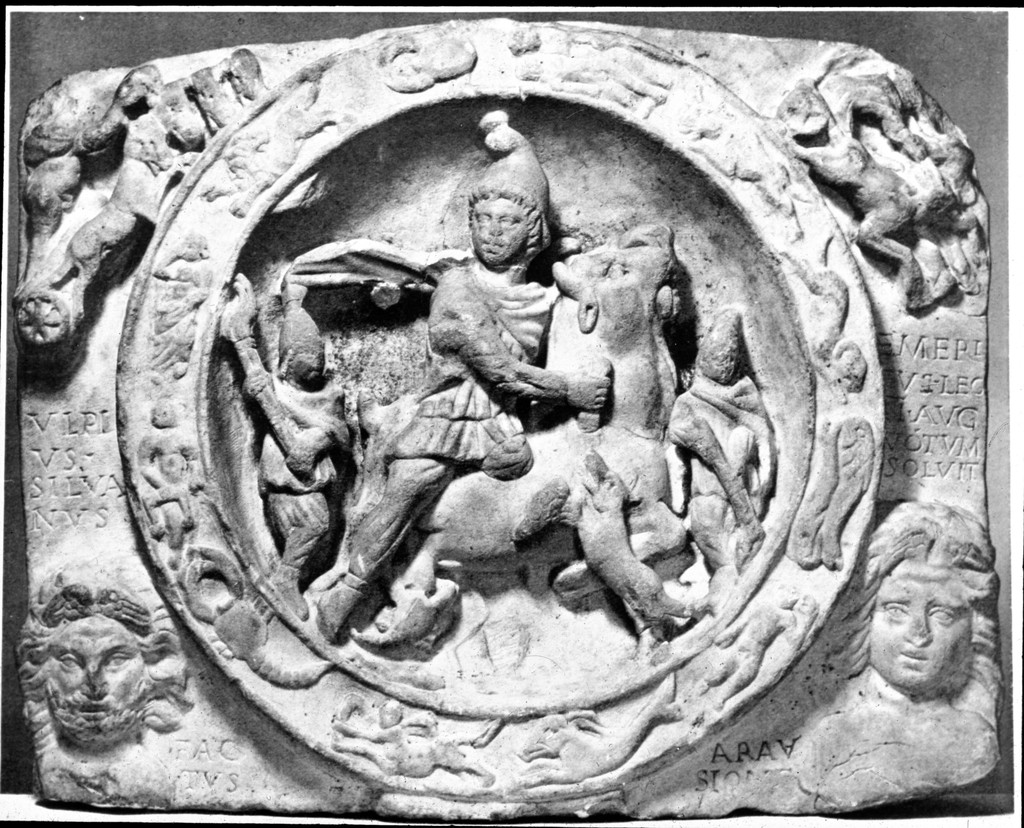
The image of Mithras killing the bull, found near Walbrook, is surrounded by a Zoadiac circle.
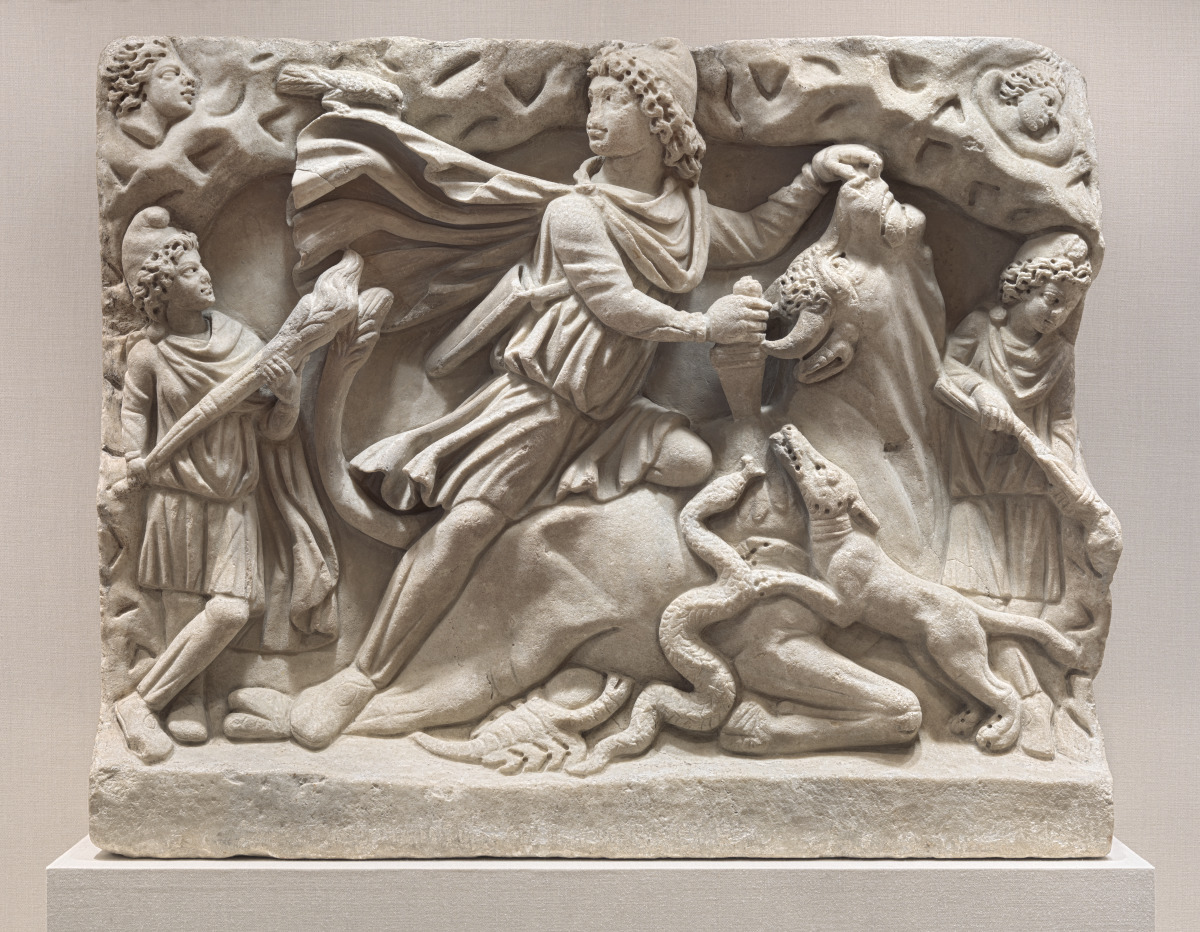
Rich relief on display at the Virginia Museum of Fine Art showing Mithras sacrificing the bull accompanied by Cautes and Cautopates.

New evidence for the cult of Mithras and the religious practices of Legio IV Scythica at the Roman frontier city of Zeugma on the Euphrates.
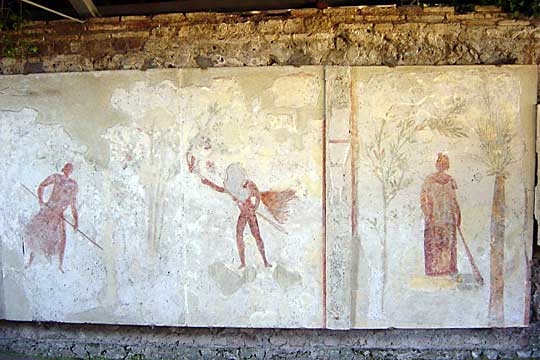
The frescoes depict several figures dressed in different garments associated with the Mithraic degrees.
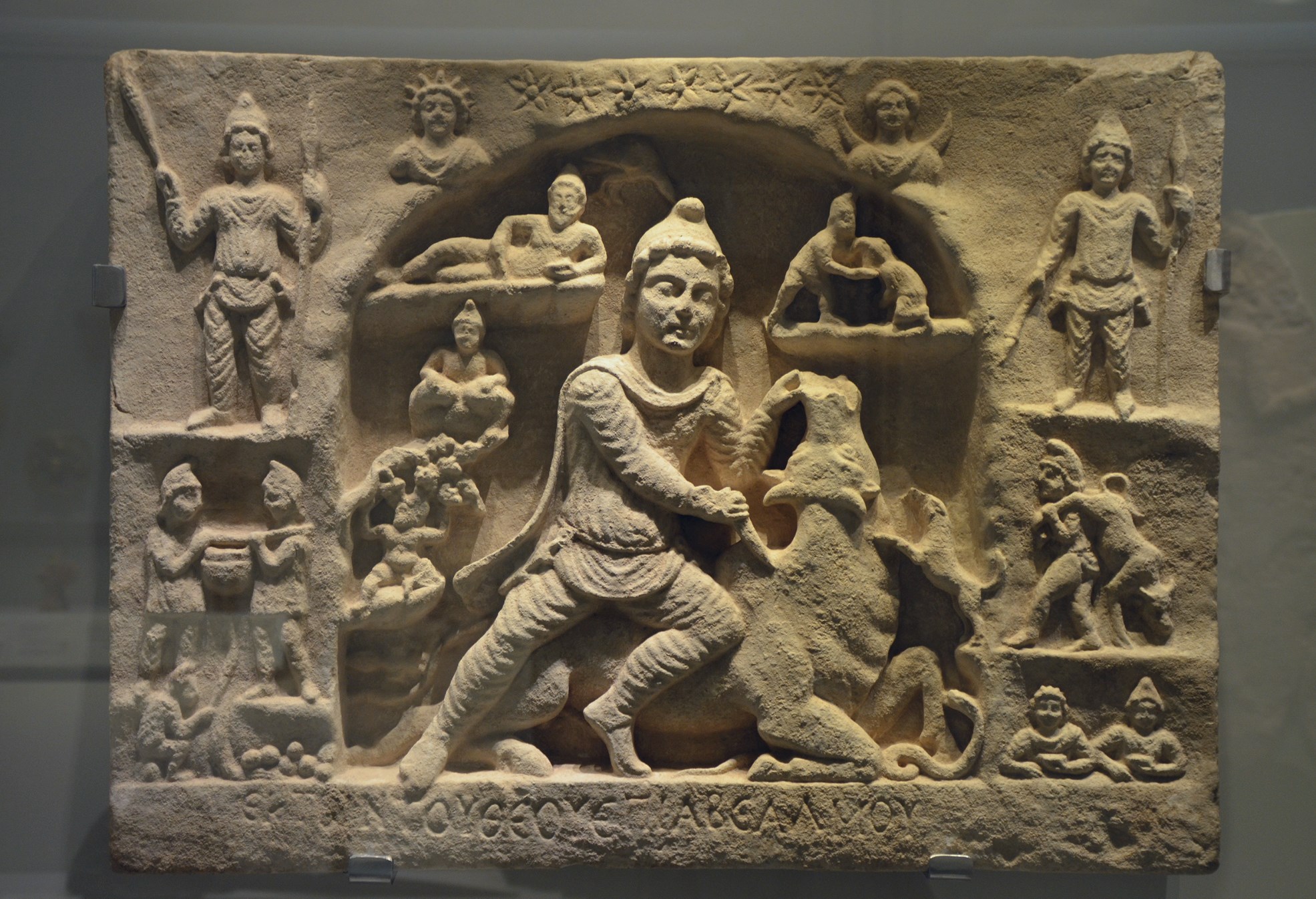
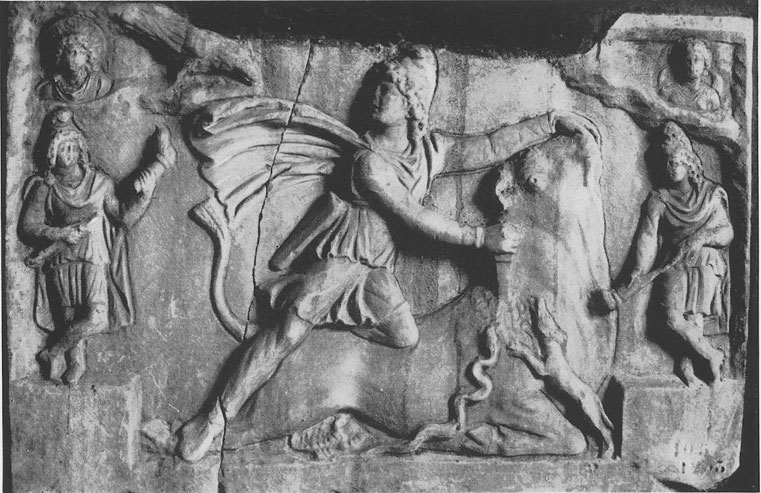
White marble relief depicting Mithras killing the bull, found broken in two parts in 1872 near Salita delle Tre Pile in Rome.
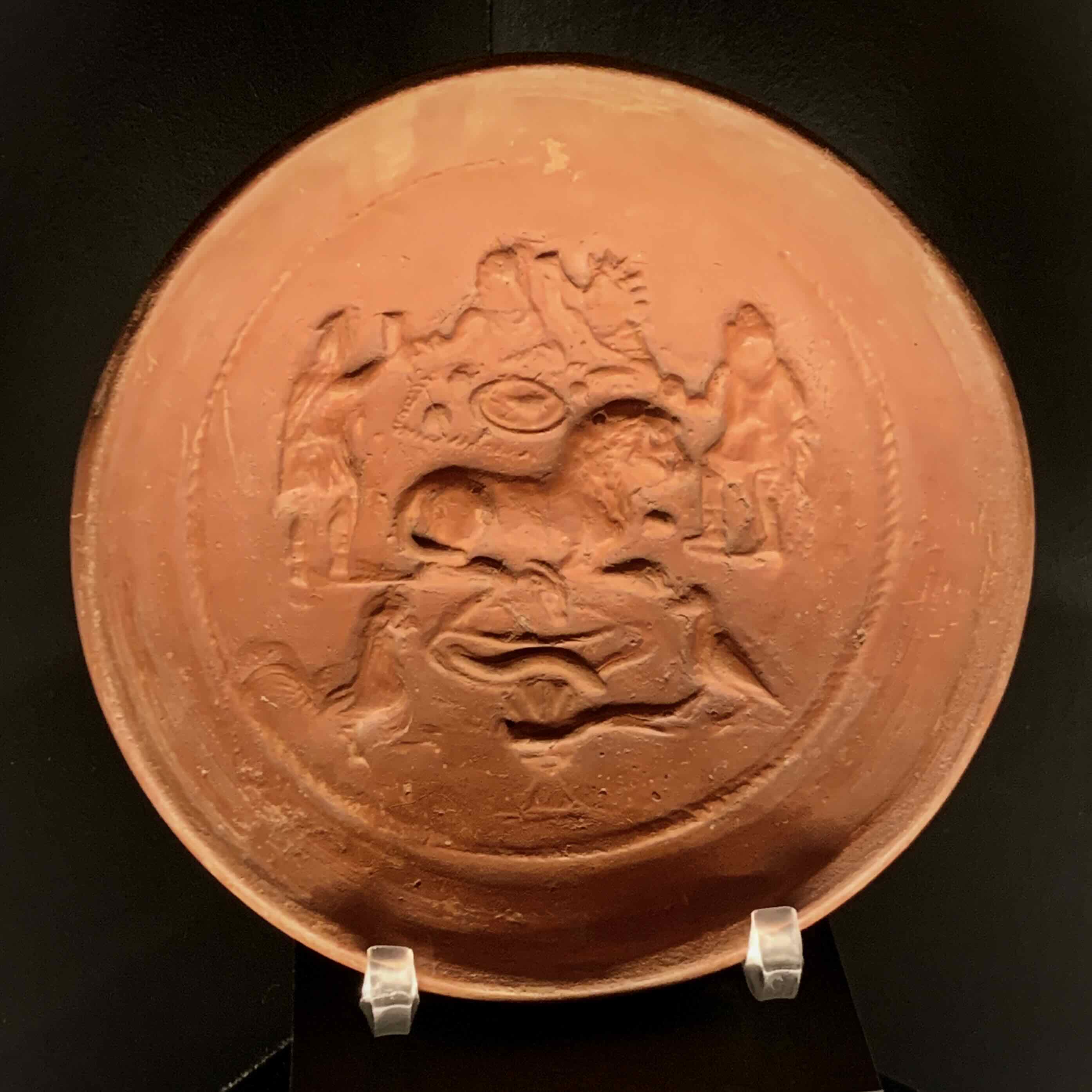
This terra sigillata was found in 1926 in a grave on the Roman cemetery of St. Matthias, Trier. An eyelet indicates that it could have been hung on a wall.
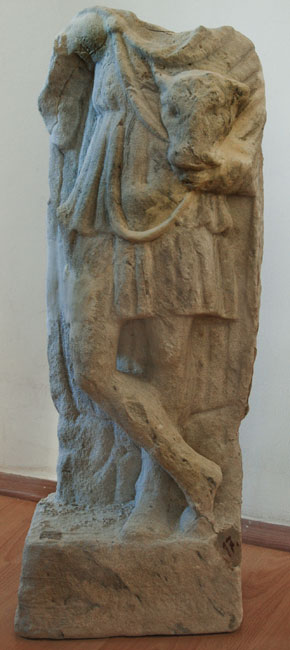
This sculpture of Cautes holding a bull’s head was found in 1882 in Sarmizegetusa, Romania.
