An imperial slave and customs administrator of the Illyrian tax system, he financed and built a Mithraic temple in Moesia Superior.
Freedman, he offered a relief of Mithras as a bull killer for the well-being of his two former masters in Apulum.

Landowner from Augustobriga, transferred to Tarraco by Antoninus Pius and owner of the villa of Els Munts and its Mithraeum.
Praeses of the Noric Mediterranean province, of equestrian rank, restaured the Mithraeum of Virunum in 311.

Member of the Mithraic community attested at Kreta in Moesia Inferior.
The son of an eponymous person, he consecrated an altar to Helios Mithras in Kreta, Moesia inferior.

A devotee of Mithras who dedicated an altar for the health of Commodus alongside his father, a procurator castrensis, in Rome.

Senior Mithraic priest of Ostia whose inscriptions preserve rare and unique epithets of Mithras, including Incorruptus Juvenis and Indeprehensibilis.
Pater and priest of the Mithraeum of the Seven Spheres at Ostia during the sanctuary’s restoration and flourishing.

Known from an altar dedicated to Mithras at Ostia during the tenure of the pater Marcus Aemilius Epaphroditus.


A priest of Sol Invictus Mithras who helped dedicate a throne in the Casa di Diana mithraeum.
A pater of the Ostian Mithraic community and member of the guild of carpenters.

A Mithraic pater at Ostia associated with the dedication of an image of Arimanius in the Casa di Diana mithraeum.
Patronus of the corpus lenunculariorum tabulariorum auxiliariorum Ostiensium.
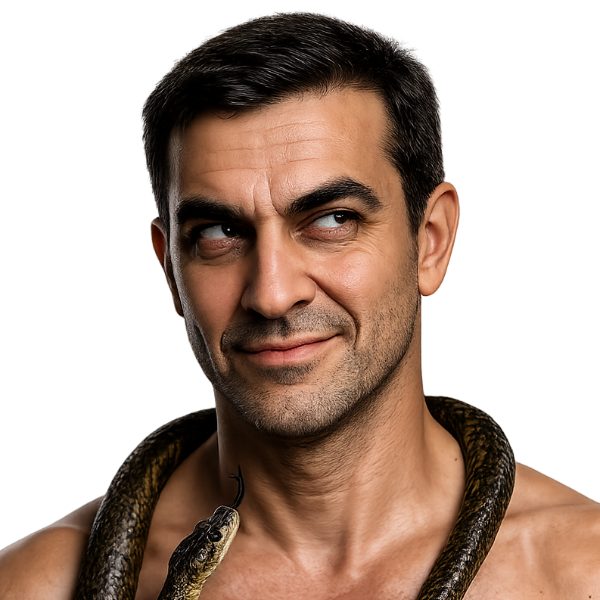
Syndexios in Ostia, his name Marsus suggests that he was a snake-charmer.
Late Roman senator and governor of Numidia whose inscriptions present him as a Mithraic pater and initiate in several mystery cults.
Magister of a Bracaran sodalicium associated with the cult of Mithras in Roman Lusitania.
Mithraic dedicant associated with the rock-cut sanctuary of Rožanec in Pannonia Superior.

A powerful and wealthy man, founder of a mithraeum in the city of Aquincum of which he was the mayor.
