This site uses cookies to offer you a better browsing experience.
Find out more on how we use cookies in our privacy policy.

 
Support The New Mithraeum The New Mithraeum is an independent, non-profit project dedicated to Mithraic studies, ancient religions and classical culture. Developed and maintained independently since 2007, the site exists without advertising, paywalls or institutional funding. If you have found value in its articles, interviews, photographs or database, please consider supporting the project with a contribution. Every contribution helps keep The New Mithraeum open, free and alive. Thank you.
Support us →
Acta diurna

Daily Gazette/102

Acta diurna is our Mithraic social stream for keeping up to date with what is happening in The New Mithraeum.

avatar
Jan 2022
NewMonumentum

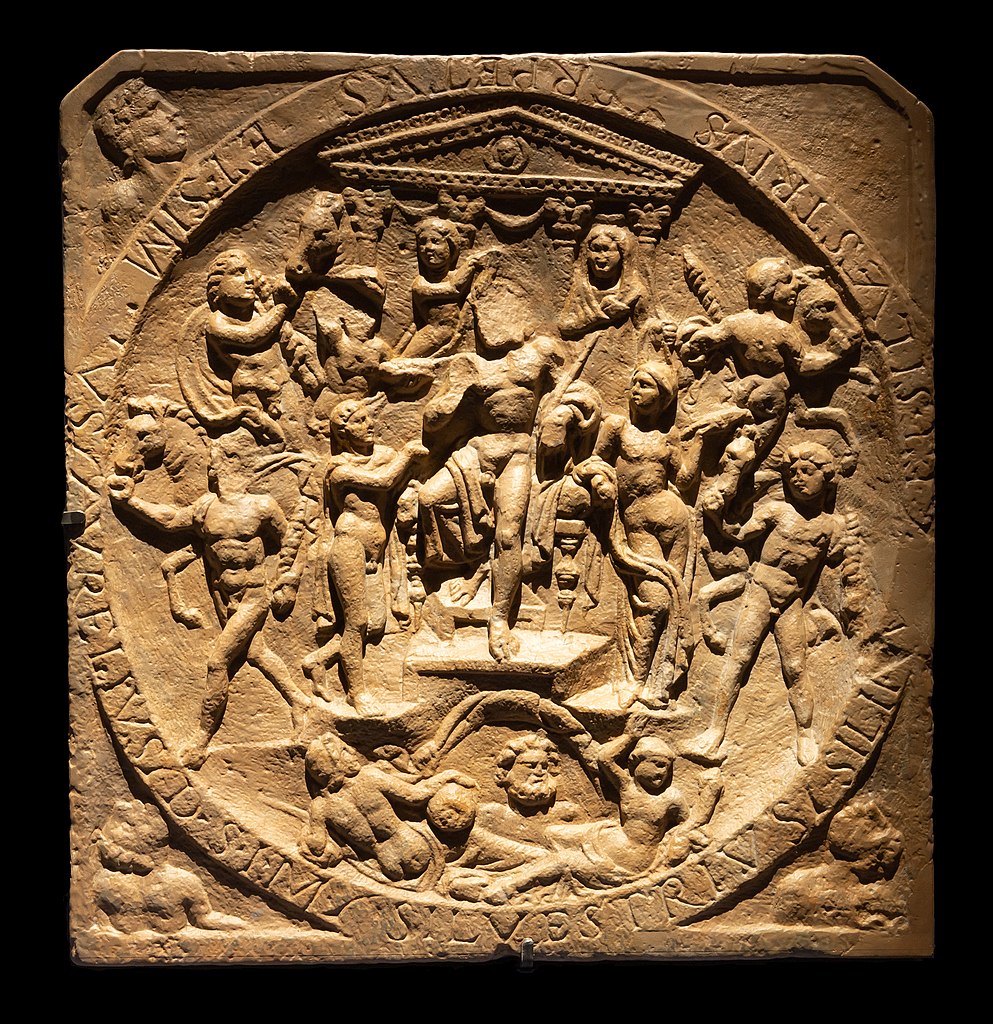
Tauroctony from Circo Massimo

This remarkable marble relief from the end of the 3rd century was discovered in the most remote room of the Mithraeum in the Circo Massimo.
avatar
Jan 2022
NewSyndexios

Aulus Decimius Decimianus

Aulus Decimius Decimianus, son of Aulus, of the Palatina tribe.
avatar
Jan 2022
avatar
Jan 2022
Monumentum

Mithräum von Dieburg

There are references to two places of worship from Dieburg, whereby the Mithraeum, discovered in 1926.
avatar
Jan 2022
NewSyndexios

Silvestrius Silvinus

Quadratarius who made some mithraic monuments including the two-sided relief of Dieburg
avatar
Jan 2022
NewMonumentum

Two-sided relief of Dieburg

The relief of Dieburg shows Mithras riding a horse as main figure, surrounded by several scenes of the myth.
avatar
Jan 2022
NewMonumentum

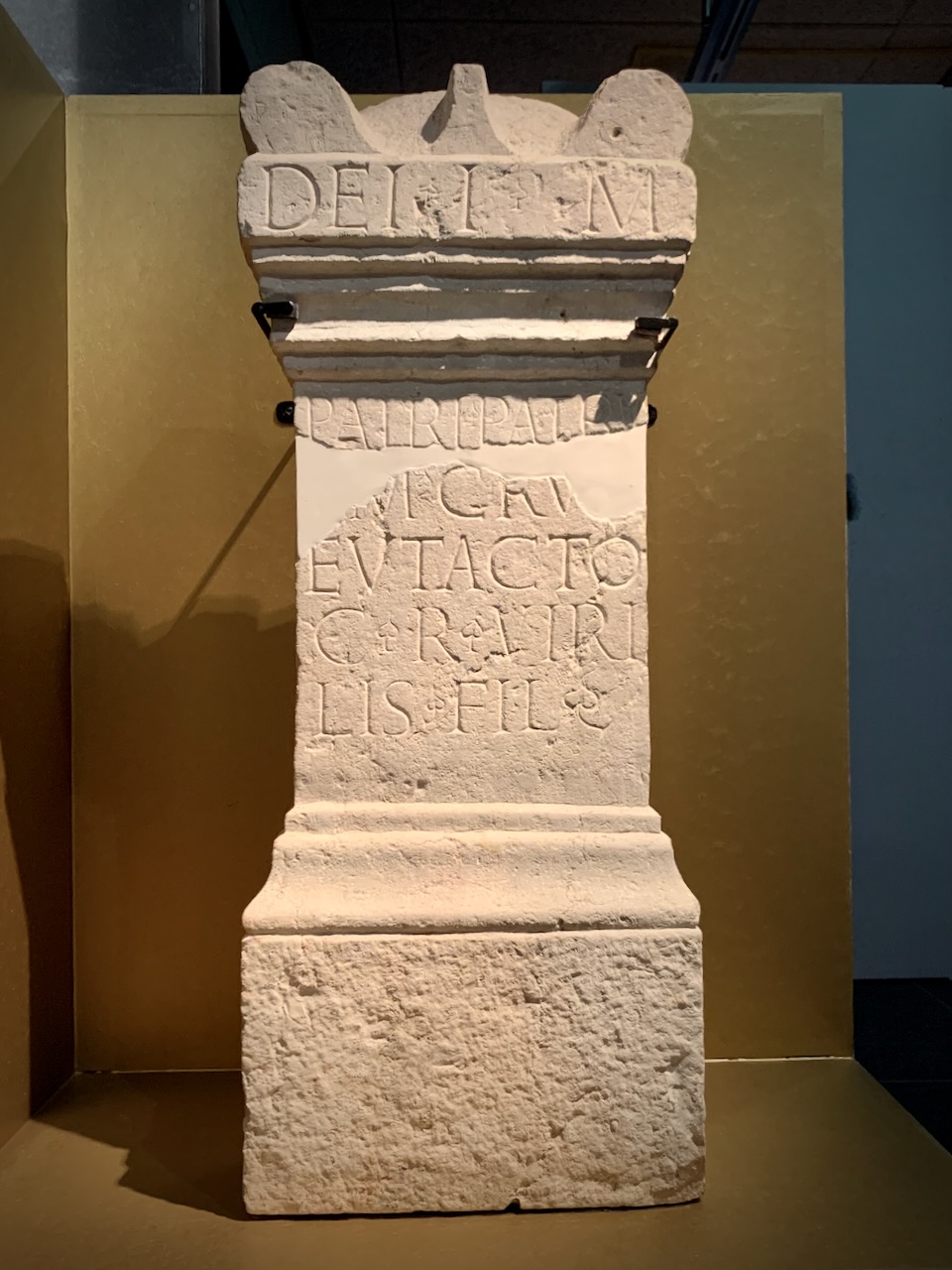
Altar of Vieu

This altar was dedicated by a son to his father, one of the few Patres Patrum recorded in the western provinces.
avatar
Jan 2022
Monumentum

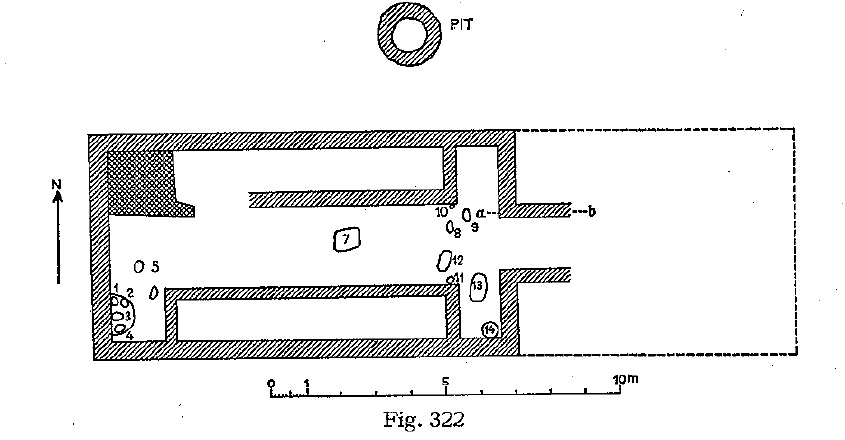
Mithraeum de Valromey

This temple of Mithras has been discovered under the Church in Vieux-en-Val-Romey, in 1869.
avatar
Jan 2022
Monumentum

Mithraeum of Duhok

There is no solid evidences of the finding of a Mithraic temple in Duhok, Iraq.
avatar
Jan 2022
NewSyndexios

Aurelius Victor Augentius

Pater Patrum of the Mithraeum of Piazza S. Silvestro in Capite
avatar
Jan 2022
NewMonumentum

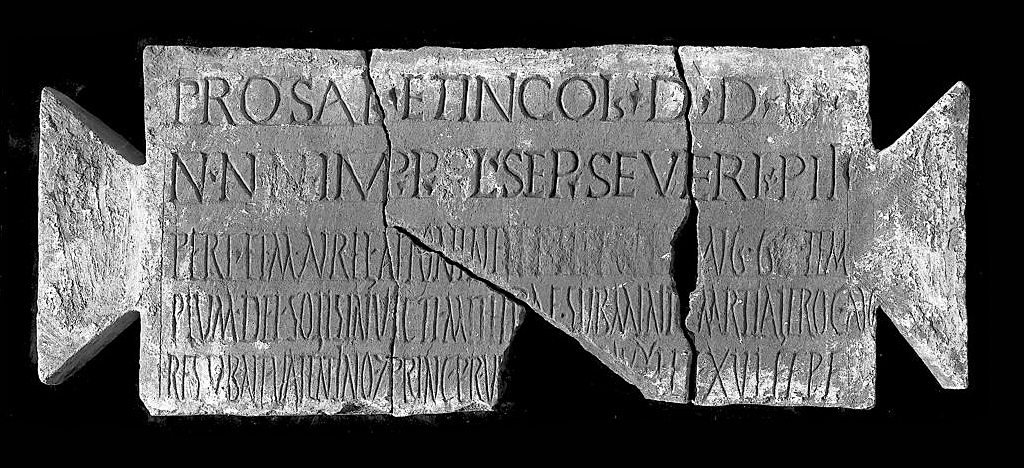
Inscription on the restoration of the Mithraeum of Dura Europos

Antonius Valentinus, centurio, made this plaque for the salut des empereurs Septimus Severus and Marcus Aurelius.
avatar
Jan 2022
NewMonumentum

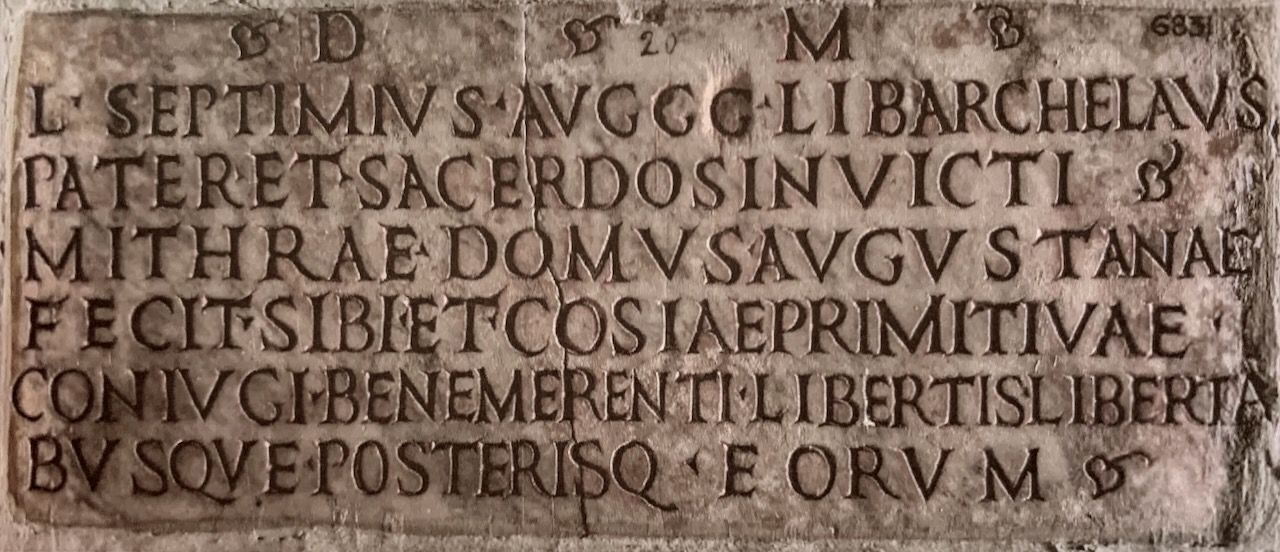
Funerary plaque of Septimius Archelaus

Marble funerary plaque erected by Lucius Septimius Archelaus, a Pater and priest of Mithras, for himself, his wife, and their freedmen and descendants.
avatar
Jan 2022
NewVideo

Los Misterios de Mitra y su iconografía. Dra. Claudina Romero Mayorga

Seminario de Investigación Cultos orientales e Iconografía Máster en Arqueología del Mediterráneo en la Antigüedad Clásica.
avatar
Jan 2022
NewSyndexios

Victorius Secundus

Slave of Gaius Victorius Victorinus
avatar
Jan 2022
NewSyndexios

Victorius Victor

Slave of Gaius Victorius Victorinus
avatar
Jan 2022
NewMonumentum

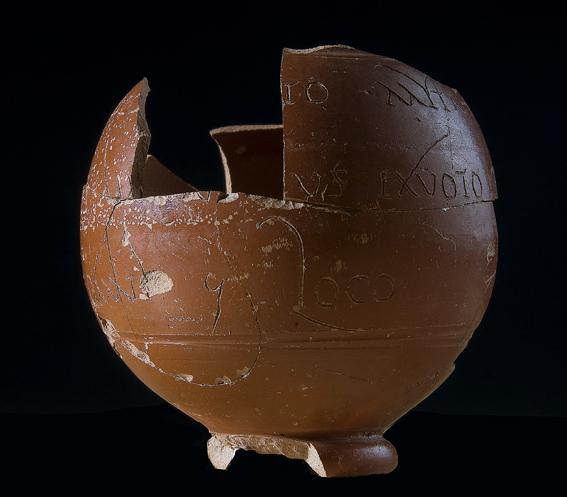
Goblet from Angers

The spherical ceramic cup found at the Mithraeum in Angers bears an inscription to the unconquered god Mithras.
avatar
Jan 2022
NewMonumentum

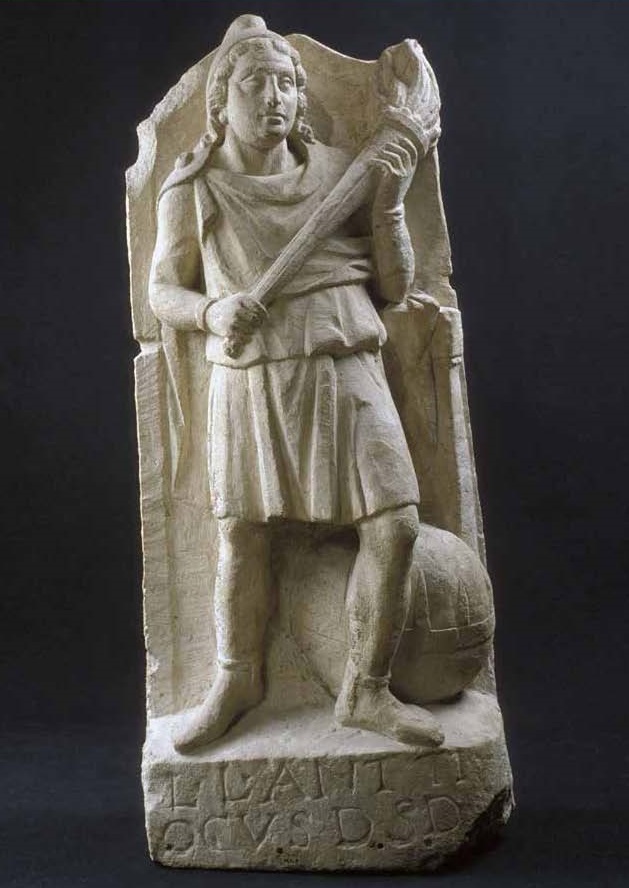
Cautes from Les Bolards

This monument representing Cautes with uncrossed legs was consecrated by a certain Anttiocus.
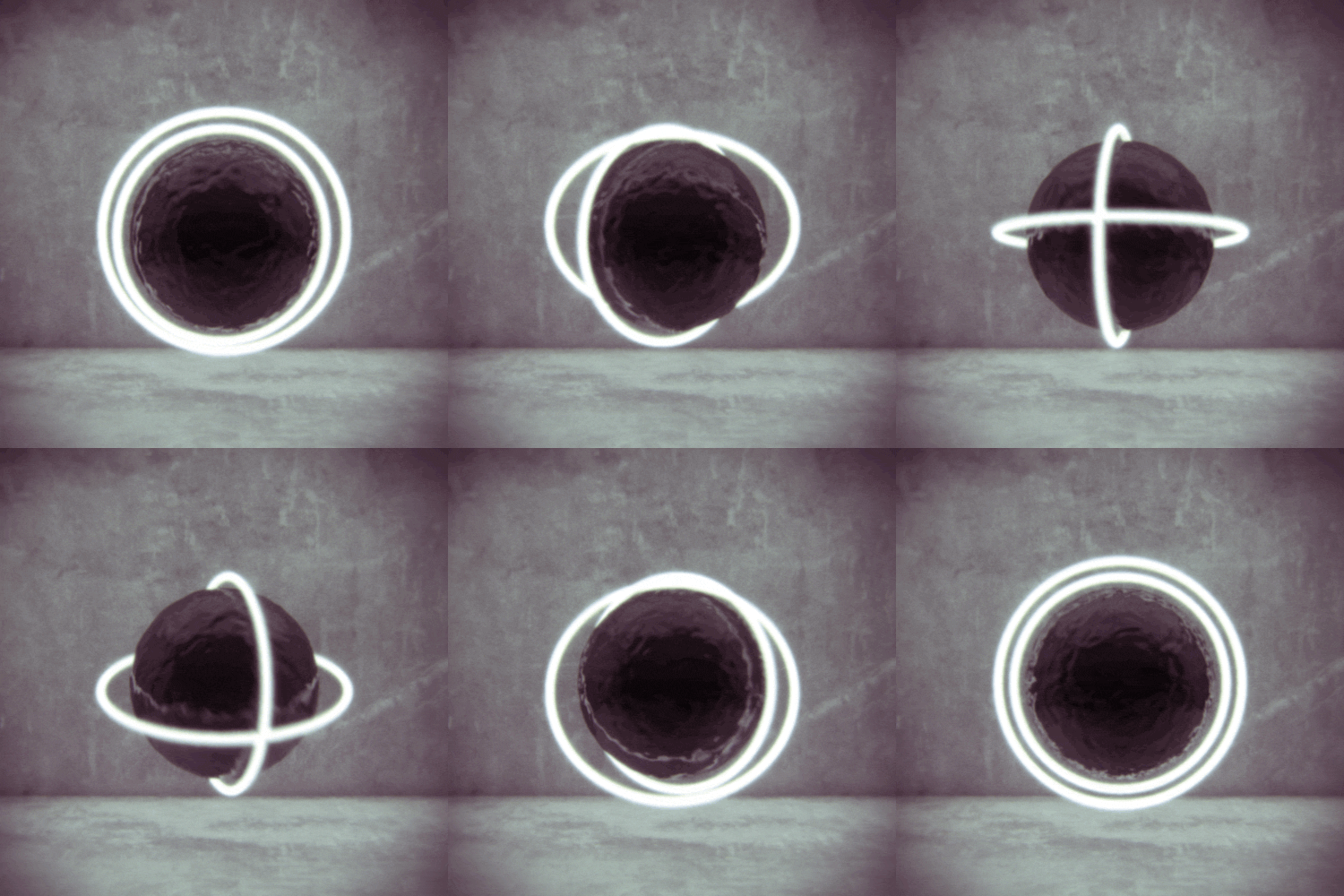
hello, what does symbolize this huge spher with a crown over? I believe resurrection of the soul . In the relief dated around 250 AD from the Tor Cervara in Rome, (bomb site excavated in 1964) Sun god carries a globe or ball in his left hand. Idem Santo Stefano Rotondo slab. A sacred ball or spher. ?? D.P.
hello Dominique PERSOONS This sphere with a single circle is quite unusual in Mithraic iconography, at least as far as I know. I've seen it surrounded by two circles, which some authors associate with the precession of the equinoxes and the intersection of the celestial equator with the zodiac. In this case, the resurrection of the soul could be an explanation, could you develop it?
Dear Jorge, on two slabs from the Baths of Diocletian, the one from Santo Stefano Rotondo and the one from Tor Cervara , I fond the sun carried a spherical thing in his left hand, like a ball. Those two were exactly in the axis of the sun. it is possible that Cautes and Cautopates were soul carriers, so the soul could either ascend or descend. So the ascended soul joined the sun. It is no coincidence that the sphere is here near Cautes with sun (or Pater) crown: a crowned soul ?Dear Jorge, on two slabs from the Baths of Diocletian, the one from Santo Stefano Rotondo and the on…
I did not express myself well. I think that this golbe or ball is the soul but also of Plato's Anima Mundi. It is not the horoscope but the universal soul, which is also found in every follower of Mithras
I think we were talking about two types of globes: you were mentioning the small spheres carried by certain figures, including Mithras himself, while I was thinking of these large globes that might represent the universe, often surrounded by two perpendicular circles. In any case, large or small, they are all labelled with the word globus: https://www.mithraeum.eu/quaere.php?tag=globus. Let me know if you find any monuments that are not marked, so I can add them.
I see the Platonic Chiasmus on this fresco from Pompei. I think Mithras and Sol Apollo have nothing to see with earth, which is the work of Atlas. They carry the Platonic Universe. The Soul of the World (big) or the individual soul (small). ??I see the Platonic Chiasmus on this fresco from Pompei. I think Mithras and Sol Apollo have nothing …
avatar
 
Back to Top