Support The New MithraeumThe New Mithraeum is an independent, non-profit project dedicated to Mithraic studies, ancient religions and classical culture.Developed and maintained independently since 2007, the site exists without advertising, paywalls or institutional funding. If you have found value in its articles, interviews, photographs or database, please consider supporting the project with a contribution.Every contribution helps keep The New Mithraeum open, free and alive.Thank you.
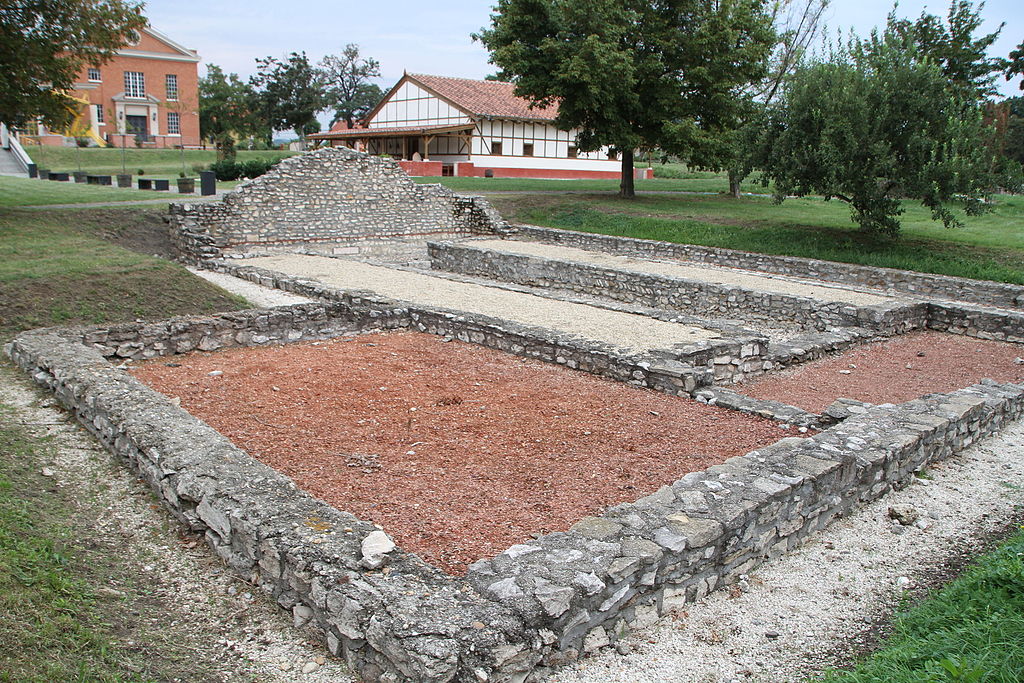
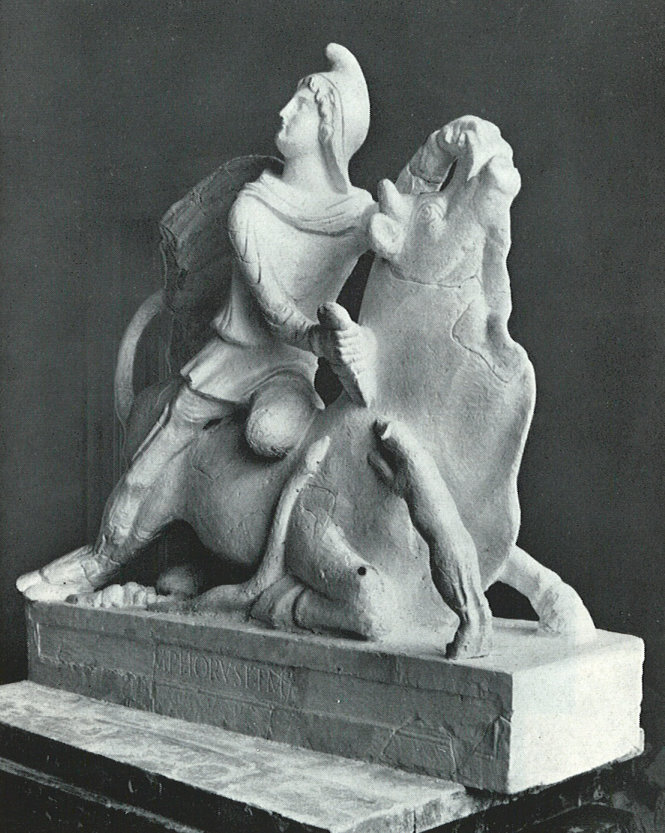
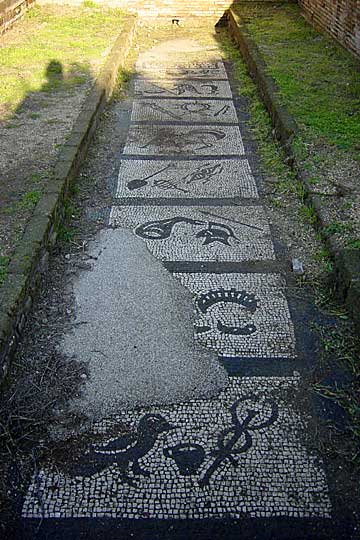
The Mithraeum of Symphorus and Marcus, in Óbuda, Budapest, has been restored to public view in 2004 and, while well presented, it has been heavily restored.
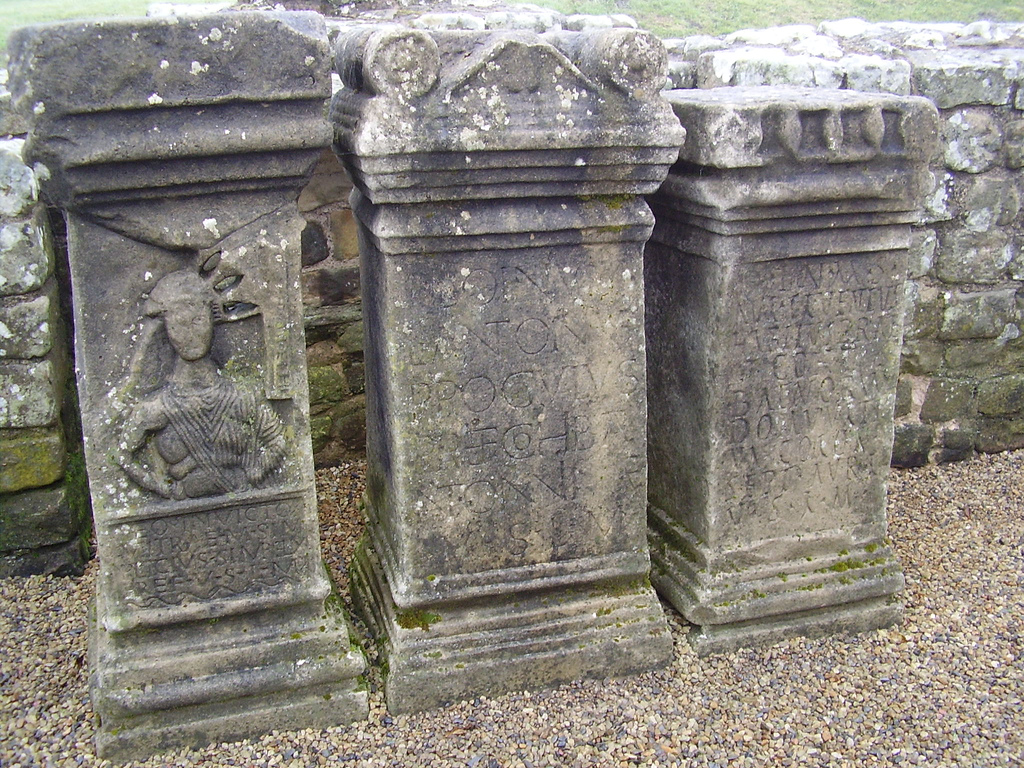
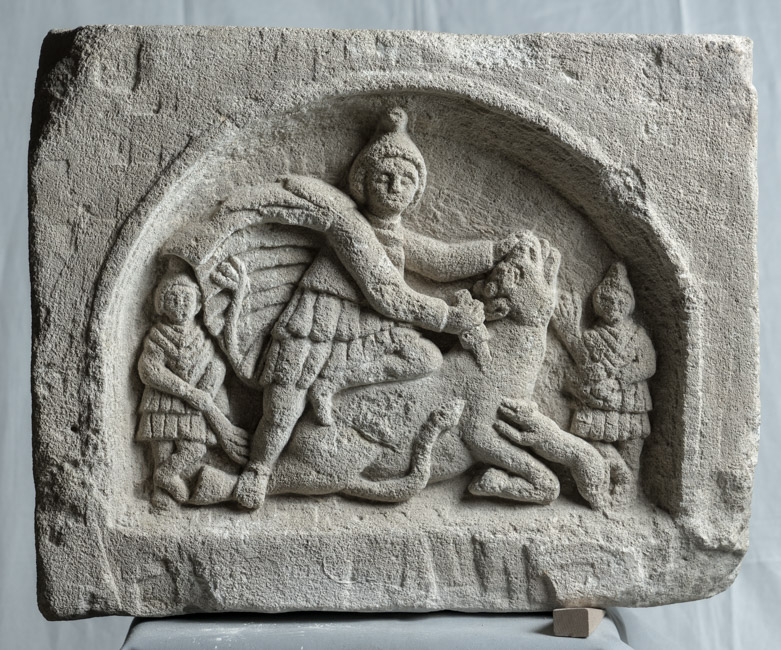
I know the Mithras site (since my childhood) at Carrawburgh and have worked at the APX Xanten (Germany) knowing about the Mitras Altar find down the road in Kalkar.
Batava Auxiliary Units where stationed at Xanten and Kalkar until they where transfered in disgrace (after the Batava uprising 69/70AD) to the Vindolanda area.
I was just checking the connection and if the same Batavian Cohort had maybe built and used the two temples and had maybe brought the cult to the area of north England
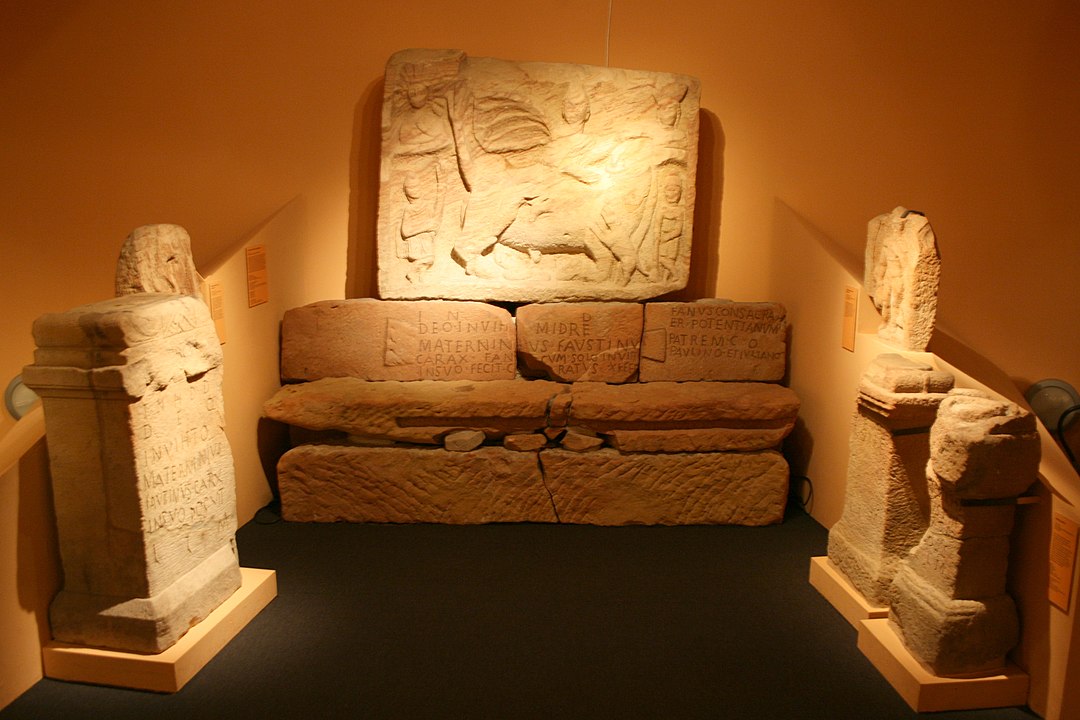
I was pleasantly surprised to read thie inscription on the other Altar proving a Betavian connection to Mitras at Carrawburgh and to read that evidence points to the lower Rhein area. Although it must not be forgotten that the Betavas home land was in the area of todays Nijmegen in Holland and directly connected to the Northern Lower Rheinarea of Roman Germania Inferior.
The Altar found at Kalkar (not in situ.) is unfortunately dated after the official exodus of the Batavians although the Temple itself has not been found or excavated and the founding of the temple could possibly of an earlier date!









Batava Auxiliary Units where stationed at Xanten and Kalkar until they where transfered in disgrace (after the Batava uprising 69/70AD) to the Vindolanda area.
I was just checking the connection and if the same Batavian Cohort had maybe built and used the two temples and had maybe brought the cult to the area of north England
I was pleasantly surprised to read thie inscription on the other Altar proving a Betavian connection to Mitras at Carrawburgh and to read that evidence points to the lower Rhein area. Although it must not be forgotten that the Betavas home land was in the area of todays Nijmegen in Holland and directly connected to the Northern Lower Rheinarea of Roman Germania Inferior.
The Altar found at Kalkar (not in situ.) is unfortunately dated after the official exodus of the Batavians although the Temple itself has not been found or excavated and the founding of the temple could possibly of an earlier date!