Your search Al-Bahnasa gave 3013 results.

An imperial freedman who restored the Mithraeum of Sabazeus for the Mithraic brethren.

A Mithraic pater of Ostia who dedicated an altar to Cautes in the Mithraeum of the Painted Walls.


Donor of the monumental tauroctony that served as the central cult image of Mithraeum IV in Aquincum.

An imperial slave and customs administrator of the Illyrian tax system, he financed and built a Mithraic temple in Moesia Superior.
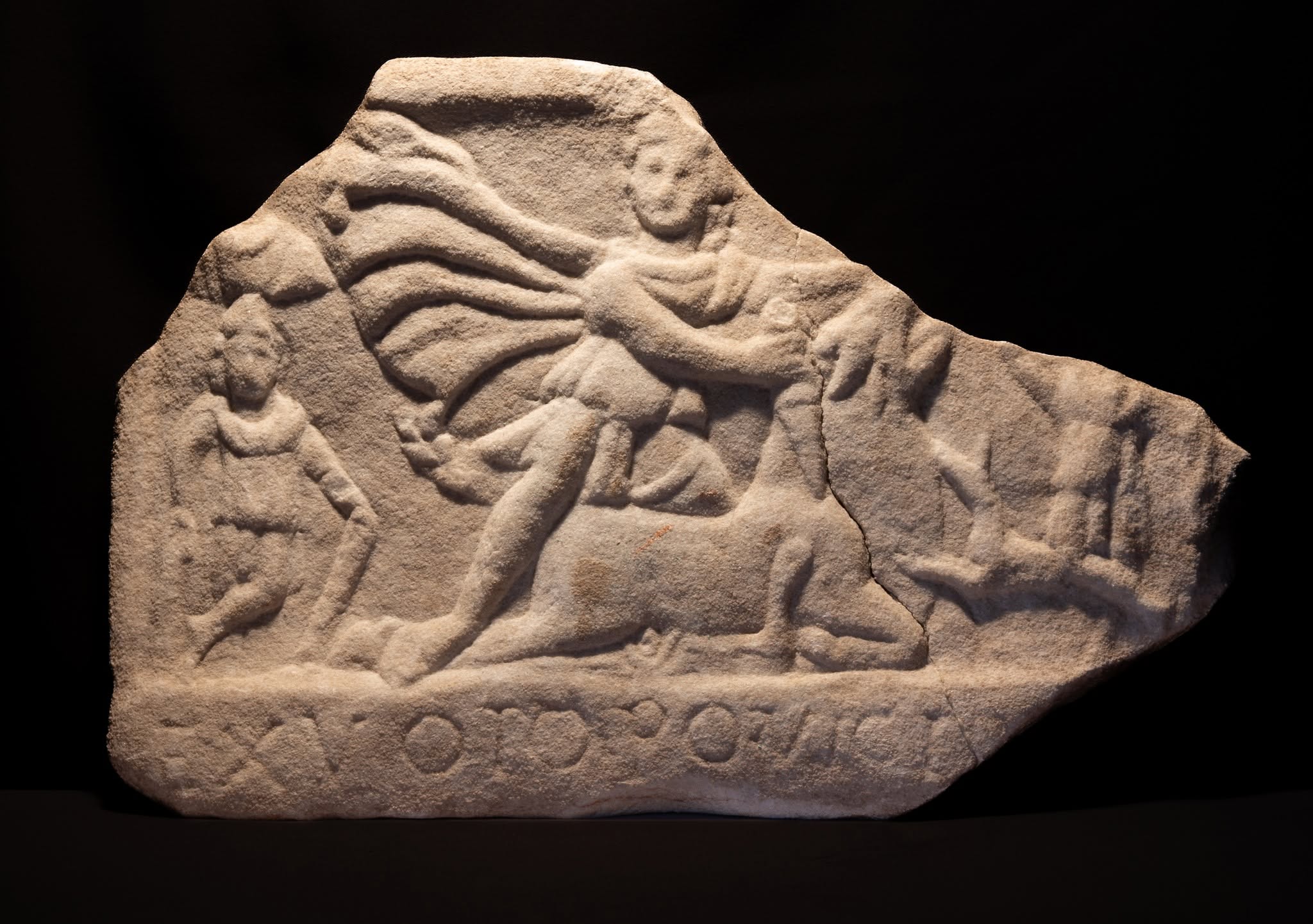
Marble tauroctony relief from Ozd (Magyarózd), attesting a rural Mithraic presence in the interior of Roman Dacia Superior.

Straton, son of Straton, consecrated an altar to Helios Mithras in Kreta, Moesia inferior.
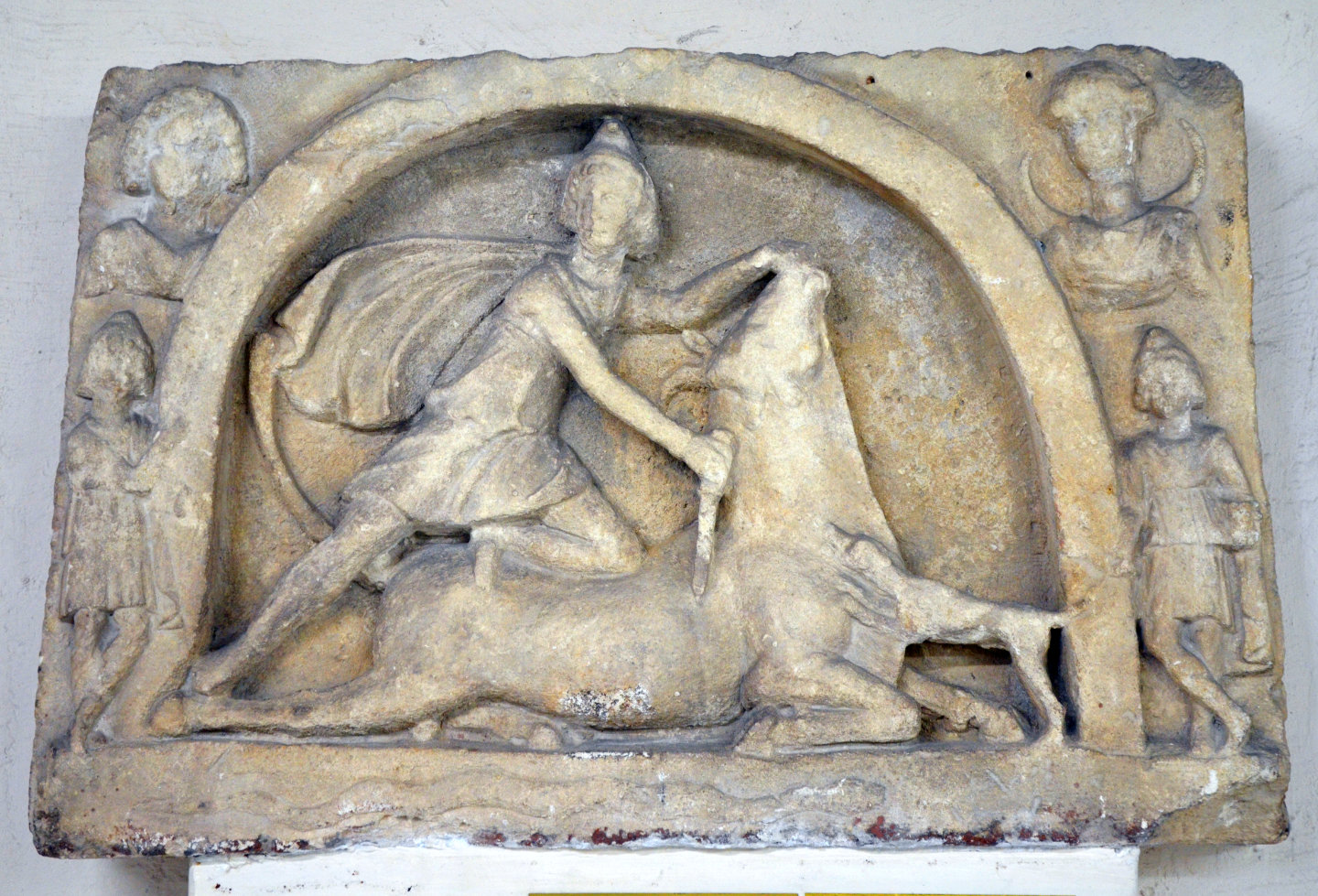
Sandstone tauroctony relief from the Mithraeum at Kreta (Крета), depicting Mithras within a vaulted grotto accompanied by the torchbearers, Sol and Luna.

Small settlement on the lower Vit River in northern Bulgaria, within the territory of Roman Moesia Inferior.

Mithraic sanctuary excavated in a quarry at Kreta near Nikopol, Moesia Inferior, carved into the rock and including a small niche with a sandstone tauroctony relief, a base, and several altars.

A devotee of Mithras who dedicated an altar for the health of Commodus alongside his father, a procurator castrensis, in Rome.
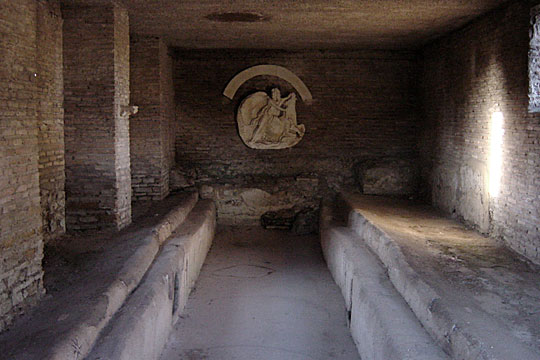
The Mithraeum of the Seven Spheres (Sette Sfere) is of great importance for the understanding of the cult, because of its black-and-white mosaics depicting the planets, the zodiac and related elements.

Known from an altar dedicated to Mithras at Ostia during the tenure of the pater Marcus Aemilius Epaphroditus.
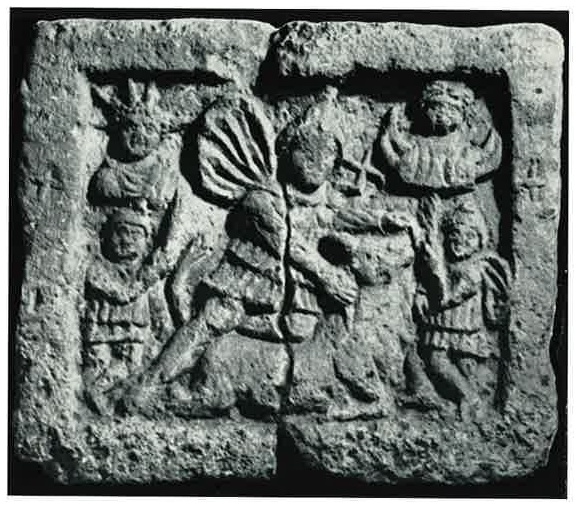
Tuff tauroctony relief in two fragments from Ghighen, ancient Oescus in Moesia Inferior, depicting the standard bull-slaying scene with the full iconographic programme.
A historical role-playing game inspired by the archaeology of Roman Mithraism. Applications are now open and places are limited. The next campaign begins on 24 June.

Magister of a Bracaran sodalicium associated with the cult of Mithras in Roman Lusitania.

A powerful and wealthy man, founder of a mithraeum in the city of Aquincum of which he was the mayor.
Thirmarum is recorded as a findspot for Mithraic material in Tarraconensis.
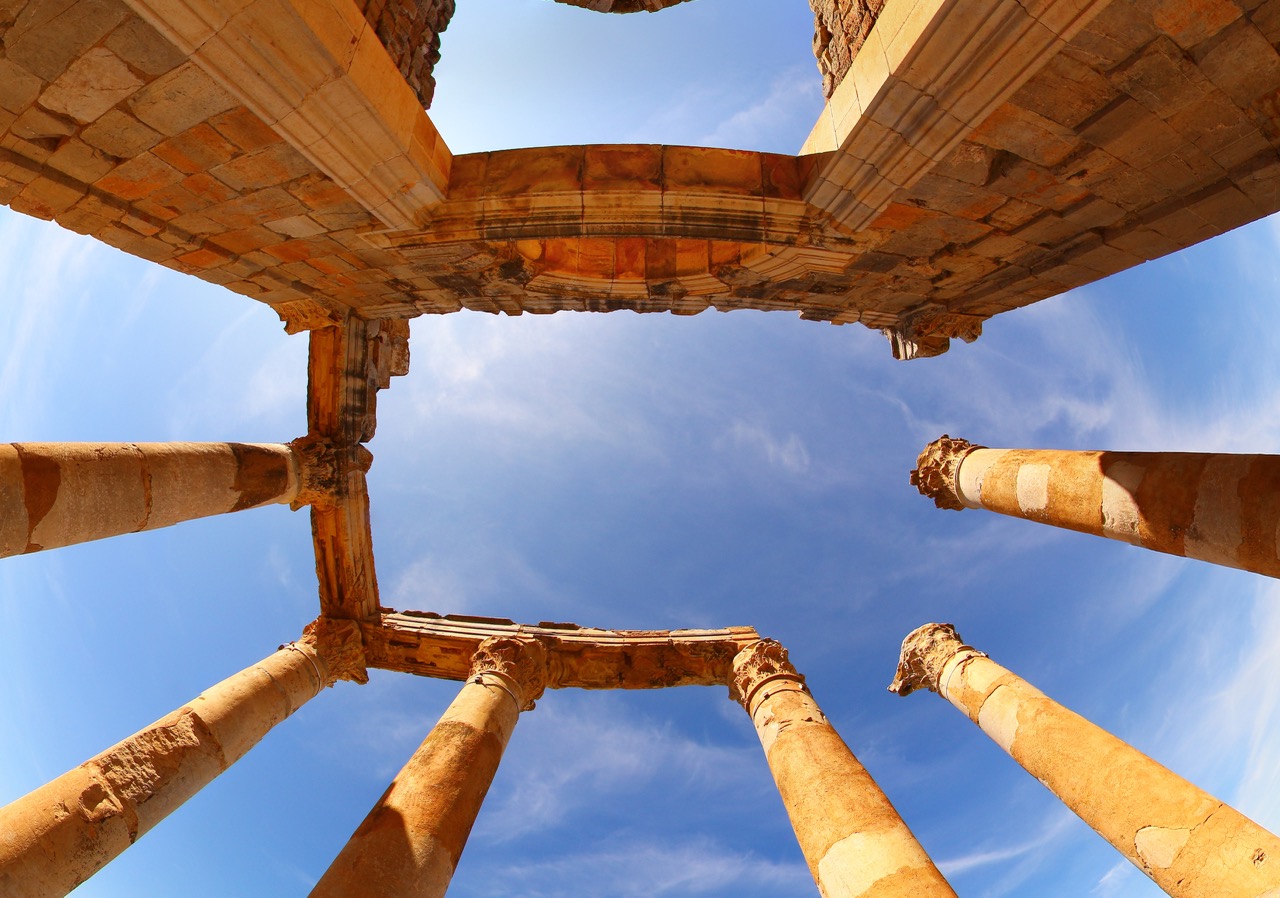
Roman colonial city of Numidia, later known as Djémila, renowned for its exceptionally well-preserved late antique urban remains.
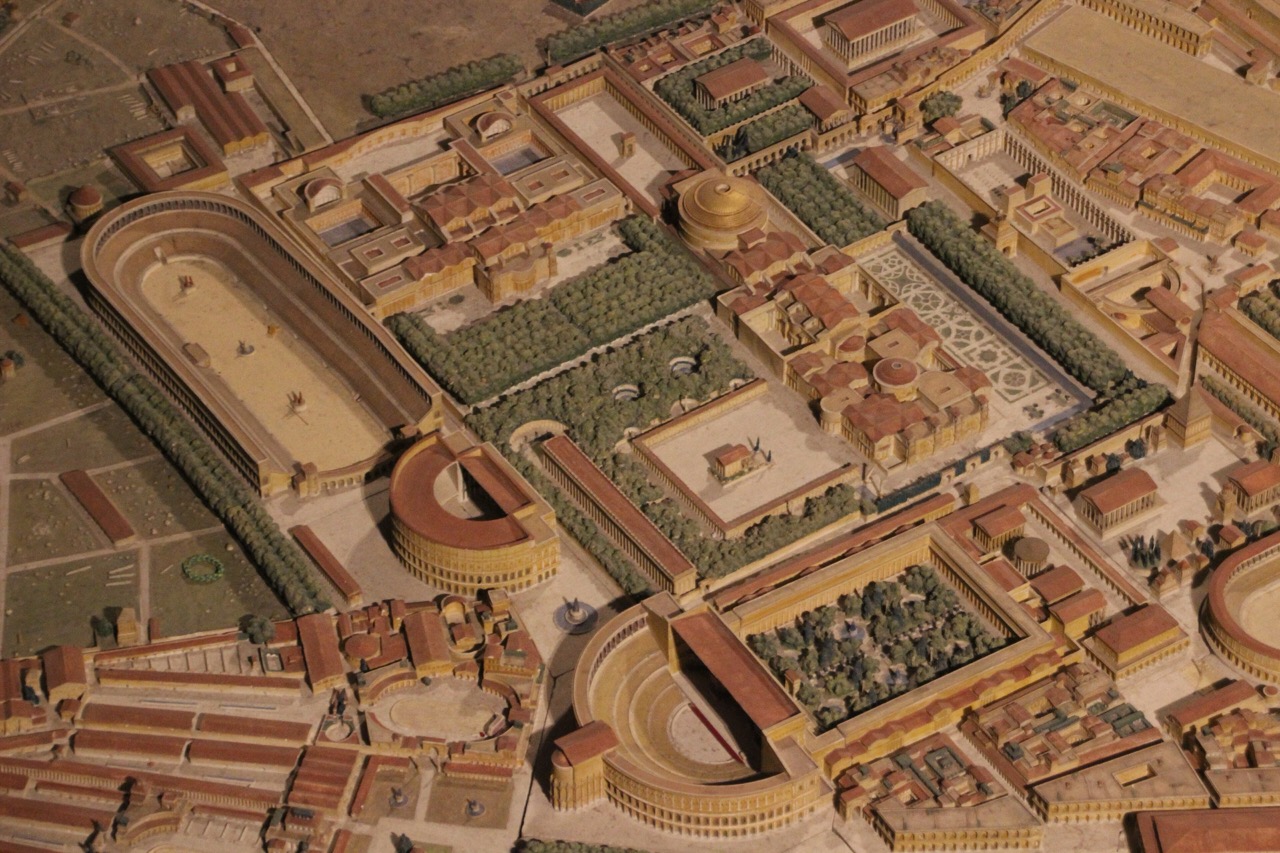
Archaeological evidence shows that the area around Rome has been inhabited since around 14,000 years ago. Excavations support the theory that Rome grew from pastoral settlements on the Palatine Hill, which was built over the area of the Roman Forum.
