Your search Boulogne-sur-mer gave 339 results.

This lost monument from Malaga, Spain, to Dominus Invictus has been linked to the cult of Mithras, although there is not enough evidence.

Gaius Accius Hedychrus was one of the most prominent Mithraists known from Roman Hispania and a central figure in the Mithraic community of Emerita Augusta during the mid-second century CE.
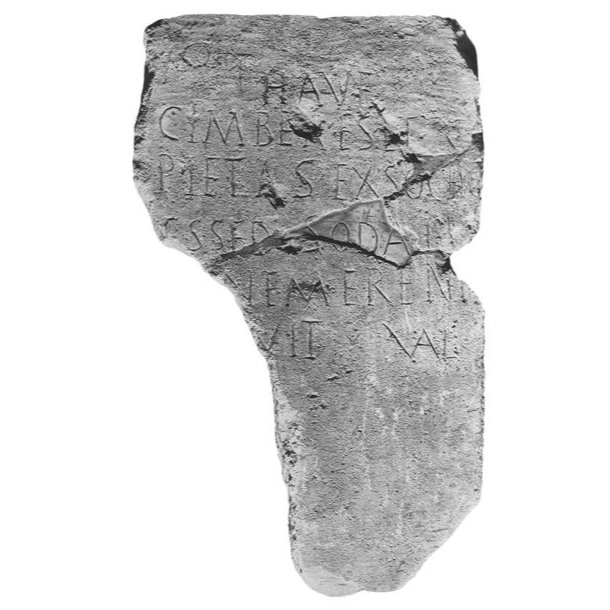
This monument with an inscription by two individuals was found in the first mithraeum of Cologne, Germany.
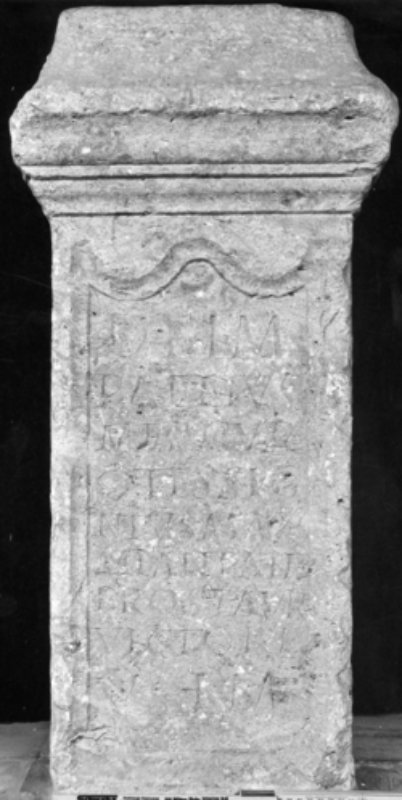
This altar to Mithras found in Aquilieia mentions several persons of a same community.
Late Roman funerary inscription from Antium commemorating the senator, governor of Numidia and Mithraic pater Alfenius Ceionius Iulianus Kamenius.
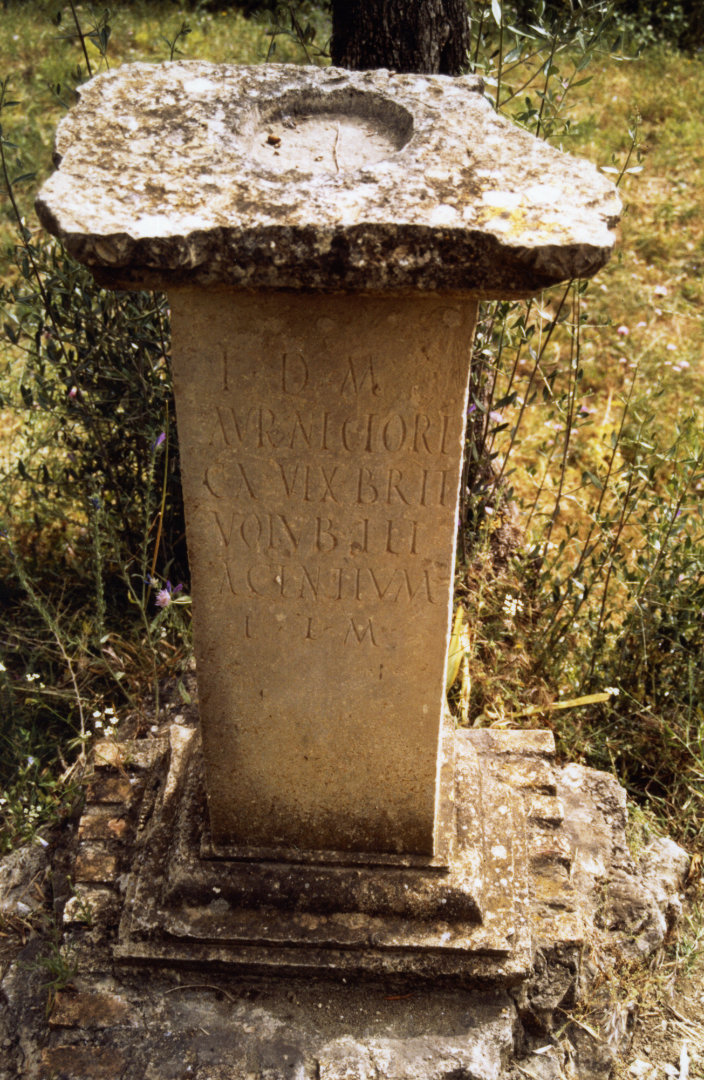
Two inscriptions by Aurelius Nectoreca, a follower of Mithras, have been found in Meknès, Morocco.
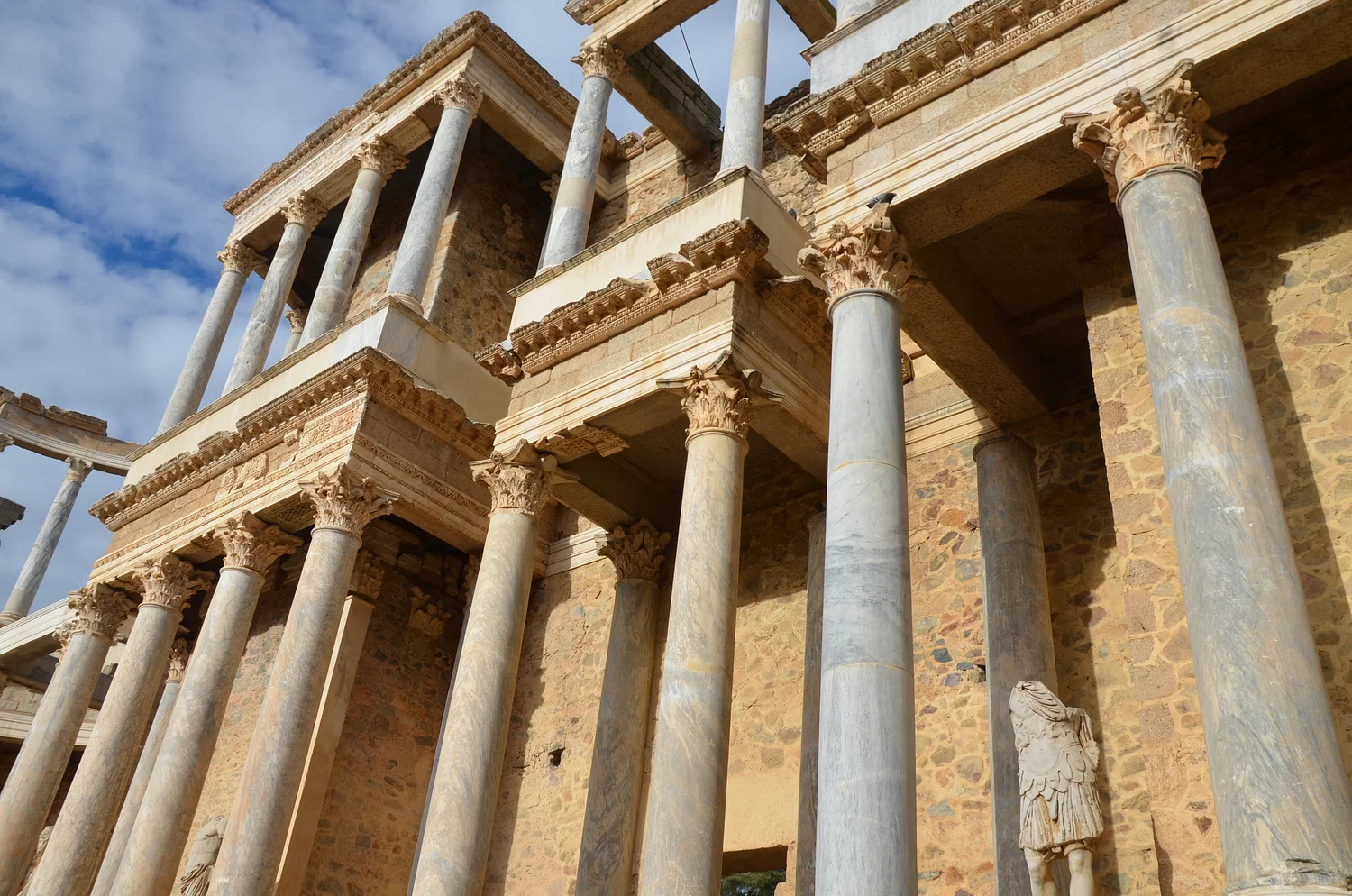
Roman Hispania preserves a relatively modest but strongly urban body of Mithraic evidence, centred above all on Mérida.

Lusitania preserves one of the most important bodies of Mithraic evidence in Roman Hispania, centred above all on Augusta Emerita and its urban religious landscape.
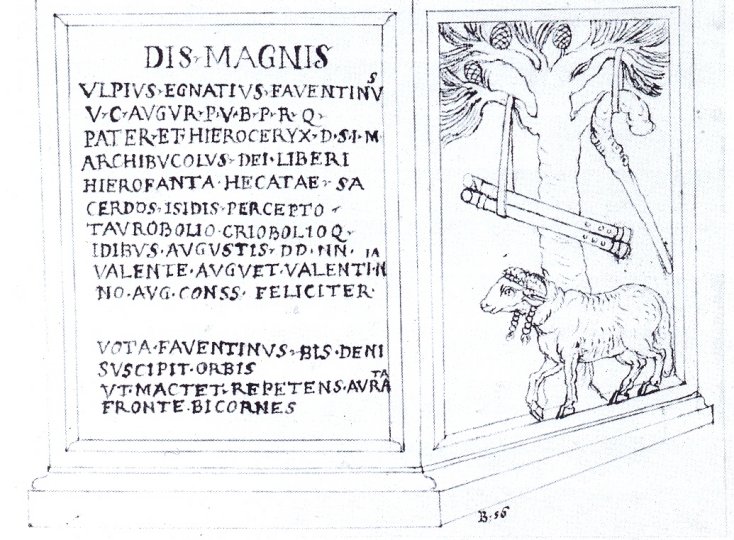
Both of them were discovered in 1609 in the foundations of the façade of the church of San Pietro, Rome.
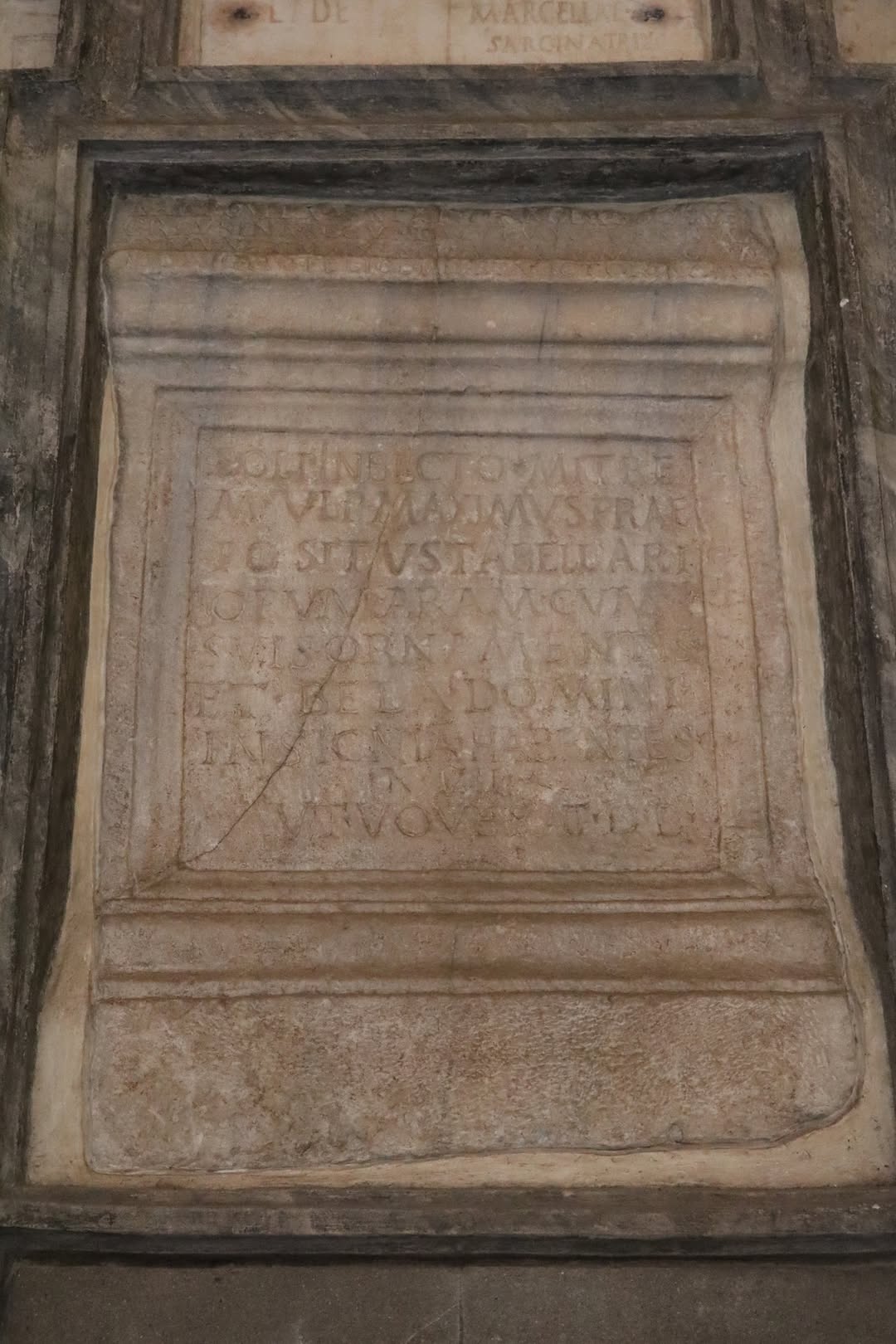
Marble altar dedicated to Sol Invictus Mithras, found in Rome (in aedibus Maffaeiorum), set up in 183 A.D. by M. Ulpius Maximus, praepositus tabellariorum, together with its ornaments and Mithraic insignia, in fulfilment of a vow.

Hector erected an altar to Mithras in Emerita Augusta by means of a ‘divine vision’.
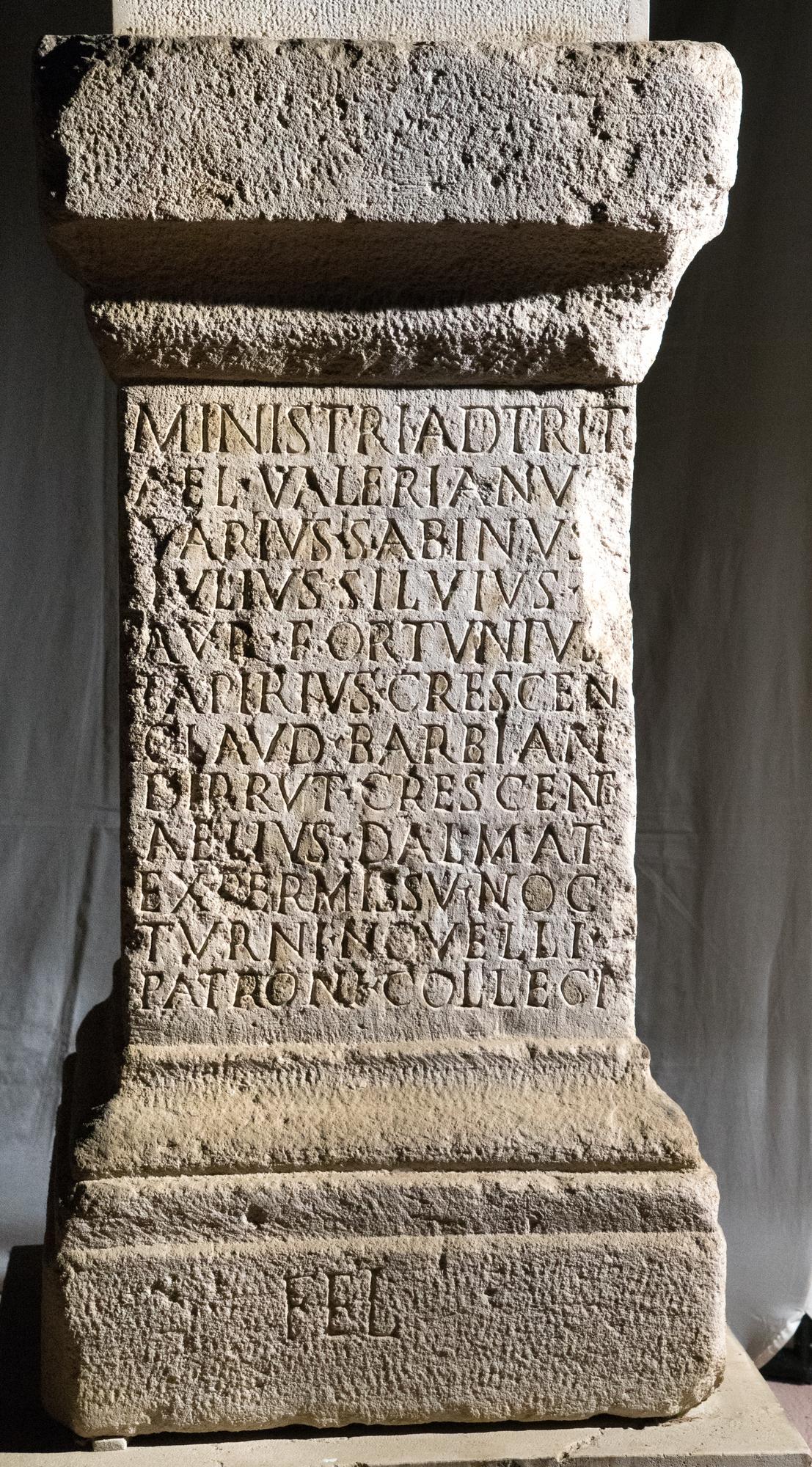
This inscribed limestone altar from Roman Salona preserves several lists of ministers associated with the Tritones collegium during the Tetrarchic period.
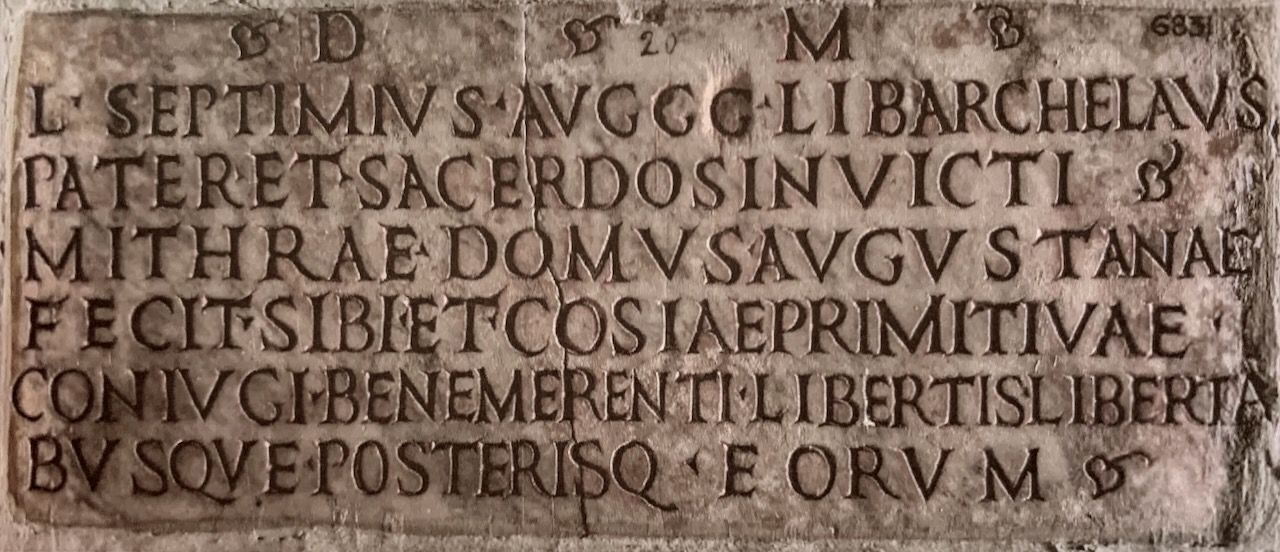
Marble funerary plaque erected by Lucius Septimius Archelaus, a Pater and priest of Mithras, for himself, his wife, and their freedmen and descendants.
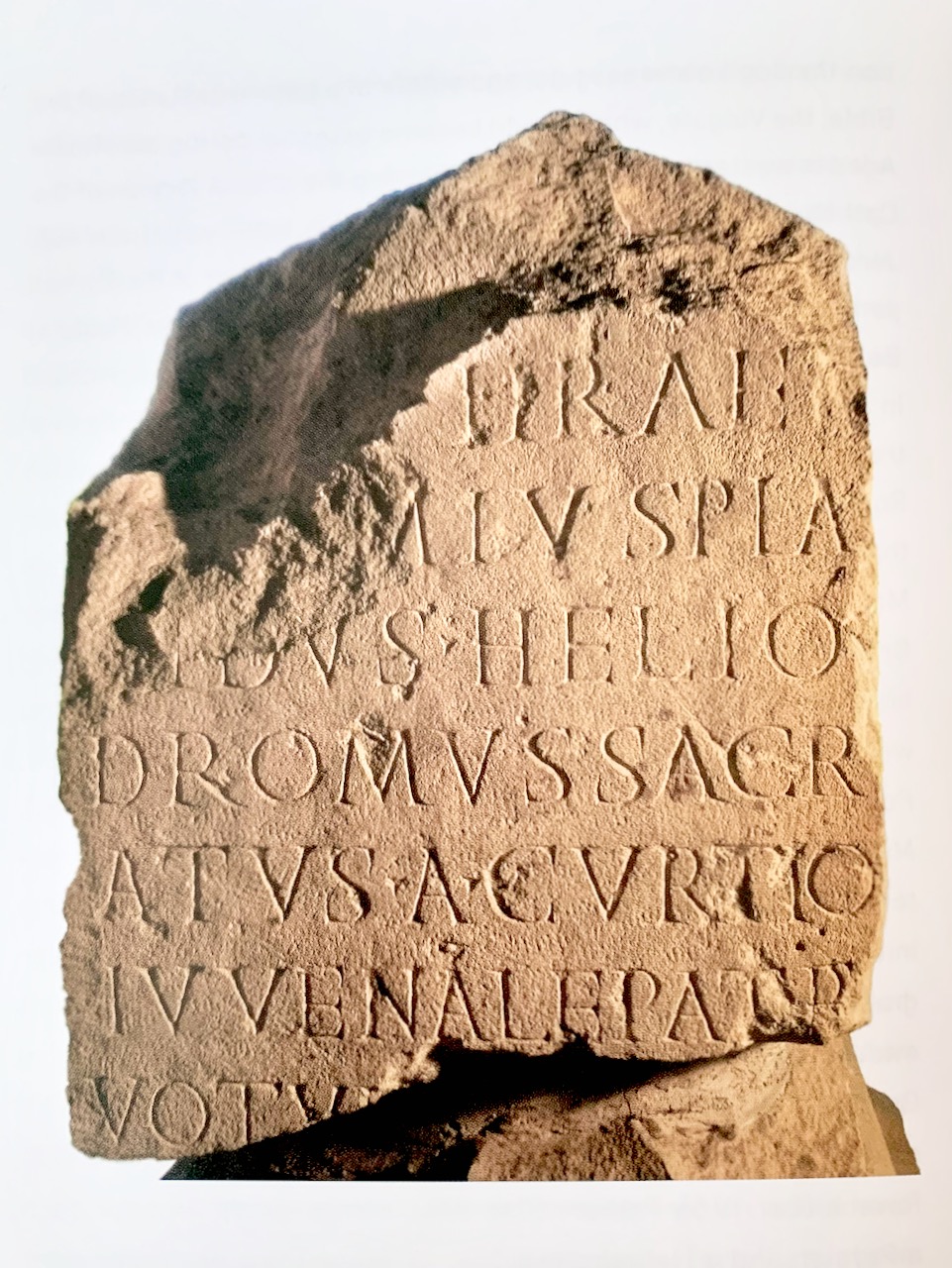
This inscription by a certain Memmius Placidus is the first ever found signed by a Heliodromus.

This altar was dedicated by a certain Marcus Aurelius Decimus to Sol Mithras and other gods in Diana, Numibia, present Argelia.
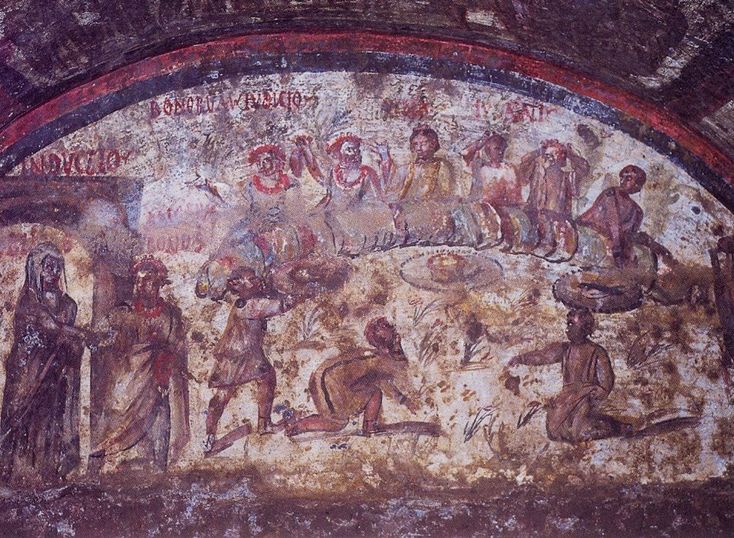
The epigrahy includes a mention of Marcus Aurelius, a priest of the god Sol Mithras, who bestowed joy and pleasure on his students.
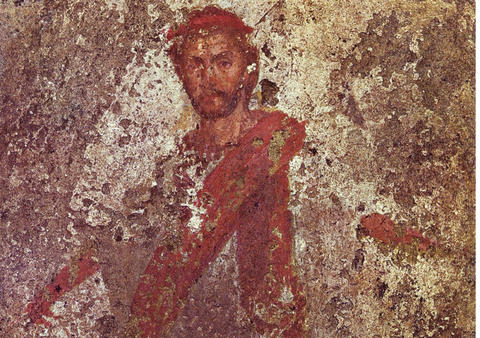
Figures in procession, each representing a different grade of Mithraic initiation, labeled with their respective titles.
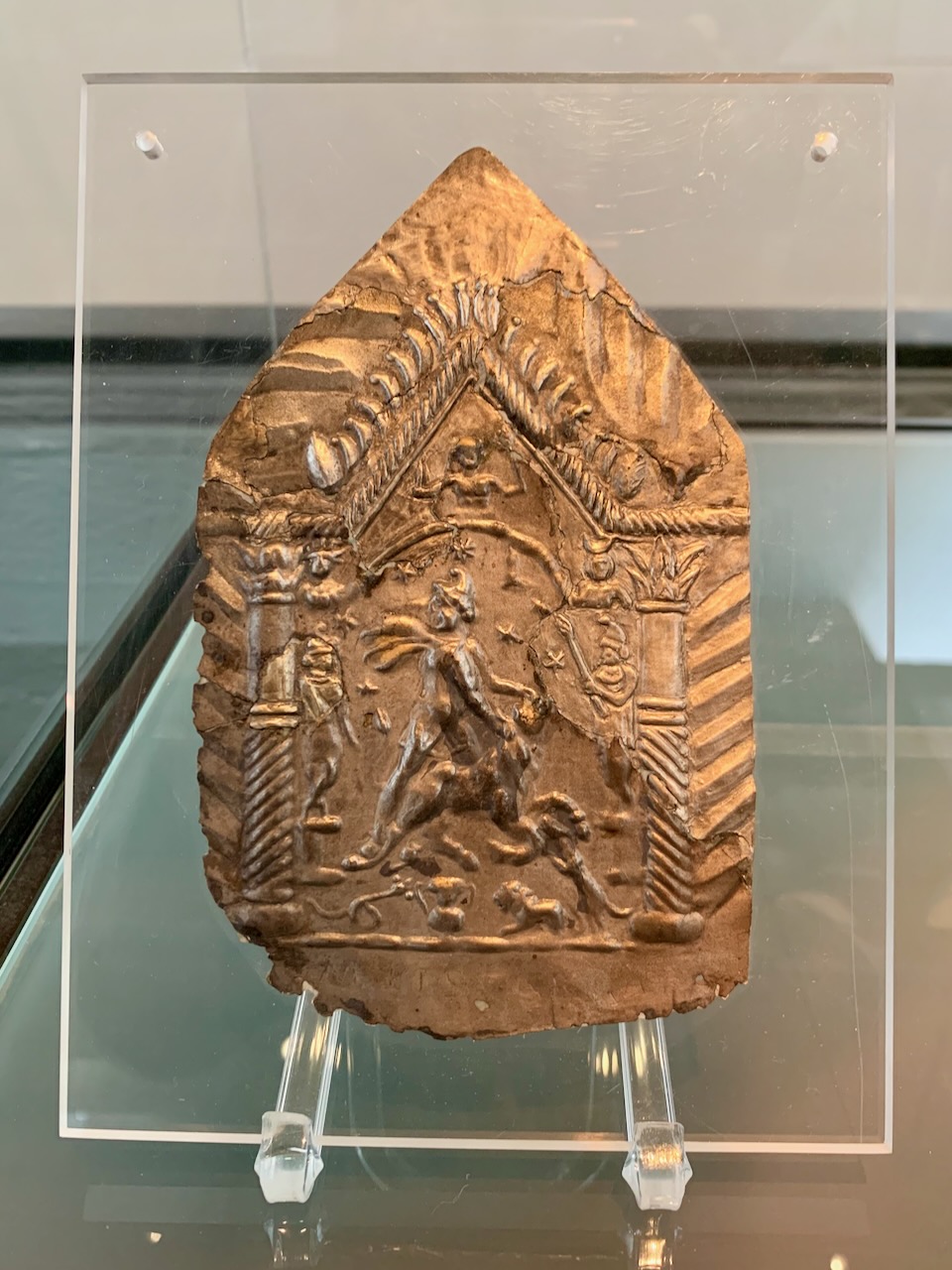
This plaque was found in Mithraeum I at Stockstadt broken into pieces inserted between the blocks of the socle of the cult relief, in the manner of a votive deposit.
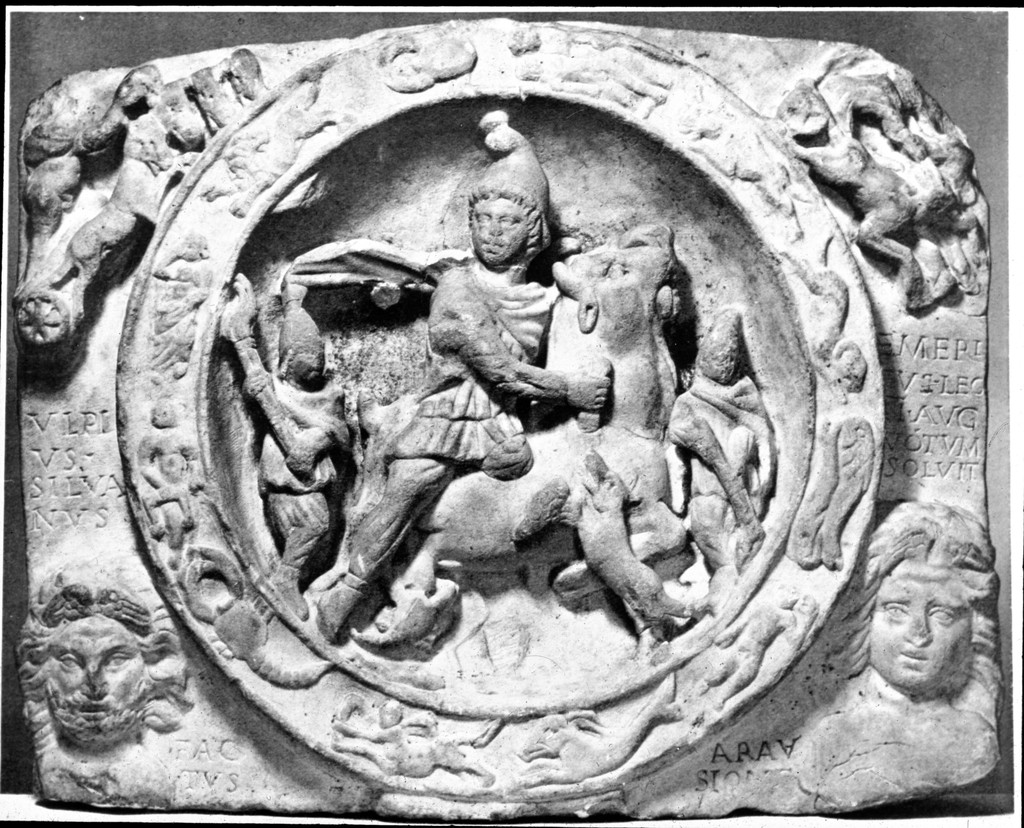
The image of Mithras killing the bull, found near Walbrook, is surrounded by a Zoadiac circle.
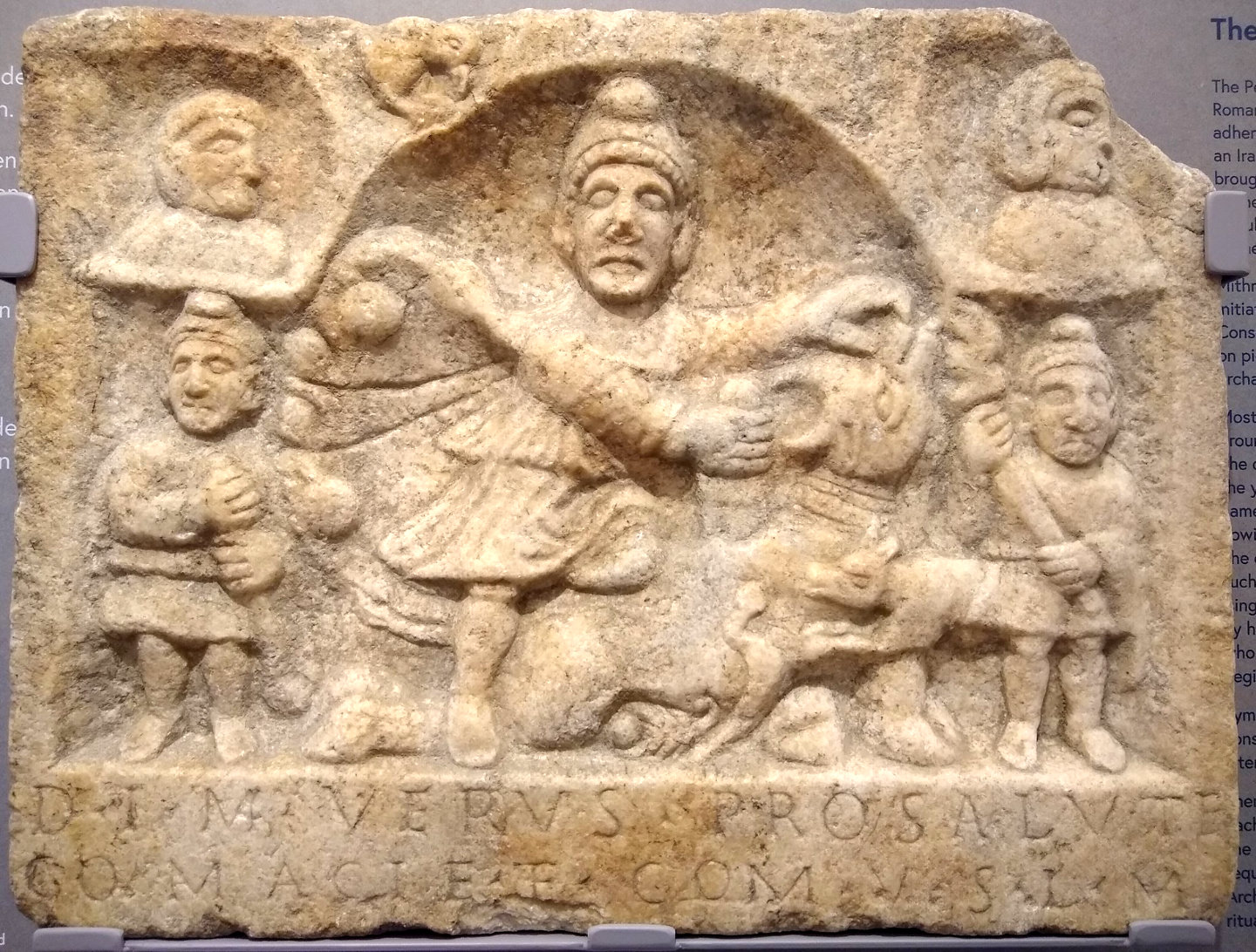
The votive image was donated by a certain Verus for a mithraeum which was probably located in the hinterland of the Limes.
