This site uses cookies to offer you a better browsing experience.
Find out more on how we use cookies in our privacy policy.

 
Quaere

The New Mithraeum Database

Find news, articles, monuments, persons, books and videos related to the Cult of Mithras

Your search Castellammare di Stabia gave 2069 results.

Monumentum

Lamp with human dismemberment scene from Arles

This lamp, depicting a man slicing his victim into pieces with a sword, was believed to be associated with the Cult of Mithras.

Monumentum

Mitreo di Carsulae

Epigraphic monuments reveal the presence of a Mithraeum in the ancient municiple of Carsulae, in Umbria.
Monumentum

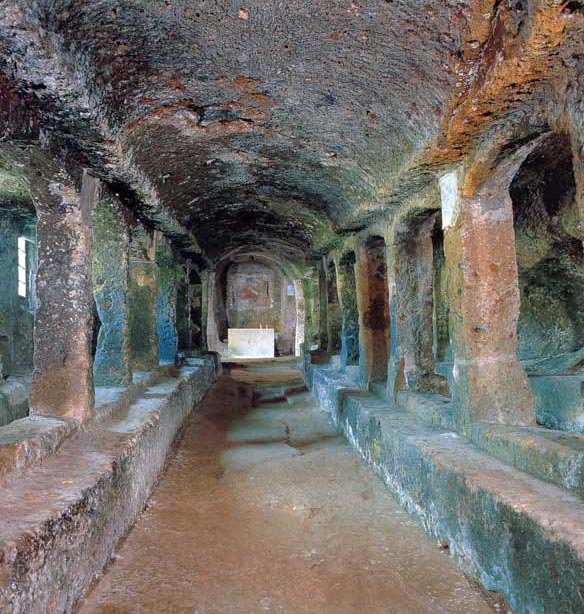
Mitreo di Sutri

The Mithraeum of Sutri was built inside a rocky hill that also hosted the Roman theatre of the city.
Monumentum

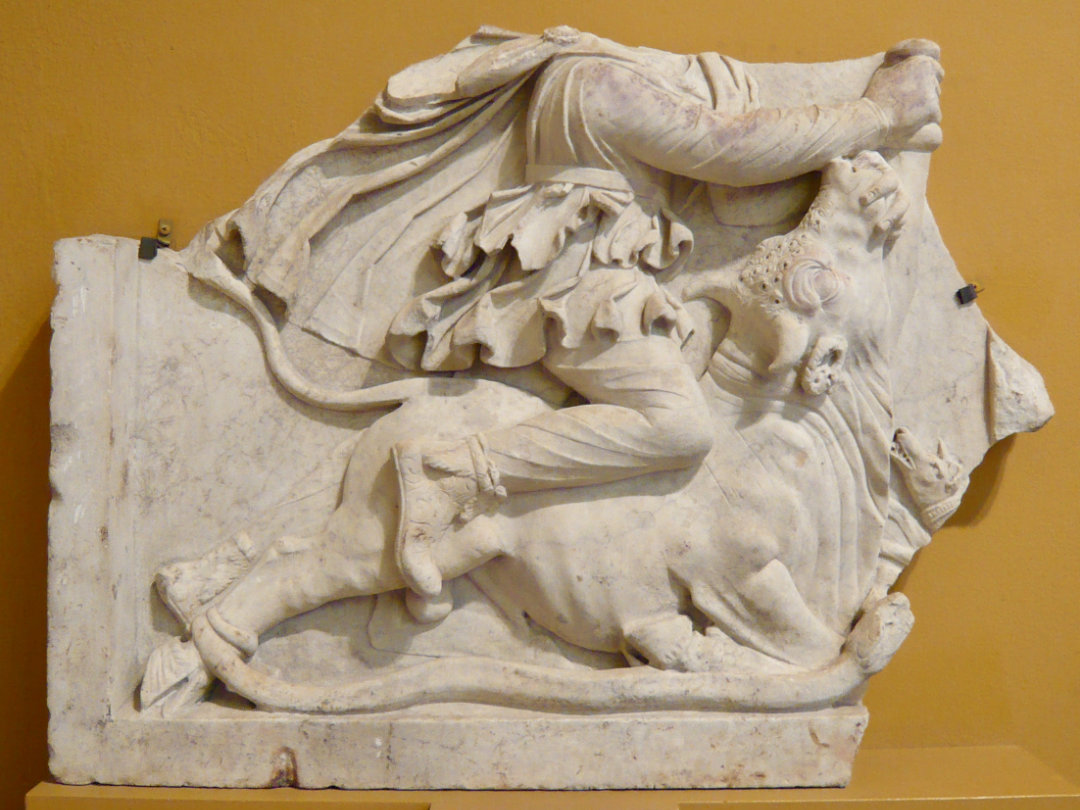
Tauroctony on display in Boston

This fragmentary relief depicts Mithras killing the bull in the usual manner, remarkably dressed in oriental attire.
Monumentum

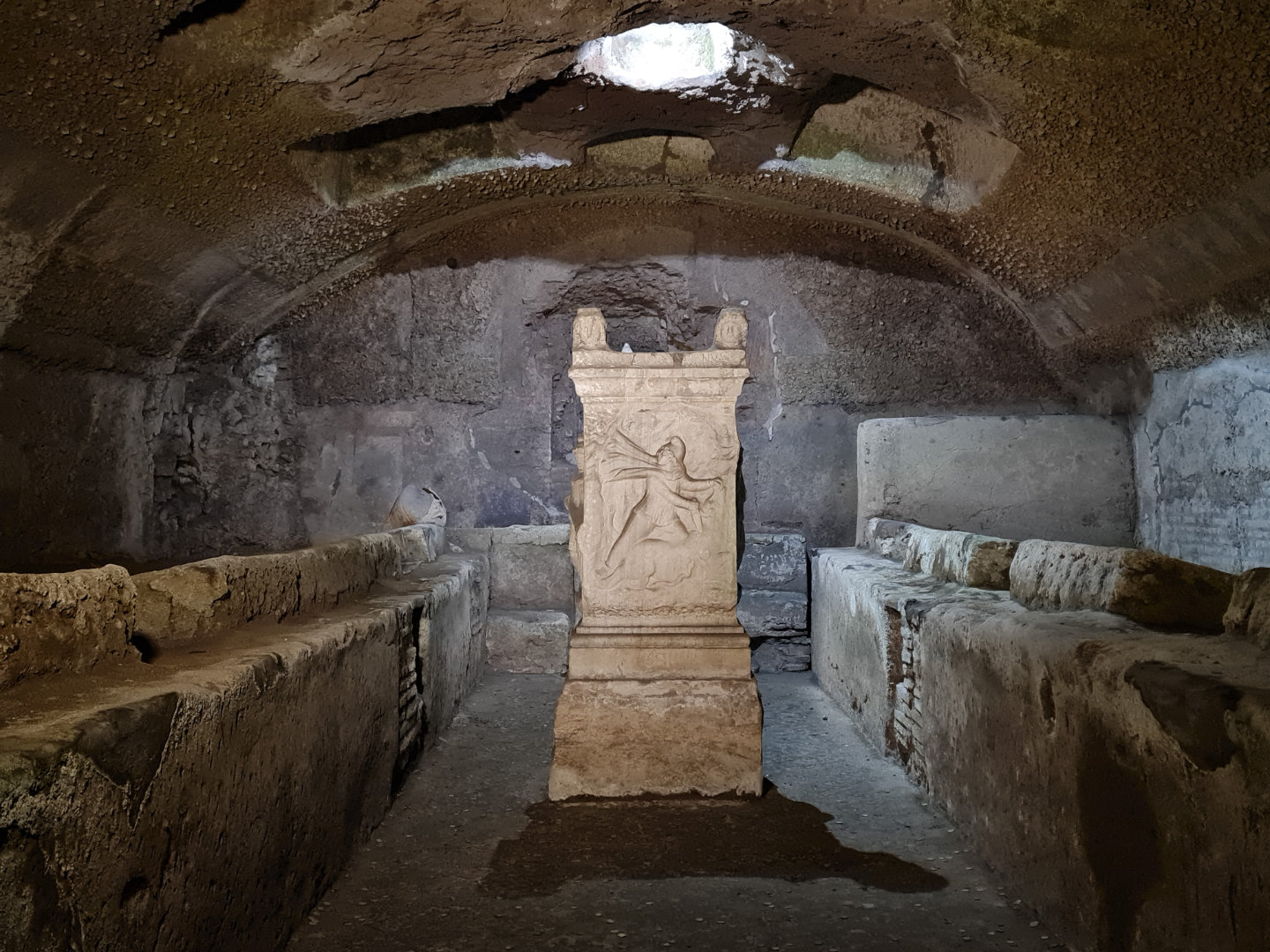
Mitreo di San Clemente

The Mithraeum under the Basilica of San Clemente made part of a notable Roman house.

Syndexios

Tiberius Claudius Hermes

He commissioned the main cult relief found in the Mithraeum of Circo Massimo.

Syndexios

Secundinius Amantius

He was cornicularius, supply officer, to the prefect of the Legion XXII Primigenia.

Syndexios

Claudius Arennius Reatinus

Pater from Nersae, Italia, known by an inscription of his mithraic Apronianus.

Syndexios

Aulus Caedicius Priscianus

Eques Romanus and Pater active in S. Stefano Rotondo.

Syndexios

Gaius Aufidius Ianuarius

Donor of the monumental Borghese relief.

Syndexios

Titus Lepidius Honorinus

One of the lions of Carsuale who funded the leonteum.

Syndexios

Cnaeus Arrius Claudianus

Libertus from the Arrii-family to which also belonged the Emperor Antonius Pius.

Syndexios

Tiberius Claudius Quintilianus

Known for the donation of the bronze plaque of Virunum.

Syndexios

Secundinus

Imperial slave and head of the customs statio of Esca in Noricum.

Syndexios

Aelius Secundinus

Monumentum

Mitreo di Cosa

The Mithraeum was inserted into the basement of the basilica-theater by the 3rd century.

Back to Top