Your search From Rome, Mithreum of Castra Peregrinorum under Santo Stefano Rotondo. gave 548 results.
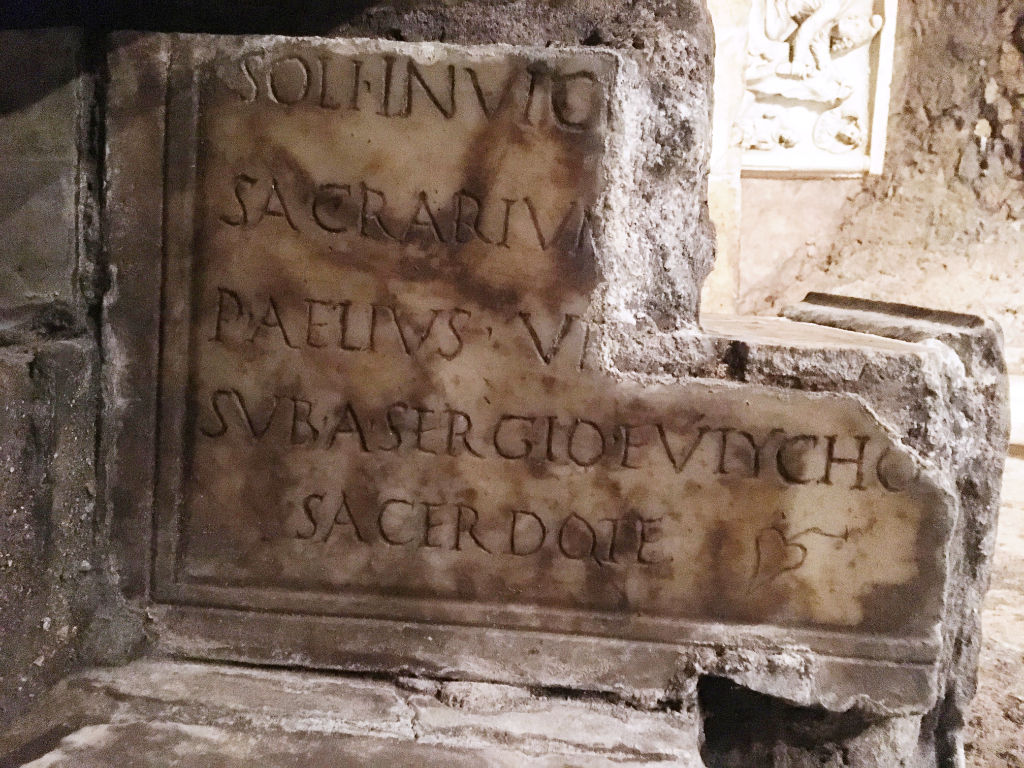
The Mithraic fellow P. Aelius Urbanus mentions that he built the sacred area of the Mithraeum Circo Massimo.
.jpeg)
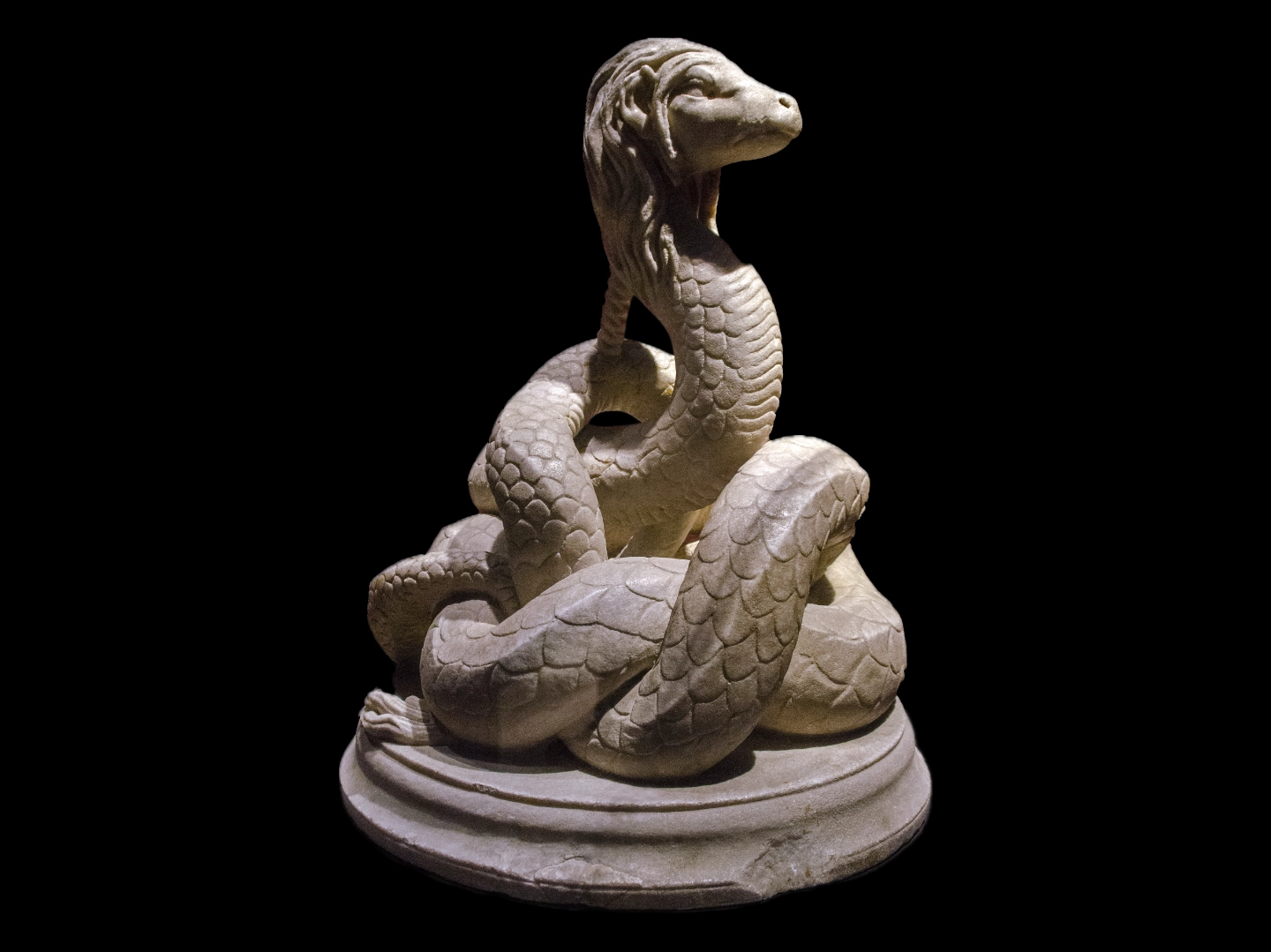
Except for the serpent, the sculpture of the taurcotony found on the Esquiline Hill lacks the usual animals that accompany Mithras in sacrifice.
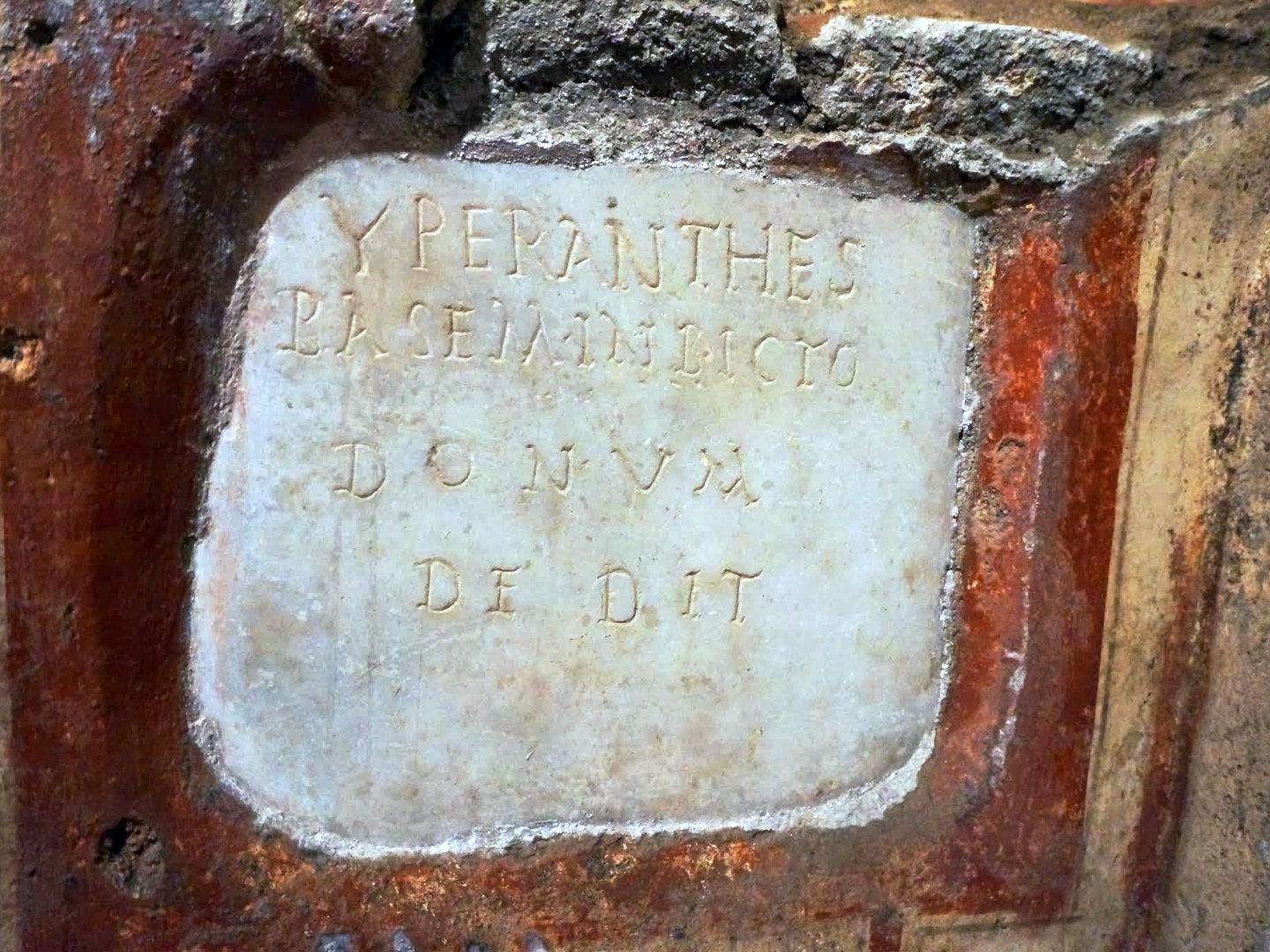
The inscription mentions the name of the donor, Yperanthes, of Persian origin.
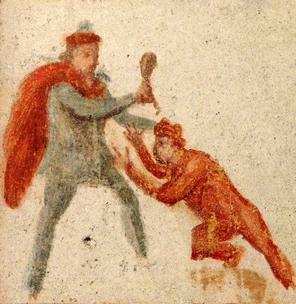
This scene of the main fresco of the Mithraeum Barberini seems to depict part of the initiation into the Mithraic Mysteries.
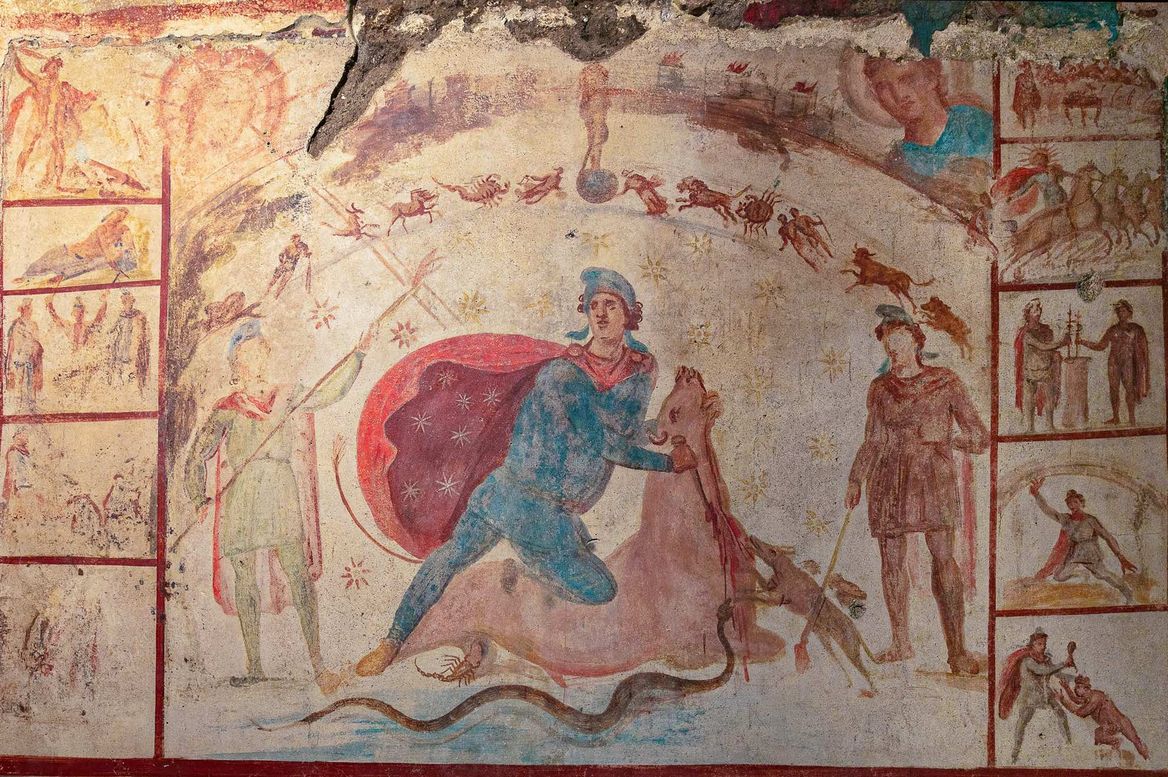
The votive fresco from the Mithraeum Barberini displays several scenes from Mithras’s myth.
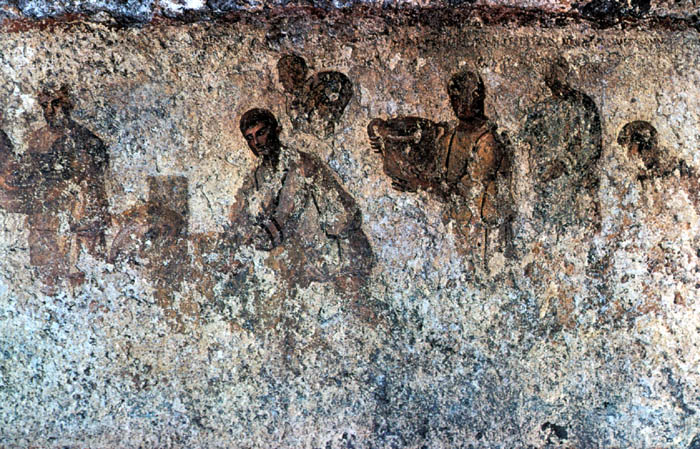
Procession of Leones carrying animals, bread, a krater, and other objects in preparation for a feast.

Continuation of the frescoes depicting an initiation into the Mithras cult, where two attendants present a repast to Mithras and Sol.
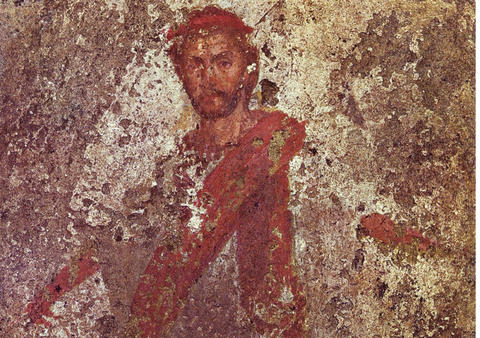
Figures in procession, each representing a different grade of Mithraic initiation, labeled with their respective titles.

This altar dedicated to Sol Invictus Mithras by a certain Septimius Zosimus was found in the Basilica of San Martino ai Monti in Rome.
At Rome’s twilight, amid political upheaval and Christian ascendancy, Vettius Agorius Praetextatus embodied pagan intellect, virtue, and authority across senatorial, military, and mystical spheres.
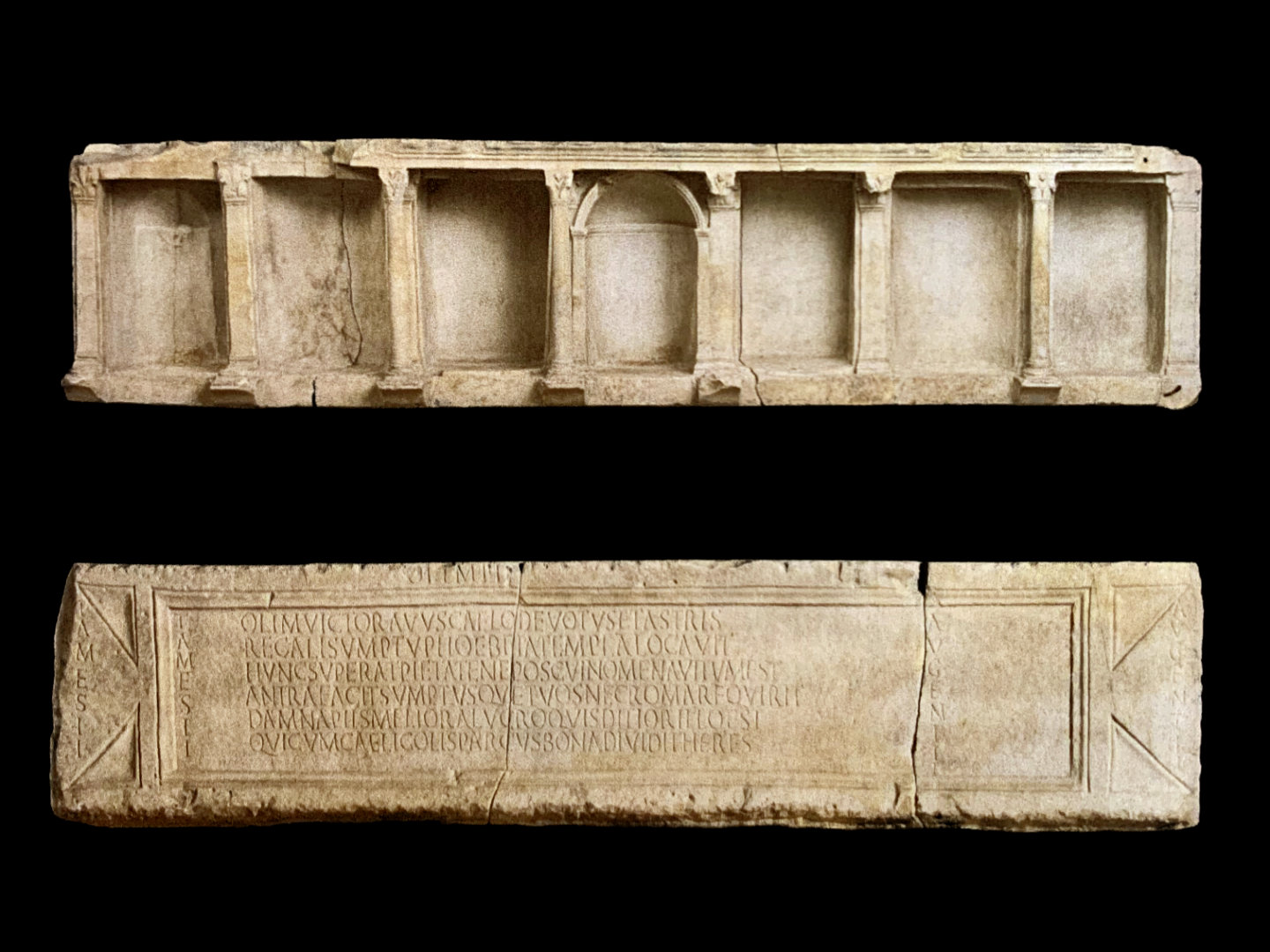
This monument is the only one still available from the disappeared Mithraeum in Piazza S. Silvestro in Capite.
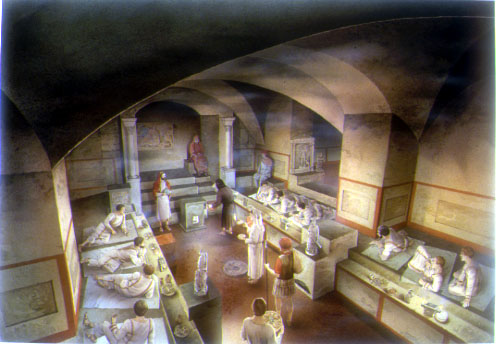
The Mithraeum of the Crypta Balbi was locted in the middle of a densely populated insula near the theatre of Cornelius Balbus.

Ce 4e fascicule de Mithriaca concerne un très curieux monument exhumé au XVIe siècle sur le site d'un Mithraeum qu'on localise tout près de l'église S. Maria in Domnica, non loin de S. Stefano Rotondo où un autre spelaeum fut mis au jour en 1973…
This inscription, which doesn’t mention Mithras, was found near the church of Santa Balbina on the Aventine in Rome.


Fragment of a white statue depicting a naked god entwined by a serpent with its head on his chest, found in the River Tiber.
This is the first known inscription that includes Phanes alongside Mithras found in a Mithraic context.

This marble monument was dedicated in Rome by the slave Fructus and his son Myro.
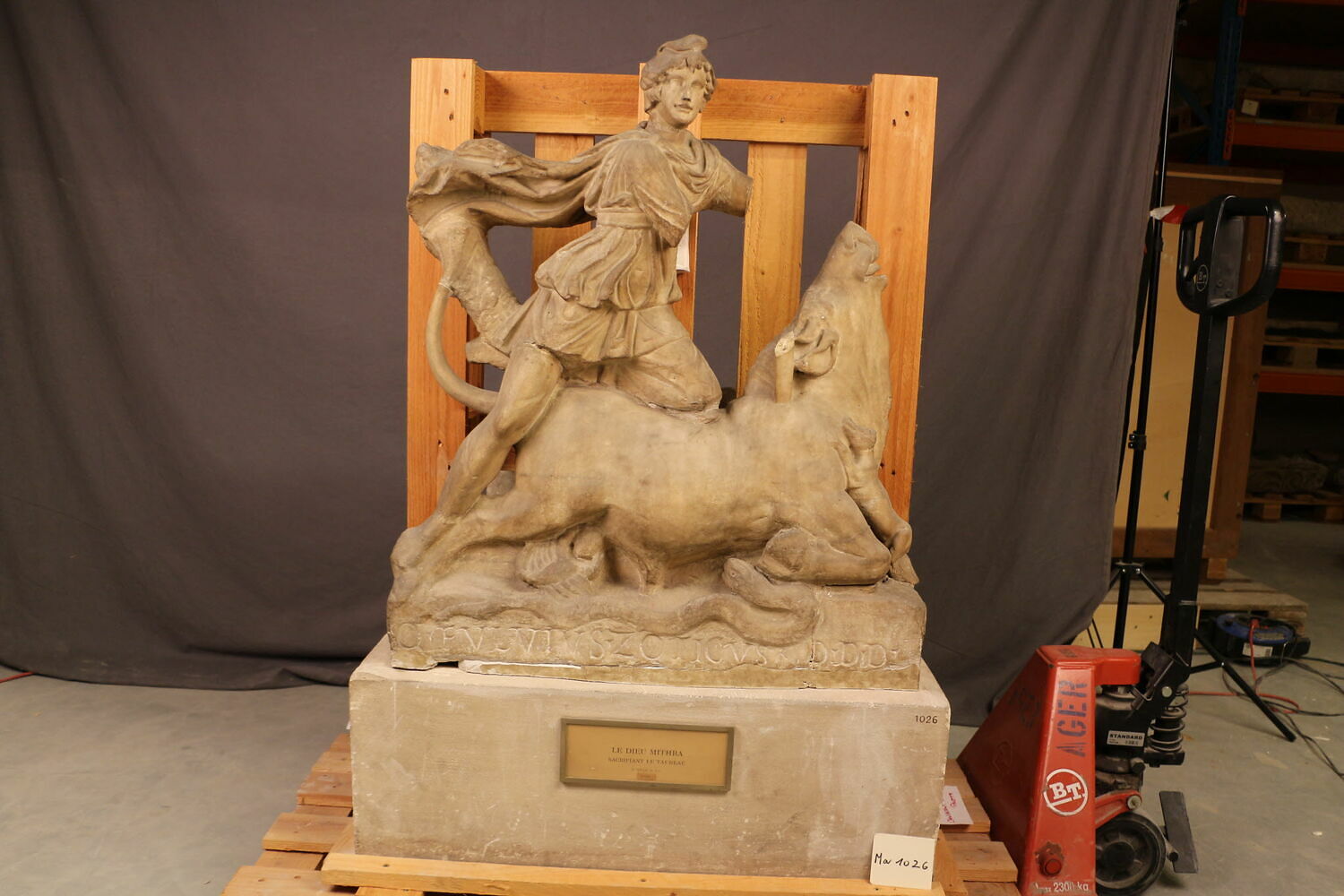
The Tauroctony found in Velletri, Rome, bears an inscription from its owner and donor.
