Your search From Rome, Mithreum of Castra Peregrinorum under Santo Stefano Rotondo. gave 548 results.

Alpes Poenninae controlled important Alpine routes through which military movement and religious practices circulated between Gaul and Italy.
In Aquitania, Mithraic evidence reflects the western expansion of the cult beyond the principal Rhine and Rhône corridors.
Mesopotamia preserves frontier evidence from the eastern limits of Roman Mithraic expansion.
The Bosporan Kingdom preserves evidence from one of the northernmost horizons of Mithraic diffusion in the ancient world.
Roman Dacia preserves one of the densest and most frontier-oriented bodies of Mithraic evidence in the empire.

This small Greek dedication from the island of Aenaria invokes Helios Mithras under the epithet “unconquered”.
Moesia preserves a strongly militarised body of Mithraic evidence along the Danubian frontier of the empire.
Cappadocia preserves evidence shaped by military movement, eastern frontier dynamics and Anatolian religious landscapes.
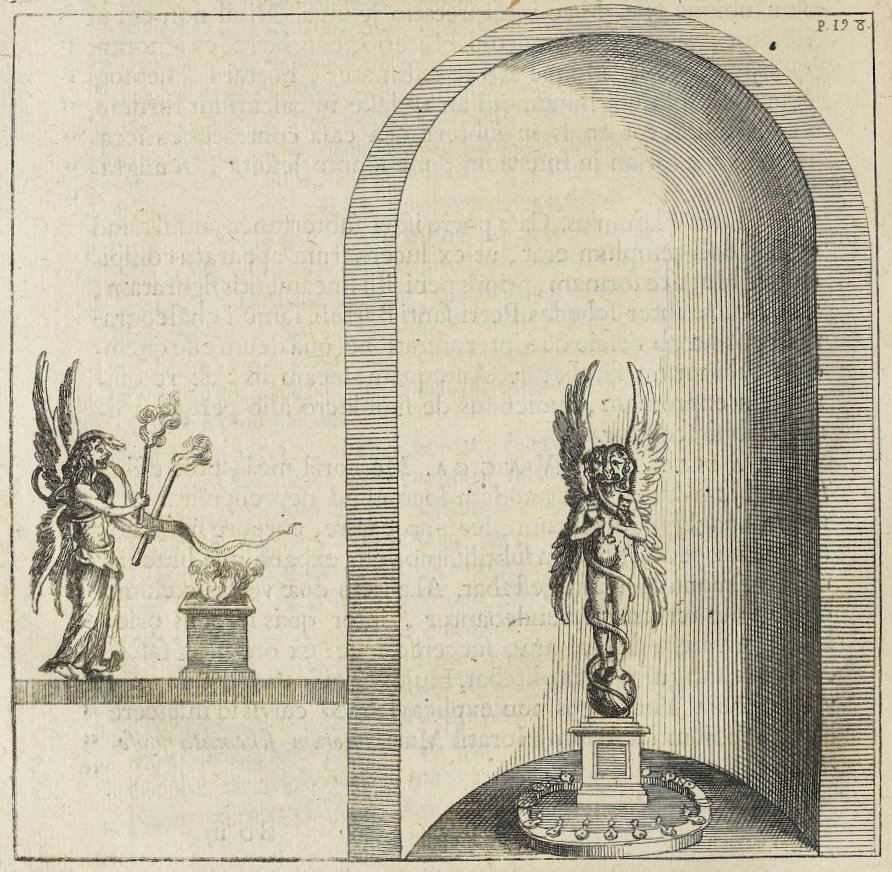
This monument has been identified from ’Memorie di varie antichità trovate in diversi luoghi della città di Roma’, a book by Flaminio Vacca of 1594.
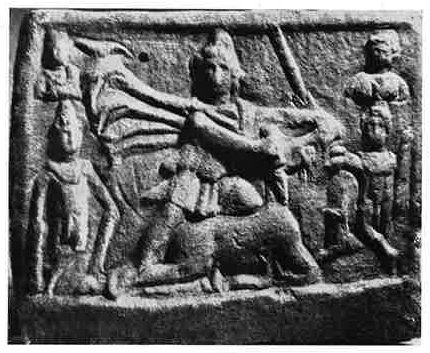
This marble relief depicting Mithras as a bull-slayer was once owned by Major Holzhausen and Franz Cumont and is now housed at the Belgian Academy.
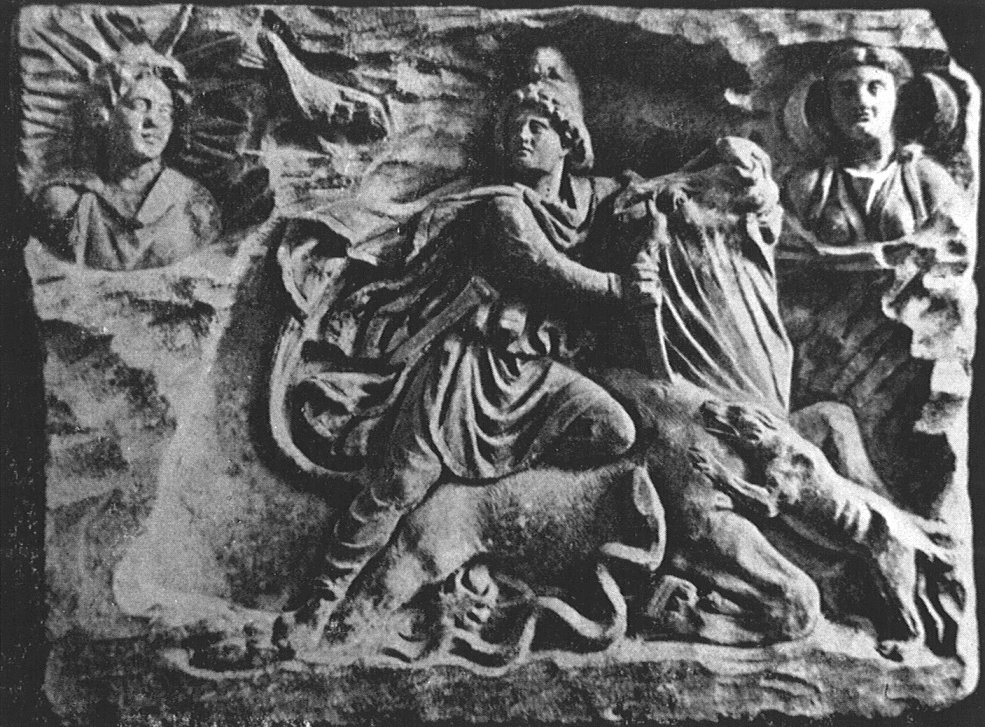
This marble relief depicting Mithras as a bull slayer was found in the back room of the Mithraeum of the Circus Maximus.
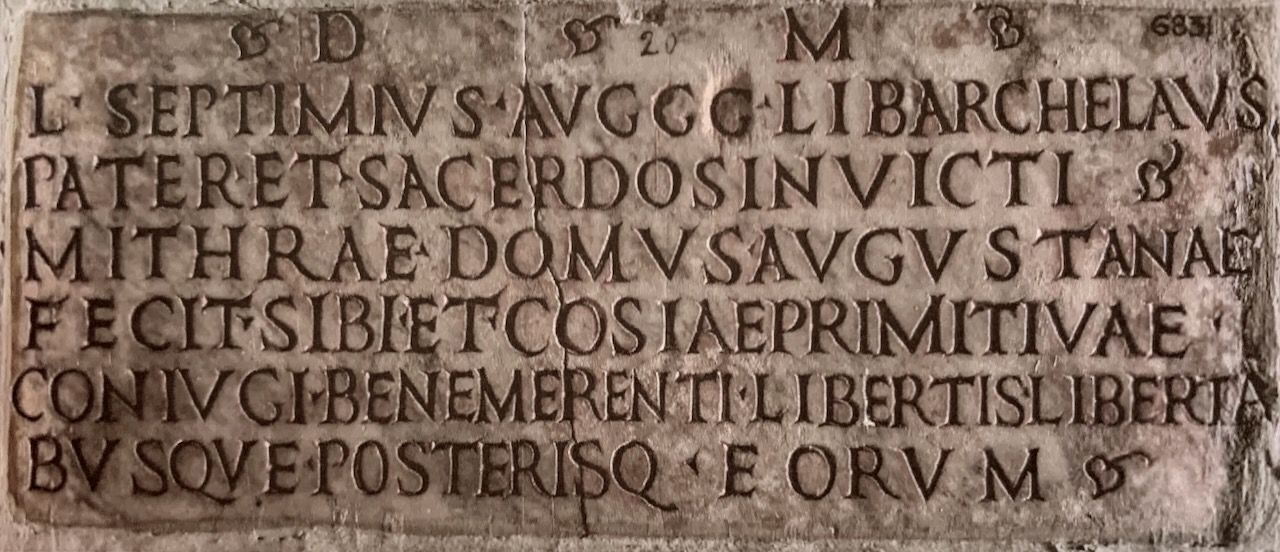
Marble funerary plaque erected by Lucius Septimius Archelaus, a Pater and priest of Mithras, for himself, his wife, and their freedmen and descendants.
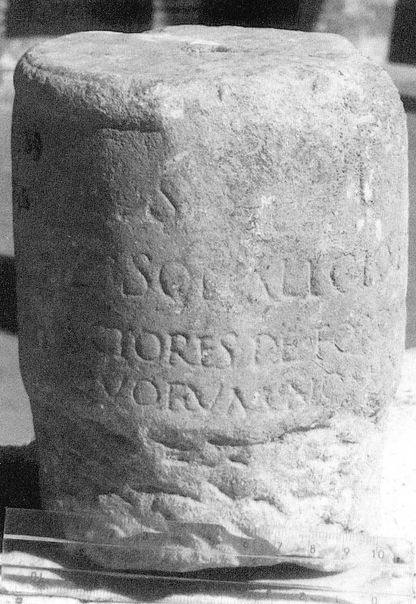
The inscription included the names of the brotherhood, which are now lost.
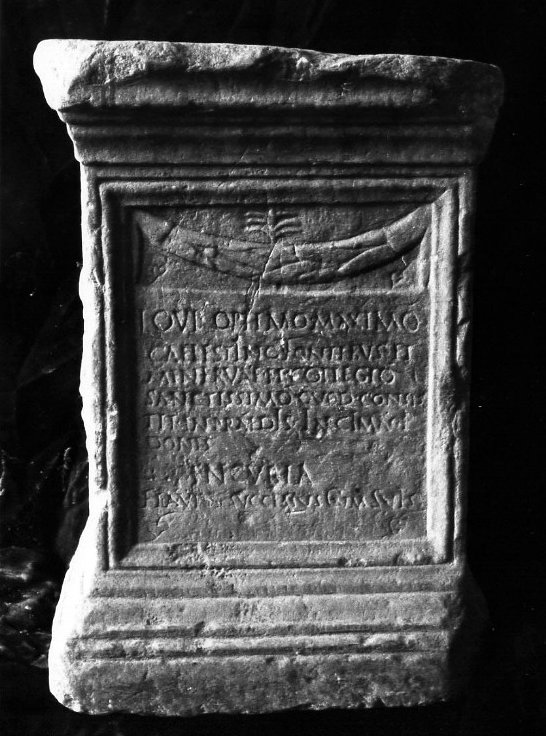
According to the inscription on it, this altar probably supported a statue of Jupiter.
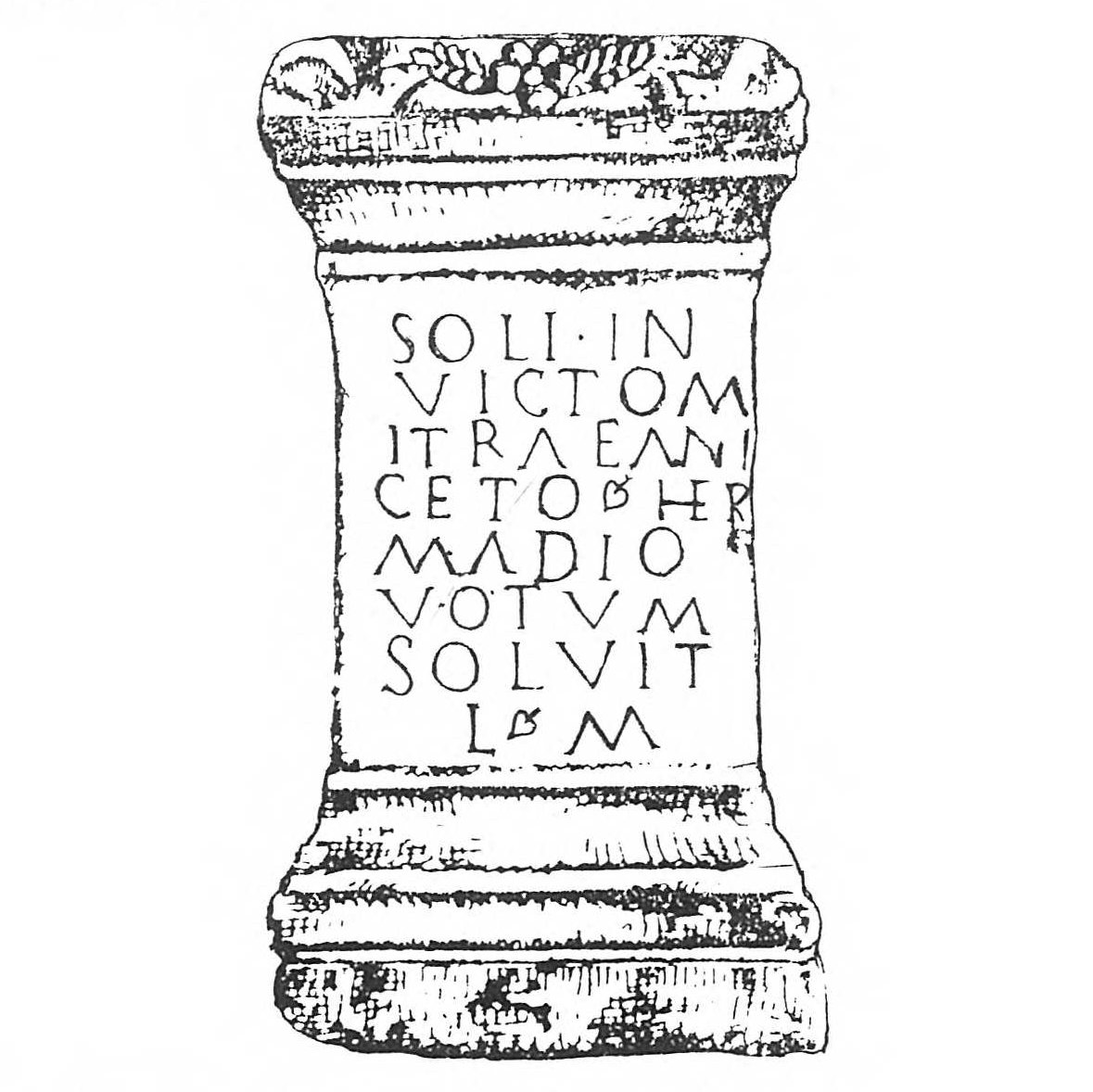
This altar was erected by Hermadio, who also signed other monuments in Dacia and even in Rome.

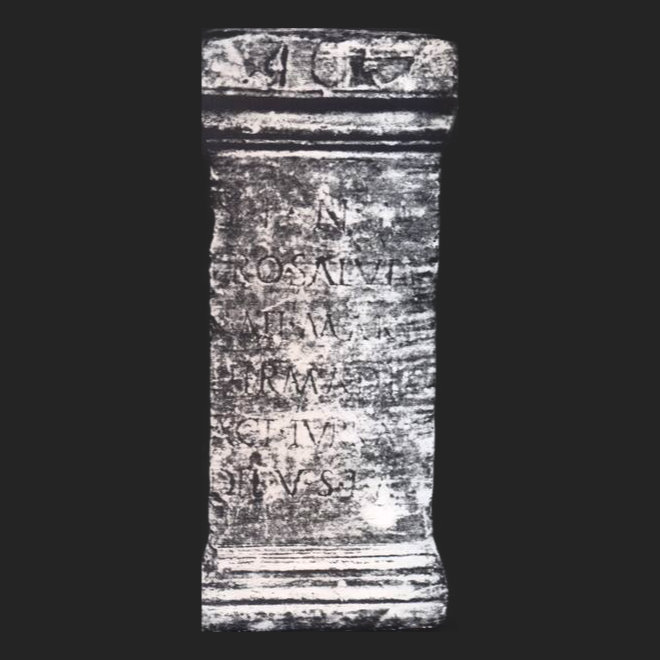
This altar was erected by Hermadio, who also signed other monuments in Dacia and even in Rome.
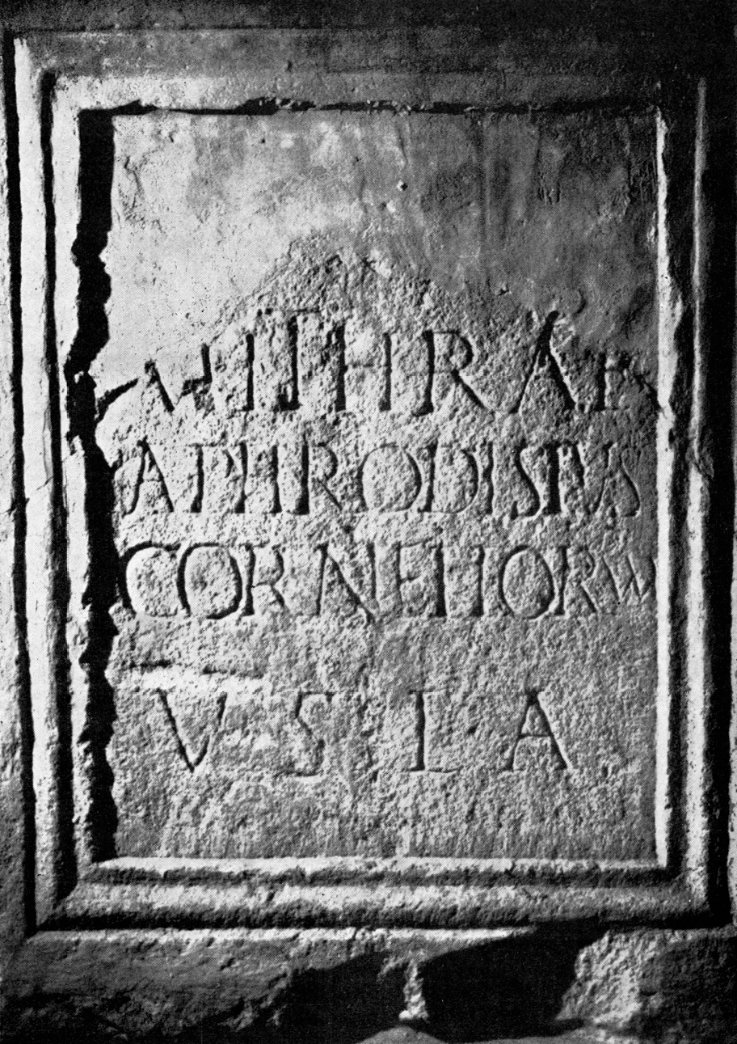
This inscription by a certain Aphrodisius was found under the old city hall of Algiers.
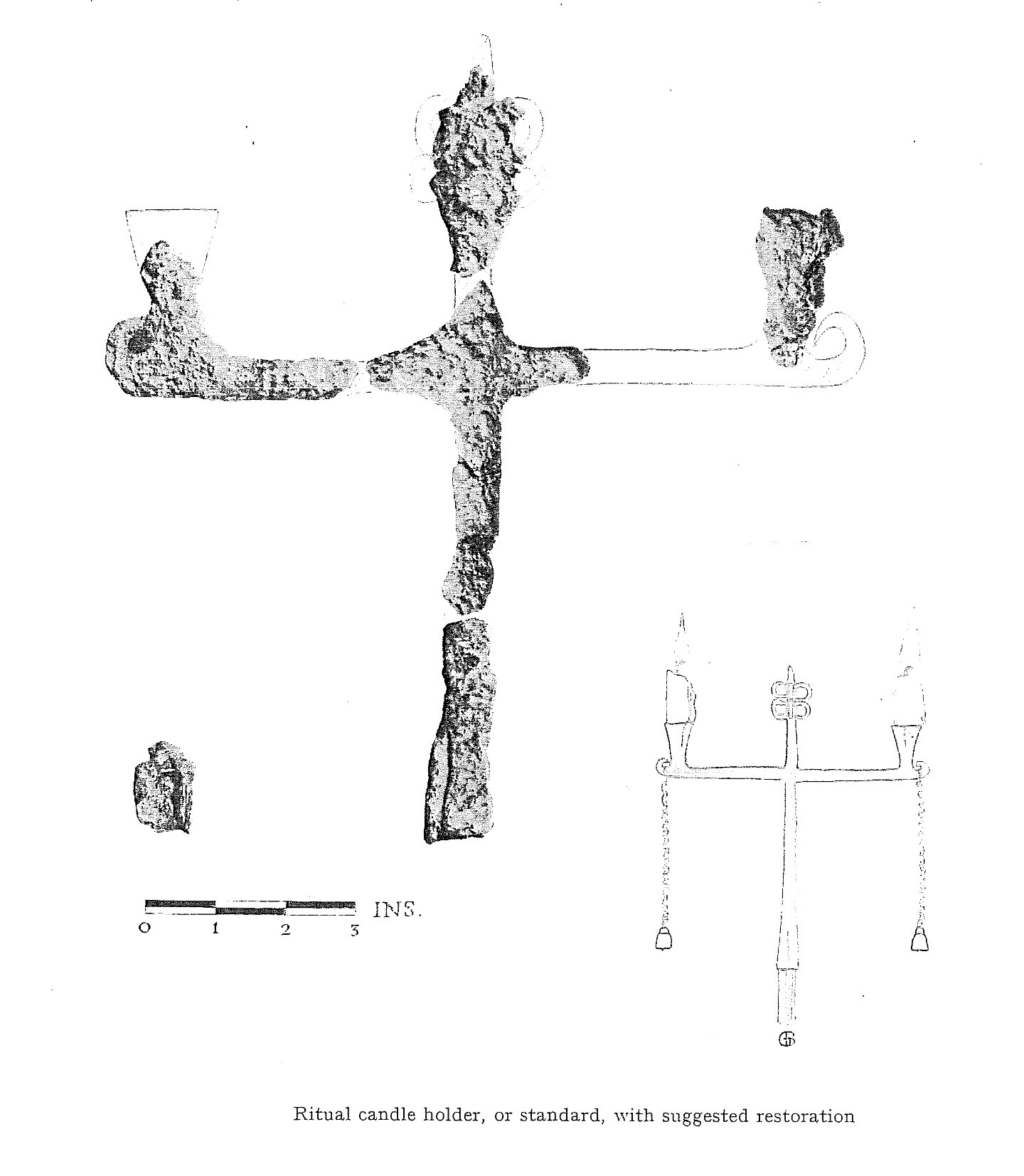
The Caernarfon candelabrum is a reconstruction of several iron pieces found in the Mithraeum of Caernarfon.
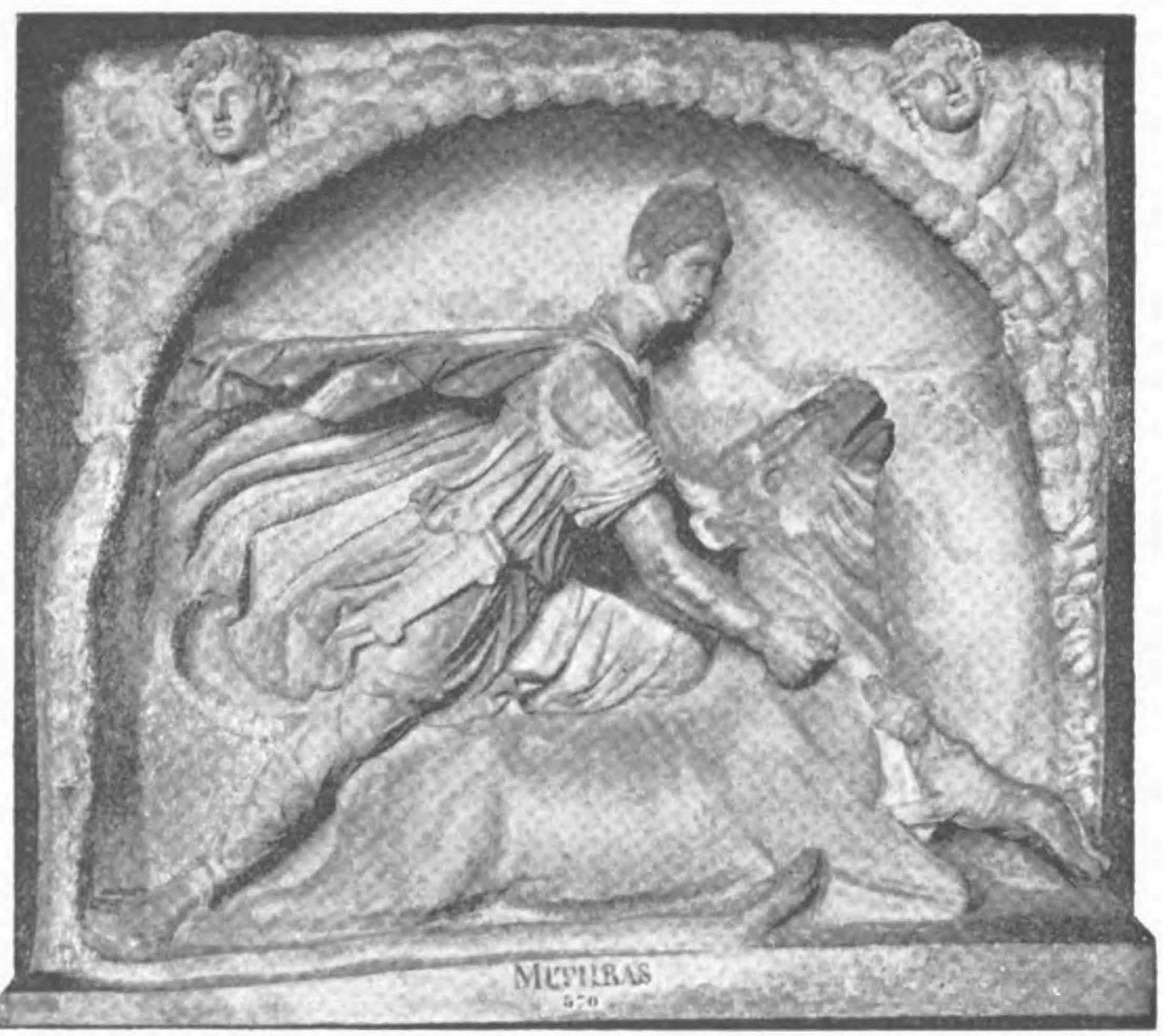
This is one of the three reliefs depicting Mithras killing the bull that the Louvre Museum acquired from the Roman Villa Borghese collection.
