Your search Mühltal am Inn gave 1072 results.
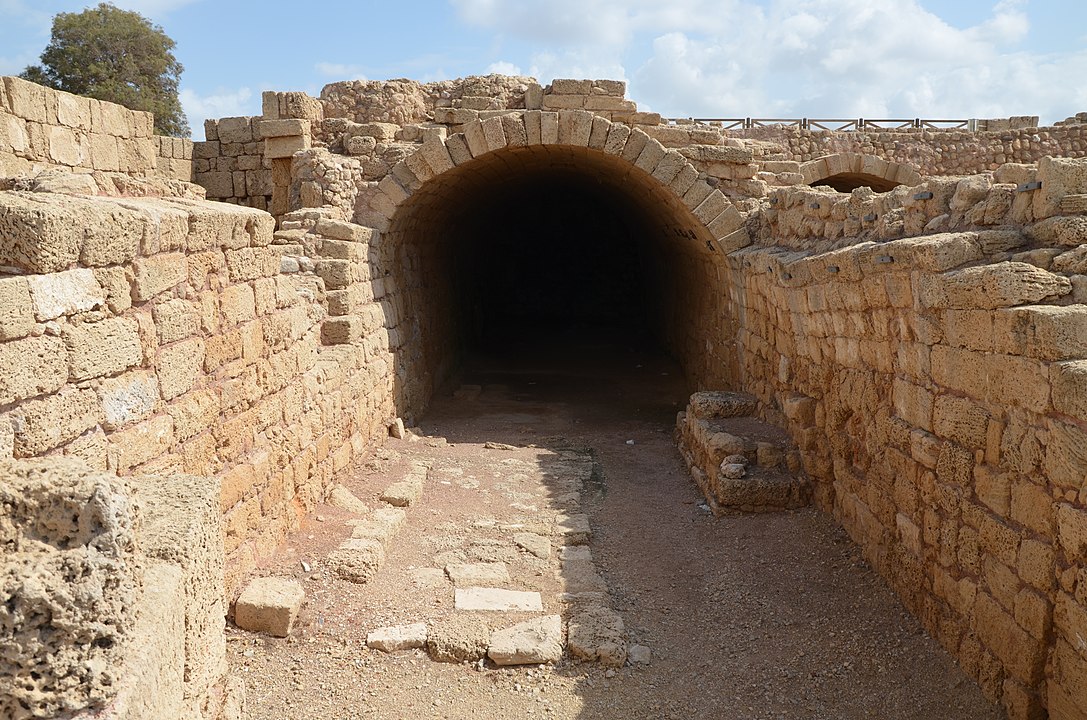
This shrine developed towards the end of 2nd century and remained active until beginning 4th.
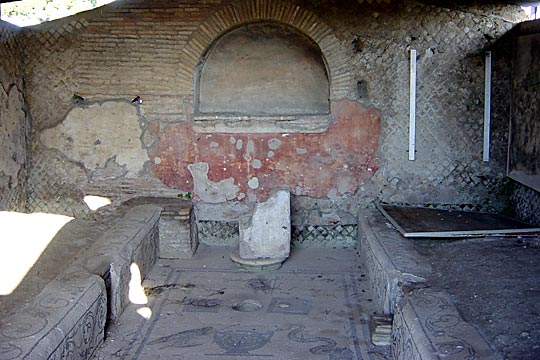
The name of the Mithraeum of the Seven Gates refers to the doors depicted in the mosaic that decorates the floor, symbolising the seven planets through which the souls of the initiates have to pass.
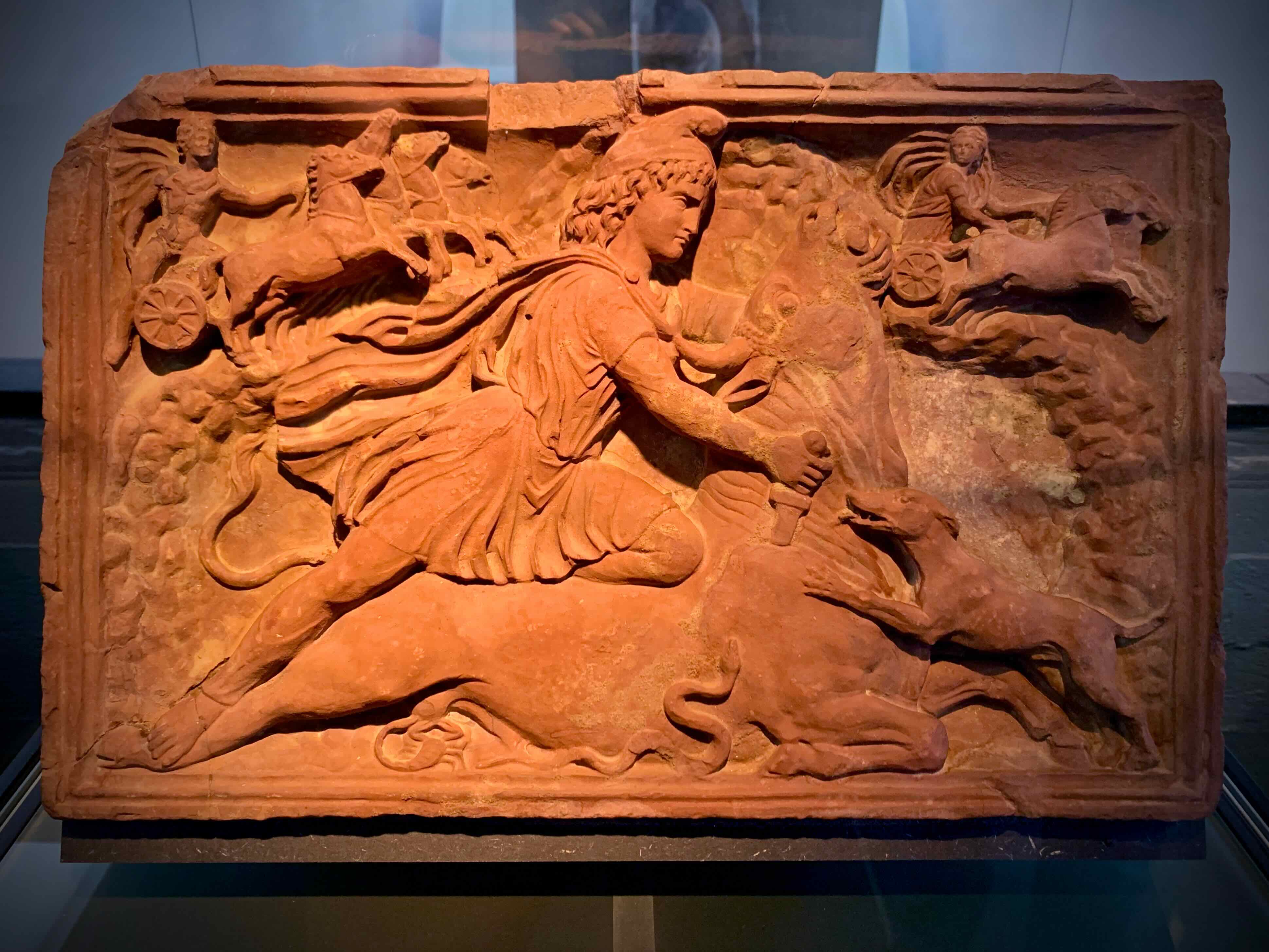
Maarten Vermaseren acquired this rosso antico marble of Mithras slaying the bull in 1961.
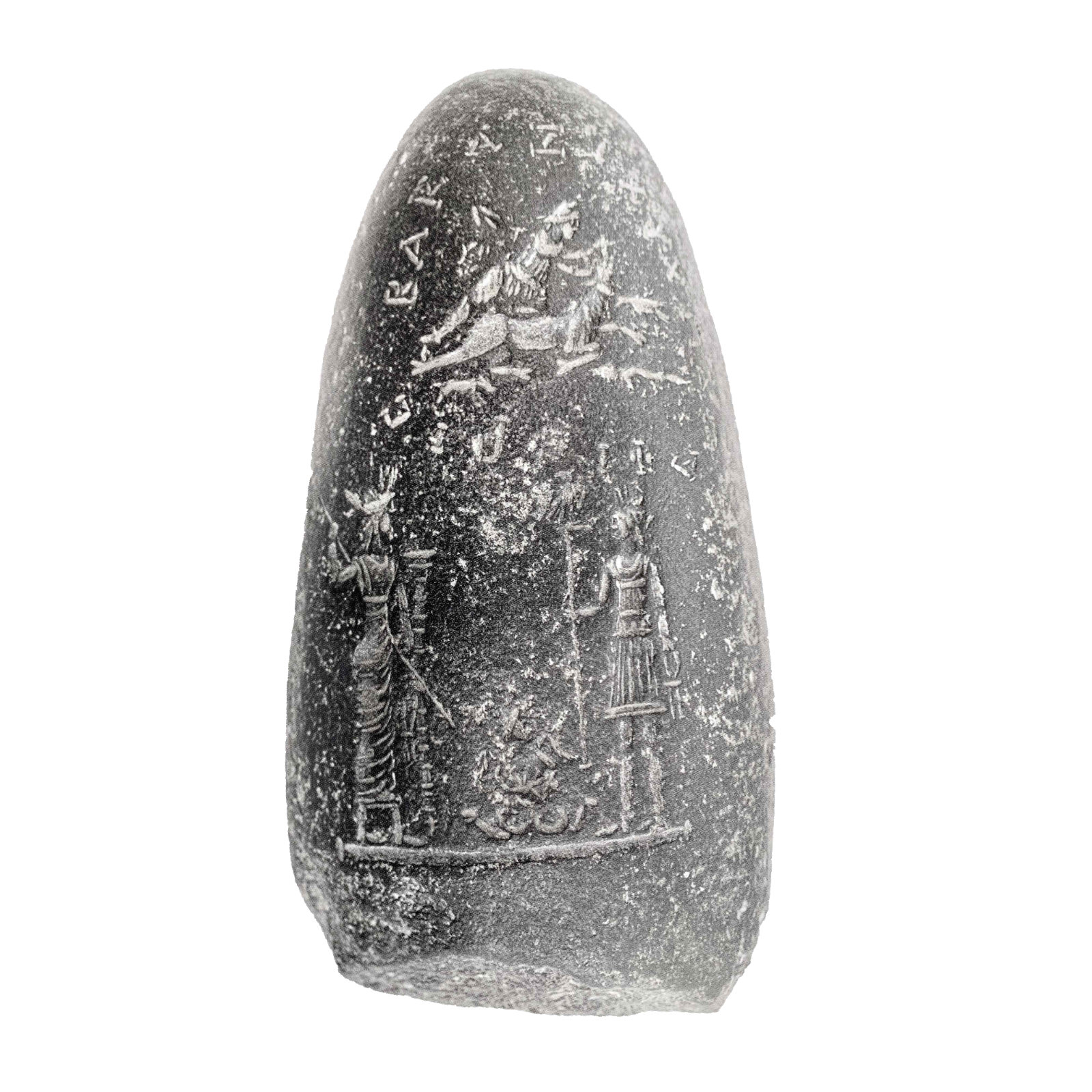
According to Christopher A. Faraone, the axe-head from Argos belong to a category of thunderstones reused as amulets.
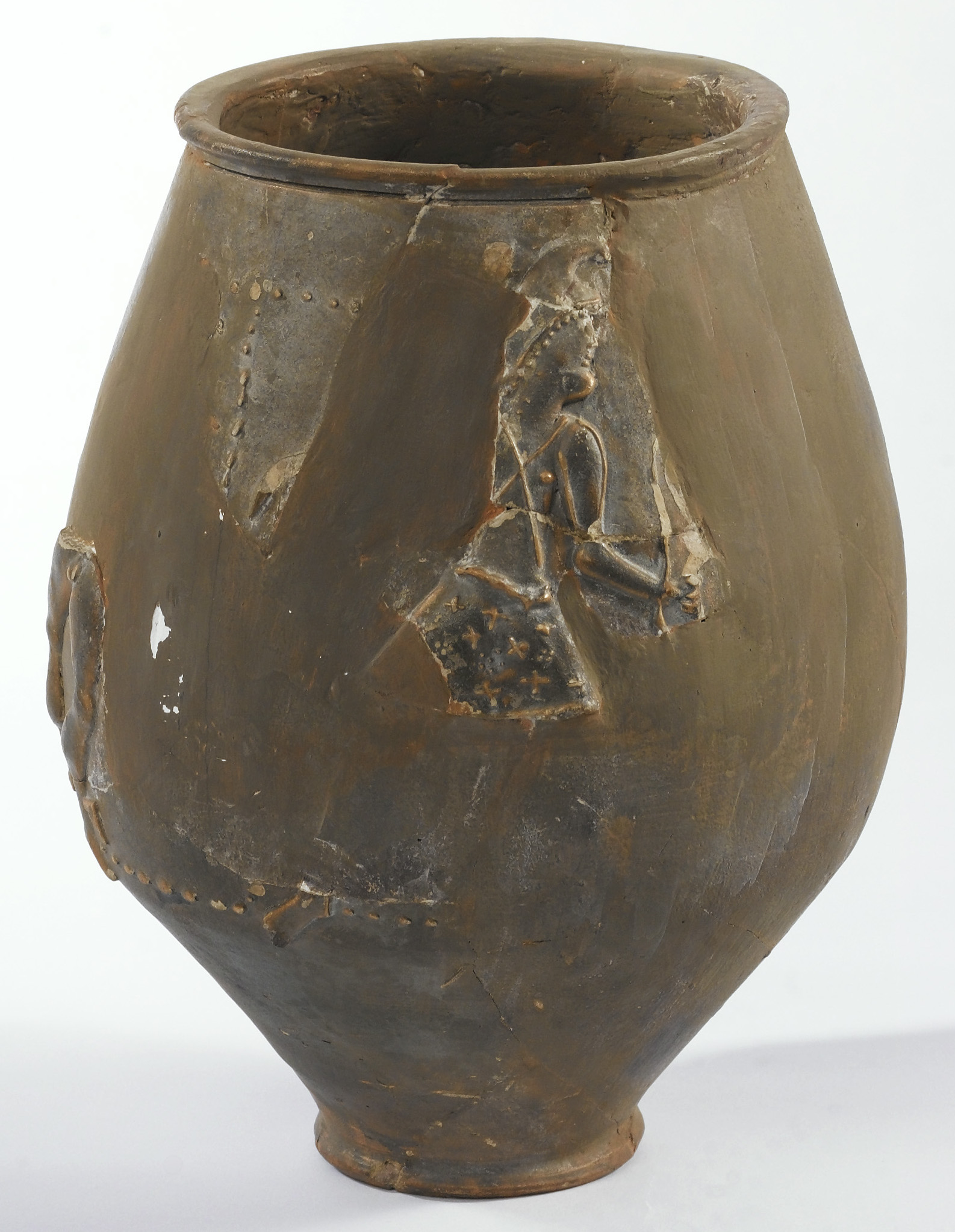
The St Albans mithraic vase depicts fragments of three figures identified by Vermaseren as Hercules, Mercury and Mithras as an archer.
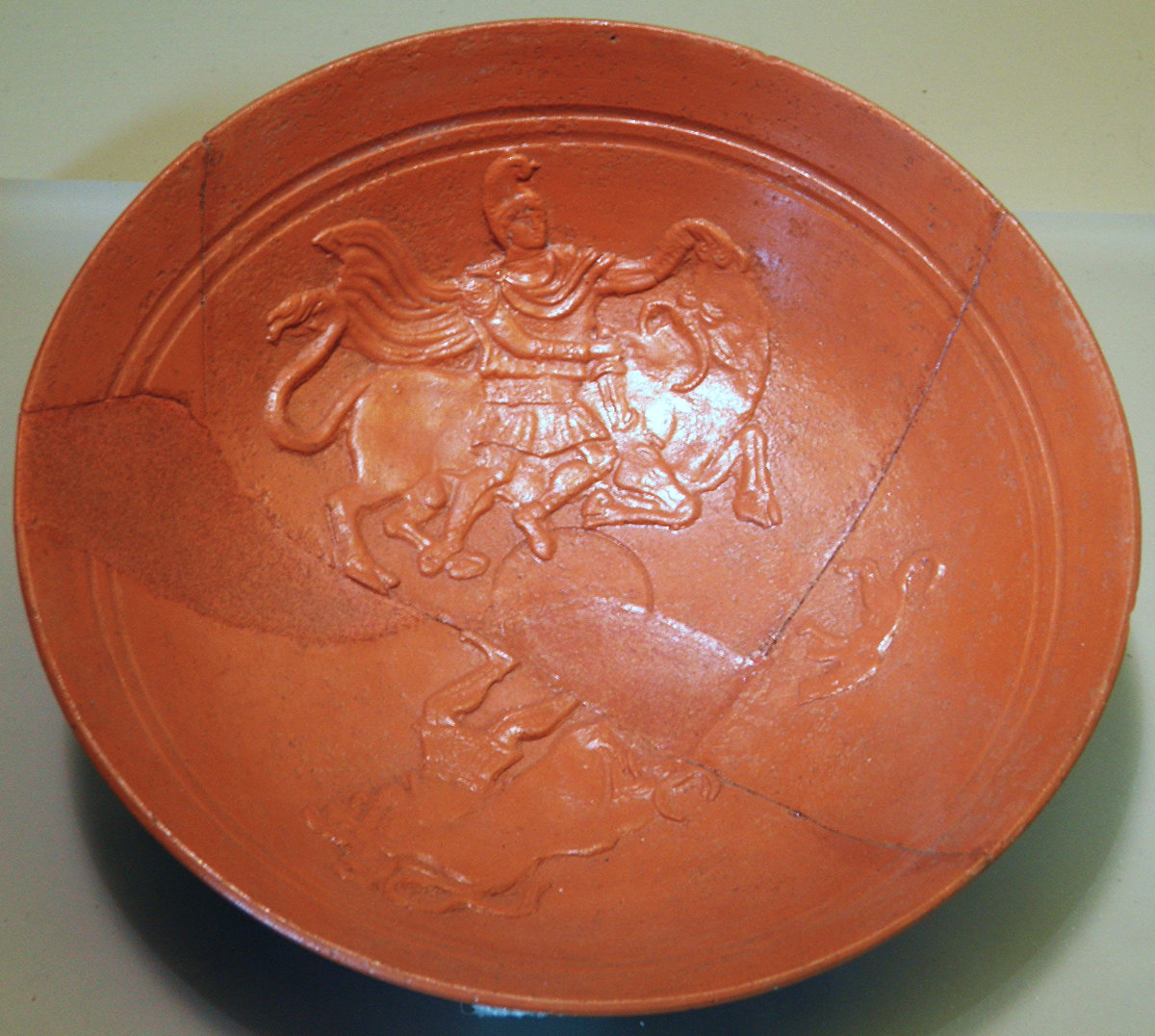
The red ceramic vessel from Lanuvium shows Mithra carrying the bull, followed by the dog, and the Tauroctony on the opposite side.
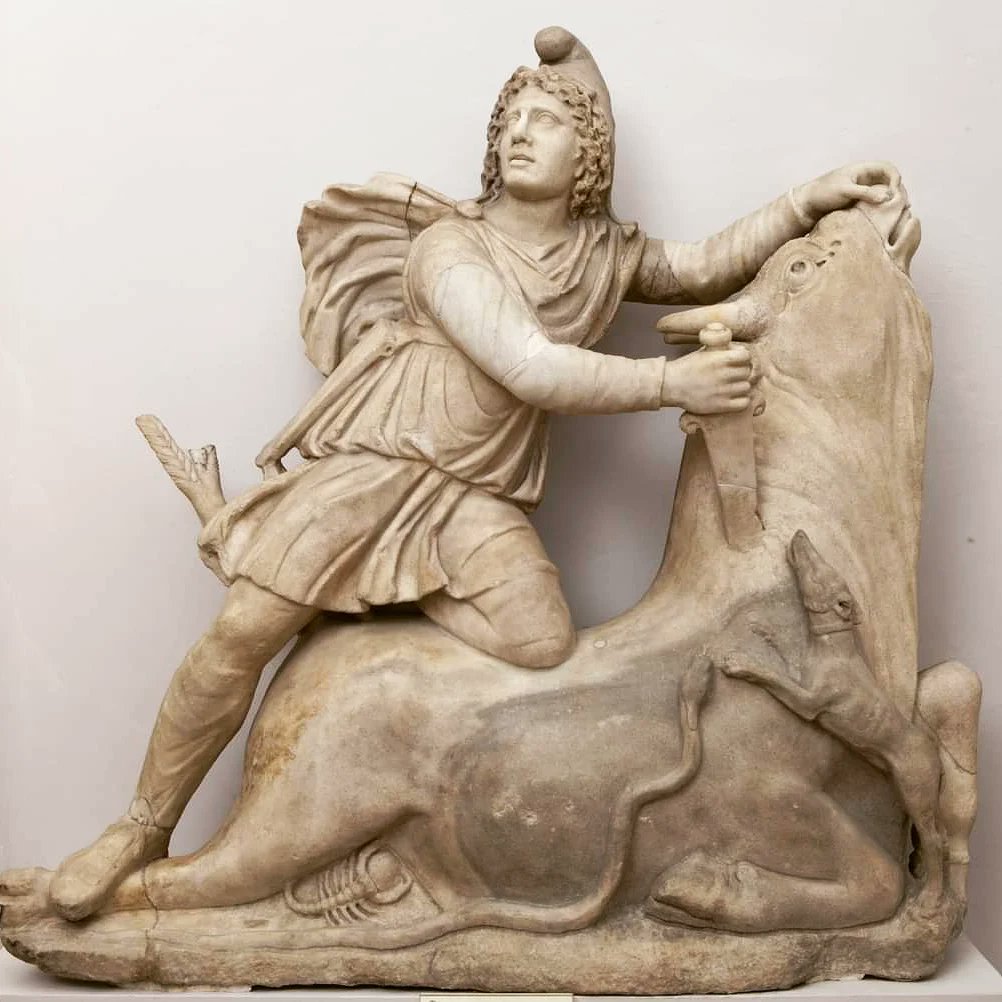
This sculpture of Mithras slaying the bull was bequeathed to the Republic of Venice in 1793 by Ambassador Girolamo Zulian.
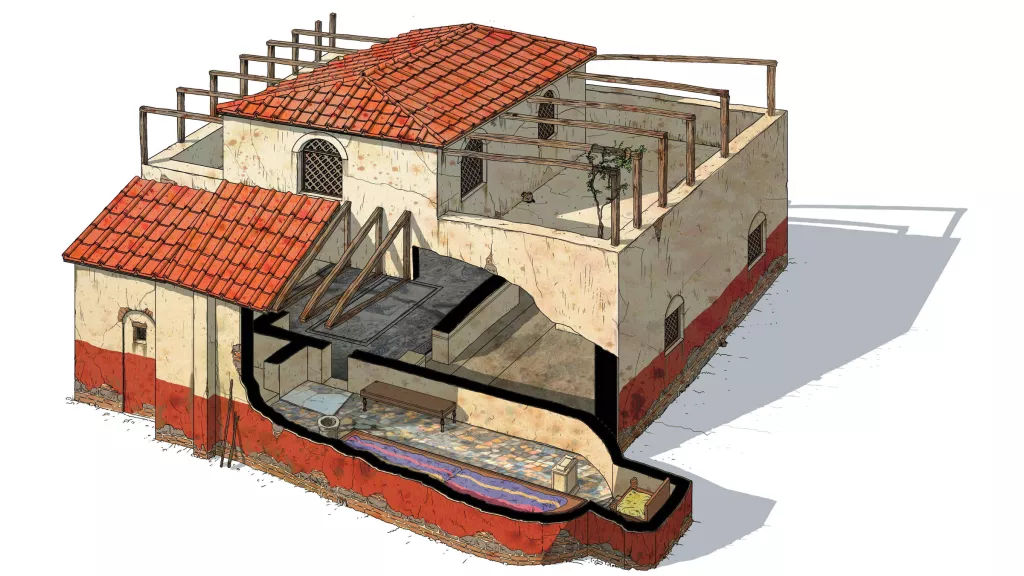
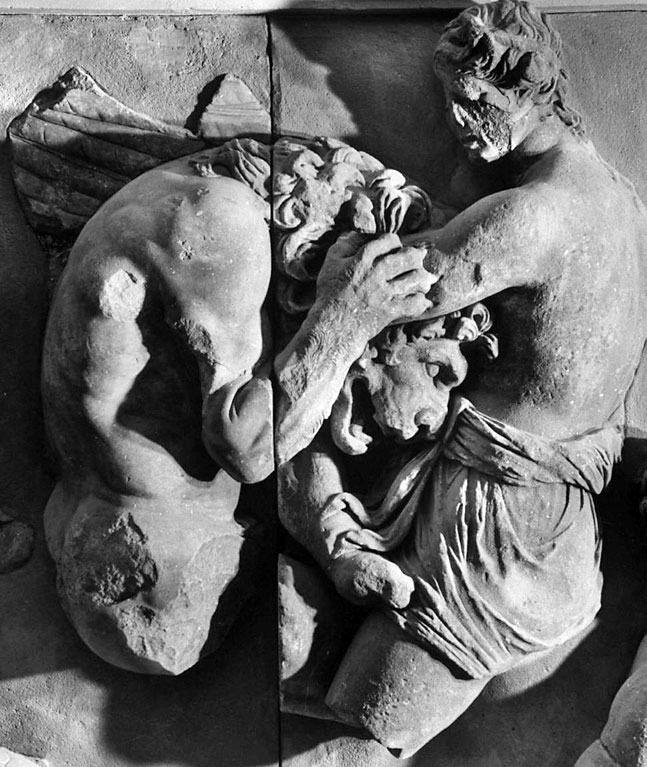
The Mitreo dei Marmi Colorati takes its name after the discovery of a black-and-white mosaic of Pan fighting with Eros.
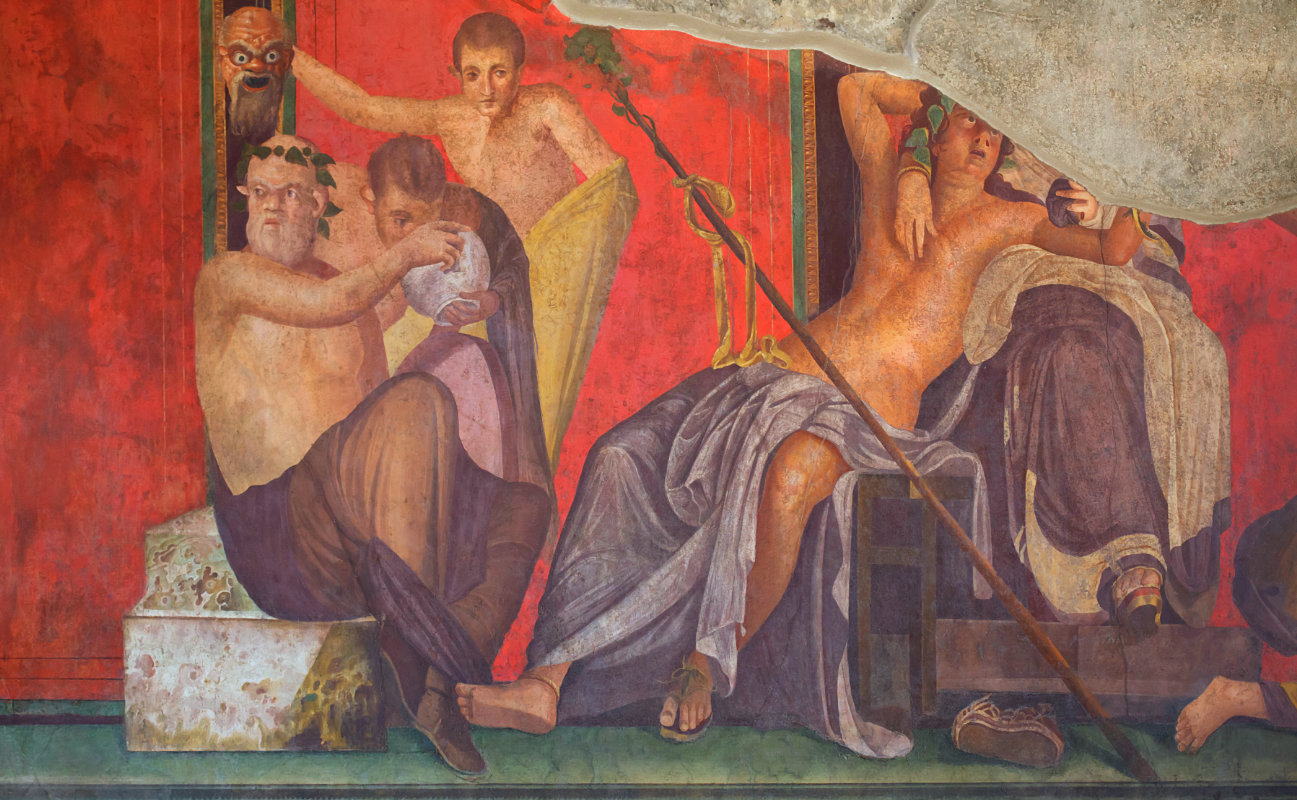
Peter Mark Adams: ‘The initiation was a frightening experience that caused some people to panic as a flood of otherworldly entities swept through the ritual space.’.

The article reveals the context in which the first public appearance of Mitra happened to answer two questions: who were the first people to give prominence to this deity, and for what purpose they did so.
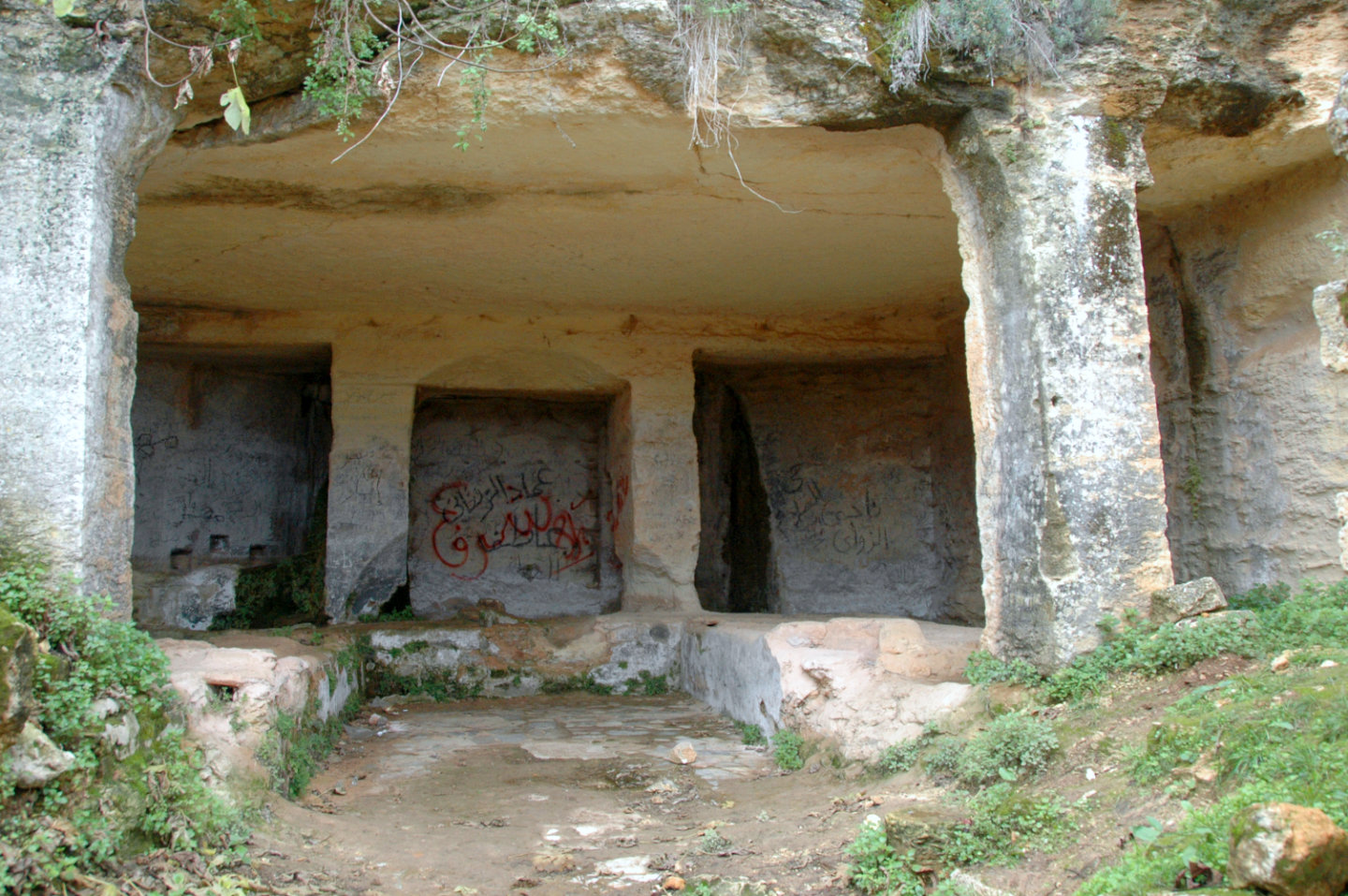
The Mithraeum of Cyrene is preserved among the remarkable ruins of the ancient capital of the Roman province of Cyrene.
