Your search Roma gave 961 results.
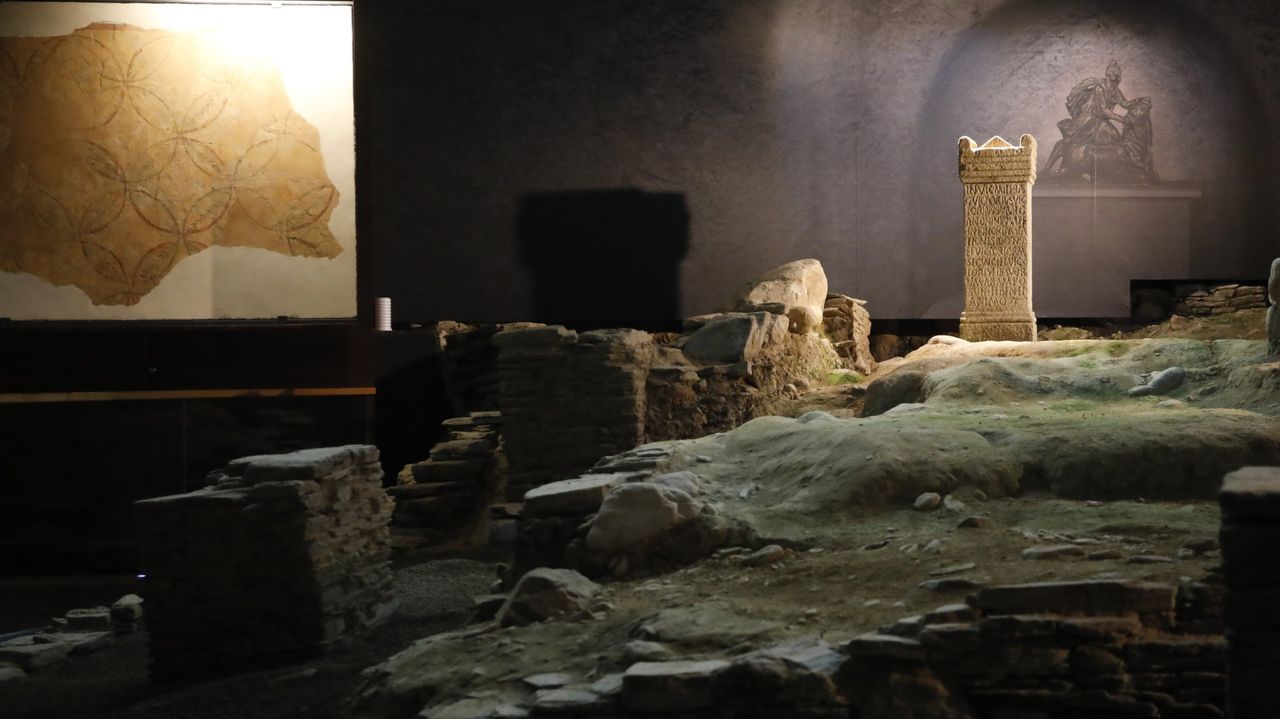
La Domus de Mitreo y el Centro Arqueolóxico de San Roque muestran otra cara del viejo Lugo
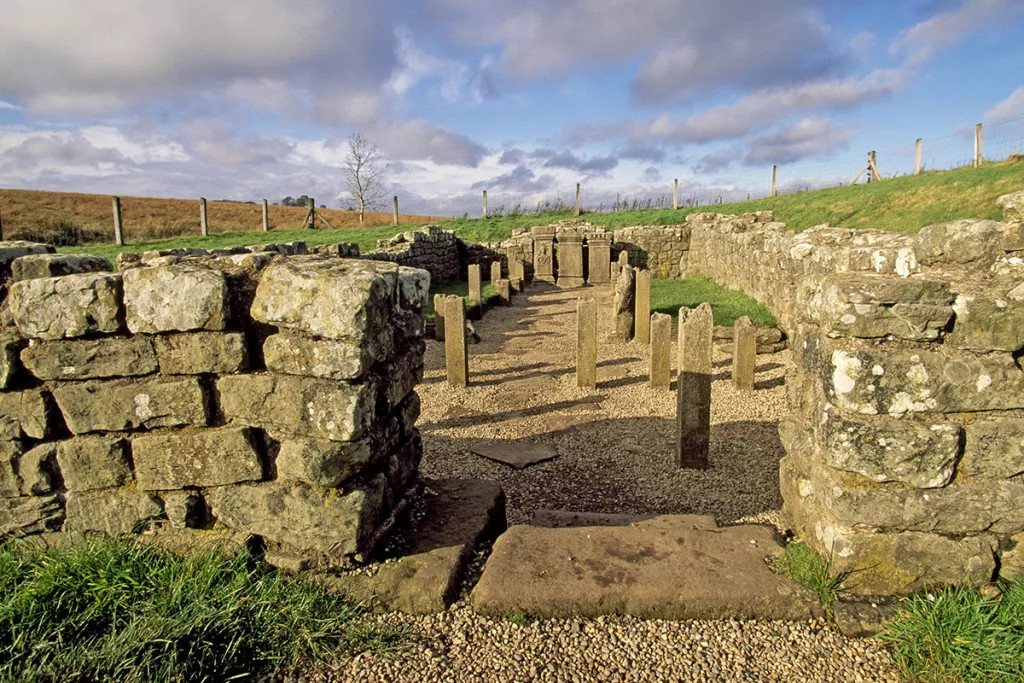
The temple of Mithras disclosed three main stages of development, the second exhibiting two reconstructions.
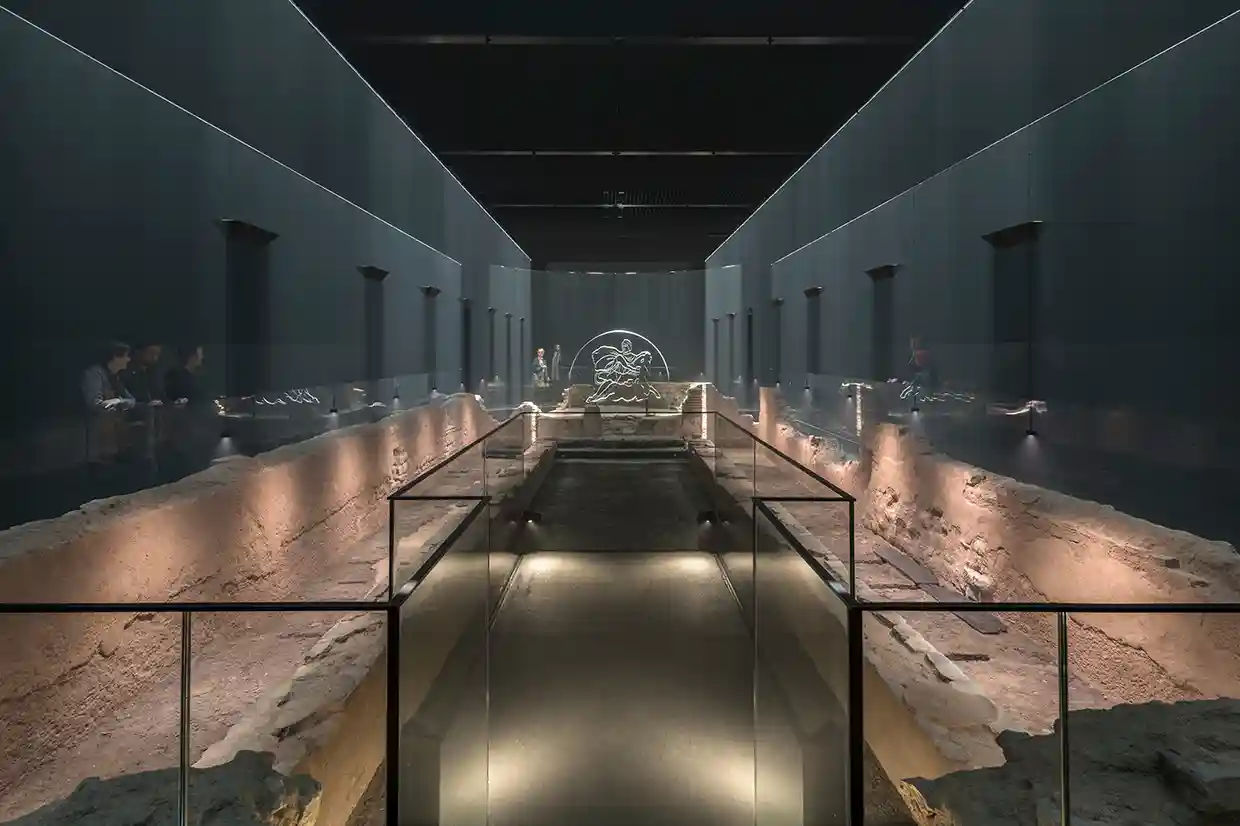
Visitors to new museum will uncover mystery cult of Mithras the bull slayer in multi-sensory experience.
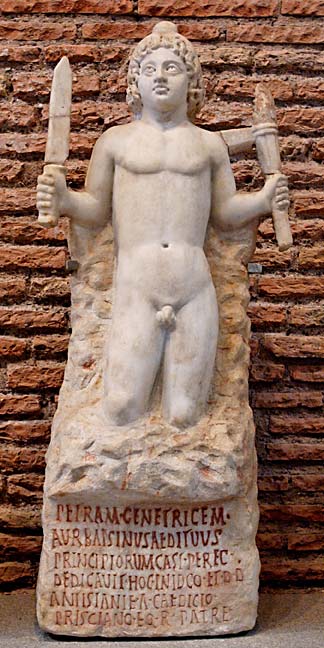
The sculpture of Mithras rock-birth from Santo Stefano Rotondo bears an inscription of Aurelius Bassinus, curator of the cult.

Large marble slab found in 1648 near S. Silvestro in Capite, inscribed with a Latin dedicatory poem forming a cypher-acrostic for TAMESIUS and AUGENTIUS, with records of leontica and chrysos initiations, dated to 362 A.D.

A historical role-playing game inspired by the archaeology of Roman Mithraism. Applications are now open and places are limited. The next campaign begins on 24 June.
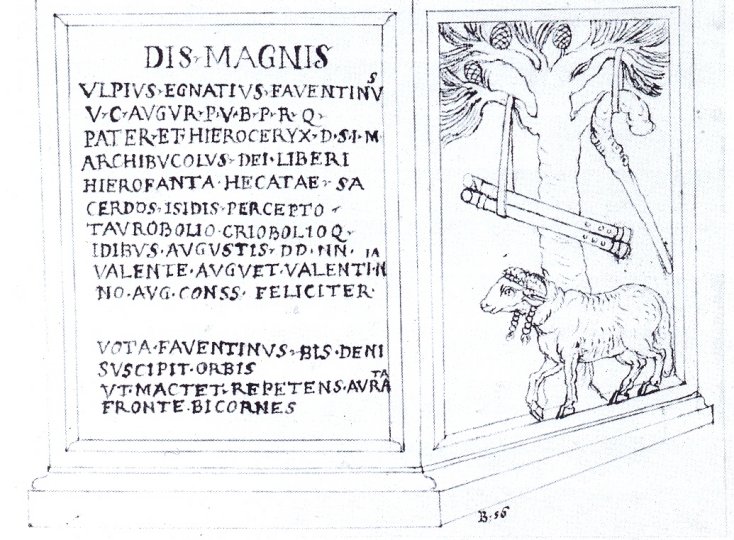
Both of them were discovered in 1609 in the foundations of the façade of the church of San Pietro, Rome.
In this 4th-century Roman altar, the senator Rufius Caeionius Sabinus defines himself as Pater of the sacred rites of the unconquered Mithras, having undergone the taurobolium.

Subtitle Late Roman senator who rose from pater to pater patrum in the Mithraic community of San Silvestro in Capite.
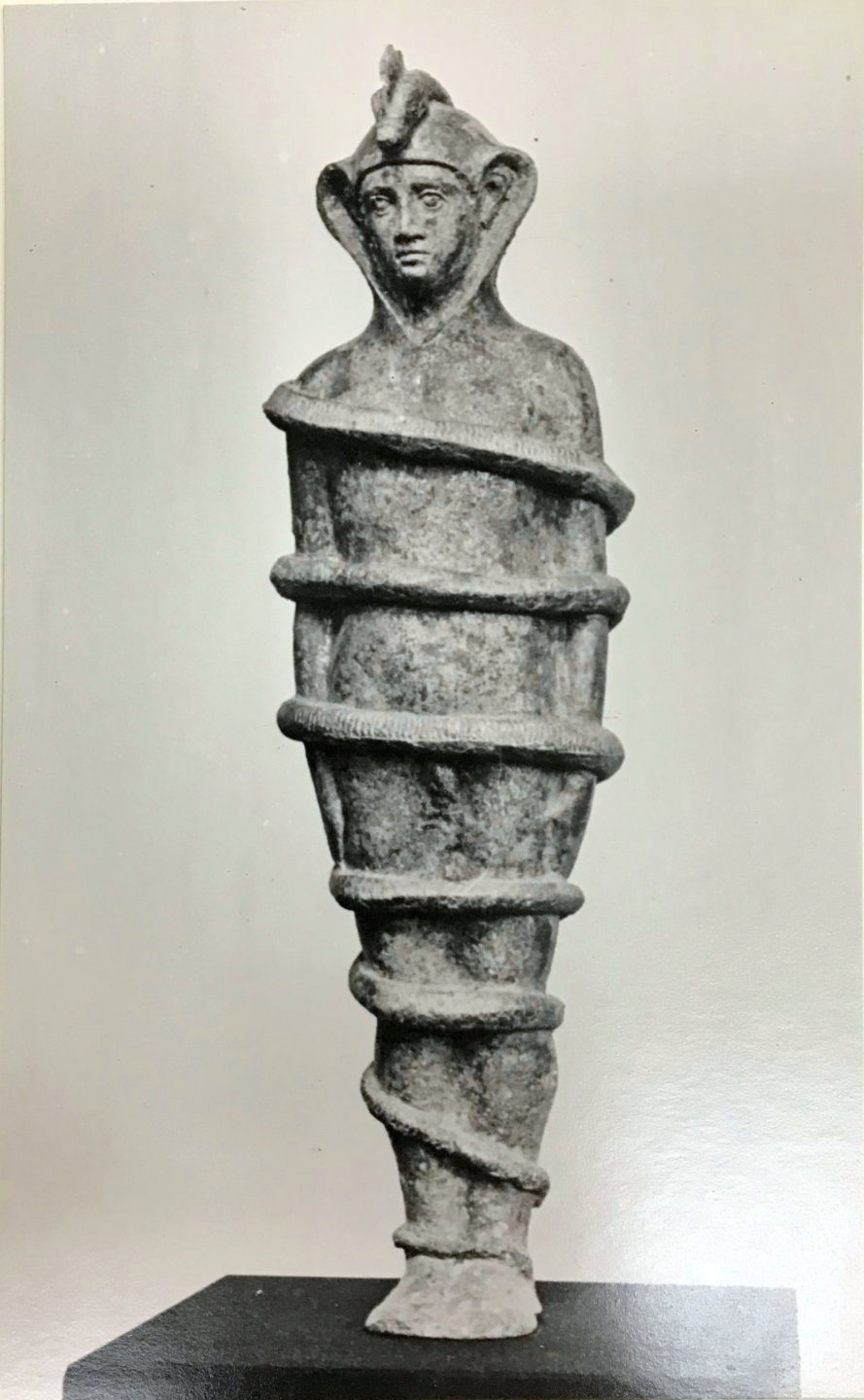
Roman relief from a sanctuary on the Janiculum Hill (Rome), showing a male figure bound by a serpent coiled seven times.

In this relief of Mithras as bull slayer, recorded in 1562 in the collection of A. Magarozzi, Cautes and Cautopates have been replaced by trees still bearing the torches.
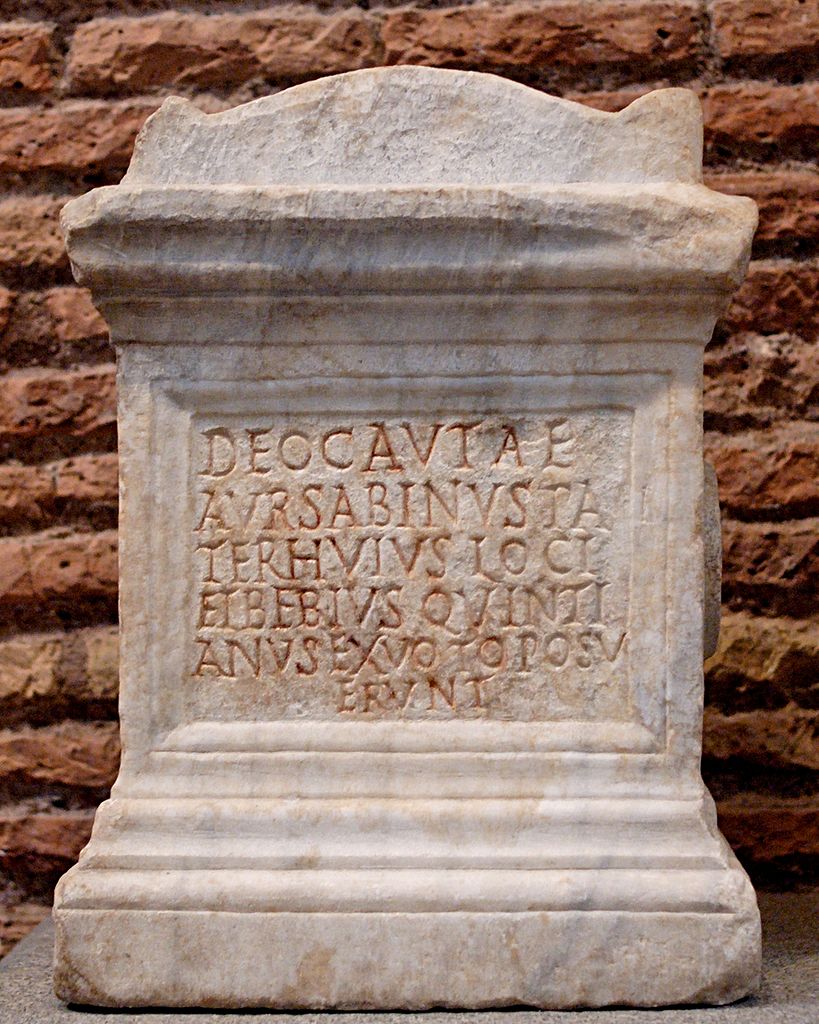
These two parallel altars to the diophores were dedicated by the Pater and a Leo from the Mithraeum of S. Stefano Rotondo.
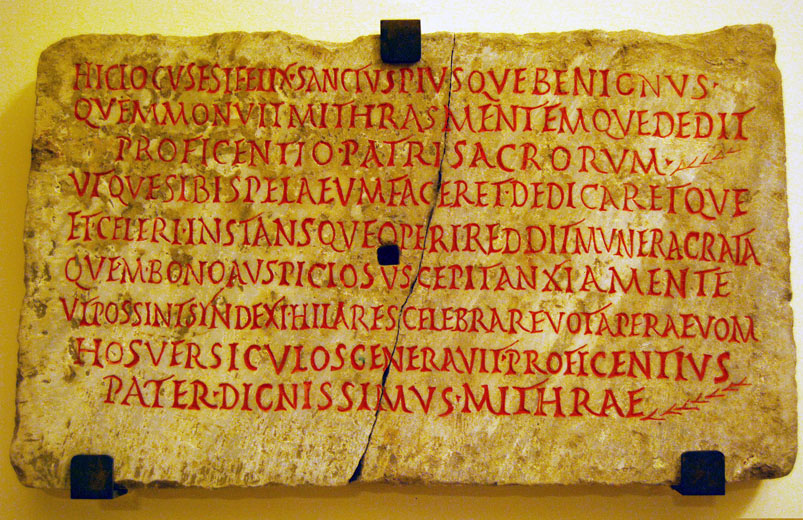
This marble slab bears an inception be the Pater Proficentius to whom Mithras has suggested to build and devote a temple.
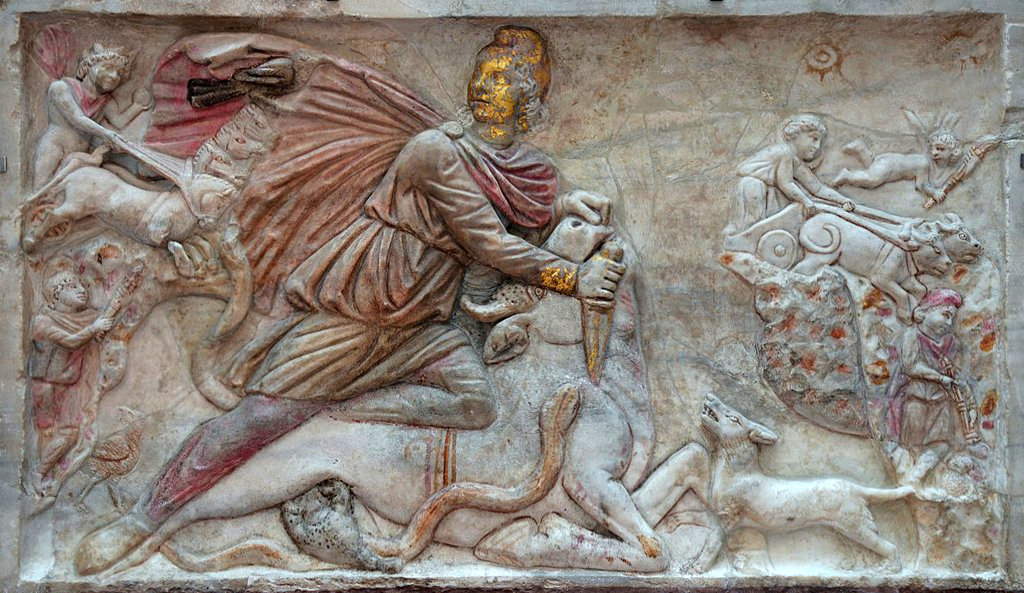
The relief of Mithras killing the bull of Stefano Rotodon preserves part of his polycromy and depicts two unusual figures: Hesperus and an owl.

This remarkable marble relief from the end of the 3rd century was discovered in the most remote room of the Mithraeum in the Circo Massimo.
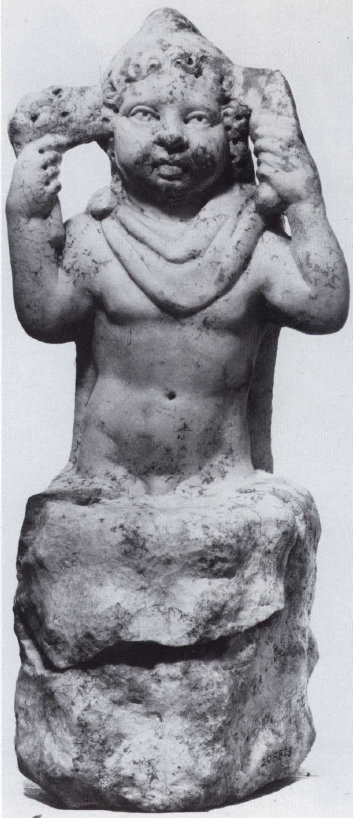
The second statue of Mithras rock-birth was found in the Mitreo di Santo Stefano Rotondo shows a childish Mitras emerging from the rock.
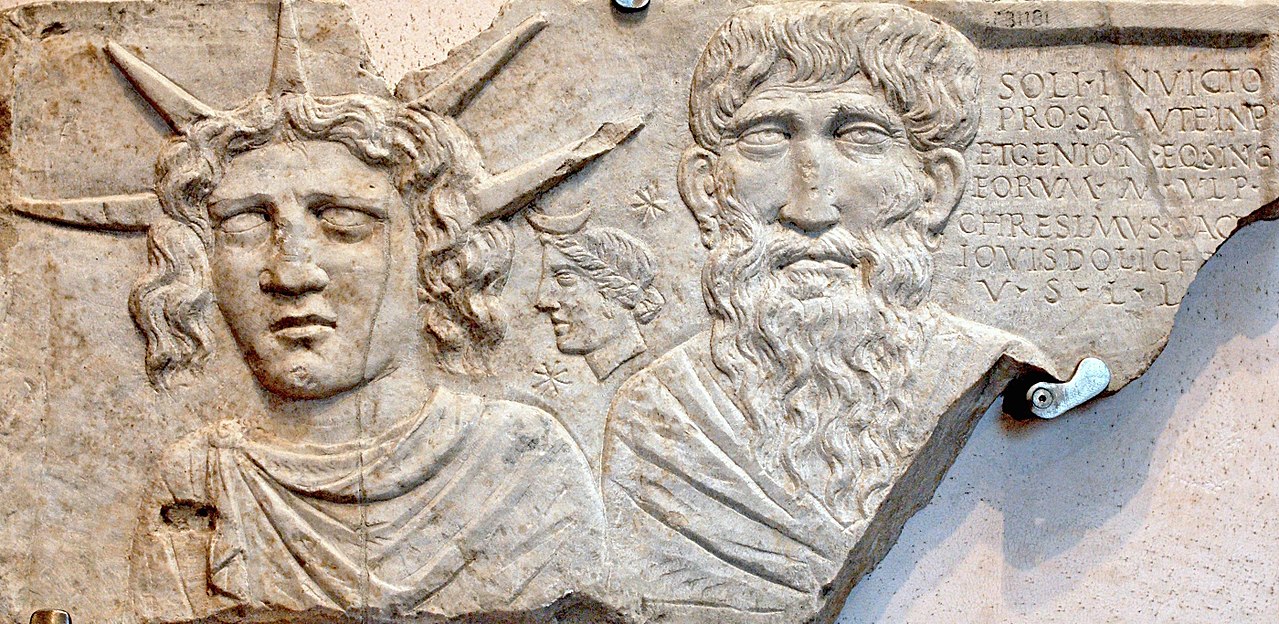
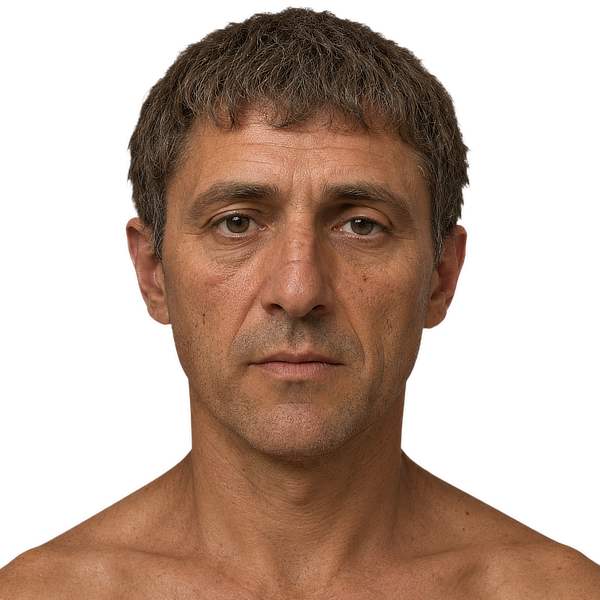
Roman senator and Pater Patrum who led the Olympii Mithraic community in fourth-century Rome.

Roman senator, public augur and Mithraic pater attested among the aristocratic dedications associated with the Vatican Phrygianum in 376 CE.
