Your search St Albans gave 2762 results.
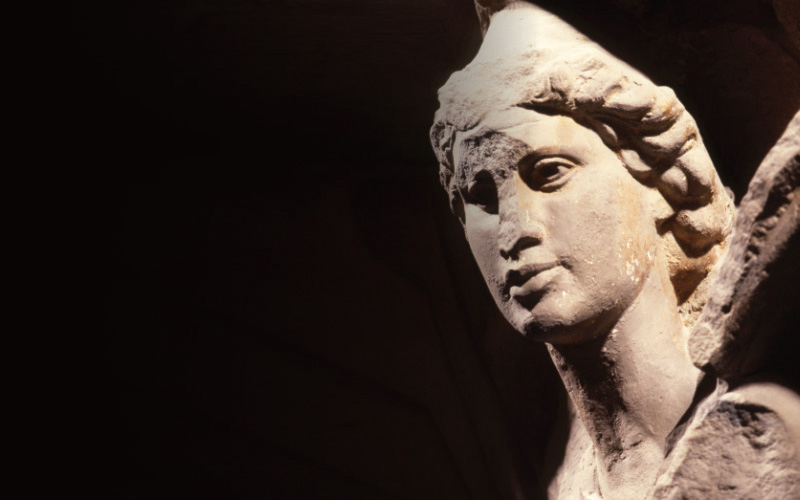
On the occasion of the exhibition, the Royal Museum of Mariemont invites five experts from Europe to emulate the research on the cult of Mithras.
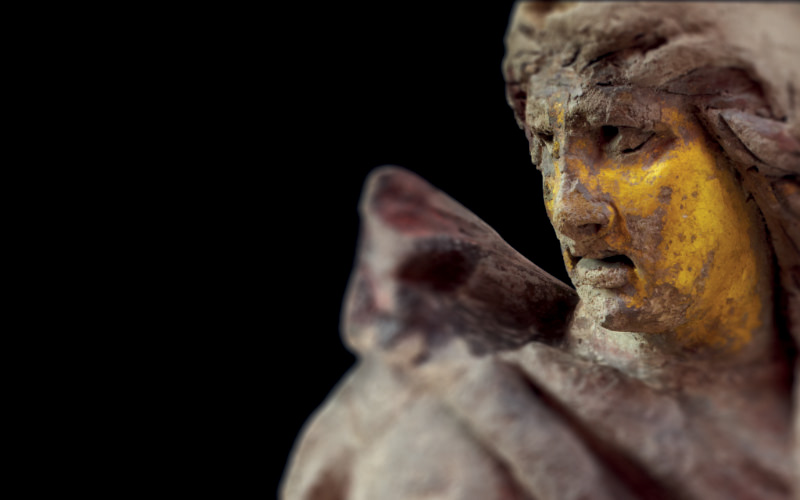
Three European museums celebrate Mithras with a continental exhibition featuring more than 200 works of art from Roman times to the present day.
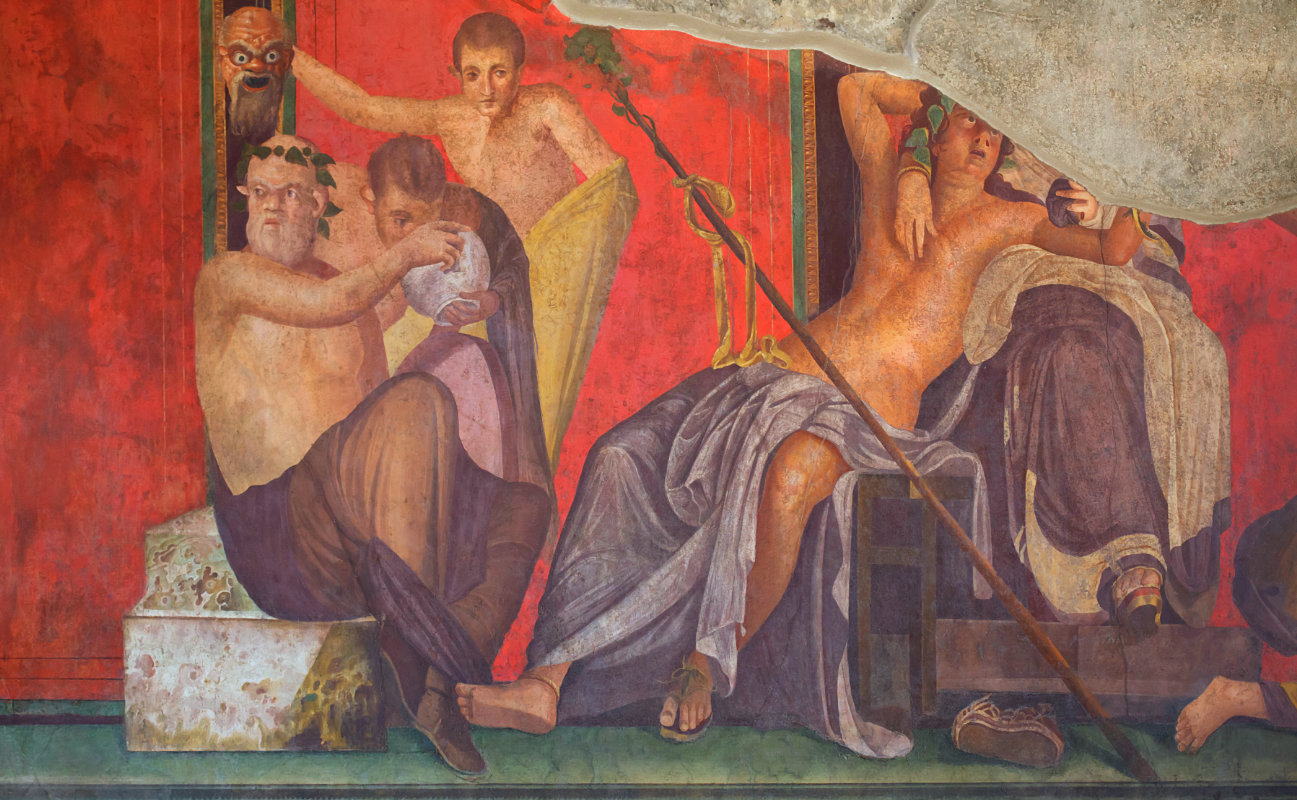
Peter Mark Adams: ‘The initiation was a frightening experience that caused some people to panic as a flood of otherworldly entities swept through the ritual space.’.

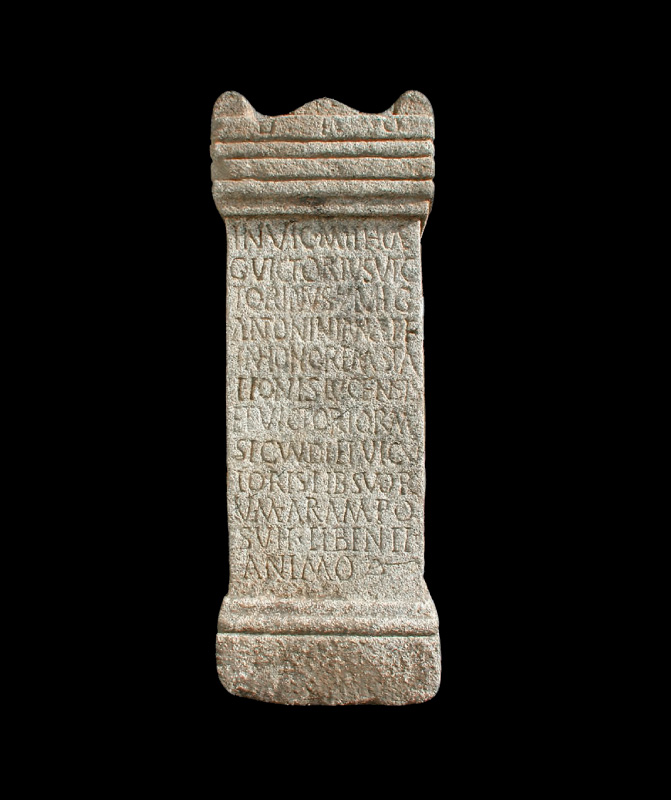
Victorius Victorious, centurion of the Legio VII, erected the altar in honour of the Lugo garrison and of the Victorius Secundus and Victor, his freedmen.

Limestone altar dedicated to Sol Invictus Mithras by the governor and military commander Marcus Valerius Maximianus.
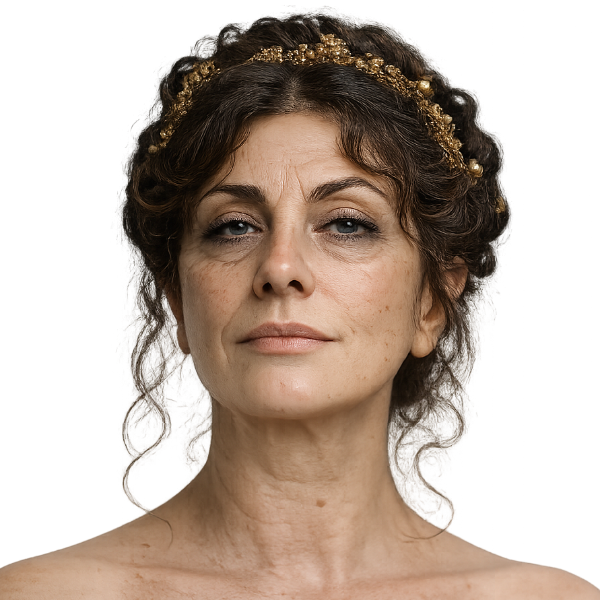
Junia Zosime is known from an inscription discovered at Ostia recording the donation of a silver statue of the Virtus of the dendrophori.

Ostian sacerdos remembered through his participation in the dedication of the monumental leontocephalic image erected under Commodus in 190 CE.

Recipient of a votive dedication invoking the healing protection of Deus Invictus in the Mithraic community of Emerita Augusta.
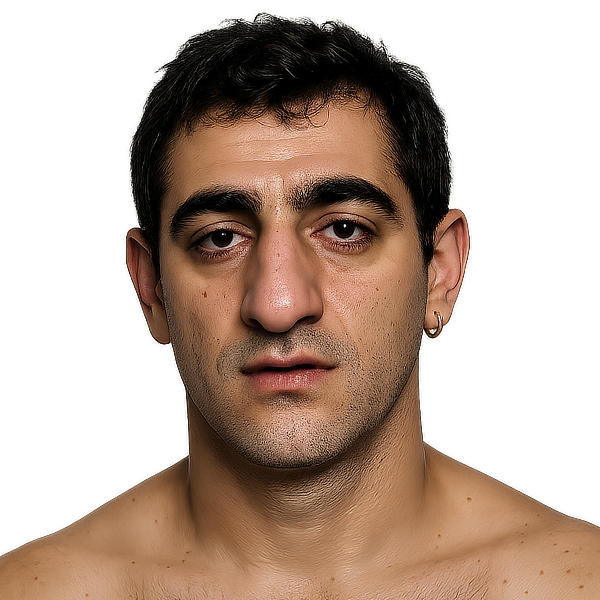
The pater Artemidorus seems to be an Augustan freedman of the Claudians, of Eastern origin.

Member of the Mithraic congregation of Emerita Augusta who commissioned a monumental torchbearer statue under Accius Hedychrus.

Gaius dedicated an altar to the god Invictus in Emerita Augusta in the 2nd century.

Centurio frumentarius probably from Tarraco, who served in the Legio VII Gemina located in Emerita Agusta.
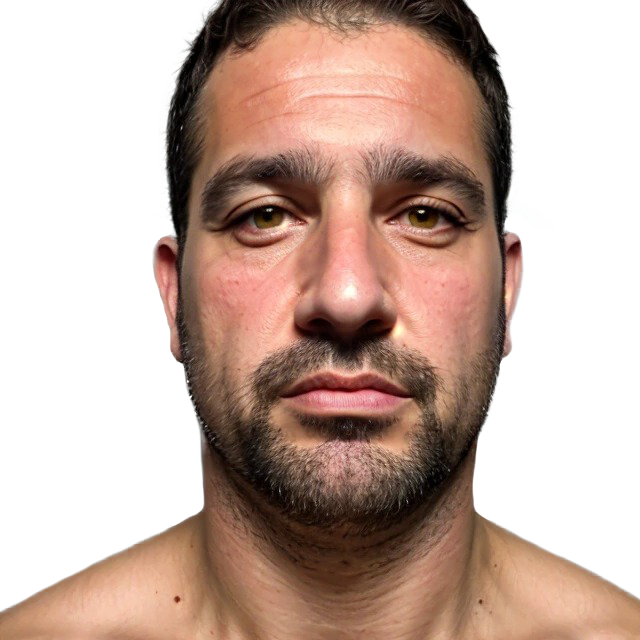
Procurator of Tarraconensis, he dedicated a monument to the Invincible God, Isis and Serapis in Asturica Augusta.
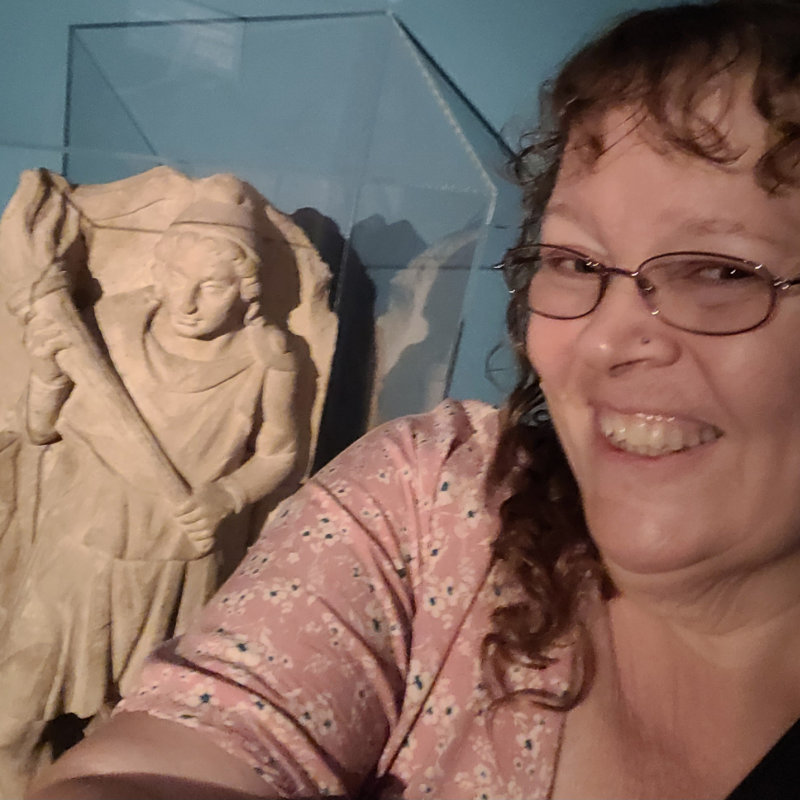
Owner of the Facebook group: Roman Cult of Mithras: His Mysteries, Mithraea and Worship. Owner of the blog: Meals with Mithras VERY into the subject.

Gaius Accius Hedychrus was one of the most prominent Mithraists known from Roman Hispania and a central figure in the Mithraic community of Emerita Augusta during the mid-second century CE.

Severan governor and commander of Legio VII Gemina, associated with the religious milieu that fostered the rise of Mithraic communities in north-western Hispania.

Sextus Pompeius Maximus was an Ostian pater, later honoured as pater patrum, whose benefactions transformed the Aldobrandini Mithraeum and linked him to the city’s ferry guilds.

Patron of the corpus stuppatorum and benefactor who financed the construction of the Mithraeum of Fructosus at Ostia.