Your search Al-Bahnasa gave 3015 results.

Along the lower sectors of the middle Danube, Pannonia inferior became a major centre of Mithraic activity in the frontier provinces.
Narbonensis connected Roman Gaul to the Mediterranean world through some of the oldest urban and maritime networks of the western empire.
Belgica occupied a strategic position between Roman Gaul, the Rhine frontier and the northern provinces where Mithraic cults circulated widely.
Lugdunensis formed part of the urban and administrative core of Roman Gaul, where Mithraic cults circulated through major civic centres.
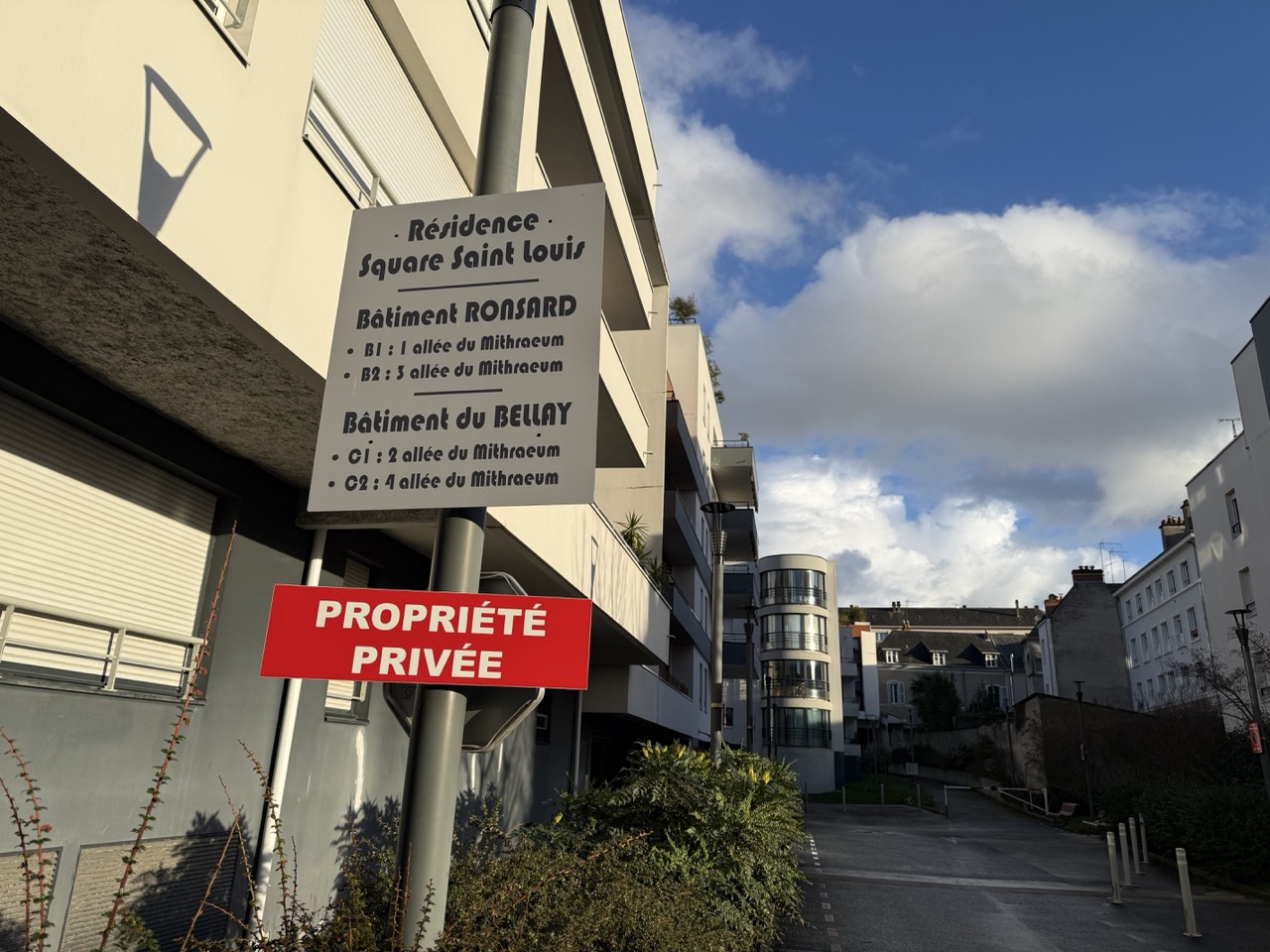
The Mithraeum of Angers, excavated during a preventive operation and subsequently dismantled in 2010, yielded numerous objects, including coins, oil lamps, and a ceramic vessel bearing a votive inscription to the invincible god Mithras.

Roman Sicilia preserves Mithraic evidence shaped by Mediterranean mobility and the island’s strategic position between east and west.
Mauretania preserves western North African evidence linked to urban and maritime networks of the Roman empire.
Mesopotamia preserves frontier evidence from the eastern limits of Roman Mithraic expansion.
The Bosporan Kingdom preserves evidence from one of the northernmost horizons of Mithraic diffusion in the ancient world.
Roman Dacia preserves one of the densest and most frontier-oriented bodies of Mithraic evidence in the empire.

This fragmentary inscription from Zuccabar, reused in the wall of the Sidi Abd-el-Kader mosque at Affreville, preserves a dedication to Sol Invictus.
The evidence from Roman Africa reflects the implantation of Mithraic cults within prosperous urban centres of the western Mediterranean.
This lost Mithraic relief, formerly kept near the church of the Santissima Annunziata in Naples, was probably a large tauroctony associated with the area of Puteoli or Pausilypon.
Roman Syria preserves a major eastern corpus of Mithraic evidence within one of the empire’s most interconnected regions.
Pannonia preserves one of the most important frontier corpora of Mithraic evidence in the Roman world.
Lycia and Pamphylia preserve Mithraic evidence linked to southern Anatolian maritime and urban networks.
Crete and Cyrene connect Mithraic evidence to island, North African and eastern Mediterranean networks.
Cappadocia preserves evidence shaped by military movement, eastern frontier dynamics and Anatolian religious landscapes.
Armenia occupied a strategic position between Roman and Iranian religious worlds during the centuries of Mithraic expansion.
