Your search Farid ud-Din Attar gave 893 results.
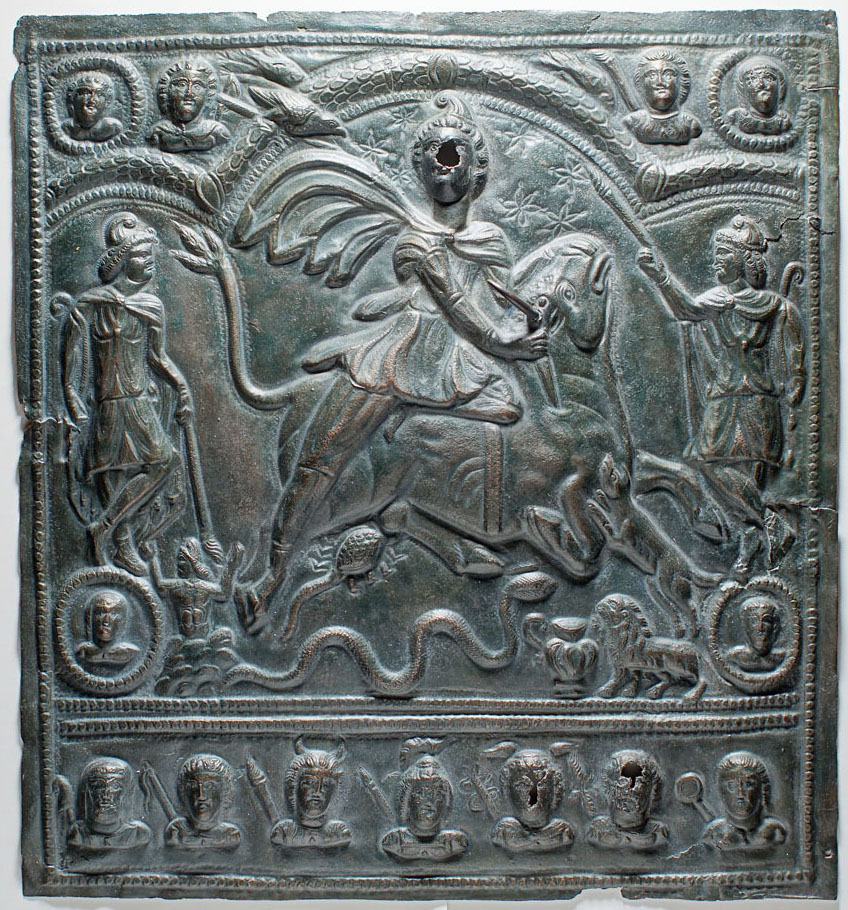
Szony's bronze plate shows Mithra slaying the bull and the seven planets with attributes at the bottom of the composition.
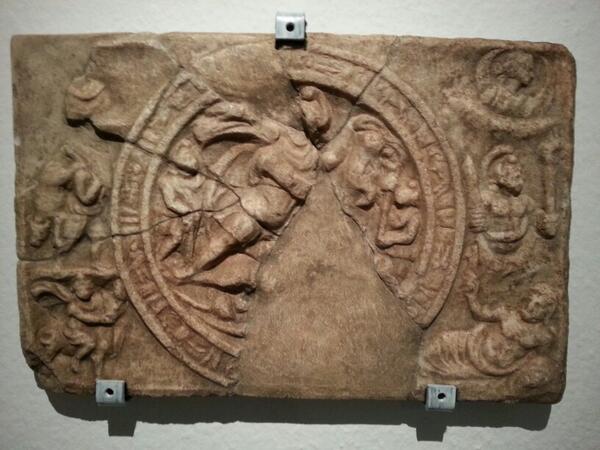
The relief of Mithras slaying the bull of Sisak includes the zodiac and multiple scenes from the myth of Mithras.
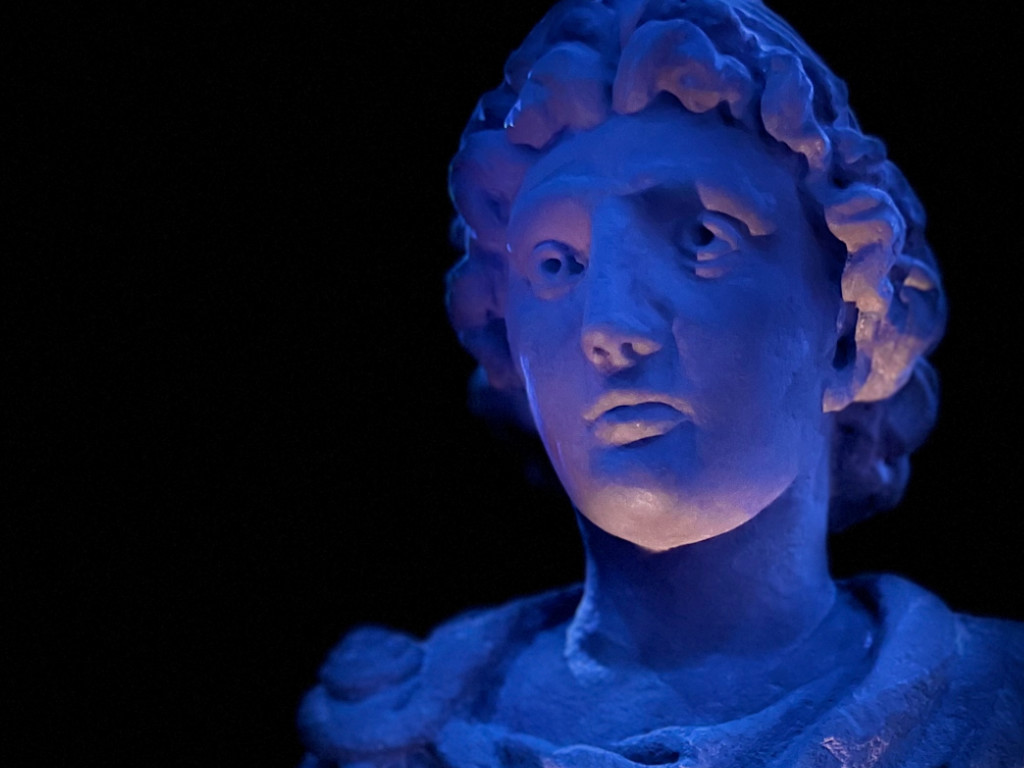
The exhibition The Mystery of Mithras opens at the Mariemont Museum in Belgium, home of Franz Cumont, the father of studies on the solar god.
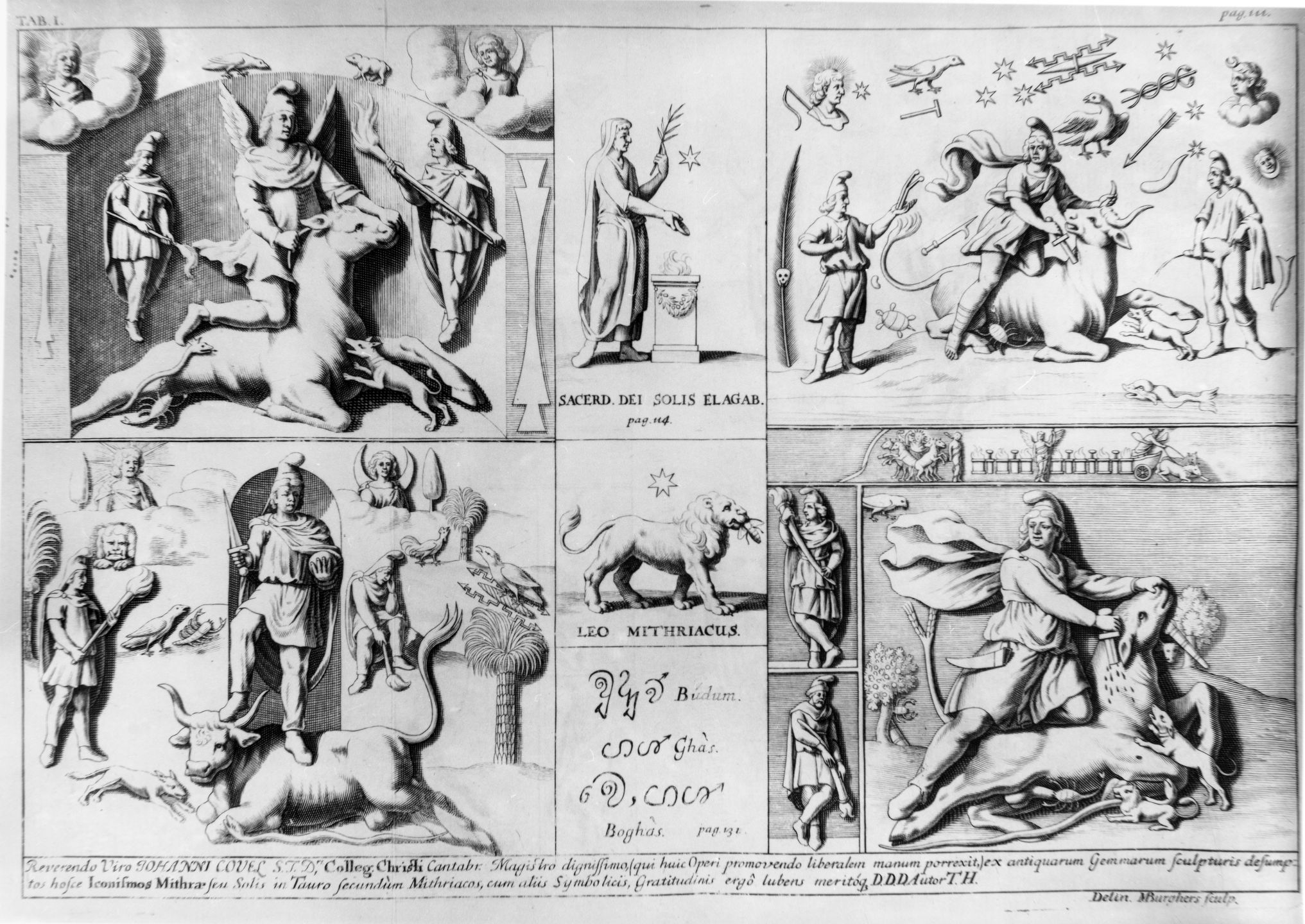
The folio depicts three tauroctonies and a Mithras Triumphantes standing on a bull with the globe in one hand and the dagger in the other.
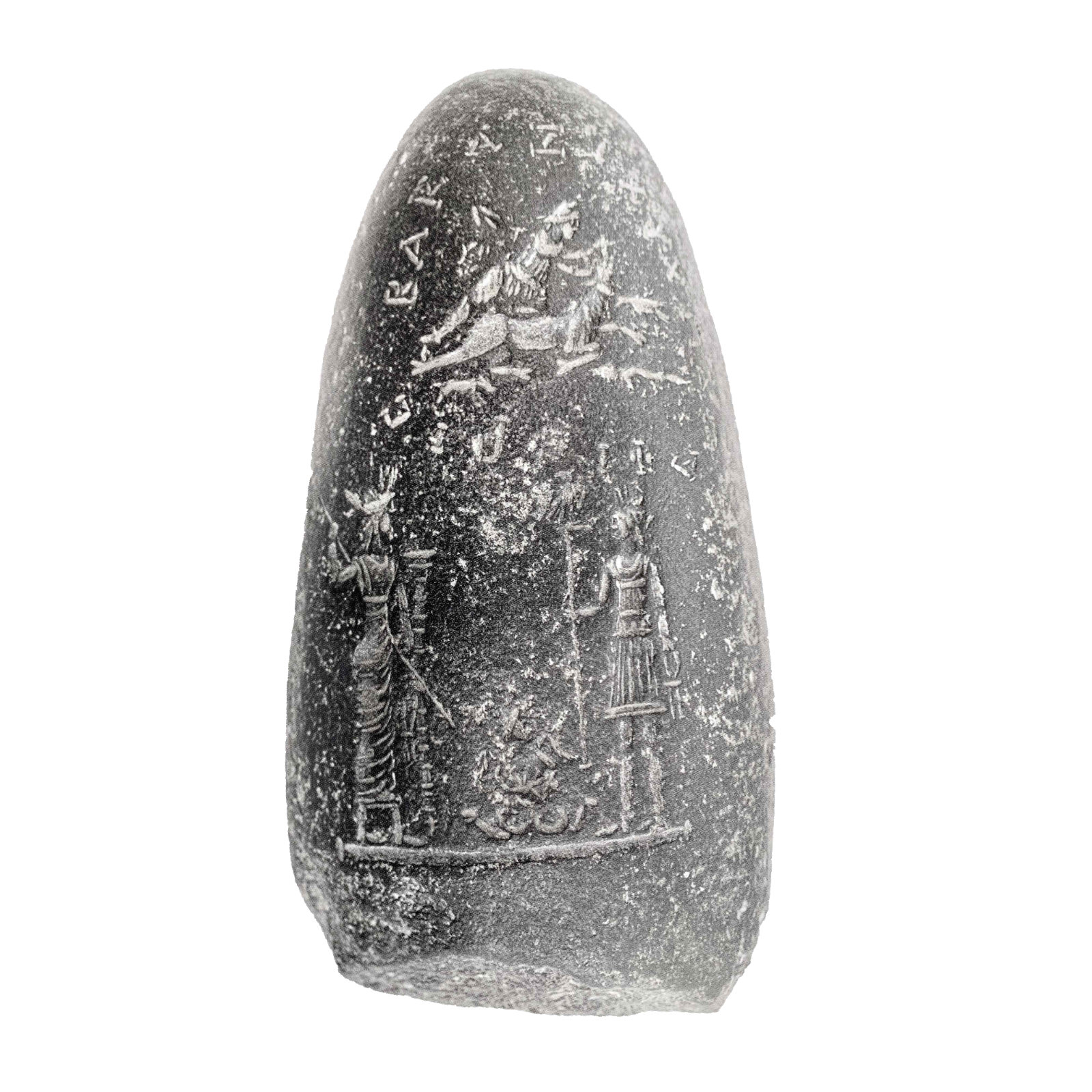
According to Christopher A. Faraone, the axe-head from Argos belong to a category of thunderstones reused as amulets.
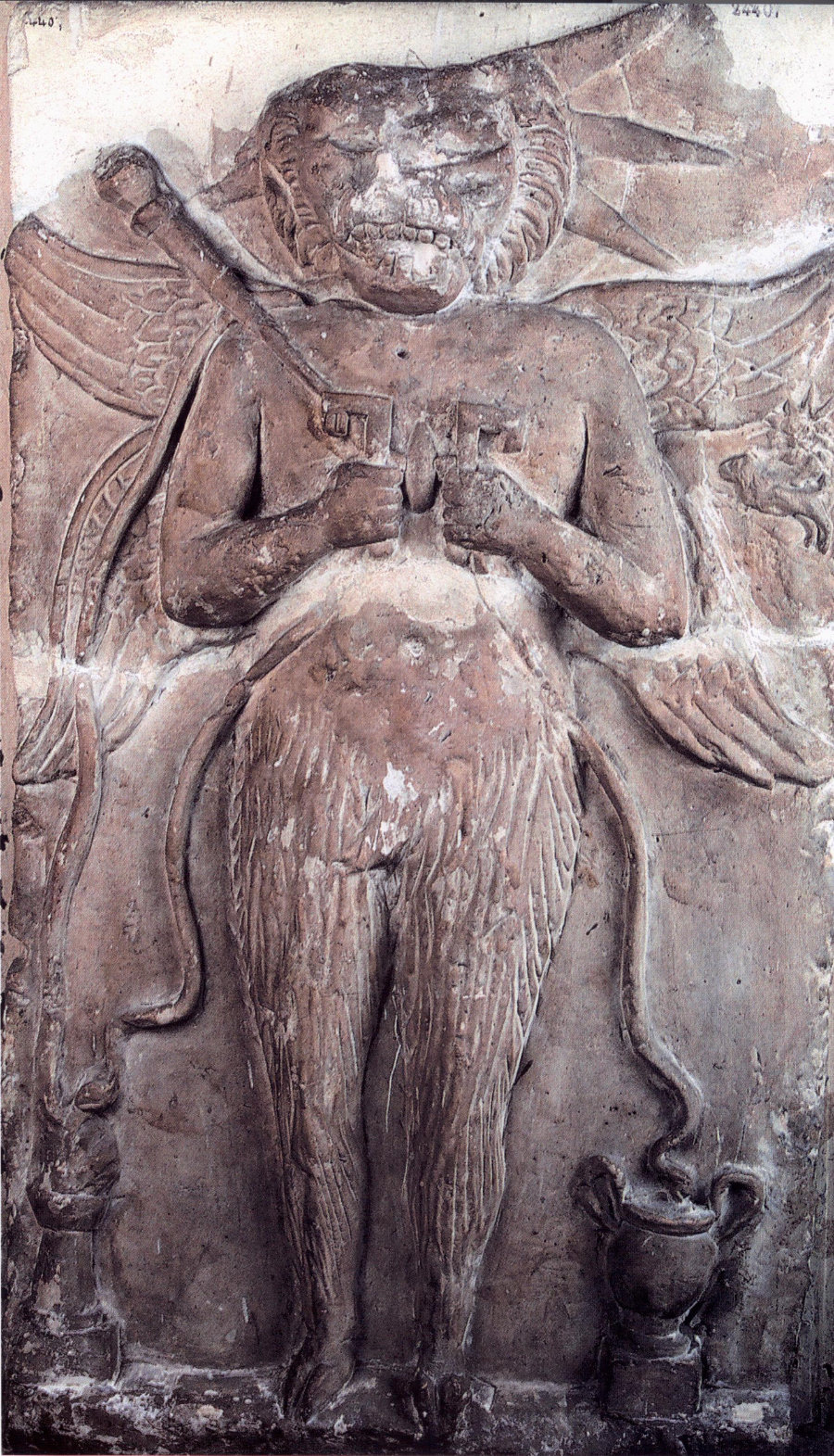
According to Pettazzoni Aion in general finds its iconographical origin in Egypt. Mithras must have been worshipped in Egypt in the third century B.C.
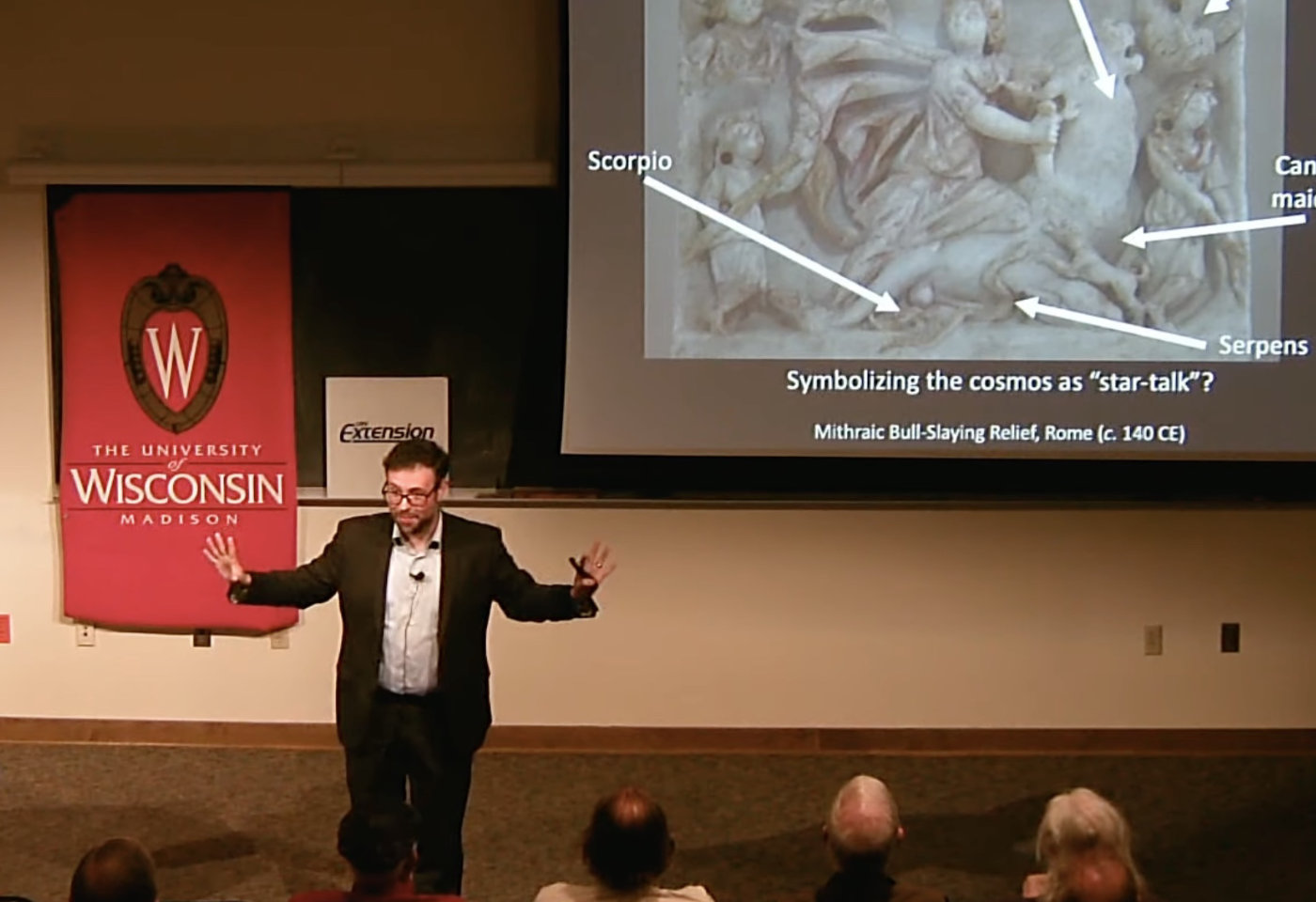
Our modern understanding of Mithraism, though, depends largely on a few short (and very problematic) literary mentions, mostly written by the cult’s Christian rivals.
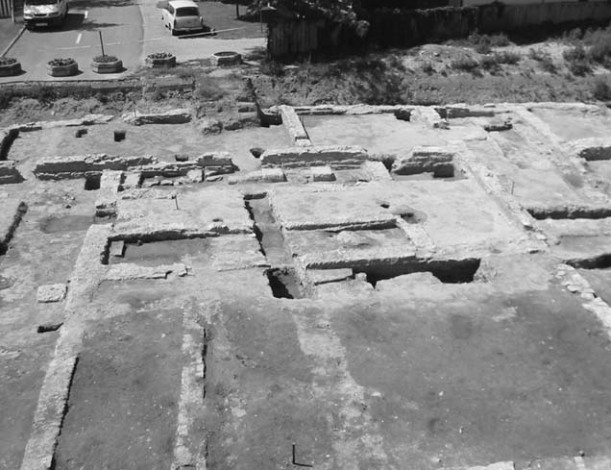
The Mithraeum has found in a Roman building at the end of Attila Road, in Hévíz, Egregy
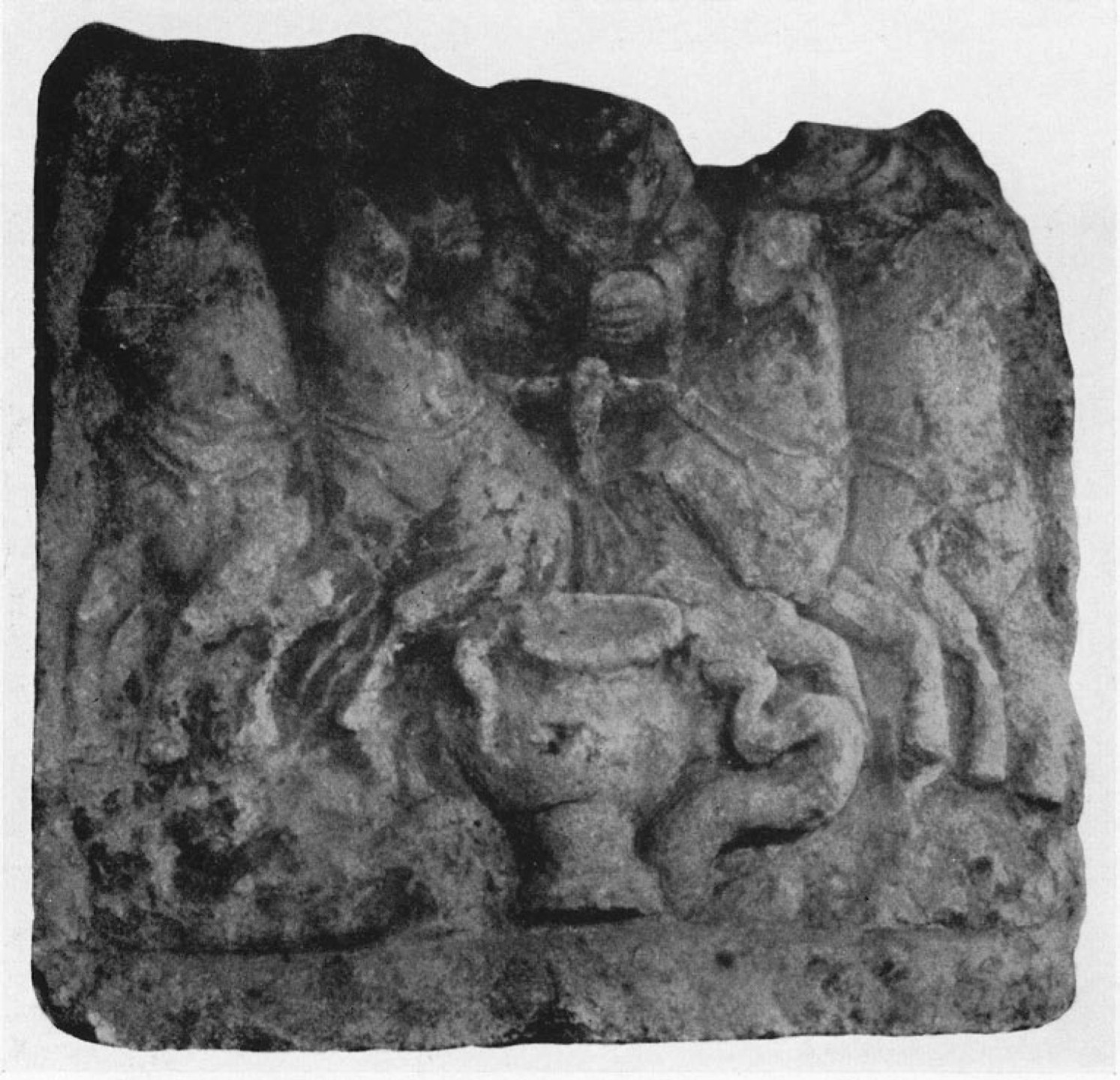
In the mithraic relief of Entrains, the god Sol is depicted riding his chariot together with Luna and a krater surrounded by a serpent.

Emperor Julian is supposed to have presided over a human sacrifice in the Mithraeum of Scarbantia, according to N. Massalsky.
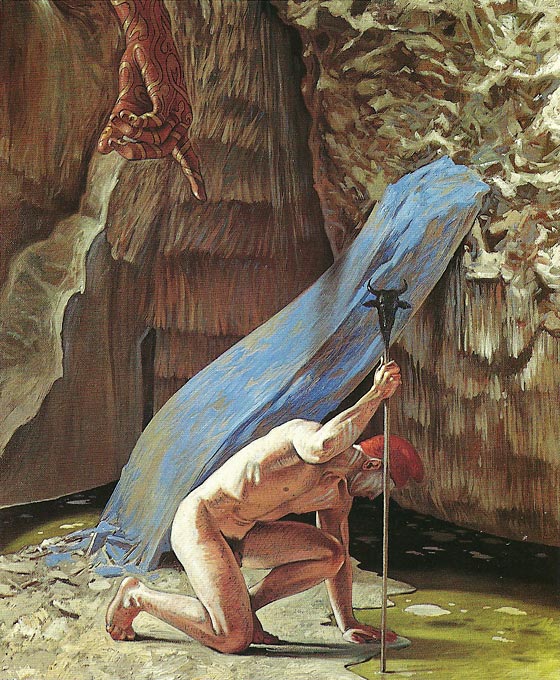
Those initiated into the Mithraic cult were called upon to climb up to seven symbolic rungs of the ladder ultimately leading to the rank of Pater.
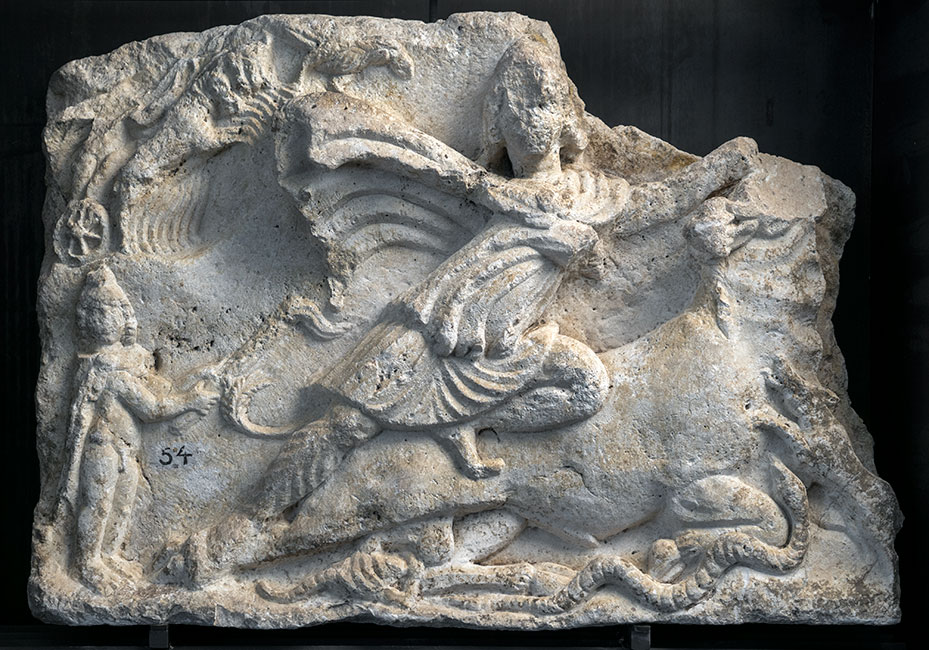
The relief of Mithras killing the bull of Zadar includes a naked Sol in a quadriga.
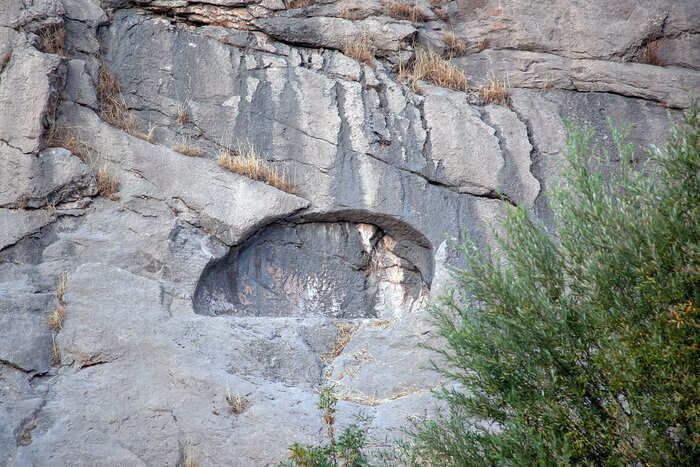
Some Iranian archaeologists suggest that the carving was created by a follower of Mithraism as it depicts a simple portrayal of a human with his right hand raised and an object in his hand. But, experts say it needs much more study in order to date the pe
