Your search San Giovanni al Timavo gave 3646 results.

Three larger altars and other finds from the Mithraeum of Jajce, Bosnia and Herzegovina.
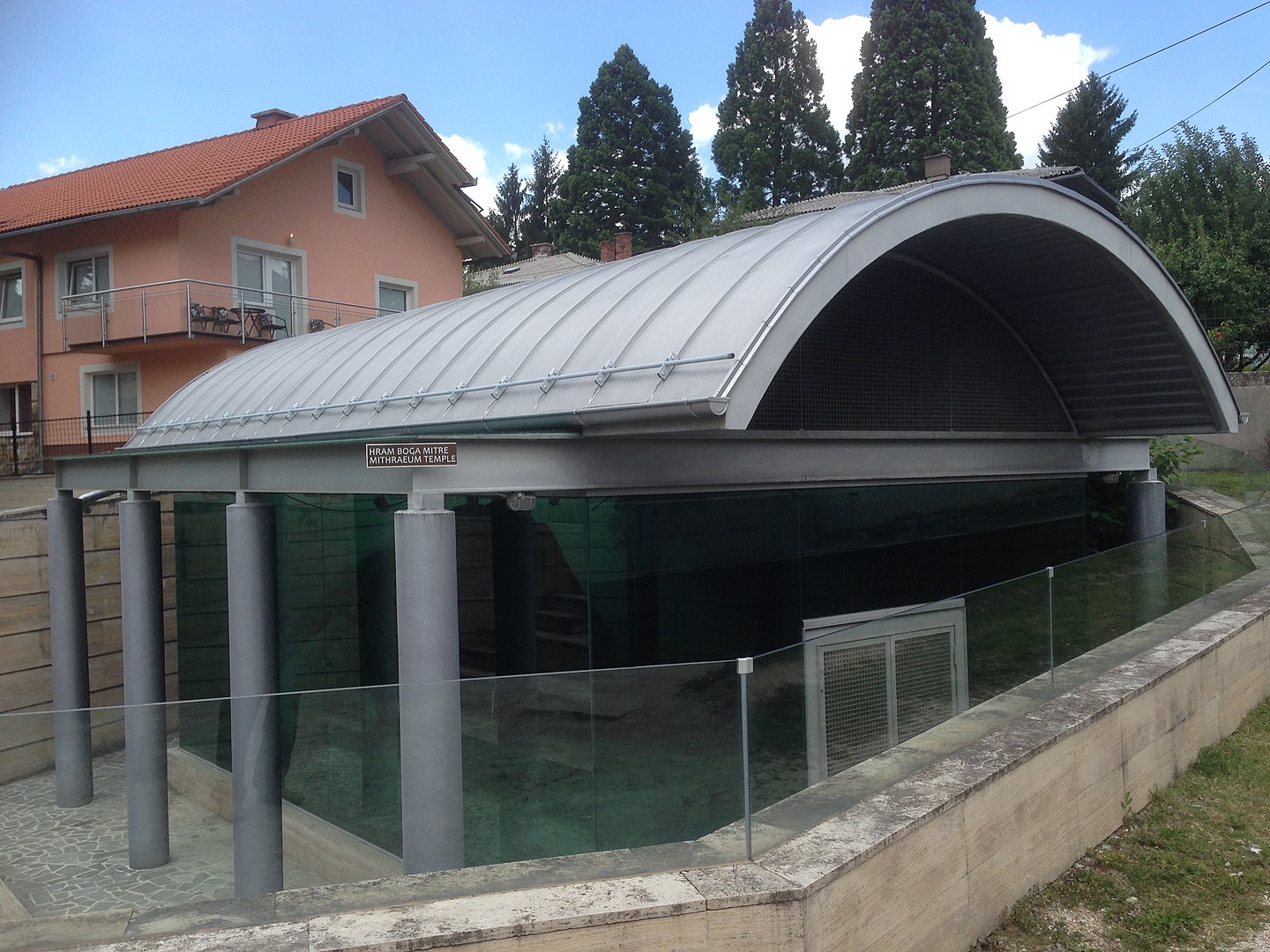
The remains of the Jajački Mithraeum were discovered accidentally during excavation for the construction of a private house in 1931.
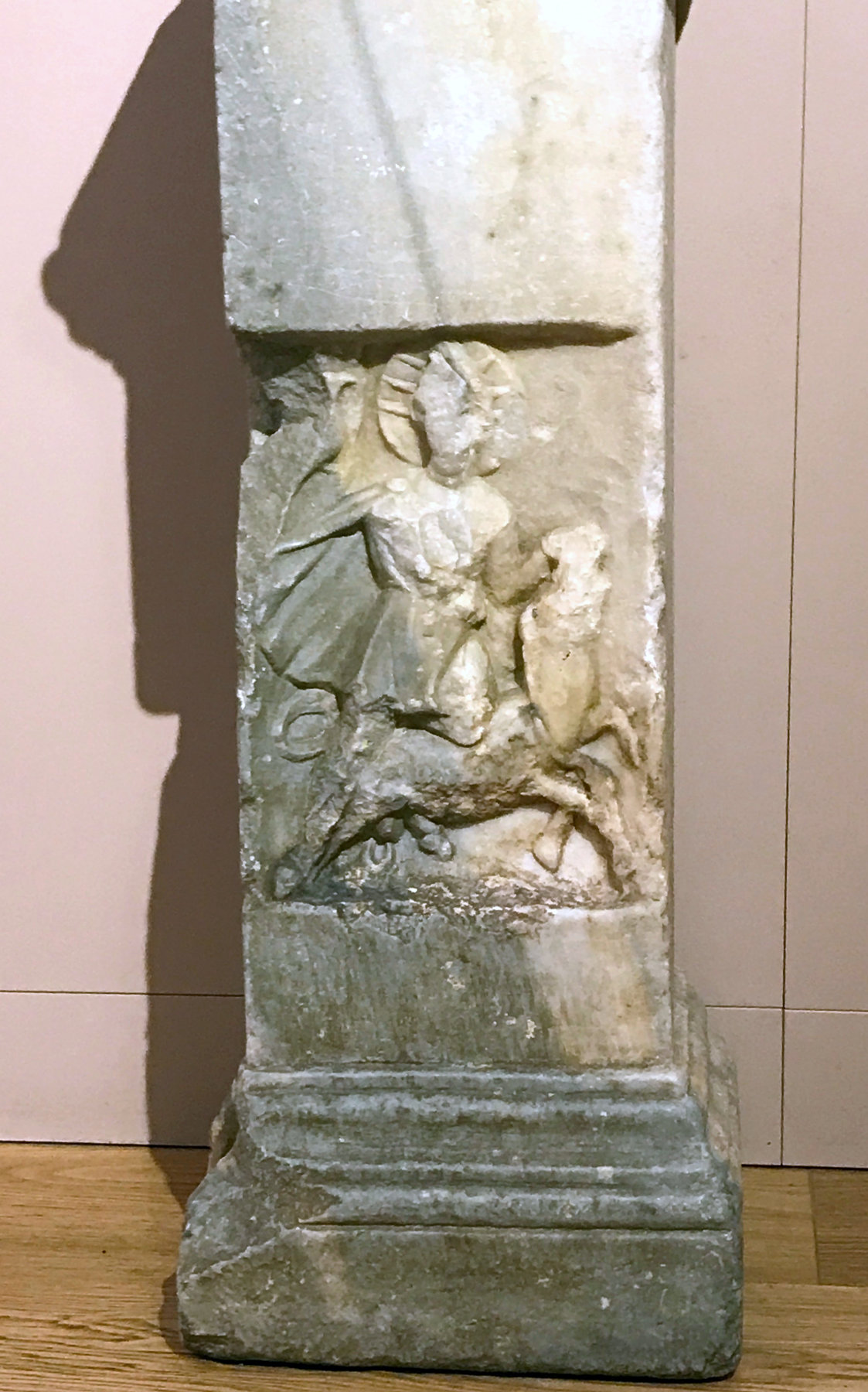
This low relief on an altar of Mithras killing the bull was found in a church in Pisignano, south of Ravenna.
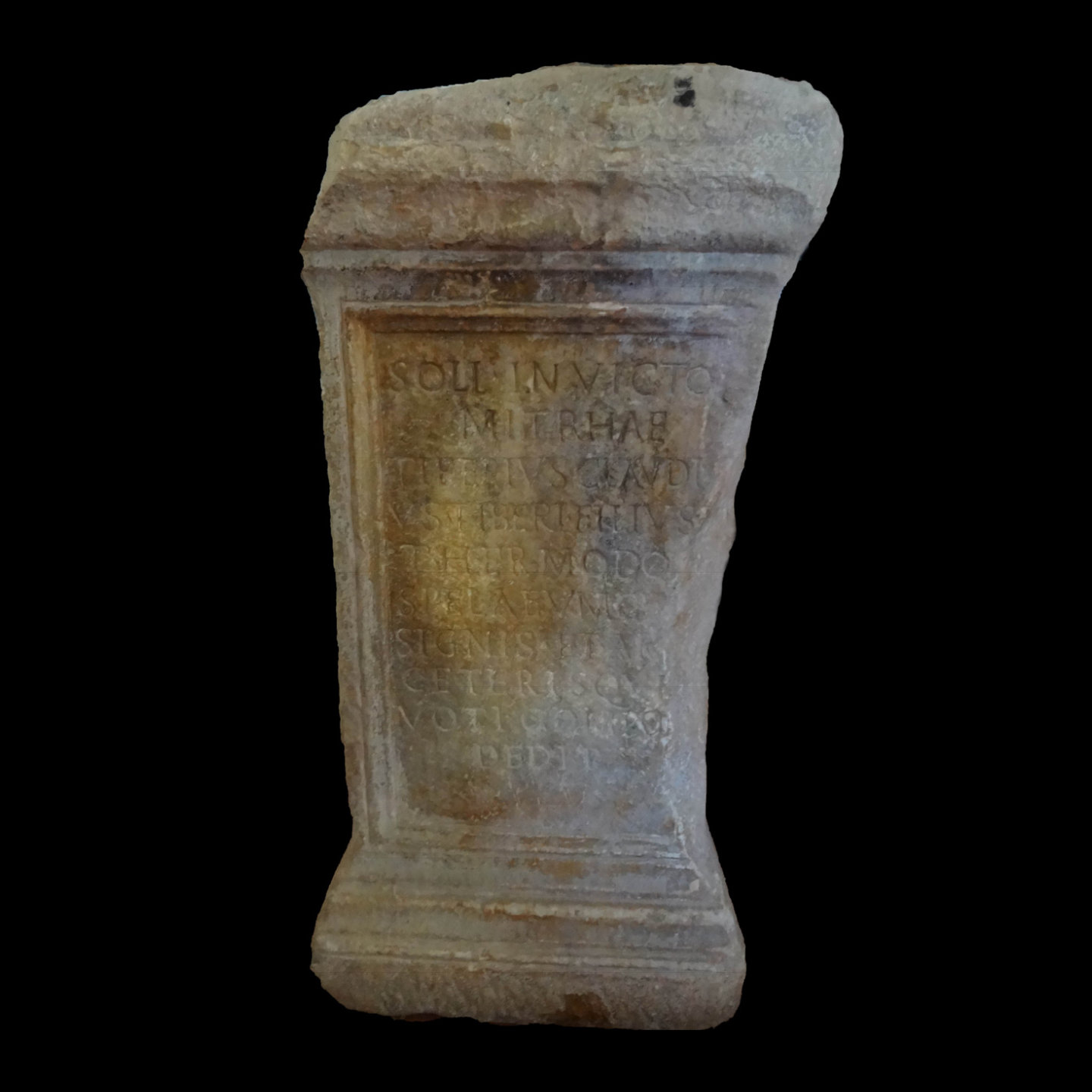
The donor of this Mithraic inscription from Bolsena, a certain Tiberius Claudius Thermoron, is known from two other monuments.
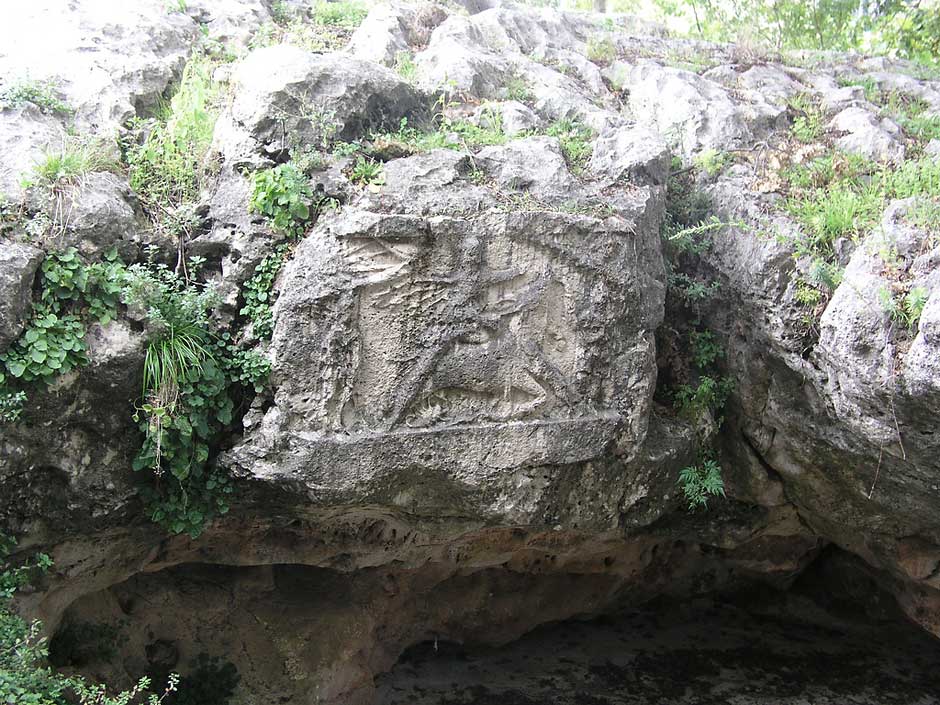
The Mithraeum of Mocici was situated in a grotto at one hour's walk fomr the ancient Epidaurum.
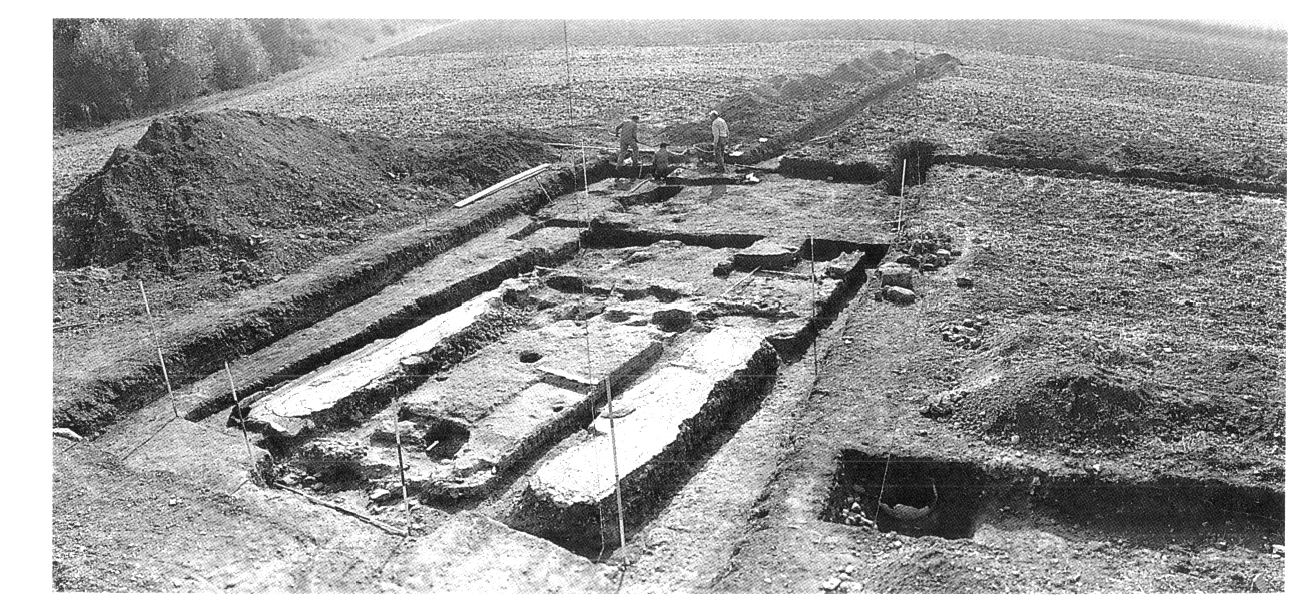
The Mithraeum of Biesheim-Kunheim is located near the ancient village of Altkirch, near the Rhin.
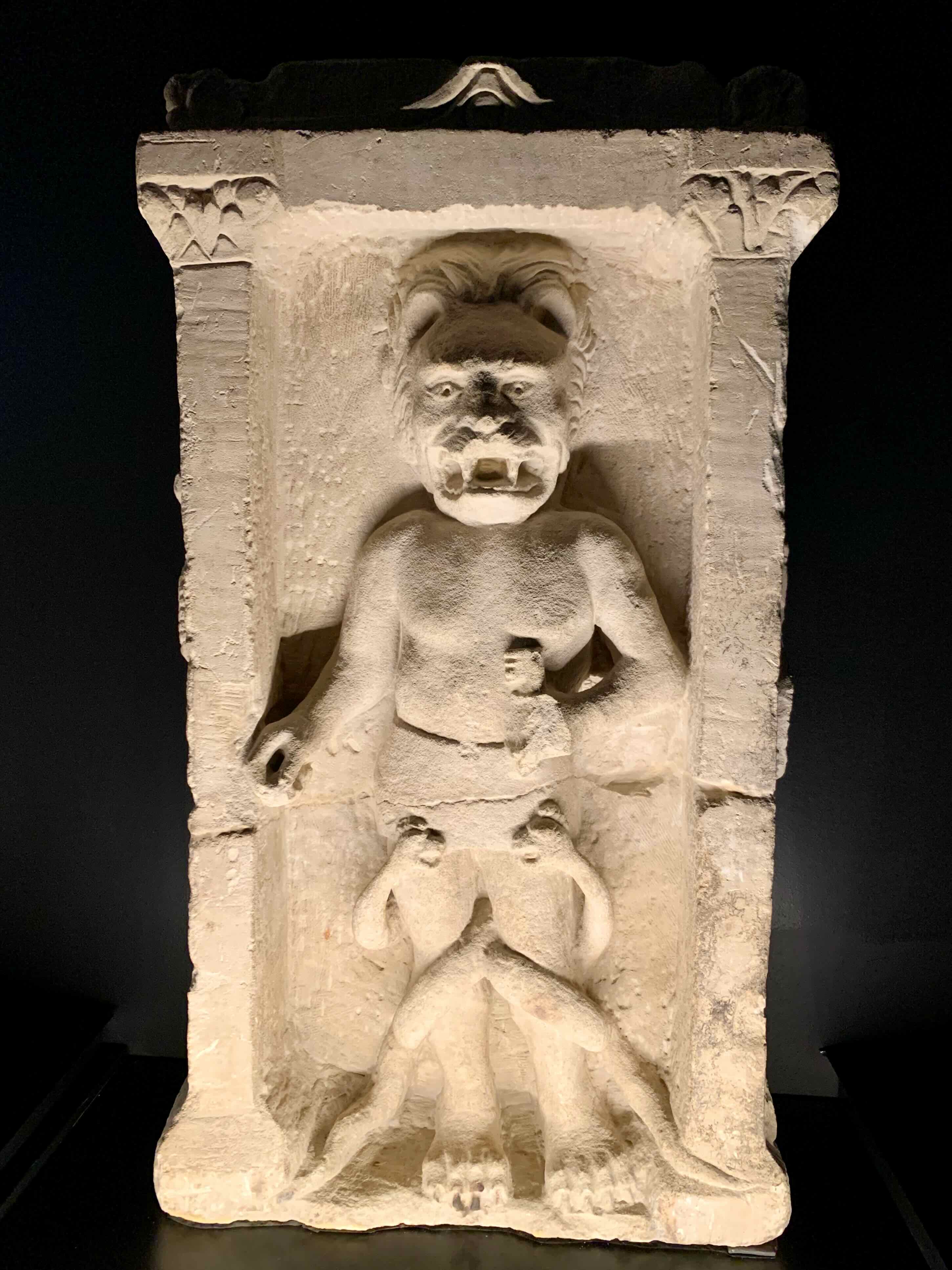
The altar depicting a lion-headed figure from Bordeaux includes a sculpted ewer and a patera on the sides.
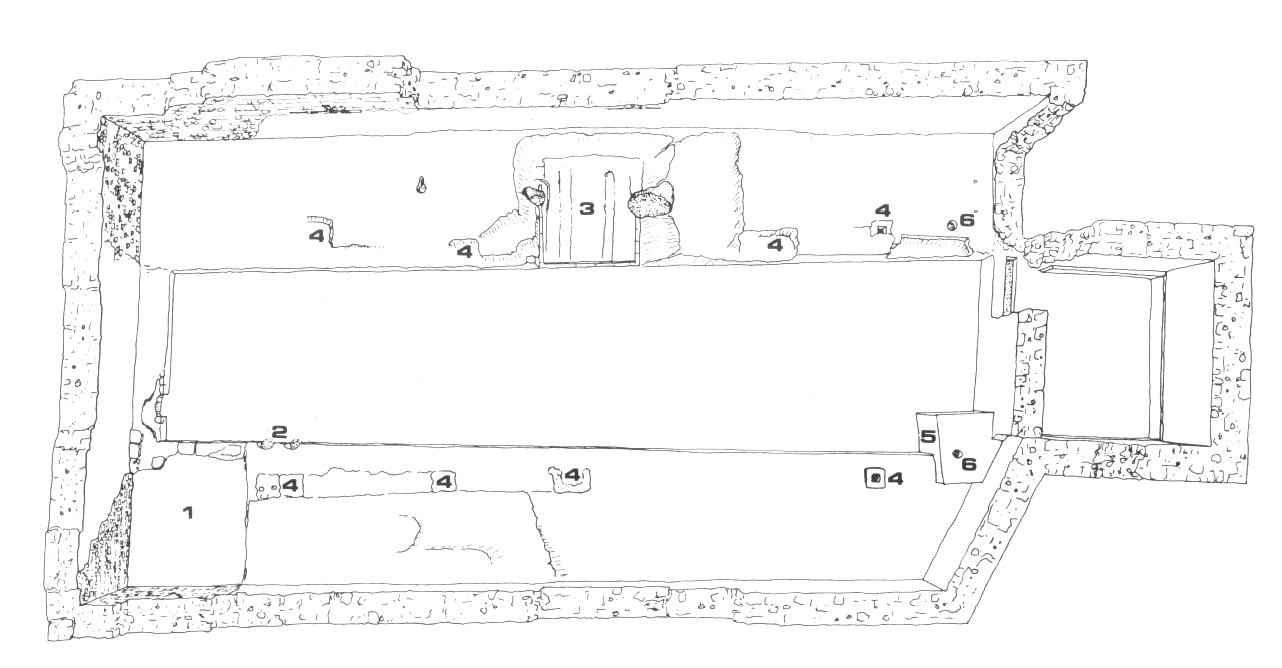
C’est en 1986, à l’occasion de la restructuration de l’ancien magasin Parunis, qu’une fouille de sauvetage archéologique fut réalisée cours Victor Hugo.
This altar found in Sentinum bears an inscription from two brothers.
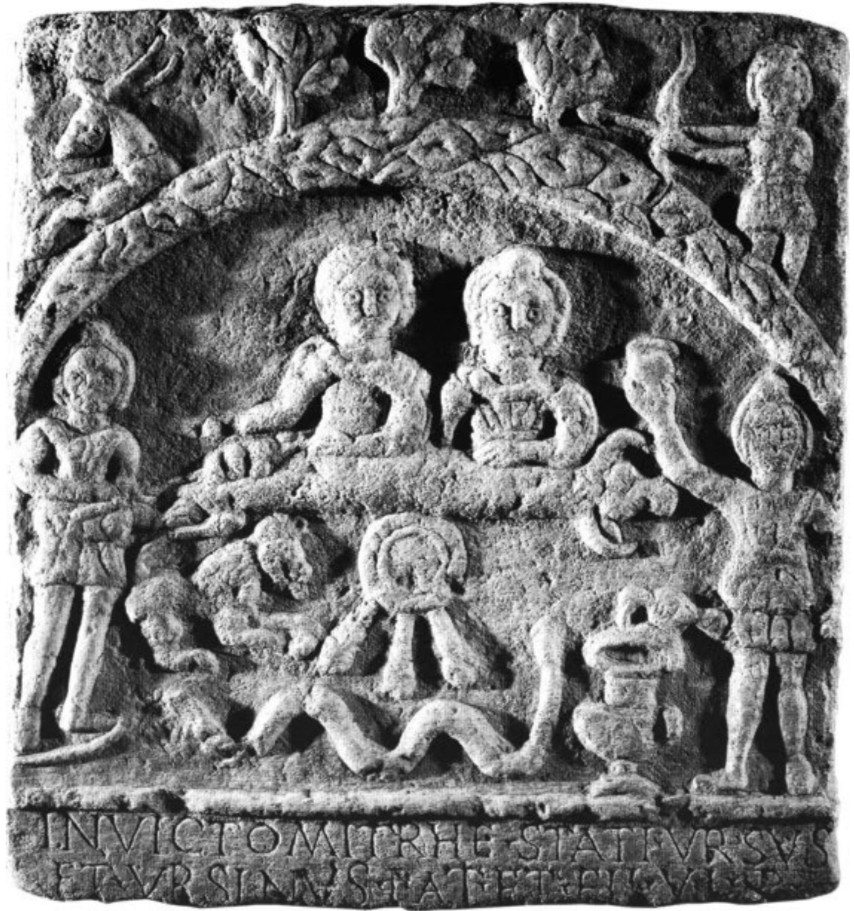
Mithras and Sol share a sacred meal accompanied by Cautes and Cautopates on a relief found in a cemetery from Croatia.
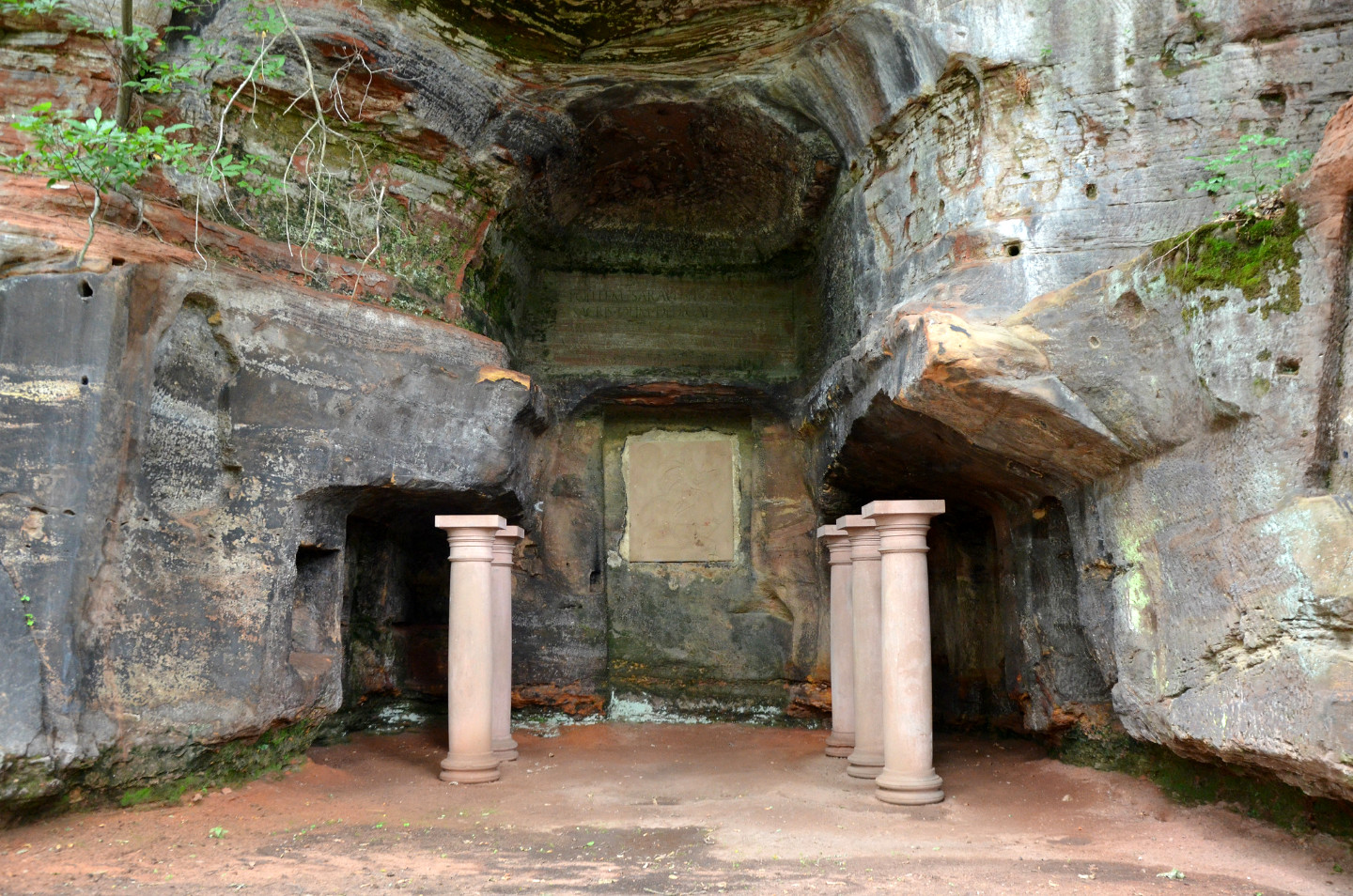
The Mithraeum in Halberg hill, near Saarbrücken, is one of the oldest historical places in the area.
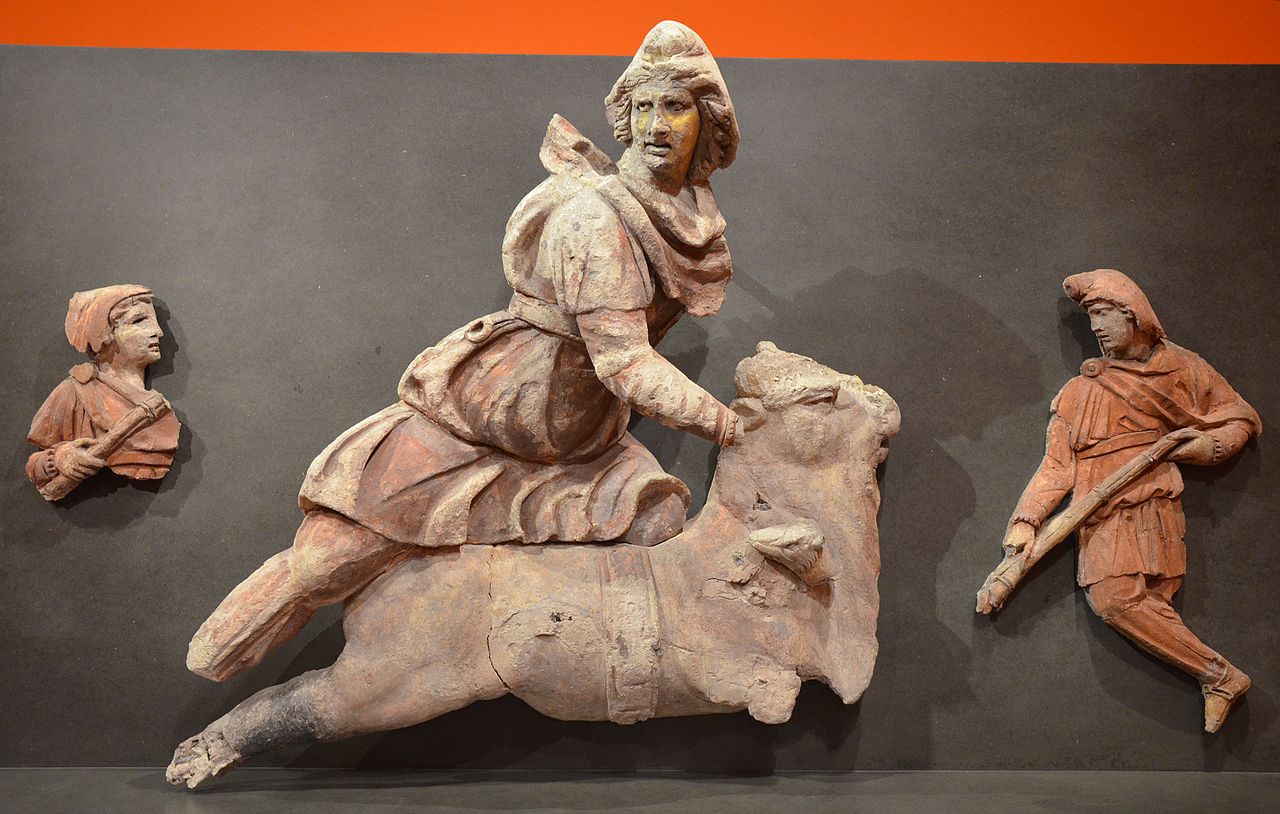
This relief was found under the Palazzo Montecitorio, in Rome, and bought by the Liebighaus at Frankfort.
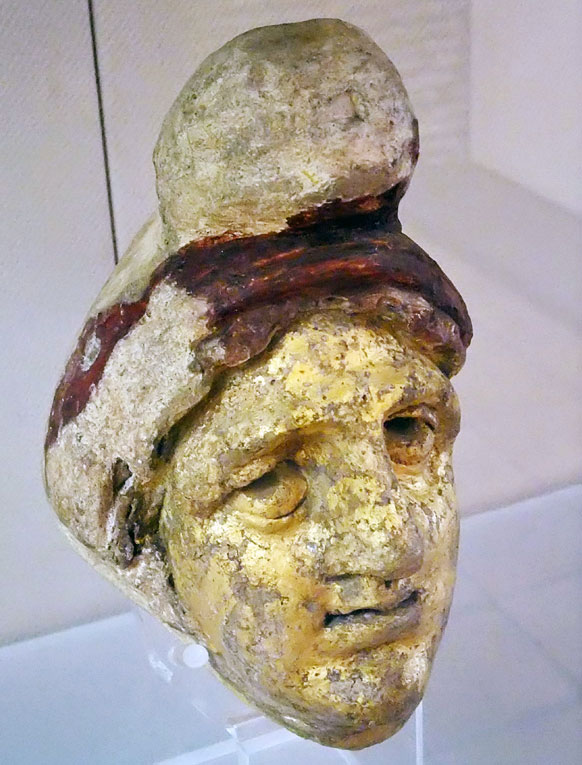
The head was part of a stucco relief of the Tauroctony found under the church of Santo Stefano Rotondo in Rome
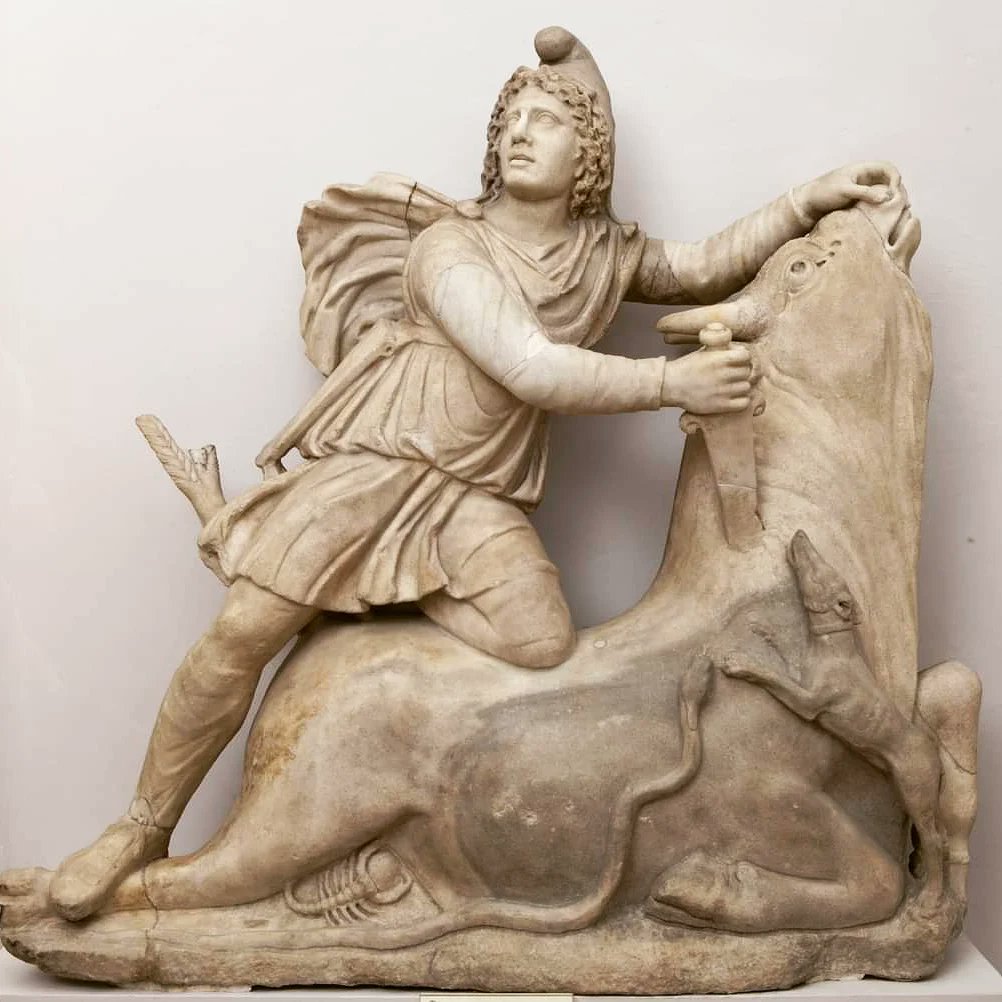
This sculpture of Mithras slaying the bull was bequeathed to the Republic of Venice in 1793 by Ambassador Girolamo Zulian.
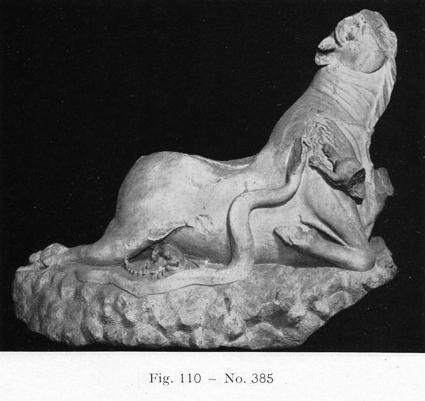
This sculpture of Mithras sacrificing the bull was found in the Quirinal and is now on display in the Musei Capitolini.
A badly damaged tauroctony relief carved in peperino, fixed high into a wall of the old farm known as Le Capanacce on the Via Cassia near Vicus Matrini in Etruria, showing Mithras as a bullkiller in a vaulted cave with serpent, the head and left arm of the god lost…
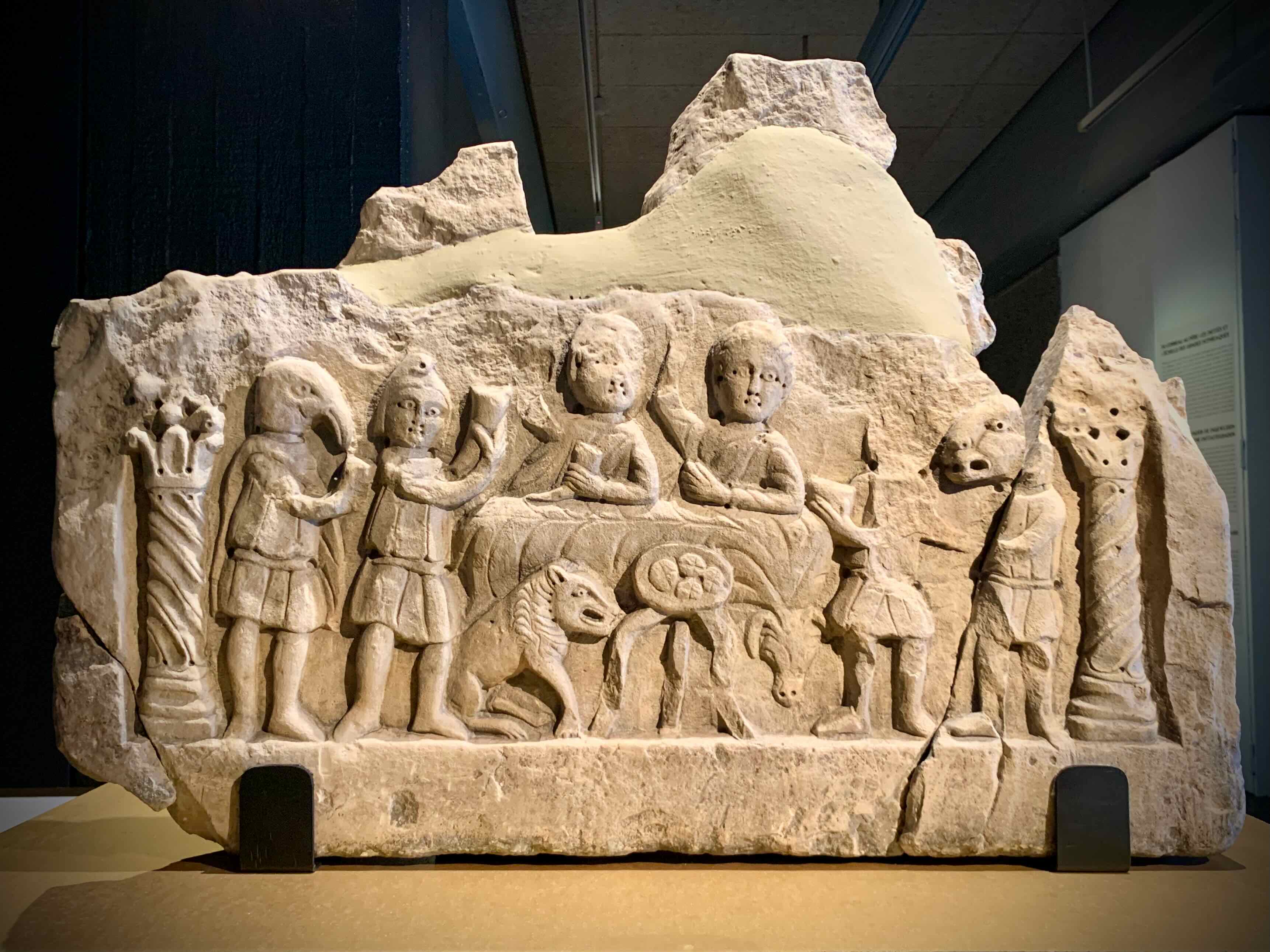
The mithraic relief of Konjic shows a Tauroctony in one side and a ritual meal in the other.
Altar from Salona, Dalmatia, found in 1884, dedicated by Sextus Cornelius Antiochus to Soli deo, who donated both a star and a fructifera — interpreted as Sol and Luna — following a vision.
Fragmentary inscription from Salona, Dalmatia, preserving only the phrase impendio suo — probably recording a building act.
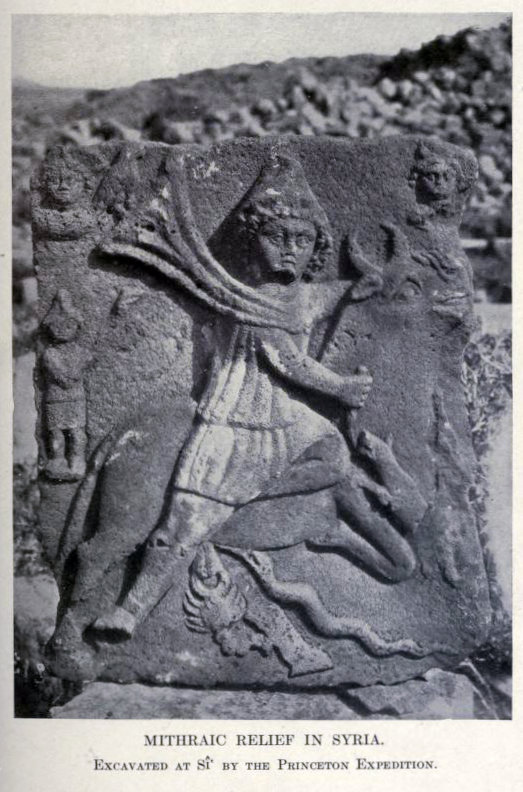
In the tauroctony of Jabal al-Druze in Syria, the snake appears to be licking the head of the bull's penis.
