Your search St Albans gave 2762 results.
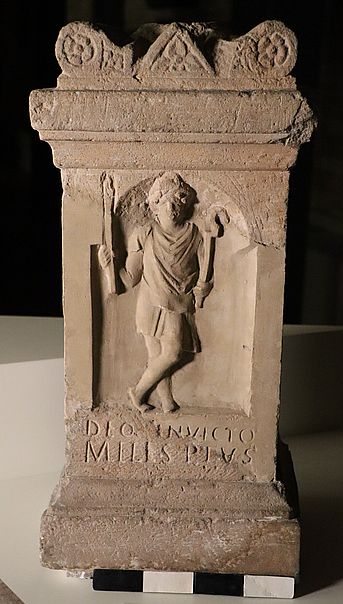
Small votive altar in white limestone from Aquae Mattiacae, dedicated to Deo Invicto by a miles pius. The top preserves the head of Cautes with his raised torch.

This inscription mentions a Pater for the first known time.
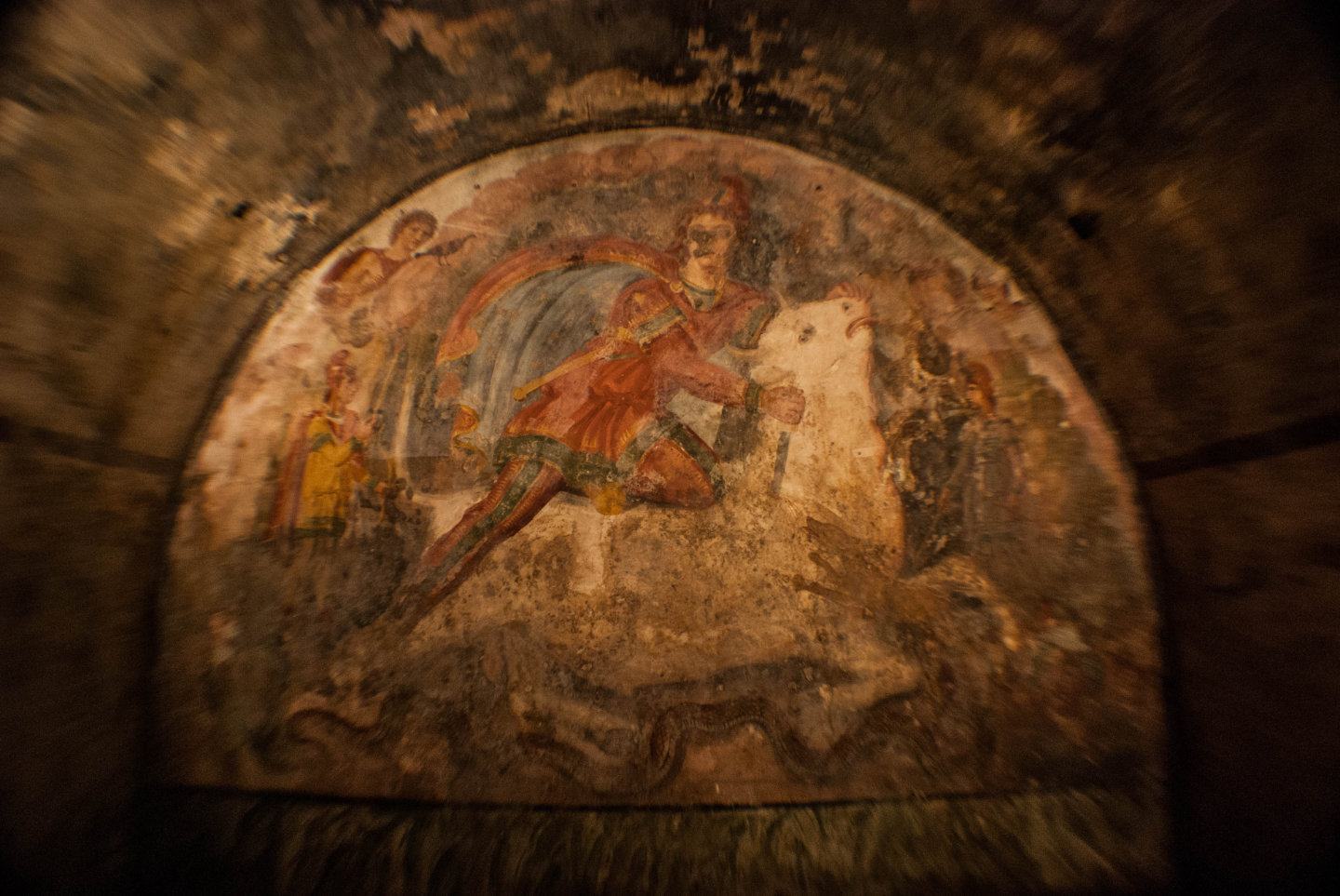
This article revisits the Mithraeum of S. Maria Capua Vetere, one of the most complete and artistically refined Mithraic sanctuaries in the Campanian region, situating it within its archaeological, iconographic, and ritual-historical contexts.
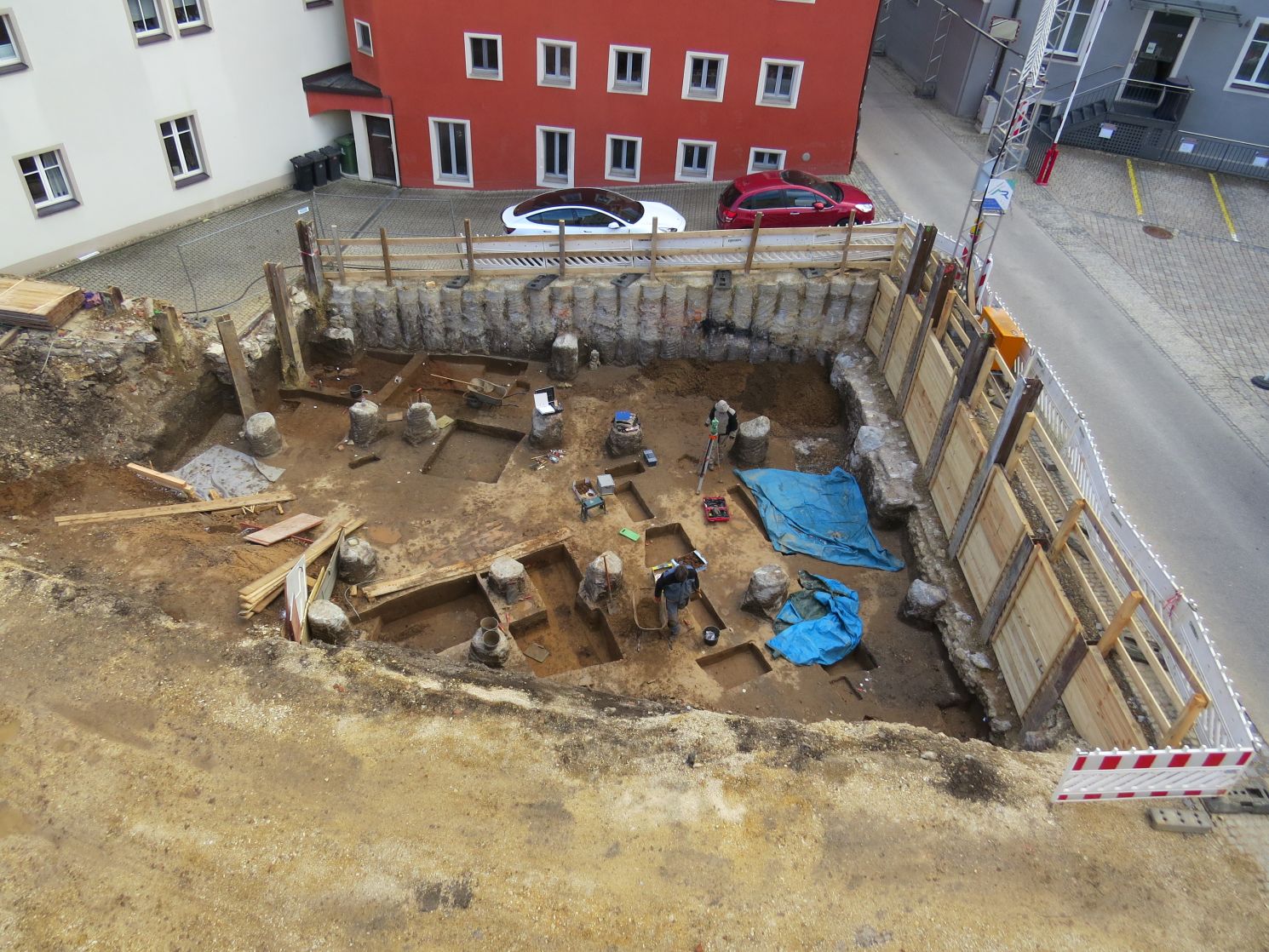
The Mithraeum of Regensburg represents the earliest of the nine Mithraic sanctuaries so far documented in Bavaria, Germany.
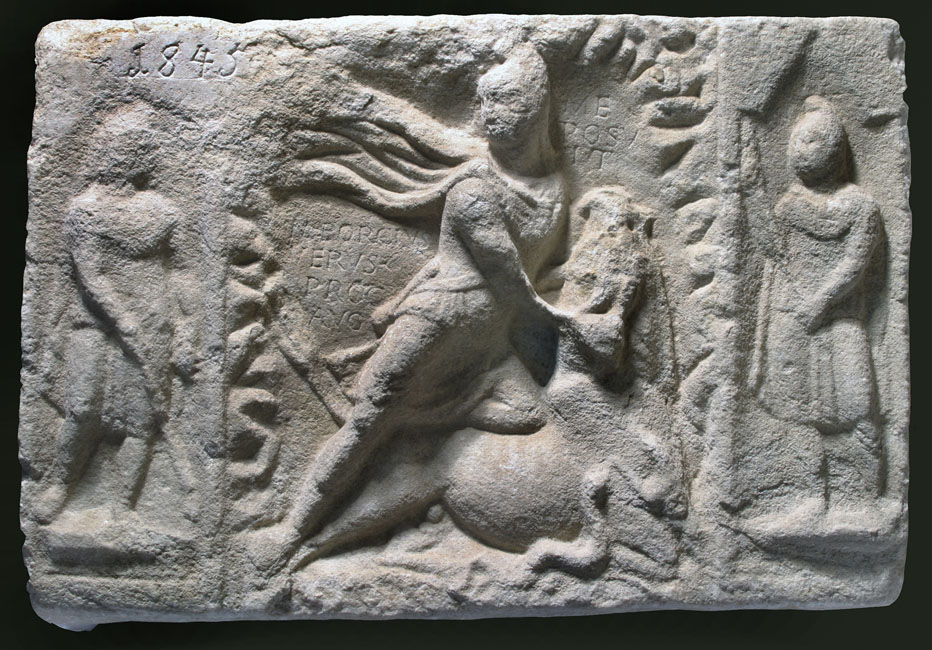
This relief of Mithras tauroctonus and other finds were discovered in 1845 in Ruše, where a Mithraeum probably existed.
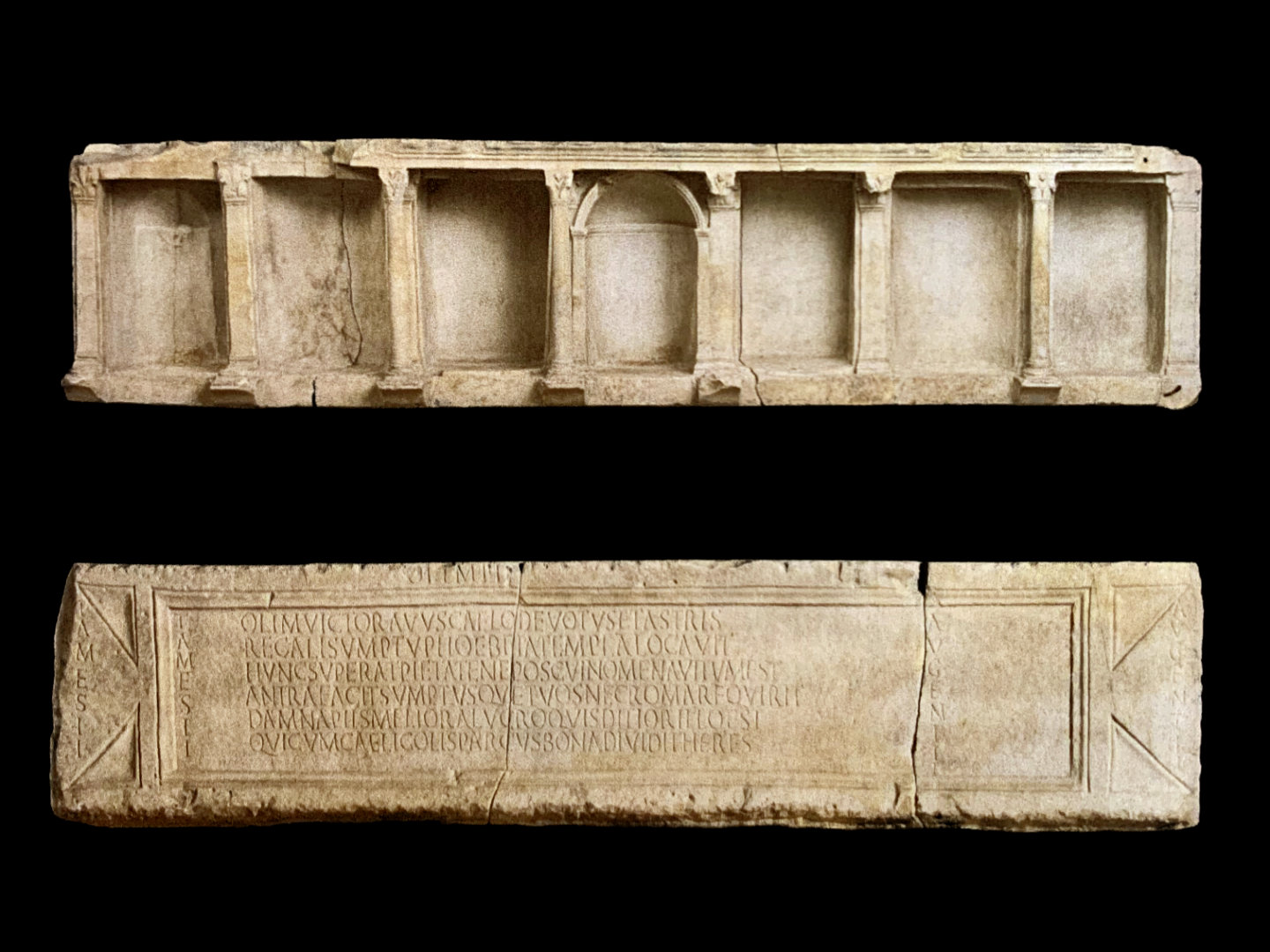
This monument is the only one still available from the disappeared Mithraeum in Piazza S. Silvestro in Capite.
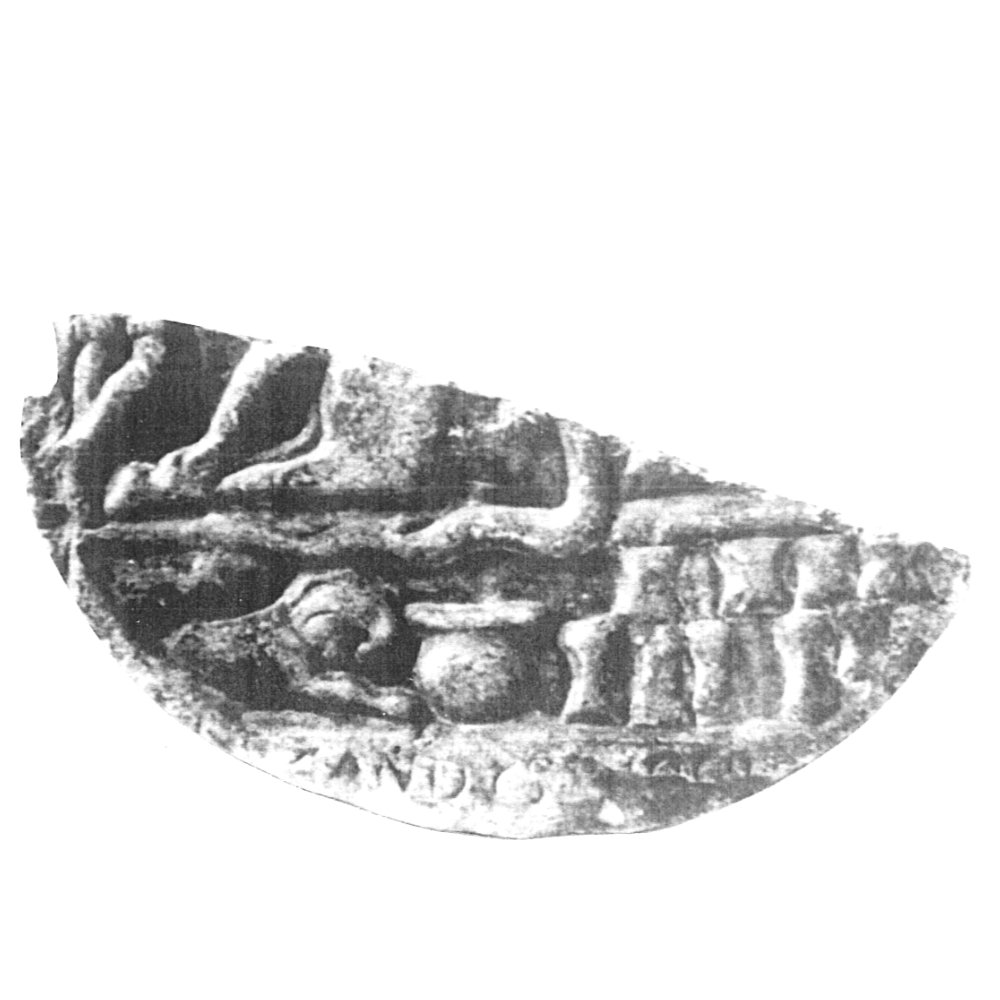
This tauroctony may have come from Hermopolis and its style suggests a Thraco-Danubian origin.
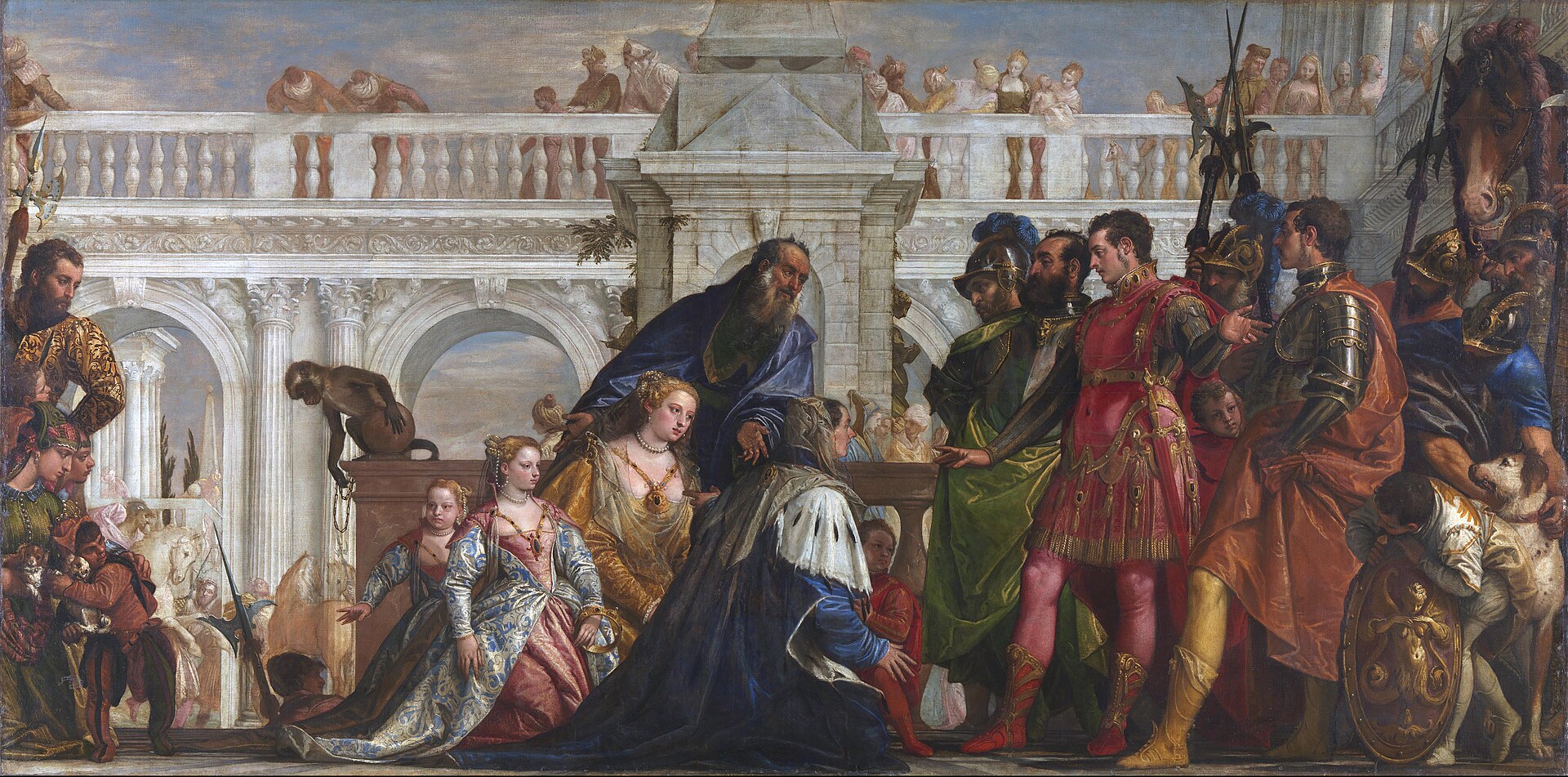
Late antique legendary biography of Alexander the Great (c. AD 300), where history, myth, and imperial ideology merge around figures of divine kingship and solar power.
Dedication from Simitthus mentioning the restoration of a monument and a vow fulfilled to Cautes and Cautopates during the reign of Caracalla and Julia Maesa.


Dion Chrysostom, c. 100 A.D., a philosophical writer under the emperors Nerva and Trajan, composed a series of discourses or essays (λόγοι) on various subjects, in one of which he reports concerning the doctrines and practices of the magi.

The scholiast Lactantius Placidus comments on Statius’ passage identifying the Sun as Titan, Osiris, and Mithras, interpreting the Persian cave figure with the bull.

Scholar, politician and a court astrologer to the Roman emperors Claudius, Nero and Vespasian.


Pater who offered several monuments, including a temple, in Augusta Treverorum.

He dedicated to the Emperor, for the worshipers of the god Mithras a sculpture in Stabiae.

Textile merchant from Augusta Treverorum and Pater of his community, he left testimony of his cult to Mithras in the 3rd century.

Priest. He devoted an inscription found on the main altar of the Mitreo della Planta Pedis.

Donated a krater with weekday gods to Mithras god and king in Augusta Treverorum.

Fructus was the slave who paid for the erection of the Mitreo del Sabazeo in Ostia.
